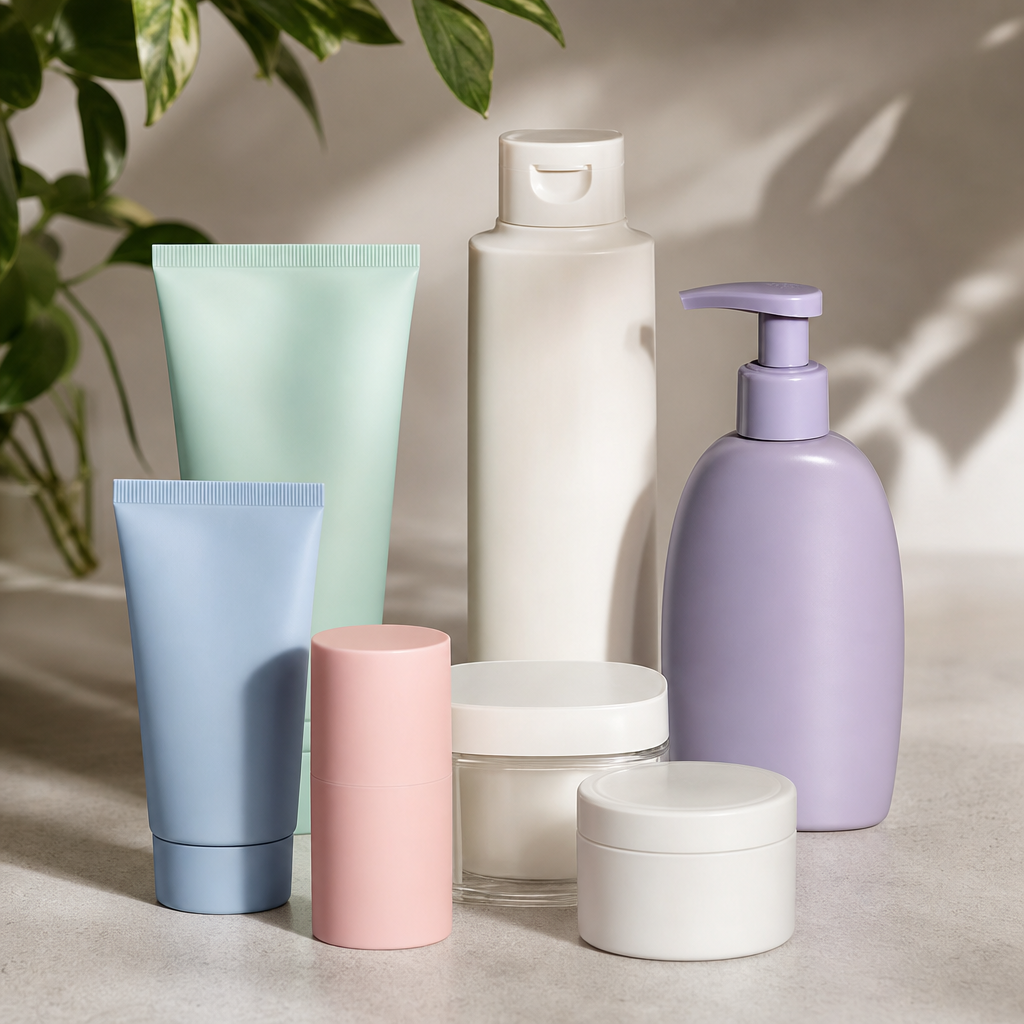
Polymer-based rigid packaging has become a cornerstone of modern packaging because it combines lightweight design, durability, barrier protection, manufacturability, and cost efficiency in a way few other material systems can match. In practical terms, rigid packaging refers to containers and components that retain a defined shape during handling and use, including bottles, jars, tubs, trays, caps, closures, pails, cartridges, and protective housings made primarily from engineered plastics. Within packaging applications, the most common polymers include polyethylene terephthalate, high-density polyethylene, polypropylene, polystyrene, polyvinyl chloride, and increasingly, bio-based or recycled-content resins designed to meet circularity targets.
This category matters because packaging performance directly affects product safety, shelf life, logistics cost, retail presentation, and environmental impact. In food and beverage markets, a bottle that resists oxygen ingress can preserve flavor and reduce spoilage. In healthcare, a sterile polymer container must withstand gamma or ethylene oxide sterilization without stress cracking, extractables issues, or seal failure. In household chemicals, a package has to resist surfactants, fragrances, and aggressive formulations while surviving repeated consumer handling. I have worked with converters and brand teams on these exact tradeoffs, and the most successful packaging programs treat material selection, package design, processing, and end-of-life strategy as one integrated system rather than separate decisions.
Advances in polymer-based rigid packaging are reshaping that system. Lightweighting is reducing resin consumption while preserving top-load strength. Barrier technologies are extending shelf life without relying on heavier alternatives. Digital tools are improving mold design, wall-thickness control, and quality assurance. Recycled resin is moving from pilot use to mainstream adoption in many bottle and nonfood applications. At the same time, regulations on food contact, recycled content, design for recyclability, and extended producer responsibility are raising the technical bar. For companies building an applications strategy around packaging, understanding where these innovations are delivering measurable value is essential.
This hub article explains the current state of polymer-based rigid packaging, the technologies behind recent progress, and the practical decisions that shape successful packaging programs. It also serves as a foundation for more specialized articles on bottles, closures, barrier systems, healthcare packaging, recycled content, design for recycling, and processing methods across the broader packaging subtopic.
Core polymers and package formats driving the market
The rigid packaging market is broad, but a few polymers dominate because their property profiles align with high-volume applications. PET is the leading material for carbonated soft drink bottles, many water bottles, edible oil containers, and thermoformed trays because it offers excellent clarity, toughness, good gas barrier relative to polyolefins, and efficient stretch blow molding. HDPE is the workhorse for milk jugs, detergent bottles, industrial containers, and personal care packaging because it provides strong chemical resistance, impact strength, and robust environmental stress crack resistance when properly specified. PP is widely used for yogurt cups, hot-fill containers, microwaveable tubs, hinged-lid packs, and closures due to its heat resistance, fatigue performance, and low density.
PS, including high-impact polystyrene, remains important in some dairy, foodservice, and appliance-protective formats, although sustainability pressure has reduced its use in many regions. PVC still appears in selected blister packs and specialty containers because of its clarity and thermoforming behavior, but regulatory and recycling concerns have limited broader growth. Engineering polymers such as polyamide, EVOH blends, cyclic olefin polymers, and fluorinated layers are used in more demanding applications where solvent resistance, oxygen barrier, aroma retention, or high purity are critical.
Package format matters as much as resin choice. Injection-molded tubs and caps, extrusion blow molded bottles, injection stretch blow molded PET bottles, and thermoformed trays all create different design opportunities and constraints. A wide-mouth PP tub can support in-mold labeling and retort performance, while a PET bottle can exploit biaxial orientation for clarity and strength. Packaging teams that understand format-specific behavior make better decisions on wall distribution, gate placement, thread design, panel stiffness, and decoration methods.
Market growth is also being shaped by convenience and channel shifts. E-commerce has increased demand for packages that can survive parcel distribution and compression loads. Refill systems are influencing closure and compatibility design. Premiumization in food, beverages, and beauty has elevated demand for high-gloss surfaces, transparent walls, and tactile geometry. Across these trends, polymers remain highly adaptable because formulations can be tuned with nucleating agents, impact modifiers, color concentrates, UV stabilizers, scavengers, slip additives, and compatibilizers to match the exact application.
Material innovations improving barrier, durability, and product protection
The most significant technical advances in rigid packaging are occurring at the material and structure level. Barrier improvement is a prime example. Standard PET already offers useful carbon dioxide and oxygen performance, but multilayer structures incorporating EVOH, oxygen scavengers, plasma coatings, or nanocomposite approaches can dramatically extend shelf life for sensitive beverages, sauces, and nutraceuticals. For beer and oxygen-sensitive juices, scavenger-enhanced PET systems can absorb ingress that would otherwise degrade taste. For condiments and ready meals, PP and HDPE containers with barrier layers allow plastic packages to compete with glass or metal in product protection while reducing shipping weight.
Chemical resistance has also advanced. Detergents, agrochemicals, automotive fluids, and concentrated cleaners increasingly contain active ingredients that challenge traditional containers. Resin suppliers now offer HDPE and PP grades tailored for stress crack resistance under surfactant exposure, and fluorination or multilayer constructions can limit permeation of hydrocarbons and volatile organics. In healthcare and diagnostics, cyclic olefin copolymers and medical-grade PP are being specified for low extractables, optical clarity, and dimensional stability in rigid vials, cartridges, and assay components.
Impact performance remains a central requirement in rigid packaging, especially in cold-chain logistics and high-speed filling lines. Advanced copolymer PP grades, impact-modified PET blends, and optimized HDPE molecular weight distributions are helping packages survive drops, top-load stacking, and line abuse without excessive wall thickness. Nucleation technology has improved stiffness and cycle time in PP while preserving processability. That matters because faster crystallization can shorten molding cycles and raise output without sacrificing package consistency.
Another important development is transparency control. Clarified PP can now achieve near-glass aesthetics in certain food containers, allowing brands to avoid PET when heat resistance or hinge performance is more important. Meanwhile, PET copolymers support complex shapes with strong clarity and reduced haze. These improvements are not cosmetic alone. Consumer trust in food, pharmaceuticals, and personal care products is strongly influenced by visibility, tamper evidence, and perceived package integrity, all of which depend on the material system chosen.
Processing advances in injection molding, blow molding, and thermoforming
Processing technology has pushed polymer-based rigid packaging forward as much as resin chemistry. Injection molding systems now use high-cavitation tools, valve-gated hot runners, real-time cavity pressure sensing, and scientific molding methods to maintain tighter dimensional control on caps, closures, medical parts, and thin-wall tubs. In my experience, even modest improvements in cavity balance and melt temperature consistency can sharply reduce closure ovality, flash, and torque variation, which in turn improves capping reliability on filling lines.
In PET bottle production, modern injection stretch blow molding platforms achieve remarkable material efficiency through precise preform design, infrared heating control, and blow profile optimization. Finite element analysis is routinely used to predict wall-thickness distribution, vacuum panel behavior, and top-load performance before steel is cut. That has accelerated lightweighting across water, beverage, and personal care bottles. It is now common for a redesign to remove several grams of resin while still passing burst, drop, creep, and transport tests through geometry refinement rather than brute-force thickness.
Extrusion blow molding has advanced through better parison programming, servo controls, and mold cooling design. This is especially relevant for HDPE and PP bottles with handles, asymmetrical shapes, or multilayer structures. Improved parison control reduces wall-thickness variation, which lowers resin use and improves squeeze feel, drop resistance, and panel stability. Thermoforming has also become more sophisticated, with plug-assist design, sheet coextrusion, inline trimming, and digital inspection enabling thinner gauges and more complex tray architectures for food and medical applications.
Automation and quality systems are now integral to performance. Vision inspection can detect short shots, gate blush, contamination, thread defects, and dimensional drift at production speeds that manual inspection cannot match. Statistical process control tied to resin drying, melt temperature, and cycle parameters reduces variability lot to lot. For regulated applications, validation protocols and traceability systems are increasingly mandatory. These capabilities are part of why polymer rigid packaging continues to win share: converters can scale output while maintaining repeatability across global production networks.
Sustainability, recycled content, and design for circularity
Sustainability is the defining strategic issue in packaging, and rigid polymers are at the center of that discussion. The best current advances are not a single breakthrough material but a set of design and supply-chain improvements that make packages easier to recycle, incorporate more recycled content, and use less virgin resin. Lightweighting remains the fastest route to emissions reduction because it lowers material demand immediately. However, lightweighting must stay within performance limits. An under-designed bottle that buckles on a pallet or leaks in transit creates more environmental harm than the resin it saves.
Post-consumer recycled content has made substantial progress, especially in PET and HDPE. Food-grade recycled PET is now widely used in beverage bottles in regions with advanced collection and decontamination infrastructure, supported by super-clean recycling processes and no-objection frameworks from regulators such as the U.S. Food and Drug Administration. Recycled HDPE is gaining traction in personal care, household, and industrial packaging, although odor, color variability, and stress crack performance still require careful specification. Compatibilizers, deodorization systems, and tighter feedstock sorting have improved consistency, but converters still need strong incoming-quality protocols.
Design for recyclability is changing package architecture. Dark pigments that defeat near-infrared sorting are being replaced. Full-body shrink sleeves are being reformulated with floatable or perforated designs to improve reclaim quality. Labels, adhesives, barrier layers, and closures are being reviewed as part of the whole-package recycling pathway rather than as isolated components. Mono-material PP and PE packaging is a major development because it simplifies mechanical recycling, though it can require tradeoffs in clarity or barrier performance.
| Priority | Packaging action | Why it matters |
|---|---|---|
| High | Reduce unnecessary wall thickness | Cuts resin use and transport emissions immediately |
| High | Use clear PET or natural HDPE where possible | Improves value and yield in recycling streams |
| High | Select labels and adhesives compatible with recycling | Limits contamination during wash and reprocessing |
| Medium | Increase verified PCR content | Reduces virgin resin demand but needs performance validation |
| Medium | Avoid unnecessary multilayer structures | Preserves recyclability unless barrier demands justify complexity |
Regulatory pressure is accelerating these changes. Extended producer responsibility laws, minimum recycled content mandates, and packaging taxes tied to virgin plastic use are shifting packaging decisions from optional sustainability initiatives to core commercial requirements. Brands that invest early in recyclable rigid packaging platforms, audited recycled resin sourcing, and life-cycle assessment capabilities will be better positioned as policy tightens.
Application-specific trends across food, beverage, healthcare, and industrial packaging
Food packaging remains the largest proving ground for innovation because it combines high volumes with strict performance requirements. In dairy, PP and PET cups are being redesigned for downgauging, better lidding interfaces, and improved stackability. In ready meals, CPET, PP, and barrier trays must balance heat resistance, grease resistance, seal integrity, and visual appeal. Fresh produce packaging is moving toward clearer recyclability guidance and better ventilation design. For sauces, condiments, and spreads, squeezable rigid and semi-rigid formats are being optimized for consumer dispensing while preserving oxygen barrier and shelf stability.
Beverage packaging is seeing rapid progress in tethered closures, neck-finish light-weighting, hot-fill optimization, and recycled content integration. Carbonated beverage bottles still demand precise control of base geometry, crystallinity, and CO2 retention. Water bottles remain the benchmark for extreme lightweighting, but the next phase of improvement is likely to come from cap reduction, label redesign, and higher recycled content rather than further aggressive bottle thinning alone. In premium beverages, reusable rigid polymer formats and refillable systems are being tested where reverse logistics are viable.
Healthcare packaging places a premium on sterility, traceability, and extractables control. Rigid polymer packaging in this sector includes pill bottles, inhaler components, diagnostic cartridges, specimen containers, and device housings. Advances here focus on medical-grade resin consistency, particulate control, tamper evidence, child resistance, and compatibility with sterilization methods. Industrial and household chemical packaging, by contrast, prioritizes permeation resistance, closure security, ergonomic handling, and hazard communication. UN-certified polymer pails and bottles for dangerous goods must meet drop, leakproofness, and stacking standards that demand disciplined design and testing.
As a hub within the packaging applications topic, these use cases point to deeper areas worth exploring next: PET bottle engineering, rigid food containers, pharma-compliant polymers, PCR qualification, barrier-layer design, closure systems, and package testing methods. Each area has its own technical standards, but the common thread is clear: successful rigid packaging comes from matching polymer science to the realities of filling lines, distribution networks, regulations, and consumer behavior.
How companies should evaluate the next generation of rigid packaging
The most effective way to evaluate advances in polymer-based rigid packaging is to use a disciplined screening process that starts with product risk, not aesthetics. First define the non-negotiables: food contact compliance, shelf-life target, sterilization compatibility, chemical resistance, drop performance, torque range, line speed, and regional recycling requirements. Then narrow material and format options based on those constraints. Too many packaging projects begin with a visual benchmark and only later discover that the selected resin cannot survive hot fill, stress crack testing, or recycled-content targets.
Testing should be practical and application-specific. For beverage bottles, top-load, burst, creep, and transport simulation are essential. For closures, bridge break torque, removal torque, reseal performance, and dimensional capability matter. For healthcare, extractables, particulate, seal integrity, and package validation protocols are critical. For PCR-containing packages, odor, color shift, contamination risk, and long-term mechanical stability need verification over multiple lots, not just one successful pilot run. Digital modeling is useful, but physical trials remain decisive.
Supplier collaboration also matters more than ever. Resin producers, mold makers, machine OEMs, recyclers, filling-line engineers, and brand owners each see a different part of the problem. The strongest programs bring them together early. When that happens, it becomes possible to redesign a neck finish to save material, change a closure resin for better torque consistency, alter a label substrate to improve recycling, and adjust mold cooling to recover cycle time, all in one development cycle instead of four disconnected projects.
Advances in polymer-based rigid packaging are delivering measurable improvements in protection, efficiency, sustainability, and design flexibility across the full packaging landscape. Better polymers are raising barrier performance, chemical resistance, clarity, and toughness. Better processing is improving consistency, lightweighting, and production economics. Better circularity strategies are making rigid packages more recyclable and more compatible with recycled content targets. For companies operating in packaging applications, the opportunity is not simply to substitute one resin for another. It is to build packaging systems that perform reliably from filling line to end user while aligning with cost, compliance, and environmental requirements.
The core lesson is straightforward. Material selection, package geometry, processing method, and end-of-life pathway must be developed together. PET, HDPE, PP, and specialty polymers each have clear strengths, but the right choice depends on the exact product, channel, and regulatory context. Brands that succeed are the ones that test rigorously, involve suppliers early, and make design decisions based on real performance data rather than assumptions.
Use this packaging hub as your starting point for deeper work on bottles, tubs, closures, barrier systems, healthcare formats, recycled content, and design for recyclability. If you are planning a new rigid packaging program or upgrading an existing one, map your performance requirements first, then evaluate the latest polymer and processing advances against those needs with disciplined trials and lifecycle thinking.
Frequently Asked Questions
What is polymer-based rigid packaging, and why is it so important in modern packaging?
Polymer-based rigid packaging refers to packaging formats made primarily from engineered plastics that maintain a stable shape throughout filling, transport, storage, retail display, and consumer use. Common examples include bottles, jars, tubs, trays, caps, closures, pails, cartridges, and specialty protective housings. Unlike flexible films or pouches, rigid formats are designed to resist deformation, provide structural support, and protect the contents from physical damage and environmental exposure. This combination of form and function is one of the key reasons rigid polymer packaging has become so widely used across food and beverage, healthcare, personal care, household chemicals, automotive, and industrial markets.
Its importance comes from the way it balances multiple performance requirements at once. Polymer-based rigid packaging is typically lightweight compared with glass or metal, which helps reduce shipping costs and improve handling efficiency. At the same time, it offers strong impact resistance, good barrier performance when properly designed, and excellent compatibility with high-speed manufacturing processes such as injection molding, blow molding, thermoforming, and extrusion. These materials can also be engineered to meet highly specific needs, including chemical resistance, temperature performance, clarity, stiffness, toughness, tamper evidence, resealability, and child resistance. In short, advances in polymer-based rigid packaging matter because they improve product protection, lower total system costs, enhance user convenience, and support evolving sustainability goals without sacrificing manufacturability.
What are the most important recent advances in polymer-based rigid packaging?
Recent advances in polymer-based rigid packaging are centered on material innovation, lightweighting, barrier enhancement, digital manufacturing control, and circularity. One major area of progress is resin engineering. Packaging designers now have access to improved grades of PET, HDPE, PP, and specialty polymers that deliver stronger mechanical performance at lower material weights. This means companies can reduce plastic usage while still meeting requirements for top-load strength, drop resistance, stacking performance, and dimensional stability. Lightweighting is especially significant because even small reductions in resin use can create large savings in cost, transport emissions, and material consumption when scaled across millions of units.
Another important development is the improvement of barrier technologies. Modern rigid polymer packaging can be designed to better protect products from oxygen, moisture, carbon dioxide loss, aroma transfer, and UV exposure. This is achieved through multilayer structures, plasma coatings, oxygen scavengers, improved closure systems, and more precise wall-thickness control. For food, beverage, pharmaceutical, and personal care applications, these advances can extend shelf life, preserve product quality, and reduce waste. Manufacturers are also using simulation software, in-line inspection systems, and automation to optimize mold design, reduce defects, and improve consistency in high-volume production. In parallel, sustainability-driven progress has expanded the use of post-consumer recycled content, mono-material design strategies, tethered closures, and packaging formats intended to be easier to recycle within existing waste systems. Together, these advances are making rigid polymer packaging smarter, more efficient, and more aligned with regulatory and consumer expectations.
How do polymer-based rigid packaging solutions compare with glass, metal, and paper-based alternatives?
Polymer-based rigid packaging is often selected because it offers a particularly strong balance of performance, cost, and design flexibility. Compared with glass, polymers are much lighter and generally more impact resistant, which reduces breakage risk during shipping, warehousing, and consumer handling. This is especially valuable in e-commerce and high-distribution environments where packages are exposed to repeated movement and potential drops. Plastics can also be molded into a wider range of shapes and features, including ergonomic grips, integrated dispensing systems, snap fits, tamper-evident bands, and custom closure interfaces. These capabilities allow brands to improve usability while also optimizing production efficiency.
Compared with metal, rigid polymers usually provide greater design freedom and lower processing temperatures, which can translate into manufacturing and cost advantages for many applications. While metals often excel in absolute barrier performance and heat tolerance, polymers can be tailored with additives, multilayer structures, or coatings to reach the required protection levels for a broad range of products. Compared with paper-based alternatives, rigid polymers generally deliver superior moisture resistance, chemical resistance, and long-term dimensional stability, especially for liquids, creams, powders, aggressive formulations, and products requiring airtight closure. That said, material selection should always be application specific. Glass may still be preferred for premium presentation or extreme chemical inertness, metal for high-barrier or aerosol applications, and paper-based systems where fiber recovery infrastructure and use conditions make them practical. The reason polymer-based rigid packaging remains so important is that it performs exceptionally well across a very wide set of real-world requirements.
How are sustainability goals influencing advances in polymer-based rigid packaging?
Sustainability is one of the biggest drivers of innovation in rigid polymer packaging today. Companies are under pressure from regulators, retailers, brand owners, and consumers to reduce environmental impact while maintaining product safety and supply-chain reliability. As a result, packaging development now focuses heavily on source reduction, recyclability, reuse potential, and the incorporation of recycled content. Lightweighting remains one of the most effective strategies because it directly reduces raw material consumption and transportation-related emissions. Engineers are also redesigning packages to eliminate unnecessary components, simplify material combinations, and improve compatibility with sorting and recycling systems.
Another major sustainability trend is the growing use of recycled polymers, especially recycled PET and recycled HDPE in suitable applications. Advances in resin purification, compounding, and quality control are helping manufacturers use more recycled content while maintaining performance and appearance standards. At the same time, designers are moving toward mono-material packaging where possible, because packages made from a single polymer family are generally easier to recover and reprocess than complex multi-material structures. Labels, adhesives, pigments, sleeves, and closures are also being reconsidered so they do not interfere with recyclability. In some markets, refillable and reusable rigid packaging systems are gaining traction as well. The broader shift is clear: advances are no longer judged only by strength, clarity, or cost, but also by how effectively a package fits into a circular economy framework and reduces its lifecycle footprint.
What should manufacturers and brands consider when choosing advanced polymer-based rigid packaging for a product?
Selecting the right rigid polymer packaging requires a full performance and lifecycle assessment rather than a simple material comparison. The first consideration is product compatibility. The packaging must safely contain the formulation without cracking, swelling, stress whitening, permeation problems, or loss of barrier performance over time. This is especially important for products containing oils, solvents, acids, active ingredients, or moisture-sensitive compounds. The next consideration is the protection profile required during shelf life and distribution. Brands need to evaluate impact resistance, compression strength, seal integrity, oxygen and moisture barriers, temperature exposure, UV resistance, and closure reliability based on how the product will be filled, transported, stored, and used.
Manufacturers should also assess processing compatibility and commercial practicality. A package that performs well in theory must still run efficiently on existing filling lines, labeling equipment, capping systems, and palletizing operations. Design features such as neck finish dimensions, wall thickness uniformity, stackability, nesting behavior, and automation readiness can significantly affect total operational performance. Cost should be considered in a broad sense, including tooling, resin usage, cycle times, scrap rates, freight efficiency, and potential damage reduction. Finally, brands should examine sustainability and compliance factors from the start. That includes recyclability, the availability of recycled content, food-contact or pharmaceutical regulatory requirements, extended producer responsibility implications, and evolving consumer expectations. The most effective packaging choice is usually the one that balances protection, manufacturability, user experience, branding, and environmental performance as part of one integrated system.