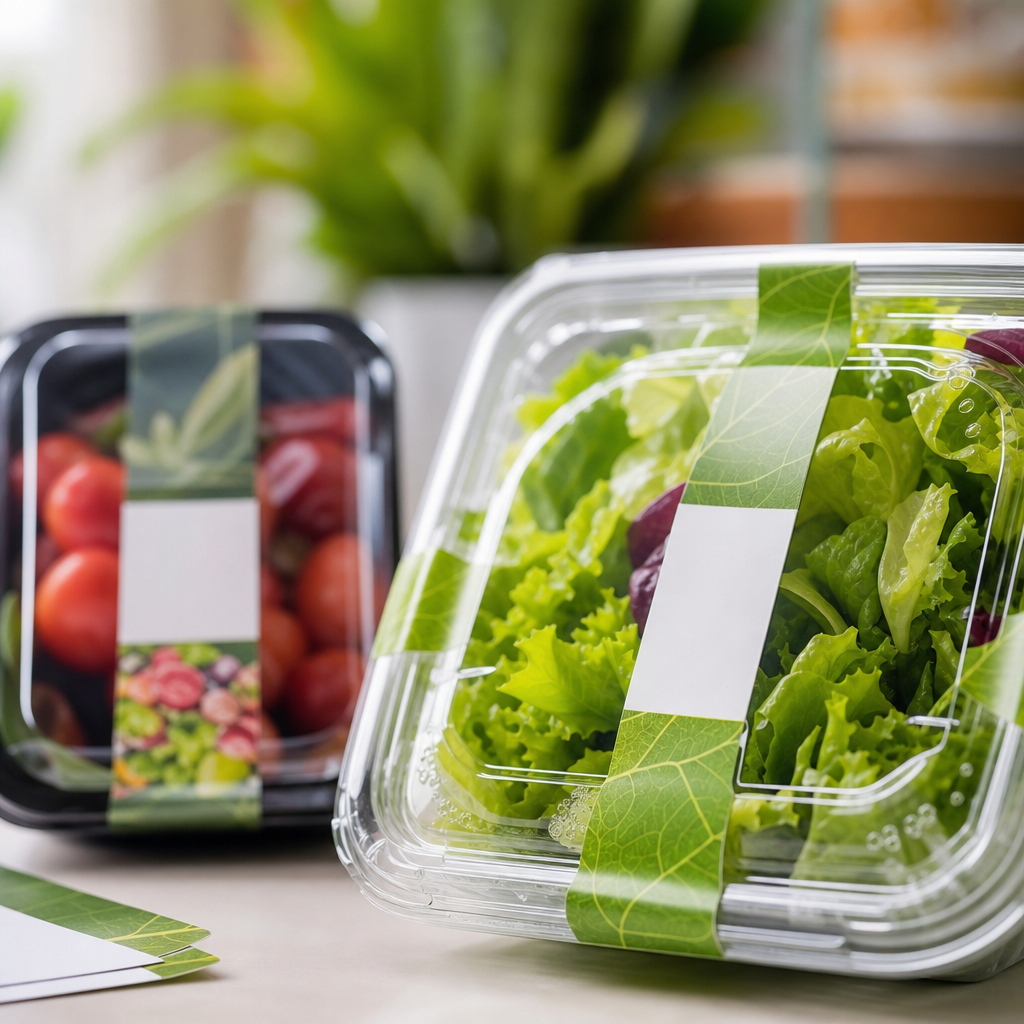
Innovations in polymer-based packaging labels are reshaping how brands protect products, comply with regulations, improve recyclability, and communicate with shoppers across food, beverage, healthcare, personal care, and industrial markets. In packaging, a label is no longer just a printed sticker carrying a logo or barcode. It is a layered functional component made from a face stock, adhesive, liner or linerless construction, inks, coatings, and often digital features such as QR codes, RFID inlays, or embedded security marks. When the face stock is built from polymers such as polypropylene, polyethylene, polyester, polyolefin blends, or specialty films, the label gains properties that paper cannot reliably deliver: moisture resistance, dimensional stability, chemical durability, squeeze performance, transparency, and compatibility with high-speed converting and automated application. I have worked with packaging teams choosing between paper and filmic labels, and the decision almost always comes down to total system performance, not material cost alone. Polymer-based packaging labels matter because they influence shelf appeal, line efficiency, cold-chain durability, package sorting, and the consumer’s ability to identify, use, and dispose of a product correctly. As packaging formats diversify, from flexible pouches to PET bottles and HDPE containers, label innovation has become central to packaging strategy.
Understanding the category starts with the main polymer label materials. BOPP, or biaxially oriented polypropylene, is widely used for pressure-sensitive labels because it combines printability, stiffness, and moisture resistance at a competitive cost. PE films, including LDPE and HDPE variants, are more conformable and better suited for squeezable containers or curved surfaces. PET labels offer superior heat resistance and dimensional stability, making them common in harsh distribution environments or high-performance applications. Shrink sleeve labels often use PETG, OPS, or PVC, although recyclability concerns are pushing the market toward more compatible alternatives. In-mold labels, commonly PP-based, are fused into injection-molded or blow-molded containers during manufacturing. These materials are paired with acrylic, hot-melt, or specialty wash-off adhesives depending on the package substrate, filling process, and end-of-life requirements. For a packaging hub page, the key point is simple: polymer-based labels are not a single product class. They are a set of engineered solutions designed around application method, substrate, decoration goals, and regulatory demands. That breadth is exactly why innovations in this field deserve close attention from converters, brand owners, and packaging engineers.
Core polymer label technologies in modern packaging
The packaging industry relies on several distinct label constructions, and each has seen meaningful innovation. Pressure-sensitive labels remain the most versatile format. They are supplied on a release liner, die-cut for precise application, and optimized for containers ranging from glass jars to polypropylene tubs. Filmic pressure-sensitive labels have advanced through improved topcoats for UV inkjet and electrophotographic printing, low-temperature adhesives for chilled products, and clear-on-clear constructions that create the “no-label look” popular in premium beverages and cosmetics. Shrink sleeve labels, by contrast, provide nearly 360-degree decoration and work well on containers with complex geometry. The major innovation here has been balancing shrink performance with recycling compatibility, especially for PET bottles where traditional full-body sleeves can interfere with optical sorting unless engineered with perforations, floatable films, or washable inks.
Stretch sleeves and wraparound labels serve different needs. Stretch sleeves, usually made from elastic PE films, are applied without adhesive and are valued in refillable systems or multipacks. Wraparound labels, often OPP film on beverage containers, are glued at the seam and prized for high-speed beverage lines. In-mold labels represent another important branch of polymer-based packaging labels. Because the label becomes part of the container wall during molding, it resists scuffing, eliminates a separate application step, and supports mono-material packaging when both label and container use compatible polypropylene. I have seen in-mold labeling reduce decoration-related scrap in high-volume dairy and margarine applications because the label is integrated before filling, not applied afterward in a separate operation.
The distinctions matter because innovation follows process constraints. A label for a household cleaner bottle must survive surfactants and handling abrasion. A label for a ready-meal tray must tolerate refrigeration, condensation, and often microwave-related heat exposure. A pharmaceutical label must preserve legibility, support serialization, and resist tampering. Polymer technologies allow those requirements to be engineered into the label structure rather than handled as an afterthought.
Material innovations driving performance and shelf impact
Recent advances in polymer science have made label films lighter, stronger, and more application-specific. Downgauged BOPP films now deliver the stiffness needed for dispensing while reducing material use. Cavitated films create an opaque, paperlike appearance with lower density, useful where visual brightness is needed without using paper. Ultra-clear PP and PET films support premium branding by allowing transparent windows, metallic effects, and reverse printing. Advanced topcoats improve ink anchorage for water-based flexo, UV flexo, digital toner, and high-speed inkjet systems, enabling shorter print runs and versioned packaging without sacrificing rub resistance.
Conformability is another major innovation area. Squeezable packaging, common in condiments, personal care, and home care, requires labels that flex with the container and recover without edge lift or wrinkling. Softer PE films and specialized adhesives now allow pressure-sensitive labels to perform on highly curved HDPE bottles that once demanded direct printing. For brands, this means faster artwork changes and lower cylinder inventory than gravure or screen-decorated containers. Barrier and tactile properties have also improved. Matte and soft-touch coatings provide a premium hand feel, while anti-fog and chemical-resistant layers preserve readability in refrigerated or industrial environments.
Smart downgauging deserves emphasis because it is often misunderstood. Reducing film thickness is not simply a cost-cutting move. If the film is too thin for the dispensing system, labels can distort during die-cutting or application, causing line stoppages. The best innovations combine resin formulation, orientation control, and coating design so thinner films still maintain machine direction stiffness, dispensability, and print quality. That engineering discipline is why leading suppliers can offer lightweight films that improve sustainability metrics without compromising uptime.
Digital printing, variable data, and connected packaging
Digital printing has changed polymer-based packaging labels from static identifiers into flexible information platforms. Electrophotographic presses from HP Indigo, toner systems from Xeikon, and UV inkjet platforms from Domino, Durst, and Epson have made it practical to print short runs, regional variants, multilingual content, and serialized codes on film labels with minimal setup waste. For packaging operations, the direct benefit is responsiveness. A food manufacturer can update allergen statements, run seasonal designs, or tailor labels for club retail, e-commerce, and export markets without ordering new plates for every SKU adjustment.
Variable data has become essential in pharmaceuticals, medical devices, and high-value consumer goods. Serialization codes, lot numbers, expiration dates, and unique QR identifiers can be integrated into the decorative label rather than added as an afterthought. This improves traceability and reduces mismatches between primary packaging and printed information. Connected packaging extends the value further. When polymer labels carry scannable codes linked to cloud-based content, brands can provide authentication, usage instructions, recycling guidance, loyalty programs, or post-purchase support. I have seen beverage brands use dynamic QR codes on BOPP labels to shift campaigns by market without changing the physical inventory, turning the label into a manageable media channel rather than a fixed print asset.
| Label format | Common polymer | Main packaging use | Key innovation |
|---|---|---|---|
| Pressure-sensitive film label | BOPP, PE, PET | Bottles, jars, tubs, pouches | Digital print topcoats and wash-off adhesives |
| Shrink sleeve | PETG, OPS, floatable polyolefin | Complex bottle shapes, full-body decoration | Recycling-compatible sleeves and perforation design |
| In-mold label | PP | Dairy tubs, margarine, reusable containers | Mono-material package compatibility |
| Wraparound label | OPP | High-speed beverage lines | Lightweight films with improved seam bonding |
The practical limit of connected packaging is not the code itself but the data governance behind it. If a QR code points to expired content or conflicting regulatory information, the label becomes a liability. Strong implementation requires a controlled content management process, version tracking, and testing under actual lighting and scuff conditions so codes remain readable throughout distribution.
Sustainability and recycling-compatible label design
Sustainability is now one of the strongest drivers of innovation in polymer-based packaging labels, but the right answer depends on the package system. A label can improve or damage recyclability depending on polymer compatibility, adhesive chemistry, ink selection, and label coverage. For PET bottles, APR guidance in North America and RecyClass guidance in Europe have pushed the market toward labels and sleeves that allow accurate sorting and clean recycling. Full-body shrink sleeves can block near-infrared detection unless they are designed to separate or use detectable materials. Pressure-sensitive labels for PET often benefit from wash-off adhesives that release cleanly in recycling wash systems. For polyolefin containers such as HDPE and PP, low-density floatable label structures can help separation where appropriate.
Mono-material design is an especially important innovation path. If a PP container uses a compatible PP in-mold label, the package can move through recycling with less contamination risk than a mixed-material construction. The same logic is influencing flexible packaging, where polyethylene-based labels are being developed for PE pouches so the label does not become the incompatible layer that prevents store-drop-off or future film recycling pathways. Recycled content also matters. Some film suppliers now offer label facestocks containing certified recycled polymer, though performance must be validated carefully because stiffness, haze, and gauge consistency can vary.
There are tradeoffs. Compostable or bio-based label materials may sound attractive, but they are not automatically better for every packaging stream. A compostable label on a recyclable plastic bottle can create sorting confusion if not clearly specified. Likewise, paper labels are not always the lower-impact choice if they fail in wet conditions and increase spoilage or line waste. The sound approach is packaging-specific design backed by recognized test methods, recycler guidance, and life-cycle reasoning.
Regulatory, safety, and durability requirements across sectors
Packaging labels carry legal and operational weight, and polymer constructions are often selected because they maintain compliance under stress. In food and beverage, labels must remain legible despite condensation, refrigeration, oil exposure, and frequent handling. Adhesives need to withstand filling conditions, including hot-fill, cold-fill, and pasteurization, without flagging or adhesive ooze. In pharmaceuticals and healthcare, labels may require tamper evidence, high-contrast human-readable text, machine-readable codes, and durable adhesion to small-diameter containers. BS 5609 remains a notable benchmark for marine immersion durability on GHS chemical labels, illustrating how far performance requirements can go in industrial sectors.
Migration and indirect food-contact considerations also shape material choices. While the label may not contact food directly, inks, coatings, and adhesives are still reviewed through the lens of packaging safety and applicable regional rules. For household chemicals and automotive fluids, chemical resistance is critical; a premium graphic means little if the ingredient panel smears after minor product contact. UV-curable varnishes, lamination films, and resistant topcoats are often necessary in these applications.
Durability testing should never be skipped. Label performance is influenced by container surface energy, mold-release residues, application pressure, dwell time, transport temperature, and even warehouse humidity. In practice, the best packaging teams test labels on actual containers, filled with actual product, across the actual distribution cycle. Bench adhesion data is useful, but line trials and environmental conditioning reveal the failures that matter.
How brands and converters choose the right polymer label solution
Choosing the right polymer-based packaging label starts with the package, not the artwork. The first questions are operational: What is the container material? How fast is the line? What temperatures occur during filling, transport, and use? Does the surface curve sharply or flex in the consumer’s hand? Then come information needs such as language versions, traceability, and promotional variability. A premium spirits bottle may justify a high-clarity film with embossing and tactile varnish. A value beverage multipack may prioritize seam strength and line speed on wraparound OPP. A dairy tub produced in millions of units may benefit most from in-mold labeling because decoration is integrated into manufacturing.
Converter capability is equally important. A strong supplier will evaluate surface treatment levels, adhesive compatibility, print method, die design, and dispensing behavior together. They will also ask about recycling targets and regional compliance requirements before recommending a construction. In my experience, the most costly label decisions are rarely about cents per thousand labels. They come from hidden system failures: poor dispensability, edge lift in cold storage, unreadable variable codes, or recyclability claims that do not hold up under scrutiny.
For packaging teams building a robust labeling strategy, polymer-based labels offer a powerful toolkit. They enable durable branding, support digital flexibility, and can be engineered for better recovery in recycling systems when selected thoughtfully. Start by mapping package formats, line conditions, and end-of-life goals, then align material, adhesive, and print technology to each use case. That disciplined approach turns the label from a commodity into a measurable packaging asset. Explore the related packaging articles in this Applications hub to compare specific label formats, adhesives, print methods, and recycling design choices for your next project.
Frequently Asked Questions
1. What makes modern polymer-based packaging labels different from traditional labels?
Modern polymer-based packaging labels are engineered as high-performance packaging components rather than simple printed stickers. Traditional labels were often evaluated mainly by appearance and basic adhesion, but today’s polymer labels are designed to perform multiple jobs at once. A typical construction may include a polymer face stock such as polypropylene, polyethylene, or polyester, combined with a pressure-sensitive or specialty adhesive, optional release liner or linerless format, protective coatings, specialty inks, and digital elements like QR codes, RFID, or variable data printing. Each layer is selected to support a specific requirement, whether that is moisture resistance, chemical durability, scuff protection, tamper evidence, regulatory text clarity, or compatibility with automated application equipment.
This shift matters because packaging conditions are more demanding than ever. Labels may need to survive refrigeration, freezing, steam, oil exposure, UV light, abrasion, transportation stress, and consumer handling while still remaining legible and attractive. In sectors like food, beverage, healthcare, and industrial products, the label also carries critical compliance information, traceability data, lot coding, safety warnings, and brand messaging. Polymer materials are especially valuable here because they can offer dimensional stability, flexibility, resistance to tearing, and print compatibility across a wide range of environments.
Another major difference is that innovation now extends beyond physical performance into sustainability and smart communication. Polymer-based labels are increasingly being designed to improve recyclability, reduce material use, enable wash-off or clean-release behavior in recycling systems, and support mono-material packaging goals. At the same time, they can link physical packaging to digital experiences through scannable and trackable features. In practical terms, that means the label is now a strategic part of packaging design, supply chain visibility, consumer engagement, and circular economy planning.
2. How are polymer-based packaging labels improving recyclability and sustainability?
Polymer-based packaging labels are improving sustainability in several important ways, especially when they are designed to work with the full packaging system rather than as an isolated component. One of the biggest developments is the move toward label constructions that are compatible with recycling streams. For example, labels can be made from polymer types that better align with the container material, supporting mono-material packaging strategies that simplify sorting and reprocessing. In other cases, adhesives are engineered to release cleanly during recycling wash processes, helping prevent contamination and improving the quality of recovered resin.
Material reduction is another key innovation. Thinner face stocks, downgauged liners, and linerless label formats can reduce total material consumption without sacrificing application performance. This can lower waste generation, reduce shipping weight, and improve storage efficiency. Linerless technologies are especially notable because they eliminate the release liner entirely, which can significantly cut waste in high-volume operations. Brands are also exploring recycled-content polymers, bio-attributed polymer resins, and coatings formulated to maintain functionality while supporting broader environmental goals.
It is also important to understand that sustainability in labels is not just about using less plastic. A truly sustainable polymer-based label must still protect the package, preserve barcode readability, maintain regulatory compliance, and survive the distribution environment. If a label fails prematurely and causes product loss, relabeling, or waste, the overall environmental impact may be worse. That is why leading innovations focus on balance: choosing polymers, adhesives, inks, and coatings that deliver durability while also supporting recycling, cleaner material recovery, and more efficient manufacturing. The most successful solutions are system-level designs that consider the container, closure, printing method, end-use conditions, and end-of-life pathway together.
3. What role do adhesives, coatings, and construction design play in label performance?
Adhesives, coatings, and overall construction design are central to how a polymer-based packaging label performs in the real world. The face stock may get most of the attention, but the adhesive is often the deciding factor in whether the label stays in place, applies cleanly, and remains functional throughout the product’s lifecycle. Different adhesive chemistries are used depending on the application surface and environment. A label for a curved beverage bottle in a cold, wet setting requires very different adhesion characteristics than a label applied to a pharmaceutical container, a personal care squeeze tube, or a chemical drum stored outdoors. Adhesives may need to bond to low-surface-energy plastics, rough corrugate, glass, metal, or flexible films, all while resisting moisture, oils, temperature cycling, or aggressive contents.
Coatings add another layer of performance. Protective topcoats can improve scratch resistance, chemical resistance, UV durability, and print receptivity. This is especially valuable when labels carry variable information, high-resolution graphics, or machine-readable codes that must remain legible during handling and distribution. In some applications, coatings are also used to provide anti-fog behavior, gloss or matte aesthetics, tactile effects, or specialized functionality such as thermal transfer printability. For premium packaging, coatings contribute to shelf appeal; for industrial and healthcare uses, they often contribute to durability and compliance.
Construction design ties all of these elements together. Decisions about film thickness, stiffness, conformability, opacity, clear-on-clear appearance, liner type, and die-cut geometry all affect dispensing, application speed, appearance, and end-use performance. A highly conformable label may be ideal for squeezable containers, while a stiffer construction may better support automated application on rigid packaging lines. Liner or linerless format affects waste, dispensing equipment, and productivity. In short, label performance is the result of material engineering across the entire structure, and the best solutions are carefully matched to packaging substrate, filling process, logistics conditions, and brand objectives.
4. How are smart features like QR codes and RFID changing polymer-based packaging labels?
Smart features are transforming polymer-based packaging labels from passive identifiers into active information platforms. QR codes are among the most visible examples because they allow brands to connect shoppers directly to digital content using a smartphone. A single code on a polymer label can provide ingredient details, usage instructions, recycling guidance, authentication support, promotional campaigns, multilingual content, and real-time updates that would be impossible to fit on-pack through static print alone. This is especially valuable in regulated or information-dense categories such as food, beverage, healthcare, and personal care, where packaging space is limited but communication demands are growing.
RFID takes this functionality further by enabling non-line-of-sight identification and data capture throughout the supply chain. When RFID inlays are integrated into polymer-based labels, companies can improve inventory accuracy, product tracking, anti-counterfeiting efforts, warehouse automation, and retail visibility. For industries managing sensitive or high-value products, this can deliver significant operational benefits. It helps with traceability, faster recalls, better stock control, and confirmation that the right product reached the right place. In logistics-heavy environments, RFID-enabled labels can also reduce manual scanning and improve throughput.
The polymer label itself plays an important role in making these smart features reliable. The face material, adhesive, and overall construction must protect printed codes and electronic components from wear, moisture, and handling damage. Labels must also remain compatible with packaging shape, filling processes, and application equipment. As smart packaging adoption grows, brands are increasingly looking for labels that can combine visual branding, compliance information, and digital functionality in one integrated format. This makes polymer-based labels a practical foundation for connected packaging strategies that improve both consumer experience and supply chain intelligence.
5. Which industries benefit most from innovations in polymer-based packaging labels, and why?
Several industries benefit strongly from innovations in polymer-based packaging labels because they face demanding performance, regulatory, and branding requirements. Food and beverage is one of the largest beneficiaries. Labels in this sector must withstand cold chain conditions, moisture, condensation, squeezing, and frequent handling while preserving brand appearance and machine readability. They also need to communicate nutrition facts, ingredients, allergen details, lot information, and recycling instructions. Polymer labels are well suited to these conditions because they combine print quality with moisture resistance and strong application performance on a wide variety of container shapes and materials.
Healthcare and pharmaceutical packaging also see major advantages. Here, labels must support patient safety, product identification, lot traceability, and strict regulatory compliance. Durability and legibility are essential, and labels may need tamper-evident features, chemical resistance, or the ability to endure sterilization-related conditions, transport stress, and long storage periods. Polymer constructions can be engineered for these exact needs, including specialty adhesives, topcoats, and variable data compatibility for serialization and track-and-trace systems.
Personal care and household products are another strong use case because packaging is often exposed to water, oils, surfactants, and repeated consumer handling. In these categories, visual appeal matters just as much as durability, so clear films, no-label-look designs, premium finishes, and squeezable-container compatibility are highly valued. Industrial and chemical markets also rely on advanced polymer labels for hazard communication, long-term identification, weather resistance, and adherence to challenging surfaces. Across all of these sectors, the common benefit is that polymer-based labels can be customized to meet real-world performance demands while also supporting sustainability goals, automation efficiency, and stronger consumer communication. That flexibility is what makes them such an important area of packaging innovation today.