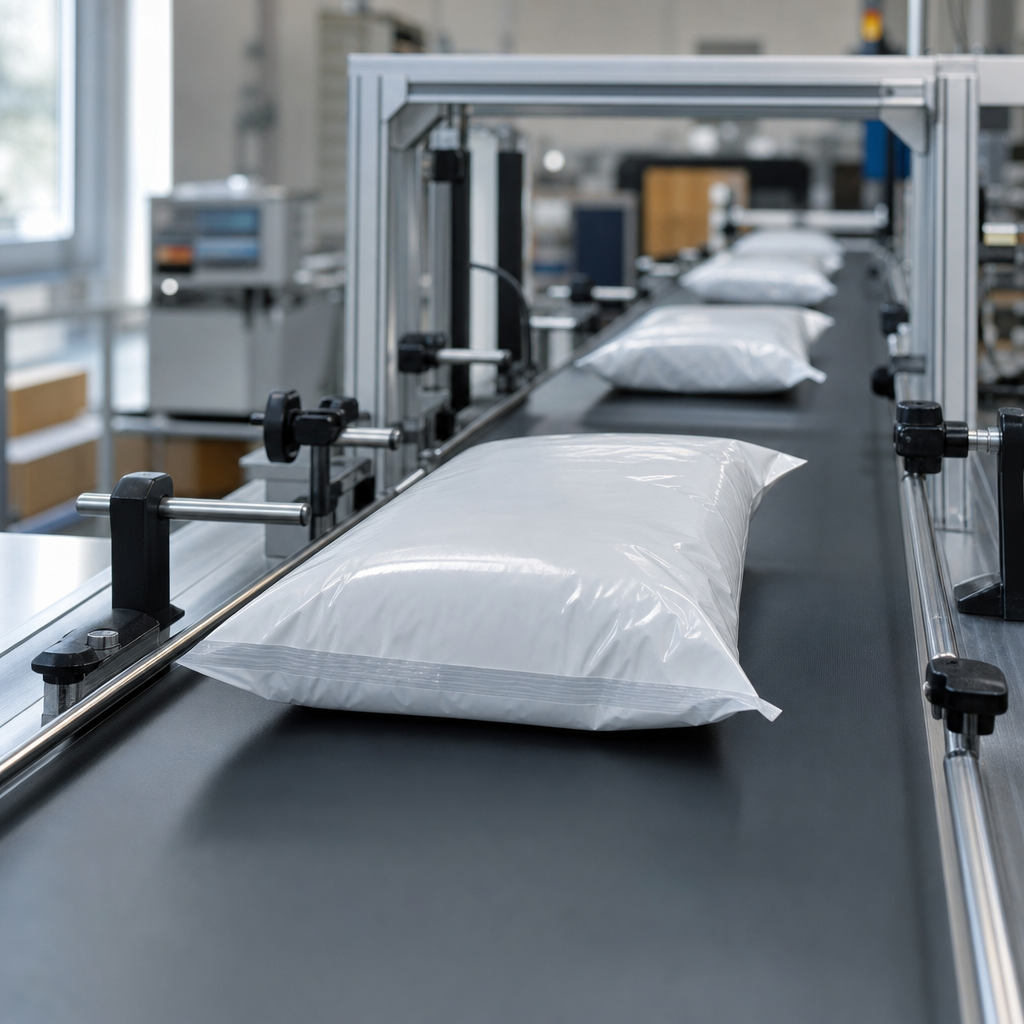
Polymers sit at the center of modern packaging safety and security because they combine barrier performance, mechanical strength, seal integrity, traceability features, and regulatory adaptability in one family of materials. In packaging, safety means protecting the product from contamination, oxygen, moisture, light, migration, and physical damage; security means preventing tampering, diversion, counterfeiting, and misuse across the supply chain. I have worked with food, pharmaceutical, and industrial packaging teams long enough to see a consistent pattern: when a package fails, the root cause is often not the product but a mismatch between polymer properties and real distribution conditions. That is why understanding polymers in packaging matters for manufacturers, brand owners, converters, logistics operators, and regulators.
Packaging is also the hub where product protection, compliance, sustainability, and consumer trust meet. A snack pouch must keep out oxygen and water vapor; a sterile medical tray must survive radiation or ethylene oxide sterilization; a detergent bottle must resist stress cracking; a tamper-evident closure must show visible interference without frustrating the user. These requirements are rarely met by one generic plastic. Instead, they are delivered through specific polymers such as polyethylene, polypropylene, polyethylene terephthalate, polyamide, ethylene vinyl alcohol, polyvinyl chloride in limited regulated uses, and engineered blends, coatings, adhesives, and tie layers. The best packaging designs treat polymers as functional systems rather than simple containers.
For a hub article on packaging applications, the key point is this: polymers do far more than reduce weight and cost. They directly control shelf life, sterility, transport resilience, product authenticity, and consumer safety. They also support packaging formats used across related applications, from rigid bottles and thermoformed tubs to multilayer films, blister packs, shrink bands, child-resistant closures, retort pouches, and insulated transport components. The sections below explain how polymers deliver those outcomes, where tradeoffs appear, and how teams choose the right material architecture for safe and secure packaging.
Core Polymer Functions in Packaging Protection
The first job of packaging polymers is to create a protective interface between the product and the external environment. Different polymers manage different hazards. Polyethylene, especially LDPE and LLDPE, offers excellent heat-seal performance and moisture resistance, which is why it is common in bags, sachets, and inner seal layers. Polypropylene adds stiffness, higher temperature tolerance, and good fatigue resistance, making it useful for caps, microwaveable containers, and living hinges. PET provides clarity, strength, and carbon dioxide retention, which explains its dominance in beverage bottles. EVOH supplies exceptional oxygen barrier, so it is often placed inside multilayer food packs. Nylon contributes puncture resistance in vacuum packaging and meat applications.
These functions are measurable, not subjective. Teams evaluate oxygen transmission rate, water vapor transmission rate, seal strength, dart impact, compression resistance, coefficient of friction, haze, and migration behavior. In practice, I have seen a small reduction in oxygen transmission extend the sensory shelf life of roasted nuts by months, while a weak sealant layer caused leaks in stand-up pouches despite excellent film barrier. That is a useful reminder: packaging safety depends on the total structure, not the headline resin. A high-barrier layer can be undermined by poor sealing, pinholes, or stress cracks created during filling and distribution.
Polymers also protect products against chemical interaction. Some formulations require resistance to oils, acids, alcohols, surfactants, or active ingredients that can permeate or extract components from packaging. High-density polyethylene performs well for many household chemicals, while fluorinated treatments or multilayer structures may be needed for aggressive solvents. In pharmaceuticals, cyclic olefin polymers and specialized laminates are selected for low extractables, transparency, and dimensional stability. The right polymer therefore protects both inward, by limiting contamination, and outward, by containing potentially hazardous contents safely.
Safety by Design: Barrier, Migration, and Regulatory Compliance
Packaging safety is inseparable from compliance. Food-contact and pharmaceutical-contact polymers must meet strict rules on composition, additives, and migration. In the United States, packaging teams commonly evaluate materials against FDA food-contact provisions and supporting supplier documentation. In Europe, frameworks such as Regulation (EC) No 1935/2004 and specific measures for plastics shape material selection, while overall migration and specific migration testing confirm that substances do not transfer at unacceptable levels into food. Good manufacturing practice requirements matter just as much as polymer chemistry because contamination can be introduced during conversion, printing, storage, or transport.
Migration is one of the most misunderstood topics in packaging. The question is not whether molecules can move at all, because some movement is normal at trace levels; the real question is whether migration stays below legal and toxicological limits under expected conditions of use. Temperature, fat content, contact time, and package geometry all affect results. A yogurt cup, a hot-filled sauce bottle, and a microwave steam pouch expose polymers to very different stresses. That is why test conditions must reflect actual use, including foreseeable misuse. Overlooking this point creates compliance risk even when the base polymer appears familiar and widely accepted.
Barrier design is equally contextual. Oxygen-sensitive foods such as coffee, processed meats, and infant formula need oxygen control; dry products such as crackers need moisture control; light-sensitive products may require pigmented polymers or metallized layers. In medical and pharmaceutical packaging, maintaining sterility and microbial barriers is often the top requirement. Standards such as ISO 11607 guide validation for terminally sterilized medical packaging, including seal integrity, burst resistance, and aging studies. Safe packaging is therefore a validated performance system built around polymer behavior under real conditions, not a generic materials checklist.
Security Features: Tamper Evidence, Anti-Counterfeiting, and Traceability
Security in packaging starts with visible tamper evidence. Polymers make this possible through shrink bands, breakable ring closures, peelable lidding, induction-seal liners, frangible blister materials, and destruct labels. The design objective is simple: if someone interferes with the package, the package should show it immediately. For pharmaceuticals and infant nutrition, that evidence is critical because undetected tampering can create direct health risks. For premium consumer goods, it also protects brand integrity and helps retailers identify compromised stock before it reaches the customer.
Counterfeit prevention requires another layer. Polymer packaging can incorporate overt, covert, and forensic features. Overt features include holographic labels, color-shifting inks on polymer films, embossed structures, and uniquely molded components that consumers can verify visually. Covert features include taggants, UV-reactive markers, microtext, and digital watermarking embedded in labels or films. Forensic approaches may use material signatures identifiable only with laboratory equipment. When linked to serialized QR codes, RFID inlays, or GS1-based data structures, polymer packaging becomes part of a track-and-trace system that supports authentication, recalls, and diversion control.
| Security need | Polymer-enabled solution | Typical application | Main advantage |
|---|---|---|---|
| Tamper evidence | Shrink sleeve, break ring, induction liner | Beverages, medicines, sauces | Immediate visible interference |
| Anti-counterfeiting | Tagged film, holographic label, micro-embossing | Pharma, cosmetics, electronics | Harder to replicate packaging identity |
| Traceability | RFID label, serialized code on film or bottle | Cold chain, retail, logistics | Unit-level tracking and recall support |
| Theft deterrence | Rigid clamshell, security blister, tethered closure | Consumer electronics, hardware | Reduces casual pilferage |
In real supply chains, the best security systems combine material design and data. A tamper band alone will not stop sophisticated diversion, and a serialized code alone will not protect against package substitution if the primary pack is easy to open and reseal. Effective packaging security uses polymers to create physical friction against interference, then adds digital verification so anomalies are detectable upstream and at the point of sale.
Material Selection Across Packaging Formats
Rigid packaging and flexible packaging use polymers differently, but the decision logic is similar: match the resin and structure to product sensitivity, filling process, distribution hazards, and end-use expectations. HDPE bottles dominate milk, cleaners, and many personal care products because they are tough, chemically resistant, and cost-effective in blow molding. PET bottles excel where clarity and gas barrier are needed, especially in carbonated drinks and water. PP is common in hot-fill tubs, caps, and microwave containers because of its heat resistance and hinge durability.
Flexible packaging usually relies on combinations. A snack pouch may use oriented polypropylene for printability and stiffness, metallized barrier layers for oxygen and light protection, and polyethylene for sealing. Vacuum meat packs often combine polyamide for puncture resistance with polyethylene sealants. Retort pouches need structures that tolerate thermal processing without delamination or seal failure, often incorporating cast polypropylene, polyester, aluminum foil, or high-performance barrier polymers. Each layer exists for a reason, and removing one to cut cost can create leaks, spoilage, or line inefficiency.
Blister packaging offers a clear example of packaging as a subtopic hub because it spans pharmaceuticals, consumer goods, batteries, and hardware. Thermoformed webs may use PVC, PET, PETG, or cyclic olefin materials depending on barrier and clarity needs, while lidding can add foil or coated polymer layers for push-through or peel-open performance. Medical thermoforms, in contrast, often prioritize sterile barrier integrity and compatibility with Tyvek or medical-grade papers. The format looks similar on the shelf, yet the polymer engineering behind each use case is very different.
Performance Under Real Distribution Conditions
Packages do not fail in laboratories; they fail in trucks, warehouses, retail stockrooms, and households. Distribution introduces vibration, drops, compression, heat cycling, freezing, and ultraviolet exposure. Polymers respond differently to each stress. PET can lose impact resistance at low temperatures; polyethylene can creep under load; polypropylene can become brittle in cold conditions if not properly modified; multilayer films can curl or delaminate if humidity and temperature exposure were underestimated. This is why transit testing with ISTA protocols, seal integrity checks, and accelerated aging are practical necessities rather than paperwork exercises.
Cold chain packaging adds another level of complexity. Vaccine shippers, meal kits, and biologics containers often combine polymer foams, phase-change materials, rigid shells, and barrier bags to hold narrow temperature windows. Expanded polystyrene and polyurethane foams have long been used for insulation, while expanded polypropylene offers reusable durability in closed-loop systems. The safety role is obvious: if the package cannot maintain temperature, the product may become ineffective or unsafe. The security role is also real because temperature indicators and tamper-aware closures can reveal whether a shipment was compromised in transit.
E-commerce has changed packaging design priorities as well. Single-parcel shipping creates more drop events and less controlled handling than palletized retail distribution. I have seen primary polymer packaging that performed well in retail cases fail quickly when shipped individually to consumers without enough secondary protection. As a result, brands now test scuff resistance, leak resistance, closure retention, and tamper evidence under direct-to-consumer conditions. Polymer selection must reflect the actual channel, not the channel a company used five years ago.
Sustainability, Recycling, and the Packaging Tradeoff
No serious discussion of polymers in packaging is complete without sustainability. Lightweight polymers often reduce transport emissions compared with glass or metal, yet multilayer structures can complicate recycling, and poor waste management undermines the environmental case for plastics. The central tradeoff is this: the safest and most secure package is not automatically the easiest to recycle. High barrier, tamper evidence, child resistance, and chemical compatibility may require combinations of materials that current collection and sorting systems struggle to recover. Good packaging strategy acknowledges that tension instead of pretending it does not exist.
Design improvements are happening. Mono-material polyethylene and polypropylene pouches are being developed to replace harder-to-recycle mixed laminates in selected applications. Clear PET bottles with compatible labels and closures improve recyclability when compared with heavily pigmented or full-sleeve designs that disrupt optical sorting. Recycled content targets are pushing wider adoption of rPET and recycled polyolefins, though food-contact use still depends on decontamination capability, regulatory approvals, and stable feedstock quality. Reusable transit packaging based on durable polypropylene, HDPE, and EPP is also expanding in industrial and grocery logistics.
The practical rule is to start with product protection, then simplify the polymer system as far as performance allows. Preventing one kilogram of food waste often has a larger environmental benefit than marginally improving package recyclability while shortening shelf life. At the same time, overspecified packaging wastes material and harms economics. The best teams use lifecycle thinking, recyclability guidelines from organizations such as APR and RecyClass, and distribution data to find the balance.
How Packaging Teams Choose the Right Polymer System
Successful selection follows a disciplined sequence. First, define the product hazards: oxygen sensitivity, moisture gain or loss, light exposure, microbial risk, mechanical fragility, temperature limits, and chemical compatibility. Second, map the process: filling temperature, sterilization method, sealing window, line speed, printing, and storage duration. Third, assess security needs: tamper evidence, child resistance, anti-counterfeiting, traceability, and theft deterrence. Fourth, validate the design through migration testing, package integrity testing, shelf-life studies, and transport simulation. Only after those steps should cost and downgauging decisions be finalized.
Supplier collaboration is essential here. Resin producers, film converters, molders, closure suppliers, and testing laboratories each hold part of the answer. When teams share product data early, they avoid common failures such as environmental stress cracking in bottles, seal contamination in pouches, or additive interactions that create odor issues. Packaging works best when polymer choice is evidence-based, format-specific, and verified under use conditions. If you are building out a broader packaging knowledge base, use this hub as the starting point, then explore deeper topics such as flexible films, rigid containers, pharmaceutical packs, medical sterile barriers, and recyclable design pathways.
Polymers make packaging safer by preserving product quality, preventing contamination, enabling sterility, and surviving real distribution stress. They make packaging more secure by showing tampering, supporting authentication, and linking physical packs to traceable data systems. The right material is never chosen by habit alone; it is chosen by matching polymer properties to the product, process, and risk profile. That is the main takeaway for anyone working in packaging applications.
As this hub page shows, packaging is not one use case but a network of specialized formats, regulations, and performance demands. Polyethylene, polypropylene, PET, nylon, EVOH, and advanced multilayer systems each solve distinct problems, and each carries tradeoffs in cost, recyclability, or complexity. The strongest packaging programs treat safety, security, compliance, and sustainability as connected design goals rather than separate checklists.
If you are reviewing a package design, start with the failure modes you cannot accept, then work backward to the polymer structure that prevents them. That approach leads to better shelf life, fewer recalls, stronger consumer trust, and smarter packaging decisions across the entire applications portfolio.
Frequently Asked Questions
Why are polymers so important to packaging safety and security?
Polymers are essential because they can be engineered to solve multiple packaging risks at the same time. From a safety standpoint, they help protect products against oxygen, water vapor, aroma loss, light exposure, chemical interaction, and physical damage during filling, storage, transport, and consumer use. From a security standpoint, polymers can be designed to support tamper-evident closures, tear bands, breakable seals, security labels, track-and-trace markings, authentication features, and structures that make unauthorized access more obvious. Few other material families offer this same combination of barrier performance, toughness, flexibility, sealability, printability, and processability.
Another reason polymers matter is their adaptability across industries. In food packaging, they help maintain freshness and reduce contamination risks. In pharmaceutical applications, they support sterility, dose integrity, child resistance, and protection from moisture and oxygen that could reduce efficacy. In industrial and chemical packaging, they contribute impact resistance, leak prevention, and compatibility with aggressive contents. Because polymers include a broad range of materials such as polyethylene, polypropylene, PET, EVOH, polyamide, and specialty resins, packaging engineers can build structures that are highly specific to the product’s hazard profile and distribution environment. That ability to tailor performance is what makes polymers central to modern packaging safety and security strategies.
How do polymers improve barrier protection in packaging?
Barrier protection is one of the most important ways polymers contribute to packaging safety. Different polymer types offer different resistance to oxygen, moisture, carbon dioxide, oils, solvents, aromas, and light. By selecting the right material or combining several materials in a multilayer structure, packaging designers can significantly slow down the movement of gases and vapors into or out of the pack. That matters because exposure to oxygen can cause oxidation, discoloration, nutrient loss, rancidity, and degradation of sensitive pharmaceutical or industrial products. Moisture transfer can lead to clumping, microbial growth, hydrolysis, texture loss, tablet instability, corrosion, or reduced shelf life. Light, especially UV, can also damage certain foods, drugs, and chemicals.
Polymers are especially effective because barrier performance can be tuned very precisely. For example, PET offers good strength and useful gas barrier properties, while polyethylene is often chosen for moisture resistance and heat-seal performance. EVOH is used when very high oxygen barrier is required, and polyamide can add puncture resistance and toughness alongside barrier benefits. These materials are often laminated or coextruded so that each layer performs a specific function. The result is packaging that does more than simply contain a product; it actively preserves product quality and safety over time. In practical terms, well-designed polymer packaging reduces spoilage, limits contamination pathways, supports regulatory shelf-life claims, and lowers the risk of product failure in the market.
What role do polymers play in tamper evidence and anti-counterfeiting?
Polymers play a major role in making tampering visible and counterfeiting more difficult. Many common security features rely on the behavior of polymer materials under stress, heat, or opening force. Shrink bands, induction-seal liners, breakaway caps, blister packs, peelable yet destructible films, and tamper-evident label stocks all depend on polymers that can be processed into structures that either permanently deform or visibly break when someone tries to open the package. This gives distributors, pharmacists, retailers, inspectors, and end users a clear visual signal if integrity has been compromised. In sectors like pharmaceuticals, infant nutrition, beverages, and high-value consumer goods, that visible evidence is a critical part of trust and risk control.
Beyond tamper evidence, polymers also support advanced anti-counterfeiting systems. They can carry covert inks, laser-marked codes, embedded taggants, holographic films, microtext, serialized labels, RFID-compatible structures, and forensic markers built directly into labels or package layers. Because polymer surfaces can be carefully formulated for printing, adhesion, transparency, or opacity, they provide an excellent platform for both overt and hidden security elements. In addition, polymer packaging can be customized with unique closure geometries or fracture patterns that are difficult to replicate consistently. Taken together, these features help protect against product diversion, unauthorized refilling, imitation packaging, and supply-chain fraud. Security is strongest when material selection, package design, and traceability systems work together, and polymers are often the material foundation that makes that integration possible.
Are polymers safe for food, pharmaceutical, and industrial packaging applications?
Yes, polymers can be very safe when the correct material is selected, tested, and used within its intended regulatory and performance limits. Safety in this context depends on more than the basic resin name. It includes the full packaging system: polymer grade, additives, adhesives, inks, coatings, processing conditions, product contact time, storage temperature, sterilization method, and the nature of the packaged contents. In food and pharmaceutical packaging especially, one of the key concerns is migration, meaning the transfer of substances from packaging into the product. Responsible material selection focuses on minimizing migration risk, ensuring chemical compatibility, and meeting applicable regulations and food-contact or drug-contact requirements in the markets where the product will be sold.
Well-designed polymer packaging is routinely used in highly regulated environments because it can meet strict standards for purity, consistency, seal integrity, barrier protection, and durability. In pharmaceutical packaging, for example, polymers are often chosen because they can withstand sterilization processes, maintain low moisture transmission, and support unit-dose or child-resistant formats. In food packaging, they help prevent contamination and maintain shelf stability. In industrial settings, compatibility with solvents, oils, powders, or corrosive substances is a major factor, and polymers are selected accordingly. The real best practice is not to ask whether polymers are safe in a general sense, but whether a specific polymer structure is appropriate for a specific product and supply chain. When supported by migration testing, stability studies, seal validation, and regulatory review, polymer packaging can provide a high level of safety and reliability.
How do polymers help packaging meet both regulatory requirements and real-world supply chain demands?
One of the greatest strengths of polymers is that they bridge compliance needs and operational realities. Regulations may require evidence of product protection, tamper evidence, traceability, labeling durability, child resistance, senior friendliness, or resistance to environmental stress. At the same time, real-world distribution exposes packaging to vibration, compression, drops, temperature swings, humidity, rough handling, palletization pressure, and long dwell times in warehouses or transit. Polymers can be formulated and converted to meet both sets of demands. They can be made rigid or flexible, clear or opaque, high-barrier or breathable, easy-open or child-resistant, lightweight yet impact-resistant, and suitable for automated high-speed filling and sealing lines.
This flexibility is especially valuable when packaging requirements evolve. Regulatory expectations change, sustainability targets become more demanding, and products move through increasingly complex global supply chains. Polymer-based packaging can often be redesigned faster than many alternative systems because manufacturers can adjust resin selection, layer structure, sealant chemistry, additive packages, and closure design without completely reinventing the package format. That gives brands and packaging teams a practical path to improving compliance, protecting product quality, strengthening anti-tamper performance, and maintaining logistics efficiency. In other words, polymers are not just materials of containment; they are strategic tools for managing safety, security, and performance across the entire life cycle of a packaged product.