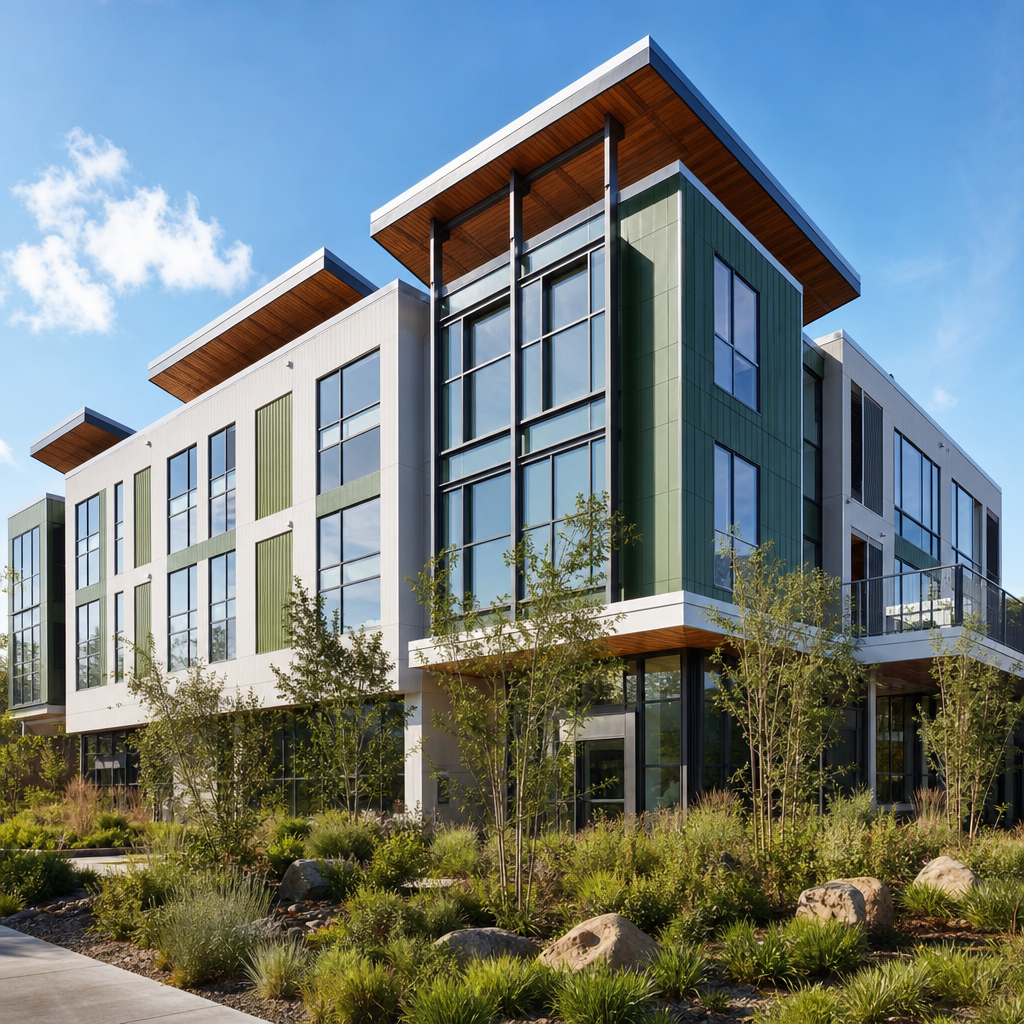
Innovations in polymers for green building materials are reshaping how architects, engineers, and manufacturers reduce embodied carbon, cut waste, and improve building performance across entire project lifecycles. In this field, polymers include natural, bio-based, recycled, and advanced synthetic materials engineered for insulation, membranes, sealants, composites, coatings, piping, and structural components. Green building materials are products selected to lower environmental impact through responsible sourcing, low emissions, durability, repairability, recyclability, and energy efficiency in use. This topic matters because buildings account for a large share of global energy demand, material extraction, and greenhouse gas emissions, while regulations, investor expectations, and occupant health standards are pushing the sector toward measurable sustainability outcomes. In practice, polymer innovation is now one of the fastest ways to improve thermal performance, moisture control, service life, and circularity without compromising constructability. I have seen project teams move from treating polymers as commodity plastics to specifying them as high-performance systems whose chemistry directly affects carbon, resilience, and maintenance budgets. As a hub topic within environmental and sustainable applications, this article explains the core material classes, leading use cases, decision criteria, and real project patterns that define polymer innovation in green construction today.
What makes a polymer building material sustainable
A polymer building material is sustainable when its total impact is reduced across raw material extraction, manufacturing, installation, use, maintenance, and end-of-life management. That definition sounds simple, but specification decisions become credible only when supported by life-cycle assessment, environmental product declarations, volatile organic compound testing, and durability data. In green building work, the most useful questions are direct: Does the polymer lower operational energy through better insulation or airtightness? Does it replace heavier, higher-carbon materials? Can it incorporate recycled or bio-based feedstock at scale? Will it survive ultraviolet exposure, moisture, freeze-thaw cycling, chemical attack, and repeated movement without early failure?
The strongest innovations combine several of those benefits. For example, polymeric air and vapor control layers can sharply reduce uncontrolled air leakage, which often matters as much as insulation thickness for real energy performance. High-performance sealants based on silicone, silyl-modified polymers, or polyurethane hybrids help maintain envelope continuity around windows, precast joints, and penetrations. Polymer composites can reduce transportation impacts because they are lighter than steel or concrete alternatives, yet they still need fire testing, code compliance, and careful detailing. Sustainability is not a label applied to chemistry alone; it is proven through verified performance in a building assembly.
Bio-based and recycled polymers changing material supply
The biggest shift in sustainable polymer development is feedstock diversification. Conventional building plastics often depend on virgin fossil inputs, but newer products increasingly use plant-derived monomers, mechanically recycled resin, chemically recycled content, or waste-derived fillers. Bio-based polyethylene made from sugarcane ethanol is a notable example because it can be processed into familiar products such as pipes, films, and geomembranes while lowering dependence on petrochemical feedstocks. Polylactic acid and polyhydroxyalkanoates attract attention as renewable polymers, although their role in durable building applications remains more limited because moisture resistance, heat tolerance, and long-term aging must match building service conditions.
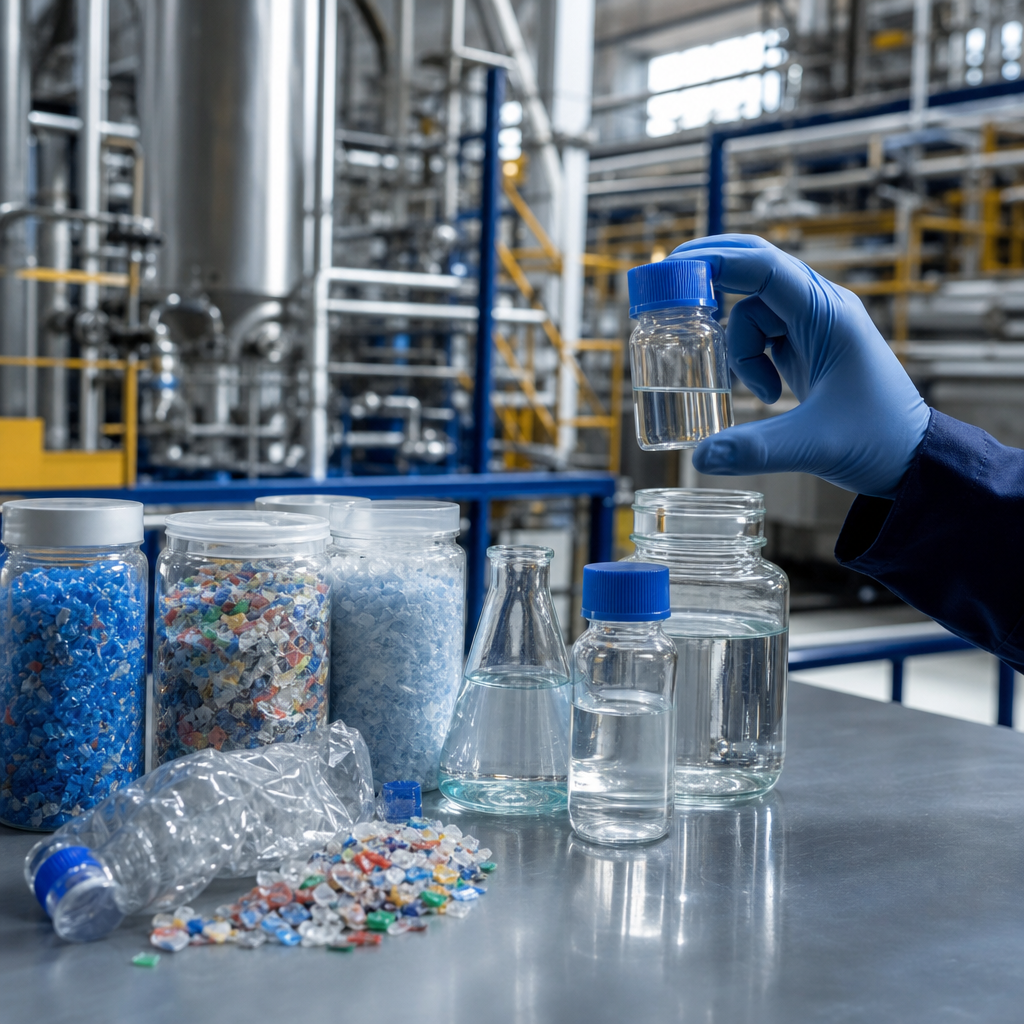
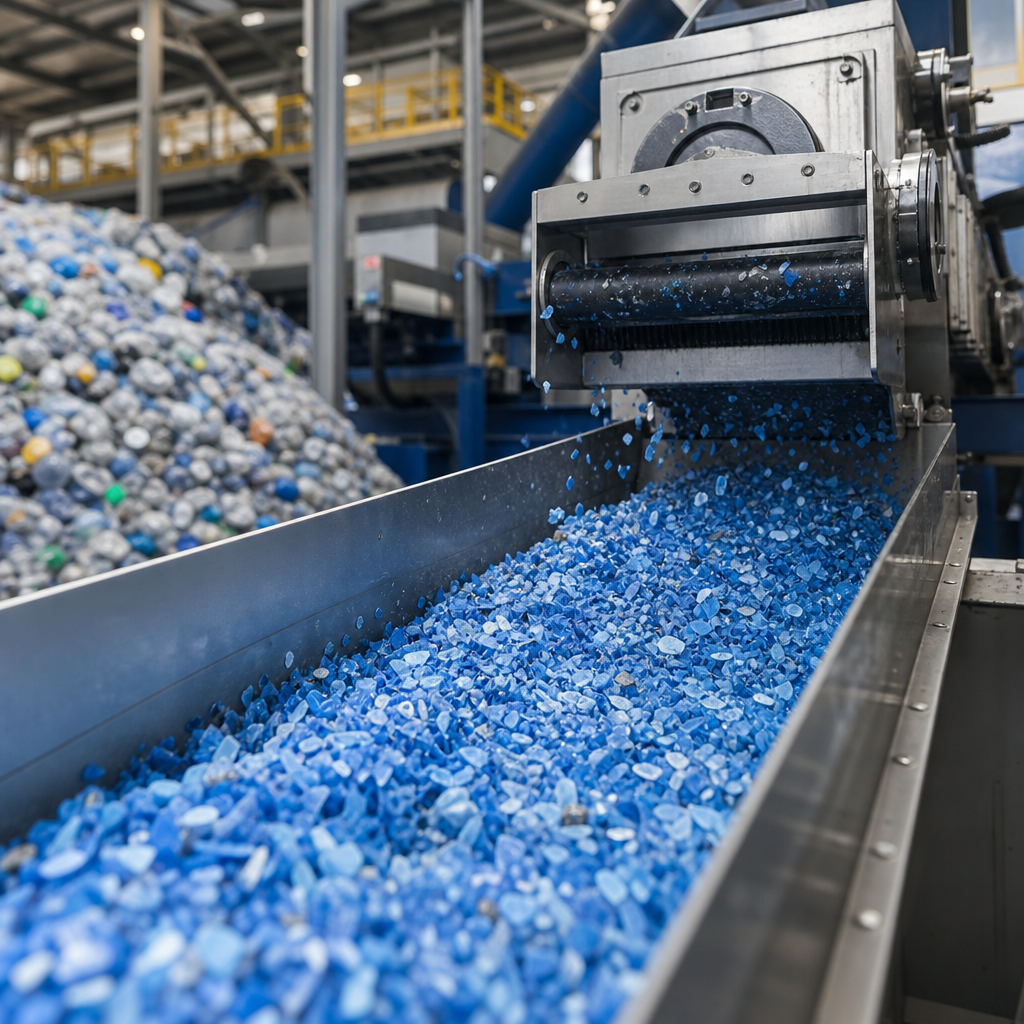
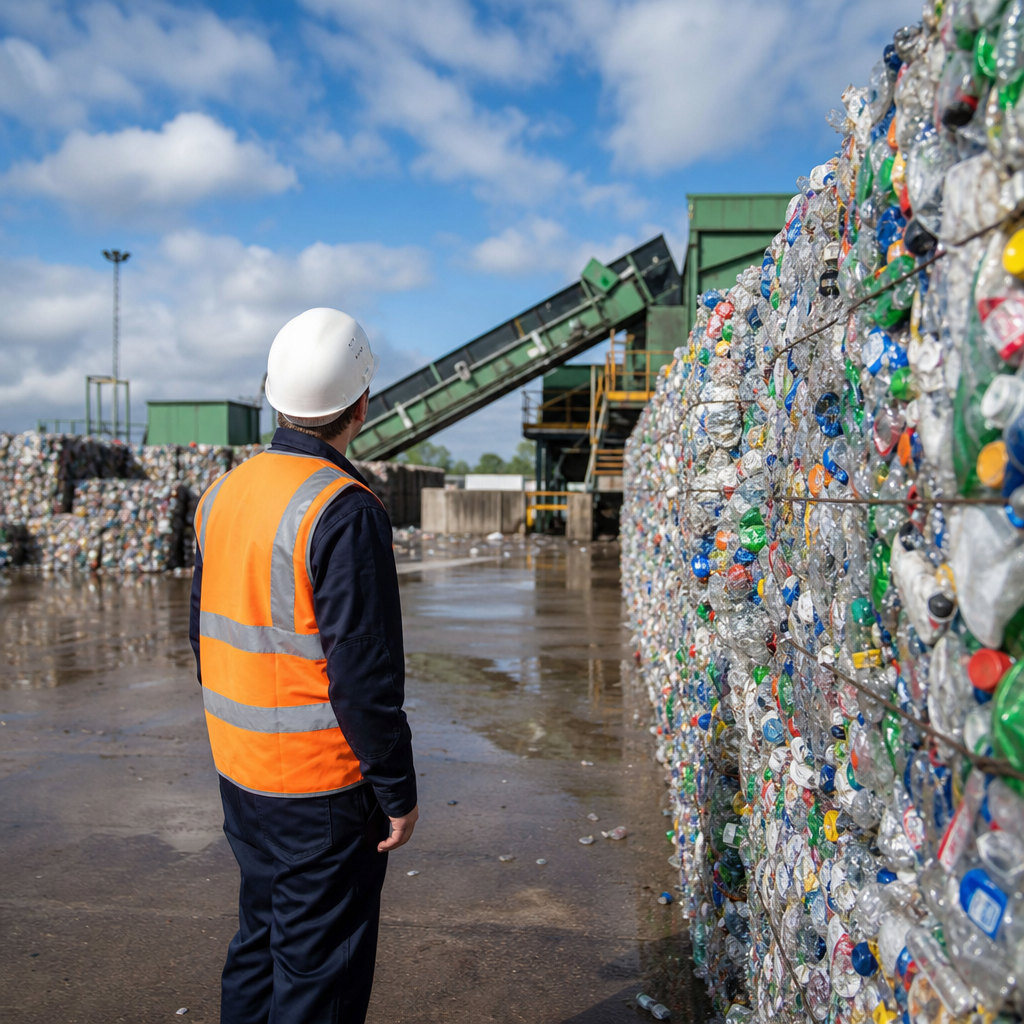
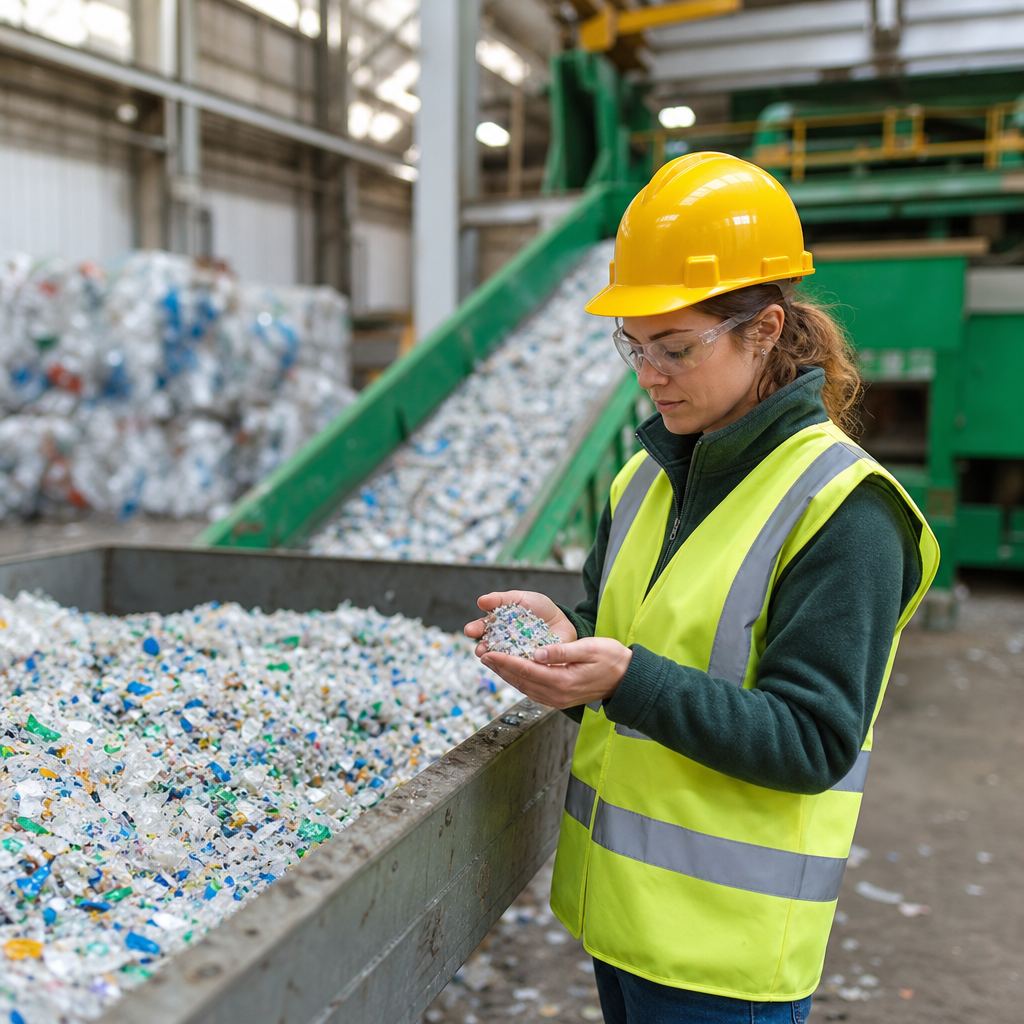
Recycled polymers are already more established in practice. Recycled PET from bottles is used in acoustic insulation, carpet backing, and fiber-reinforced panels. Recycled HDPE appears in lumber alternatives, drainage products, and site furnishings. In façade and roofing applications, manufacturers are incorporating post-industrial and post-consumer content into membranes and rigid boards where quality control can be maintained. The challenge I regularly see is not whether recycled content can be added, but whether supply consistency, contamination control, and mechanical properties remain stable enough for warranty-backed construction products. The best manufacturers publish recycled content by percentage, identify pre-consumer versus post-consumer fractions, and document performance under ASTM, ISO, or EN test methods.
High-impact applications across the building envelope
Most environmental gains from polymer innovation show up in the envelope, where small improvements can produce decades of energy savings. Insulation is the clearest example. Expanded polystyrene, extruded polystyrene, polyisocyanurate, phenolic foam, and polyurethane systems all offer high thermal resistance relative to thickness, which helps on constrained wall and roof assemblies. The sustainability discussion, however, has moved beyond R-value alone. Specifiers now examine blowing agents, global warming potential, recycled content, moisture behavior, and compatibility with air barrier systems. Newer foam products using low-global-warming-potential blowing agents have materially improved the climate profile of high-performance insulation.
Membranes and films are another critical category. Thermoplastic polyolefin roofing membranes gained share because they can deliver solar reflectance, heat-welded seams, and long service life on commercial roofs. PVC roofing and waterproofing systems remain widely used, particularly where chemical resistance and detailing flexibility are important, though lifecycle debates around additives and end-of-life management continue. In below-grade work, HDPE and similar liners provide durable moisture and gas barriers. Window technology also depends heavily on polymers: fiberglass-reinforced frames, warm-edge spacers, gaskets, and low-conductivity thermal breaks all improve whole-window performance and condensation resistance.
| Application | Common polymer innovation | Main sustainability benefit | Key limitation to assess |
|---|---|---|---|
| Roofing | TPO reflective membranes | Lower cooling loads and durable seams | Attachment method and puncture resistance |
| Wall insulation | Polyiso with improved blowing agents | High R-value per inch | Cold-temperature performance variation |
| Air sealing | Hybrid sealants and fluid-applied membranes | Reduced infiltration and moisture risk | Substrate preparation and curing conditions |
| Decking and cladding | Wood-plastic composites | Recycled content and lower maintenance | Thermal movement and surface weathering |
| Piping | PEX, HDPE, PP-R systems | Corrosion resistance and long service life | Temperature, pressure, and UV limits |
Composite materials and lightweight structural solutions
Fiber-reinforced polymer composites are moving from niche products into mainstream green building applications because they offer high strength-to-weight ratios, corrosion resistance, and prefabrication advantages. Glass fiber reinforced polymer rebar, panels, bridge decks, gratings, and façade substructures reduce weight and can extend service life in aggressive environments such as coastal zones or wastewater facilities. In building retrofits, lightweight composite panels can improve seismic performance and reduce the need for heavy structural intervention. When transportation, crane time, and on-site labor are reduced, the environmental gains can be significant even if the resin itself is energy intensive.
Natural fiber composites are another important frontier. Flax, hemp, jute, and wood fibers can reinforce polymer matrices for interior panels, acoustic products, furniture, and non-structural components. These materials can lower density and renewable content profiles while improving aesthetics and tactile quality. Their limits are equally important: moisture uptake, fire behavior, fiber-matrix bonding, and long-term dimensional stability must be engineered carefully. Good products use coupling agents, protective coatings, and tested formulations rather than assuming that plant fiber automatically equals sustainability. In responsible specifications, natural fiber composites are chosen where their properties align with service conditions, not as symbolic substitutions.
Polymers in low-carbon concrete, coatings, and repair systems
One of the most practical sustainable applications is using polymers to improve the performance of other low-carbon materials. Polymer modifiers in cementitious mortars and concretes can enhance adhesion, reduce permeability, and improve flexural behavior, allowing thinner sections and longer service life. In repair work, epoxy injection systems, polymer-modified patching mortars, and protective coatings help preserve existing structures instead of replacing them. From a carbon perspective, extending the useful life of a building or bridge is often better than demolishing and rebuilding, especially when the structural frame remains sound.
Coatings are often overlooked in green material discussions, yet advanced polymer coatings directly affect durability, solar reflectance, corrosion resistance, and indoor air quality. Waterborne acrylics, low-VOC epoxies, fluoropolymer finishes, and elastomeric roof coatings all play roles depending on exposure conditions. Cool roof coatings can reduce surface temperatures and HVAC demand in warm climates. Anti-corrosion systems protect steel from premature failure. Antimicrobial or easy-clean finishes may reduce harsh cleaning chemical use in hospitals and schools. The sustainability value comes from measurable extension of maintenance cycles, not from marketing terms alone, so performance data and field history matter.
Circularity, health, and certification in product selection
The next wave of innovation is not just better polymer chemistry; it is better systems for tracing, recovering, and reusing materials. Design for disassembly is becoming relevant for modular flooring, ceiling systems, façade panels, and interior partitions that contain polymer components. Mechanical recycling works best when products are mono-material or easy to separate, while multilayer laminates and permanently bonded composites remain difficult to recover. Some manufacturers are responding with take-back programs, closed-loop recycling for membrane offcuts, and digital product passports that document composition and future recovery pathways.
Health criteria are equally central to sustainable selection. A polymer product can lower energy use yet still raise concerns if it emits hazardous compounds or contains problematic additives. That is why informed teams review emissions certifications such as GREENGUARD, ingredient disclosures, Red List screening approaches, and local code requirements on flame retardants or formaldehyde-related chemistry. In my experience, the best project teams combine carbon, health, and durability criteria rather than optimizing only one metric. Common certification frameworks reward this integrated approach by recognizing recycled content, low-emitting materials, environmental disclosures, and operational performance together. A credible hub page on environmental and sustainable applications has to emphasize that no single polymer is universally green; context, formulation, and verified use phase benefits determine the outcome.
Where innovation is heading next
Several trends will define the next generation of polymers for green building materials. First, decarbonized feedstocks will expand, including mass-balanced bio-attributed resins, captured-carbon intermediates, and more sophisticated chemical recycling that can return waste polymers to near-virgin quality. Second, fire-safe material design will become more important as codes tighten around façade and insulation performance. Manufacturers are investing in halogen-free flame retardants, mineral-filled systems, and hybrid assemblies that preserve energy efficiency without increasing fire risk. Third, smart polymers and functional additives will support resilience through self-healing coatings, phase-change materials for thermal regulation, and sensor-enabled membranes that detect moisture intrusion before visible damage occurs.
Digital specification tools are also changing how these materials are evaluated. Building information modeling libraries, whole-building life-cycle assessment software, and product databases with third-party verified declarations make it easier to compare options quantitatively. That said, data quality is still uneven. A polished sustainability claim is not enough; the industry needs transparent boundaries, comparable units, and realistic service-life assumptions. The projects that perform best are usually those where the architect, envelope consultant, contractor, and manufacturer review compatibility early, mock up critical details, and choose polymer systems based on assembly performance rather than isolated product claims.
Innovations in polymers for green building materials deliver the greatest value when they are specified as part of a whole-building sustainability strategy rather than as isolated substitutions. The core lesson is clear: the best polymer solutions reduce energy loss, extend service life, lower maintenance, incorporate recycled or renewable inputs, and support healthier indoor environments at the same time. Bio-based resins, recycled-content products, advanced membranes, high-efficiency insulation, composite assemblies, and durable repair systems all have proven roles when matched to the right application. The tradeoffs are also clear. Feedstock origin does not guarantee low impact, recycled content must be backed by quality control, and every product needs verification for fire safety, emissions, moisture behavior, and end-of-life recovery.
For teams working across environmental and sustainable applications, this hub should serve as the starting point for deeper case studies on insulation systems, roofing membranes, piping, composites, concrete modification, and circular product design. The practical path forward is to compare materials using life-cycle data, ask manufacturers for verified disclosures, and evaluate polymers at the assembly level where real performance is determined. Do that consistently, and polymer innovation becomes a reliable tool for building projects that are lower carbon, more durable, and better prepared for future standards. Use this page as your reference point, then map each upcoming specification or case study back to measurable environmental outcomes.
Frequently Asked Questions
1. What kinds of polymers are considered innovative for green building materials?
Innovative polymers for green building materials span a wide range of categories, and the most important distinction is that they are being engineered not just for performance, but also for lower environmental impact across sourcing, manufacturing, installation, use, and end-of-life. These include bio-based polymers derived from renewable feedstocks such as plant oils, starches, cellulose, lignin, and agricultural byproducts; recycled polymers made from post-consumer or post-industrial plastic streams; and advanced synthetic polymers designed to use fewer raw materials, last longer, improve energy efficiency, or enable easier recycling. In practical building applications, these materials appear in insulation products, roofing membranes, air and vapor barriers, sealants, piping, floor systems, protective coatings, cladding, structural composites, and window components.
What makes these polymers “innovative” is not simply that they are new, but that they solve several sustainability and building-performance challenges at the same time. For example, polymer foams and aerogel-enhanced composites can deliver high thermal resistance with reduced thickness, helping conserve interior space while lowering operational energy use. Recycled plastic lumber and polymer composites can divert waste from landfills while resisting rot, corrosion, and moisture better than some conventional materials. Bio-based resins can reduce dependence on fossil feedstocks, and low-emission sealants and coatings can improve indoor environmental quality. The strongest innovations are those that balance carbon reduction, durability, occupant health, manufacturability, and cost-effectiveness rather than optimizing only one metric.
2. How do polymer-based green building materials help reduce a building’s environmental footprint?
Polymer-based green building materials can reduce environmental impact in multiple ways, and their value is best understood through a full lifecycle lens. First, they can lower embodied carbon when manufacturers substitute fossil-derived inputs with renewable or recycled content, reduce material intensity, or improve production efficiency. A membrane, insulation panel, or composite element that uses recycled polymer content or a bio-based resin may require fewer virgin resources and create lower upstream emissions than a conventional alternative. Second, polymers often contribute significantly to operational carbon reduction by improving insulation, air sealing, moisture control, and system durability. Since building operations typically account for a large share of lifecycle emissions, high-performance polymer products can produce substantial long-term environmental benefits.
They also help reduce waste and maintenance burdens. Durable polymer coatings, piping, sealants, and corrosion-resistant composites can extend service life and lower replacement frequency, which cuts resource consumption over time. Lightweight polymer products can reduce transportation emissions and simplify installation, especially in modular or prefabricated building systems. In addition, some advanced polymers are now designed for disassembly, reprocessing, or compatibility with circular material systems, which helps address one of the construction sector’s biggest sustainability challenges: what happens to materials at the end of use. The overall environmental benefit depends on responsible formulation and transparent verification, but when selected carefully, polymers can support lower carbon, lower waste, and higher-performance buildings.
3. Are polymer building materials truly sustainable, or are there trade-offs to consider?
Yes, polymer building materials can be sustainable, but they should never be treated as automatically sustainable just because they contain recycled content or are marketed as “green.” There are real trade-offs, and good specification requires careful evaluation. Some polymers deliver excellent thermal performance, moisture resistance, and durability, but may still rely on petrochemical feedstocks, energy-intensive processing, or additives that raise concerns around toxicity, emissions, or disposal. Others may perform well in one climate or application but underperform in another, leading to premature replacement and a worse lifecycle outcome. Sustainability in this category depends on how the material is sourced, formulated, installed, maintained, and ultimately recovered or discarded.
The best way to assess these trade-offs is through measurable criteria rather than assumptions. Professionals typically look at environmental product declarations, lifecycle assessments, recycled or bio-based content, volatile organic compound emissions, durability data, fire performance, chemical transparency, and end-of-life options. A highly durable polymer roofing membrane that lasts decades and improves energy performance may be more sustainable than a lower-impact material that fails early. Likewise, a bio-based polymer is not necessarily preferable if it competes with food systems, uses problematic agricultural inputs, or lacks long-term durability. The most credible sustainability claims come from products that combine verified environmental performance with strong technical performance, code compliance, and a clear pathway for responsible use and disposal.
4. Where are polymers making the biggest impact in green building design and construction today?
Polymers are making some of their biggest contributions in high-impact building envelope and systems applications, where relatively small material changes can produce major performance gains. Insulation is one of the clearest examples. Advanced polymer foams, vacuum-insulated systems with polymer components, and high-performance composite insulation products help reduce heating and cooling demand by improving thermal resistance and minimizing thermal bridging. Air barriers, vapor retarders, and waterproofing membranes made with advanced polymers also play a crucial role in controlling air leakage and moisture migration, both of which affect energy efficiency, durability, and indoor air quality. In many green buildings, these invisible polymer layers are just as important as more visible sustainability features.
Polymers are also reshaping piping, window systems, structural composites, sealants, and protective coatings. High-performance polymer piping can reduce corrosion and improve longevity in plumbing and mechanical systems. Polymer interlayers and frames in windows help improve thermal efficiency and weather resistance. Fiber-reinforced polymer composites are increasingly used in façade panels, bridge elements, and structural retrofits because they are lightweight, strong, and resistant to environmental degradation. Low-emission adhesives, sealants, and coatings support airtight construction and healthier interiors. In modular construction and off-site manufacturing, polymers are especially valuable because they can reduce weight, simplify assembly, and support precision fabrication. Their biggest impact today comes from enabling buildings to be more efficient, durable, resilient, and adaptable without sacrificing constructability.
5. What should architects, builders, and developers look for when selecting polymer-based green materials?
Selection should start with project goals, because the right polymer material depends on whether the priority is embodied carbon reduction, energy performance, resilience, moisture control, occupant health, circularity, or cost over the life of the building. Decision-makers should evaluate whether a material is appropriate for the specific climate, assembly, exposure conditions, and expected service life. A polymer product that performs exceptionally in a roofing membrane may not be suitable for interior applications, and a bio-based composite that works in low-moisture conditions may not hold up in a humid or high-load environment. The goal is not to choose the “greenest” product in isolation, but the most effective one within the whole building system.
From a technical and sustainability standpoint, it is wise to review third-party documentation and performance evidence. That includes environmental product declarations, health product declarations where available, VOC certifications, recycled or renewable content data, fire and smoke ratings, moisture resistance, UV stability, chemical compatibility, maintenance requirements, and warranty terms. Teams should also ask practical questions: Can the material be repaired? Does it support disassembly? Is there manufacturer take-back or recycling infrastructure? How locally is it sourced or manufactured? Is the installer trained for this system? The most successful polymer selections come from balancing environmental claims with real-world building science, code requirements, constructability, and long-term value. When specified carefully, polymer innovations can be a powerful tool for delivering greener buildings that perform better for owners and occupants alike.