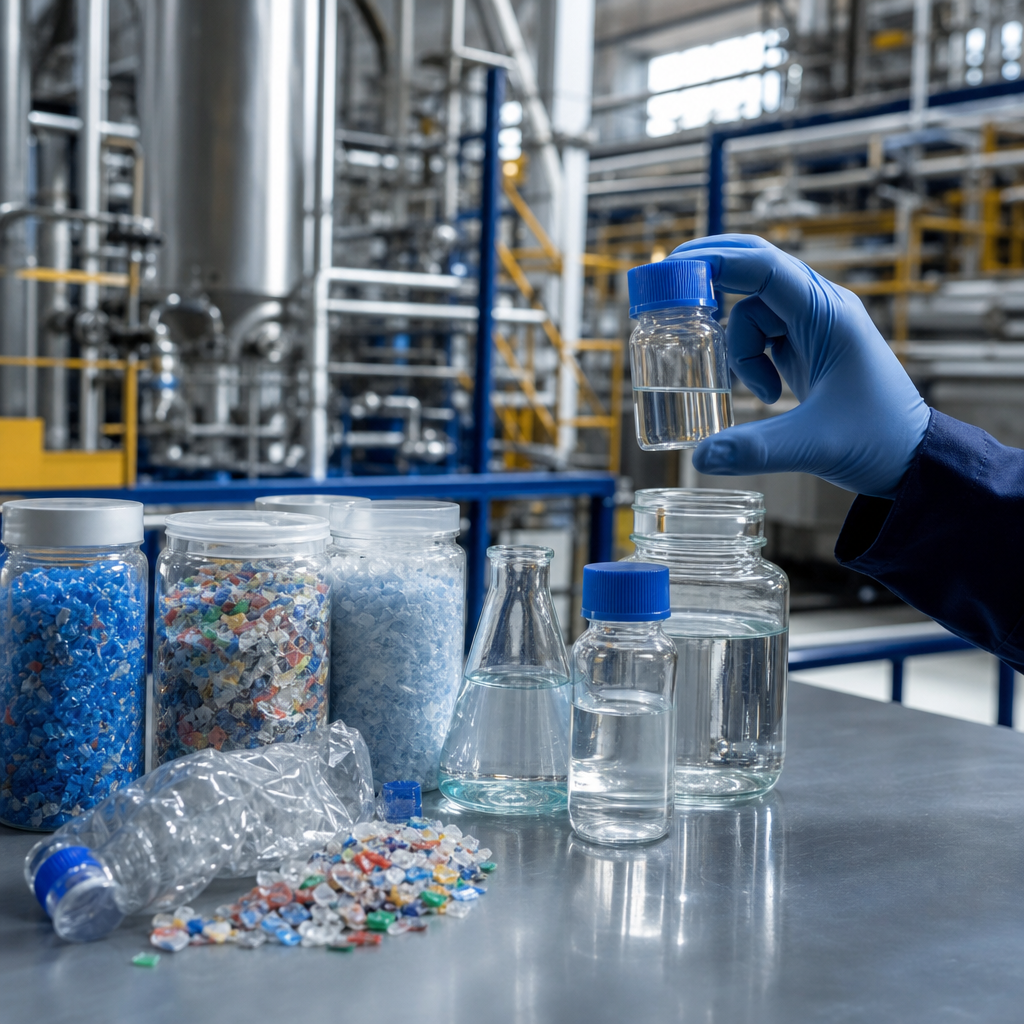
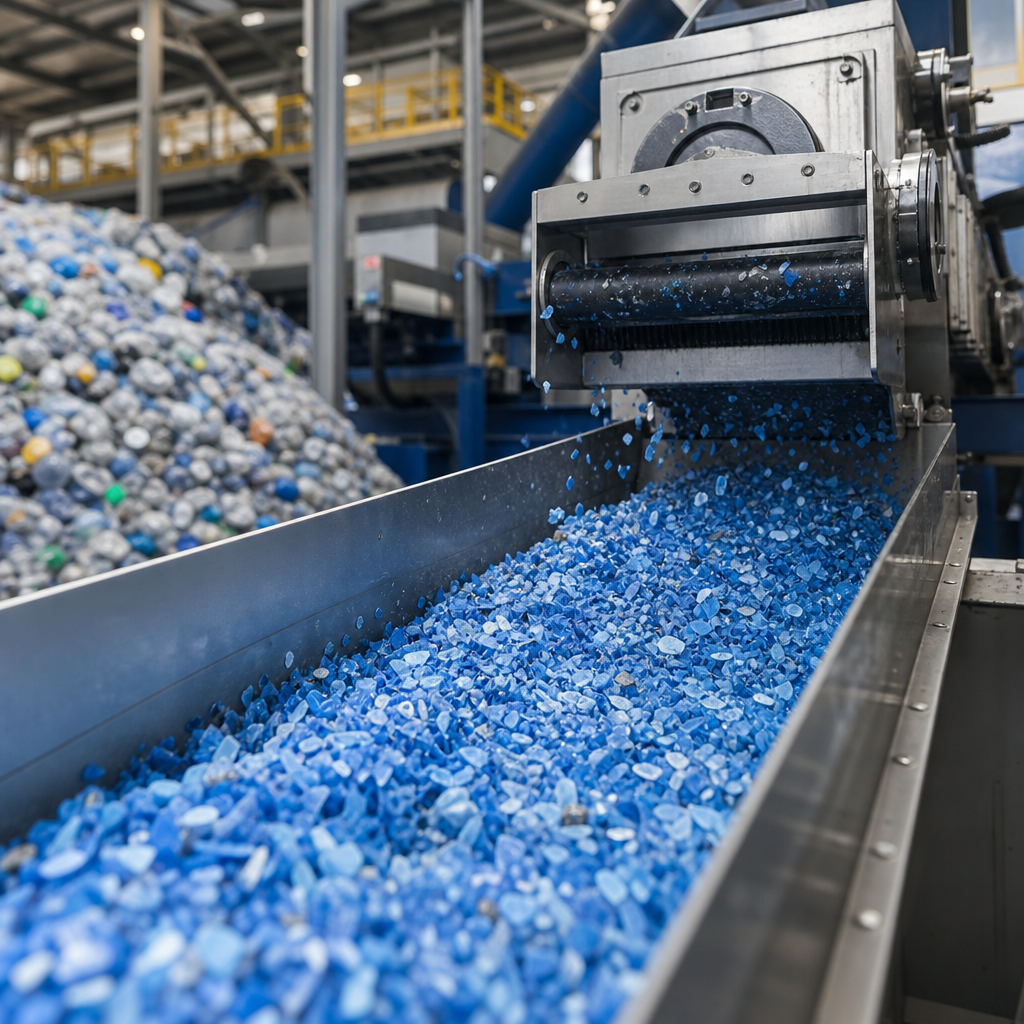
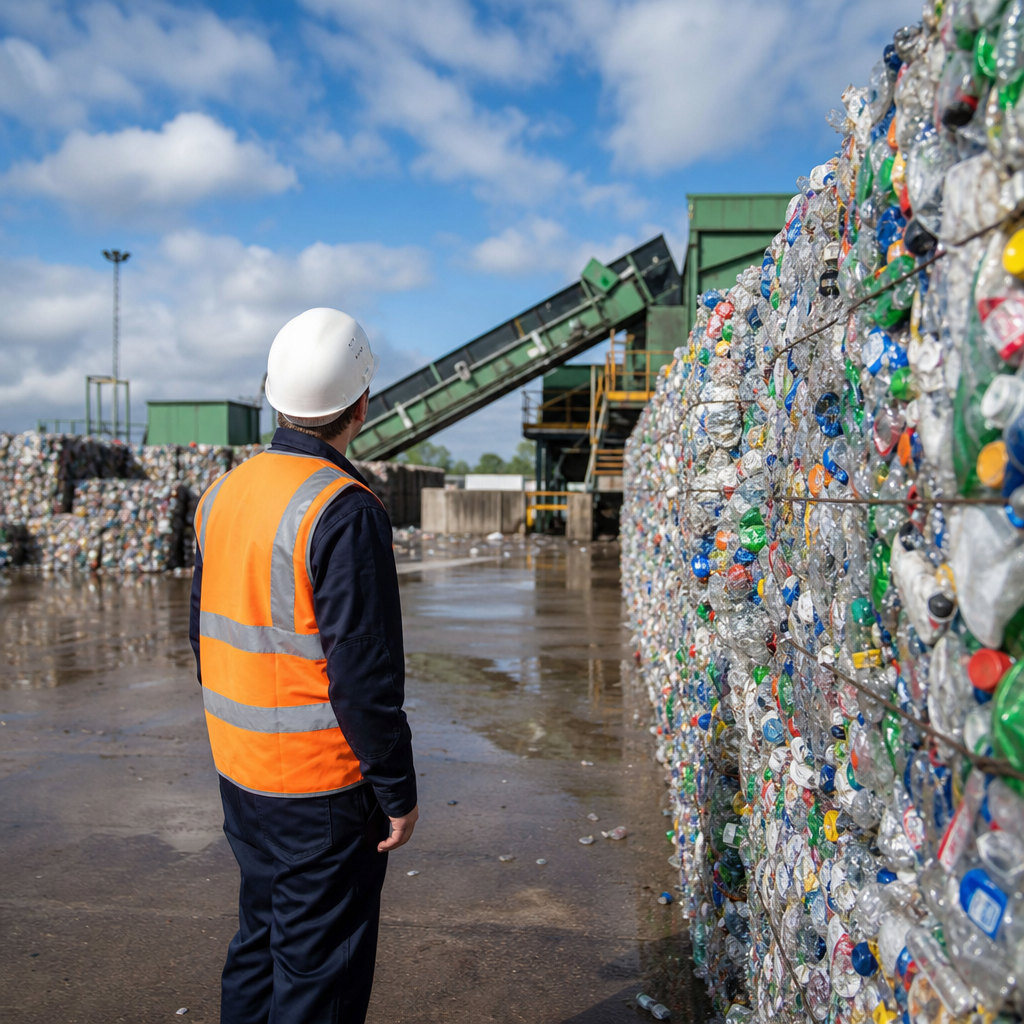
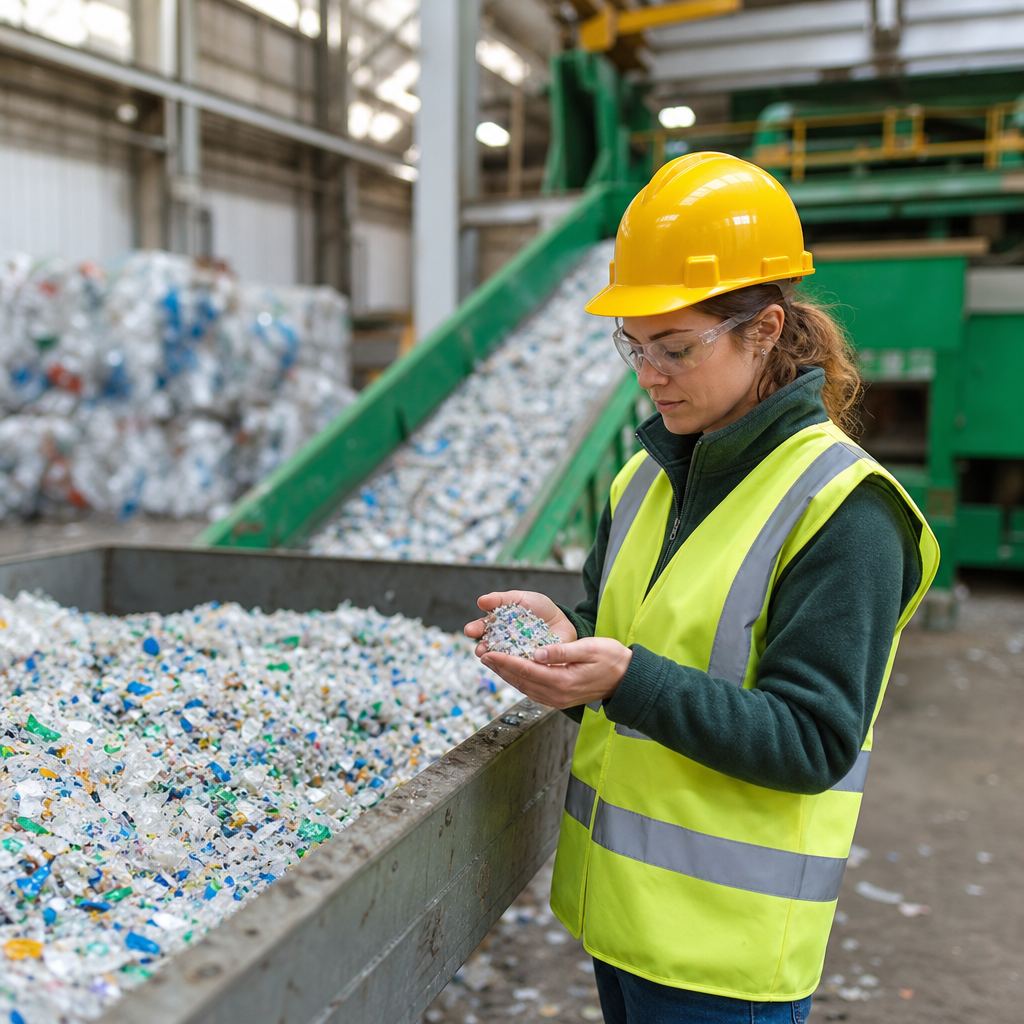
Polymers have become essential to modern waste management because they make collection systems lighter, recycling processes more precise, landfill controls more reliable, and resource recovery more economically viable. In this context, polymers are long-chain materials engineered from repeating molecular units, and they include familiar plastics such as polyethylene, polypropylene, PET, PVC, and high-performance elastomers used in bins, liners, membranes, piping, sensors, and sorting equipment. I have worked with municipal waste projects where polymer choice changed operating costs more than vehicle routing did, simply because durability, contamination resistance, and weight affect every stage from curbside pickup to final treatment. Waste management solutions now depend on polymers not only as materials to be discarded responsibly, but also as enabling materials that improve environmental outcomes. That matters because cities face rising waste volumes, tighter landfill regulations, pressure to increase recycling rates, and the need to reduce methane emissions, leachate risks, fuel use, and worker injury. Understanding how polymers improve waste management solutions helps public agencies, plant operators, packaging designers, and sustainability teams make decisions that are practical, measurable, and scalable.
At a hub level, environmental and sustainable applications of polymers in waste management fall into several connected categories. First, polymers improve containment through bins, sacks, carts, liners, geotextiles, and geomembranes that prevent leaks and extend service life. Second, they support sorting and recycling through optical identification, design-for-recycling packaging, durable machine components, and chemical compatibility with washing and reprocessing systems. Third, they enable composting and organics collection in selected use cases through certified compostable materials and moisture-resistant infrastructure. Fourth, they improve energy recovery and landfill operations with gas collection piping, capping systems, and corrosion-resistant tanks. Finally, advanced polymer science is creating circular pathways through depolymerization, compatibilizers, recycled-content compounds, and reusable packaging formats. As a sub-pillar hub for case studies and applications, this article maps the full landscape, explains where polymers deliver clear sustainability gains, and shows where limitations remain. The central lesson is straightforward: the right polymer in the right waste management role reduces loss, contamination, maintenance, and emissions, while the wrong material can lock in inefficiency for years.
Polymer-Based Collection Systems Improve Efficiency and Safety
The most visible way polymers improve waste management solutions is in collection infrastructure. High-density polyethylene is the standard material for many wheeled carts and curbside bins because it balances impact resistance, chemical resistance, UV stability, and low weight. Compared with metal containers, polymer carts are easier for crews and automated truck arms to handle, they do not rust, and they are quieter in residential use. In city fleet analyses I have reviewed, lower container weight translated into faster set-out handling and reduced wear on lifting mechanisms over thousands of pickups. Polyethylene liners and heavy-duty sacks also minimize leakage from wet waste streams, reducing sidewalk contamination and pest attraction.
Polymers also support worker safety. Injection-molded lids, ergonomic handles, and elastomeric wheels absorb shock and reduce manual strain. In healthcare and hazardous waste streams, color-coded polymer containers help separate sharps, infectious waste, chemicals, and general refuse, which cuts misclassification risk. Because polymers can be compounded with pigments, antimicrobial additives, UV stabilizers, and flame retardants where regulations permit, they allow waste systems to be tailored to climate and handling requirements. For municipalities trying to standardize source separation, that consistency matters: residents recycle more accurately when containers are durable, clearly labeled, and designed for a specific material stream.
Polymers Make Recycling and Sorting More Effective
Recycling performance depends heavily on identification, separation, contamination control, and material quality, and polymers play a role in all four. At materials recovery facilities, conveyor belts, screens, ballistic separators, optical sorters, and sensor housings often rely on wear-resistant polymer parts because they withstand abrasion and moisture without the corrosion problems associated with untreated metals. Near-infrared sorting systems identify polymers by spectral signature, allowing PET bottles, HDPE containers, and polypropylene packaging to be separated at high speed. This direct identification is one reason certain polymers have mature recycling streams while multilayer and heavily pigmented formats remain difficult.
Packaging design is equally important. Clear PET bottles with detachable sleeves and compatible caps are easier to recycle than opaque, multi-material packages bonded with adhesives. Recyclers prefer formats that can be washed, shredded, and remelted without generating excessive residue or mixed-polymer contamination. In practice, a small design decision such as replacing a full-body PVC sleeve on a PET bottle can materially improve bale quality. That is why many brands now follow design guides from organizations such as the Association of Plastic Recyclers and RecyClass. Better polymer choices upstream reduce sorting losses downstream, which is one of the clearest examples of how polymers improve waste management solutions across the full value chain.
Landfill Engineering Relies on High-Performance Polymers
Although waste reduction and recycling receive most public attention, properly engineered landfills remain necessary, and polymers are fundamental to making them safer. High-density polyethylene geomembranes are widely used as primary liner systems because they provide low permeability and strong chemical resistance against leachate. Geotextiles made from polypropylene or polyester act as filtration and separation layers, protecting drainage media and maintaining fluid flow. Polymer pipes collect leachate and landfill gas while resisting corrosion that would quickly degrade many metal systems in aggressive buried environments.
These materials matter because the environmental risks of poorly managed disposal sites are serious: groundwater contamination, slope instability, uncontrolled methane release, and long-term remediation costs. In regulated landfill construction, polymer liner integrity is verified through seam testing, spark testing where relevant, and quality assurance protocols aligned with ASTM methods and local environmental regulations. Operators also use polymer caps and cover systems to limit rain infiltration and improve closure performance. When designed correctly, polymer-based containment systems reduce the probability of releases and make monitoring easier. This is not a theoretical advantage; it is the operating baseline for modern sanitary landfills in many regions.
Organics Management Depends on Careful Polymer Selection
Food waste and yard waste are growing priorities because organics in landfill generate methane, a potent greenhouse gas. Polymers support organics diversion, but only when material selection matches the treatment system. For curbside food scrap collection, compostable liners certified to standards such as EN 13432 or ASTM D6400 can improve participation by keeping kitchen caddies cleaner and reducing odor complaints. However, certification does not mean a material will break down in every backyard pile or every anaerobic digester. Industrial composting conditions typically require controlled heat, moisture, oxygen, and processing time.
That nuance matters. I have seen programs fail when non-certified “biodegradable” bags were accepted without verification, contaminating compost and forcing expensive screening. Compost facility managers generally prefer simple rules: accept only certified liners if the process can handle them, or ban all liners and rely on reusable containers. Durable polymers are still important in organics systems even when compostable films are not used. Collection carts, aeration piping, digestate tanks, and dewatering components often use polyethylene, polypropylene, or reinforced composites because they withstand moisture, acids, and cleaning chemicals. The sustainable application is not “bioplastic everywhere.” It is matching polymer properties to the biological treatment process so contamination stays low and material recovery remains credible.
Advanced Recovery Technologies Expand Circular Use Cases
Mechanical recycling remains the most established route for many polymer waste streams, but advanced recovery technologies are expanding what can be done with mixed or contaminated plastics. Chemical recycling methods such as depolymerization, pyrolysis, and solvent-based purification aim to convert waste polymers into monomers, feedstocks, or purified resins. PET depolymerization, for example, can break polyester back into its chemical building blocks, which may then be repolymerized into new material with performance similar to virgin resin. Polyolefin pyrolysis can produce hydrocarbon outputs, though economics and environmental performance depend strongly on feedstock quality, energy source, and process yields.
These technologies should be assessed carefully rather than treated as universal solutions. They can complement, not replace, waste reduction and high-quality mechanical recycling. Still, polymers are central to the progress being made. Compatibilizers allow mixed recycled streams to perform better in secondary applications. Additive packages restore processability after thermal history. Digital watermarks and tracer technologies can improve polymer identification in sorting lines. Several consumer goods companies already use certified mass-balance approaches to incorporate recycled feedstock from advanced recovery into packaging portfolios. For waste managers, the practical significance is broader market demand for difficult fractions that would otherwise have little value, provided collection and verification systems are robust.
Where Different Polymers Deliver the Best Waste Management Value
Not every polymer solves the same problem. Performance depends on chemistry, processing method, contamination tolerance, and end-of-life pathway. The comparison below reflects common waste management applications and the tradeoffs operators evaluate when specifying materials.
| Polymer | Common waste management uses | Main advantages | Key limitation |
|---|---|---|---|
| HDPE | Bins, carts, liners, landfill geomembranes, piping | Tough, chemically resistant, low permeability, recyclable in established streams | Can degrade under prolonged UV exposure without stabilizers |
| PP | Containers, caps, sorting equipment parts, reusable crates | Lightweight, fatigue resistant, useful in repeated handling | Recycling rates often trail PET and HDPE in many regions |
| PET | Beverage bottles, thermoforms, textile-related recovery streams | Strong recycling market, good optical sorting recognition | Performance drops when contaminated by other polymers or labels |
| PVC | Selected pipes and durable construction waste applications | Durable and chemically resistant in long-life uses | Problematic in mixed recycling streams and often avoided in packaging |
| PLA and certified compostables | Some food-service items and organics liners | Useful in specific industrial composting programs | Often contaminate recycling if consumers mis-sort them |
This comparison shows why blanket statements about plastics are rarely useful in operational settings. A landfill liner and a multilayer snack pouch are both polymer-based, but their environmental value differs radically because one prevents contamination for decades while the other may be hard to recover economically. Good waste management policy distinguishes between essential durable applications, recyclable packaging formats, and problematic materials that should be redesigned or phased out.
Case Studies Show Environmental Gains and Real Constraints
Real-world applications demonstrate both the value and the limits of polymer-enabled systems. In municipal collection, switching from metal bins to standardized HDPE carts has helped many cities automate routes, cut injury claims, and reduce replacement frequency. In deposit return systems, PET and HDPE bottles achieve high capture rates because they are easy to identify, compact, and market. In landfill engineering, HDPE liners and gas collection pipes are directly tied to regulatory compliance and methane control. In food waste pilots, certified compostable liners have raised household participation where facilities are equipped to process them.
Yet the constraints are equally important. Flexible multilayer packaging still frustrates recovery systems because layers are difficult to separate. Black plastics remain challenging for some near-infrared sorters, although newer detection systems are improving this. Recycled polymer quality can vary with feedstock contamination, odor carryover, and additive history. Export restrictions and changing recycled resin prices also affect program economics. The lesson from practice is clear: polymers improve waste management solutions when systems are designed around material behavior, infrastructure capability, and verified end markets. When those elements are missing, even technically recyclable polymers may still become waste.
Polymers improve waste management solutions by making every stage of the system more controllable. They strengthen collection through lighter, safer containers and leak-resistant liners; improve recycling through sortable packaging and durable plant components; protect land and water through engineered landfill barriers; and support organics recovery, energy recovery, and emerging circular technologies when used under the right conditions. The environmental and sustainable applications are broad, but they are not interchangeable. The best results come from matching polymer type to operational need, local infrastructure, and realistic end-of-life pathways.
For decision-makers, the practical takeaway is to evaluate polymers by function, not assumption. Ask whether the material reduces contamination, extends asset life, improves recovery quality, or lowers emissions in a measurable way. Use established design guidelines, verify compostability or recyclability claims, and favor formats with proven collection and processing routes. As this hub develops, explore the linked case studies on recycling systems, landfill engineering, organics programs, and circular packaging strategies to identify where polymer innovation delivers the strongest environmental return.
Frequently Asked Questions
What role do polymers play in modern waste management systems?
Polymers play a foundational role in modern waste management because they improve efficiency, durability, safety, and cost control across nearly every stage of the process. In practical terms, polymers are engineered long-chain materials made from repeating molecular units, and they include well-known materials such as polyethylene, polypropylene, PET, PVC, and specialized elastomers. These materials are used to manufacture bins, wheeled carts, liners, piping, containment membranes, conveyor components, seals, sensor housings, and sorting equipment. Their value comes from a combination of low weight, corrosion resistance, chemical stability, design flexibility, and long service life.
In collection systems, polymer-based containers are easier to move than metal alternatives, which helps reduce worker strain and lowers fuel consumption during transportation. In transfer and processing facilities, polymer components can withstand moisture, chemicals, and abrasion while helping systems run more reliably in harsh environments. At landfills, polymer liners and caps are essential for isolating waste and helping control leachate and gas migration. In recycling operations, polymer-based optical and mechanical systems support better material identification and separation. Even in resource recovery applications such as composting, anaerobic digestion, and waste-to-energy support systems, polymers contribute through tanks, tubing, membranes, and protective equipment.
What makes polymers especially important is that they are not just passive materials; they are engineered to solve specific waste management problems. Some are selected for impact resistance, some for flexibility, some for chemical compatibility, and others for barrier performance. This ability to tailor polymer properties means waste management systems can be designed to be lighter, more precise, and more reliable while remaining economically practical at scale.
How do polymers make waste collection and transportation more efficient?
Polymers improve waste collection and transportation primarily by reducing weight while maintaining strength and durability. Waste bins, carts, lids, and container components made from polyethylene or polypropylene are significantly lighter than many traditional metal options, which makes them easier for residents to handle and safer for crews to maneuver. Lower container weight also means collection vehicles carry less dead load, which can translate into lower fuel use, reduced vehicle wear, and improved route efficiency over time.
Beyond weight reduction, polymers are highly resistant to corrosion, moisture, and many chemicals commonly found in municipal, commercial, and industrial waste streams. Metal containers can rust, dent, and degrade when exposed to liquids or harsh weather, but polymer containers generally maintain performance with less maintenance. This longer service life helps municipalities and private operators reduce replacement frequency and control operating costs. Many polymer bins are also designed with molded features such as ergonomic handles, reinforced rims, and standardized lifting interfaces, which improve compatibility with automated collection systems.
Polymers also support better hygiene and containment. Smooth molded surfaces are easier to clean, while polymer lids and liners help minimize leakage, odor release, and pest access. In medical, food, and hazardous waste applications, specialized polymer bags and containers can be designed for puncture resistance, tamper evidence, or specific regulatory requirements. This is especially important in waste streams where contamination control is critical. Overall, polymers make collection infrastructure easier to deploy, simpler to maintain, and more adaptable to the demands of high-volume waste transportation.
How do polymers improve recycling and waste sorting processes?
Polymers contribute to more precise recycling and sorting by supporting the equipment, packaging design, and identification technologies used to separate materials accurately. In material recovery facilities, polymers are used in conveyor belts, screens, rollers, impact-resistant housings, and wear components because they can handle repetitive motion, moisture exposure, and abrasive conditions. Their low friction properties and resistance to many chemicals help reduce downtime and keep systems operating consistently.
They also enable the use of advanced sorting technologies. Optical sorters, near-infrared systems, air separation units, and sensor-based robotic systems often depend on polymer-based housings, lenses, cable insulation, flexible tubing, and protective covers. These components help sensitive electronics operate in dusty and demanding environments. In addition, the packaging industry increasingly uses engineered polymer solutions such as labels, closures, multilayer structures, and markers that can be optimized for recyclability or machine recognition. When products are designed with recycling in mind, sorting facilities can identify and separate streams like PET, HDPE, and polypropylene more accurately, improving bale quality and downstream processing value.
Another key benefit is process stability. Polymer parts can absorb vibration, reduce noise, and resist fouling in ways that support smoother facility operations. This matters because contamination and mechanical disruption are major barriers to efficient recycling. By improving identification, handling, and system reliability, polymers help facilities recover more usable material and reduce the amount of recyclable waste that is mistakenly sent to landfill or incineration. In short, polymers are not only recyclable materials in many cases, but also essential tools that make modern recycling systems more effective.
Why are polymer liners, membranes, and pipes so important in landfills and containment systems?
Polymer liners, membranes, and pipes are critical in landfill engineering because they help isolate waste from the surrounding environment and support long-term environmental protection. Landfills generate leachate, which is liquid formed when water moves through waste and picks up dissolved and suspended contaminants. Without reliable containment, that leachate can migrate into soil and groundwater. High-performance polymer materials such as high-density polyethylene and other geomembranes are used as base liners, caps, and barrier layers because they provide strong chemical resistance, low permeability, and dependable long-term performance when properly designed and installed.
Polymer piping systems are equally important because they collect and transport leachate and landfill gas. These pipes must resist chemical attack, moisture, biological activity, and ground movement over many years. Polymer-based pipes and fittings are often preferred because they are lightweight, easier to install than many alternatives, and highly resistant to corrosion. In gas management systems, they help collect methane and other gases for flaring or energy recovery, which improves safety and can support renewable energy generation from landfill operations.
Cover systems and final caps also rely on polymer membranes to reduce rainwater infiltration, limit odor release, and control emissions. In this role, polymers improve the reliability of containment strategies while helping facilities meet strict environmental regulations. Their consistency, weldability, and engineered performance make them indispensable in modern landfill construction and closure. Simply put, without polymer barriers and fluid-handling systems, it would be far more difficult to operate landfills safely, compliantly, and with adequate protection for nearby ecosystems and communities.
Can polymers help make waste management more sustainable and economically viable?
Yes, polymers can make waste management both more sustainable and more economically viable when they are selected, designed, and managed responsibly. From an operational standpoint, their durability and low weight help reduce transportation costs, maintenance needs, and infrastructure replacement rates. That means fewer resources are required over the life of collection containers, transfer equipment, pipes, and protective systems. Because many polymer components last a long time in difficult environments, operators often achieve lower lifecycle costs even if the initial material selection is more specialized.
Polymers also support resource recovery, which is a major sustainability advantage. They are used in recycling systems that recover paper, metals, organics, and plastics more efficiently. They are essential in composting and anaerobic digestion infrastructure, where corrosion-resistant tanks, membranes, hoses, and seals are needed to process organic waste. In landfill gas and waste-to-energy support systems, polymer pipes, gaskets, coatings, and filtration elements help capture usable energy from waste streams that would otherwise be lost. This strengthens the business case for investing in recovery systems instead of relying only on disposal.
At the same time, sustainability depends on smart material choices. Not every polymer application is automatically beneficial, and poorly designed plastic products can create waste challenges of their own. The strongest results come from using polymers where they clearly improve durability, containment, recovery, or process efficiency, while also designing products for reuse, recyclability, and long-term performance. When integrated into a broader circular economy strategy, polymers help waste management systems become cleaner, safer, and more cost-effective. Their real value lies in enabling better environmental control and higher material recovery while keeping critical public infrastructure practical and scalable.