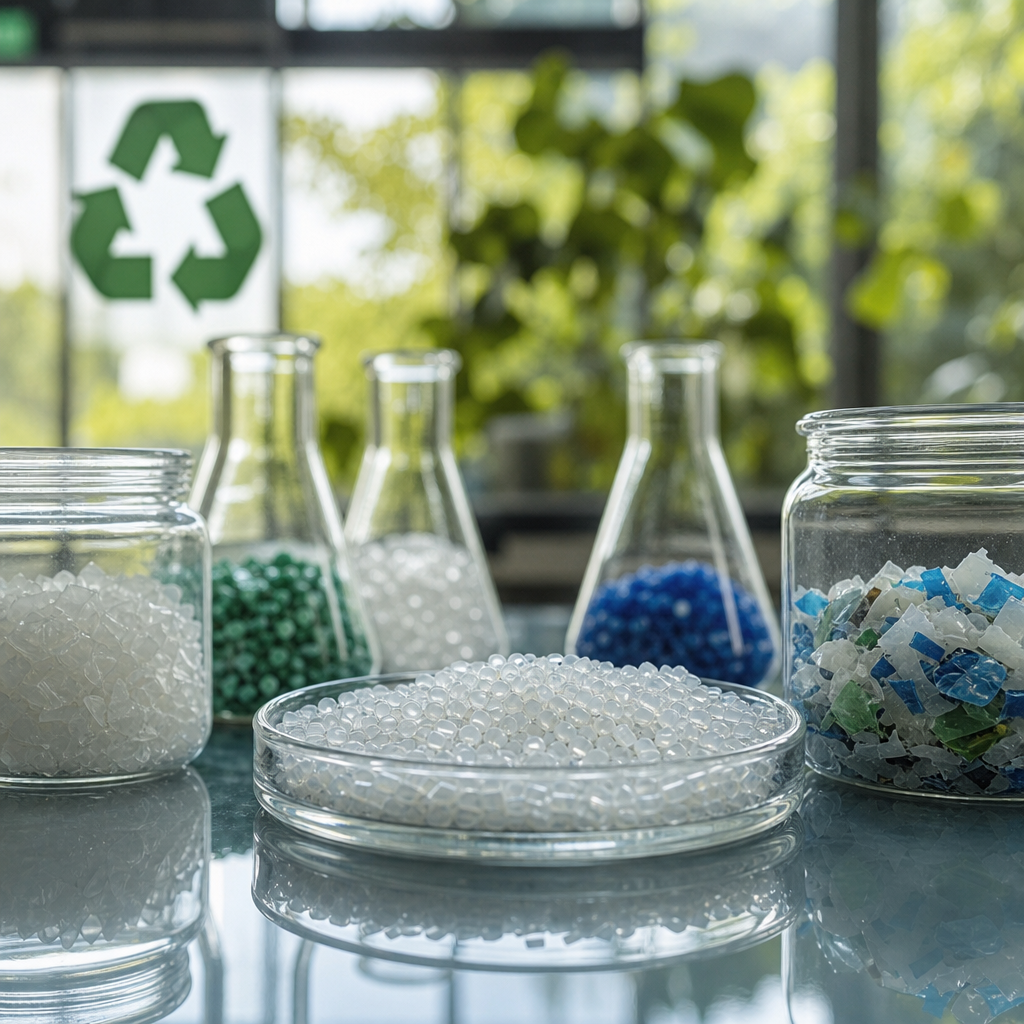
Innovations in polymers are reshaping circular economy models by turning materials once treated as disposable into assets that can be reused, remanufactured, chemically recycled, or safely composted within defined systems. In this context, polymers include conventional thermoplastics such as polyethylene and polypropylene, engineering plastics such as polyamide and PET, elastomers, biobased resins, and emerging dynamic materials designed for repeated recovery. A circular economy model aims to keep products and materials at their highest value for as long as possible through design, collection, sorting, recycling, and regeneration rather than extraction, use, and disposal. I have worked with packaging teams, compounders, and recyclers on material selection projects, and the pattern is consistent: circularity is not achieved by a single breakthrough resin but by coordinated innovation across chemistry, processing, infrastructure, and end-market demand. That matters because polymers sit at the center of modern healthcare, mobility, food preservation, electronics, and construction, yet they are under pressure from waste leakage, carbon intensity, and regulatory scrutiny. For companies building sustainable product portfolios, understanding which polymer innovations work in real applications is now a strategic requirement, not a technical side issue.
The environmental and sustainable applications of circular polymers are broad, but they share a common test: can the material perform in use and still fit a realistic recovery pathway afterward? That test has become sharper as extended producer responsibility schemes expand, recycled content mandates increase, and disclosure frameworks push companies to account for scope 3 emissions and material end of life. The most useful way to assess this field is to look at how innovations solve specific bottlenecks: contamination, mixed materials, additive interference, degraded mechanical properties, poor collection economics, and uncertainty over compostability claims. This hub article maps the core technologies, leading application areas, and implementation lessons across packaging, automotive, textiles, construction, and consumer goods. It also points toward connected subtopics such as mechanical recycling case studies, chemical recycling applications, biopolymer product development, design for disassembly, and life cycle assessment in material decisions. As a result, readers can use it as a practical starting point for evaluating where polymer innovation is genuinely advancing circular economy outcomes and where limitations still require careful engineering judgment.
Designing polymers for repeated circulation
The first innovation frontier is design for circularity at the molecular and product level. Traditional polymer development optimized strength, clarity, barrier performance, or heat resistance with limited attention to what happened after use. Circular design changes that brief. Resin suppliers now tailor grades for mono-material packaging, low-odor recyclate integration, easier delamination, and compatibility with near-infrared sorting systems. In flexible packaging, for example, many brands are replacing multilayer laminates built from incompatible films with all-polyethylene or all-polypropylene structures that maintain sealability and printability while improving recyclability. That sounds simple, but achieving oxygen barrier, puncture resistance, and machine performance in a single polymer family requires new tie layers, orientation methods, and catalyst-controlled molecular architectures.
Another major innovation is the rise of dynamic polymers and reversible chemistries. Vitrimers, covalent adaptable networks, and selectively depolymerizable resins are designed so crosslinked materials can be repaired, reshaped, or chemically broken down into useful intermediates. These systems are particularly important for thermosets, which have historically been difficult to recycle because permanent crosslinks prevent remelting. In wind turbine blades, electronics encapsulants, and high-performance composites, researchers are demonstrating epoxy systems that can be disassembled under controlled conditions, recovering fibers or oligomers with less damage than conventional disposal routes. While many of these materials are not yet at commodity scale, they address one of the circular economy’s hardest problems: how to retain value in durable polymer applications where mechanical recycling alone is insufficient.
Mechanical recycling advances in real applications
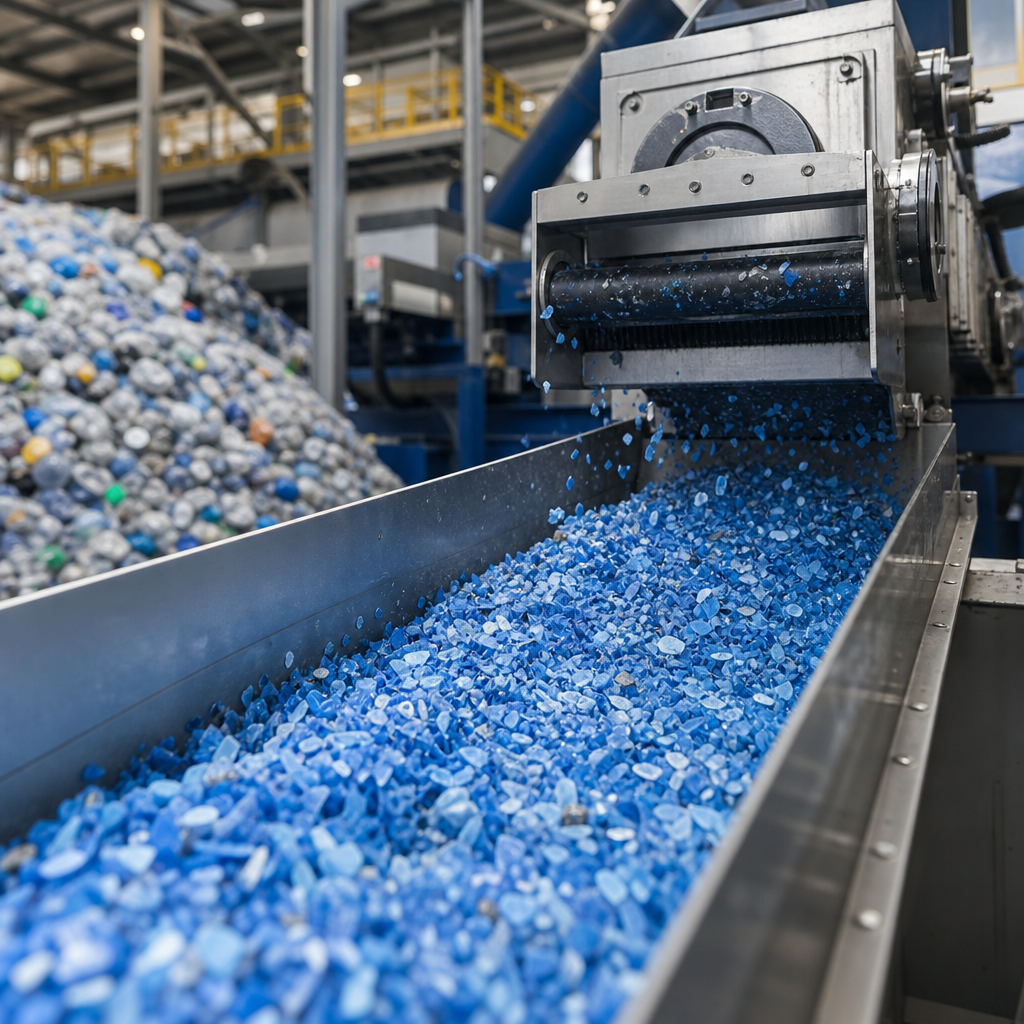
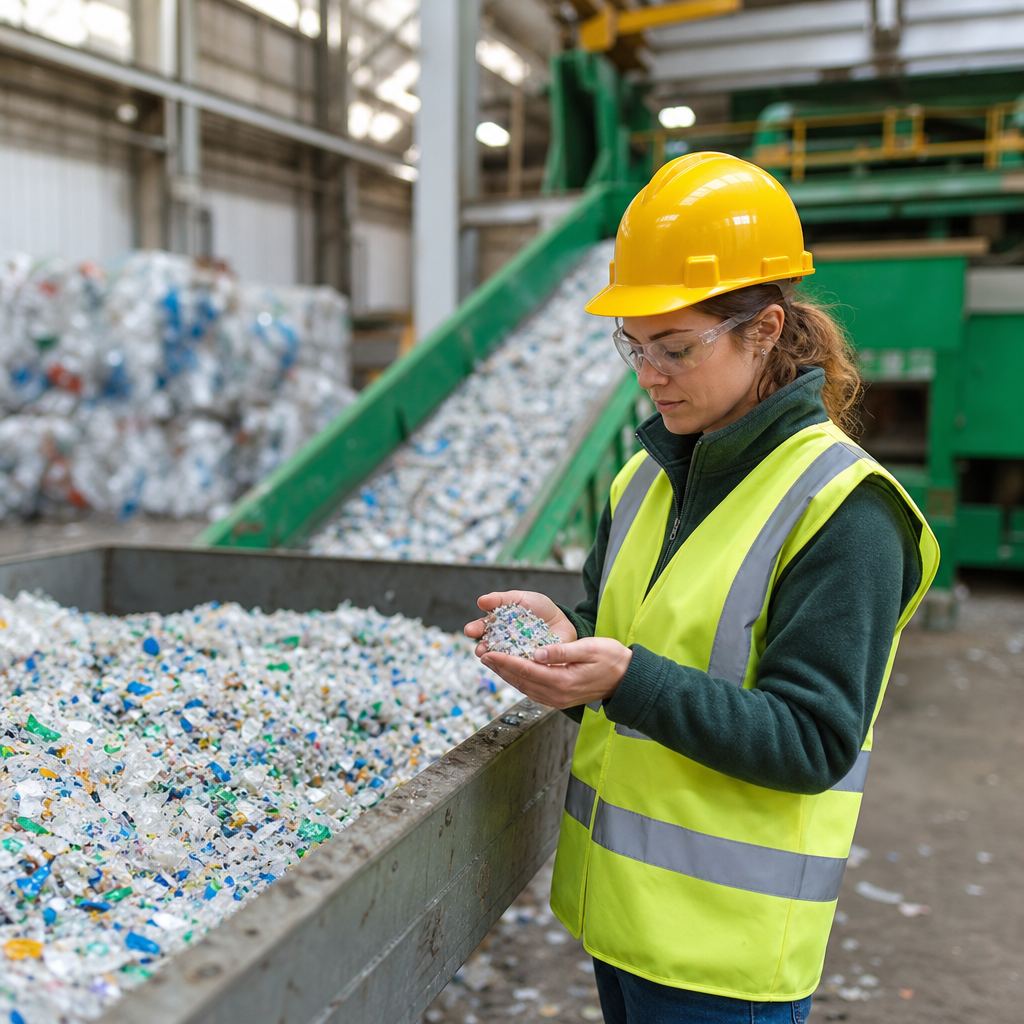
Mechanical recycling remains the most established circular pathway for polymers, and innovation here is more sophisticated than simply shredding and remolding. Modern systems use optical sorters, digital watermarks, density separation, hot washing, deodorization, melt filtration, and reactive extrusion to upgrade post-consumer streams into application-ready resins. PET bottle-to-bottle recycling is the clearest commercial example. Super-clean recycling processes approved under food-contact frameworks can produce recycled PET suitable for new beverage bottles, reducing reliance on virgin fossil feedstocks. Similar progress is occurring in high-density polyethylene from milk bottles, polypropylene from rigid packaging, and polyethylene films from retail and industrial collection systems.
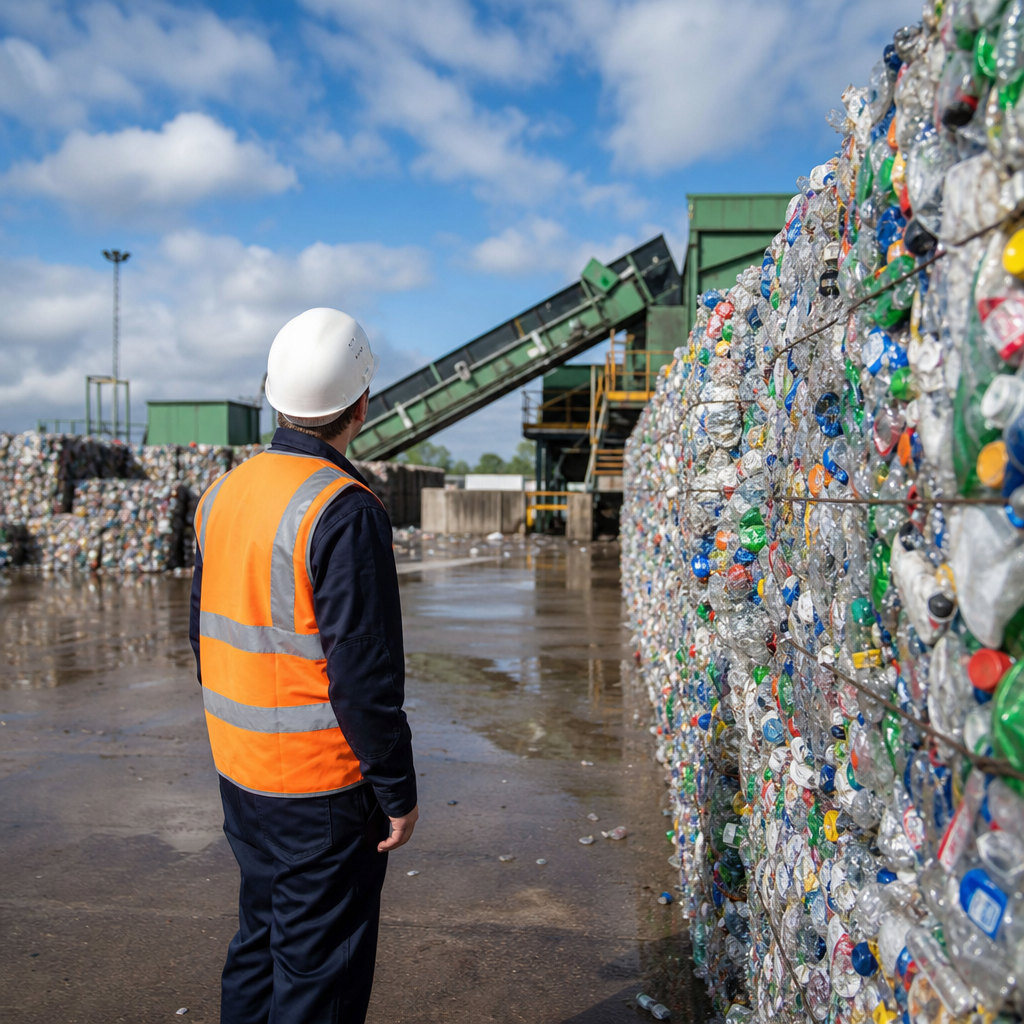
Real-world performance depends on stabilizing degraded polymer chains and controlling contamination. In automotive interior parts, for instance, polypropylene recyclate can work well when odor, volatile organic compounds, and impact strength are tightly managed through additive packages and compounding discipline. In building products, recycled PVC is routinely used in pipes, window profiles, and flooring layers because the applications tolerate thick sections and long service lives. The lesson from plants I have visited is direct: good circular outcomes start with feedstock quality. When packaging formats, labels, pigments, and closures are designed with sorting and reprocessing in mind, yield rises and downcycling falls. When they are not, even the best recycling line struggles to produce resin that converters trust.
| Application | Polymer innovation | Circular benefit | Main limitation |
|---|---|---|---|
| Beverage bottles | Food-grade recycled PET with solid-state processing | Closed-loop bottle-to-bottle use | Collection quality and color contamination |
| Flexible packaging | Mono-material PE or PP barrier structures | Improved recyclability in film streams | Barrier performance can still lag multilayers |
| Automotive interiors | Odor-controlled recycled PP compounds | Higher recycled content in durable goods | Variable feedstock and strict OEM specifications |
| Textiles | Chemically recycled polyester inputs | Recovery from harder-to-recycle waste | Scale, cost, and blended fiber complexity |
| Compostable serviceware | PLA and PHA formulations | Useful in controlled organics systems | Needs proper collection and composting access |
Chemical recycling and feedstock recovery
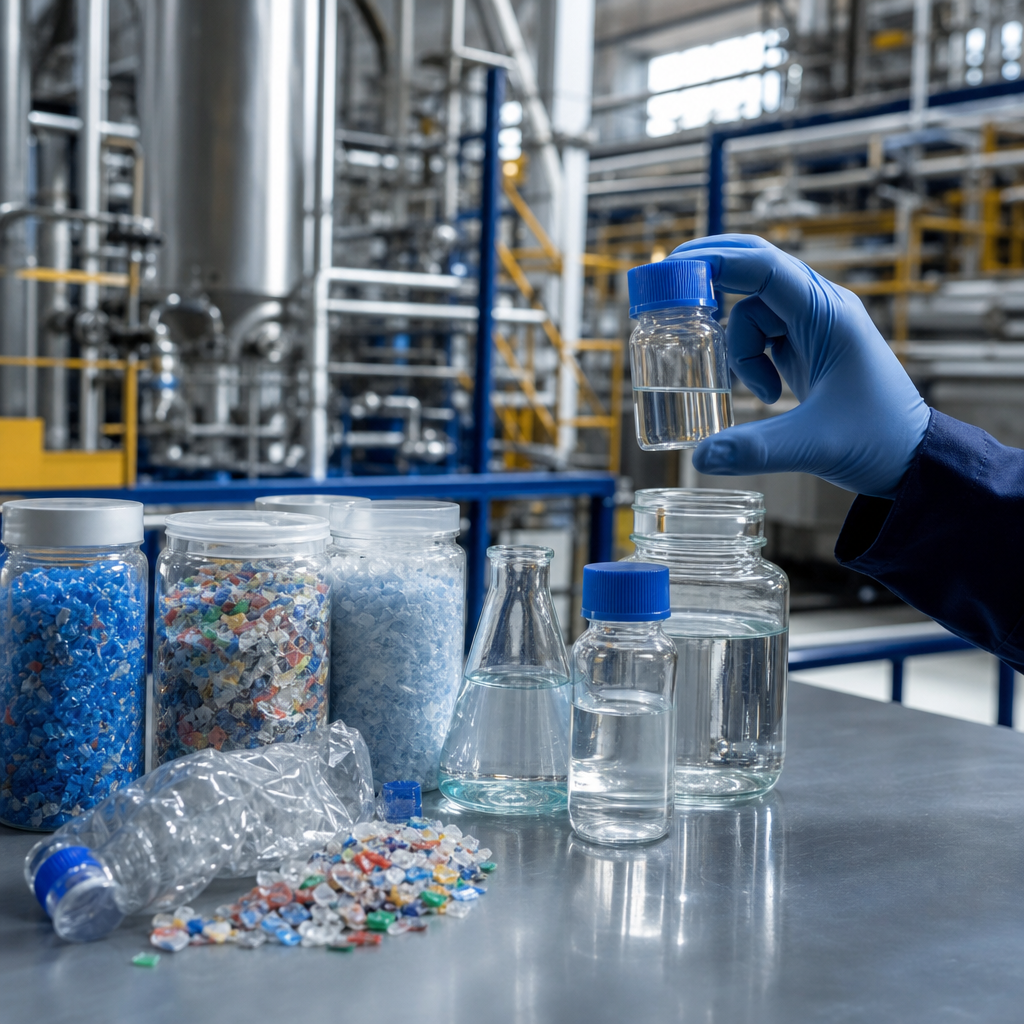
Chemical recycling covers several different processes, and treating it as one category hides important differences. Depolymerization breaks polymers such as PET, nylon 6, or polystyrene into monomers or intermediates that can be purified and repolymerized. Solvent-based purification dissolves target polymers to remove additives, inks, or contaminants without fully cracking molecules. Thermal routes such as pyrolysis convert mixed polyolefin waste into hydrocarbon feedstocks that can be processed through steam crackers and polymerization units. Gasification converts carbon-based waste into synthesis gas for downstream chemistry. Each route has distinct economics, energy demands, mass balance rules, and application fit.
Where chemical recycling adds the most value is in streams that mechanical systems cannot readily handle, including multilayer packaging, heavily contaminated films, and certain textile waste fractions. PET depolymerization is a good example because colored bottles, thermoforms, and polyester-rich waste can be converted into high-purity feedstock when contamination is controlled. Several commercial players are scaling glycolysis, methanolysis, and enzymatic routes aimed at restoring virgin-equivalent material properties. For polyolefins, pyrolysis has attracted major investment from petrochemical companies seeking circular feedstocks, but the route must be judged carefully. It can expand recovery options, yet yields depend on waste composition, chlorine management, and upgrading requirements, and overall environmental benefit varies with plant efficiency and avoided virgin production. In practice, the strongest circular strategies use chemical recycling selectively, not as an excuse to avoid better design and collection upstream.
Biobased and biodegradable polymers in sustainable systems
Biobased polymers and biodegradable polymers are often discussed together, but they answer different questions. Biobased describes feedstock origin; biodegradable describes end-of-life behavior under specific conditions. A polymer can be biobased and not biodegradable, or fossil-based and biodegradable. That distinction matters in policy and product development. Polyethylene made from bioethanol has the same structure as fossil-based polyethylene and can enter the same recycling streams. Polylactic acid, by contrast, is biobased and industrially compostable under managed conditions, but it is not suitable for every environment and can interfere with PET recycling if mis-sorted in sufficient quantities.
The best environmental and sustainable applications for biodegradable polymers are narrow, evidence-based, and system dependent. Certified compostable caddy liners used with food waste collection can increase organics capture and reduce contamination in anaerobic digestion or composting programs. Agricultural mulch films are another case where retrieval is difficult and soil-biodegradable materials may reduce field plastic accumulation if they meet recognized standards and local agronomic needs. Polyhydroxyalkanoates, or PHAs, are promising because some grades biodegrade in a wider range of environments than PLA, but cost, property consistency, and processing windows still limit broad substitution. My practical recommendation is to start with the disposal pathway, then choose the polymer. If a region lacks industrial composting and the product is likely to enter recycling streams, a recyclable durable polymer usually delivers a better circular outcome than a compostable alternative marketed without infrastructure.
Sector case studies: packaging, textiles, mobility, and construction
Packaging remains the largest and most visible proving ground for circular polymer innovation because turnover is fast and design changes can scale quickly. Beverage brands have pushed recycled PET content above 50 percent in some markets, and deposit return systems consistently improve bottle recovery and material quality. In household and personal care packaging, HDPE and PET bottles with wash-off labels, detachable sleeves, and compatible color strategies achieve better yields in recycling plants. Flexible packaging is improving more slowly, but all-polyolefin pouches and recyclable barrier films are moving from pilot to commercial use in dry foods, pet food, and selected home care products.
Textiles are harder because fiber blends, dyes, elastane content, and distributed collection make circularity technically and logistically complex. Even so, polyester-to-polyester recycling is advancing through depolymerization, and brands are testing design rules that reduce trim complexity and improve garment identification. Automotive applications show how recycled polymers can meet strict performance requirements when specifications are precise. Recycled polypropylene, PET nonwovens, and polyamide compounds already appear in wheel liners, underbody shields, seat fabrics, and interior trims. In construction, durability changes the circular equation. Pipes, insulation components, geomembranes, and window profiles can store material value for decades, and product take-back models are emerging for flooring and façade materials. These examples show that circular polymers are not a niche trend; they are becoming application-specific engineering decisions shaped by recovery realities.
Implementation challenges, measurement, and what successful programs do next
The hardest part of circular polymer adoption is not finding a promising material on a datasheet. It is building a system where design, procurement, processing, collection, and claims all align. Companies that succeed usually follow five steps. First, they define the target loop clearly: reuse, mechanical recycling, chemical recycling, or composting. Second, they verify compatibility with real regional infrastructure rather than assumed future capacity. Third, they test material performance using application-relevant protocols such as melt flow retention, odor, ESCR, migration, impact resistance, and weathering. Fourth, they measure environmental effects with life cycle assessment informed by credible datasets, not generic assumptions. Fifth, they secure end-market pull, because recycled content only works when converters and brands are willing to specify it repeatedly.
Measurement standards and traceability tools are improving this process. Mass balance accounting is used for certain chemically recycled feedstocks, while chain-of-custody systems and digital product passports are being developed to track content and composition. Design guidance from groups such as the Association of Plastic Recyclers and RecyClass helps packaging teams avoid known recycling disruptors. Still, tradeoffs remain. Lightweighting can reduce emissions but create films that are harder to sort. Dark pigments can improve aesthetics but block optical detection. Compostable materials can solve food-soiled contamination in one setting and create mis-sorting problems in another. The most credible circular economy strategies acknowledge these tradeoffs openly and make application-by-application decisions grounded in material science and infrastructure data.
Innovations in polymers for circular economy models are delivering measurable progress when they connect material design to realistic recovery systems and verified end uses. The strongest advances today include recyclable mono-material packaging, food-grade recycled PET, higher-quality recycled polyolefin compounds, selective chemical recycling for difficult waste streams, and carefully targeted biobased or biodegradable polymers where collection systems support them. Across environmental and sustainable applications, the central lesson is clear: no polymer is circular by claim alone. Circularity comes from fit between chemistry, product design, sorting technology, reprocessing capability, and market demand for the recovered material.
As the hub for this subtopic, this page should guide your next steps across deeper case studies in mechanical recycling, chemical recycling, compostable materials, textile recovery, automotive recycled content, and circular design methods. If you are evaluating polymers for a new product or portfolio transition, begin with the end-of-life pathway available in your market, test performance against actual use conditions, and compare options with life cycle evidence. That disciplined approach is how sustainable polymer innovation moves from pilot headlines to durable commercial results.
Frequently Asked Questions
1. How are innovations in polymers supporting circular economy models?
Innovations in polymers are helping circular economy models move beyond the traditional “make, use, dispose” pattern by designing materials that can stay in productive use for much longer. In practical terms, this means polymers are increasingly being developed not just for performance during first use, but also for what happens afterward: whether they can be reused, repaired, remanufactured, mechanically recycled, chemically recycled, or composted under controlled conditions. New material science approaches are improving durability, enabling cleaner separation of additives, and making polymers easier to identify, sort, and process at end of life. These advances are especially important because many legacy plastics were optimized for low cost and performance, not for recovery in circular systems.
Examples include recyclable mono-material packaging, depolymerizable polymers that can be broken back down into useful chemical building blocks, dynamic covalent polymers that can be reprocessed repeatedly, and biobased or biodegradable materials tailored for specific waste streams. At the same time, conventional polymers such as polyethylene, polypropylene, PET, and polyamides are being reformulated to improve recyclability without sacrificing mechanical strength or barrier performance. The result is a broader toolkit that allows businesses to preserve material value, reduce dependence on virgin fossil feedstocks, and lower waste generation. In a strong circular economy model, polymer innovation is not only about inventing new materials; it is also about redesigning products, collection systems, and recovery pathways so that materials become assets rather than disposable liabilities.
2. What types of polymers are most relevant to circular economy strategies?
A wide range of polymers are relevant to circular economy strategies, and each plays a different role depending on the product application, recovery infrastructure, and required performance. Conventional thermoplastics such as polyethylene (PE), polypropylene (PP), and polyethylene terephthalate (PET) remain central because they are used at massive scale in packaging, consumer goods, textiles, and industrial applications. Their importance in circular systems comes from the fact that even small improvements in design for recyclability, sorting, and reprocessing can produce significant environmental and economic gains. PET, for example, is already widely recycled in bottle streams, while innovations in PE and PP are helping expand circular options for films, rigid packaging, and automotive components.
Engineering plastics such as polyamides, polycarbonates, and high-performance polyesters are also highly relevant because they are often used in durable products with high embedded value, including electronics, automotive parts, and industrial equipment. Extending the service life of these materials through repair, refurbishment, and remanufacturing can be especially impactful. Elastomers are another important category, particularly in tires, seals, footwear, and technical components, where devulcanization and other recovery technologies are gaining traction. Biobased polymers and compostable materials can support circularity in targeted applications, especially where contamination with food or organic waste makes conventional recycling difficult, but they work best when matched to well-defined collection and processing systems. Emerging dynamic polymers, vitrimer-like systems, and reversible networks are especially promising because they can combine durability in use with the ability to be reshaped or recovered repeatedly. In short, the most relevant polymer is not simply the newest one; it is the one best aligned with a realistic circular pathway.
3. What is the difference between mechanical recycling, chemical recycling, and compostable polymer systems?
Mechanical recycling, chemical recycling, and compostable polymer systems are often discussed together, but they serve different purposes within a circular economy. Mechanical recycling is generally the most established route. It involves collecting, sorting, cleaning, shredding, melting, and reprocessing plastic into new products. This approach tends to be the most resource-efficient when the waste stream is relatively clean and the polymer can retain useful properties after processing. It is particularly effective for materials like PET, HDPE, and some rigid polypropylene applications. However, mechanical recycling can be limited by contamination, multi-layer structures, incompatible additives, color variability, and polymer degradation over repeated cycles.
Chemical recycling refers to processes that transform polymers into monomers, oligomers, fuels, or other chemical feedstocks. This can include depolymerization, solvolysis, pyrolysis, and gasification, depending on the polymer type and target output. Chemical recycling can be valuable for mixed, contaminated, or hard-to-recycle materials that are not suitable for high-quality mechanical recycling. It may also help recover value from engineering plastics or multilayer products that would otherwise be lost. That said, its circular benefit depends heavily on process efficiency, energy sources, yield, and whether the outputs are returned to material production rather than simply used as fuels.
Compostable polymer systems are different again. They are designed to break down under specific composting conditions, usually industrial composting, into carbon dioxide, water, biomass, and other benign residues, subject to recognized standards. These materials can be useful for products like food-contaminated serviceware, organics collection liners, or agricultural applications where collection for recycling is impractical. However, compostability is not a universal solution and should not be confused with litter biodegradation. For compostable polymers to support circular economy goals, they need clear labeling, dedicated collection pathways, and processing facilities that can actually handle them. In practice, a circular system often uses all three approaches selectively, based on material design, product use, and realistic end-of-life management.
4. Why is polymer design so important for reuse, remanufacturing, and recovery?
Polymer design is foundational to circularity because end-of-life outcomes are often determined at the beginning of product development. If a product is made from incompatible material layers, contains problematic additives, uses dark pigments that sorting systems cannot detect, or relies on permanent adhesives and complex assemblies, it becomes much harder to reuse, disassemble, or recycle efficiently. By contrast, when polymers are chosen and formulated with circularity in mind, products can be easier to clean, separate, repair, remold, and reintroduce into manufacturing loops. This is why design for circularity increasingly emphasizes mono-material construction, detachable components, standardized formulations, and additives that do not interfere with downstream processing.
Design also matters for preserving value. A polymer that is durable enough for multiple use cycles, stable under reprocessing conditions, and compatible with established recovery systems is more likely to remain in circulation. In remanufacturing and refurbishment contexts, especially for automotive, electronics, and industrial parts, polymer design can influence fatigue resistance, dimensional stability, weldability, and the ability to restore performance. New dynamic and reversible polymer chemistries are especially exciting because they allow materials to behave like robust thermosets or engineering plastics during use, while still enabling reshaping, repair, or molecular recovery later. In other words, circularity is not achieved only by improving waste management; it is built into the polymer itself through intentional decisions about chemistry, formulation, product architecture, and recovery compatibility.
5. What challenges still need to be solved before advanced polymers can fully enable a circular economy?
Although progress is accelerating, several important challenges still stand between promising polymer innovations and large-scale circular economy adoption. One of the biggest is infrastructure alignment. Even the best-designed recyclable or compostable polymer cannot deliver circular benefits if collection, sorting, and processing systems are absent or inconsistent. Many advanced materials also face a scaling challenge: they may perform well in pilot programs or niche applications, but widespread adoption requires reliable feedstocks, manufacturing compatibility, regulatory acceptance, and cost competitiveness against established materials. In addition, real-world product systems are often complex, with mixed materials, legacy additives, labels, coatings, and contaminants that make recovery more difficult than laboratory results suggest.
There are also technical and market barriers. Recycled polymer quality can vary, which affects processor confidence and end-use performance. Chemical recycling technologies must continue improving in yield, selectivity, energy efficiency, and economics. Biobased and biodegradable materials require clear standards and careful communication so they are not misused or misunderstood. Another major challenge is data transparency: manufacturers, recyclers, and policymakers need better information about composition, recyclability, environmental impacts, and actual recovery rates. Finally, circularity depends on system-wide coordination, not material science alone. Product designers, converters, brands, waste managers, recyclers, equipment makers, and regulators all need to work from compatible standards and incentives. The most successful future solutions will likely combine advanced polymer chemistry with smart product design, digital traceability, better infrastructure, and policy frameworks that reward keeping materials in circulation at their highest possible value.