Polymers are central to sustainable transportation because they reduce vehicle weight, improve energy efficiency, enable electrification, and support circular manufacturing across cars, trains, aircraft, bicycles, and public transit. In materials science, a polymer is a substance made of long molecular chains, either naturally derived or synthesized, whose properties can be tailored for strength, flexibility, heat resistance, durability, and chemical stability. In transportation, that tunability matters more than ever. Regulators are tightening emissions targets, fleet operators are under pressure to lower operating costs, and manufacturers are redesigning products around life-cycle carbon, recyclability, safety, and performance. I have seen this shift directly in project work where material selection meetings once focused almost entirely on cost and mechanical strength, but now routinely include embodied carbon, recycled content, repairability, and end-of-life recovery. That change has elevated polymers from a supporting material to a strategic enabler of sustainable mobility.
The importance of polymers in sustainable transportation extends beyond replacing metal with plastic. Modern mobility systems rely on engineered thermoplastics, thermosets, elastomers, fiber-reinforced composites, coatings, adhesives, membranes, foams, and battery-specific polymer components. These materials help electric vehicles travel farther, make buses and railcars lighter, improve corrosion resistance in marine settings, and lower maintenance demands in harsh service environments. They also create practical tradeoffs. A lightweight composite part can cut fuel use, but it may be harder to recycle than aluminum. A bio-based polymer may reduce fossil feedstock dependence, but it still must meet flame, impact, and weathering standards. Sustainable transportation therefore requires a balanced understanding of where polymers deliver environmental benefits, where they introduce challenges, and how designers can optimize the full system rather than a single part. This hub article explains that landscape and provides a foundation for deeper case studies across environmental and sustainable applications.
Why Polymers Matter in Low-Carbon Mobility
The most direct sustainability benefit of polymers in transportation is mass reduction. Lightweighting lowers the energy required to move a vehicle, whether that energy comes from gasoline, diesel, hydrogen, electricity, or human effort. In internal combustion vehicles, every 10 percent reduction in weight can improve fuel economy by roughly 6 to 8 percent, though the exact gain depends on drive cycle, vehicle class, and powertrain calibration. In electric vehicles, lower mass translates into improved range, smaller battery requirements, or both. That secondary effect is important because batteries are expensive, carbon-intensive to produce, and heavy. When a polymer composite seat structure, front-end module, underbody shield, or liftgate saves kilograms, engineers can sometimes downsize other systems as well, creating a compounding benefit known as mass decompounding.
Durability is the second major advantage. Unlike untreated steel, many polymers resist corrosion from road salt, humidity, chemicals, and coastal exposure. That is why polymer fuel tanks, wheel arch liners, cable insulation, composite body panels, and elastomer seals are now standard in many platforms. Longer service life reduces replacement frequency, preserves safety, and lowers maintenance-related emissions across the use phase. In public transit fleets, I have seen operators favor polymer interior panels and flooring systems not because they are trendy, but because they withstand abrasion, cleaning chemicals, and passenger traffic better than older materials in many settings. Sustainable transportation is not only about tailpipe emissions; it also depends on asset longevity, reliability, and lower material turnover.
Key Polymer Families Used in Transportation
Not all polymers serve the same function. Thermoplastics such as polypropylene, polyethylene, polyamide, polycarbonate, ABS, PBT, and PET are widely used because they can be molded efficiently and, in principle, remelted for recycling. Polypropylene appears in bumpers, battery cases, interior trims, and nonwoven textiles because it offers low density, good chemical resistance, and attractive cost-performance balance. Polyamides are common under the hood and in electrical systems because they tolerate heat and mechanical loads better than many commodity plastics. Polycarbonate and PC blends are used where impact resistance and transparency are needed, including glazing and lighting components. Thermosets such as epoxy, unsaturated polyester, and polyurethane are valued in structural composites, foams, coatings, and adhesives because they retain shape and strength under demanding conditions, though they are generally harder to recycle mechanically.
Elastomers also play a decisive sustainability role. Tires remain one of the largest polymer applications in transportation, and their formulation affects rolling resistance, wet grip, wear, and particle emissions. Synthetic rubbers, silica-filled compounds, and advanced tread designs can lower energy loss while maintaining safety. Meanwhile, high-performance composites combine polymers with glass or carbon fibers to achieve stiffness and strength at low mass. These materials are essential in aircraft interiors, EV enclosures, rail components, bicycle frames, and increasingly in truck, bus, and automotive structures. Selecting among these families requires understanding temperature exposure, crash behavior, UV stability, flammability, joining methods, and end-of-life scenarios. Sustainable material choice is therefore a systems engineering exercise, not a simple substitution decision.
Where Polymers Deliver Environmental Gains Across Transport Modes
Transportation sectors use polymers differently, but the sustainability logic is consistent: lower weight, longer life, better efficiency, and improved functional integration. In passenger cars, polymers appear in fascia systems, dashboards, seating foams, door modules, cable harnesses, battery pack components, aerodynamic panels, and thermal management systems. In commercial vehicles, glass-fiber composites and engineered plastics help reduce the mass of fairings, roof modules, air tanks, and interior assemblies, improving fuel economy over high annual mileage. Rail applications rely on polymers for seating, wall panels, flooring, insulation, glazing, cable protection, and composite structures that resist fatigue and corrosion. Aerospace uses advanced composites aggressively because every kilogram saved can cut fuel burn over thousands of flight hours.
Micromobility and active transportation provide equally strong examples. Bicycles use polymer composites in frames, helmets, saddles, rims, and protective components to reduce weight and enhance rider efficiency. Electric scooters and e-bikes use thermoplastics and elastomers in battery housings, fenders, connectors, grips, and weather seals. Marine transport benefits from composite hulls, polymer piping, corrosion-resistant coatings, and lightweight interiors that reduce maintenance and improve fuel efficiency. Public buses often use composite exterior panels and polymer seating to withstand heavy service with lower corrosion risk. These applications show why polymers belong at the center of environmental and sustainable transportation discussions: they are not niche materials, but infrastructure materials shaping nearly every mode of movement.
| Transport mode | Common polymer applications | Main sustainability benefit | Typical limitation |
|---|---|---|---|
| Passenger vehicles | Interior trim, bumpers, battery components, glazing, seals | Weight reduction and corrosion resistance | Mixed-material recycling complexity |
| Electric vehicles | Cell spacers, thermal barriers, cable insulation, housings | Range improvement and electrical safety | Heat and flame compliance requirements |
| Rail | Panels, flooring, seating, insulation, cable protection | Long service life and lower maintenance | Strict fire-smoke-toxicity standards |
| Aerospace | Carbon fiber composites, interior laminates, foams | Major fuel-burn reduction from lightweighting | High cost and difficult repair/recycling |
| Bicycles and micromobility | Frames, helmets, battery housings, grips, fenders | Efficiency, portability, and durability | Impact damage and limited recovery pathways |
Polymers in Electric and Hybrid Vehicle Systems
Electric mobility has expanded the role of polymers from lightweight parts to mission-critical safety components. Battery packs depend on polymer separators, binders, potting compounds, gaskets, venting elements, cable insulation, busbar coatings, thermal interface materials, and module housings. Polyolefin separators in lithium-ion cells prevent electrical shorting while allowing ion transport. Fluoropolymers and specialty elastomers support chemical resistance in demanding environments. Silicone and polyurethane materials are used for gap filling, sealing, and thermal management. High-voltage connectors rely on precise dielectric properties, dimensional stability, and flame-retardant formulations. Without these polymer systems, battery packs would be heavier, less safe, and harder to package efficiently.
Thermal management is especially important. Batteries operate best within controlled temperature windows, and polymer components help direct airflow, electrically isolate conductive elements, and manage vibration. Engineers must balance thermal conductivity with dielectric strength, fire performance, processability, and cost. Standards and test methods guide these choices, including UL flammability classifications and automotive validation protocols for aging, crush, vibration, and thermal cycling. The same applies to fuel-cell vehicles, where membranes, seals, and composite bipolar plate systems influence efficiency and durability. Sustainable transportation discussions often focus on energy source alone, but the enabling materials inside electrified systems are just as important. Better polymer engineering can extend battery life, improve repairability, and lower total life-cycle impact.
Recycled, Bio-Based, and Circular Polymer Strategies
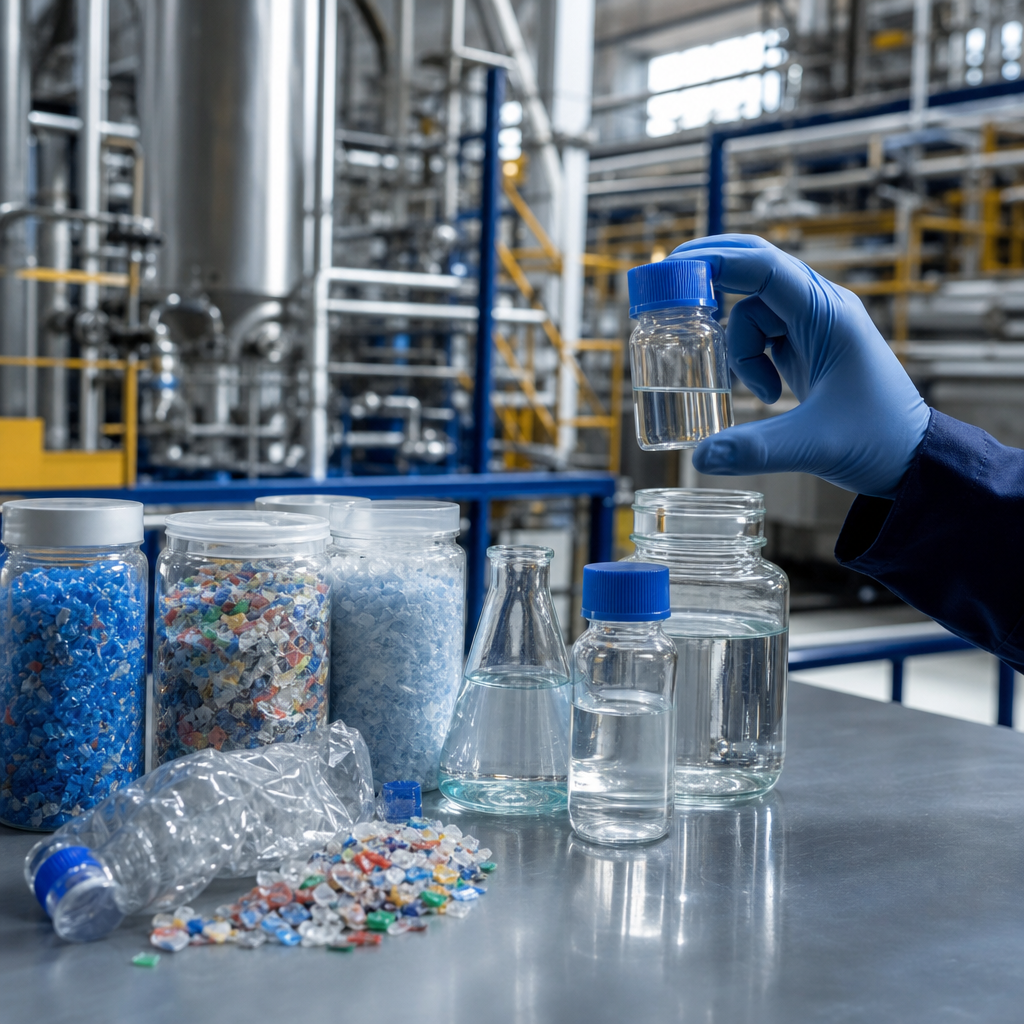
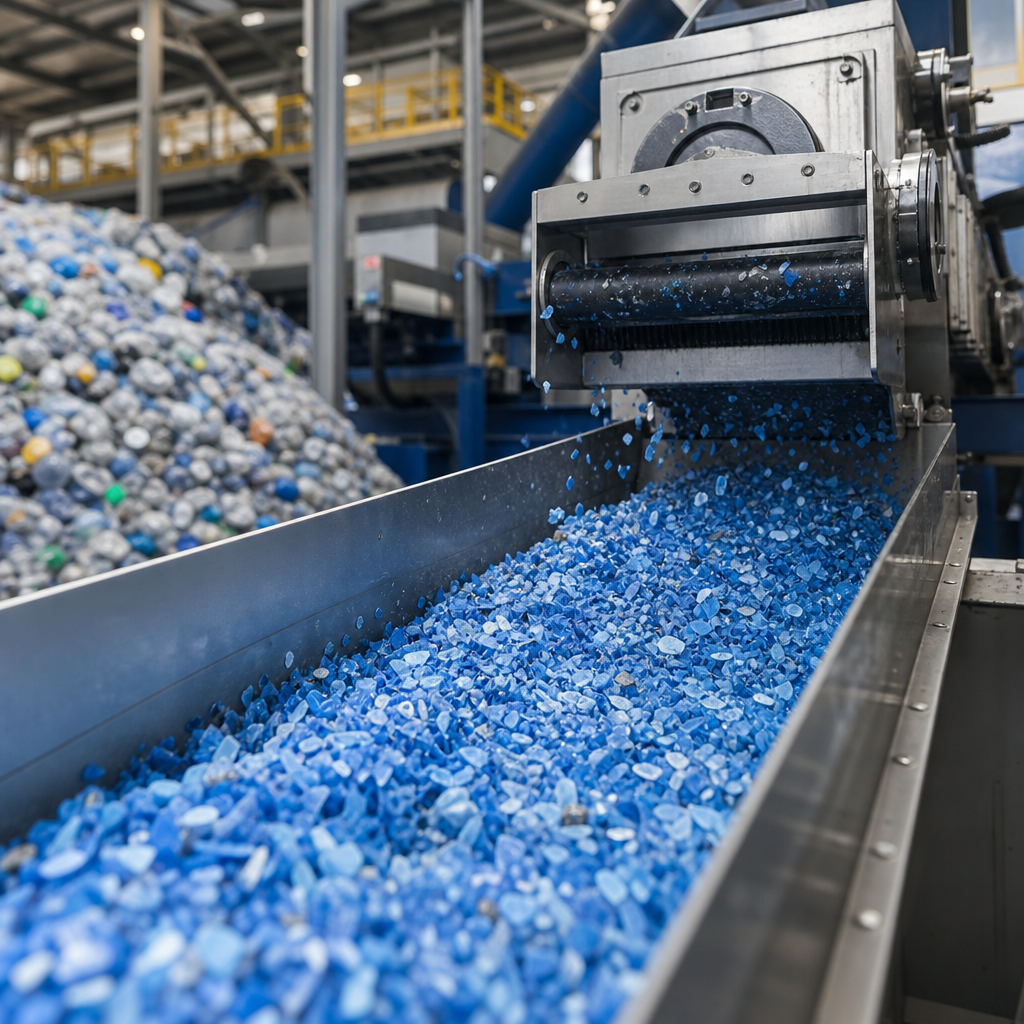
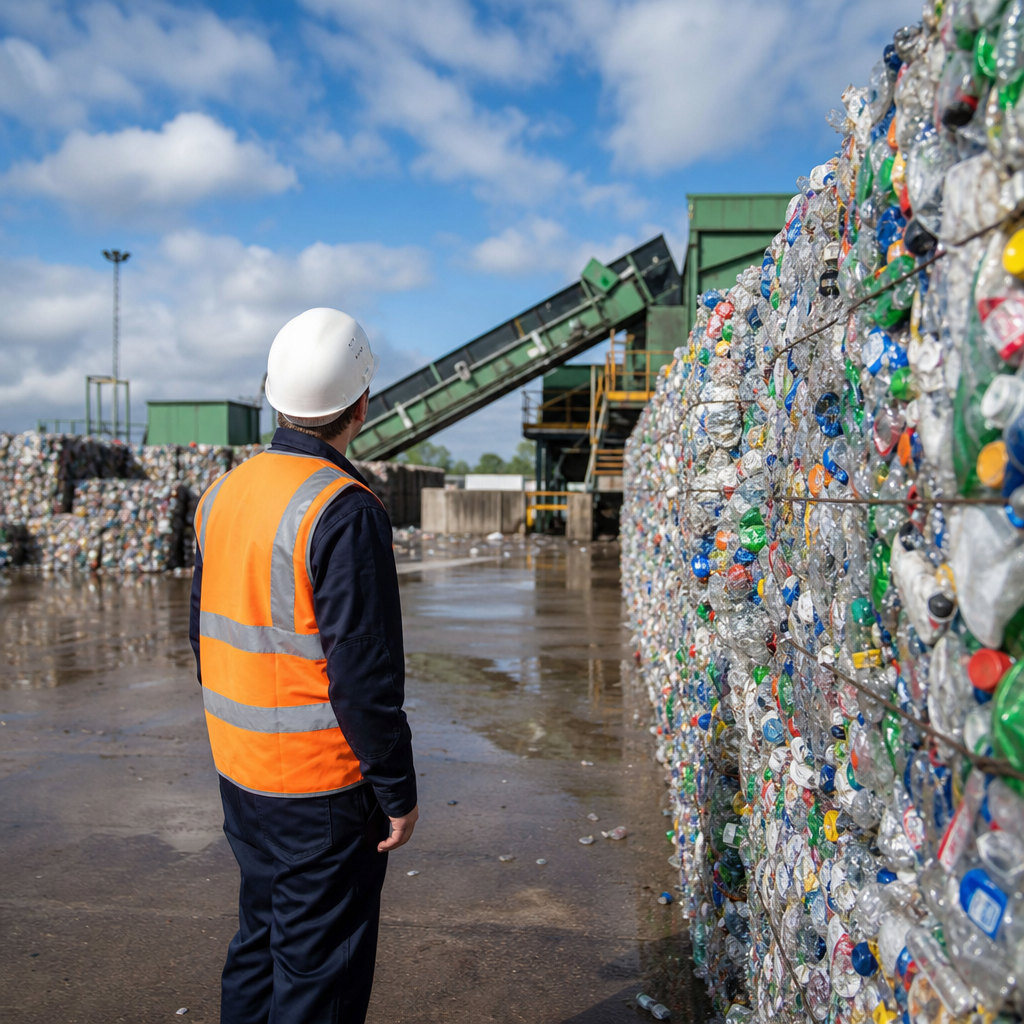
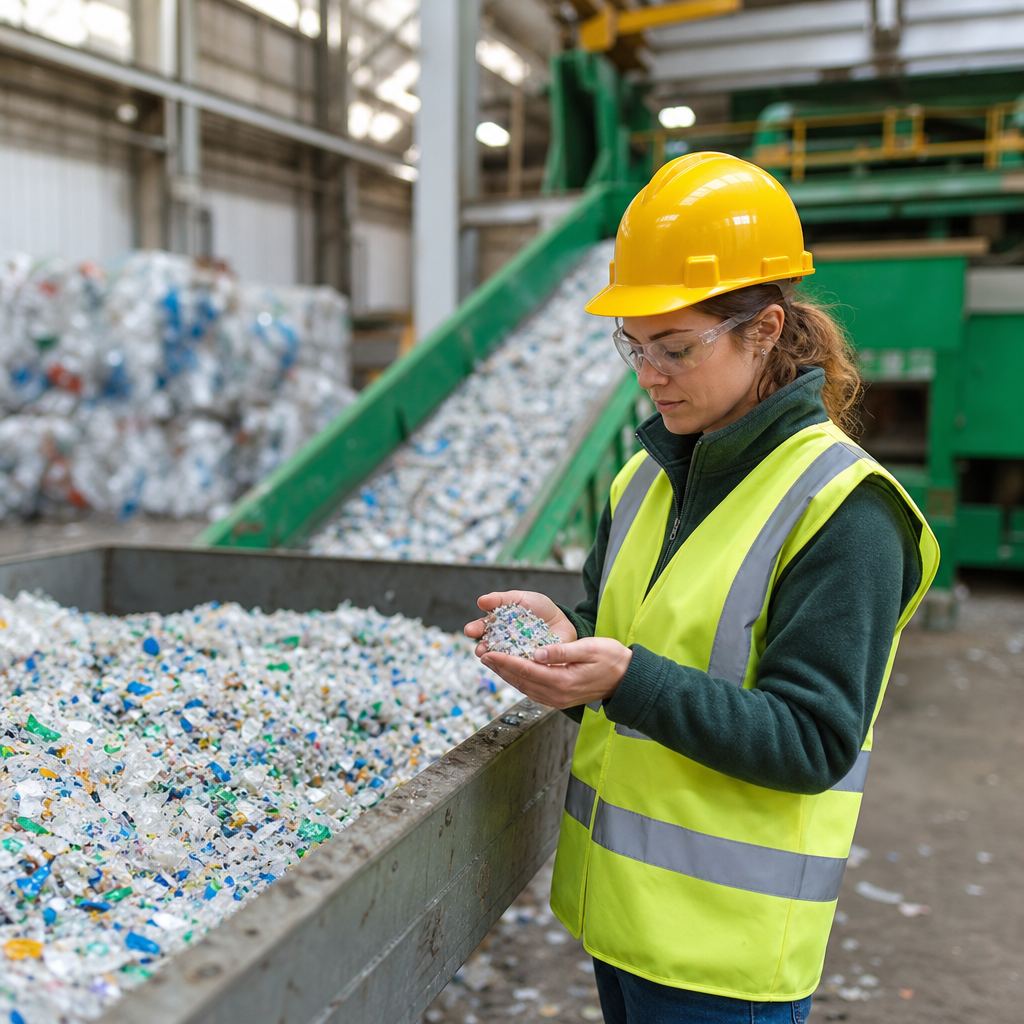
For polymers to support sustainability credibly, sourcing and end-of-life management must improve alongside use-phase efficiency. Recycled polymers are increasingly used in transport interiors, underbody systems, wheel liners, textiles, and noncritical structural elements. Automakers now specify post-consumer recycled PET in seat fabrics, recycled polypropylene in trims, and reclaimed ocean-bound or industrial plastic in visible cabin components. Mechanical recycling works best where streams are clean and polymer grades are known. Chemical recycling, including depolymerization and pyrolysis-based feedstock recovery, may help with mixed or contaminated streams, although energy demand, economics, and traceability remain under scrutiny.
Bio-based polymers offer another route. Polylactic acid, bio-based polyamides, natural fiber composites, and castor-oil-derived materials can reduce dependence on fossil feedstocks, particularly in interior applications. Natural fiber reinforced polypropylene, using flax, hemp, kenaf, or sisal, has been used in door panels, parcel shelves, and trim substrates because it lowers density and can reduce embodied carbon. Yet bio-based does not automatically mean lower impact. Land use, agricultural inputs, durability, and processing energy all matter. In practice, the most credible circular strategy combines design for disassembly, reduced material diversity, clear labeling, recycled content targets, and supplier auditing. The transportation sector is moving in that direction, but progress depends on better collection systems, digital material passports, and stable demand for secondary materials.
Design Challenges, Tradeoffs, and Standards
Polymers are not inherently sustainable; they are sustainable when chosen and managed well. Engineers must account for creep, fatigue, thermal expansion, moisture absorption, UV degradation, fire behavior, impact response, and chemical compatibility. A lightweight polymer bracket may fail if long-term loads are underestimated. A composite exterior panel may save mass but complicate body repair. Flame-retardant additives can help meet safety requirements, yet some chemistries raise environmental and regulatory concerns. In rail and aerospace, fire-smoke-toxicity performance is a hard gate, not a preference. In automotive battery systems, propagation resistance and electrical insulation can outweigh simple cost considerations. Good sustainable design acknowledges these realities early in development.
Life-cycle assessment is the most reliable way to compare options. ISO 14040 and ISO 14044 provide the framework for assessing impacts from raw material extraction through manufacturing, use, and end of life. In my experience, teams get the clearest answers when they compare a complete functional system rather than a kilogram-for-kilogram material swap. For example, replacing a stamped steel assembly with an injection-molded glass-filled polyamide module may cut part count, simplify assembly, reduce fasteners, and improve corrosion resistance, not just lower mass. Those system effects often determine whether a polymer solution delivers a net environmental gain. Designers should also involve recyclers and repair stakeholders early, because sustainable transportation fails if a high-performing part becomes waste after one collision or service event.
What This Hub Covers and Why It Matters
As a hub for case studies and applications in environmental and sustainable uses, this page sets the framework for deeper analysis across sectors, materials, and design methods. The core questions are consistent: Which polymer family fits the application? What use-phase savings can be measured? How do recycled or bio-based options compare? What standards govern safety and durability? How can a part be designed for disassembly, repair, and recovery? Future articles under this hub should examine specific examples such as polymer battery enclosures, natural fiber automotive interiors, composite rail panels, lightweight bus structures, sustainable tire formulations, and recyclable thermoplastic composites in aerospace-adjacent mobility.
The key takeaway is simple. Polymers already shape sustainable transportation, and their role will grow as vehicles become lighter, more electrified, more connected, and more tightly regulated on life-cycle impact. The best results come from disciplined material selection, validated testing, and circular design rather than blanket claims about any single material class. If you are building a content strategy, product roadmap, or technical resource center around environmental and sustainable applications, start with the real engineering questions outlined here and connect them to detailed case studies. That approach will help readers, buyers, and design teams make better transportation decisions with measurable environmental value.
Frequently Asked Questions
What makes polymers so important in sustainable transportation?
Polymers are important in sustainable transportation because they solve several major engineering and environmental challenges at the same time. In simple terms, polymers are materials made of long molecular chains, and their structure can be designed to deliver a wide range of performance characteristics, including low weight, high strength, flexibility, impact resistance, heat tolerance, electrical insulation, and chemical durability. That tunability makes them especially valuable across modern transportation systems, where every component must balance safety, efficiency, cost, and environmental impact.
One of the biggest sustainability advantages of polymers is weight reduction. Lighter vehicles require less energy to move, whether that energy comes from gasoline, diesel, batteries, hydrogen fuel cells, or hybrid systems. In passenger cars and trucks, polymer-based parts can replace heavier metal components in interiors, exterior panels, fluid systems, under-the-hood applications, and structural assemblies. In trains, aircraft, bicycles, and buses, the same principle applies: reducing mass improves fuel economy, extends range, lowers operating costs, and can reduce lifecycle emissions.
Polymers also enable technologies that are essential to lower-emission transportation. They are used in battery housings, cable insulation, connectors, thermal management systems, lightweight composite structures, and protective coatings in electric vehicles and charging infrastructure. In public transit and rail applications, they contribute to corrosion resistance, easier maintenance, and longer service life. Because they can be processed efficiently and adapted to different manufacturing methods, polymers also support scalable production and design innovation. Taken together, these benefits make polymers a foundational material class for building transportation systems that are lighter, more efficient, more electrified, and better aligned with circular economy goals.
How do polymers help improve vehicle energy efficiency and range?
Polymers improve vehicle energy efficiency primarily by reducing weight without sacrificing essential performance. In transportation engineering, mass matters enormously. A lighter car needs less energy to accelerate, maintain speed, and stop. A lighter electric vehicle can often travel farther on the same battery charge. A lighter aircraft burns less fuel. A lighter train or transit vehicle can reduce traction energy demand and wear on infrastructure. Because polymers can be engineered for specific combinations of rigidity, toughness, and thermal performance, they allow designers to remove unnecessary weight from a wide variety of parts.
This benefit goes far beyond obvious plastic trim components. Advanced polymers and polymer composites are used in body panels, seating systems, instrument panels, ducting, fuel system components, insulation, underbody shields, glazing substitutes in some applications, and increasingly in semi-structural and structural parts. Reinforced polymers, such as those combined with glass or carbon fibers, can provide high strength-to-weight ratios that are especially valuable in electric vehicles, aerospace, and high-performance mobility systems. By consolidating multiple metal parts into fewer molded or composite components, manufacturers can also reduce fasteners, joints, and assembly complexity, which further supports efficiency.
Energy efficiency gains from polymers are not limited to direct weight savings. Polymers can improve aerodynamics through complex molded shapes, reduce friction in moving systems, protect sensitive components from heat and corrosion, and help manage noise and vibration in ways that improve overall vehicle performance. In electric mobility, they are especially useful because reducing mass helps offset the weight of battery packs. That is why polymers are often considered not just replacement materials, but enabling materials that make practical, efficient, long-range low-emission transportation possible.
What role do polymers play in electric vehicles and transportation electrification?
Polymers are deeply embedded in the shift toward transportation electrification because electric vehicles, charging systems, and related infrastructure depend on materials that can manage heat, electricity, weight, durability, and safety all at once. Many polymers are excellent electrical insulators, which makes them ideal for cable coatings, connector housings, busbar insulation, sensor casings, battery separators, and electronic control systems. At the same time, specialized engineering polymers can be formulated to withstand demanding temperature ranges, mechanical stress, moisture exposure, flame requirements, and chemically aggressive environments.
In battery systems, polymers help with insulation, sealing, housing design, and thermal management. They can be found in components that protect cells from vibration, isolate electrical pathways, and support the structural integration of battery modules into the vehicle platform. As battery technology evolves, polymer materials are also being used in lightweight enclosures and barrier layers that improve safety while reducing unnecessary mass. In charging infrastructure, polymers contribute to weather-resistant housings, durable cable jackets, connector components, and protective coatings that support reliable long-term outdoor performance.
Electrification also demands compact, highly integrated designs, and polymers are well suited to this trend. They can be molded into complex geometries, support miniaturized electronics, and reduce the number of separate parts in a system. In electric buses, trains, micro-mobility platforms, and passenger cars, polymers help engineers package sophisticated electrical systems more efficiently while maintaining performance and compliance. Their role is therefore both practical and strategic: they support the safety and function of electrified transportation while helping keep vehicles lighter, more manufacturable, and more energy efficient.
Are polymers sustainable if many people associate them with waste and pollution?
That is a fair and important question. Polymers are not automatically sustainable, and public concerns about plastic waste are valid. Their sustainability depends on how they are sourced, designed, used, recovered, and reintroduced into manufacturing systems. In transportation, the picture is more nuanced than the general perception of disposable plastics. Many transportation polymers are durable, high-performance materials designed for long service lives in demanding conditions. When used thoughtfully, they can deliver significant environmental benefits by reducing fuel consumption, extending component life, lowering maintenance needs, and enabling electrification.
A lifecycle perspective is essential. If a polymer component replaces a heavier material and leads to lower energy use over many years of operation, the total environmental benefit can be substantial. This is particularly relevant in vehicles with high annual mileage, such as buses, delivery fleets, trains, and commercial aircraft. In addition, many transportation polymers improve corrosion resistance, which can extend service intervals and reduce the need for replacement parts. Longer-lasting components mean fewer resources consumed over time.
That said, sustainability requires better end-of-life strategies. The industry is increasingly focused on recyclable thermoplastics, design for disassembly, material identification systems, chemical recycling pathways, and the use of recycled or bio-based feedstocks where technically appropriate. Manufacturers are also investing in closed-loop production systems that recover scrap and reprocess it into new parts. The most sustainable use of polymers in transportation is not about using more material indiscriminately; it is about using the right polymer in the right application, maximizing durability and efficiency, and building systems that support circularity instead of waste.
How are polymers supporting circular manufacturing in the transportation sector?
Polymers support circular manufacturing by making it possible to rethink how transportation materials are selected, processed, recovered, and reused throughout a product’s life. In a traditional linear model, materials are extracted, formed into products, used, and discarded. Circular manufacturing aims to keep materials in use for as long as possible through smarter design, repair, remanufacturing, recycling, and feedstock recovery. Polymers are increasingly central to this transition because many of them can be engineered for recyclability, processed efficiently, and incorporated into designs that simplify future recovery.
One major advantage is part integration. Polymer components can often be molded into complex shapes that combine functions previously handled by several separate pieces. This can reduce material waste during production, lower assembly energy, and simplify supply chains. In addition, thermoplastic polymers are especially attractive in circular systems because they can often be reheated and remolded, allowing for mechanical recycling in suitable applications. Transportation manufacturers are also using more recycled polymer content in interior panels, trim, insulation, liners, and non-visible structural elements where performance targets can be met reliably.
There is also growing interest in advanced recycling and bio-based polymers. Chemical recycling technologies can break some polymer streams down into feedstocks for new materials, helping recover value from complex waste that is difficult to process mechanically. Bio-derived polymers, when selected carefully and assessed through full lifecycle analysis, may help reduce dependence on fossil resources. At the same time, circular success depends on better product design. Engineers are increasingly considering labeling, compatibility, disassembly, and material separation at the earliest stages of vehicle development. In sustainable transportation, polymers are not just lightweight materials; they are becoming part of a broader manufacturing strategy that prioritizes efficiency, recovery, and long-term resource stewardship.