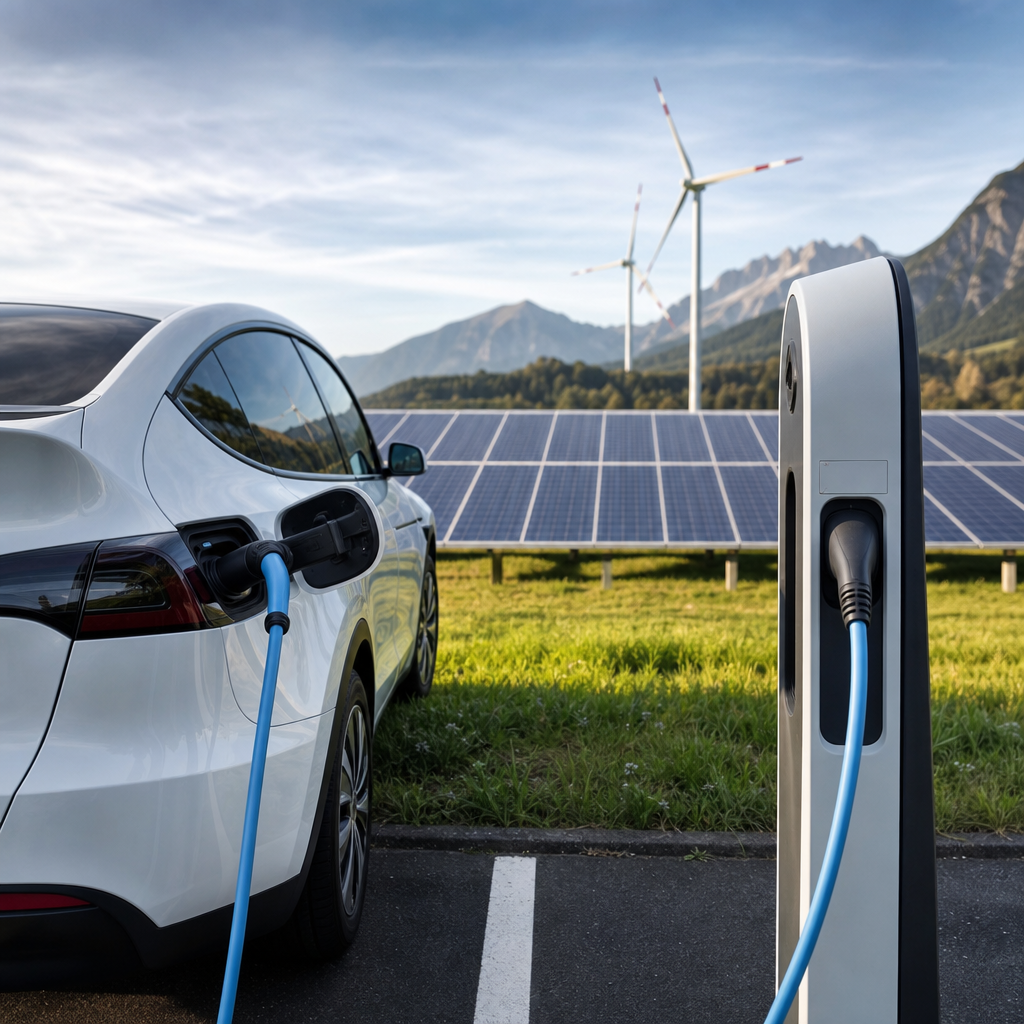
Polymers support climate change mitigation by cutting energy use, extending product life, enabling renewable power, and reducing emissions across transport, buildings, packaging, water systems, and agriculture. In practical terms, polymers are large molecules made of repeating units, and they include familiar plastics, elastomers, foams, coatings, membranes, composites, and engineered biobased materials. The climate value of polymers does not come from one miracle material. It comes from using the right polymer in the right system, then measuring the result across the full life cycle: raw material extraction, manufacturing, transport, use, reuse, and end of life. That distinction matters because climate mitigation is about total greenhouse gas reduction, not simply replacing one material with another on principle.
I have worked on materials selection projects where the lowest-emission option was not the one with the greenest marketing. A lightweight polymer composite part in a vehicle can reduce fuel or battery demand for years. A polymer membrane in a desalination or carbon capture plant can lower process energy. A durable coating can prevent corrosion and defer replacement of steel infrastructure. These are climate decisions disguised as materials decisions. They matter because the built environment, industry, mobility, food systems, and power generation all rely on material choices that lock in emissions for decades. Understanding how polymers support climate change mitigation helps manufacturers, engineers, procurement teams, and policy planners focus on applications with measurable impact rather than assumptions.
Lightweighting in transport reduces fuel use and extends electric range
Transport is one of the clearest examples of polymers delivering climate benefits through use-phase savings. When automakers replace heavier metal components with polymer parts or fiber-reinforced polymer composites, total vehicle mass falls. Lower mass means less energy is required to accelerate, climb grades, and maintain performance targets. In internal combustion vehicles, that translates into lower fuel consumption and lower tailpipe carbon dioxide emissions. In electric vehicles, it means improved driving range or smaller battery packs for the same range, which also reduces upstream emissions associated with battery production.
Common examples include polypropylene bumpers, polyamide intake systems, polyurethane seating foams, thermoplastic underbody shields, and carbon-fiber-reinforced polymers used in higher performance structures. Aircraft provide an even stronger case. Modern airframes use large amounts of carbon-fiber composites because every kilogram removed saves fuel over thousands of flight hours. Wind turbine blades rely on epoxy or polyester resin composites for similar reasons: polymers make very large structures strong enough and light enough to function efficiently. The tradeoff is that some composite systems are hard to recycle, so the climate case depends on long service life and high operational savings. In transport, that tradeoff is often justified when use-phase reductions materially outweigh end-of-life burdens.
Polymers improve building efficiency through insulation, windows, seals, and coatings
Buildings account for major energy demand, especially for heating and cooling, and polymers are embedded in many of the technologies that reduce that demand. Rigid polyurethane and polyisocyanurate foams provide high thermal resistance in roofs, walls, and refrigerated buildings. Expanded polystyrene and extruded polystyrene are widely used in foundations and façade systems. Silicone sealants, EPDM roofing membranes, PVC and thermally broken polymer window components, and low-emissivity coatings all help control air leakage, moisture, and heat transfer. Good insulation and airtightness reduce the amount of electricity or fuel required to maintain indoor comfort, which directly lowers emissions where grids still depend on fossil generation.
In retrofits, polymer-based materials are often the only practical route because they are lightweight, easy to install, and compatible with existing structures. I have seen industrial facilities cut HVAC loads significantly after replacing failing seals and adding insulated sandwich panels with polymer cores. Reflective roof coatings can also lower cooling demand in hot climates by increasing solar reflectance. These solutions are not impact free. Blowing agents, fire performance, and disposal require careful management. However, when specified against recognized building standards and installed correctly, polymer insulation and sealing systems usually generate far greater operational carbon savings than their manufacturing footprint, especially in long-lived assets.
Renewable energy systems depend on high-performance polymers for reliability and scale
Solar, wind, batteries, and grid infrastructure all use polymers in ways that directly support decarbonization. In solar modules, encapsulants such as EVA and polyolefin elastomers protect photovoltaic cells from moisture, electrical stress, and mechanical damage. Backsheets, junction box potting compounds, cable insulation, and sealants also rely on polymers. Without these layers, panel lifetimes would fall and levelized electricity costs would rise. Wind energy depends on epoxy and polyester resin systems in blades, polyurethane protective coatings, and lubricants and seals that keep turbines operating in harsh environments. Polymers are not peripheral here; they are central to making renewable assets durable enough to deliver low-carbon electricity over twenty years or more.
Battery systems also rely heavily on polymers. Separators in lithium-ion cells are typically polyolefin membranes that prevent short circuits while allowing ion transport. Thermal interface materials, wire insulation, busbar coatings, enclosures, and adhesives help manage heat and safety. On the grid side, cross-linked polyethylene cable insulation supports high-voltage transmission, including subsea links used to connect offshore wind. These examples show why climate mitigation is not just about generating clean power. It is about maintaining performance, safety, and uptime. If a polymer improves service life or efficiency in a renewable system, it lowers emissions per unit of delivered energy. That is a measurable climate contribution, not a theoretical one.
Polymers enable lower-emission manufacturing, separation, and industrial process efficiency
Industrial emissions are hard to abate, and polymers contribute through membranes, catalysts supports, lubricants, coatings, and process equipment that reduce energy intensity. Membrane separation is one of the most important examples. Polymeric membranes are used in water purification, wastewater treatment, gas separation, and increasingly in carbon capture and hydrogen-related processes. Compared with some thermal separation methods, membranes can reduce energy demand because they often operate without phase change. Reverse osmosis desalination, for example, depends on thin-film composite membranes and generally uses less energy than thermal desalination routes. Similar logic applies when polymer membranes separate nitrogen, recover solvents, or upgrade biogas.
Corrosion-resistant polymer linings and fluoropolymer components also extend equipment life in chemical plants, reducing shutdowns and replacement needs. Advanced engineering polymers substitute for metal in pumps, valves, and housings where chemical resistance and weight reduction matter. In food processing and pharmaceuticals, polymer surfaces and single-use systems can reduce cleaning chemicals and water use, although disposal impacts must be managed. From direct experience, the strongest business case often comes from total process optimization rather than from one material swap. When a membrane system, elastomer seal, or protective coating lowers maintenance, prevents leaks, and reduces energy consumption simultaneously, the climate benefit compounds over the asset life.
Packaging, food preservation, and circular design can reduce system-wide emissions
Packaging is often discussed only as waste, but climate mitigation requires a wider system view. In many food categories, the emissions associated with producing the food are far larger than the emissions from the package. A lightweight polymer film that prevents spoilage can therefore lower total emissions even if the package itself has a recycling challenge. Modified-atmosphere packaging, multilayer barrier films, PET bottles, stretch wrap for transport stability, and resealable closures all help reduce loss through damage, contamination, and shorter shelf life. For products like meat, cheese, coffee, and fresh produce, preserving quality can avoid emissions that would otherwise be wasted when food is discarded.
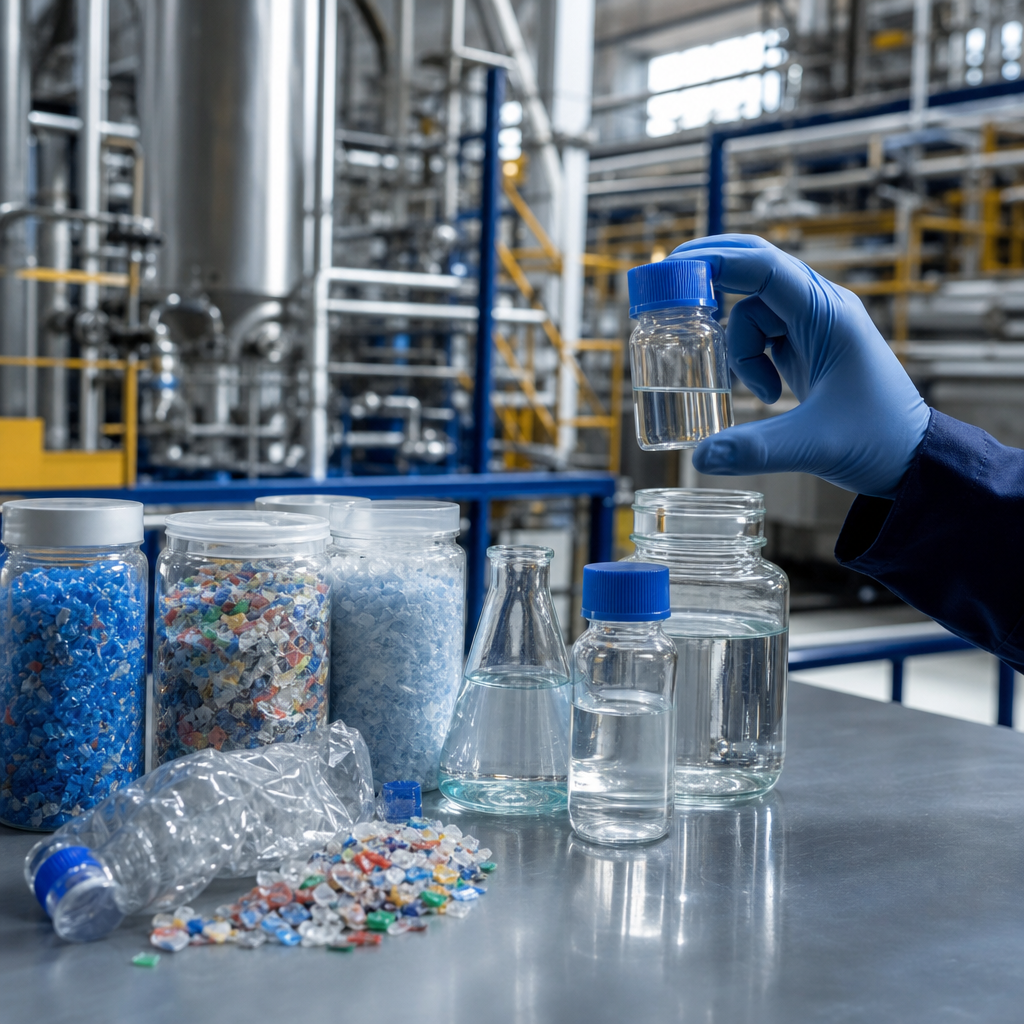
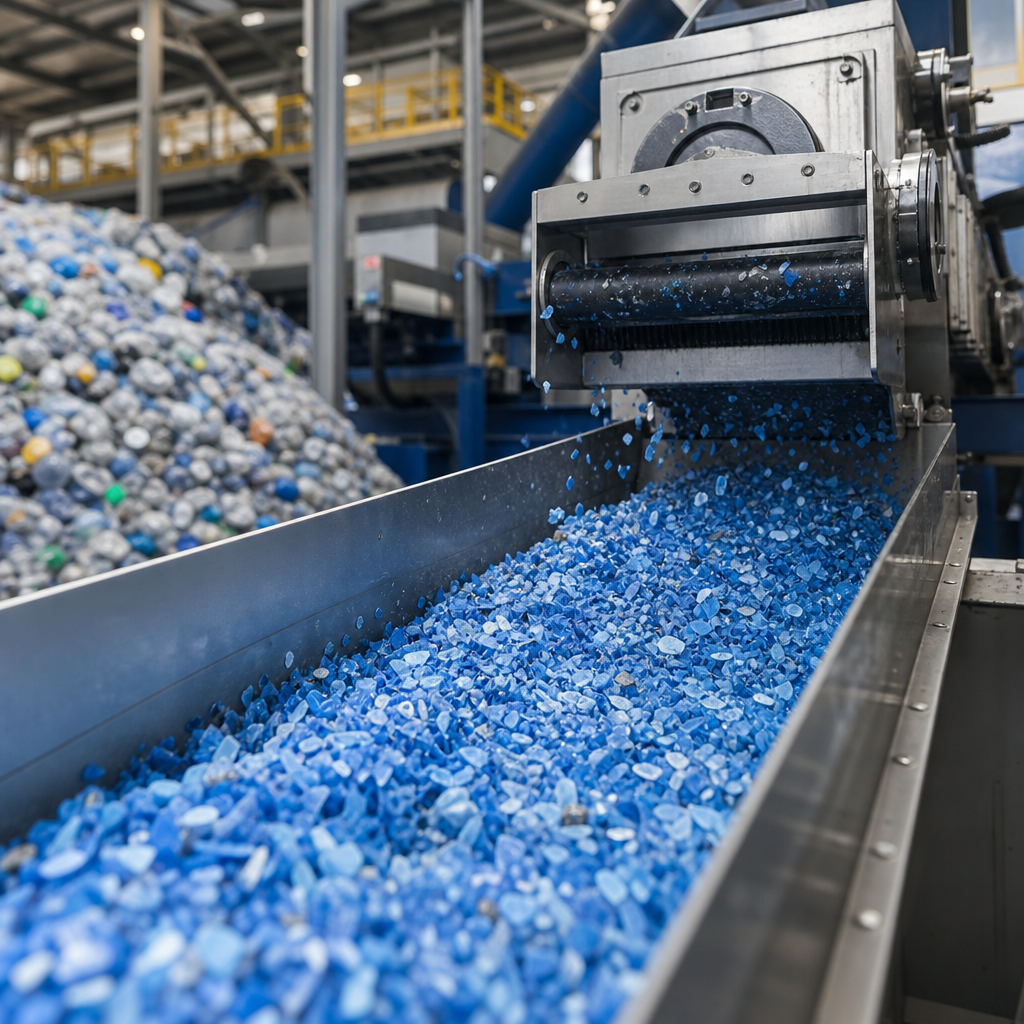
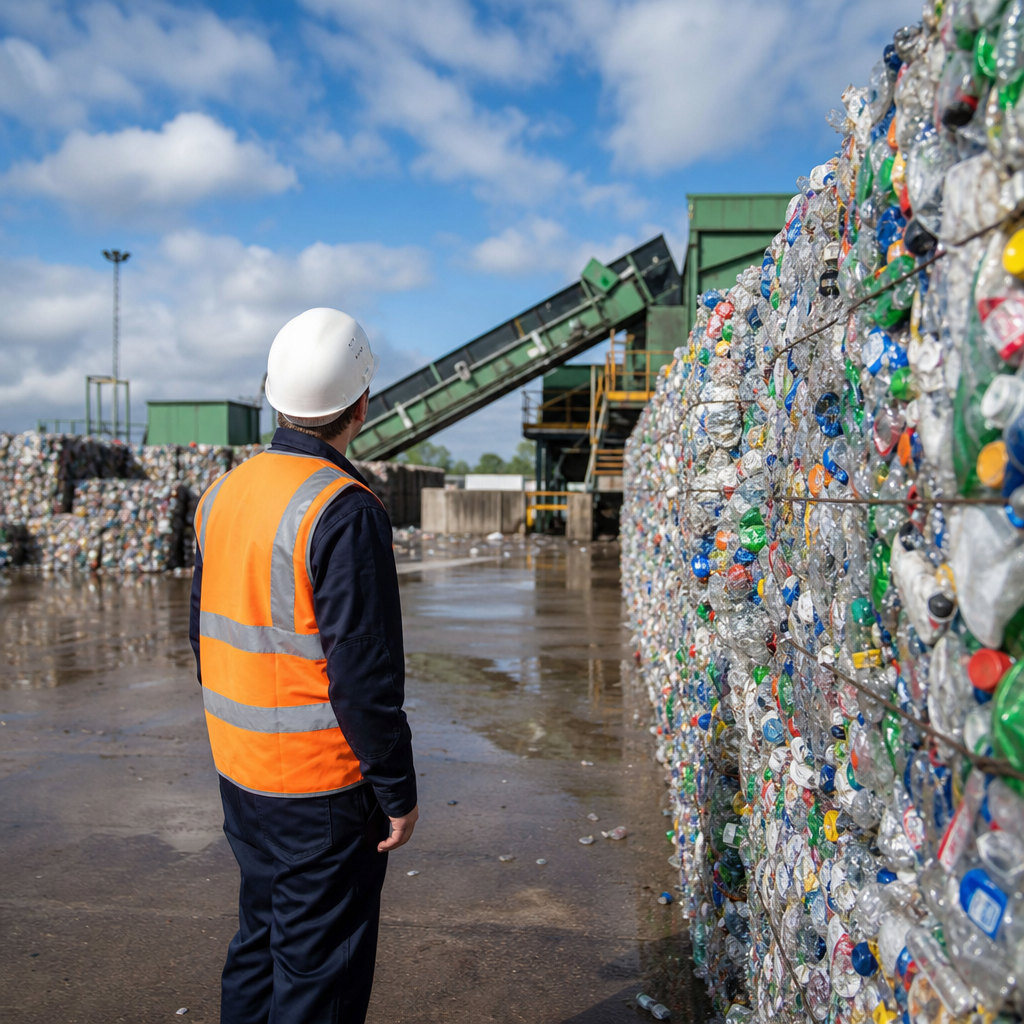
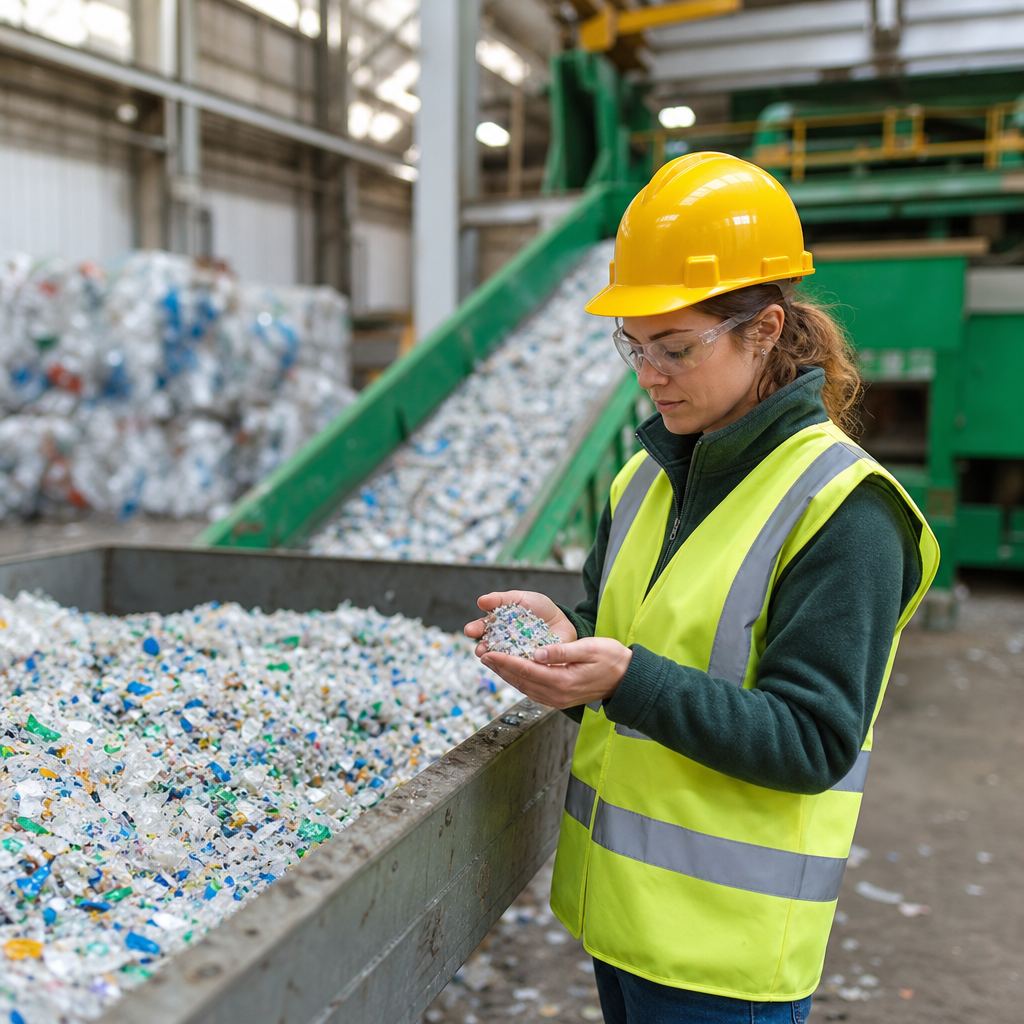
That said, packaging only supports climate goals when designers address material intensity and recovery. The current direction is clear: downgrade unnecessary layers, use mono-material formats where possible, increase recycled content, eliminate problematic additives, and design labels, inks, and closures for sorting compatibility. Mechanical recycling remains the backbone for PET and HDPE in many markets, while chemical recycling is being developed for mixed or contaminated streams. Compostable polymers have niche value where collection aligns with organics systems, but they are not a universal answer. The most credible climate strategy combines source reduction, better functionality, and realistic end-of-life pathways rather than assuming every polymer application should follow the same model.
Where polymer applications deliver the strongest climate benefits
The best way to judge climate value is to compare the main mechanism, the likely emissions benefit, and the key constraint in each application area.
| Application | Climate mechanism | Typical benefit | Main limitation |
|---|---|---|---|
| Vehicle lightweighting | Lower operational energy demand | Reduced fuel use or longer EV range | Composite recycling difficulty |
| Building insulation | Lower heating and cooling loads | Operational carbon savings over decades | Fire, blowing agent, disposal concerns |
| Solar and wind components | Longer asset life and higher reliability | Lower emissions per kWh generated | Weathering and end-of-life handling |
| Membrane separations | Lower process energy than thermal methods | Reduced industrial emissions | Fouling and replacement frequency |
| Food packaging | Less spoilage and transport damage | Lower system-wide emissions | Collection and recycling gaps |
This comparison highlights an important principle: polymers deliver the highest climate value when they improve the efficiency of a larger system. A bottle, seal, film, foam, or membrane should not be judged in isolation. It should be judged by what emissions it prevents elsewhere. At the same time, limitations are real. If a product cannot be reused, repaired, or recovered at meaningful scale, those constraints should shape material selection from the beginning.
Biobased polymers, recycling, and life-cycle assessment determine long-term credibility
Not all polymers are fossil-based, and not all recycled polymers deliver the same emissions profile. Biobased feedstocks such as sugarcane ethanol, starch, cellulose, and vegetable oils can reduce reliance on virgin fossil carbon, but climate performance depends on land use, agricultural inputs, processing energy, and durability in the intended application. A biobased polymer that fails early or drives indirect land-use change may not outperform a conventional resin. Recycled content often delivers more immediate emissions reductions because it avoids part of the energy and feedstock burden of virgin resin production. For many products, replacing virgin PET, PE, or PP with verified post-consumer or post-industrial recycled content is one of the fastest practical steps available.
Life-cycle assessment is the discipline that keeps these claims honest. A sound assessment defines the functional unit, system boundary, allocation method, and end-of-life assumptions before results are compared. Standards such as ISO 14040 and ISO 14044 matter because small methodological changes can alter conclusions. Product carbon footprints should also distinguish between cradle-to-gate and cradle-to-grave results. In procurement reviews, I look for transparent assumptions on electricity mix, transport distances, recycled content verification, and expected service life. That level of rigor prevents misleading decisions and makes climate claims defensible. For organizations building an environmental and sustainable applications roadmap, polymers belong in the portfolio when data shows they reduce whole-system emissions, not when they simply look innovative.
Polymers support climate change mitigation most effectively when they are used as enabling materials rather than treated as ends in themselves. Their biggest contributions come from lightweight vehicles, efficient buildings, durable renewable energy systems, lower-energy industrial separations, and packaging that prevents product loss. Across these applications, the consistent pattern is clear: a polymer creates climate value when it reduces the energy, material, or waste burden of the broader system around it. That is why polymers remain central to environmental and sustainable applications and why this topic serves as a hub for deeper case studies on transport, construction, energy, water, packaging, and circular manufacturing.
The practical lesson is to evaluate every polymer application through performance, longevity, recovery, and life-cycle data. Some uses are high impact and justified; others should be redesigned, reduced, or replaced. Climate-smart materials strategy is not anti-polymer or pro-polymer. It is evidence-based. If you are building this subtopic into your sustainability program, start with the applications where polymers clearly deliver measurable emissions reductions, then connect those wins to better design, better collection systems, and better reporting. That is how material choices turn into credible climate action.
Frequently Asked Questions
What does it mean to say polymers support climate change mitigation?
When people say polymers support climate change mitigation, they mean these materials can help lower greenhouse gas emissions across many parts of the economy when they are chosen, designed, and managed well. Polymers are large molecules made of repeating units, and they include everyday plastics as well as elastomers, foams, coatings, membranes, composites, and engineered biobased materials. Their climate benefit does not come from a single “magic” polymer. It comes from using the right polymer in the right application to reduce energy use, improve efficiency, extend product life, and enable cleaner technologies.
In practice, polymers help by making products lighter, more durable, more insulating, more corrosion-resistant, and often less resource-intensive in use. In transportation, lightweight polymer components can reduce fuel consumption or extend electric vehicle range. In buildings, polymer foams, sealants, pipes, window components, and roofing membranes can improve insulation and reduce heating and cooling demand. In renewable energy systems, polymers are used in wind turbine blades, solar panel encapsulants, cable insulation, and battery components. In water and agriculture, polymer membranes, liners, irrigation systems, and films can improve efficiency and reduce waste. The overall climate value comes from system-level performance: less energy used, fewer replacements needed, lower maintenance, and lower emissions over the full life of the product.
How do polymers reduce emissions in transportation and buildings?
Polymers reduce emissions in transportation primarily through lightweighting, durability, and better energy management. Vehicles require energy to move mass, so replacing heavier materials with high-performance polymers or polymer composites can lower fuel use in conventional vehicles and improve battery range in electric vehicles. Polymers also contribute through aerodynamic parts, low-resistance tires, thermal management systems, wire insulation, seating foams, coatings, and interior components that help vehicles perform more efficiently over time. In public transport, freight, aviation, and marine applications, even modest weight savings can translate into meaningful emissions reductions when multiplied across large fleets and long operating lifetimes.
In buildings, polymers are especially important because operational energy use often dominates emissions over decades of occupancy. Insulation foams, air-sealing products, high-performance window systems, cool-roof membranes, piping, cable insulation, and moisture-control materials all help buildings use less energy for heating, cooling, lighting, and water delivery. Durable polymer pipes and fittings can reduce leaks and corrosion compared with some alternatives, while sealants and weather barriers help keep building envelopes efficient. The result is often a lower lifetime carbon footprint, especially in climates with high heating or cooling demand. The key point is that polymers can support better building performance every day for many years, not just at the moment of construction.
Are polymers important for renewable energy and other low-carbon technologies?
Yes. Polymers are embedded in many technologies that are central to decarbonization. In wind energy, polymer composites make long, strong, relatively lightweight turbine blades possible, allowing turbines to capture more energy. In solar energy, polymers are used in encapsulants, backsheets, sealants, and electrical insulation that protect panels from moisture, UV exposure, and mechanical stress. In batteries and power electronics, polymers appear in separators, binders, housings, thermal management components, and cable insulation. In electric grids, polymers help with insulating wires and components that move electricity safely and efficiently. Without these materials, scaling many renewable and electrified systems would be more difficult, costlier, or less reliable.
Polymers also support climate mitigation beyond energy generation itself. Membranes used in water treatment and some industrial separation processes can reduce energy demand compared with more intensive alternatives. Protective coatings can extend the life of infrastructure exposed to harsh environments, reducing replacement frequency and associated emissions. Agricultural films, greenhouse materials, and efficient irrigation components can improve yields and water use efficiency, which matters in a warming climate. In short, polymers are enabling materials: they often work behind the scenes, but they help low-carbon systems function at the scale, durability, and performance modern climate goals require.
If polymers can help the climate, how do we balance that with concerns about waste and pollution?
That balance is essential. A climate benefit does not automatically make a polymer application sustainable. Responsible use means looking at the full life cycle: feedstocks, manufacturing, use-phase savings, durability, reuse potential, recyclability, collection systems, and end-of-life management. In many cases, a polymer product can lower emissions during use but still create environmental problems if it is poorly designed, hard to recover, or likely to leak into the environment. That is why good policy, product design, and waste infrastructure matter just as much as the material itself.
The best approach is not “use more polymers everywhere,” but “use polymers where they deliver clear net value and manage them better.” That includes designing products for durability, repair, disassembly, and recycling where feasible; reducing unnecessary material use; improving collection and sorting; expanding high-quality mechanical and chemical recycling where appropriate; preventing litter and pellet loss; and supporting applications that replace higher-emission options without creating avoidable waste. Biobased and recycled-content polymers can also play a role, but they still need to meet performance needs and be evaluated carefully. The most credible climate strategy is a systems approach that pursues emissions reduction and environmental protection at the same time.
What makes a polymer application truly climate-smart?
A climate-smart polymer application is one that delivers measurable emissions benefits across its full life cycle, not just in a single stage. That usually means asking several questions. Does the material reduce energy use during operation? Does it extend product life or reduce maintenance? Does it enable a lower-carbon technology, such as renewables, electrification, efficient water systems, or precision agriculture? Is the amount of material optimized rather than excessive? Can the product be reused, repaired, recycled, or otherwise responsibly managed at end of life? And does it avoid shifting burdens from climate to other environmental problems?
Life cycle thinking is especially important here. For example, a polymer component may have emissions associated with production, but if it dramatically cuts heating demand in a building or reduces transport fuel use over many years, the net climate outcome can still be strongly positive. The strongest cases are usually applications where the use-phase savings are large, long-lasting, and well documented. Climate-smart use also depends on better manufacturing efficiency, more renewable energy in production, cleaner feedstocks, increased recycled content where practical, and smarter product design. In other words, polymers support climate change mitigation most effectively when they are part of an intentionally designed system focused on lower lifetime emissions, high performance, and responsible material stewardship.