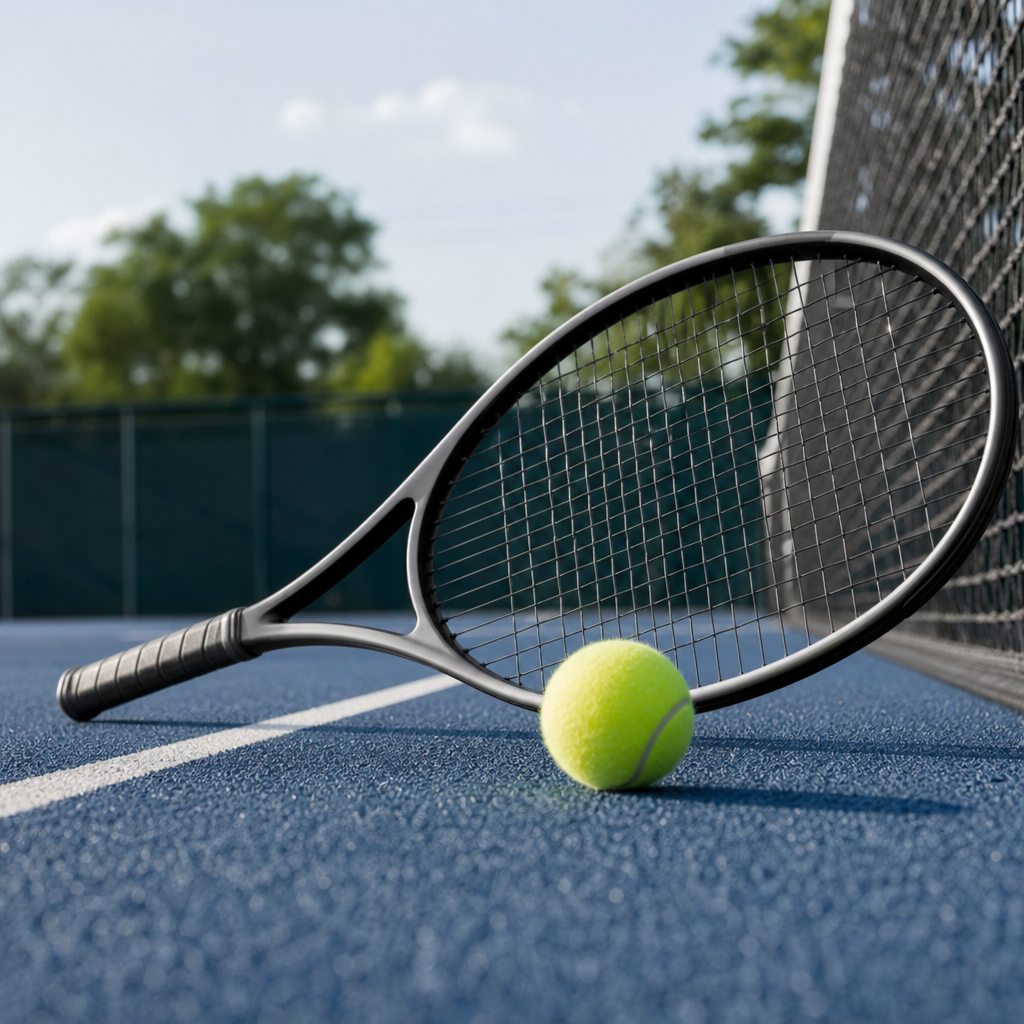
Advances in polymer-based sports equipment are reshaping how athletes train, compete, recover, and enjoy recreation across nearly every major sport. In this context, polymers are long-chain materials that include thermoplastics, thermosets, elastomers, foams, and high-performance fiber-forming resins engineered for specific mechanical, thermal, and impact properties. Sports equipment refers not only to obvious products such as tennis rackets, helmets, skis, running shoes, and bicycle components, but also to playing surfaces, protective padding, swimwear, balls, wearable sensors, and rehabilitation devices. I have worked with product teams evaluating these materials, and the pattern is consistent: when polymer selection improves, performance, safety, durability, and user comfort usually improve with it. The reason this matters is simple. Modern sports demand lighter equipment, tighter manufacturing tolerances, better energy return, smarter impact management, and longer service life, all while controlling cost and meeting sustainability expectations. Polymer science sits at the center of those demands because it allows engineers to tune stiffness, toughness, friction, rebound, damping, and weather resistance more precisely than wood, leather, or metal alone. For a hub page covering sports and leisure, polymer-based innovation is the connective thread linking elite competition to consumer recreation, from carbon-reinforced paddle sports to shock-absorbing playground surfaces.
The category is broad, but the core technical themes are understandable in plain terms. Stiffness determines how much a structure bends under load; toughness describes resistance to crack growth; viscoelasticity explains why some polymers absorb shock while others spring back quickly; and density matters because every gram affects swing speed, stride efficiency, or rider fatigue. In practical product design, engineers rarely use one polymer in isolation. They build systems: a polycarbonate helmet shell over expanded polypropylene foam, a polyurethane midsole under a rubber outsole, a carbon fiber composite bicycle frame bonded with epoxy, or a multilayer ball cover designed for grip and spin. These systems are now central to sports and leisure applications because athletes expect equipment tailored to discipline, body size, skill level, and environmental conditions. This article serves as a hub for that landscape, explaining the major material advances, where they are used, what tradeoffs they introduce, and why polymer-based sports equipment has become one of the most influential application areas in modern materials engineering.
Performance materials driving lighter, faster, more responsive equipment
The biggest advance in polymer-based sports equipment is the move from commodity plastics to engineered materials with tightly controlled performance profiles. Thermoplastic polyurethane, polyamide, polyethylene, polyether block amide, and high-impact polycarbonate now appear in products that once relied on heavier metals, untreated wood, or simple rubbers. In rackets and sticks, matrix resins bind reinforcing fibers to create structures that are both light and dimensionally stable. In skis and snowboards, sidewalls, topsheets, and core interfaces use polymers selected for cold-temperature toughness and vibration damping. In cycling, polymer composites reduce weight without sacrificing fatigue resistance, provided the layup schedule and resin cure are correctly managed. The practical benefit is measurable. A lighter racket can increase swing speed, a tuned ski can improve edge control, and a stable bike frame can convert more rider power into forward motion rather than wasted flex.
Elastomer and foam technologies have been equally important. Running shoe midsoles illustrate this clearly. Traditional ethylene-vinyl acetate delivered acceptable cushioning, but expanded thermoplastic polyurethane and supercritical foamed polyolefins improved resilience and energy return. The result is not magic; it is material behavior under repeated compression. The foam stores mechanical energy, returns part of it at toe-off, and maintains cushioning longer if cell structure and density are optimized. Similar principles apply in court shoes, cleats, gym flooring, and protective mats. Better polymer processing has also improved consistency. Injection molding, blow molding, resin transfer molding, and additive manufacturing allow brands to tune wall thickness, internal lattices, and reinforcement placement, which means the same model can be offered in different stiffness or support profiles for different users. That level of customization is one reason sports and leisure is now a leading application field for advanced polymers.
Protective equipment and impact management
Safety is where polymer innovation has produced some of the most consequential gains. Helmet systems in cycling, skiing, hockey, baseball, and equestrian sports typically rely on a hard outer shell combined with an energy-managing foam liner. Polycarbonate shells resist penetration and distribute local force, while expanded polystyrene or expanded polypropylene liners crush or deform to reduce peak acceleration transmitted to the head. The distinction matters because preventing catastrophic fracture is not enough; the real goal is managing energy over time and area. More advanced designs add rotational energy management layers, low-friction slip systems, segmented shells, and elastomeric inserts to reduce oblique-force effects. Standards such as those from ASTM, NOCSAE, CPSC, and EN testing bodies shape these designs by setting impact thresholds, retention requirements, and environmental conditioning protocols.
Beyond helmets, polymer-based protective gear now covers shoulder pads, shin guards, mouthguards, goggles, gloves, chest protectors, and body armor used in motorsports. Thermoplastic shells can be thermoformed for anatomical fit, while viscoelastic foams stiffen under rapid impact but remain flexible during normal movement. I have seen this change athlete acceptance directly. Older pads often felt bulky and hot, so users modified or abandoned them. Newer polymer laminates improve ventilation, reduce mass, and contour more naturally, increasing compliance without lowering protection. The same logic extends to leisure markets such as skateboarding, climbing, horseback riding, and playground design. Polymer surfacing under swings and climbing structures reduces injury risk by controlling head injury criteria values and improving weather durability compared with older loose-fill systems. For a sports and leisure hub, this is critical: polymers do not just enhance performance; they make participation safer and more accessible.
Footwear, apparel, and wearable comfort systems
Footwear is arguably the most visible example of polymer engineering meeting biomechanics. Modern athletic shoes combine multiple polymer layers, each handling a different function. The upper may use thermoplastic yarns, knitted polyester, and fused reinforcement films for lockdown and breathability. The midsole uses engineered foams for cushioning and propulsion. The outsole blends natural and synthetic rubber compounds for abrasion resistance and traction on asphalt, hardwood, turf, or trail surfaces. Stability elements often rely on nylon or composite plates that tune flex and torsional stiffness. In football, soccer, and rugby boots, plate polymers determine stud geometry, pressure distribution, and ground feel. In hiking footwear, polyurethane and thermoplastic shanks support load-bearing over uneven terrain. These are not cosmetic choices; they affect injury risk, energy cost, and fit across hours of use.
Polymer advances also transformed sports apparel and leisure textiles. Stretch fabrics using elastane improved compression wear, swimwear fit, and freedom of motion. Moisture management coatings and microfibers made garments lighter and more comfortable in heat. In cold-weather sports, layered membrane systems based on expanded fluoropolymer or polyurethane chemistry provide waterproofness while allowing moisture vapor transmission. Protective clothing for motorsports, cycling, and racquet sports increasingly uses polymer reinforcements at abrasion zones. Wearable devices add another dimension. Flexible polymer substrates enable heart-rate straps, motion sensors, smart insoles, and recovery sleeves. Soft-touch silicones improve skin contact, while encapsulation materials protect electronics from sweat and washing cycles. As connected training becomes routine, polymers are enabling equipment to be both biomechanically effective and digitally integrated.
Composite structures in rackets, bats, boards, and bicycles
Composite equipment deserves special attention because it sits at the high-performance end of polymer-based sports technology. A composite is typically a reinforcement, such as carbon fiber, glass fiber, or aramid, embedded in a polymer matrix, often epoxy or a toughened thermoset resin. The matrix transfers load between fibers, protects them from environmental damage, and determines part of the impact behavior. In tennis, badminton, squash, and pickleball, composite layups allow frame stiffness to be tuned by location, creating rackets that balance power, control, and vibration feel. In baseball and softball, composite bats can be engineered for trampoline effect, durability, and swing weight distribution, though league regulations may limit performance. Surfboards, paddles, skis, snowboards, and hockey sticks all rely heavily on composite design because directional stiffness matters as much as overall strength.
| Equipment category | Common polymer system | Main performance benefit | Key tradeoff |
|---|---|---|---|
| Running shoes | TPU, EVA, PEBA foams | Cushioning and energy return | Compression set, cost, stability tuning |
| Helmets | Polycarbonate plus EPS or EPP | Impact absorption and penetration resistance | Single-impact limits for some liner types |
| Bicycles | Carbon fiber epoxy composites | High stiffness-to-weight ratio | Inspection complexity after impact |
| Skis and snowboards | UHMWPE bases, epoxy composites, TPU sidewalls | Glide, damping, toughness | Repairability varies by construction |
| Rackets and paddles | Carbon, glass, nylon, polyurethane inserts | Power, control, vibration management | Regulatory limits and feel preferences |
Bicycles show the rewards and risks of advanced composites especially well. Carbon fiber reinforced polymers can produce exceptional stiffness-to-weight ratios, aerodynamic shaping freedom, and tuned compliance in seat stays, forks, and handlebars. That is why they dominate professional road racing and appear increasingly in mountain, gravel, and triathlon markets. However, composite failure modes differ from metal fatigue patterns. A frame may survive years of normal use yet require careful inspection after a crash because impact damage can be internal or localized. Manufacturers now use tougher resin systems, better quality control, and nondestructive inspection methods to improve reliability, but proper service procedures remain essential. The same caution applies to poles, lacrosse shafts, and rowing shells. Advanced polymers can outperform traditional materials, but only when design, testing, and maintenance are handled with discipline.
Ball technology, surfaces, and environmental exposure
Many consumers think first about shoes or bikes, but polymer innovation in balls and surfaces affects the feel of sport just as much. A modern football, basketball, tennis ball, golf ball, or cricket protective element is a carefully engineered polymer system. Golf balls are a classic example: ionomer covers, urethane covers, polybutadiene cores, and mantle layers are tuned for launch, spin separation, durability, and greenside control. Tennis balls use rubber compounds and felt systems engineered for rebound and wear under different court conditions. Basketballs and soccer balls increasingly use synthetic outer layers and foam-backed constructions for predictable touch and moisture resistance. In each case, standards from governing bodies define dimensions, rebound, compression, and often surface characteristics, so polymer design must work within strict performance windows.
Surfaces are equally important in sports and leisure applications. Artificial turf uses polymer fibers, infill systems, shock pads, and backing layers that influence traction, ball roll, and lower-limb loading. Running tracks typically depend on polyurethane binders and rubber granules to create resilient, weather-stable surfaces with controlled force reduction and energy restitution. Indoor courts use polymer coatings and line paints that balance grip with clean release. Aquatic environments rely on chlorine-resistant materials in lane dividers, kickboards, goggles, and deck surfacing. Outdoor leisure products face ultraviolet exposure, humidity, salt, and temperature cycling, so stabilizers, pigments, and protective coatings matter as much as baseline strength. Poor UV stabilization can embrittle a kayak hatch, fade a helmet shell, or weaken a playground component. In real product development, weathering tests and accelerated aging are often the difference between a durable design and a warranty problem.
Sustainability, regulation, and the next generation of sports polymers
The next chapter in polymer-based sports equipment is not only about higher performance; it is also about circularity, chemical compliance, and smarter manufacturing. Brands are under pressure to reduce virgin fossil feedstocks, lower emissions, and improve end-of-life options without compromising safety. Recycled polyester in apparel is already common, but hard goods are more challenging because contamination, mixed-material construction, and certification demands complicate recycling. Some progress is real. Thermoplastic composites can be easier to reprocess than thermosets, bio-based polyamides and polyurethanes are expanding, and mono-material design is gaining attention in selected footwear components. Water-based adhesives, solvent reduction, and digital product passports are also moving from pilot projects toward mainstream adoption.
Regulation will shape what comes next. Restrictions on certain additives, scrutiny of per- and polyfluoroalkyl substances, microplastic concerns around synthetic turf, and stricter product safety expectations are already influencing material choices. At the same time, additive manufacturing and computational design are opening new paths for customization. Lattice midsoles, 3D-printed protective inserts, and digitally optimized composite layups allow designers to target local stiffness and ventilation with far less trial and error. Sensor integration will likely expand into helmets, insoles, rackets, and rehabilitation gear, supported by flexible polymer electronics and encapsulants. The commercial winners will be the companies that pair material science with honest validation: lab testing, field data, standards compliance, and transparent durability claims. For anyone navigating sports and leisure applications, that is the central lesson. Polymers are no longer peripheral materials. They are the design platform on which modern equipment performance, safety, comfort, and sustainability increasingly depend.
Advances in polymer-based sports equipment have changed sports and leisure from the ground up, from the shoes people wear to the surfaces they play on and the protective systems they trust in high-impact moments. The most important takeaway is that polymers succeed because they can be engineered precisely. They can cushion or rebound, flex or stiffen, resist weather or manage sweat, spread impact or reduce weight. That versatility explains why they now dominate footwear, helmets, composites, balls, apparel, sensors, and recreational infrastructure. It also explains why product differences that seem minor on a store shelf can produce meaningful changes in fit, fatigue, safety margin, and long-term durability.
As a hub for this subtopic, sports and leisure should be understood as a network of related material decisions rather than isolated products. A running shoe connects foam chemistry, outsole traction, and gait mechanics. A bicycle connects composite layup, resin toughness, and crash inspection. A helmet connects shell polymer choice, liner density, and test standard requirements. Those links are where informed buyers, engineers, coaches, and procurement teams make better decisions. When evaluating equipment, ask which polymer systems are used, what standards the product meets, how it behaves in the relevant environment, and what tradeoffs come with the claimed benefit. Explore the related articles in this section to go deeper into footwear, protective gear, composites, playing surfaces, and sustainability, and use that knowledge to choose sports equipment that performs better, lasts longer, and protects users more effectively.
Frequently Asked Questions
What are polymer-based sports equipment materials, and why are they so important in modern athletic performance?
Polymer-based sports equipment materials are engineered long-chain materials used to deliver very specific combinations of strength, flexibility, cushioning, durability, low weight, and impact management. In sports products, this category includes thermoplastics, thermosets, elastomers, foams, and high-performance polymer resins used on their own or reinforced with fibers. These materials appear in everything from tennis racket frames, helmet shells, shin guards, and protective pads to running shoe midsoles, bicycle saddles, ski boots, fishing rods, and composite bicycle components. Their importance comes from the fact that sports equipment rarely needs just one property. A helmet must absorb and distribute impact energy, a racket must balance stiffness with vibration control, and a running shoe must combine rebound, comfort, traction, and fatigue resistance. Polymers make that kind of tuning possible.
One of the biggest reasons polymers have become central to modern sports equipment is their design versatility. Manufacturers can alter molecular structure, density, reinforcement content, and processing methods to create products tailored to elite competition, youth safety, or recreational use. That means engineers can design a ski boot with controlled stiffness, a bicycle wheel with aerodynamic efficiency and vibration damping, or a mouthguard with shock-absorbing elasticity. Compared with traditional materials alone, such as wood, leather, or metal, advanced polymers often allow greater consistency, reduced weight, better corrosion resistance, and more precise performance tuning. This is why they now influence nearly every stage of sport, including training, competition, recovery, and injury prevention.
How have recent advances in polymers improved sports equipment performance across different sports?
Recent advances in polymer science have improved sports equipment by making products lighter, stronger, more responsive, and more durable while also allowing more sport-specific customization. In running, advanced foam chemistries have transformed midsole performance by increasing energy return while reducing weight, helping athletes maintain efficiency over long distances. In cycling, polymer matrix composites and engineered thermoplastics have contributed to frames, helmets, grips, saddles, and wheel components that combine rigidity where power transfer is needed with compliance where vibration reduction matters. In racket sports, polymer-based composites have enabled frames that better manage torsional stability, sweet spot consistency, and vibration damping, giving players more control and comfort.
Winter sports have also benefited significantly. Skis, snowboards, and boots now use layered polymer systems that improve edge control, flex patterns, and impact resistance in cold environments. In contact sports, advances in elastomers and energy-absorbing foams have improved protective gear by helping equipment dissipate impact forces more effectively without becoming excessively bulky. Even recreational equipment such as kayak paddles, surfboards, fitness gear, and protective eyewear has become more performance-oriented through polymer innovation. What makes these advances especially significant is that they are not just about raw speed or power. Many improvements focus on consistency, fatigue reduction, comfort, safety, and athlete confidence, all of which can influence performance just as much as headline specifications.
Are polymer-based sports equipment materials mainly about making products lighter, or do they also improve safety and comfort?
They absolutely do more than reduce weight. While weight reduction is one of the most visible benefits of advanced polymers, safety and comfort are equally important areas of progress. In protective equipment, polymers are often selected for their ability to absorb, disperse, or redirect impact energy. Helmet liners, body protection foams, protective shells, and flexible guards all rely on polymer systems engineered to behave in controlled ways under load. Some materials are designed to deform and absorb energy, while others help spread forces across a larger area. This is critical in sports where impact, falls, or collisions are common, including cycling, football, hockey, skiing, climbing, and skateboarding.
Comfort is another major advantage. Polymer foams and elastomers can be shaped and tuned to fit the body more naturally, reduce pressure points, improve cushioning, and limit vibration. In footwear, for example, polymer midsoles and inserts help manage repetitive loading, while upper materials can provide flexibility and support without adding unnecessary bulk. In equipment handles, grips, and padding, polymers can enhance tactile control and reduce slippage caused by sweat or weather. Advanced material design also helps with thermal management, moisture resistance, and long-term shape retention. As a result, athletes often experience better fit, lower fatigue, less irritation, and improved confidence during training and competition. So although lighter weight gets much of the attention, the broader story is really about optimizing the athlete-equipment interface for performance, protection, and usability.
What are the most common types of polymers used in sports equipment, and how does each type contribute differently?
Several major polymer categories are commonly used in sports equipment, and each serves a different engineering purpose. Thermoplastics are widely used because they can be molded efficiently and offer a useful balance of toughness, processability, and cost-effectiveness. They appear in shells, guards, eyewear, boot components, bindings, water bottles, and many structural or semi-structural parts. Thermosets are especially important in high-performance composites because they cure into stable networks that can provide excellent stiffness, dimensional stability, and heat resistance. These are often used with reinforcing fibers in products such as high-end bicycle parts, racket frames, and certain board sports equipment. Elastomers contribute flexibility, grip, sealing, and shock absorption, making them essential in grips, soles, gaskets, protective interfaces, and vibration-damping components.
Foams are another major class and are central to comfort and impact management. They are used in helmets, pads, shoe midsoles, recovery tools, seating surfaces, and flotation-related products. Depending on the chemistry and cell structure, foams can be designed for soft cushioning, high rebound, crush-based energy absorption, or long-lasting resilience. High-performance fiber-forming polymer resins, often combined with reinforcement systems, are vital where strength-to-weight ratio matters most. These materials help manufacturers build structures that are both light and mechanically efficient. The real breakthrough in modern sports equipment is not just the use of one polymer type, but the intelligent combination of multiple polymer systems within a single product. A helmet, shoe, or ski boot may contain rigid shells, soft liners, foam cores, elastomeric joints, and composite reinforcements, all working together to achieve a targeted performance profile.
What should athletes, coaches, and consumers consider when evaluating polymer-based sports equipment today?
When evaluating polymer-based sports equipment, the most important consideration is whether the material design matches the intended sport, level of use, and athlete needs. A high-performance polymer composite product may sound impressive, but not every athlete needs the stiffest, lightest, or most specialized option. For some users, durability, comfort, fit, and ease of control matter more than maximum responsiveness. Coaches and consumers should look at how the equipment behaves in real conditions: Does it manage impact well? Does it maintain performance over time? Is it stable in heat, cold, moisture, or repeated loading? Does it improve comfort without compromising support? These practical questions are often more useful than marketing claims about advanced materials alone.
It is also wise to consider safety standards, manufacturing quality, product lifespan, and sustainability. Polymer-based equipment can vary greatly depending on resin quality, foam formulation, reinforcement strategy, and production consistency. In protective gear, certification and tested impact performance should carry significant weight. In performance equipment, buyers should pay attention to the trade-offs between stiffness and forgiveness, lightness and durability, or cushioning and stability. Another growing consideration is environmental impact. Manufacturers are increasingly exploring recyclable thermoplastics, bio-based feedstocks, lower-waste processing, and longer-lasting product designs, though the sustainability profile still varies widely by product category. Ultimately, the best polymer-based sports equipment is not simply the most advanced on paper. It is the option that delivers the right blend of performance, safety, comfort, and reliability for the athlete using it.