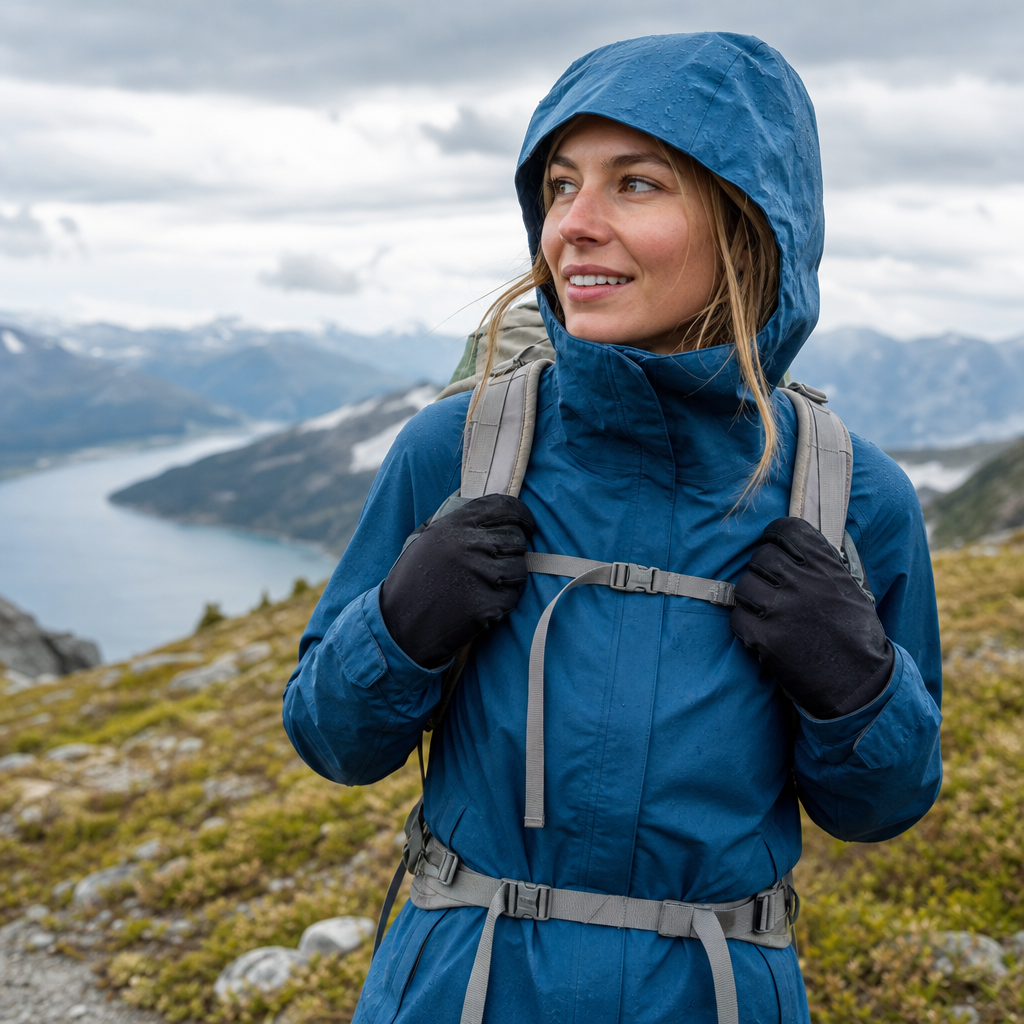
Polymers are the quiet performance engine behind modern outdoor gear and apparel, shaping everything from waterproof jackets and trail shoes to climbing ropes, tents, helmets, and insulated sleeping bags. In materials science, a polymer is a substance made of long repeating molecular chains, and those chains can be engineered to deliver very different properties: flexibility, abrasion resistance, elasticity, impact absorption, low weight, chemical stability, or thermal insulation. In the outdoor industry, that design freedom matters because products must perform in wet, cold, hot, windy, abrasive, and unpredictable conditions while staying light enough to carry and comfortable enough to wear for hours or days.
When I evaluate outdoor products, polymer selection is usually the first clue to how a piece of gear will perform in the real world. A shell built with expanded polytetrafluoroethylene behaves differently from one using a polyurethane membrane. A climbing helmet with expanded polypropylene manages repeated low-energy impacts differently from a hard shell made around acrylonitrile butadiene styrene. A trail running midsole based on thermoplastic polyurethane returns energy differently from conventional ethylene-vinyl acetate foam. These are not minor formulation details. They determine durability, weather protection, safety margins, packability, maintenance needs, and product lifespan.
This matters across the full sports and leisure landscape because outdoor consumers increasingly expect one product to do several jobs at once. A hiking jacket should block rain, vent sweat, resist pack abrasion, stretch while scrambling, and still look presentable in town. A stand-up paddle board should be rigid on the water, stable under load, resistant to ultraviolet exposure, and compact when deflated. A mountain bike helmet should be light, ventilated, and certified to impact standards without feeling bulky. Polymers make that multi-functionality possible by letting manufacturers combine coatings, fibers, foams, laminates, and reinforcements into systems tailored to specific use cases.
As a hub topic within applications, sports and leisure is the clearest example of polymers moving from lab chemistry to everyday benefit. Understanding how they work helps buyers compare products intelligently, helps brands explain performance claims more honestly, and helps designers balance tradeoffs between comfort, cost, repairability, and sustainability. The key question is not whether polymers improve outdoor gear and apparel. They do. The real question is which polymers improve which products, under what conditions, and with what compromises.
Performance Fabrics: Weather Protection, Breathability, and Comfort
Outdoor apparel depends heavily on synthetic fibers and membrane technologies because natural materials alone rarely deliver the full package of weather protection, low mass, and mechanical durability. Polyester and nylon dominate shells, fleeces, base layers, and packs because they offer favorable strength-to-weight ratios, fast drying, and consistent manufacturing quality. Nylon typically provides higher abrasion resistance and tear strength, which is why it appears in climbing pants, pack fabrics, gaiters, and tent floors. Polyester generally absorbs less moisture and resists ultraviolet degradation better, making it common in sun shirts, base layers, and tent canopies.
Waterproof breathable shells are a prime example of polymer engineering solving competing demands. Most systems use either microporous expanded polytetrafluoroethylene membranes or hydrophilic polyurethane layers laminated to face fabrics and liners. The first approach relies on pore size that blocks liquid water while allowing water vapor to move outward; the second transports moisture via molecular diffusion. In field use, both work best when paired with durable water repellent finishes that keep the outer face fabric from wetting out. Once the face wets out, breathability drops sharply, even if the membrane itself remains waterproof.
Stretch fabrics add another layer of polymer benefit. Elastane, often sold under brand names such as Lycra, can be blended in small percentages with nylon or polyester to improve mobility in hiking pants, cycling bibs, and climbing soft shells. That stretch matters when stepping onto uneven terrain or reaching overhead on a route, because fabric restriction increases fatigue and can alter movement mechanics. Soft shell textiles often combine woven nylon, elastane, and a polyurethane treatment to deliver wind resistance, moderate water protection, and significantly better air permeability than a hard shell jacket.
Insulation also depends on polymer innovation. Polyester staple fibers are crimped and arranged to trap air, creating synthetic fills used in jackets, gloves, and sleeping bags. Compared with down, synthetic insulation usually offers lower warmth-to-weight efficiency, but it keeps more of its insulating value when damp and dries faster, which is why it is favored for maritime climates, shoulder-season backpacking, and high-output pursuits. Fleece, another polyester-based material, remains popular because its lofted knit structure balances warmth, breathability, and low maintenance at relatively low cost.
Footwear and Equipment: Cushioning, Grip, Strength, and Safety
Footwear shows how many polymer families can work together inside one product. Uppers may use polyester mesh, thermoplastic polyurethane overlays, nylon ripstop, or waterproof membranes. Midsoles commonly use ethylene-vinyl acetate or expanded thermoplastic polyurethane foams. Outsoles usually rely on specialized rubber compounds, which are themselves polymer systems formulated for traction, wear resistance, and temperature performance. Toe caps, heel counters, shanks, and rock plates often use additional thermoplastics or composite laminates. The result is a tightly engineered system where each polymer contributes a targeted function.
In practical use, the midsole chemistry has a major effect on feel and fatigue. EVA is widely used because it is lightweight, affordable, and easy to mold, but it can compress and lose rebound over time. Expanded TPU generally provides better resilience and energy return, which is why it has become common in premium trail running and fast hiking shoes. Thermoplastic polyether block amide foams and other supercritical foams push this further, giving brands ways to tune softness, rebound, and weight. For a runner covering technical trails, that can mean less leg strain over long distances and more predictable cushioning on cold mornings.
Grip is another area where polymer formulation directly affects safety. Outsole compounds must deform enough to interlock with rock and dirt while resisting rapid wear. A sticky climbing approach shoe uses a softer rubber polymer blend than a long-distance hiking boot designed for mixed abrasive terrain. In winter, compounds must remain flexible at lower temperatures; otherwise traction drops because the sole hardens. The tread geometry matters, but chemistry is the foundation. Good lug design cannot rescue a poor compound on wet roots or polished stone.
Beyond footwear, outdoor equipment relies on high-performance polymers for structural strength at low weight. Climbing ropes are typically made from nylon because it combines tensile strength, energy absorption, and manageable handling. Dynamic ropes are designed to elongate under load to reduce peak impact force in a fall, while static ropes stretch less for hauling, rescue, and rope access. Kayaks, ski boots, paddle blades, helmet shells, and bike components often use polyethylene, polycarbonate, ABS, fiberglass-reinforced polymers, or carbon-fiber composites bound by polymer resins. These materials let designers create shapes and stiffness profiles that metals alone would struggle to match economically.
| Outdoor product | Common polymers | Main benefit | Typical tradeoff |
|---|---|---|---|
| Waterproof jacket | Nylon, polyester, polyurethane, ePTFE | Rain protection with reduced weight | Breathability drops when face fabric wets out |
| Trail running shoe | EVA, TPU, polyester mesh, rubber | Cushioning, rebound, traction | Foams and soles wear at different rates |
| Climbing rope | Nylon | High strength with energy absorption | Water, dirt, and UV gradually reduce lifespan |
| Helmet | EPS, EPP, polycarbonate, ABS | Impact management at low mass | Foam damage may be hard to see after impact |
| Tent and pack fabrics | Nylon, polyester, PU, silicone coatings | Tear resistance and weatherproofing | Coatings can hydrolyze or delaminate with age |
Protection, Durability, and Standards in Demanding Conditions
Safety equipment in sports and leisure depends on polymers not just for convenience but for certified performance. Helmet construction is the clearest case. Expanded polystyrene foam is widely used because it crushes in a controlled way during impact, dissipating energy before it reaches the skull. Expanded polypropylene, used in some helmets, can better withstand multiple smaller impacts and often provides a different durability profile. Shell materials such as polycarbonate or ABS spread force, resist penetration, and protect the foam from everyday knocks. Certification bodies and standards vary by sport, but the principle is consistent: polymer structure is engineered around measurable impact behavior.
Durability in outdoor use is equally tied to chemistry. Ultraviolet radiation can embrittle polymers, hydrolysis can degrade certain polyurethane coatings, and repeated flexing can cause microcracks in foams or laminates. I have seen tent flysheets remain serviceable for years while older polyurethane-coated seams became sticky and failed, even though the base fabric still looked fine. That is a reminder that coatings and adhesives are often the limiting factor. Silicone coatings generally improve tear performance and water resistance, but they complicate seam taping and repairs. Polyurethane coatings are easier to tape and can be more economical, but long-term moisture and heat exposure can shorten their life.
Abrasion resistance is another major differentiator. Backpack bottoms, ski cuffs, mountain bike shorts, and climbing packs experience localized wear from rock, dirt, edges, and repeated rubbing. High-denier nylon, thermoplastic polyurethane films, and reinforcement patches help extend service life in these zones. Denier alone does not tell the whole story; weave density, yarn type, coating, and construction method matter. A 420D nylon panel with a tight weave and good coating can outperform a heavier but less refined fabric in actual field abrasion testing.
Maintenance also influences polymer performance more than many users realize. Dirt, body oils, salt, and detergent residues can reduce wicking, odor control, and membrane efficiency. Washing technical apparel with appropriate cleaners, reapplying durable water repellent treatments when needed, and storing gear dry can materially extend useful life. For ropes, helmets, and foams, inspection matters as much as cleaning. Compression marks, cuts, soft spots, delamination, and glazing are practical warning signs that a polymer component may no longer perform to specification.
Sustainability, Design Tradeoffs, and the Future of Sports and Leisure Materials
Polymers improve outdoor gear dramatically, but they also raise valid sustainability questions because many are petrochemical-derived, difficult to separate in multi-material constructions, and prone to shedding microfibers or ending up in landfill. The industry response is improving, though not uniformly. Recycled polyester is now common in fleeces, shells, and base layers, often sourced from post-consumer bottles or textile waste. Recycled nylon is growing in packs, swimwear, and technical apparel, with feedstocks including industrial waste and recovered fishing nets. These approaches can reduce reliance on virgin feedstock, but they do not automatically solve durability, recyclability, or end-of-life collection.
The most credible progress usually comes from design decisions rather than marketing claims. Mono-material construction makes recycling easier. Solution-dyed polyester can reduce water use in coloration. PFAS-free water repellents are replacing legacy fluorinated finishes in many categories, though performance in prolonged oil and stain exposure can differ. Repairable products with replaceable buckles, patchable fabrics, and resolable footwear often deliver a better environmental outcome than lighter gear that fails early. Longevity remains one of the strongest sustainability metrics for outdoor products.
Bio-based polymers are another promising direction, but they should be judged by performance and life-cycle impact, not by origin alone. A partly bio-based polyamide used in apparel still needs to meet abrasion, moisture, and durability requirements. Polylactic acid and other bio-derived options have niche relevance, yet they are not universal replacements for demanding mountain or watersports applications. In my experience, the best material choices come from matching polymer properties to the exact use case, then minimizing unnecessary complexity that hinders repair or recycling.
Looking ahead, sports and leisure gear will continue to benefit from more precisely engineered polymers: lighter foams with lower compression set, membranes with better moisture transport, coatings with fewer harmful chemistries, and composites tuned for sport-specific impacts and flex patterns. For buyers, the practical takeaway is simple. Learn the material stack behind the product, not just the branding. For brands and designers, the opportunity is equally clear: choose polymers that solve real outdoor problems, disclose the tradeoffs honestly, and build gear meant to last. That is how polymers improve outdoor gear and apparel most effectively, and it is the standard worth following as you compare products across the wider applications category.
Frequently Asked Questions
What are polymers, and why are they so important in outdoor gear and apparel?
Polymers are materials made from long, repeating molecular chains, and they play a central role in how modern outdoor products perform in real-world conditions. In outdoor gear and apparel, polymers are valued because those chains can be engineered to produce very different characteristics depending on the application. A polymer can be designed to be lightweight and flexible for a rain shell, tough and abrasion resistant for a backpack fabric, elastic for stretch layers, impact absorbing for helmets, or thermally efficient for insulation. That design versatility is one of the main reasons polymers are found in nearly every category of outdoor equipment.
What makes polymers especially useful outdoors is that the environment demands multiple performance traits at once. A jacket needs to shed rain while remaining breathable enough for movement. A climbing rope must be strong, durable, and able to absorb dynamic forces. Trail shoes need cushioning, grip support, flexibility, and resistance to repeated compression. Tents and sleeping bags have to balance weather protection, packability, and low weight. Polymers help manufacturers meet these competing requirements because they can be tuned at the molecular and structural level to deliver very targeted properties.
In practical terms, polymers are the quiet performance engine behind many features outdoor users take for granted. Waterproof-breathable membranes, foam midsoles, synthetic insulation, coated tent fabrics, helmet shells, rope fibers, buckle components, hydration reservoirs, and moisture-wicking base layers all rely on polymer science. Without polymers, outdoor gear would generally be heavier, less weather resistant, less comfortable, and less durable. Their importance comes from their ability to improve performance while helping reduce bulk and maintain usability in demanding environments.
How do polymers help make outdoor clothing waterproof, breathable, and comfortable?
Polymers are fundamental to the way high-performance outdoor clothing manages moisture from both the outside and the inside. In waterproof jackets and pants, polymer-based membranes or coatings create a barrier that resists liquid water penetration while still allowing water vapor from perspiration to escape. This is the core principle behind waterproof-breathable apparel. The exact mechanism depends on the construction, but many systems rely on a very thin polymer layer with pores or molecular pathways sized to block rain droplets while permitting vapor transmission. That helps keep the wearer drier and more comfortable during hiking, climbing, skiing, and other high-output activities.
Comfort is not just about staying dry in a storm. It also depends on how a fabric stretches, drapes, resists wind, handles sweat, and feels against the skin. Polymers such as polyester, nylon, elastane, and polyurethane are used throughout apparel systems because they can be engineered for softness, elasticity, durability, or moisture management. Polyester and nylon are common in shell fabrics and base layers because they are lightweight, strong, and relatively quick drying. Elastane adds stretch for better mobility. Polyurethane is often used in coatings and laminates to enhance weather resistance and flexibility.
Another important advantage is consistency in changing conditions. Natural fibers can be very useful in specific garments, but many polymers retain performance characteristics better when exposed to repeated wetting, abrasion, and temperature variation. They can help fabrics dry faster, hold shape longer, and withstand regular use on the trail. In modern layering systems, polymers often work together across the garment: the face fabric provides durability, the membrane provides protection, and the lining helps manage comfort. That systems-level performance is why polymer-based textiles are so common in serious outdoor apparel.
Why are polymers used in outdoor footwear, ropes, tents, and protective equipment?
Polymers are widely used in these products because each category requires a highly specific combination of strength, durability, flexibility, and low weight. In outdoor footwear, polymer foams and synthetic uppers help create shoes and boots that cushion impact, support movement, and resist wear. Midsoles often use advanced polymer foams to absorb shock and return energy, while outsoles and support components rely on durable compounds that can handle rough terrain. Synthetic uppers made from polymer-based fibers and films can reduce weight while improving abrasion resistance and drying speed compared with heavier traditional materials.
In climbing ropes and webbing, high-performance polymer fibers are essential because they deliver exceptional tensile strength with manageable weight. These materials also help ropes absorb forces during dynamic loading, which is critical for climber safety. In tents, polymer fabrics and coatings provide a practical balance of water resistance, tear strength, UV resistance, and packability. A tent fly, for example, must withstand wind and rain without becoming too heavy to carry, and polymer-based constructions make that possible. Polymers are also used in poles, clips, zippers, groundsheets, and reinforcement panels throughout shelter systems.
Protective equipment such as helmets and pads depends on polymers for impact management and structural performance. Helmet shells may use tough polymer materials to spread force and resist cracking, while the interior liner often uses foam polymers designed to absorb and dissipate impact energy. This same material logic appears in knee pads, back protectors, and protective inserts used in cycling, skiing, climbing, and mountaineering. Across all of these products, polymers are chosen because they allow designers to reduce weight without sacrificing safety or function. That is one of the defining advantages of polymer engineering in the outdoor space.
Do polymers improve durability and insulation in harsh outdoor conditions?
Yes, one of the biggest reasons polymers are used so extensively in outdoor gear is their ability to maintain performance under demanding conditions. Durability in the outdoors means more than just resisting tearing. Gear may be exposed to abrasion from rock, repeated folding and packing, UV radiation, moisture, mud, sweat, temperature swings, and chemical exposure from fuels, sunscreens, or cleaners. Many polymers can be engineered to resist these stressors far better than less specialized materials. Nylon, for example, is often used where abrasion resistance and strength are critical, while other polymer systems are selected for weatherproofing or structural stability.
Polymers also play a major role in thermal insulation. Synthetic insulation in jackets and sleeping bags is typically made from polymer fibers arranged to trap air efficiently, since still air is what helps reduce heat loss. These fibers can be engineered for loft, resilience, compressibility, and moisture performance. One major benefit of many synthetic polymer insulations is that they retain more insulating ability when damp compared with some other insulation types. That makes them especially valuable in wet, cold, or highly variable weather where maintaining warmth can be difficult.
Foam polymers are also important for insulation and comfort beneath the body. Sleeping pads, boot liners, glove components, and helmet liners often rely on closed-cell or open-cell foam structures to reduce heat transfer, cushion impact, and improve usability in cold environments. In harsh conditions, this combination of resilience, low weight, and thermal performance can make a significant difference. The result is gear that lasts longer, performs more predictably, and helps protect users from both environmental exposure and mechanical stress.
Are all polymers in outdoor gear the same, or are they tailored for specific uses?
No, polymers are not all the same, and that distinction is exactly why they are so useful in outdoor product design. “Polymer” is a broad materials category, not a single substance. Different polymer families have very different mechanical, thermal, and chemical properties, and even within the same family, performance can vary depending on formulation, processing method, fiber structure, density, additives, and surface treatment. That means the polymer used in a waterproof membrane may be completely different from the one used in a helmet liner, a rope sheath, or a shoe midsole.
For example, a designer choosing materials for a shell jacket may prioritize flexibility, hydrostatic resistance, and vapor transmission. A climbing rope requires tensile strength, toughness, and controlled energy absorption. A tent floor needs puncture resistance and waterproof performance, while a sleeping bag insulation fill depends on loft retention and thermal efficiency. Footwear foams are selected for cushioning, rebound, compression set resistance, and cold-weather behavior. In each case, the polymer is matched to the function. Manufacturers often combine multiple polymers in a single product so each component performs its own role effectively.
This tailored approach is one reason innovation in outdoor gear continues to advance. Material scientists can modify polymer chain structure, blend materials, adjust manufacturing conditions, and apply finishes or coatings to create more specialized results. That may lead to lighter fabrics, more durable soles, better impact protection, or improved moisture management. For consumers, the key takeaway is that polymer use in outdoor gear is highly intentional. The best products are not simply “made from plastic”; they are built from carefully engineered polymers selected to solve specific performance challenges in the outdoors.