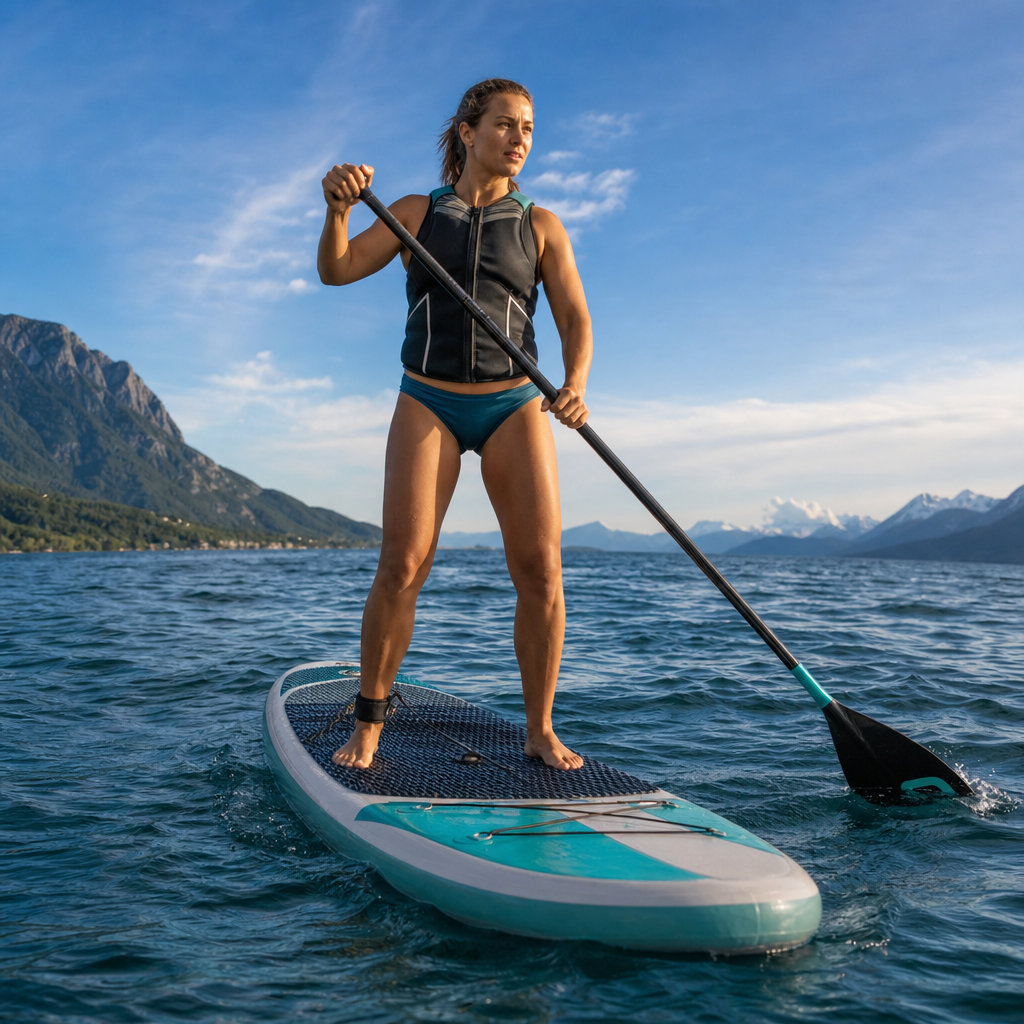
Innovations in polymer-based water sports equipment have transformed how athletes, hobbyists, and manufacturers approach performance, safety, durability, and sustainability across the broader sports and leisure market. In practical terms, polymer-based equipment includes products made primarily from plastics, elastomers, foams, composite resins, and engineered fibers, often combined to deliver light weight, impact resistance, buoyancy control, and corrosion resistance. In water sports, these materials appear in surfboards, paddleboards, kayaks, life vests, wetsuits, fins, helmets, goggles, tow ropes, inflatable craft, protective cases, and accessory systems. I have worked with polymer product teams evaluating marine exposure, seam integrity, foam compression, and UV aging, and one fact is consistent: the right polymer choice can decide whether gear lasts one season or many years. That matters because water sports equipment faces an unusually harsh service environment. Salt, sunlight, abrasion, repeated flexing, microbial growth, thermal cycling, and impact loads all attack materials at once. As participation in surfing, kayaking, stand-up paddleboarding, wake sports, diving, and open-water swimming grows, demand has shifted from basic durability to highly engineered gear that improves efficiency, comfort, and repairability while reducing environmental impact.
For a sports and leisure applications hub, polymer innovation matters because it links material science directly to user outcomes. A beginner wants a stable board that survives rooftop transport. A competitive paddler wants low weight and tuned flex. A rental operator wants puncture resistance and easy sanitation. A brand manager wants compliance with safety standards, predictable production yields, and lower returns. These are all polymer questions. Recent advances include expanded polypropylene cores, thermoplastic polyurethane skins, bio-based polyamides, closed-cell foams with improved energy return, recyclable thermoplastic composites, high-frequency welded seams, and additive manufacturing for custom fit components. At the same time, regulatory pressure and consumer scrutiny are forcing companies to examine volatile organic compounds, fluorinated water repellents, end-of-life pathways, and the hidden waste generated by mixed-material assemblies. This article serves as the central guide to sports and leisure uses within polymer-based water sports equipment, explaining where the biggest innovations are occurring, how leading materials compare, and what design decisions actually improve on-water performance. It also sets a foundation for deeper articles on boards, inflatables, protective gear, apparel, accessories, and sustainability across this subtopic.
How polymers are reshaping boards, boats, and inflatables
The clearest example of innovation is the shift from traditional hand-shaped, fiberglass-over-polyurethane constructions toward more engineered combinations of foam cores, thermoplastic skins, and resin systems. Surfboards historically relied on polyurethane foam blanks laminated with polyester resin, a proven but damage-prone combination that can yellow, dent, and fracture under repeated use. Modern alternatives include expanded polystyrene cores paired with epoxy resin, which generally provide lower weight and better buoyancy retention. In racing paddleboards and performance surf craft, sandwich structures using PVC foam, carbon fiber, and epoxy can reduce flex loss while preserving stiffness-to-weight ratios. These designs improve acceleration and glide, but they also raise repair complexity and cost.
Kayaks and small boats show another major advance. Rotomolded polyethylene remains dominant in recreational kayaks because it is tough, affordable, and tolerant of collisions with rocks and docks. However, newer formulations and processing controls have improved wall thickness consistency and impact performance in cold conditions. Thermoformed ABS and acrylic-capped ABS kayaks sit above entry level, offering a cleaner finish and lower weight. For premium designs, thermoplastic composites are becoming more attractive because they support faster manufacturing cycles and, in some cases, easier recyclability than thermoset composites. I have seen brands favor polyethylene for rental fleets and thermoformed shells for enthusiasts because the maintenance profile aligns better with each use case.
Inflatables may be the fastest-moving category. Older inflatable boards, tubes, and dinghies often used basic PVC fabrics and adhesive assembly, which worked but failed at seams and under prolonged UV exposure. Today, drop-stitch construction, woven base fabrics, heat-bonded rails, and TPU-coated textiles have markedly improved stiffness, pressure tolerance, and leak resistance. High-end inflatable stand-up paddleboards can now reach 15 to 20 psi operating pressure, giving users a noticeably firmer platform with less energy lost to flex. TPU offers advantages over PVC in abrasion resistance, low-temperature flexibility, and repair behavior, though cost remains higher. The result is equipment that packs into a car trunk yet performs close enough to rigid products for many recreational users.
Performance materials in apparel, protection, and human interface gear
Water sports apparel depends on polymers not just for comfort but for thermal management, movement efficiency, and user safety. Neoprene, technically polychloroprene foam, remains the benchmark for wetsuits because its closed-cell structure traps gas and reduces heat loss in cold water. Yet conventional neoprene production has faced criticism for energy use and chemical intensity. Manufacturers have responded with limestone-derived alternatives, recycled linings, solvent-reduced lamination systems, and natural rubber blends such as Yulex in selected suits. In use, what matters is not only the foam itself but also jersey fabric stretch, seam construction, and panel mapping. Liquid-sealed seams, blind stitching, and thermal tapes all rely on polymer chemistry to prevent flushing and maintain flexibility.
Life jackets, buoyancy aids, helmets, and impact vests have also improved through better foam engineering. Expanded polyethylene and EVA foams are now tuned for specific energy absorption and rebound characteristics. In wakeboarding and personal watercraft gear, segmented foam panels allow mobility without sacrificing impact attenuation. Helmet shells commonly use ABS or polycarbonate, paired with EPS or EPP liners. Expanded polypropylene is especially interesting because it can recover shape after lower-energy impacts better than EPS, making it suitable for repeated-use environments. Goggle frames, mouthpieces, fin foot pockets, and handle grips increasingly use thermoplastic elastomers and silicone blends that maintain softness despite sun, salt, and temperature swings.
Fit customization is a growing innovation layer. Heat-moldable liners, 3D-scanned footbeds, and additive-manufactured inserts are entering premium segments such as diving fins and paddling accessories. These improvements solve a real problem: pressure points and poor force transfer cause fatigue long before a material technically fails. A polymer component with the correct durometer, compression set resistance, and friction behavior can improve control just as much as a lighter board can. That is why sports and leisure equipment designers increasingly evaluate tactile performance, not just tensile strength or density.
Key polymers used in water sports equipment
Material selection is never one-size-fits-all. The best polymer depends on whether the product must float, flex, absorb impact, resist puncture, survive ultraviolet exposure, or remain repairable in the field. The table below summarizes common options used across sports and leisure equipment and the tradeoffs I see most often in product development reviews.
| Polymer or System | Common Equipment Uses | Primary Advantages | Typical Limitations |
|---|---|---|---|
| Polyethylene (PE) | Rotomolded kayaks, storage cases, dock accessories | High toughness, low cost, strong chemical resistance | Heavier than premium options, difficult to bond, can deform under heat |
| Expanded Polystyrene with Epoxy | Surfboards, paddleboards | Lightweight, buoyant, compatible with high-performance laminates | Vulnerable to crushing, needs careful sealing against water ingress |
| Polyurethane Foam | Traditional surfboard cores, padding | Proven shaping behavior, familiar manufacturing process | Lower sustainability profile, dents and yellows over time |
| Thermoplastic Polyurethane (TPU) | Inflatables, bladders, protective skins, dry bags | Abrasion resistance, flexibility, strong weldability | Higher material cost, process control can be demanding |
| EVA and PE Foams | Deck pads, impact vests, life jackets, footwear | Cushioning, buoyancy, tunable density, comfort | Compression set, variable UV resistance by formulation |
| Polycarbonate and ABS | Helmets, shells, hard accessories | Impact resistance, dimensional stability, manufacturability | Can scratch, may need UV stabilization for long service life |
Manufacturing innovations improving consistency and scale
One of the most important changes in sports and leisure production is the move from craft-dominant methods to repeatable industrial processes. In board manufacturing, CNC-cut cores have reduced shaping variability and material waste. Resin infusion and vacuum bagging improve fiber wet-out and reduce excess resin, which can cut weight while increasing laminate consistency. Thermoforming and overmolding have streamlined production of paddles, goggles, and protective accessories. For inflatables, radio-frequency welding and hot-air welding are replacing more labor-intensive adhesive joins in many product lines, especially where brands need reliable seam strength at volume.
Automation is not just about speed. It improves quality assurance. Inline pressure testing of inflatable chambers, digital thickness mapping for foam sheets, and machine-vision inspection of molded components help catch defects before assembly. In my experience, warranty claims often originate from process drift, not from poor design intent. A slightly under-cured adhesive, a fabric misalignment at a rail seam, or inconsistent foam density can create a failure months later in the field. Better process monitoring directly improves brand reputation.
Additive manufacturing remains selective rather than universal, but it is valuable for tooling, prototyping, and low-volume customization. Brands can rapidly test fin geometries, valve housings, strap guides, and ergonomic handle forms before cutting expensive production tools. In elite sports, custom inserts and fit components are already realistic. The commercial lesson is that polymers now support faster iteration cycles, letting manufacturers tune products to specific user segments such as youth paddlers, whitewater guides, or adaptive athletes.
Durability, safety, and standards in real use conditions
Performance claims only matter if equipment survives actual use. Water sports gear must resist UV degradation, hydrolysis, salt stress, abrasion, puncture, and fatigue from repeated load cycles. UV stabilizers, antioxidants, and surface coatings are therefore central to modern formulations. For example, TPU films can outperform lower-grade PVC in flex crack resistance after cold-weather storage, while properly stabilized polyethylene can provide years of service in rental kayak fleets. Still, no polymer is invulnerable. Dark-colored components run hotter in sun, accelerating creep and oxidation. Soft foams can absorb sunscreen oils or become slippery if surface textures wear down.
Safety standards provide a framework for validation. Personal flotation devices sold in major markets must meet recognized buoyancy and performance requirements, including U.S. Coast Guard rules or ISO 12402 categories depending on region and intended use. Helmets may be tested to whitewater, paddlesport, or multi-impact criteria depending on application. Manufacturers serious about quality also conduct accelerated aging, seam peel testing, puncture resistance trials, and immersion conditioning. These tests do not guarantee perfect field life, but they reveal where a polymer system is robust and where it is marginal.
Users should understand the tradeoff between lightweight performance gear and maximum abuse tolerance. Ultralight race equipment often demands more careful handling than recreational equipment. A carbon-reinforced epoxy paddleboard may feel exceptional on the water, but a rotomolded polyethylene board can be the better choice for camps, families, and rental operations. The smart innovation is not always the most advanced material. It is the material system that matches the real duty cycle.
Sustainability, circularity, and the next generation of water sports materials
Sustainability is now a core design criterion, not a marketing afterthought. The biggest issue is that many water sports products combine foams, fibers, coatings, adhesives, and metal fittings in ways that make recycling difficult. Thermoset composites used in high-performance boards remain especially challenging at end of life. In response, manufacturers are testing recyclable thermoplastic composites, mechanically recycled polyethylene content, bio-based polyamides, algae-derived foams, and solvent-free lamination systems. Some brands have introduced take-back programs for wetsuits and foam scrap, while others are reducing packaging and replacing virgin accessory plastics with recycled polypropylene or PET.
Not every sustainability claim is equal. Bio-based content does not automatically mean lower total impact, and recycled feedstock must still meet marine durability needs. I advise brands to focus first on long usable life, repairability, and material simplification. A board that lasts twice as long often delivers a bigger practical benefit than a marginal shift in bio-content. Replaceable fins, modular valves, field-repair patches, and mechanically fastened components can extend product life significantly. Design for disassembly is particularly relevant for premium sports and leisure gear because consumers are increasingly willing to repair products if parts are available.
Looking ahead, the most important innovations will combine material intelligence with realistic manufacturing. Expect more mono-material inflatable systems, weldable high-performance textiles, lower-emission foams, digitally tuned fit components, and resin systems developed for easier reclamation. For brands building out their sports and leisure portfolio, polymer-based water sports equipment is no longer a narrow niche. It is a proving ground for advanced materials strategy across the entire applications landscape.
Polymer innovation has redefined water sports equipment from the inside out, influencing buoyancy, stiffness, comfort, impact protection, manufacturability, and environmental performance across sports and leisure. The core lesson is straightforward: better products come from matching polymer properties to real use conditions rather than chasing novelty for its own sake. Polyethylene still wins in rugged rentals, epoxy composites still lead in elite performance, neoprene alternatives are improving thermal apparel, and TPU-based constructions are pushing inflatables into mainstream use. At the same time, better welding, foam engineering, digital design, and quality control are making advanced products more consistent and accessible.
As a hub for the sports and leisure segment, this page should guide material decisions and product comparisons across boards, boats, apparel, protective gear, and accessories. The most successful brands will be the ones that balance performance with durability, repairability, compliance, and credible sustainability. If you are evaluating polymer-based water sports equipment for product development, sourcing, or market research, use this overview as your starting point, then explore the deeper category articles linked from this applications hub to identify the right material system for each use case.
Frequently Asked Questions
What kinds of polymers are most commonly used in modern water sports equipment, and why are they so effective?
Modern water sports equipment relies on a wide range of polymer materials because they offer an unusual combination of light weight, flexibility, strength, and resistance to water-related wear. Common examples include polyethylene and polypropylene in kayaks, paddles, and protective housings; EVA and other performance foams in flotation aids, deck pads, and impact protection; polyurethane in coatings, wetsuit components, and adhesives; epoxy and polyester resins in composite boards and hulls; and high-performance fibers such as aramid or carbon-reinforced polymer systems in racing gear and advanced structural components. Each of these materials is chosen for a specific function, whether that is absorbing shock, improving buoyancy, reducing overall mass, or standing up to saltwater exposure.
What makes polymers especially effective in water sports is that they can be engineered very precisely. Manufacturers can tune hardness, elasticity, density, UV resistance, and surface texture to meet the needs of different activities such as surfing, paddleboarding, sailing, wakeboarding, diving, or recreational boating. For example, a surfboard may combine a lightweight foam core with fiberglass and polymer resin to balance flex and responsiveness, while a kayak may use rotationally molded polyethylene for impact resistance and long-term durability. This ability to customize material behavior at the design stage is one of the biggest reasons polymer-based innovation continues to reshape the water sports market.
How have polymer innovations improved performance for athletes and recreational users?
Polymer innovation has dramatically improved performance by making equipment lighter, more responsive, and more durable without sacrificing safety. In competitive and recreational settings alike, reducing weight can improve speed, maneuverability, and user endurance. A lighter paddle, for instance, reduces fatigue over long sessions, while a lighter board or hull can accelerate faster and respond more predictably on the water. Advances in polymer chemistry and composite construction have also made it possible to fine-tune stiffness and flex, which directly affects control, energy transfer, and ride feel.
These improvements are not limited to elite athletes. Recreational users benefit from better stability, easier transport, more forgiving designs, and longer product life. Inflatable paddleboards made with reinforced polymer layers and drop-stitch construction are a good example: they are portable and convenient, yet significantly more rigid and reliable than earlier generations. Similarly, improved foams and elastomeric materials in life vests, wetsuits, and footwear help users stay comfortable, insulated, and mobile in a range of water conditions. Overall, polymer-based innovation has made high-performance features more accessible across a much broader segment of consumers.
In what ways do polymer-based materials improve safety and durability in water sports equipment?
Safety and durability are two of the strongest advantages of polymer-based equipment. Many polymers naturally resist corrosion, which is essential in freshwater and especially saltwater environments where metal components can degrade quickly. They also perform well against repeated impacts, abrasion, and exposure to moisture, making them ideal for products that are constantly launched, dragged, flexed, or submerged. In helmets, buoyancy aids, body protection, and board construction, specialized foams and elastomers can absorb and distribute impact energy more effectively than traditional rigid materials alone.
Durability also comes from the fact that polymers can be layered or combined into multi-material systems. A piece of equipment may include a tough outer shell, a foam core for buoyancy or cushioning, and a resin-reinforced skin for structural strength. This design approach helps products survive rough handling, UV exposure, and repeated cycles of loading and unloading. Safety is further enhanced through better grip surfaces, anti-slip textures, reinforced seams, and waterproof seals, all of which are often made possible by advanced polymer processing. For consumers, this means equipment that not only lasts longer but also performs more reliably in challenging conditions.
Are polymer-based water sports products becoming more sustainable?
Sustainability has become a major focus in the development of polymer-based water sports equipment, although progress varies by product category and manufacturing method. Traditionally, many water sports products have depended on petroleum-based plastics, foams, and thermoset resins that are difficult to recycle. In response, manufacturers are investing in bio-based polymers, recycled plastic feedstocks, lower-emission resin systems, solvent-reduced coatings, and longer-lasting product designs that reduce replacement frequency. Some brands are also redesigning equipment to use modular parts, making repairs easier and extending useful life.
That said, sustainability in this space is not just about switching materials. It also involves improving manufacturing efficiency, reducing waste during molding and lamination, and creating better end-of-life pathways for products that have historically been hard to recover. Thermoplastic composites, for example, are attracting attention because they can offer strong performance with better recyclability than some traditional thermoset systems. Consumers should understand that no material solution is perfect, but the direction of innovation is clear: the industry is moving toward polymer systems that balance performance with lower environmental impact, greater repairability, and more responsible sourcing.
What should buyers look for when choosing polymer-based water sports equipment?
Buyers should start by matching material design to the intended activity, skill level, and typical water conditions. Not all polymer-based equipment is built the same, and the best choice depends on whether the priority is speed, stability, portability, impact resistance, insulation, or long-term durability. A beginner may benefit from a more forgiving board with durable polymer construction and added volume, while an experienced athlete may prioritize stiffness, lightweight composites, and hydrodynamic efficiency. It is also important to evaluate how the product handles UV exposure, abrasion, saltwater use, and transportation, since these factors often determine how well it will hold up over time.
Construction quality matters just as much as the base material. Buyers should pay attention to layered build methods, seam integrity, reinforcement zones, foam density, resin quality, and hardware compatibility. Comfort and safety features such as grip texture, buoyancy support, flexibility in cold conditions, and impact protection should also be considered. Finally, it is worth looking at warranty support, repair options, and any sustainability claims with a critical eye. The best polymer-based water sports equipment is not simply the lightest or most advanced on paper; it is the product that delivers the right balance of performance, safety, durability, and value for the user’s real-world needs.