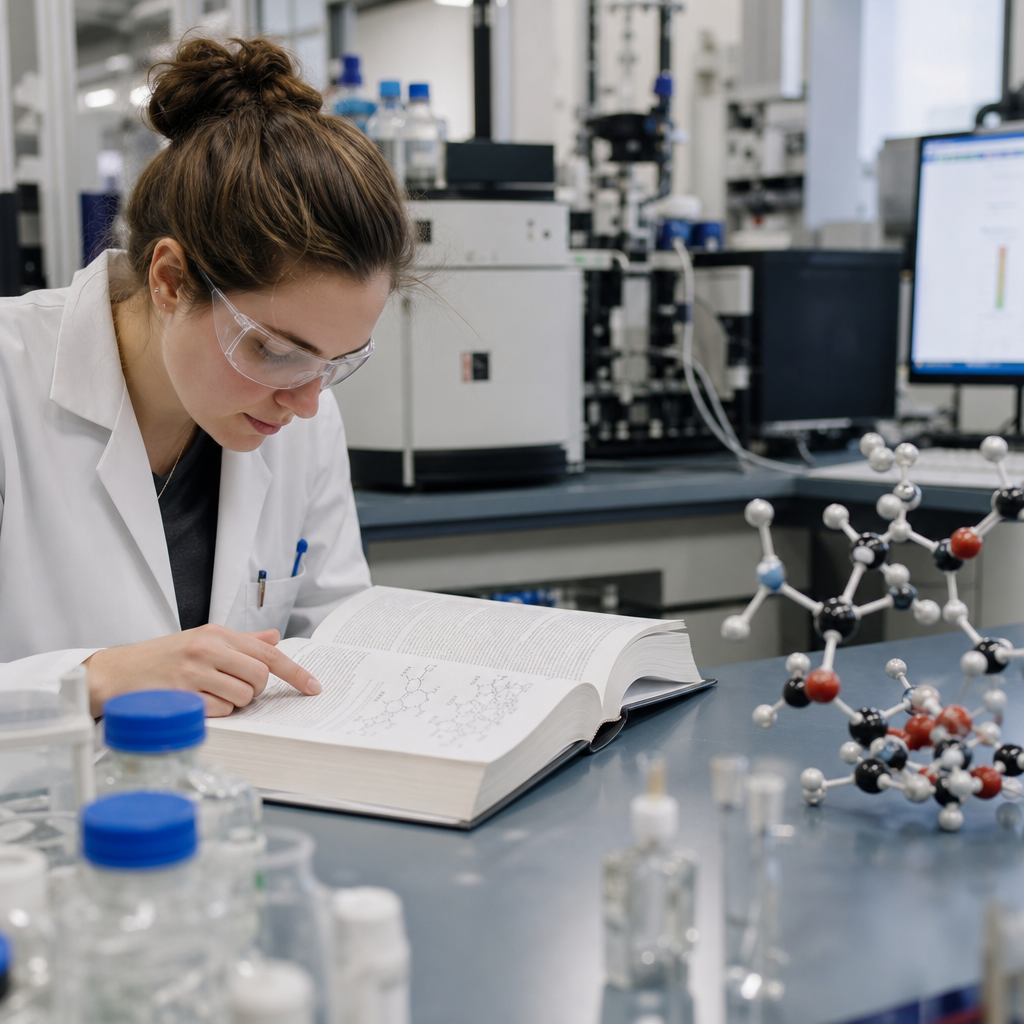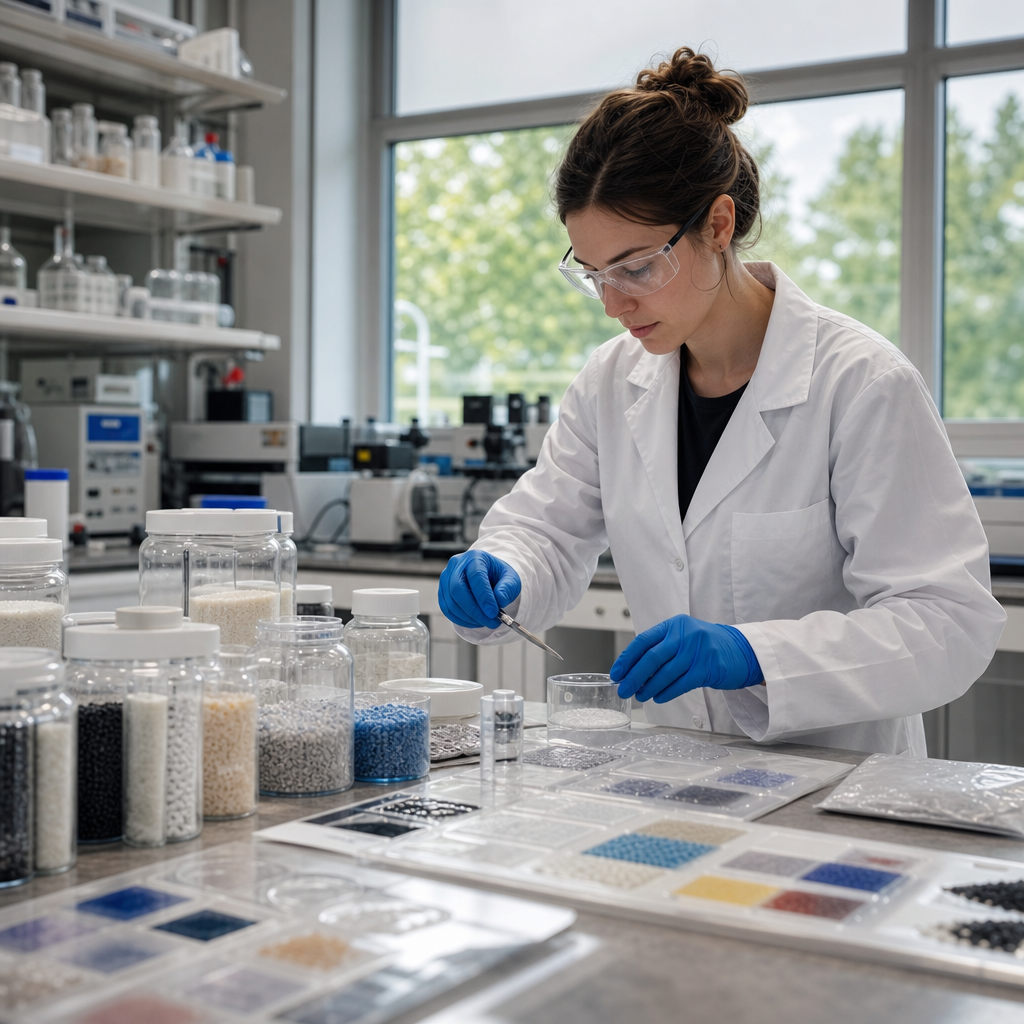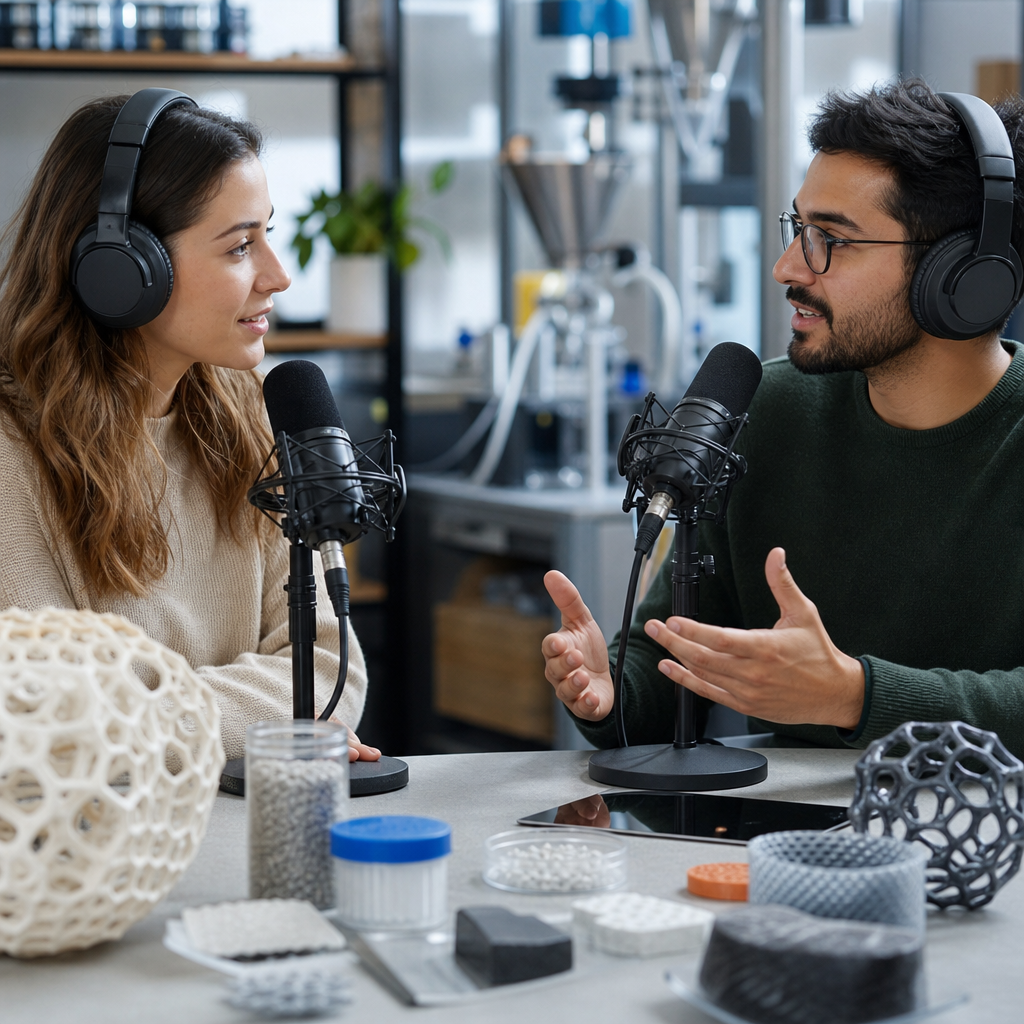
Educational videos and podcasts are rapidly becoming the most practical way to teach polymers, because they translate abstract chemistry, processing, and materials science into formats that students, technicians, researchers, and purchasing teams can absorb on demand. In the polymers field, “educational videos” includes lectures, animated explainers, virtual lab demonstrations, plant walkthroughs, webinar recordings, and microlearning clips, while “podcasts” covers interview shows, research briefings, standards updates, and case-study discussions. I have worked with polymer training programs where one ten-minute extrusion troubleshooting video reduced repeated operator errors more effectively than a dense slide deck, and where a monthly audio briefing helped commercial teams understand resin markets without reading full technical reports. That shift matters because polymers sit at the intersection of chemistry, manufacturing, sustainability, regulation, and product design. When knowledge is fragmented across suppliers, universities, and internal documents, people make slower decisions and costlier mistakes. A strong hub for educational videos and podcasts in polymers brings those knowledge streams together, helping learners find the right format for the right task, whether they need to understand crystallinity, compare thermosets and thermoplastics, or follow recycling policy changes.
The future of educational media in polymers will not be defined by novelty alone. It will be shaped by accuracy, production quality, accessibility, and direct relevance to real industrial questions. Learners do not just want content; they want answers to specific problems such as why a molded part warped, how melt flow index affects processing, what PFAS restrictions may mean for fluoropolymers, or when to choose nylon over POM. Video is especially powerful for spatial and process-heavy subjects, including injection molding, blow molding, compounding, additive manufacturing, microscopy, and test methods like DSC or TGA. Audio, by contrast, excels when the goal is synthesis, commentary, expert perspective, or market intelligence that can be consumed during commuting, lab work, or travel. As a sub-pillar within educational resources, this hub should connect foundational explainers, advanced discussions, and practical industry examples. The opportunity is clear: polymer organizations that build disciplined, trustworthy educational videos and podcasts can improve training outcomes, support customer education, strengthen technical marketing, and create a durable knowledge asset that serves both human learners and modern search systems.
Why Educational Videos and Podcasts Work So Well for Polymer Learning
Polymers are difficult to teach through text alone because many core concepts depend on movement, scale, and cause-and-effect relationships. A student can read about shear thinning, die swell, spherulite formation, or weld lines, but seeing a simulation or process video makes the concept immediately concrete. In training sessions I have led, short animations of polymer chain entanglement consistently outperformed static diagrams when introducing viscoelasticity. Likewise, a video of an extrusion line showing hopper feeding, screw zones, melt filtration, die exit, and downstream cooling can communicate the entire process flow in minutes. Podcasts complement that strength by making room for expert interpretation. An interview with a processing engineer can explain not just what happened during a failure analysis, but how the team isolated moisture, residence time, and mold temperature as interacting causes. This layered understanding is exactly what polymer learners need.
Another reason these formats work is that polymer audiences are unusually diverse. They include undergraduate students, graduate researchers, plant operators, quality managers, product developers, sustainability teams, procurement staff, and customers evaluating materials. Each group has different time constraints and technical depth requirements. Videos allow segmentation by task: a two-minute clip on identifying sink marks, a twenty-minute lesson on rheology, or a one-hour webinar on circularity in polyolefins. Podcasts serve the audiences who need updates rather than demonstrations, such as compliance managers tracking REACH developments or sales engineers following automotive lightweighting trends. Because the same polymer topic often has scientific, operational, and commercial dimensions, multimedia learning can deliver the right level of context without forcing every learner through the same format.
What the Best Polymer Video Content Looks Like
High-value polymer video content is structured around clear learning outcomes and rooted in visible evidence. The most effective videos answer one question at a time: What is glass transition temperature? How does moisture affect nylon processing? Why does polypropylene creep under load? They use labeled visuals, process footage, microscopy images, charts, and concise narration. For example, a strong educational video on injection molding defects should show a real part, identify the defect region, explain the likely mechanism, then connect the issue to actionable variables such as melt temperature, injection speed, packing pressure, gate design, and venting. Generic animations are not enough. Polymer learners trust content that ties theory to actual material behavior and shop-floor conditions.
Production quality matters, but not in the way many teams assume. Learners will forgive a modest studio setup if the content is precise, audible, and visually legible. They will not forgive inaccurate terminology, sloppy units, or unexplained claims. In practice, that means using standard test references where relevant, such as ASTM D638 for tensile properties or ISO 1133 for melt mass-flow rate, and clarifying when a concept is simplified for teaching. Captions are essential because many users watch technical videos without sound, and transcripts help both accessibility and discoverability. Chapters also matter. A thirty-minute webinar on polymer recycling becomes dramatically more useful when users can jump directly to mechanical recycling, compatibilizers, odor control, or food-contact compliance. The future belongs to modular video libraries, not one-off uploads.
Where Podcasts Add Unique Value in Polymer Education
Podcasts are especially useful in polymers because the field changes through steady streams of research, regulation, pricing, and application development. Not every update needs a diagram. Sometimes learners need expert judgment, historical context, and comparison across sources. A good polymer podcast can explain why a resin shortage affected specific sectors, what a new battery application means for specialty films, or how design-for-recycling principles are changing packaging specifications. I have seen podcast episodes become internal training assets for account managers who needed to speak confidently about polyamide recycling, biobased feedstocks, or flame-retardant reformulation. Audio works because it lowers the friction of staying informed.
The strongest podcast formats are not rambling interviews. They are intentionally edited conversations with defined listener outcomes. One episode might answer, “How do thermoplastic elastomers differ from conventional rubbers in processing and end-of-life options?” Another might cover, “What should converters know about PCR content claims?” Host preparation is crucial. Good hosts ask for numbers, definitions, and examples: What temperature range matters? Which industries are adopting this material? What test data would validate the claim? In a technical sector, specificity earns trust. Show notes should include named materials, standards, equipment, and further resources so that listeners can continue learning after the episode ends.
Core Content Themes Every Polymer Media Hub Should Cover
A comprehensive hub for educational videos and podcasts in polymers should map content to the full learner journey, from fundamentals to advanced applications. Foundational topics include polymer structure, molecular weight, crystallinity, Tg, melting behavior, additives, compounding, rheology, and common families such as PE, PP, PVC, PET, PA, POM, ABS, PC, fluoropolymers, silicones, epoxies, and polyurethanes. Process-oriented topics should cover injection molding, extrusion, blow molding, thermoforming, rotational molding, compression molding, reactive processing, 3D printing, and joining methods. Testing content should explain tensile, impact, DSC, TGA, FTIR, DMA, weathering, barrier performance, and failure analysis. Sustainability content should address mechanical recycling, chemical recycling, life cycle assessment, mass balance claims, bioplastics, compostability standards, and policy developments.
Application-based content is equally important because many learners enter through an end-use problem rather than a polymer science question. Medical devices require sterilization and biocompatibility context. Automotive topics need heat resistance, creep, dimensional stability, and VOC considerations. Packaging requires barrier, clarity, sealing, and circularity knowledge. Electronics applications call for dielectric properties, flame resistance, and miniaturization concerns. A true hub page should connect all these clusters so users can move from a broad topic like polymer education to highly specific resources such as podcasts on EV battery materials or videos explaining orientation in biaxially stretched films. That internal structure improves usability and helps learners build knowledge sequentially instead of encountering disconnected content.
| Content Type | Best Use in Polymer Education | Example Topic | Primary Audience |
|---|---|---|---|
| Short video | Fast concept explanation or troubleshooting | Causes of silver streaking in injection molding | Operators, students |
| Long-form webinar | Deep technical or regulatory training | Design for recycling in multilayer packaging | Engineers, sustainability teams |
| Lab demonstration video | Show methods and instruments visually | Running DSC on semicrystalline polymers | Researchers, QA teams |
| Interview podcast | Expert perspective and trend analysis | Future of bio-based polyamides | Managers, commercial teams |
| News briefing podcast | Regular industry and policy updates | EU packaging regulation changes | Executives, compliance staff |
Technology Shaping the Future of Polymer Educational Media
The next phase of polymer educational videos and podcasts will be driven by better production workflows, richer visualization, and smarter distribution. On the video side, 3D animation software, digital twins, and simulation outputs are making it easier to show molecular behavior and process dynamics that a camera cannot capture directly. Moldflow-style fill simulations, CFD-based extrusion visuals, and finite element deformation models can now be integrated into learning modules to explain why geometry and processing conditions change final part performance. Augmented and virtual reality will become more useful in plant training, especially for safety procedures, machine familiarization, and maintenance sequences, although they will remain supplemental rather than universal because of cost and deployment complexity.
On the audio side, transcription, translation, speaker separation, and chaptering tools are improving the reach and utility of technical podcasts. A polymer podcast recorded in English can now be repurposed into multilingual text summaries, clipped into shorter topical episodes, and indexed by exact subject matter. That matters for global industries where suppliers, converters, and OEMs operate across regions. Data also plays a larger role. Teams can see where viewers stop watching a rheology explainer, which podcast segments are replayed, and which search terms lead users to content about recycled PET or thermally conductive compounds. Those signals should influence editorial planning. The future is not just more content; it is content designed from audience behavior and linked to measurable learning needs.
How to Build Trustworthy Educational Resources for a Polymer Audience
Trust is the deciding factor in technical education. In polymers, small inaccuracies can produce bad material choices, failed trials, and expensive delays. That is why educational videos and podcasts should be built with editorial controls similar to those used in serious technical publishing. Scripts should be reviewed by subject matter experts. Claims about recyclability, performance, and compliance should be qualified and sourced. If a video compares polycarbonate with acrylic, it should clearly distinguish impact strength, optical performance, weatherability, and processing tradeoffs instead of implying one material is universally better. If a podcast discusses biodegradable polymers, it must explain the difference between industrial composting conditions, home composting, and environmental degradation. Precision protects the audience and the publisher.
Consistency also builds confidence. A reliable polymer media hub uses standard nomenclature, defines acronyms on first use, keeps units clear, and updates older content when regulations or industry practices change. It links introductory resources to deeper materials so beginners are not abandoned and experts are not slowed down. It also respects commercial boundaries. Educational content can support marketing, but it should not be a disguised sales pitch. The most credible organizations teach the limits of their own materials, discuss processing risks honestly, and bring in external voices when necessary. That balanced approach is what makes a hub worth returning to, citing, and sharing across technical teams.
How This Hub Supports the Wider Educational Resources Ecosystem
As a sub-pillar hub, educational videos and podcasts should guide users to every major resource format that helps polymer learning. Some visitors will start with multimedia and then need glossaries, material selection guides, standards explainers, white papers, or troubleshooting articles. Others will arrive from a text article and want a visual demonstration or expert audio discussion to reinforce understanding. This hub should therefore organize content by topic, audience, and format, making it easy to navigate from a beginner video on thermoplastics to an advanced podcast on depolymerization economics. In practice, that means building strong relationships between multimedia pages and adjacent educational assets so the site becomes a coherent learning system rather than a collection of isolated posts.
The long-term benefit is cumulative. Every well-produced video and every tightly edited podcast episode becomes reusable intellectual infrastructure for onboarding, customer education, conference follow-up, and sales enablement. In polymers, where expertise is often locked in labs, plants, and supplier meetings, that is a significant competitive advantage. The future of educational videos and podcasts in polymers is not simply digital convenience; it is faster knowledge transfer, better technical decisions, and broader access to specialized expertise. Organizations that invest in accurate, structured, and audience-focused multimedia now will build the strongest educational resource libraries later. Use this hub as the starting point: identify the polymer questions your audience asks most often, create the right video or podcast for each one, and connect them into a resource center that people trust.
Frequently Asked Questions
Why are educational videos and podcasts becoming so important in polymer education?
Educational videos and podcasts are becoming central to polymer education because they make a highly technical subject easier to understand, easier to access, and easier to apply in real-world settings. Polymers involve chemistry, processing conditions, testing methods, formulation tradeoffs, supply chain considerations, sustainability questions, and end-use performance requirements. In a traditional text-only format, many of these topics can feel abstract or overly theoretical. Video helps bridge that gap by showing molecular concepts through animation, demonstrating extrusion, injection molding, compounding, and testing procedures visually, and giving learners a direct view of equipment, materials behavior, and manufacturing environments. Podcasts add another layer of value by allowing professionals and students to absorb expert insights during commutes, plant work, travel, or routine tasks.
Another reason these formats matter is that the polymers industry serves a wide range of audiences with different learning needs. Students may need foundational explanations of thermoplastics, thermosets, crystallinity, rheology, and additives. Technicians may benefit more from visual troubleshooting, process walk-throughs, and safety demonstrations. Researchers often want concise discussions of new materials, analytical methods, and application trends. Purchasing teams and commercial decision-makers may be more interested in pricing pressures, material substitutions, regulatory developments, and sustainability claims. Videos and podcasts can be tailored to each of these groups without losing technical depth.
Just as importantly, on-demand media supports continuous learning. Polymer science does not stand still. New recycling technologies, bio-based resins, compounding strategies, barrier materials, flame-retardant systems, and data-driven manufacturing tools are constantly emerging. Educational videos and podcasts allow organizations to keep their audiences current without requiring everyone to attend live training or read lengthy technical documents. That flexibility is a major reason these formats are shaping the future of how polymer knowledge is taught and shared.
What kinds of polymer topics work best in video and podcast formats?
Some polymer topics are especially well suited to video because they benefit from visual explanation. Structure-property relationships, for example, become much clearer when learners can see animations of polymer chains, crystallization behavior, crosslinking, orientation, or phase separation. Processing topics such as extrusion, blow molding, thermoforming, rotational molding, and injection molding also translate well to video because the learner can watch how machines operate, how materials flow, and how process settings affect outcomes. Virtual lab demonstrations are particularly useful for showing tensile testing, DSC, TGA, FTIR, impact testing, melt flow measurement, and sample preparation methods in a way that builds practical understanding.
Podcasts work especially well for topics that benefit from discussion, interpretation, and expert perspective. These include market trends, sustainability strategies, recycling policy, material selection decisions, case studies, innovation interviews, and summaries of recent research. A conversation with a polymer scientist, processor, product designer, or procurement leader can reveal the reasoning behind technical choices in a way that feels more accessible than a formal paper. Podcasts also help simplify complex developments, such as chemical recycling, lightweighting, circular design, PFAS concerns, or regulatory changes affecting packaging and medical materials.
In practice, the strongest educational strategies often combine both formats. A short video can explain how a compounding line works, while a companion podcast episode can explore why a specific filler, stabilizer, or resin family was selected for a certain application. This multimedia approach supports different learning preferences and allows audiences to move from foundational understanding to deeper industry context. In the future of polymer education, the best content will not treat video and audio as competing channels, but as complementary tools.
How can educational videos and podcasts improve training for students, technicians, and industry professionals in polymers?
These formats improve polymer training by making learning more practical, repeatable, and role-specific. For students, videos can transform difficult concepts into understandable lessons by combining diagrams, lab footage, and process visuals with clear instruction. Instead of memorizing definitions of viscoelasticity, molecular weight distribution, or glass transition temperature, learners can see how those ideas affect actual material behavior. Podcasts then reinforce that knowledge by connecting classroom concepts to real industry experiences, research pathways, and career insights.
For technicians and plant personnel, educational videos are particularly effective because they can show standard operating procedures, troubleshooting techniques, quality checks, maintenance steps, and safety protocols in a concrete way. In polymer processing, small operational details matter. A video can demonstrate how to identify contamination, evaluate pellet quality, detect splay or warpage, adjust temperature profiles, or interpret test data with much more clarity than a written checklist alone. Because the content is available on demand, teams can revisit lessons when needed rather than relying only on one-time training sessions.
For engineers, researchers, product developers, and procurement professionals, podcasts and webinars provide fast access to evolving knowledge. A material engineer may listen to a discussion about recycled content and mechanical property retention. A buyer may use a podcast to better understand supply risk, resin substitution, or sustainability certifications before speaking with suppliers. A researcher may watch a webinar on polymer blends or bio-based additives and quickly connect that information to current projects. This creates a more agile learning culture across the organization.
Another major advantage is scalability. Companies, universities, and associations can train large and geographically distributed audiences without sacrificing consistency. When done well, educational media gives everyone access to the same terminology, technical principles, and best practices. That consistency reduces miscommunication and helps align teams working across R&D, production, quality, compliance, and purchasing. In a field as interdisciplinary as polymers, that is a significant advantage.
What features make a polymer-focused educational video or podcast truly effective?
The most effective polymer educational content combines technical accuracy with clarity, relevance, and strong instructional design. In video, that usually means using visuals that explain rather than distract. Good polymer videos often include process footage, annotated diagrams, side-by-side comparisons, data graphics, microscopy images, and molecular animations that help viewers connect theory to application. A well-structured video should answer practical questions such as what the material is, how it behaves, why it matters, how it is processed, what variables affect performance, and what common mistakes to avoid.
For podcasts, effectiveness depends heavily on structure and expertise. The best episodes are not just casual conversations. They are organized around clear themes, such as advances in high-performance polymers, practical lessons in extrusion troubleshooting, or the realities of integrating recycled resin into a product line. Strong hosts ask focused questions, define technical terms when needed, and guide listeners toward useful takeaways. This is especially important in polymers, where discussions can quickly become too narrow for general audiences or too simplified for technical listeners if the balance is not handled well.
Another essential feature is credibility. Polymer audiences expect educational content to be grounded in real science, industrial experience, and up-to-date information. That means citing standards when relevant, featuring qualified experts, acknowledging limitations, and avoiding exaggerated claims about performance or sustainability. Effective content also respects the diversity of the audience. A student, a lab manager, and a sourcing professional may all consume the same material, but each will be listening for different value. Content creators who understand that can design episodes and videos that remain technically sound while still being accessible.
Finally, the strongest educational media includes actionable context. Instead of only defining concepts, it explains why they matter in formulation, processing, compliance, durability, cost, and product design. In polymers, learners do not just want to know what a property means. They want to know how it affects a package, a medical device, an automotive component, a pipe, a film, or an electrical housing. That application-focused approach is what makes content memorable and useful.
What does the future look like for educational videos and podcasts in the polymers industry?
The future is likely to be more specialized, more interactive, and more integrated into everyday technical work. Educational videos in polymers will probably move beyond passive lectures into richer learning experiences that include simulation, virtual lab environments, plant walkthroughs, short modular lessons, and searchable technical libraries. Instead of sitting through a long course to find one answer, learners will increasingly expect targeted content on topics like drying conditions for engineering resins, compatibilizer selection in blends, interpreting DSC curves, or meeting sustainability targets in packaging. Microlearning will become more important because polymer professionals often need answers in the flow of work, not only in formal training sessions.
Podcasts are also likely to become more influential as a bridge between research, commercial strategy, and manufacturing reality. As the polymer industry deals with circularity, decarbonization, feedstock volatility, advanced recycling, regulatory pressure, and faster product development cycles, audio content will be a practical way to deliver expert interpretation quickly. Interview shows, research briefings, and market-focused episodes can help listeners understand not just what is changing, but what those changes mean for materials selection, processing choices, supply planning, and customer expectations.
Another major shift will be the growing connection between educational media and professional decision-making. Videos and podcasts will not only support classroom learning or internal training. They will increasingly influence supplier evaluation, technology adoption, product development, and cross-functional alignment. A purchasing team may use educational content to better assess recycled-content claims. A design engineer may rely on a webinar to compare material families. A processor may use a short troubleshooting video to reduce downtime. In this way, educational media becomes part of the operational knowledge infrastructure of the polymers sector