High-performance polymers are a critical class of advanced materials that help industries cut emissions, reduce waste, and protect air, water, and energy systems under conditions where conventional plastics fail. In practical terms, these polymers maintain strength, chemical resistance, dimensional stability, or electrical performance at high temperatures, high pressures, and in corrosive environments. Common families include PEEK, PTFE, PPS, PEI, LCP, fluoropolymers, and high-performance polyamides. I have worked with engineering teams selecting these materials for filtration modules, wire insulation, pump components, and membrane assemblies, and the environmental value becomes obvious when a polymer part extends service life by years, lowers maintenance frequency, or enables a cleaner process that metals, ceramics, or commodity plastics cannot support economically.
The topic matters because environmental protection increasingly depends on equipment that must perform reliably in aggressive settings: flue-gas cleaning units, battery systems, hydrogen infrastructure, semiconductor water treatment, wastewater membranes, lightweight transport, and renewable energy hardware. A failed seal in a chemical dosing pump can contaminate a treatment stream. A degraded cable jacket in a wind turbine can force early replacement. A heavier metal part in a vehicle can increase lifetime fuel use or reduce electric range. In each case, material choice affects resource consumption, emissions, uptime, and safety. High-performance polymers support environmental protection not because all plastics are inherently sustainable, but because the right polymer in the right application can reduce total lifecycle impact.
As a hub article on high-performance polymers, this page explains what these materials are, where they create measurable environmental benefits, how they compare with alternatives, and what decision-makers should evaluate before specifying them. It also points toward the broader ecosystem of innovative products and solutions by connecting material science with practical outcomes such as durability, energy efficiency, pollution control, and circularity. The central idea is simple: when a polymer survives heat, chemicals, wear, and electrical stress better than standard materials, it can make environmental systems more efficient, dependable, and easier to maintain.
What high-performance polymers are and why they differ from standard plastics
High-performance polymers are engineered resins designed for demanding service conditions. They generally offer higher continuous-use temperatures, stronger creep resistance, lower moisture uptake, better flame performance, and superior chemical compatibility than commodity plastics such as polyethylene or polypropylene. For example, PEEK often operates continuously around 250°C, PPS resists solvents and hot corrosive media, and PTFE remains chemically inert against a wide range of acids and bases while maintaining very low friction. These are not marginal improvements. They allow equipment designers to replace metal parts that corrode, heavy assemblies that waste energy, or short-life plastic components that create recurring waste streams.
The environmental significance starts with durability. In lifecycle assessments, the manufacturing burden of an advanced polymer can be higher than that of a basic resin, but service life often dominates the equation in critical applications. If a fluoropolymer-lined valve lasts three times longer in a chlorine dosing system than a lower-grade alternative, the avoided replacements, downtime, transport, and disposal can outweigh the initial material intensity. This is especially true in infrastructure that runs continuously, such as water treatment plants, chemical manufacturing sites, and power systems. Long life is not a marketing claim here; it is a design variable that affects emissions, material throughput, and operational risk.
Another defining feature is precision performance. High-performance polymers can be tailored with glass fiber, carbon fiber, graphite, PTFE, or mineral fillers to tune stiffness, wear, thermal conductivity, or dimensional accuracy. That matters for environmental equipment because many systems depend on tight tolerances. Membrane housings, sensor connectors, pump bearings, compressor rings, and battery separators all fail if dimensions drift or surfaces wear prematurely. Using a stable polymer can improve process control and reduce leaks, contamination, and energy losses over years of operation.
How these materials directly support environmental protection
High-performance polymers contribute to environmental protection through four main mechanisms: enabling cleaner processes, improving energy efficiency, extending equipment life, and reducing hazardous maintenance events. In water and wastewater treatment, chemically resistant polymers are used in membrane supports, valve seats, seals, and filtration components exposed to disinfectants, acids, alkalis, and biofouling control chemicals. In air pollution control, fluoropolymers and PPS are common in filter media and ducting components because they tolerate hot, acidic gas streams where standard plastics embrittle. In electrification, advanced polymers insulate high-voltage systems while minimizing weight, which improves vehicle efficiency and battery thermal management.
One of the clearest examples is filtration. Baghouse filters in waste incineration, cement plants, and metal processing operations often use PPS or PTFE-based media because they can withstand temperature spikes and corrosive gases. Better filter performance means lower particulate emissions and more stable compliance with air-quality limits. Another example is chemical processing for wastewater neutralization and scrubber systems. Corrosion-resistant polymer linings, pumps, and gaskets can prevent leaks that would otherwise create environmental incidents. In renewable energy, high-performance polymer films and encapsulants help protect solar modules from moisture ingress and UV exposure, preserving output over decades.
These materials also support environmental monitoring. Sensor housings, analytical instrument components, and cable insulation in harsh field conditions must resist chemicals, moisture, and temperature cycling. Reliable monitoring improves compliance because facilities can measure pH, conductivity, dissolved oxygen, particulate load, or gas composition without frequent instrument failures. In my experience, a robust polymer component in a monitoring chain often delivers environmental benefit indirectly but decisively: if the instrument stays online, operators can identify process drift early and prevent releases rather than reacting after the fact.
Key application areas across the innovative products and solutions landscape
Because this page serves as a sub-pillar hub, it is useful to map where high-performance polymers appear most often in innovative products and solutions focused on environmental outcomes. The range is broader than many buyers expect, extending from industrial hardware to energy systems and precision electronics.
| Application area | Typical polymer families | Environmental protection value |
|---|---|---|
| Water treatment membranes, housings, seals | PVDF, PTFE, PEEK, PPS | Chemical resistance, longer service life, lower leak risk |
| Air filtration and baghouse media | PTFE, PPS, polyimide | Improved particulate capture in hot or corrosive gas streams |
| Electric vehicles and battery systems | PEEK, PEI, LCP, fluoropolymers | Lightweighting, electrical insulation, thermal stability |
| Wind, solar, and hydrogen systems | PAEK, fluoropolymers, specialty polyamides | Weatherability, sealing reliability, reduced maintenance |
| Chemical pumps, valves, and linings | PTFE, PFA, ETFE, PPS | Corrosion prevention and safer handling of aggressive media |
| Semiconductor and ultrapure water equipment | PFA, PVDF, PEEK | Low contamination and durable fluid management |
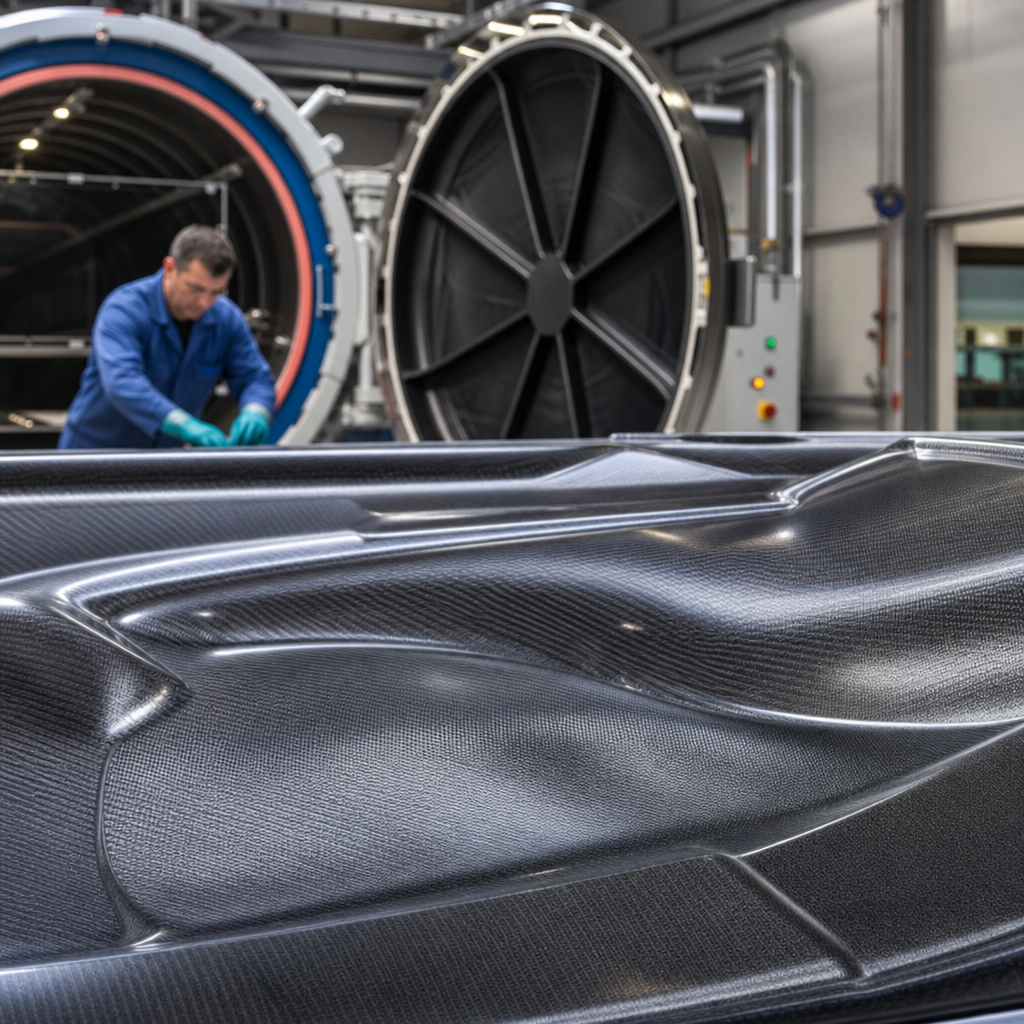
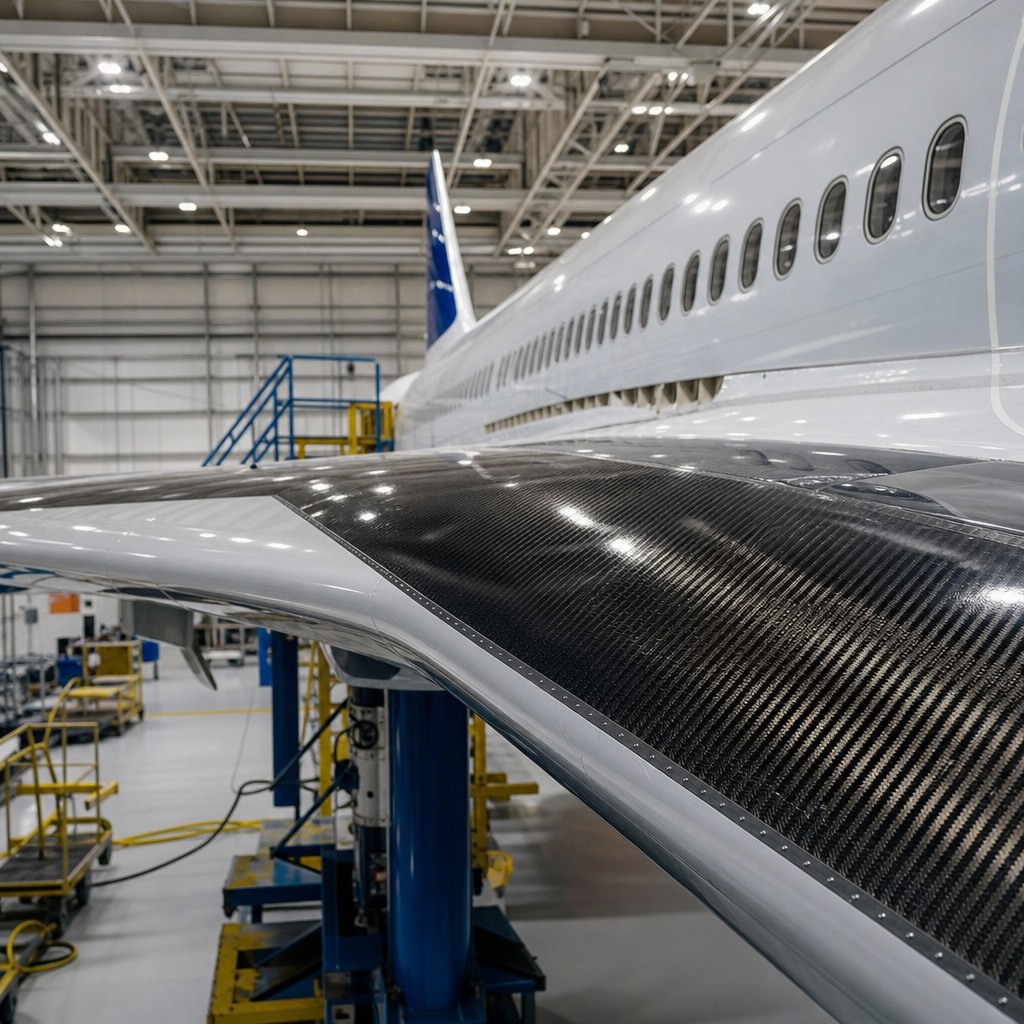
In transportation, replacing metal with high-performance polymer composites can lower mass while preserving mechanical integrity. Every kilogram removed from an electric bus, rail component, or delivery vehicle can improve energy efficiency over the asset’s life. In aerospace and advanced mobility, this is already standard engineering logic. The environmental gain is strongest where fleets operate continuously and where lower weight compounds with better insulation or reduced maintenance intervals.
In industrial plants, the most overlooked application may be sealing and bearing systems. A small bearing cage or backup ring made from PEEK or a filled PTFE grade can outlast lower-cost materials in pumps, mixers, and compressors. That reduces lubrication demand, cuts unplanned shutdowns, and prevents failures that lead to spills or off-spec output. These are not headline technologies, but they deliver cumulative environmental benefits across thousands of operating hours.
Lifecycle benefits, tradeoffs, and how to evaluate sustainability honestly
The sustainability case for high-performance polymers should be made on a lifecycle basis, not on assumptions. Production of advanced resins can be energy-intensive, and some fluoropolymer chemistries require careful scrutiny because of regulatory pressure around processing aids, emissions, and end-of-life handling. That means responsible specification starts with a functional unit: what exact environmental service must the part deliver, for how long, in what conditions, and compared with what alternative? A polymer that lasts ten years in a corrosive scrubber may be the greener choice than stainless steel replaced every three years, but the answer depends on maintenance burdens, transport, cleaning chemicals, downtime losses, and recyclability pathways.
Useful evaluation methods include lifecycle assessment under ISO 14040 and ISO 14044, failure mode and effects analysis, chemical compatibility review, and total cost of ownership modeling. I advise teams to separate three questions. First, does the polymer enable the environmental function at all? Second, does it reduce resource use during operation through lower weight, lower friction, better insulation, or fewer failures? Third, what happens at end of life? Some high-performance polymers can be mechanically reprocessed in controlled streams, while others are better suited to energy recovery or specialized take-back systems. The answer varies widely by chemistry and contamination level.
Tradeoffs are real. PTFE offers excellent inertness and low friction, but machining waste and contaminated end-of-life parts require disciplined handling. PEEK brings outstanding mechanical and thermal performance, but it is expensive and should be reserved for applications that truly need it. PPS can perform exceptionally in hot, corrosive environments, yet it can become brittle under certain processing conditions if design and molding controls are poor. Environmental protection improves when engineers match performance to need rather than defaulting to the most advanced resin available.
Selection criteria, standards, and procurement best practices
Choosing the right high-performance polymer for an environmental application involves more than reading a datasheet. Continuous-use temperature, glass transition temperature, coefficient of thermal expansion, permeation resistance, dielectric strength, hydrolysis resistance, and wear behavior all matter. A water treatment component may need NSF or drinking-water contact compliance. An electrical part may need UL 94 flammability performance or comparative tracking index data. A component in a hydrogen system may need permeation testing and pressure-cycle validation. Procurement teams should ask suppliers for traceable material grades, processing history, additive disclosures where relevant, and test data generated under realistic conditions rather than idealized lab assumptions.
Good design practice also reduces environmental risk. Avoid over-specifying expensive materials where geometry changes or protective coatings would solve the problem. At the same time, do not under-specify parts in aggressive service to save on unit price. The hidden costs of leaks, emergency maintenance, contamination, and premature disposal usually overwhelm short-term savings. In projects I have supported, the most successful outcomes came from early collaboration between design engineers, polymer suppliers, molders, and operations teams. That cross-functional review catches issues like stress cracking, sterilization effects, welding incompatibilities, and cleaning chemical exposure before a part reaches the field.
For organizations building an internal knowledge base around innovative products and solutions, this hub topic should connect to deeper pages on polymer families, filtration media, membrane technology, lightweighting, chemical resistance, and end-of-life management. That structure helps buyers and engineers move from broad understanding to application-specific guidance without losing the lifecycle perspective that makes environmental decisions sound.
Future trends shaping the next generation of environmental applications
The next phase of high-performance polymers in environmental protection will be shaped by electrification, hydrogen systems, advanced recycling, and tighter chemical regulation. More components will need to handle higher voltages, faster charging cycles, hotter battery environments, and more aggressive coolants. That favors materials with stable dielectric properties, flame resistance, and dimensional control. Hydrogen production, compression, and dispensing will increase demand for polymers that resist permeation and pressure cycling in seals, valve internals, and sensor assemblies. At the same time, regulators and customers are asking tougher questions about additive chemistry, traceability, and recycled content.
Material suppliers are responding with lower-emission processing routes, mass-balance feedstocks, and grades designed for easier regrind recovery in industrial settings. Additive manufacturing is also expanding the role of high-performance polymers by enabling lightweight geometries, spare parts on demand, and lower waste in prototyping. The technology is not universal, but for complex ducts, fixtures, and custom insulators it can reduce lead times and inventory burdens. Another important trend is digital materials engineering: simulation tools now predict creep, thermal aging, and chemical exposure with greater accuracy, allowing designers to reduce overbuilding while protecting reliability.
The long-term direction is clear. Environmental systems are becoming more demanding, not less, and the materials inside them must deliver precision, resilience, and accountability.
High-performance polymers play a practical, measurable role in environmental protection by helping equipment operate longer, cleaner, and more efficiently in severe conditions. They enable better filtration, safer chemical handling, reliable electrification, lighter transport systems, and more durable renewable energy hardware. The strongest case for these materials is not that they are advanced, but that they solve specific environmental problems better than standard plastics and, in many cases, better than metals or ceramics when lifecycle performance is considered.
The most important takeaway is that material selection should be evidence-based. Evaluate the application environment, define the service life requirement, compare alternatives using lifecycle logic, and verify compliance with relevant standards. When that process is followed, high-performance polymers often become enablers of pollution control, energy savings, and maintenance reduction rather than simple component substitutions. They are especially valuable in water treatment, air emissions control, battery systems, hydrogen infrastructure, and corrosive process equipment, where failures carry both financial and environmental costs.
As this hub within the innovative products and solutions category, the page should be your starting point for deeper exploration of polymer families, application design, regulatory considerations, and end-of-life pathways. If you are specifying components, sourcing materials, or building a sustainability roadmap, review your highest-stress applications first. That is where the environmental return from high-performance polymers is usually greatest.
Frequently Asked Questions
1. What are high-performance polymers, and why are they important for environmental protection?
High-performance polymers are advanced plastics engineered to keep their mechanical strength, chemical resistance, dimensional stability, and electrical properties in environments that would quickly degrade conventional materials. These environments often include high heat, high pressure, abrasive wear, aggressive chemicals, and long service cycles. Well-known examples include PEEK, PTFE, PPS, PEI, LCP, fluoropolymers, and high-performance polyamides. What makes them especially relevant to environmental protection is not simply that they are durable, but that their durability enables cleaner, more efficient industrial systems.
In environmental applications, material failure can lead directly to leaks, contamination, energy waste, unplanned shutdowns, and excessive replacement cycles. High-performance polymers help reduce those risks by lasting longer in filters, seals, pump components, membranes, wire insulation, sensor housings, and fluid-handling systems. In air and water treatment facilities, for example, these materials are often selected because they can tolerate corrosive media and elevated temperatures without cracking, swelling, or losing critical performance. That reliability helps prevent emissions and supports stable operation over time.
They are also important because lightweight, corrosion-resistant polymer components can improve energy efficiency in transportation, industrial processing, and electrical systems. Replacing heavier metal parts in the right applications can reduce fuel use or lower energy demand, while non-corroding polymer parts can minimize maintenance and extend equipment life. In short, high-performance polymers support environmental protection by helping industries operate more efficiently, safely, and with fewer material losses across demanding real-world conditions.
2. How do high-performance polymers help reduce emissions and energy consumption in industry?
High-performance polymers contribute to lower emissions and reduced energy use in several practical ways. First, their low weight compared with metals can improve efficiency in moving systems such as automotive, aerospace, and industrial equipment. When a component can be redesigned with a lighter polymer without sacrificing performance, less energy may be required for transport, rotation, pumping, or thermal management. Over the life of the system, those incremental savings can add up to meaningful reductions in fuel consumption and greenhouse gas emissions.
Second, many of these polymers perform well in high-temperature and chemically harsh environments, which helps systems operate closer to optimal design conditions. Materials such as PEEK, PPS, and fluoropolymers are commonly used in seals, bearings, valve parts, electrical insulation, and fluid-system components where heat and corrosive exposure would damage standard plastics. By maintaining tight tolerances and resisting degradation, they help equipment run more efficiently, reduce friction or leakage, and limit the losses associated with wear-related failure. Better sealing alone can be important in reducing fugitive emissions from pumps, valves, and chemical processing equipment.
Third, high-performance polymers can support the efficiency of energy and electrical systems. In demanding electrical applications, materials such as PEI, LCP, and fluoropolymers are valued for dielectric performance, flame resistance, and long-term reliability. They help protect sensors, connectors, cable insulation, and electronic components that are critical for process monitoring and energy control. Better control systems enable more precise operation, which often means lower waste, lower power use, and fewer emissions events.
Finally, service life matters. Components that last longer do not need to be replaced as often, which reduces the environmental burden associated with manufacturing, shipping, maintenance, and disposal. So while the environmental value of high-performance polymers is sometimes indirect, it is very real: they improve efficiency, preserve system integrity, and help industrial infrastructure waste less energy over time.
3. In what ways are high-performance polymers used in water treatment and pollution control systems?
High-performance polymers are widely used in water treatment and pollution control because these systems often involve corrosive chemicals, pressure fluctuations, abrasion, and continuous operation. Conventional plastics can soften, crack, or degrade under these conditions, while high-performance materials are designed to remain stable. In water handling systems, they may be used in pump components, valve seats, seals, gaskets, membranes, filter housings, and piping-related parts. Their resistance to chemicals and moisture helps maintain system performance and lowers the risk of contamination from material breakdown.
In filtration and separation processes, polymers with strong chemical resistance are particularly valuable. PTFE and other fluoropolymers, for example, are commonly associated with filtration media, linings, and components exposed to aggressive cleaning agents or harsh process streams. In industrial wastewater treatment, where fluids may contain solvents, acids, alkalis, oils, or suspended solids, a more robust polymer can preserve dimensional stability and extend operating life. That reliability is crucial because treatment interruptions can create environmental compliance problems and increase operational waste.
Pollution control systems for air quality also benefit from these materials. High-performance polymers are used in sensors, ducts, seals, insulators, and housings associated with emissions monitoring, gas handling, and particulate control equipment. Their stability under heat and chemical exposure helps ensure that monitoring systems remain accurate and containment systems remain effective. When emission-control equipment is exposed to demanding process conditions, the right polymer can be the difference between long-term reliability and recurring failure.
Perhaps most importantly, these materials help operators reduce lifecycle costs and maintenance frequency. A component that withstands chemical attack and continuous service is less likely to fail unexpectedly, which means less downtime, fewer replacement parts, and more dependable environmental performance. In water and pollution control systems, material choice is not just about durability; it is directly tied to safety, compliance, and the ability to protect natural resources consistently.
4. Are high-performance polymers more sustainable than conventional materials like standard plastics or metals?
The sustainability of high-performance polymers is best understood through a lifecycle perspective rather than by looking only at the raw material itself. In many cases, these polymers are more energy-intensive and specialized to produce than commodity plastics, so they are not automatically the most sustainable option in every application. However, their value comes from delivering long service life, reliability in extreme conditions, lower maintenance needs, and performance benefits that can significantly reduce environmental impact during use. For many industrial systems, the use phase matters more than the initial material footprint.
Compared with standard plastics, high-performance polymers often offer much greater durability, chemical resistance, and thermal stability. That means parts made from them may need fewer replacements, generate less waste, and reduce the risk of failure-related pollution. Compared with metals, they can offer corrosion resistance and weight reduction, which can lower maintenance requirements and improve energy efficiency. In applications where corrosion leads to leaks, contamination, or repeated part replacement, switching to a suitable high-performance polymer can deliver clear environmental advantages.
That said, sustainability depends heavily on correct material selection and design. Using a premium polymer where a simpler material would perform adequately may add cost and environmental burden without proportional benefit. On the other hand, in aggressive environments where standard plastics or metals fail prematurely, high-performance polymers can dramatically improve lifecycle performance. Engineers often evaluate this tradeoff by considering durability, maintenance intervals, system efficiency, failure risk, and end-of-life options.
Recyclability can vary by polymer family and application, and contamination from industrial use may complicate recovery. Even so, a longer-lasting part that prevents leaks, reduces downtime, and improves efficiency can still be the more sustainable choice overall. The key point is that high-performance polymers are not a blanket sustainability solution, but in the right environmental protection applications, they can outperform conventional materials by helping systems run cleaner, longer, and with less waste.
5. Which high-performance polymers are most commonly used for environmental protection applications, and how do they differ?
Several high-performance polymer families are especially important in environmental protection, and each is chosen for a distinct balance of properties. PEEK is widely recognized for its excellent mechanical strength, wear resistance, chemical resistance, and high-temperature capability. It is often used where structural integrity and long-term reliability are essential, such as in pump parts, seals, compressor components, and demanding electrical or filtration assemblies. PPS is another strong candidate for chemically aggressive and hot environments, valued for dimensional stability, flame resistance, and good processability in precision components.
PTFE and other fluoropolymers are among the most chemically resistant materials available, which makes them highly useful in filtration, chemical processing, sealing, cable insulation, and anti-corrosion applications. PTFE also offers low friction, which can be beneficial in seals and bearing-related components. PEI is often selected for high-temperature electrical and electronic applications because it combines thermal performance with good mechanical strength and dimensional stability. LCP is well known in precision electrical applications where excellent flow, high heat resistance, and stable dielectric properties are important.
High-performance polyamides are commonly used where toughness, wear resistance, and lightweight design are needed, especially in transportation and fluid-handling systems. They can help reduce system weight while still providing strong performance in demanding service conditions. The broader fluoropolymer category is also crucial wherever chemical inertness, weatherability, or electrical insulation is a top priority, including environmental monitoring equipment and industrial containment systems.
The differences among these materials matter because environmental protection systems are highly application-specific. A membrane or seal exposed to acids and solvents may require the inertness of a fluoropolymer, while a structural part near heat and mechanical load may be better served by PEEK or PPS. Electrical insulation in harsh process environments may point toward PEI or LCP. In practice, engineers select these materials