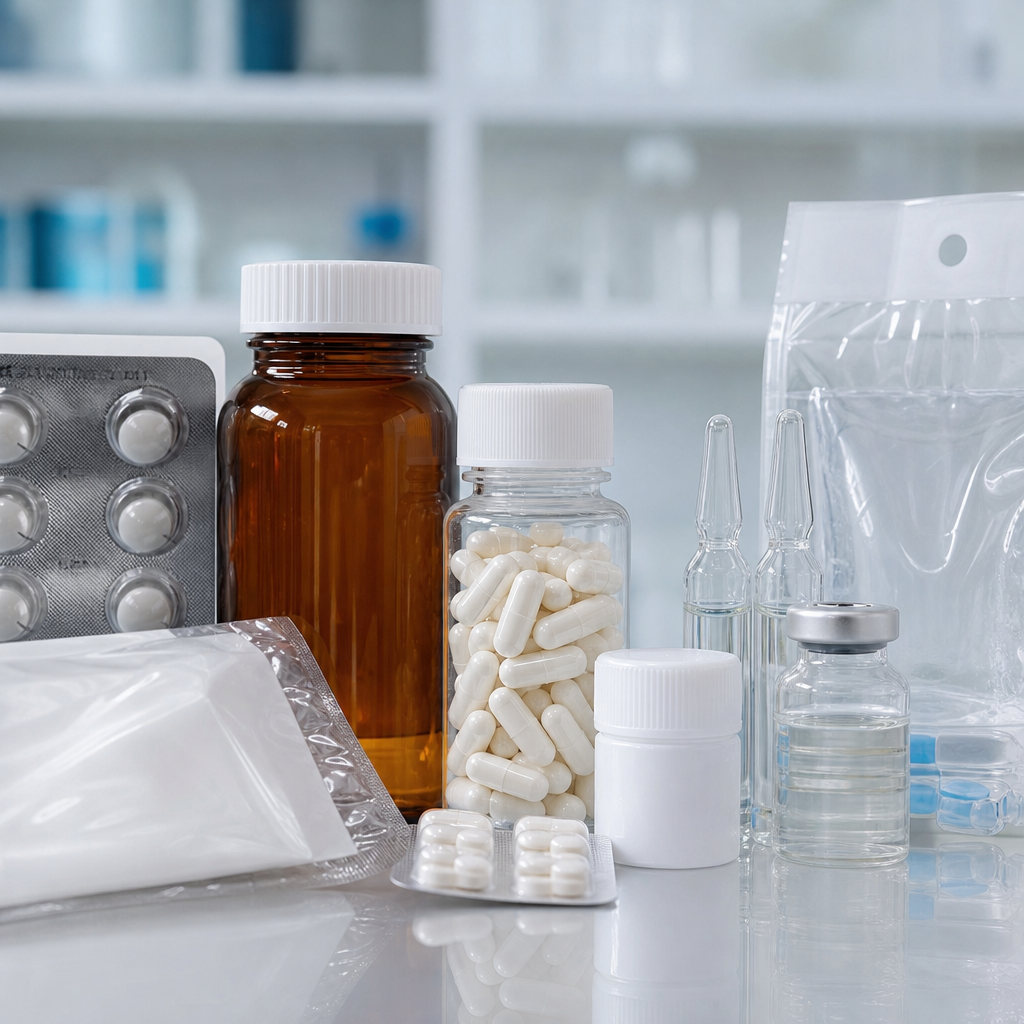
High-performance polymers in pharmaceutical packaging are engineered materials designed to protect medicines from moisture, oxygen, light, contamination, and mechanical damage while meeting strict regulatory and manufacturing requirements. In practice, they sit at the center of modern packaging decisions because the package is not just a container; it is part of the drug product’s safety system, shelf-life strategy, distribution model, and patient-use experience. I have worked with packaging teams choosing between fluoropolymers, cyclic olefin polymers, polyamides, polyethylene grades, and multilayer barrier structures, and the same lesson comes up repeatedly: the wrong resin can shorten stability, create extractables and leachables risk, complicate sterilization, or drive unnecessary cost. The right polymer, by contrast, can improve line efficiency, support sensitive biologics, and reduce failure rates in transit and storage.
Pharmaceutical packaging includes primary packaging, which directly contacts the drug, secondary packaging, which groups and protects primary units, and tertiary packaging used in warehousing and transport. High-performance polymers matter most in primary and certain secondary applications because these layers influence drug compatibility, dose accuracy, tamper resistance, and patient compliance. Key terms are worth defining clearly. Barrier performance describes how well a material resists water vapor, oxygen, aroma compounds, solvents, or ultraviolet light. Chemical resistance refers to how a polymer stands up to active ingredients, excipients, cleaning agents, and sterilization chemistry. Extractables are compounds that can be pulled from packaging under aggressive study conditions; leachables are the compounds that actually migrate into the drug product under normal storage. Dimensional stability matters for closure fit, blister cavity integrity, and syringe functionality. These properties determine whether a package supports a product over months or years, in real distribution conditions, at global scale.
This packaging hub article explains how high-performance polymers are used across blister packs, bottles, closures, inhalation systems, prefillable syringes, vials, pouches, and specialty delivery formats. It also covers polymer selection criteria, compliance expectations, manufacturing methods, and the tradeoffs between cost, protection, recyclability, and patient convenience. For teams building a packaging strategy, this subject matters because regulations are unforgiving, drug formulations are becoming more sensitive, and supply chains are more complex than they were a decade ago. A moisture-sensitive tablet may need a cold-form foil blister with polymer support layers. A biologic may require cyclic olefin polymer for transparency, break resistance, and low protein interaction. A nasal spray may depend on fluoropolymer-lined components to prevent sorption and preserve dose consistency. Understanding the role of these materials is the foundation for every other packaging decision in pharmaceuticals.
What makes a polymer high performance in pharmaceutical packaging
A high-performance polymer in pharmaceutical packaging is not simply a plastic with good strength. It is a material that maintains critical properties under pharmaceutical use conditions: sterilization, filling, sealing, transport, aging, and patient handling. The most important metrics are water vapor transmission rate, oxygen transmission rate, clarity, impact resistance, sealability, stress crack resistance, thermal stability, and compatibility with the drug formulation. In regulated packaging development, these metrics are evaluated alongside pharmacopeial and toxicological requirements, including USP standards for packaging systems, ISO guidance for sterile components where relevant, and product-specific extractables and leachables studies.
From experience, the selection process starts with the drug’s vulnerabilities. If the formulation hydrolyzes easily, moisture barrier dominates. If oxidation drives impurity growth, oxygen ingress becomes the primary concern. If the API adsorbs to surfaces, surface energy and polymer chemistry matter. This is why two visually similar packages can perform very differently. Standard polyethylene might work for a robust solid dose bottle, while a multilayer structure containing ethylene vinyl alcohol or a fluoropolymer may be needed for more demanding products. High-performance, in this context, means fit for the pharmaceutical risk profile, not simply premium by price.
Core polymer families and where they are used
Several polymer families dominate advanced pharmaceutical packaging. Cyclic olefin polymer and cyclic olefin copolymer are widely used for prefillable syringes, cartridges, vials, and diagnostic components because they offer glass-like transparency, low extractables, break resistance, and good dimensional control. High-density polyethylene remains a workhorse for bottles and closure systems, especially for solid oral dose forms, because it is chemically resistant, processable at scale, and cost effective. Polypropylene is common in caps, dosing devices, medical containers, and autoclave-tolerant components. Polyethylene terephthalate appears in certain bottles where clarity and stiffness are needed, though moisture performance can be limiting for some sensitive drugs.
Fluoropolymers, including PTFE, PCTFE, ETFE, and fluoropolymer coatings or liners, are critical where exceptional chemical resistance and low permeability are required. PCTFE is especially important in blister packaging due to its very low moisture vapor transmission rate, often used as a laminate over PVC to dramatically improve stability for hygroscopic tablets and capsules. Polyamide is used in cold-form blister structures for puncture resistance and formability. Ethylene vinyl alcohol serves as an oxygen barrier layer in coextruded containers and pouches, though it is sensitive to humidity and usually protected by outer layers. Thermoplastic elastomers and butyl-based materials appear in closures, seals, and stopper-adjacent applications requiring resilience. Each family solves a distinct packaging problem, and the best systems often combine multiple polymers into engineered multilayer structures.
Packaging applications across dosage forms
Solid oral dose packaging relies heavily on polymer performance. Bottles for tablets and capsules often use HDPE with induction-sealed liners, desiccant canisters, child-resistant polypropylene closures, and pigmentation or UV absorbers when light sensitivity is an issue. Blister packs use PVC for formability and low cost, but PVC alone offers modest barrier performance. When I have seen stability data deteriorate in early development, the fix is often a move to PVDC-coated PVC, Aclar-based laminates using PCTFE, or full cold-form blister designs with polymer and aluminum layers. That choice changes not only shelf life but also packaging line speed, push-through performance, and patient usability.
Liquid and semi-solid products pose different risks. Oral liquids, ophthalmics, creams, and topical gels need containers that resist permeation, preserve preservatives, and avoid adsorption of actives or flavors. Nasal sprays and inhalation systems are even more sensitive because dose uniformity can be affected by material interactions in the valve, actuator, reservoir, and dip tube. Biologics and injectable drugs increasingly use cyclic olefin polymer or copolymer syringes and vials, especially where breakage reduction and siliconization control are priorities. In these applications, polymer packaging can outperform glass on impact resistance and design flexibility, but teams must actively manage gas barrier limitations, particulate concerns, and sterilization effects.
| Application | Common high-performance polymers | Main reason for selection | Typical limitation |
|---|---|---|---|
| Tablet bottles | HDPE, PP closures, multilayer barrier bottles | Moisture protection, toughness, low cost | May need desiccants for highly sensitive drugs |
| Blister packs | PVC/PCTFE, PVC/PVDC, PA-based cold form | Unit-dose protection and strong moisture barrier | Higher barrier structures increase cost and reduce line speed |
| Prefillable syringes | COP, COC, fluoropolymer-coated components | Clarity, break resistance, low extractables | Oxygen and moisture barrier lower than glass |
| Pouches and sachets | PE, PP, EVOH, foil laminates | Custom barrier and seal performance | Complex laminates are difficult to recycle |
Barrier properties, sterilization, and stability performance
The most common question in pharmaceutical packaging is simple: will this material protect the product for the full claimed shelf life? The answer depends on barrier science. Moisture ingress is measured through water vapor transmission rate, while oxygen ingress is measured through oxygen transmission rate. Lower values generally indicate better protection, but package geometry, wall thickness, seal quality, and headspace also matter. A bottle resin with acceptable intrinsic barrier may still fail if the closure liner leaks or if repeated opening introduces humidity. This is why full packaging systems are tested in stability chambers under ICH conditions rather than relying on resin data sheets alone.
Sterilization adds another layer of complexity. Steam sterilization can deform some polymers; gamma irradiation can embrittle or discolor others; ethylene oxide requires aeration controls and material compatibility review. For sterile packaging, polymer choice must account for process exposure as well as final performance. I have seen a component pass chemical compatibility testing yet fail after sterilization because dimensions shifted enough to affect seal integrity. High-performance packaging materials are therefore evaluated before and after sterilization using mechanical testing, optical inspection, closure integrity studies, and migration assessments. Stability is never one property; it is the interaction of material, process, drug, and distribution environment over time.
Regulatory expectations and quality standards
Pharmaceutical packaging operates under a documentation burden that is justified by patient risk. Material selection must support regulatory submissions with compositional information, compliance statements, toxicological assessments, and often detailed extractables packages. USP chapters relevant to packaging systems, biological reactivity where applicable, and physicochemical characterization are frequently part of supplier qualification. ISO 15378 is widely recognized for primary packaging materials quality management, while DMFs can streamline supplier support for regulatory filings. None of these documents replace formulation-specific compatibility work, but they establish a baseline of control.
Good packaging practice also requires change control. A resin grade shift, additive package modification, mold transfer, or sterilization site change can alter performance enough to trigger requalification. This is especially important for high-performance polymers because their advantages often depend on tightly controlled processing windows and additive systems. Smart companies audit not just the finished component supplier but the upstream resin and laminate supply chain. They also require data on particulate levels, bioburden where relevant, dimensional capability, seal performance, and aging studies. In real projects, the packaging team that documents assumptions early spends less time defending deviations later.
Manufacturing methods and design considerations
How a polymer is converted into packaging is as important as the resin itself. Injection molding is standard for closures, devices, and rigid medical components requiring precise tolerances. Blow molding and injection blow molding are common for bottles. Thermoforming creates blister cavities, while coextrusion and lamination build multilayer films and sheets with tailored barrier performance. Each process introduces variables such as orientation, residual stress, wall thickness variation, and seal surface quality. These variables can influence crack resistance, oxygen ingress, and machinability on filling lines.
Design details often decide whether a package succeeds commercially. A blister may have excellent barrier but poor push-through force for elderly patients. A syringe made from cyclic olefin polymer may provide break resistance, yet require careful plunger and lubricant tuning to control glide force. A bottle may survive drop testing but create capping torque variability if neck dimensions drift. High-performance polymer packaging works best when materials engineers, device designers, packaging operations, and stability specialists review the same failure modes together. That cross-functional approach consistently reduces late-stage surprises and supports robust scale-up.
Sustainability, cost, and future packaging strategy
Sustainability in pharmaceutical packaging is harder than in general consumer goods because product protection overrides almost every other goal. A recyclable monomaterial solution is attractive, but if it increases degradation risk or shortens shelf life, the environmental outcome may be worse due to wasted medicine. That said, there is real progress. Companies are light-weighting bottles, simplifying secondary packaging, increasing recycled content in non-contact layers where regulations allow, and redesigning some formats around polyolefin-based structures that are easier to recover. Material choices are also being reassessed through life-cycle analysis rather than assumptions.
Cost must be considered in the same balanced way. High-performance polymers usually increase unit material cost, but they can lower total cost of ownership by reducing spoilage, enabling room-temperature distribution, cutting breakage, or improving line efficiency. A more expensive blister laminate that extends shelf life by twelve months may eliminate costly cold-chain handling or reduce market returns. Looking ahead, the strongest packaging strategies will combine robust barrier engineering, digital traceability, patient-centric design, and supplier partnerships capable of supporting global compliance. If you are building out a pharmaceutical packaging roadmap, start by matching polymer performance to product risk, then validate the full packaging system under realistic use conditions. That disciplined approach is how packaging moves from a procurement decision to a genuine quality advantage.
Frequently Asked Questions
1. What are high-performance polymers, and why are they important in pharmaceutical packaging?
High-performance polymers are advanced engineered plastics selected for their ability to maintain strength, stability, and protective performance under demanding pharmaceutical conditions. Unlike conventional packaging materials, these polymers are designed to resist moisture transmission, oxygen ingress, chemical interaction, thermal stress, and mechanical damage while also supporting precise manufacturing processes. In pharmaceutical packaging, that matters because the package does far more than hold the product. It helps preserve drug stability, protects sensitive formulations from environmental exposure, supports sterility where required, and contributes to consistent performance throughout storage, transport, and patient use.
These materials are especially important for modern drugs that are increasingly sensitive to external conditions. Many solid oral doses, biologics, injectables, inhalation products, and combination devices require packaging systems that can maintain a tightly controlled barrier profile over time. High-performance polymers can be engineered to deliver clarity, toughness, chemical resistance, dimensional stability, and compatibility with secondary features such as child resistance, tamper evidence, dispensing functionality, and labeling. As a result, they often become a strategic part of the product development process, helping manufacturers balance shelf life, regulatory compliance, production efficiency, and patient safety.
2. How do high-performance polymers protect medicines from moisture, oxygen, light, and contamination?
The protective value of high-performance polymers comes from their ability to act as tailored barrier materials. Different polymers offer different performance profiles, so packaging engineers choose them based on the specific vulnerabilities of the drug product. For example, if a medicine is highly moisture-sensitive, the selected polymer structure may emphasize very low water vapor transmission. If oxidation is the greater risk, oxygen barrier performance becomes the priority. In some cases, multilayer constructions are used to combine several protective properties in one package, such as moisture resistance, oxygen control, puncture resistance, and seal integrity.
Light protection is another major consideration, especially for formulations that degrade when exposed to UV or visible light. High-performance polymers can be compounded, pigmented, or coextruded to reduce light transmission while still meeting product identification and usability needs. For contamination control, these materials are valued for clean processing, low extractables profiles when properly selected, and compatibility with sterile or hygienic manufacturing environments. They can also be designed to maintain closure integrity, resist cracking, and minimize particulate generation. In practical terms, that means the packaging system helps ensure that the medicine a patient receives is as close as possible to the medicine that was originally manufactured and released.
3. Which high-performance polymers are commonly used in pharmaceutical packaging?
Several high-performance polymers are widely used across pharmaceutical packaging applications, each chosen for specific reasons. Cyclic olefin polymers and cyclic olefin copolymers are often used when excellent transparency, low moisture uptake, dimensional stability, and strong chemical resistance are needed, particularly in high-value injectable and diagnostic applications. Polyethylene terephthalate, high-density polyethylene, and polypropylene are also common in pharmaceutical packaging, although their use depends on the product’s barrier needs, filling conditions, and format. More specialized materials such as fluoropolymers, polyamides, and engineered multilayer structures may be selected when enhanced chemical resistance, superior barrier performance, or demanding processing performance is required.
The choice depends heavily on dosage form and packaging format. A blister pack for tablets may require one combination of barrier and thermoforming properties, while a primary container for an injectable may require exceptional clarity, low interaction risk, and compatibility with sterilization. Closure systems, inhaler components, cartridges, bottles, ampoule alternatives, and device housings can all involve different polymer families. What makes these materials “high-performance” in the pharmaceutical sense is not simply that they are strong or advanced, but that they can be validated for consistent performance within strict quality, regulatory, and patient safety expectations.
4. What regulatory and quality factors must be considered when using high-performance polymers in pharmaceutical packaging?
Regulatory and quality requirements are central to polymer selection in pharmaceutical packaging because the packaging material can directly affect drug safety, efficacy, and shelf life. Manufacturers must evaluate whether the polymer is suitable for its intended use, including chemical compatibility with the drug product, potential extractables and leachables, barrier performance, mechanical integrity, and stability over the intended storage period. Materials also need to be supported by appropriate documentation, specifications, and traceability. Depending on the market and application, companies may need to align with pharmacopeial standards, food-contact frameworks where relevant, regional regulatory expectations, and internal quality systems that govern change control, supplier qualification, and validation.
Beyond initial material approval, quality considerations continue throughout the product lifecycle. Pharmaceutical packaging must perform consistently at scale, which means the polymer must be compatible with molding, forming, filling, sealing, sterilization where applicable, transportation, and end-user handling. Even small shifts in resin grade, additive package, or processing conditions can affect performance. That is why experienced teams place strong emphasis on risk assessment, supplier collaboration, stability testing, and packaging validation. In a regulated environment, the best polymer is not just one that performs well in theory; it is one that can deliver repeatable, documented, compliant performance from development through commercial distribution.
5. How do companies choose the right high-performance polymer for a specific pharmaceutical packaging application?
Selecting the right polymer starts with understanding the product itself. Teams typically begin by identifying the drug’s sensitivity to moisture, oxygen, light, temperature, and mechanical stress, along with any risks related to sorption, permeability, or chemical interaction. From there, they define the packaging format, required shelf life, storage conditions, sterilization needs, filling-line demands, distribution profile, and patient-use expectations. A bottle for a global over-the-counter product, for example, may prioritize toughness, barrier support, and cost-effective scalability, while a container component for a biologic may prioritize ultra-high purity, low interaction potential, and precise dimensional control.
The final decision is usually a balance of performance, manufacturability, compliance, and commercial practicality. Engineers and packaging specialists assess whether the polymer can be processed reliably, sealed effectively, integrated into device or closure systems, and sourced consistently from qualified suppliers. They also consider sustainability goals, recyclability challenges, and the total system cost rather than focusing only on resin price. In the most successful packaging programs, polymer selection is treated as a cross-functional decision involving formulation scientists, packaging engineers, quality teams, regulatory specialists, manufacturing experts, and procurement. That approach helps ensure the package supports not only product protection, but also efficient production, regulatory confidence, and a better experience for healthcare providers and patients.