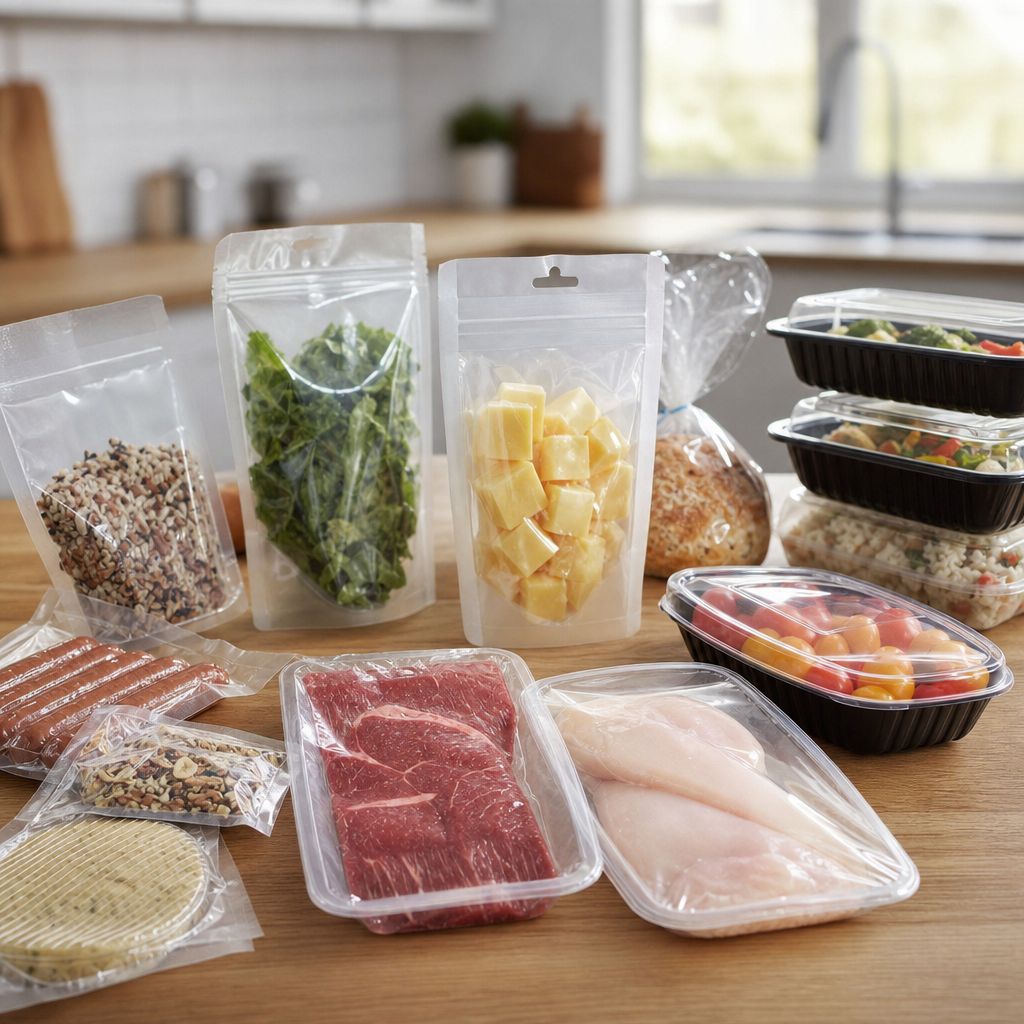
Polymer-based food packaging has moved from a simple protective wrapper to a high-performance system that extends shelf life, improves food safety, supports logistics, and increasingly addresses sustainability demands across the supply chain. In practical terms, polymer-based packaging refers to containers, films, coatings, trays, pouches, bottles, and multilayer structures made primarily from synthetic or bio-based macromolecules such as polyethylene, polypropylene, polyethylene terephthalate, polyamide, polylactic acid, and related blends. I have worked with converters, resin suppliers, and food manufacturers on packaging selection projects, and the central lesson is consistent: the right polymer structure is not chosen by cost alone. It is chosen by matching barrier performance, seal integrity, processability, migration compliance, mechanical strength, transparency, and end-of-life realities to the food product and distribution environment. That is why advances in polymer-based food packaging matter. Food producers face pressure to reduce waste, maintain freshness over longer routes, comply with strict regulations, and cut material use without creating failures on filling lines or in consumers’ kitchens. Packaging sits at the center of all of those demands.
For a hub page on packaging applications, it helps to define the key functions clearly. A food package must contain the product, protect it from oxygen, water vapor, light, aroma loss, microbes, and physical damage, communicate information, and perform efficiently on industrial equipment. Different foods require very different packaging strategies. Fresh meat may need high oxygen or vacuum conditions depending on the retail format. Dry snacks need moisture protection and grease resistance. Carbonated beverages require gas retention and pressure resistance. Ready meals need heat tolerance for microwave or retort use. Dairy products often need light protection and controlled oxygen ingress. Polymer science makes that customization possible because polymers can be extruded, oriented, metallized, coextruded, laminated, coated, foamed, thermoformed, injection molded, blow molded, and chemically modified. Recent advances have focused on smarter barrier design, downgauging, mono-material recyclability, bio-based resins, antimicrobial and active packaging concepts, digital traceability, and better compatibility with circular economy systems. Understanding these advances gives food brands and packaging teams a practical framework for choosing materials that protect products, reduce waste, and meet changing market expectations.
Core materials and why they dominate food packaging
The modern food packaging market is still built on a small set of high-volume polymers because each one offers a distinct balance of cost and performance. Polyethylene, including LDPE, LLDPE, and HDPE, is widely used for films, bags, closures, and bottles because it seals reliably, resists moisture, and processes well at scale. Polypropylene is valued for higher heat resistance, stiffness, and clarity in many oriented films, yogurt cups, and microwaveable containers. PET remains the benchmark for beverage bottles and many thermoformed packs because it combines strength, transparency, and good gas barrier performance. Polyamide, commonly known as nylon, contributes puncture resistance and toughness in vacuum pouches and meat packaging. EVOH is used in thin layers within coextruded structures because it provides excellent oxygen barrier under dry conditions. Polystyrene has lost ground in some sectors but still appears in selected rigid applications. Newer bio-based options such as PLA, PHA, starch blends, and cellulose-based films are gaining visibility where compostability or renewable feedstocks matter, though they still face performance and infrastructure limits.
In real packaging development, the winning structure is often not a single polymer but a deliberately engineered combination. A snack pouch may pair oriented polypropylene with metallization and sealant layers. A cheese pack may use PE, tie layers, EVOH, and PA in a coextruded film to balance sealability, oxygen protection, and puncture resistance. A retort pouch may require PET for strength and print quality, aluminum foil for barrier, and cast polypropylene for heat sealing. These structures dominate because they solve multiple problems at once. The latest advances focus on reducing complexity while preserving performance. Companies now redesign legacy laminates into recyclable PE or PP mono-material systems using new compatibilizers, improved orientation technology, plasma coatings, and higher performance sealants. That shift is significant because packaging performance has historically depended on mixed-material laminates that were difficult to recover after use.
Barrier technology and shelf-life extension
Barrier performance is the most important technical concept in food packaging because oxygen, moisture, carbon dioxide, aromas, and light directly affect quality and safety. Oxidation causes rancidity in nuts, color loss in meat, vitamin degradation in beverages, and stale flavors in snacks. Moisture gain softens crackers and powders; moisture loss dries bakery items and produce. Carbon dioxide transmission matters in modified atmosphere packaging, coffee, and carbonated drinks. The most effective advances in polymer-based food packaging therefore center on controlling transmission rates with more precision. Engineers measure oxygen transmission rate and water vapor transmission rate under defined conditions, then match the package to the product’s sensitivity and shelf-life target. This is not theoretical. If a film’s barrier drifts even modestly, a product can fail retail shelf-life validation, leading to markdowns or waste.
Several technologies have improved barrier without relying exclusively on foil. Coextruded EVOH layers, transparent oxide coatings such as SiOx and AlOx, vacuum metallization, and nanocomposite approaches all aim to create lighter, more recyclable barrier structures. For example, dry foods that once used PET/foil/PE laminates are increasingly moving toward high-barrier PE or PP structures with coatings that maintain machinability. In fresh foods, selective permeability can be equally valuable. Produce packaging often needs controlled respiration rather than a perfect barrier, so microperforated films are designed around the respiration rate of salad leaves, berries, or cut vegetables. Modified atmosphere packaging for meat and cheese uses gas flushing and barrier films to slow spoilage and preserve sensory quality. The result is longer distribution windows and reduced food waste, which is one of the strongest sustainability benefits any package can deliver.
Processing innovations in films, trays, bottles, and pouches
Material advances matter only if they run well on commercial lines. That is why recent progress in extrusion, orientation, thermoforming, and molding has had such a large effect on food packaging applications. Biaxially oriented films, including BOPP, BOPE, and BOPET, deliver better stiffness, optics, and strength at lower gauge than non-oriented alternatives. Coextrusion allows processors to place expensive functional layers only where needed, reducing resin use while maintaining barrier or sealing performance. Thermoforming has improved through better sheet design, allowing thinner trays with more uniform wall distribution and less corner thinning. In bottles, stretch blow molding has enhanced top-load strength and gas barrier while reducing weight. Lightweight PET beverage bottles are a clear example: over the past decades, bottle weights have fallen dramatically while performance has improved through better preform design, processing control, and resin optimization.
Pouch technology has also advanced because brands want convenience, lower transport weight, and strong shelf presentation. Stand-up pouches for sauces, baby food, pet food, and beverages now combine fitments, high-speed filling compatibility, and retort or hot-fill resistance. Sealant science has been especially important. Easy-open behavior, hot-tack performance, seal-through contamination resistance, and hermeticity are make-or-break features in real operations. I have seen excellent barrier structures fail because crumbs, oil, or powder contaminated the seal area and the selected sealant could not compensate. New metallocene PE grades, plastomer blends, and tailored PP sealants are helping converters widen processing windows and reduce leakers. That kind of practical improvement rarely appears in marketing headlines, but on food lines it directly affects waste, downtime, and customer complaints.
Active, intelligent, and functional packaging systems
One of the most important advances in polymer-based food packaging is the shift from passive containment toward active and intelligent functionality. Active packaging interacts with the food environment to maintain quality. Oxygen scavengers, moisture absorbers, ethylene control systems for produce, and antimicrobial surfaces are all examples. Intelligent packaging monitors condition or history rather than changing it directly. Time-temperature indicators, freshness sensors, QR-enabled traceability, and tamper-evident features belong in this category. Adoption depends on cost, regulatory acceptance, and integration with existing filling lines, but the direction is clear: packaging is becoming more data-rich and performance-specific.
For oxygen-sensitive foods such as processed meats, bakery items, and ready meals, oxygen scavenging layers or sachets can materially extend shelf life when standard barrier alone is insufficient. For fresh produce, humidity management and ethylene absorbers help slow deterioration. Antimicrobial packaging remains more complex because efficacy depends on the target organism, food matrix, release profile, and legal framework, yet research and limited commercial use continue in areas such as silver-based additives, organic acids, and essential-oil-derived actives. Intelligent systems are advancing quickly because retailers and brands want better visibility. A temperature abuse indicator on seafood or chilled prepared meals can support quality assurance. A scannable code linked to batch data and recycling instructions improves traceability and consumer communication. These functions are no longer experimental curiosities; they are increasingly targeted tools for high-value or high-risk food categories.
Sustainability, recyclability, and regulatory pressure
Sustainability in packaging is not a single metric. It includes source reduction, recycled content, food waste prevention, transport efficiency, emissions, litter risk, and whether the package fits local recovery systems. The biggest current shift is from difficult-to-recycle multilayer laminates toward mono-material PE or PP structures designed for mechanical recycling. This transition is being driven by retailer targets, extended producer responsibility policies, design-for-recycling guidelines, and consumer scrutiny. However, the tradeoff is real: replacing a mixed laminate with a recyclable structure can reduce barrier or heat resistance if the redesign is not carefully engineered. That is why high-performance coatings, compatibilizers, and new orientation technologies matter so much. They make circularity goals more compatible with shelf-life needs.
| Packaging direction | Main advantage | Main limitation | Typical food use |
|---|---|---|---|
| Mono-material PE films | Improved recyclability in film streams | May need coatings for high barrier | Frozen foods, dry foods, some dairy |
| Mono-material PP structures | Heat resistance and stiffness | Recycling access varies by market | Snacks, confectionery, retort-adjacent uses |
| rPET rigid packaging | Lower virgin resin demand | Food-contact supply and quality constraints | Beverage bottles, trays |
| Bio-based compostable polymers | Renewable feedstock or compostability appeal | Infrastructure and performance limits | Produce, food service, niche fresh applications |
Recycled content is expanding fastest in PET because bottle-to-bottle systems are more established than flexible film recovery. Food-contact recycled PET is now common in many bottle applications, supported by well-developed collection and decontamination processes. Polyolefin recycling for food contact is improving, but supply consistency, odor, and regulatory compliance remain harder challenges. Bio-based materials are also advancing, though they require careful positioning. A compostable polymer is not automatically the most sustainable choice if the package enters a market with no industrial composting access. Life-cycle assessment is essential because lightweight plastic packaging often performs better than heavier alternatives on transport and emissions, especially when it significantly reduces food spoilage. Packaging decisions should therefore be based on system performance, not assumptions about one material being universally better.
Choosing the right packaging for specific food categories
The best way to understand advances in packaging is to look at application fit. Fresh produce often benefits from breathable films with controlled permeability, anti-fog properties, and cushioning designs that reduce bruising. Meat and seafood packaging may use vacuum skin packaging, thermoformed barrier trays, or modified atmosphere systems depending on color goals, drip control, and shelf-life requirements. Dairy products rely on combinations of light barrier, seal integrity, and cold-chain durability. Bakery and snack packaging focuses heavily on moisture and oxygen control because texture loss is often the first reason consumers reject the product. Frozen foods need seal toughness, low-temperature impact resistance, and resistance to pinholing. Shelf-stable sauces and ready meals may require retortable structures that withstand heat sterilization without delamination or flavor scalping.
Packaging selection should always start with the product’s hazards and failure modes. Ask what actually causes the food to become unacceptable: oxidation, moisture migration, microbial growth, aroma loss, light exposure, crushing, freezer burn, or handling damage. Then align the polymer structure, pack format, filling method, and distribution profile around those risks. Validation should include transmission testing, seal testing, migration review, drop or compression testing, and real-time or accelerated shelf-life studies. For teams building out a broader packaging strategy, this hub should connect to deeper pages on barrier films, recyclable flexible packaging, retort packaging, modified atmosphere packaging, rigid containers, and bio-based materials. Those subtopics matter because packaging is never one-size-fits-all. The most effective advances in polymer-based food packaging are the ones that solve a clearly defined product problem while remaining manufacturable, compliant, and commercially realistic.
Polymer-based food packaging continues to advance because food systems are becoming more demanding, not less. Brands need longer distribution reach, better product protection, clearer sustainability outcomes, and packaging formats that work on fast automated lines and in real households. The strongest innovations are not gimmicks. They are measurable improvements in barrier control, downgauging, seal reliability, recyclable design, recycled content, and smart functionality. When these improvements are applied correctly, they reduce food waste, support safety, and lower total system cost even if the material itself is more sophisticated. That is the central takeaway for anyone working in packaging applications: performance must be evaluated across the whole product life cycle, from filling line to consumer use to end-of-life handling.
As the packaging hub within the broader applications topic, this page should be the starting point for material selection and deeper technical exploration. Use it to frame the right questions: What does the food need protection from? Which polymer structure delivers that protection most efficiently? Can the design be simplified for recycling without compromising shelf life? What processing and regulatory constraints apply? Answering those questions systematically leads to better packaging decisions than chasing trends or replacing materials on image alone. Review your current formats, identify the failure points that matter most, and then explore the related packaging subtopics in this section to build a more durable, compliant, and future-ready food packaging portfolio.
Frequently Asked Questions
1. What are the most important recent advances in polymer-based food packaging?
Recent advances in polymer-based food packaging go far beyond simply making lighter wrappers or stronger containers. The biggest developments involve high-barrier materials, active and intelligent packaging, improved multilayer film design, and the growing use of recyclable or bio-based polymers. High-barrier polymers and engineered multilayer structures are now better at limiting oxygen, moisture, aromas, grease, and light exposure, which helps preserve freshness and extend shelf life for products ranging from meat and dairy to snacks and ready meals. This is especially important in modern food distribution, where products often travel long distances and must remain stable through storage, transport, and retail display.
Another major advance is active packaging, where the polymer package does more than passively contain food. It may include oxygen scavengers, antimicrobial agents, ethylene absorbers, or moisture regulators that help maintain product quality inside the pack. Intelligent packaging is also gaining traction, with features such as freshness indicators, time-temperature sensors, tamper-evident elements, and traceability technologies that improve visibility throughout the supply chain. At the same time, manufacturers are redesigning packaging to use less material while still maintaining mechanical strength, seal integrity, clarity, and processing efficiency. This combination of performance, functionality, and sustainability is what defines the latest generation of polymer-based food packaging.
2. How do polymer-based food packaging materials help extend shelf life and improve food safety?
Polymer-based food packaging helps extend shelf life by creating a controlled barrier between food and the external environment. Different polymers offer different levels of protection against oxygen, water vapor, carbon dioxide, light, and contaminants. For example, packaging films and rigid containers can be engineered to slow oxidation, reduce moisture loss or gain, and protect against microbial contamination. These functions are essential because many forms of food deterioration are driven by environmental exposure. Oxygen can cause rancidity and color changes, moisture can affect texture and microbial growth, and light can degrade sensitive nutrients and flavors. By limiting these factors, polymer packaging helps preserve sensory quality and reduce spoilage.
Food safety also benefits significantly from modern polymer packaging design. Materials can be selected and processed to meet strict food-contact standards, while packaging structures can improve tamper resistance, leak prevention, and hygienic handling. Vacuum packaging and modified atmosphere packaging often rely on high-performance polymers to maintain the internal gas balance needed to slow microbial growth and maintain product integrity. In addition, advances in sealing technology reduce the risk of contamination during filling, transport, and storage. In practical terms, this means polymer-based packaging can help food stay safer for longer, support more reliable logistics, and reduce waste caused by premature spoilage or damage.
3. What types of polymers are commonly used in food packaging, and why are they chosen?
Several polymer families dominate food packaging because each offers a useful combination of barrier performance, durability, flexibility, transparency, processability, and cost efficiency. Polyethylene, including low-density and high-density grades, is widely used for films, pouches, liners, and bottles because it provides good moisture resistance, toughness, and heat-sealability. Polypropylene is valued for its stiffness, chemical resistance, clarity in some forms, and ability to handle higher temperatures, making it common in trays, containers, caps, and microwaveable packaging. Polyethylene terephthalate, often used in bottles, thermoformed trays, and films, is selected for its strength, transparency, gas barrier performance, and strong consumer familiarity.
Other specialized polymers are used when additional functionality is needed. Ethylene vinyl alcohol is often included in multilayer structures for excellent oxygen barrier properties. Polyamide materials can add puncture resistance and toughness, especially for vacuum-packed foods. Polystyrene and its foamed forms have historically been used in certain trays and cups, although their use is being reassessed in many markets due to sustainability concerns. Bio-based and compostable polymers such as polylactic acid are also receiving attention, particularly for applications where renewable feedstocks or organics recovery systems are part of the packaging strategy. In most cases, no single polymer provides every required property, which is why multilayer combinations remain so important in advanced food packaging design.
4. Are polymer-based food packaging solutions becoming more sustainable?
Yes, sustainability has become one of the central drivers of innovation in polymer-based food packaging, although progress is happening through multiple pathways rather than one universal solution. One major improvement is lightweighting, where packaging is redesigned to use less material without sacrificing protection or performance. Another is the shift toward mono-material structures in selected applications, which can make sorting and recycling easier compared with complex multilayer formats. Recycled content is also becoming more common, especially in rigid packaging systems where regulations, infrastructure, and food-contact approvals support its use. At the same time, companies are investing in bio-based polymers made from renewable feedstocks to reduce dependence on fossil resources.
However, sustainability in food packaging is not just about the material itself. It also depends on whether the package prevents food waste, works within real recycling systems, and maintains product safety throughout distribution. A package with a lower environmental footprint on paper may not be the most sustainable choice if it shortens shelf life and leads to more discarded food. That is why current packaging development increasingly relies on life cycle assessment, circular design principles, and end-of-life planning. The most effective sustainable solutions are typically those that balance barrier performance, manufacturability, transportation efficiency, recyclability, and waste prevention across the entire supply chain.
5. What challenges still limit the future of advanced polymer-based food packaging?
Despite major progress, several challenges still shape the future of polymer-based food packaging. One of the biggest is balancing high performance with recyclability. Many food products require excellent barrier properties, puncture resistance, seal performance, and compatibility with filling equipment, which often leads to multilayer structures made from different polymers or combined with coatings, adhesives, and additives. While these designs perform extremely well in protecting food, they can be difficult to sort and recycle in conventional waste management systems. As a result, the industry is under pressure to develop packaging that retains technical performance while fitting into more circular material streams.
Other challenges include cost volatility, regulatory complexity, consumer perception, and infrastructure gaps. Food-contact materials must comply with strict safety standards, and any new additive, recycled content stream, or bio-based resin must be carefully evaluated for compliance and migration behavior. Manufacturers also need packaging that runs efficiently on existing production lines, because even a technically superior material may face adoption barriers if it disrupts filling speeds, sealing conditions, or storage stability. In addition, consumers increasingly expect packaging to be convenient, safe, informative, and environmentally responsible all at once. Meeting all of these demands simultaneously requires continued advances in polymer science, processing technology, packaging design, and recovery systems, which is why this field remains one of the most dynamic areas in food innovation.