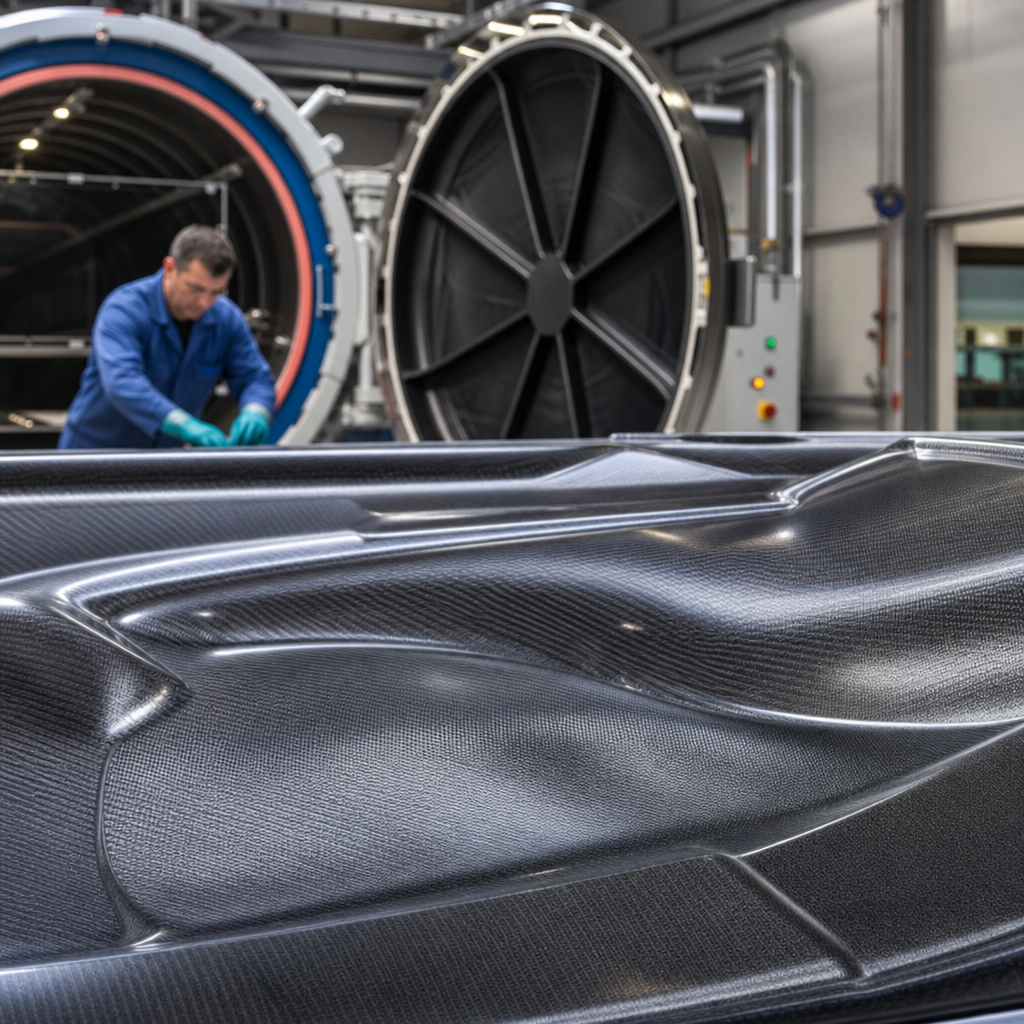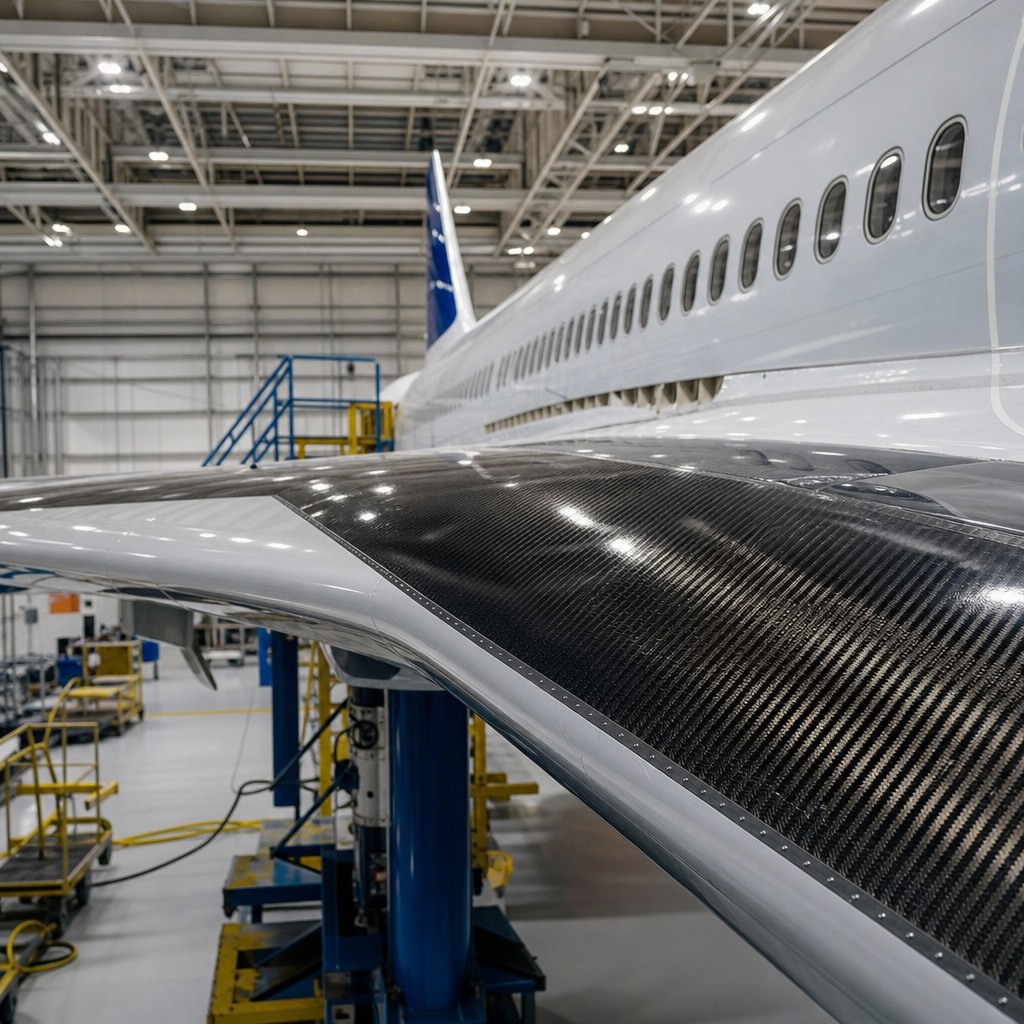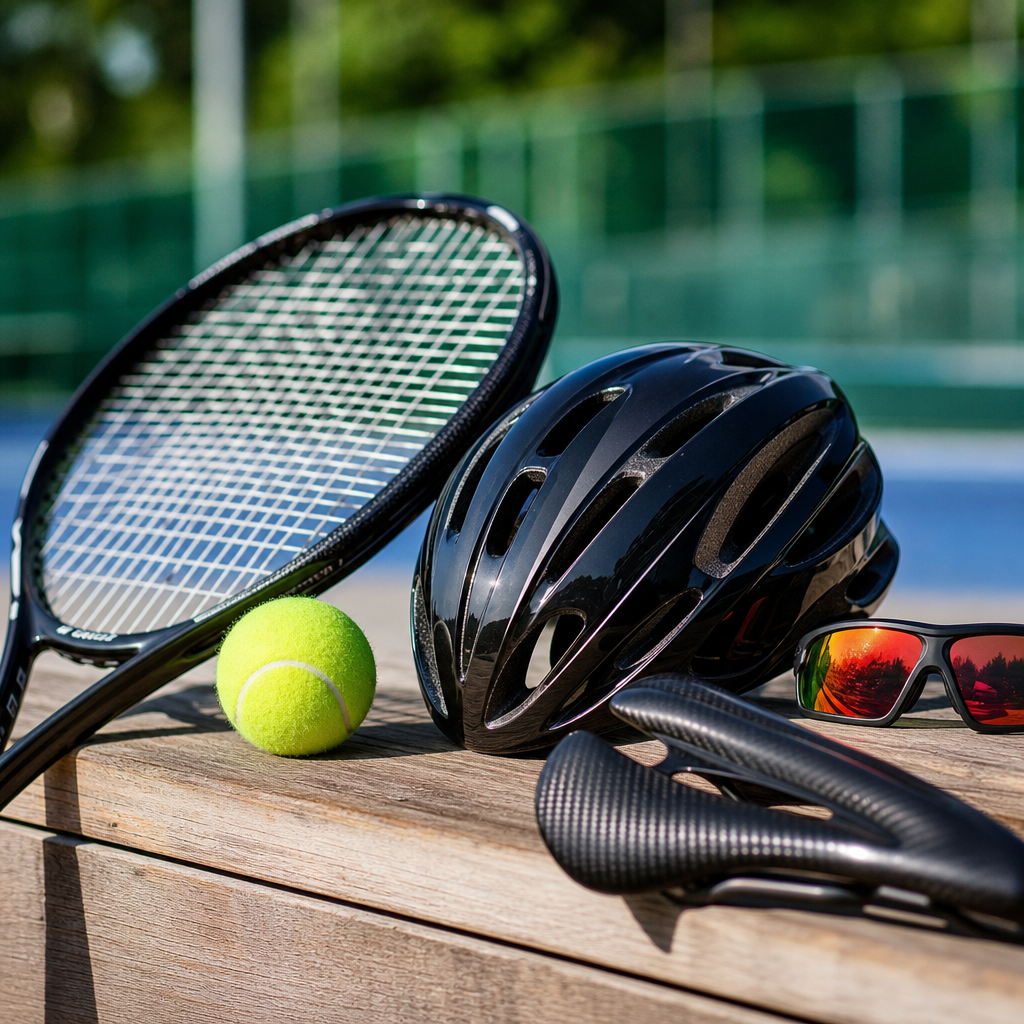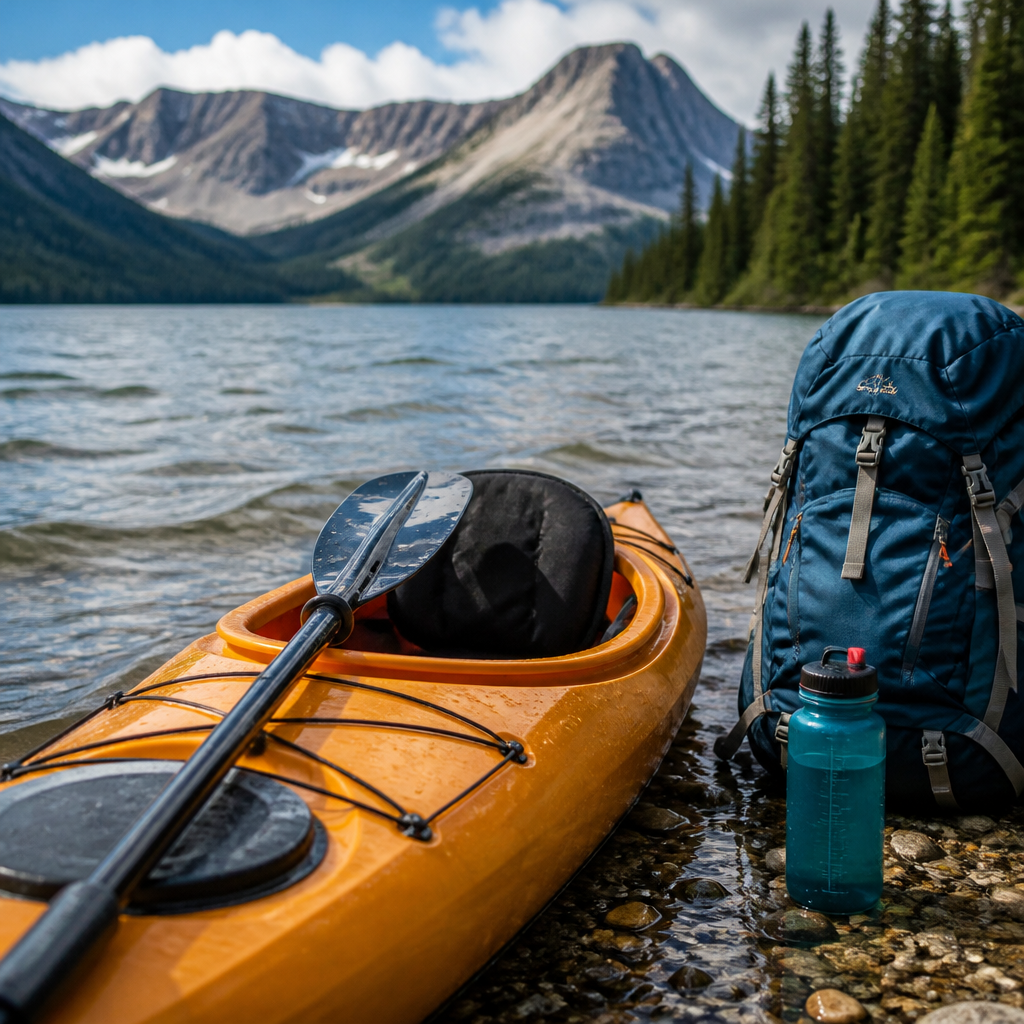
Outdoor recreation equipment has changed dramatically because polymers now shape how people hike, camp, climb, paddle, cycle, ski, and protect themselves in unpredictable conditions. In practical terms, polymers are long-chain materials that include common plastics, elastomers, foams, films, resins, and high-performance fibers. They appear in tent fabrics, helmet shells, kayak hulls, boot soles, hydration reservoirs, rope coatings, insulated jackets, and protective eyewear. After years of reviewing product specifications, testing materials, and comparing field performance, I have seen one pattern repeatedly: the best outdoor gear is rarely defined by a single material, but by how different polymers are engineered to solve weight, durability, comfort, and weather-resistance problems at the same time.
Understanding polymers in daily life matters because outdoor products are expected to do more than ever before. A backpacker wants low pack weight without sacrificing abrasion resistance. A climber needs a helmet that manages impact energy while remaining ventilated and comfortable. A paddler expects a dry bag to stay flexible in cold water, resist punctures, and seal reliably after hundreds of uses. These demands push manufacturers toward advanced polymer systems rather than traditional materials alone. Aluminum, steel, leather, cotton, and wood still have important roles, but polymers often provide the performance balance that modern users expect.
This hub article explains how polymers are enhancing outdoor recreation equipment across major categories and why they have become foundational in product design. It also serves as a broad guide to polymers in daily life by showing how the same material principles used in food packaging, footwear, medical devices, and electronics carry into the outdoors. Key concepts include tensile strength, impact resistance, flex fatigue, ultraviolet stability, moisture management, thermal insulation, chemical resistance, and recyclability. When these properties are tuned correctly, gear lasts longer, performs more safely, and feels better in use. When they are chosen poorly, products crack, delaminate, leak, or degrade quickly under sun, stress, and temperature swings.
For consumers, retailers, designers, and educators, the central question is straightforward: which polymers are used, where are they used, and what benefits or tradeoffs do they bring? The answer is not one-size-fits-all. Polycarbonate excels in helmets and lenses because of impact toughness. Polyethylene and polypropylene reduce weight and resist moisture. Nylon and polyester dominate textiles for their strength and processability. Thermoplastic polyurethane adds flexibility, grip, and waterproofing. Expanded polyurethane and EVA foams manage cushioning and insulation. Composite resins bind carbon or glass fibers in lightweight structures. Looking closely at these applications reveals how material science directly improves real outdoor experiences.
Why polymers are essential in modern outdoor gear
Polymers are essential because they deliver combinations of properties that natural materials and metals often cannot achieve on their own. In outdoor equipment, designers are usually trying to optimize five variables at once: mass, mechanical performance, comfort, weather resistance, and manufacturing cost. Polymers can be molded, extruded, laminated, spun into fibers, expanded into foams, or blended with reinforcements, which makes them unusually adaptable. That adaptability is why polymer engineering appears everywhere from trail running shoes to avalanche safety equipment.
A clear example is the shift from heavy canvas tents to ripstop nylon and polyester shelters coated with polyurethane or silicone. Canvas remains durable, but it absorbs water, gains weight when wet, dries slowly, and packs bulky. Lightweight polymer textiles changed backpacking by reducing shelter weight while improving waterproof performance and packability. The same story applies to sleeping pads, where closed-cell polyethylene foam and inflatable polyurethane-laminated fabrics replaced simpler but less efficient bedding systems. In each case, polymer selection solved a real user problem rather than simply following manufacturing trends.
Another reason polymers matter is consistency. Well-controlled polymer processing allows repeatable thickness, density, flexibility, and finish. In safety products, that consistency is crucial. A cycling or climbing helmet must perform to recognized standards such as CPSC, EN 1078, EN 12492, or ASTM criteria, depending on use category and market. Expanded polystyrene and expanded polypropylene liners are favored because they crush or rebound in predictable ways under impact. That predictability helps engineers design around energy absorption targets, ventilation channels, and fit systems without introducing unnecessary weight.
Core polymer families used across outdoor recreation equipment
Several polymer families dominate outdoor recreation equipment because their performance profiles are well matched to field demands. Nylon, often used in packs, ropes, tents, and apparel, offers strong tensile properties and good abrasion resistance. Polyester is common in tents, fleece, base layers, and webbing because it resists moisture absorption better than nylon and maintains dimensional stability. Polyethylene appears in hard goods such as cutting boards for camp kitchens, kayak hulls, and ultra-high-molecular-weight fibers used in high-strength cords. Polypropylene is valued for low density, chemical resistance, and low water uptake, especially in base layers and molded components.
Thermoplastic polyurethane, usually shortened to TPU, has become especially important. I see it repeatedly in waterproof zippers, hydration bladders, air pads, protective toe caps, flexible phone cases for outdoor electronics, and grippy outsoles or overlays. TPU combines elasticity, abrasion resistance, and toughness, making it useful where a component must bend often without cracking. Polycarbonate is another workhorse, particularly in protective eyewear, face shields, and helmet shells, because it resists impact and can be made optically clear.
Foamed polymers deserve equal attention. Ethylene-vinyl acetate, or EVA, is widespread in midsoles, kneeling pads, and flotation-related cushioning. Polyurethane foams are used in insulation, seat pads, and comfort layers. Expanded polystyrene remains common in helmets because it absorbs impact through controlled crushing. Expanded polypropylene is increasingly used where repeated impacts are expected, such as some snow sports and cycling helmets, because it can recover shape better after moderate compression.
| Polymer | Typical outdoor uses | Main advantage | Primary limitation |
|---|---|---|---|
| Nylon | Tents, backpacks, ropes, apparel | High strength and abrasion resistance | Absorbs more moisture than polyester |
| Polyester | Tents, fleeces, webbing, shells | Low moisture uptake and good UV stability | Usually less tough than nylon |
| Polyethylene | Kayaks, fibers, bottles, dry surfaces | Lightweight and chemically resistant | Can be difficult to bond or paint |
| TPU | Hydration gear, coatings, overlays, pads | Flexible, tough, waterproof | Heavier than some thin-film alternatives |
| Polycarbonate | Helmets, goggles, lenses | Excellent impact resistance | Can scratch without hard coatings |
Polymers in tents, packs, and protective textiles
Textile-based equipment shows how polymers in daily life become specialized for outdoor use. Tent bodies are often woven from nylon or polyester, then treated with durable water repellent finishes and coated or laminated for rain protection. Silicone-coated nylon, commonly called silnylon, is valued for tear strength and low weight. Polyester variants have gained popularity because they sag less when wet and generally resist UV degradation better, which matters for basecamp shelters and festival use. Seam tapes, usually polymer films activated by heat and pressure, close needle holes and turn stitched panels into reliable barriers against wind-driven rain.
Backpacks combine multiple polymer layers to balance structure and comfort. High-wear zones may use high-denier nylon with polyurethane coatings. Framesheets often use polyethylene or polypropylene. Padding can include EVA or polyurethane foams. Mesh back panels rely on polyester yarns for breathability and durability. In expedition packs, ultra-high-molecular-weight polyethylene fibers are increasingly used in composite laminates because they provide exceptional strength-to-weight performance. Many hikers know these fabrics through premium pack and shelter brands that advertise low base weights, but the deeper story is a polymer architecture built for puncture resistance, tear control, and low water absorption.
Protective textiles also rely on polymers to create microclimates around the body. Waterproof-breathable laminates use thin membranes with pores or molecular transport pathways that block liquid water while allowing water vapor to escape. Common face fabrics are nylon or polyester, while membrane technologies may use expanded fluoropolymer structures or polyester- and polyurethane-based systems. Performance varies with humidity, contamination, and garment design, so no membrane is magical, but polymer-based laminates have undeniably improved rainwear, gloves, gaiters, and bivy sacks.
Footwear, comfort, and movement efficiency
Few categories demonstrate polymer value more clearly than outdoor footwear. Trail runners, hiking boots, climbing approach shoes, and insulated winter footwear all depend on polymer combinations. Midsoles frequently use EVA or expanded thermoplastic materials to cushion impacts and reduce fatigue over long distances. Outsoles incorporate synthetic rubbers engineered for grip, abrasion resistance, and temperature-dependent flexibility. Toe rand protection often uses TPU, while uppers increasingly blend polyester or nylon textiles with welded polymer overlays that reduce stitching, weight, and failure points.
In practice, these changes affect how people move. A lighter shoe reduces swing weight, which can improve efficiency over many miles. A resilient foam can limit harsh ground feel without becoming unstable under load. A plate made from nylon, Pebax, or carbon-fiber composite can stiffen the forefoot for propulsion or rock protection. Winter boot shells use flexible polymers that stay functional in low temperatures better than many conventional materials. Even insoles and sock liners use polymer foams designed to manage compression set, odor control additives, and moisture transfer.
There are tradeoffs. Softer foams may feel comfortable in the store but break down faster on rocky trails. Waterproof membranes improve weather protection but can reduce drying speed once water enters from the collar. Aggressive rubber compounds grip well on wet rock yet may wear quickly on pavement. Good product design acknowledges these compromises and matches polymer choices to the intended environment rather than chasing one performance metric.
Helmets, eyewear, and impact protection
Safety equipment is one of the strongest examples of polymers enhancing outdoor recreation equipment. Helmet construction typically combines a thin outer shell with an energy-managing foam liner. Polycarbonate shells distribute force and resist penetration from minor debris, while expanded polystyrene liners crush during an impact to reduce peak energy transmitted to the head. In some designs, expanded polypropylene is used for multi-impact resilience. Rotational impact management systems often add low-friction polymer layers that allow slight movement between the head and helmet during angled crashes.
Eyewear relies on polymer optics for the same reason: impact resistance and low weight. Polycarbonate lenses are standard in many sport glasses and goggles because they withstand flying debris and accidental drops better than glass. Scratch-resistant and anti-fog coatings, themselves polymer-based surface treatments, improve visibility in humid, cold, or variable conditions. Frame materials often include nylon blends chosen for flexibility, memory, and resistance to sweat, sunscreen, and temperature changes. On ski slopes, mountain bike trails, and climbing routes, these details reduce breakage and help maintain clear vision when conditions change quickly.
Body protection follows similar logic. Knee pads, back protectors, and PFD components use foams and thermoplastic shells to absorb shocks while preserving mobility. The reason this matters is simple: people are more likely to wear protective gear consistently when it is light, breathable, and comfortable. Polymers make that balance achievable.
Water sports, winter gear, and harsh-environment performance
Water and snow expose equipment to especially difficult conditions, including UV radiation, salt, freeze-thaw cycling, abrasion, and repeated flexing. Rotomolded polyethylene transformed recreational kayaks by creating tough hulls that tolerate scraping, impacts, and casual transport better than many brittle alternatives. Inflatable stand-up paddle boards use drop-stitch cores with polymer-coated fabrics that hold high internal pressure while remaining portable. Wetsuits rely on foamed synthetic rubber structures, commonly neoprene, to trap insulating gas and slow heat loss in cold water.
In winter sports, polymer engineering appears in ski boots, snowboard bindings, insulated apparel, avalanche packs, and goggles. Boot shells often use polyurethane, polyamide, or related thermoplastics selected for stiffness, progressive flex, and cold-weather behavior. Insulated jackets use polyester shell fabrics combined with synthetic insulation fibers that retain warmth better than untreated down when wet. Snowshoes and binding straps use polymers because they stay lighter than metal-heavy systems and can be tuned for flexibility and fatigue resistance.
Long-term durability still depends on care. UV exposure can embrittle some materials. Insect repellents, fuels, and solvents may attack certain plastics and coatings. Cold can reduce impact toughness in lower-grade polymers. The best gear succeeds not because polymers are indestructible, but because the right grades are chosen, tested, and maintained appropriately for the environment.
Sustainability, repair, and the future of polymer innovation
The biggest criticism of polymer-rich gear is environmental impact, and it is valid. Many outdoor products blend fibers, foams, films, adhesives, and coatings in ways that complicate recycling. Some high-performance finishes have raised persistent-chemical concerns. Designers are responding by shifting toward recycled polyester and nylon, solution-dyed fabrics that cut water use, mono-material concepts, mechanical repairability, and fluorine-free water-repellent treatments. Brands are also expanding take-back, resale, and repair programs because extending service life is often the most immediate way to reduce total footprint.
Bio-based polymers are advancing, but they are not universal replacements yet. Performance demands in ropes, shells, protective equipment, and cold-weather gear remain strict. The most credible progress today comes from better material selection, more durable construction, and design for disassembly. I have seen repaired packs, patched pads, re-soled shoes, and re-coated rain gear stay in service for years longer than expected, which matters more in practice than marketing claims about novelty materials.
Future gains will likely come from recyclable composite systems, lower-impact membranes, additive manufacturing for custom fit parts, and smarter polymer blends that improve both toughness and circularity. For anyone evaluating innovative products and solutions, the takeaway is clear: polymers in daily life are not background materials. They are the engineering platform behind lighter shelters, safer helmets, better footwear, warmer clothing, and more reliable equipment across nearly every outdoor activity. Choose gear by understanding the material system, the use case, and the maintenance needs, then invest in products built to last and worth repairing.
Frequently Asked Questions
1. What are polymers, and why are they so important in outdoor recreation equipment?
Polymers are long-chain materials that include a wide range of substances such as plastics, elastomers, foams, films, resins, and high-performance synthetic fibers. In outdoor recreation equipment, they are important because they allow manufacturers to fine-tune performance in ways that traditional materials often cannot. A polymer can be engineered to be lightweight, flexible, impact-resistant, waterproof, breathable, insulating, abrasion-resistant, or chemically stable depending on the application. That design flexibility is one reason polymers now appear across nearly every major category of gear, from backpacks and tents to helmets, skis, kayaks, ropes, bike components, and protective eyewear.
For outdoor users, the real value is practical. Lighter tents are easier to carry over long distances. Durable boot soles improve traction and reduce wear on rough terrain. Foam sleeping pads and insulated jackets help retain warmth in cold conditions. Helmet shells and liners absorb and disperse impact energy more effectively. Hydration systems, waterproof membranes, and weather-resistant coatings make gear more functional in changing environments. In other words, polymers are not just replacing older materials for convenience; they are helping outdoor equipment become safer, more durable, more comfortable, and more specialized for specific activities and weather conditions.
2. How do polymers improve the durability and performance of hiking, camping, and climbing gear?
Polymers improve durability and performance by allowing equipment to resist stress, moisture, abrasion, UV exposure, and repeated use while remaining relatively lightweight. In hiking and camping gear, polymer-based tent fabrics often use synthetic fibers and coatings that help block rain, reduce tearing, and dry quickly. Backpack straps and buckles commonly rely on engineered polymers because they can handle repeated flexing and load-bearing without adding excessive weight. Sleeping pads and insulated clothing frequently use polymer foams and fibers to trap heat efficiently while compressing down for easier transport.
In climbing equipment, polymers play a particularly important role in balancing strength and handling. Rope sheaths and coatings are often made with polymer systems that increase abrasion resistance, improve flexibility, and help manage moisture and dirt. Harness components, helmets, and protective gear also depend on polymer materials for controlled strength, impact management, and comfort against the body. Even small details, such as grip textures, elastic retention systems, and wear-resistant overlays, are often polymer-based. The result is gear that performs more consistently under demanding conditions while giving users a better combination of reliability, mobility, and weight savings.
3. Which outdoor products benefit the most from advanced polymer materials?
Some of the biggest gains from advanced polymer materials can be seen in products where low weight, impact resistance, weather protection, and flexibility are essential. Helmets are a leading example because they often combine rigid polymer shells with energy-absorbing foam liners to help reduce injury risk during cycling, skiing, climbing, and paddling. Footwear is another major category, with polymer midsoles, outsoles, waterproof membranes, and reinforcements helping improve cushioning, traction, support, and durability. Technical apparel also benefits significantly from polymer fibers and films that deliver insulation, moisture management, wind resistance, and water repellency without making garments bulky or restrictive.
Water sports and snow sports equipment also show how transformative polymers can be. Kayak hulls, paddle components, and hydration reservoirs often rely on polymers for toughness, corrosion resistance, and manageable weight. In skis, snowboards, and protective goggles, polymer composites, laminates, and lenses contribute to strength, responsiveness, clarity, and cold-weather performance. Tents, tarps, and sleeping systems likewise benefit from polymer films, foams, and coatings that improve packability and environmental protection. While almost every piece of outdoor equipment now uses polymers in some form, the strongest advantages tend to appear in gear categories where material performance directly affects safety, endurance, and overall user experience.
4. Are polymer-based outdoor materials safe and reliable in extreme weather and rough conditions?
Yes, when they are properly selected and engineered, polymer-based materials can be extremely safe and reliable in demanding outdoor environments. Modern outdoor equipment is typically designed around the known strengths and limitations of specific polymers. Manufacturers evaluate how materials respond to cold, heat, sunlight, moisture, repeated impacts, flexing, and chemical exposure. For example, a polymer chosen for a kayak hull must tolerate impact and water exposure differently than one selected for a ski goggle lens or a climbing helmet. High-quality products are developed with these use conditions in mind, and many are tested for performance under realistic stress.
That said, reliability depends on quality, design, and maintenance. Not all polymers perform the same way, and lower-grade materials may degrade faster under UV radiation, become brittle in cold temperatures, or wear down more quickly under friction. Users should pay attention to manufacturer guidance, inspection recommendations, and expected service life, especially for protective or load-bearing equipment. Helmets, ropes, footwear, and weather barriers should be checked regularly for cracks, delamination, compressed foam, fraying, or loss of waterproof performance. So while polymers are highly dependable in outdoor gear, their safety comes from thoughtful engineering and responsible use rather than from the material category alone.
5. How are polymers shaping the future of outdoor recreation equipment?
Polymers are shaping the future of outdoor recreation equipment by giving designers more control over how gear performs in real-world conditions. One major trend is the increasing use of advanced composites and high-performance fibers that offer impressive strength-to-weight ratios. This allows equipment to become lighter without sacrificing structural integrity, which matters for everything from long-distance backpacking to climbing and cycling. Another important development is the refinement of multilayer systems, where different polymers are combined to provide weather protection, breathability, insulation, flexibility, and abrasion resistance in a single product.
There is also growing attention on comfort, customization, and sustainability. Polymer foams and elastomers are being used to improve fit, shock absorption, and ergonomic support in footwear, pads, saddles, grips, and helmets. At the same time, manufacturers are exploring recycled content, bio-based polymers, and designs that reduce waste or extend product life. While performance remains the top priority in many categories, the future is moving toward gear that is not only lighter and tougher, but also more environmentally responsible and more precisely matched to specific activities and conditions. After years of material development and product review, it is clear that polymers are no longer just supporting components in outdoor gear; they are central to how modern equipment is imagined, built, and improved.