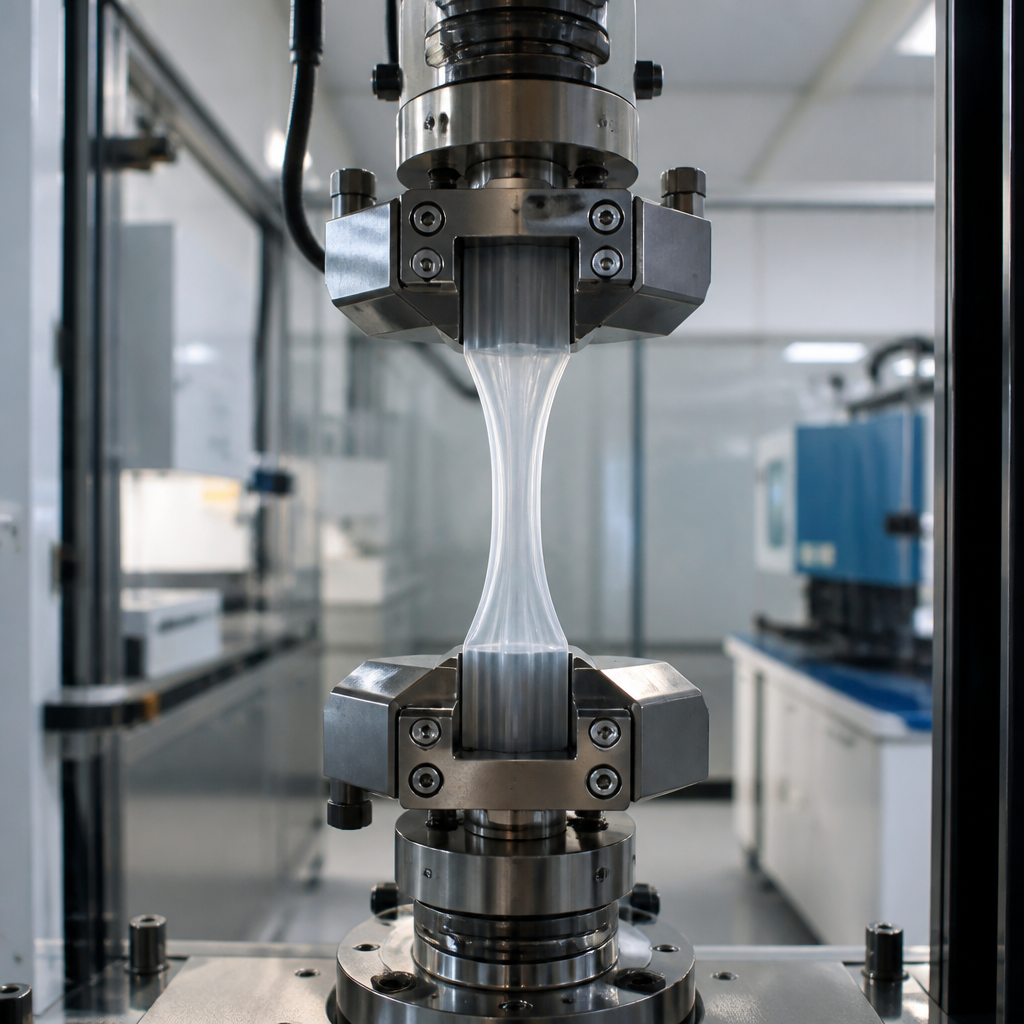
Fatigue testing for polymers has changed from a niche laboratory procedure into a critical discipline for product design, qualification, and life prediction across automotive, medical, aerospace, electronics, and consumer goods manufacturing. In simple terms, fatigue testing measures how a polymer part or specimen behaves when it is loaded repeatedly over time rather than pulled or compressed only once. That distinction matters because many plastics survive a single static load yet fail unexpectedly after thousands or millions of smaller load cycles. As a hub within mechanical testing methods, this topic connects tensile testing, flexural testing, impact testing, creep analysis, fracture mechanics, and environmental aging into one practical framework for understanding durability.
When engineers discuss polymer fatigue, they usually mean progressive damage caused by cyclic stress, cyclic strain, or fluctuating displacement. The key outputs include cycles to failure, stiffness reduction, crack initiation behavior, crack growth rate, and heat buildup. Unlike metals, polymers bring added complexity: viscoelasticity, temperature sensitivity, rate dependence, moisture uptake, molecular orientation, fillers, weld lines, and additive package effects can all shift results dramatically. In my own testing work, I have seen the same nominal polypropylene pass one rotational bending protocol and fail early in tension-tension fatigue simply because molding conditions changed crystallinity and residual stress. That is why innovations in fatigue testing for polymers are not just about faster machines; they are about generating data that better reflects real service conditions.
This matters commercially and technically. Lightweight polymers replace metal in brackets, gears, clips, housings, and implantable components precisely because they cut cost and mass. Yet those benefits disappear if long-term durability is uncertain. A reliable fatigue program helps teams select materials, validate finite element assumptions, set allowable design stresses, compare suppliers, and reduce warranty risk. It also supports regulatory and quality requirements in sectors where failure is unacceptable. Standards from ASTM and ISO still provide the backbone, but the field is advancing through improved instrumentation, multiaxial loading, in-situ imaging, accelerated methods, data analytics, and closer links between laboratory testing and digital modeling. Understanding those innovations gives engineers a clearer path from material characterization to dependable product performance.
Why Polymer Fatigue Testing Differs from Other Mechanical Testing Methods
Mechanical testing methods are often taught separately, but in practice they inform one another. Tensile testing provides modulus, yield behavior, ultimate strength, and elongation. Flexural testing reveals stiffness under bending. Impact testing captures short-duration energy absorption. Creep and stress relaxation describe time-dependent deformation under sustained load. Fatigue testing sits at the center because it borrows from all of them while adding cyclic damage. A polymer with strong tensile strength may still show poor fatigue resistance if internal heat builds rapidly or if crazing develops at stress concentrators. Conversely, a material with moderate static properties can deliver excellent fatigue life when molecular mobility and crack resistance are well balanced.
Several material behaviors make polymer fatigue testing uniquely challenging. First, polymers are viscoelastic, so response changes with frequency and waveform. Second, self-heating can alter the specimen during the test itself, especially at high cycle rates. Third, failure modes vary: brittle crack growth, ductile tearing, delamination in reinforced grades, whitening from craze formation, ratcheting, and stiffness decay can all occur before rupture. Fourth, environmental factors matter more than many teams expect. Humidity can plasticize polyamides, oils can attack stress-cracked regions, and elevated temperature can collapse fatigue life by accelerating molecular motion. Good testing therefore requires stricter control of specimen preparation, conditioning, gripping, and thermal monitoring than many basic static methods.
The most useful modern programs do not treat fatigue as an isolated pass-fail result. They integrate monotonic, cyclic, thermal, and morphological data. A hub article on mechanical testing methods should emphasize that fatigue results become much more actionable when paired with dynamic mechanical analysis, differential scanning calorimetry, microscopy, and fracture surface review. Those connections explain why one resin grade outperforms another and whether the improvement comes from crystallinity, toughener dispersion, fiber length retention, or reduced notch sensitivity.
Core Test Modes, Standards, and What Each Method Reveals
Polymer fatigue testing generally uses tension-tension, tension-compression, fully reversed axial loading, flexural fatigue, rotating bending, torsional fatigue, crack growth testing, and component-level cyclic loading. ASTM D7791 is widely used for uniaxial fatigue behavior of plastics, while ISO 13003 addresses fatigue properties under cyclic loading. For fracture mechanics and crack propagation, laboratories often adapt approaches from ASTM E647, though specimen geometry and interpretation must reflect polymer behavior. Reinforced thermoplastics and thermosets may also require application-specific standards from automotive or aerospace bodies.
Each mode answers a different design question. Axial fatigue is effective for clips, straps, membranes, and loaded structural members where the stress state is primarily tensile. Flexural fatigue better represents housings, beams, snap-fits, and leaf-spring-like parts. Torsional fatigue is important for couplings, shafts, catheters, and living hinge alternatives that twist in service. Crack growth testing is essential when designers need damage tolerance data rather than simple cycles-to-failure values. In consumer electronics, for example, a polycarbonate blend in a thin bracket may pass static bending but fail after repeated opening and closing because a molded knit line acts as a crack starter. A crack growth method can quantify how quickly that defect becomes critical.
| Method | Typical Output | Best Use Case | Main Limitation |
|---|---|---|---|
| Axial fatigue | S-N curve, stiffness loss, cycles to failure | Loaded structural features and simple coupons | May miss bending-dominated service behavior |
| Flexural fatigue | Cycles to crack, modulus decay, heat buildup | Housings, beams, snap-fits, thin sections | Stress distribution is not uniform through thickness |
| Torsional fatigue | Torque-life relationship, angular stiffness | Shafts, connectors, twisted components | Specialized fixtures and alignment are critical |
| Crack growth testing | da/dN versus delta K or energy release rate | Damage tolerance and flaw sensitivity | Data analysis is more complex for viscoelastic materials |
| Component-level cycling | Functional life, failure mode map | Final design validation | Harder to compare across materials directly |
The innovation is not that these methods exist, but that laboratories now combine them strategically. A smart qualification plan might begin with tensile and DMA screening, move to coupon S-N testing at several stress ratios, then confirm with subcomponent cycling under environmental conditioning. That staged approach reduces false confidence and aligns material selection with real geometry and use patterns.
Instrumentation Advances Improving Accuracy and Test Relevance
One of the biggest improvements in recent years is better instrumentation around the specimen rather than only better load frames. Infrared thermography now lets engineers track self-heating in real time and identify when test frequency is artificially accelerating damage. I routinely use thermal limits as a gate before approving a method, because a specimen that rises several degrees above ambient may no longer represent service behavior. Non-contact video extensometry has also improved strain measurement on soft or small polymer samples where clip-on devices can slip, add mass, or create stress concentrations.
Servo-hydraulic systems remain important for higher force and complex waveforms, but electrodynamic and electromagnetic testers have become more capable for polymer work, especially where precise low-force control and high-frequency operation are needed. Modern controllers can maintain sinusoidal, triangular, or custom mission profiles with tighter feedback loops. Load cells with better resolution help capture small stiffness changes early in the damage process. Environmental chambers integrated directly with the machine now support testing at controlled humidity, elevated temperature, sub-ambient conditions, or fluid immersion, which is essential for nylon, PEEK, TPU, and medical-grade materials exposed to body-temperature saline.
Acoustic emission, digital image correlation, and high-magnification in-situ microscopy are also changing how fatigue is interpreted. Instead of waiting for complete fracture, teams can detect crack initiation, local strain concentration, whitening, or fiber-matrix debonding as they develop. For glass-filled polyamide, for instance, DIC can reveal strain localization near weld lines long before the part loses global stiffness. That earlier signal gives designers a way to compare geometries and molding conditions, not just resin grades.
Data Analysis Innovations: From S-N Curves to Predictive Models
Traditional fatigue results are often plotted as S-N curves, showing stress amplitude against cycles to failure on a logarithmic scale. Those curves remain useful, but modern polymer fatigue programs extract much more. Stiffness reduction trends, hysteresis energy, temperature rise, residual strain, and crack growth metrics all provide mechanistic insight. Because polymers are sensitive to load ratio, frequency, and environment, single-line S-N charts can be misleading if presented without context. Better reporting includes confidence intervals, censoring rules for runouts, and clear specimen conditioning history.
Statistical methods have improved decision quality. Weibull analysis helps describe variability in failure life, especially when defect populations or processing variation dominate. Regression models incorporating stress, temperature, humidity, and frequency can build more realistic design envelopes than a single test condition. Time-temperature superposition, though not universally applicable in fatigue, can support durability interpretation for some thermoplastics when validated carefully with real cyclic data. Machine learning is beginning to assist with pattern recognition, but in my experience it works best after sound mechanics and test discipline are already in place. No algorithm can rescue noisy data created by poor alignment or uncontrolled self-heating.
The strongest trend is integration with simulation. Finite element models increasingly use cyclic material inputs, local strain methods, and energy-based damage parameters instead of static allowables alone. For elastomers and highly ductile polymers, strain-life or energy-based approaches often outperform simple stress-life methods. For reinforced polymers, micromechanical and layer-based models can connect fiber orientation from molding simulation to local fatigue performance. That link matters in real products: the same glass-filled bracket may have excellent life in one gate design and weak life in another because orientation, porosity, and weld line placement shift dramatically.
Environmental and Multiaxial Testing Bringing the Lab Closer to Service
The largest gap between laboratory fatigue data and field performance has historically been realism. Many polymer parts do not see neat sinusoidal loading in dry room conditions. They see variable amplitude loads, assembly stress, vibration, chemicals, temperature cycles, UV exposure, and complex stress states. Innovations in fatigue testing now address that gap directly. Multiaxial rigs can combine axial, torsional, and bending loads. Custom fixtures can cycle assembled snap-fits, hinges, seals, and overmolded joints. Programmable profiles can reproduce duty cycles captured from strain gauges or accelerometers in actual products.
Environmental realism is especially important for polymers because chemistry and structure respond to surroundings. Polyamide absorbs moisture and can become more ductile but less stiff. Acetal can behave differently in warm water than in dry air. Polycarbonate may lose durability in the presence of certain cleaners under stress. Medical polymers may experience saline, lipids, sterilization, and body temperature. A fatigue test without proper conditioning can therefore answer the wrong question with great precision.
Accelerated testing remains useful, but only when the acceleration factor is understood. Increasing frequency may shorten test time, yet it can also introduce self-heating and different failure mechanisms. Raising temperature may mimic some long-term effects while masking oxidation or stress cracking pathways that occur in service. The best laboratories validate accelerated protocols against at least a subset of real-time data. When that validation is done, companies can screen material options much faster without sacrificing credibility.
How to Build a Practical Polymer Fatigue Testing Program
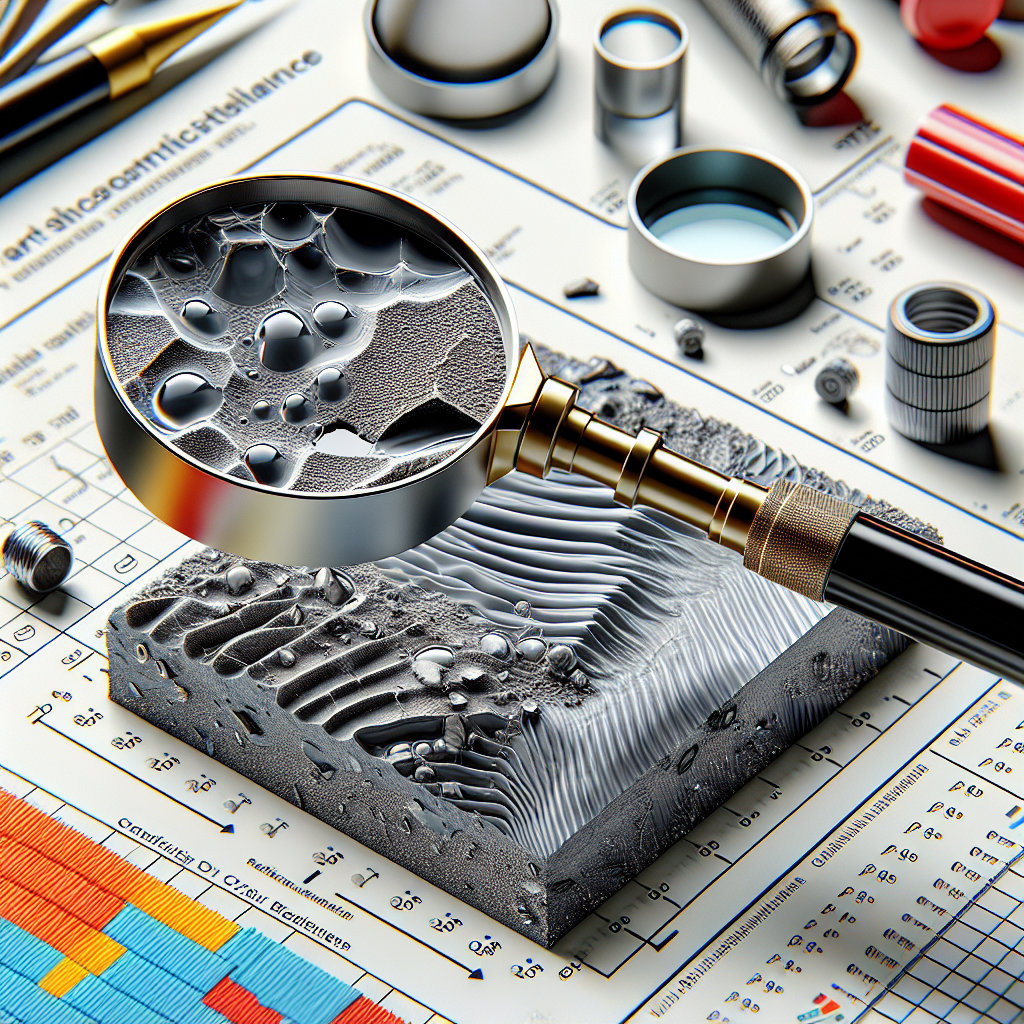
A good program starts with the component, not the machine. Define the service loads, stress concentrations, environment, target life, acceptable failure mode, and manufacturing route. Then select coupon methods that isolate material behavior and component tests that confirm design performance. Include at least three layers of evidence: basic static properties, cyclic durability data, and post-test failure analysis. Fractography with optical microscopy or SEM often explains surprising results by revealing voids, poor fiber wet-out, knit lines, contamination, or brittle zones created by processing.
Material comparison should be disciplined. Match specimen thickness, molding history, conditioning, and surface finish. Report stress ratio, frequency, waveform, temperature, humidity, and failure criterion. Decide early whether end of life means complete fracture, a set percentage drop in stiffness, visible cracking, or functional failure. For products like living hinges or pump diaphragms, functional failure may occur long before full separation. That criterion should mirror how the part is actually used.
As the hub for mechanical testing methods, fatigue testing should also direct readers to related workflows: tensile testing for baseline strength, DMA for viscoelastic mapping, creep testing for sustained load effects, impact testing for toughness, and microscopy for root-cause analysis. Together these methods form a durable evidence chain. If you are reviewing or building a polymer qualification plan, start by aligning fatigue data with the actual service environment, then connect it to the broader mechanical testing toolbox so design decisions rest on complete, realistic material evidence.
Frequently Asked Questions
What is fatigue testing for polymers, and why is it more important today than in the past?
Fatigue testing for polymers evaluates how a plastic material, component, or finished product responds to repeated loading over time rather than a single one-time force. That repeated loading may involve tension, compression, bending, torsion, internal pressure, vibration, or a combination of stress modes that better reflects real service conditions. This matters because many polymer parts can tolerate a high static load once, yet gradually accumulate microscopic damage when exposed to thousands, millions, or even billions of smaller load cycles. Cracks can initiate at stress concentrators, interfaces, weld lines, molded-in defects, or notches long before visible failure appears.
Its importance has grown dramatically because polymers now serve in far more demanding applications than they once did. In automotive systems, plastics are used in under-hood environments, battery enclosures, connectors, and structural assemblies. In medical devices, polymers must survive repeated flexing, sterilization exposure, and long-term use without unpredictable degradation. In aerospace and electronics, lightweight polymer and composite components are expected to perform reliably under vibration, thermal cycling, and complex mechanical stresses. As manufacturers push for lighter, thinner, cheaper, and more sustainable designs, the margin for error becomes smaller, making fatigue performance a central engineering concern rather than a specialized afterthought.
Modern fatigue testing is also more important because product development cycles are faster and field failures are more expensive. Engineers need dependable data for life prediction, material comparison, design validation, regulatory support, and warranty risk reduction. Instead of asking only, “How strong is this polymer?” companies increasingly ask, “How long will it last under real-world cyclic loading?” That shift is exactly why innovations in fatigue testing have become so valuable.
How have innovations in fatigue testing improved the way polymers are evaluated?
Recent innovations have made polymer fatigue testing more realistic, more precise, and more useful for design decisions. Traditional fatigue tests often relied on simplified specimen geometries and constant-amplitude loading under tightly controlled lab conditions. While those methods still provide valuable baseline data, newer approaches are designed to capture the time-dependent, temperature-sensitive, and rate-dependent behavior that makes polymers fundamentally different from metals.
One major improvement is the use of advanced servo-hydraulic, electrodynamic, and electromechanical test systems that can apply highly controlled cyclic loads across a broad frequency range. These systems allow engineers to replicate real loading profiles, including variable-amplitude histories, dwell periods, overload events, and multiaxial stresses. That is a significant step forward because polymer parts in actual service rarely experience perfectly uniform sinusoidal loading. They may instead encounter start-stop cycles, vibration bursts, thermal expansion stresses, and combined mechanical loads that interact in complex ways.
Another key innovation is the integration of environmental control. Modern fatigue testing can now be performed under elevated or reduced temperatures, controlled humidity, chemical exposure, fluid immersion, UV radiation, or sterilization-relevant conditions. Since polymers are highly sensitive to their environment, these capabilities produce far more meaningful durability data. A polymer that performs well at room temperature may behave very differently in a hot engine compartment, a humid electronics housing, or a chemically aggressive medical application.
Instrumentation has improved as well. Digital image correlation, infrared thermography, acoustic emission monitoring, high-resolution extensometry, and in situ crack-growth observation allow engineers to track deformation, heat buildup, damage evolution, and failure initiation with far greater insight than older pass-fail methods. Instead of simply recording the number of cycles to fracture, researchers can study how stiffness changes over time, when local strain concentrations appear, and how internal damage accumulates. This richer dataset supports better material modeling and more reliable service-life predictions.
Data analysis has also advanced. Statistical treatment of fatigue life, machine learning-assisted pattern recognition, and improved constitutive modeling help engineers interpret polymer fatigue behavior more accurately. In short, innovations have moved fatigue testing from a basic durability screen toward a sophisticated predictive discipline that connects laboratory results directly to product design and long-term reliability.
Why is fatigue testing more challenging for polymers than for metals?
Fatigue testing polymers is more challenging because polymers do not behave like simple elastic solids. Their response depends strongly on time, temperature, loading rate, molecular structure, crystallinity, additives, moisture content, processing history, and geometry. Many polymers are viscoelastic, which means their deformation and stress response change with both load duration and frequency. Under cyclic loading, they may exhibit creep, stress relaxation, hysteresis, self-heating, stiffness loss, and damage accumulation all at once. That makes fatigue behavior much harder to isolate and interpret than in many metallic systems.
Temperature sensitivity is one of the biggest challenges. During high-frequency cyclic testing, polymers can generate internal heat through hysteresis losses. That self-heating can soften the material, alter failure mechanisms, and produce artificially short fatigue lives if not carefully monitored and controlled. A test that seems efficient because it runs faster may actually become less representative if the specimen temperature rises significantly above service conditions. For that reason, modern test programs often balance frequency, cooling, and instrumentation very carefully.
Processing history creates another layer of complexity. Injection-molded polymer specimens can vary in orientation, residual stress, weld-line quality, porosity, and local crystallinity depending on gate design, flow path, wall thickness, and molding conditions. Two parts made from the same resin may therefore show different fatigue performance if their manufacturing histories differ. That is why fatigue testing increasingly includes both standardized material coupons and representative molded or assembled components.
Environmental effects are also more pronounced in polymers. Moisture absorption, oxidation, chemical attack, UV exposure, and thermal aging can all shift fatigue performance substantially. In some cases, a polymer may become more brittle over time; in others, it may soften or swell. The failure mode can change from ductile to brittle depending on the exact service environment. As a result, fatigue testing must often account for coupled effects rather than mechanical loading alone.
Finally, polymers can fail through several interacting mechanisms, including crack initiation, craze formation, fiber-matrix debonding in composites, molecular chain scission, environmental stress cracking, and progressive stiffness degradation. Because of this complexity, polymer fatigue testing requires a more holistic approach that combines mechanics, materials science, thermal analysis, and process understanding.
What kinds of new testing methods and technologies are shaping the future of polymer fatigue analysis?
Several emerging methods are reshaping polymer fatigue analysis by making testing both more realistic and more predictive. One important trend is the shift from simple coupon testing toward component-level and subassembly-level fatigue evaluation. Instead of relying only on dog-bone or notched specimens, engineers increasingly test actual molded parts, welded joints, adhesive bonds, lattice structures, and additively manufactured geometries. This provides insight into how real design features such as ribs, bosses, knit lines, inserts, and snap fits influence fatigue life.
Multiaxial fatigue testing is another major development. Many polymer parts do not see pure tension or pure bending in service; they experience combinations of torsion, pressure fluctuation, vibration, and thermal strain. New test systems can impose these combined loads in a controlled way, helping engineers identify failure modes that would be missed in simplified single-axis experiments. This is especially valuable in sectors like automotive, aerospace, and medical devices, where service conditions are dynamic and complex.
Noncontact measurement tools are playing a growing role. Digital image correlation can map full-field strain and reveal where damage begins before a visible crack forms. Infrared thermography can track localized heating that signals internal energy dissipation and damage progression. X-ray computed tomography and microscopy can be used before and after testing to connect internal defects or microstructural changes to fatigue performance. These tools allow engineers to move beyond cycle-to-failure numbers and understand the physical reasons behind failure.
Another important innovation is the coupling of fatigue testing with simulation. Experimental data are increasingly used to calibrate finite element models, viscoelastic constitutive laws, and fatigue damage algorithms specific to polymers and polymer composites. This creates a feedback loop in which testing informs simulation, and simulation helps refine the test plan. In practical terms, that means fewer design iterations, better optimization, and more confidence in lifetime predictions before full-scale product launch.
Accelerated testing strategies are also evolving. Researchers are finding better ways to speed up fatigue characterization without distorting the underlying damage mechanisms. This can include carefully selected frequencies, stepped loading protocols, and time-temperature approaches tailored to polymer behavior. At the same time, data science and machine learning are beginning to help identify correlations across large material datasets, which may shorten development timelines for new resin systems, recycled polymers, and reinforced compounds.
How should manufacturers use polymer fatigue testing results in product design and quality assurance?
Manufacturers should treat polymer fatigue testing as a decision-making tool that connects materials selection, design engineering, manufacturing control, and field reliability. The first step is to use fatigue data early in development, not just at the validation stage. When engineers compare candidate materials, they should look beyond tensile strength and stiffness to understand cyclic durability under expected service conditions. A resin with impressive static properties may still perform poorly under repeated loading, elevated temperature, or chemical exposure. Early fatigue data can prevent costly late-stage redesigns.
In product design, fatigue results should be used to identify allowable stress or strain limits over the intended service life. This includes