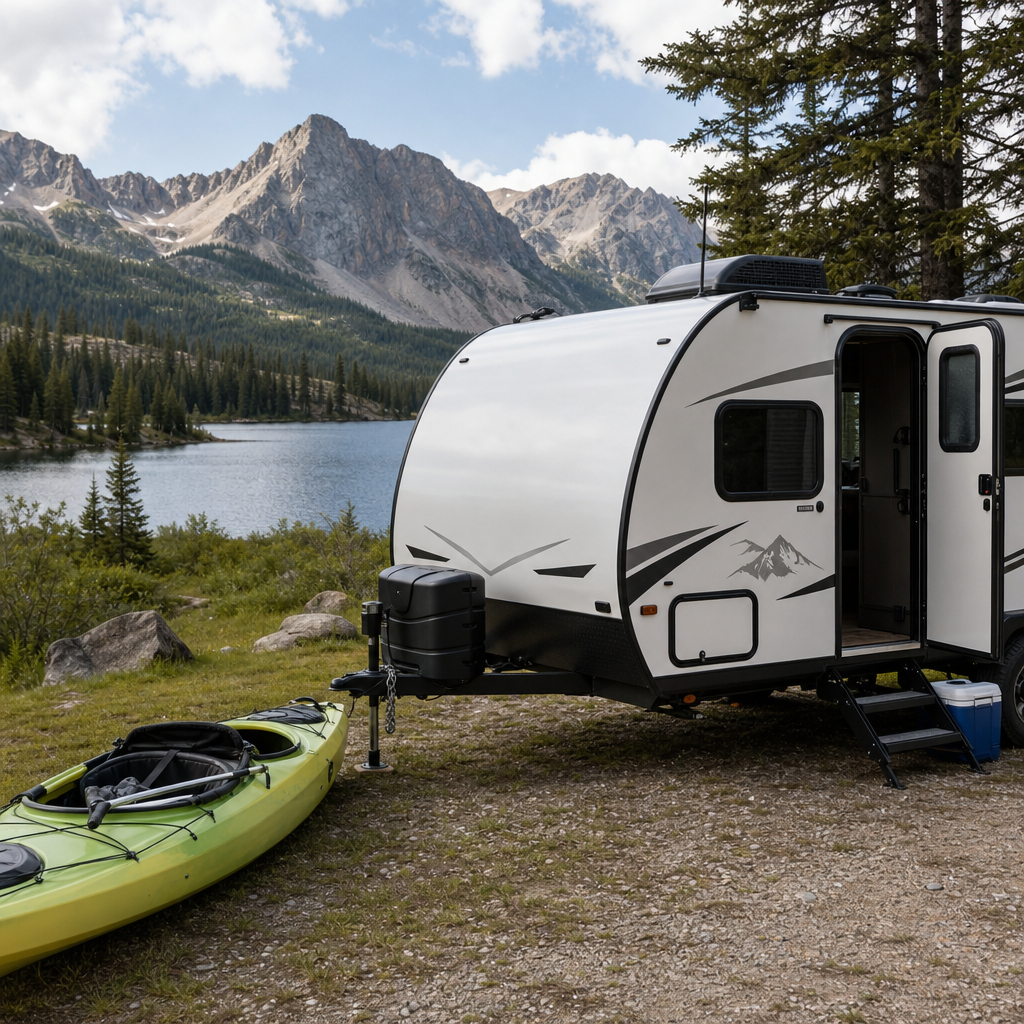
Polymers in recreational vehicles and equipment shape nearly every modern sports and leisure product, from kayak hulls and ski boots to caravan sealants and inflatable paddle boards. In this context, polymers are long-chain materials that include commodity plastics such as polyethylene and polypropylene, engineering resins such as polycarbonate and nylon, elastomers such as EPDM and thermoplastic polyurethane, and matrix systems used in fiber-reinforced composites. I have worked with these materials in product development and failure review, and the pattern is consistent: the right polymer choice lowers weight, improves weatherability, increases design freedom, and reduces maintenance, while the wrong choice leads to cracking, discoloration, odor, delamination, or premature fatigue. For manufacturers, fleet operators, and consumers, polymer selection is not a cosmetic detail. It controls safety, lifecycle cost, recyclability, and user experience across the full range of sports and leisure applications.
This Sports and Leisure hub article explains how polymers are used in recreational vehicles and equipment, why certain families dominate specific products, and what tradeoffs matter when specifying materials. Recreational vehicles include caravans, motorhomes, camper vans, trailers, personal watercraft components, and interior systems used for camping and travel. Equipment spans bicycles, helmets, racquets, protective gear, surfcraft, fishing products, outdoor furniture, tents, coolers, and wearable accessories. Key performance terms appear repeatedly across these categories. Impact resistance describes a material’s ability to absorb sudden force without fracturing. UV stability measures resistance to sunlight-driven degradation. Creep is the slow deformation that occurs under sustained load. Hydrolysis resistance matters where heat and moisture combine, such as humid interiors, marine environments, or hot-wash cleaning. Flame performance, volatile organic compound control, and low-temperature toughness are equally important in enclosed cabins and exposed outdoor gear. Understanding these properties helps explain why one polymer succeeds in a ski binding while another is better in a roof vent or storage tank.
The topic matters because sports and leisure products are unusually demanding. They face ultraviolet radiation, salt spray, mud, sweat, freeze-thaw cycling, abrasion, impact, fuel exposure, and repeated loading, often while users expect bright colors, low weight, and affordable pricing. A recreational vehicle door liner may need dimensional stability in summer heat, while a mountain bike pedal body must survive sharp impacts and fatigue. An inflatable boat skin must remain flexible after years of folding, and a helmet shell must distribute force predictably while preserving comfort and low mass. These demands have pushed polymer science well beyond simple substitution for metal or wood. Today, additive packages, coextrusion, foam processing, rotational molding, reaction injection molding, and continuous-fiber reinforcement allow tailored solutions for specific use cases. As the hub for Sports and Leisure, this article provides the framework that connects those applications and points to the recurring material decisions behind durable, high-performing products.
Core Polymer Families Used Across Sports and Leisure
The first question most readers ask is simple: which polymers appear most often in recreational vehicles and equipment? In practice, the leaders are polyethylene, polypropylene, PVC, ABS, polycarbonate, polyamide, polyurethane, polyester, epoxy, silicone, and thermoplastic elastomers. Polyethylene is widely used in kayak hulls, water tanks, cooler bodies, cutting boards for camp kitchens, and protective packaging because it is tough, chemically resistant, and economical. High-density polyethylene performs especially well in rotational molding, a process that creates seamless hollow parts for tanks and cargo boxes. Cross-linked polyethylene can improve stress crack resistance in demanding storage applications, though it complicates recycling. Polypropylene is common in interior trims, battery housings, living hinges, storage bins, and fibers for carpets because it has low density and good fatigue resistance. Talc-filled or glass-filled grades raise stiffness when panels must keep their shape in heat.
ABS and polycarbonate serve where appearance and impact matter together. ABS is easy to thermoform and paint, so it is common in interior panels, fairings, and luggage shells. Polycarbonate is clearer and tougher, making it useful for visors, glazing, light lenses, and transparent guards. Blends such as PC/ABS are popular in control housings and recreational electronics because they balance toughness, processability, and heat resistance. Nylon, particularly PA6 and PA66, appears in gears, pedal components, bindings, fasteners, and textile reinforcements because it combines strength and wear resistance. Moisture absorption, however, changes dimensions and mechanical behavior, so designers must account for conditioning. Polyurethanes cover a broad range: rigid foams insulate refrigerated boxes and RV walls, flexible foams cushion seating and protective pads, while thermoplastic polyurethane provides abrasion resistance in wheels, bladders, hoses, coatings, and inflatable structures. In composite-intensive equipment such as bicycles, snowboards, surfboards, and premium vehicle panels, polyester and epoxy resins bind glass or carbon fibers into lightweight structural laminates.
Elastomers and sealants are just as critical even when they are less visible. EPDM seals are standard in roof systems, window gaskets, and weather stripping because they resist ozone, water, and temperature swings. Silicone sealants handle broad service temperatures and are often used around glazing or exterior penetrations. Thermoplastic elastomers appear in grips, overmolded handles, anti-slip feet, and soft-touch controls. PVC remains important in flooring, coated fabrics, wire insulation, and some inflatable products, although pressure around plasticizers and end-of-life disposal has shifted many brands toward TPU or polyolefin alternatives. The key point is that no single polymer wins everywhere. Recreational vehicles and equipment rely on families of materials selected for processing method, regulatory requirements, cost targets, tactile feel, and service environment. Good engineering starts by matching the polymer’s real behavior, not its marketing description, to the actual use case.
How Polymers Improve Recreational Vehicles
In recreational vehicles, polymers are central to weight reduction, thermal comfort, moisture control, and manufacturing efficiency. Every kilogram removed from a caravan panel, storage compartment, or furniture assembly improves towability or fuel economy. Sandwich panels with polymer foam cores and fiber-reinforced skins are now common in sidewalls, roofs, and floors because they deliver high stiffness at low mass. Expanded polystyrene, extruded polystyrene, polyurethane, and PET foam cores each appear in these constructions depending on required compressive strength, temperature range, and recycling strategy. I have seen sidewall failures trace back not to the skin itself but to water ingress at joints, where the adhesive and sealant package was underspecified. That is why polymer performance in RVs must be viewed as a system: laminates, tapes, mastics, sealants, membranes, and fastener isolators all work together.
Interiors provide another clear example. Polypropylene and ABS trims reduce assembly cost, resist casual impact, and can be textured to hide scratches. Vinyl flooring and thermoplastic olefin surfaces stand up to muddy shoes and wet gear better than many traditional coverings. Polyurethane seat foams improve comfort over long trips, while melamine-faced laminates and thermoplastic edge bands protect cabinets from humidity cycling. Water systems rely heavily on polymer pipes, fittings, tanks, and pump housings because corrosion resistance matters in intermittent-use environments. Cross-linked polyethylene tubing is widely used in plumbing for its flexibility and freeze tolerance. Sanitation hoses often use specialized compounds to limit odor permeation, a practical issue many owners discover only after a poor material choice. Exterior components such as skylights, vents, awnings, and light housings frequently combine polycarbonate, acrylic, PVC-coated fabrics, and EPDM seals to balance clarity, weatherability, and impact strength.
Battery enclosures, cable insulation, solar panel backsheets, and electronics housings show how polymer requirements are evolving. As off-grid systems expand, materials must manage heat, resist flame propagation, and maintain dielectric performance. Standards vary by region and application, but designers commonly work to UL flammability ratings, ISO mechanical tests, and automotive-style environmental cycling. Low smoke and low odor are increasingly relevant in enclosed living spaces. Another trend is replacing wood-intensive interiors with recyclable thermoplastic composites that resist swelling and reduce formaldehyde concerns. The tradeoff is that polymer-heavy construction can complicate repairs if bonding systems are proprietary or if hidden moisture damages a laminate core. Well-designed recreational vehicles address this by using serviceable joints, documented repair kits, and materials with known compatibility, rather than relying on generic sealants that may not adhere consistently over time.
Polymers in Sports Equipment and Outdoor Gear
Sports equipment uses polymers to tune performance in ways metals alone cannot. In cycling, carbon fiber reinforced epoxy dominates premium frames, forks, rims, and handlebars because it allows directional stiffness and low mass. Manufacturers place fibers strategically to resist pedaling loads, vibration, and impact, then verify layups through fatigue and impact testing. Lower-cost bikes often use glass-filled nylon for pedals, bottle cages, chain guides, and clips. Helmets combine expanded polystyrene or expanded polypropylene foam liners with polycarbonate or ABS shells. The foam crushes to absorb energy, while the shell spreads load and resists penetration. In snow sports, thermoplastic ski boot shells use polyurethane, Pebax, or polyolefins to balance stiffness, rebound, and cold-weather toughness. Snowboards and skis rely on epoxy matrices, UHMWPE sidewalls, polyamide topsheets, and sintered polyethylene bases selected for wax uptake and abrasion resistance.
Marine and paddle sports provide equally strong examples. Rotomolded polyethylene kayaks are popular because they tolerate rock strikes and rough handling better than brittle materials, making them ideal for rental fleets and beginners. Composite kayaks using fiberglass, aramid, or carbon fiber in epoxy or polyester matrices are lighter and faster but costlier and more repair-sensitive. Stand-up paddle boards and inflatable boats increasingly use drop-stitch constructions with PVC or TPU skins. TPU generally offers better abrasion resistance, weldability, and environmental profile, while PVC remains common because of cost and mature supply chains. In fishing equipment, nylon monofilaments, fluoropolymer lines, EVA grips, polypropylene tackle boxes, and glass-filled reel components illustrate how polymers address flexibility, water resistance, and corrosion concerns simultaneously. Tents, backpacks, and sleeping systems depend on nylon and polyester fabrics with PU, silicone, or fluorine-free durable water repellent treatments to manage tear strength, waterproofness, and packability.
The table below summarizes common material choices across representative sports and leisure products.
| Product | Common Polymer | Why It Is Used | Main Limitation |
|---|---|---|---|
| Kayak hull | HDPE | Tough, impact resistant, rotomoldable | Heavier than composites |
| Helmet liner | EPS or EPP | Energy absorption at low weight | Damage can be hard to detect |
| RV roof seal | EPDM or silicone | Weather and ozone resistance | Surface preparation is critical |
| Bicycle frame | Carbon/epoxy composite | High stiffness-to-weight ratio | Higher cost, impact sensitivity |
| Inflatable board skin | PVC or TPU | Flexible, weldable, watertight | PVC disposal concerns, TPU cost |
| Cooler body | PE with PU foam | Tough shell and strong insulation | Multi-material recycling is difficult |
Performance Criteria, Testing, and Failure Modes
Choosing a polymer for sports and leisure applications requires more than matching a datasheet number. Real products fail through combined stresses: UV plus impact, moisture plus heat, or fatigue plus chemical exposure. The most important performance criteria usually include impact strength, tensile and flexural modulus, heat deflection temperature, environmental stress cracking resistance, abrasion resistance, color stability, dimensional stability, and flammability. In footwear and protective gear, compression set and rebound are crucial. In inflatable and marine applications, air retention, seam strength, and hydrolysis resistance can determine warranty outcomes. Designers use tests such as Izod or Charpy impact, DSC for thermal transitions, FTIR for degradation analysis, QUV weathering, salt spray exposure, and dynamic fatigue protocols. For composites, interlaminar shear strength, fiber volume fraction, and void content are essential indicators of quality.
Common failures follow recognizable patterns. Polycarbonate glazing can craze if it encounters incompatible cleaners or high residual molding stress. Nylon gear housings can lose dimensional control if moisture conditioning was ignored. Polypropylene clips may whiten and crack in cold impact if the grade lacks proper modifiers. Adhesive-bonded RV panels can delaminate when water enters through a poorly sealed edge and degrades the core bond line. TPU parts exposed to certain humid, hot conditions can hydrolyze if the chemistry is not matched to the service environment. PVC-coated fabrics can stiffen and crack after plasticizer loss or prolonged UV exposure. In my experience, many field problems are not caused by the polymer family itself but by additive package choices, pigment interactions, processing defects, or assumptions that indoor-use grades will survive exterior service. The discipline is in validating the full system with realistic aging and abuse scenarios.
Safety and compliance add another layer. Helmet materials must work as part of a certified system, not as isolated components. RV interior materials may need to meet flame and smoke requirements depending on market and installation zone. Food-contact polymers used in water bottles, coolers, and camp kitchen components must align with applicable regulations such as FDA or EU framework requirements. Manufacturers that manage these demands well create material specifications linked to supplier approval, incoming inspection, and change control. That matters because a seemingly minor shift in resin source, regrind content, or UV stabilizer package can alter long-term behavior substantially. Reliable sports and leisure products come from disciplined validation, not guesswork.
Sustainability, Repairability, and Future Material Trends
Sustainability in sports and leisure polymers is moving from marketing language to engineering requirement. The biggest gains often come from lightweighting, longer service life, and designs that reduce replacement frequency. A durable kayak used for ten seasons is usually a better environmental outcome than a fashionable one replaced after two. Recycled polypropylene, recycled PET fabrics, bio-based polyamides, and mechanically recycled polyethylene are increasingly credible in noncritical or semi-structural parts when feedstock control is strong. PET foam cores have gained attention because they can incorporate recycled content and fit some composite recycling strategies better than traditional thermoset-heavy systems. At the same time, there are limits. Safety-critical helmet liners, high-pressure inflatables, and structural composite parts still demand tight property consistency, so virgin or tightly controlled feedstocks remain common.
Repairability is becoming a practical differentiator. Thermoplastics generally offer better prospects for welding, reshaping, and material recovery than thermosets, while bonded sandwich panels and mixed-material laminates can be difficult to disassemble. Some bicycle and outdoor brands now provide spare polymer components, patch kits, replaceable wear strips, or modular shells to extend product life. In RVs, replaceable corner moldings, serviceable seal systems, and documented adhesive compatibility charts reduce owner frustration and landfill waste. Looking ahead, expect more thermoplastic composites, mono-material packaging for accessory products, halogen-free flame-retardant systems, PFAS-free water repellency in textiles, and digital material passports that track resin identity for future recycling. The main benefit remains unchanged: polymers, when selected and validated correctly, enable lighter, safer, more comfortable recreational vehicles and better-performing equipment across Sports and Leisure. If you are building, buying, or specifying products in this category, start with the service environment, match it to the right polymer family, and demand evidence from testing rather than assumptions.
Frequently Asked Questions
What kinds of polymers are most commonly used in recreational vehicles and outdoor equipment?
Recreational vehicles and sports equipment rely on a wide range of polymers because no single material can deliver every property designers need. In practice, manufacturers choose polymers based on the balance of weight, impact resistance, weatherability, flexibility, cost, and ease of processing. Commodity plastics such as polyethylene and polypropylene are extremely common because they are lightweight, chemically resistant, and economical. You will find polyethylene in kayak hulls, water tanks, liners, and various molded outdoor products, while polypropylene is widely used in interior components, storage systems, housings, and trim.
Engineering polymers are selected when higher performance is required. Polycarbonate is valued for transparency and impact strength, so it appears in glazing, protective covers, visors, and lens applications. Nylon is used where toughness, wear resistance, and mechanical strength matter, including buckles, gears, bushings, and structural hardware. ABS, acetal, and reinforced thermoplastics also show up in many recreational products because they machine or mold well and can handle repeated use in demanding environments.
Elastomers play an equally important role. EPDM is widely used in seals, gaskets, weatherstripping, and roofing membranes because it resists ozone, water, and temperature swings. Thermoplastic polyurethane, or TPU, is common in inflatable paddle boards, protective skins, flexible housings, and abrasion-resistant coatings because it combines flexibility with toughness. Silicone, neoprene, and other elastomer systems are often used where sealing, cushioning, or soft-touch durability is needed.
Fiber-reinforced composites bring another level of performance. In these materials, a polymer matrix such as polyester, vinyl ester, or epoxy binds reinforcing fibers like glass or carbon. These systems are common in boat structures, panels, high-end sporting goods, and lightweight RV components because they can deliver impressive stiffness-to-weight ratios. In short, the polymer landscape in recreational vehicles and equipment is broad by necessity: each class of material solves a different engineering problem, and the best products usually combine several polymers in a carefully designed system.
Why are polymers so important for reducing weight in RVs, boats, and sports gear?
Weight reduction is one of the main reasons polymers have become foundational in recreational vehicles and outdoor equipment. A lighter material allows designers to improve fuel efficiency, towing performance, portability, handling, and user comfort all at once. In an RV, reducing the weight of panels, tanks, seals, interior assemblies, and exterior trim can translate directly into better payload capacity and lower energy demand. In kayaks, bicycles, skis, paddle boards, and camping gear, lighter products are easier to transport, maneuver, and store, which has a major effect on the user experience.
Polymers help because many of them have much lower density than metals, glass, or ceramics. This means a designer can often replace a heavier material with a polymer or polymer composite and maintain acceptable performance at a fraction of the mass. Even when the polymer itself is less stiff than metal, smart part design can compensate through geometry, ribbing, wall optimization, or reinforcement. That is why molded plastic housings, composite panels, and elastomeric assemblies are so prevalent in modern leisure products.
Composites are especially important in this area. Glass-fiber- and carbon-fiber-reinforced polymer systems can provide high strength and stiffness with relatively low weight, which is why they are used in boat hulls, performance paddles, bike components, helmets, and structural panels. In RV manufacturing, composite wall and roof structures can help reduce mass while improving corrosion resistance and enabling more integrated part design. That combination of weight savings and functional consolidation is often more valuable than weight reduction alone.
There is also a practical manufacturing advantage. Many polymer parts can be molded into complex shapes in a single operation, reducing the need for fasteners, secondary assembly, and multi-material construction. Fewer parts often mean less weight, lower production cost, and fewer potential failure points. So when people talk about polymers as lightweight materials, they are really talking about a broader engineering benefit: polymers make it possible to design products that are easier to move, more efficient to use, and often more durable in the field.
How do polymers hold up against sunlight, water, temperature changes, and outdoor wear?
Outdoor durability is one of the most important considerations in recreational applications, and polymers can perform extremely well when they are properly selected and formulated. However, durability is never automatic. Exposure to ultraviolet light, moisture, oxygen, heat, cold, and mechanical abrasion can all degrade polymers over time. The key point is that modern polymer systems are usually engineered with stabilizers, additives, coatings, fillers, and reinforcements that help them withstand these environmental stresses far better than many people assume.
UV exposure is one of the biggest challenges because sunlight can break chemical bonds in susceptible polymers, leading to chalking, fading, embrittlement, or surface cracking. To address this, manufacturers may use UV stabilizers, carbon black, pigments, protective films, gel coats, or co-extruded cap layers. Polyethylene, polypropylene, PVC, acrylics, polycarbonate, and polyurethane systems can all be improved significantly with the right stabilization package. This is why one outdoor plastic component may last for years while another, seemingly similar one, degrades quickly: formulation quality and processing discipline matter enormously.
Water resistance is another strength of many polymers. Unlike metals, most plastics do not rust, and many elastomers and composites are well suited for wet environments. That makes them ideal for kayaks, paddle boards, marine interiors, RV seal systems, and protective housings. Still, water exposure can create problems if the wrong material is chosen. Some polymers absorb moisture, which may affect dimensions or mechanical properties. Adhesive joints, foam cores, and composite laminates also need to be designed to resist water ingress over long service periods.
Temperature swings add complexity. Recreational vehicles and outdoor gear may see freezing nights, hot storage conditions, intense summer sun, and rapid thermal cycling. Good polymer design accounts for these conditions by choosing materials with suitable impact performance at low temperatures, adequate heat resistance at high temperatures, and acceptable thermal expansion characteristics. EPDM remains flexible in harsh weather, TPU can retain toughness in demanding use, and properly formulated composites can handle broad service ranges. In real-world products, durability depends on the complete system: the base polymer, additives, wall thickness, part geometry, processing quality, and maintenance all work together to determine how the material will age outdoors.
What is the difference between standard plastics, elastomers, and composite polymers in recreational applications?
These categories are related, but they serve very different functions. Standard plastics, often called thermoplastics in this context, are materials that can be melted and reshaped during processing. Examples include polyethylene, polypropylene, polycarbonate, and nylon. They are used for rigid or semi-rigid parts such as housings, tanks, panels, fittings, paddles, shell structures, and consumer hardware. Their appeal comes from efficient manufacturing, low weight, corrosion resistance, and the ability to mold complex geometries with repeatable quality.
Elastomers are polymers designed to be flexible and recover their shape after deformation. They are used where sealing, cushioning, grip, vibration isolation, or stretch is required. In recreational vehicles, elastomers appear in window seals, roofing membranes, gaskets, hose systems, and weather barriers. In sporting goods, they may be used in flexible bladders, inflatable structures, grip surfaces, protective bumpers, or abrasion-resistant skins. Materials such as EPDM, silicone, neoprene, and TPU are selected because they can tolerate repeated flexing and environmental exposure while maintaining performance.
Composites are different because they combine a polymer matrix with a reinforcing phase, usually glass fiber or carbon fiber. The matrix may be polyester, vinyl ester, or epoxy, and its job is to bind the reinforcement, distribute loads, and protect the structure. The reinforcement provides much of the strength and stiffness. This creates a material system that can outperform unreinforced plastics in structural applications, especially where high stiffness-to-weight ratio is important. That is why composites are so common in boat parts, high-performance paddles, body panels, helmets, skis, and premium RV structures.
The best way to think about the distinction is by function. Standard plastics are often chosen for shaped parts and general-purpose structural or cosmetic roles. Elastomers are chosen for flexibility, sealing, and resilience. Composites are chosen when a lightweight structure must carry more demanding loads. In many products, all three categories appear together. A single recreational product might use a composite shell, thermoplastic fittings, and elastomeric seals. Understanding that layered material strategy is essential to understanding why polymers are so central to modern recreation and mobility design.
How should manufacturers and buyers evaluate polymer quality, longevity, and suitability for a specific use?
Evaluating polymer quality starts with understanding that the name of the material alone is not enough. Knowing that a part is made from polyethylene, nylon, TPU, or polycarbonate is useful, but it does not tell the full story. Grade selection, additives, fillers, reinforcements, processing conditions, and part design can change performance dramatically. Two products made from the same broad polymer family may behave very differently in impact resistance, UV stability, fatigue life, chemical resistance, and long