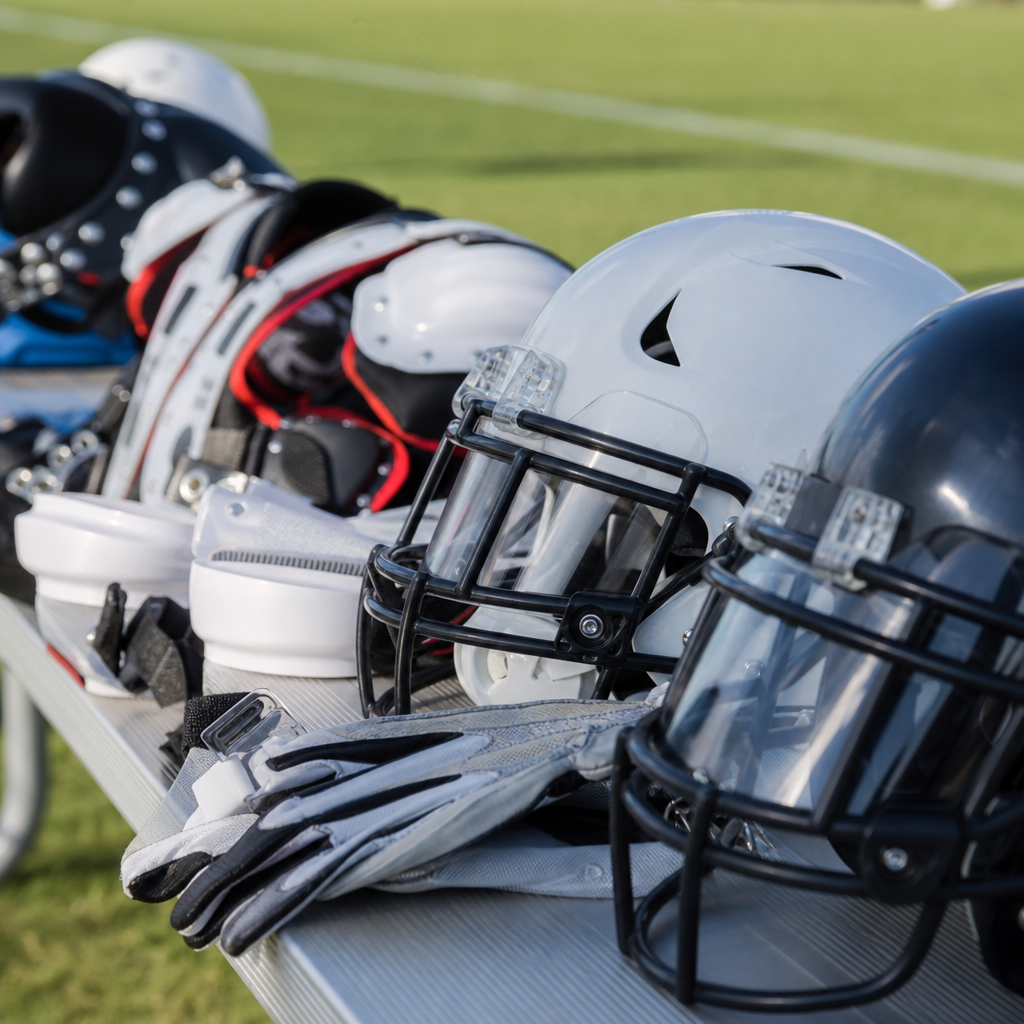
Polymers have transformed sports safety gear from heavy, rigid equipment into lighter, smarter, and more effective protection that athletes actually want to wear. In materials science, a polymer is a substance made of long molecular chains, and those chains can be engineered to create very different properties, from soft foams and flexible textiles to high-impact shells and cut-resistant fibers. In sports and leisure, that versatility matters because protection only works when it matches the real demands of movement, speed, heat, sweat, repeated impact, and comfort over long sessions. I have worked with protective product teams and materials suppliers long enough to see the same pattern repeatedly: the best safety advances rarely come from a single dramatic invention, but from steady polymer improvements in energy absorption, weight reduction, fit, ventilation, and durability.
The impact of polymers on sports safety gear is visible across helmets, pads, gloves, mouthguards, footwear, eye protection, and compression garments. Expanded polystyrene, expanded polypropylene, thermoplastic polyurethane, polycarbonate, ethylene-vinyl acetate, silicone, aramid blends, and advanced elastomers now appear in products used by cyclists, football players, climbers, skiers, hockey goalies, skateboarders, and recreational runners. Each material solves a different safety problem. Some polymers spread force across a wider area. Others compress to absorb kinetic energy. Some resist penetration or abrasion, while others maintain flexibility at low temperature or recover shape after repeated loading. That is why polymer selection is not a cosmetic detail; it is the engineering core of modern sports protection.
This matters beyond elite competition. Community sports programs, school athletics, youth recreation, and fitness activities all depend on gear that balances safety, cost, maintenance, and compliance with recognized standards. Parents ask whether a helmet can reduce concussion risk. Coaches need shin guards and chest protectors that stay in place. Facility managers want mats that absorb falls without breaking down after a season. Athletes care about breathability and mobility because uncomfortable equipment is often worn incorrectly or not worn at all. As this Sports and Leisure hub page shows, polymers are central to solving those practical questions. They enable safer design, but they also shape manufacturing methods, certification testing, sustainability choices, and the next generation of intelligent equipment.
Why polymers dominate modern sports protection
Polymers dominate sports safety gear because they offer the rare combination of tunable performance, low mass, scalable manufacturing, and reasonable cost. Metals and ceramics still have niche roles, but they are usually too heavy, too rigid, or too difficult to shape for equipment worn during intense movement. A polymer can be extruded into fibers, molded into shells, foamed into impact liners, laminated into composites, or coated onto fabrics. That processing flexibility lets designers place stiffness, cushioning, grip, and ventilation exactly where the body needs them.
In practical terms, this means a cycling helmet can pair a thin polycarbonate microshell with an expanded polystyrene liner to manage impact while remaining light enough for long rides. A boxing glove can use layered polyurethane foams to control force transmission while preserving hand position. A ski back protector can combine segmented thermoplastic elastomer plates with mesh textiles so the athlete can twist naturally. I have seen prototypes fail simply because the polymer chosen was too temperature-sensitive or took a compression set too quickly. Getting the chemistry right is what separates protective gear that performs in a lab from gear that performs after months of real use.
Another reason polymers lead this category is consistency. Injection molding, blow molding, thermoforming, and foam expansion allow high-volume production with tight tolerances. That is essential for equipment subject to standards from organizations such as ASTM, NOCSAE, EN, and ISO. Safety gear cannot depend on guesswork. It must hit repeatable thickness, density, and dimensional targets, and polymers make that repeatability achievable across millions of units.
Helmet design: shells, liners, and rotational management
Helmets are the clearest example of the impact of polymers on sports safety gear. Most sports helmets rely on a polymer shell to distribute force and a polymer foam liner to absorb energy. Polycarbonate is common in cycling, skate, baseball, and snow sports because it offers strong impact resistance, good toughness, and low weight. Acrylonitrile butadiene styrene, or ABS, appears in harder-use helmets for skiing, skating, and industrial crossover applications because it tolerates repeated knocks and rough handling. Beneath the shell, expanded polystyrene remains the dominant single-impact liner because it crushes predictably and dissipates energy efficiently.
For sports involving multiple lower-energy impacts, expanded polypropylene is often preferred because it recovers better than EPS and withstands repeated compression. That difference matters in hockey, paddlesports, and some training helmets. More recently, helmet systems have added low-friction polymer slip layers and elastomeric dampers intended to reduce rotational acceleration during angled impacts. Those systems do not eliminate concussion risk, and no honest manufacturer should claim that they do, but they can address impact mechanics that older shell-and-foam designs did not target as directly.
Ventilation, fit, and retention also depend on polymers. Nylon webbing, acetal buckles, thermoplastic fit cages, and moisture-managing padding determine whether the helmet stays correctly positioned during motion. A certified helmet worn loosely or tilted back performs poorly. In product reviews and field evaluations, I repeatedly find that user compliance improves when polymer components reduce pressure points and simplify adjustment. The safety benefit of materials science is therefore mechanical and behavioral at the same time.
Foams, pads, and body armor for contact and fall protection
Outside helmets, polymer foams are the workhorses of impact management. Ethylene-vinyl acetate, polyurethane foam, nitrile rubber blends, and viscoelastic formulations are used in shoulder pads, shin guards, hip protectors, chest guards, martial arts mats, and goalkeeper equipment. Their job is not just to feel soft. Good protective foam controls deceleration by compressing in a managed way, spreading load, and preventing direct contact with harder structures beneath. Density, cell geometry, rebound rate, and thickness all influence performance.
Viscoelastic polymers are especially important in products that need to be flexible during movement but firmer under sudden load. This is why certain knee pads, mountain bike body armor panels, and snowboard protective shorts feel pliable in the hand yet perform well in drop tests. Brand-specific technologies vary, but the principle is consistent: strain-rate-sensitive materials stiffen when hit quickly. That allows a slimmer profile than older bulky foam stacks. However, these materials are not magic. They can become heavier, trap heat, and lose performance if the formulation degrades through sweat exposure, UV, or repeated laundering.
Layering is the core design strategy. A hard thermoplastic outer cap can reduce localized penetration and help the pad slide rather than grab a surface, while underlying foams absorb energy and improve comfort. In baseball catcher’s gear, hockey elbow pads, and motocross roost guards, these polymer layers are tuned to different threat types: blunt impact, abrasion, and repeated contact. The best products acknowledge tradeoffs honestly, because maximum cushioning, maximum breathability, and minimum bulk rarely occur together in the same construction.
High-performance fibers, textiles, and fit systems
Not all sports safety gear is built around foam. Polymer fibers and textile structures play a major role in abrasion resistance, cut protection, stretch control, and secure fit. Nylon and polyester dominate straps, harnesses, and protective apparel because they combine strength, fatigue resistance, and manageable cost. Aramid fibers, including well-known para-aramid families, add cut and tear resistance in skate, motorsport, and certain glove applications. Ultra-high-molecular-weight polyethylene fibers provide exceptional strength-to-weight performance and appear in cut-resistant layers and specialty protective inserts.
Textile polymers also determine how gear interacts with sweat, temperature, and motion. Moisture management affects skin health and comfort, which in turn affects compliance. Compression sleeves and braces often blend elastane with nylon or polyester to maintain joint support and hold pads in place without restricting circulation. In climbing harnesses, woven polymer webbing must withstand high loads, abrasion, and environmental exposure while remaining flexible enough for repeated tying and adjustment. These are not small details. A protective pad that shifts during a collision or a glove that bunches under load can create failure points even if the impact material itself is sound.
The rise of engineered knit structures has improved low-profile protection for recreational users who dislike traditional bulky gear. For example, urban cycling gloves and trail running packs now integrate polymer reinforcement zones exactly where crash abrasion is most likely. That precision makes safety gear feel more like apparel, broadening use among casual participants who would otherwise skip protection entirely.
How common polymers map to sports safety applications
| Polymer | Typical sports safety use | Key benefit | Main limitation |
|---|---|---|---|
| Polycarbonate | Helmet shells, visors, eye protection | High impact resistance and clarity | Can scratch without coatings |
| Expanded polystyrene | Single-impact helmet liners | Excellent energy absorption per weight | Limited recovery after major impact |
| Expanded polypropylene | Multi-impact liners and pads | Better resilience and repeat impact performance | Usually bulkier than EPS for similar peak management |
| EVA | Shin guards, footwear midsoles, pads | Light cushioning and easy processing | Compression set over time |
| TPU | Protective films, shells, overlays | Abrasion resistance and flexibility | Performance varies widely by formulation |
| Silicone | Mouthguards, seals, grip zones | Comfort, flexibility, and temperature stability | Can tear in thin sections |
Footwear, mouthguards, eyewear, and surfaces
The impact of polymers on sports safety gear extends well beyond obvious protective equipment. Footwear is a safety system, especially in running, court sports, hiking, and field play. Midsole polymers such as EVA, TPU-based foams, and polyether block amide derivatives influence shock attenuation, energy return, and stability. Outsoles made from synthetic rubbers control traction, while thermoplastic heel counters and shanks stabilize motion. Poor traction increases injury risk; too much traction can also be a problem by increasing torsional load at the knee in certain field conditions. Material tuning is therefore critical.
Mouthguards rely on thermoplastic materials, commonly EVA, because they can be thermoformed around the teeth to improve fit and force distribution. Custom dental guards typically outperform basic boil-and-bite models in retention and comfort, but cost is higher. Protective eyewear uses polycarbonate lenses because they combine optical clarity with exceptional impact resistance. In racquet sports, cycling, and shooting disciplines, that property has prevented countless eye injuries that glass lenses would likely have worsened.
Even the playing surface involves polymer engineering. Gym mats, wrestling mats, artificial turf shock pads, and playground-style recreational flooring use foamed polymers and elastomer layers to manage falls. Surface design can never replace proper technique or equipment, but it changes injury outcomes meaningfully. When organizations evaluate sports and leisure safety as a whole, they should consider the athlete, the gear, and the environment as one connected polymer-enabled system.
Standards, testing, maintenance, and end-of-life decisions
Protective gear is only as reliable as its testing, maintenance, and replacement practices. Standards bodies specify impact protocols, penetration thresholds, retention tests, flammability limits, and labeling requirements for many categories. Certification does not prove a product is perfect, but it does establish a baseline that separates engineered protection from marketing claims. In procurement work, I advise buyers to start with the relevant standard, then compare design details, fit range, durability, and user acceptance.
Maintenance matters because polymers age. UV exposure can embrittle certain plastics. Sweat, skin oils, chlorine, salt, and cleaning chemicals can degrade foams, adhesives, and textiles. Repeated compression can cause permanent set, reducing protective thickness. That is why helmet manufacturers specify replacement after significant impact, and why pads and guards should be inspected for cracks, delamination, hardened foam, or failing straps. Recreational users often underestimate this issue, especially when equipment still looks acceptable externally.
Sustainability is the next major challenge. Many high-performing protective products combine multiple bonded polymers, which complicates recycling. Some brands are moving toward mono-material designs, bio-based feedstocks, removable liners, and take-back programs, but compromises remain. A safer product that lasts longer may reduce total waste even if it is not easily recyclable. The most responsible approach is honest lifecycle thinking: buy certified gear, maintain it properly, replace it when performance drops, and support manufacturers investing in better material recovery. For anyone building safer Sports and Leisure programs, that is the practical path forward. Review your current gear, check certification and condition, and upgrade the pieces where polymer innovation delivers the biggest real-world safety gain.
Frequently Asked Questions
1. How have polymers changed sports safety gear compared with older materials?
Polymers have dramatically changed sports safety gear by making protection lighter, more flexible, and far more adaptable than traditional materials such as hard leather, thick rubber, or heavy metal-reinforced components. In materials science, polymers are long-chain molecules that can be engineered for very different functions, which is why they now appear in everything from helmet liners and mouthguards to shin guards, padded compression wear, and cut-resistant gloves. Instead of forcing athletes to choose between comfort and protection, polymer-based designs make it possible to combine both.
One of the biggest improvements is impact management. Older gear often relied on stiffness alone, which could stop penetration or direct blows but did not always handle repeated impacts well or fit the body comfortably. Modern polymer foams and elastomers can compress, absorb energy, and disperse force across a wider area. That means less shock reaches the athlete’s body. In helmets, for example, polymer liners help reduce the force transferred to the head during collisions. In pads and guards, layered polymer systems can cushion contact while still staying light enough for fast movement.
Polymers have also improved wearability, which is crucial in real-world sports performance. Protective equipment is only effective if athletes consistently wear it, and lighter gear with better flexibility is much more likely to stay on during training and competition. Because polymers can be molded into ergonomic shapes, manufacturers can produce equipment that conforms more closely to joints, limbs, and muscle groups. This has helped transform safety gear from something bulky and restrictive into equipment that feels integrated with the athlete’s movement rather than fighting against it.
Another major shift is durability and environmental resistance. Many advanced polymers resist moisture, sweat, UV exposure, and repeated compression better than older materials. That helps gear maintain performance over time instead of quickly becoming misshapen, brittle, or waterlogged. Overall, polymers have redefined sports protection by allowing gear to be tailored for specific risks, sports, and body areas, which has made safety equipment not only more effective but also more acceptable to athletes at every level.
2. Why are polymers so effective at absorbing impact in helmets, pads, and guards?
Polymers are especially effective in sports safety gear because they can be engineered to respond to force in controlled ways. When an athlete takes a hit, falls, or collides with another player or surface, the goal is not simply to block the impact but to manage the energy created by it. Certain polymers, particularly foams and viscoelastic materials, are excellent at doing this because they deform under pressure, absorb part of the energy, and spread the remaining force over a larger area and longer time. That reduces the peak force experienced by the body.
In practical terms, this matters because the human body is sensitive to sudden, concentrated impacts. A very short, sharp force is generally more damaging than the same amount of energy spread out over a fraction of a second longer. Polymer materials help create that buffering effect. Expanded foams used in helmets, for example, crush or compress in a controlled way during impact. Soft polymer pads in protective apparel may stiffen momentarily under sudden force, then return to a flexible state afterward. This combination of softness during movement and protection during impact is one of the biggest reasons polymers are now central to modern sports equipment design.
Another reason polymers are so valuable is that their behavior can be fine-tuned. Manufacturers can alter density, thickness, molecular structure, layering, and cell design to produce different protective outcomes. A cycling helmet, football pad, and skateboarding wrist guard do not face identical hazards, so they should not all use the exact same material strategy. Polymers make customization possible. A softer foam may be ideal for repetitive low-level impacts and comfort, while a denser polymer structure may perform better against high-energy collisions or direct blows.
Importantly, impact absorption is not only about cushioning. It is also about maintaining the right shape, fit, and consistency over time. Advanced polymers can be designed to recover after repeated use, resist cracking, and keep performing even in heat, cold, or wet conditions. This reliability makes them highly effective in sports environments, where gear must handle frequent stress while continuing to protect athletes consistently.
3. What types of polymer materials are commonly used in sports safety gear?
Sports safety gear uses a wide range of polymer materials because different parts of the body and different sports require different kinds of protection. One of the most common categories is polymer foam. These foams are used in helmet liners, shoulder pads, knee pads, and protective inserts because they can absorb and dissipate impact energy. Depending on the application, manufacturers may use soft foams for comfort and repeated cushioning or more rigid foams for stronger impact management. Foam structure, density, and thickness all influence how the material performs.
Hard-shell components often rely on tough thermoplastics such as polycarbonate or similar impact-resistant polymers. These materials are frequently used in helmet exteriors, face shields, and outer guards because they can resist cracking, distribute force, and protect against penetration or abrasion. Their combination of strength and relatively low weight makes them ideal for sports applications where visibility, mobility, and durability all matter. In many products, these hard polymers are paired with softer inner polymer layers to create multi-stage protection.
Elastomers are another important group. These flexible polymers are valuable in mouthguards, flexible joint protection, anti-slip grips, and smart padding systems that stay soft during normal movement but respond differently under sudden force. Their stretch, resilience, and shape recovery help equipment remain comfortable while still offering protection. Textiles and fibers based on polymers also play a major role. High-performance synthetic fibers can provide abrasion resistance, cut resistance, moisture management, and structural reinforcement in gloves, base layers, and protective garments.
In addition, many modern products use composite systems that combine several polymer types in one piece of gear. A helmet might include a rigid polymer shell, an energy-absorbing foam liner, a comfort padding layer, and moisture-wicking synthetic fabric. A shin guard may use a molded thermoplastic exterior with foam backing and flexible polymer straps. This layered approach is one of the reasons polymer technology has become so influential: it allows engineers to build protection systems rather than relying on a single material to do everything. The result is gear that is more specialized, more comfortable, and generally more effective in real athletic conditions.
4. Do polymer-based sports safety products improve athlete comfort and performance as well as protection?
Yes, and that is one of the most important reasons polymers have become so widespread in sports safety gear. Protection cannot be viewed in isolation from comfort and performance because athletes are far more likely to wear equipment correctly and consistently when it feels natural, lightweight, and non-restrictive. Polymer materials make this possible by offering a broad range of properties, including flexibility, softness, elasticity, breathability support, and low weight. This allows safety gear to be designed around the athlete’s movement rather than simply added on top of it as an afterthought.
Lighter equipment reduces fatigue, especially in sports that require speed, endurance, and rapid directional changes. A bulky helmet, heavy chest protector, or stiff leg guard can affect reaction time, balance, and willingness to move freely. Polymer-based designs help reduce that burden while still maintaining protective standards. In many cases, athletes can train longer and perform more naturally because the gear moves with the body. Flexible polymer pads can bend at joints, molded shells can fit body contours more precisely, and stretchable polymer textiles can integrate protection into garments without creating excessive bulk.
Comfort also includes thermal and moisture management. Many modern polymer fabrics and foam systems are designed with ventilation channels, breathable structures, and sweat-resistant properties. That matters because overheating and trapped moisture can make athletes uncomfortable, distracted, or more likely to remove protective gear altogether. By improving airflow and reducing water absorption, polymer-based materials help gear stay more comfortable over long periods of use.
There is also a psychological performance benefit. When athletes trust their equipment and do not feel constrained by it, they are generally more confident in play. They can focus on technique, awareness, and decision-making instead of constantly adjusting gear or worrying about discomfort. So while the primary purpose of sports safety equipment is injury reduction, polymer technology has made it possible to support performance at the same time. That balance between safety, comfort, and usability is one of the clearest examples of why polymers have had such a major impact on sports protection.
5. What should athletes, coaches, and consumers look for when choosing polymer-based sports safety gear?
When choosing polymer-based sports safety gear, the most important factor is whether the product is designed for the specific sport, position, and type of risk involved. Not all impacts are the same, and not all protective gear is built for the same conditions. A helmet for cycling, for example, is engineered differently from one used in football, baseball, climbing, or skate sports. The same principle applies to pads, guards, gloves, and body protection. Because polymers can be customized so extensively, buyers should look for equipment that matches the actual hazards they expect to face rather than assuming any padded product will provide the right level of protection.
Fit is equally critical. Even the most advanced polymer material will not perform as intended if the gear shifts, leaves gaps, or sits incorrectly on the body. A helmet should sit securely and