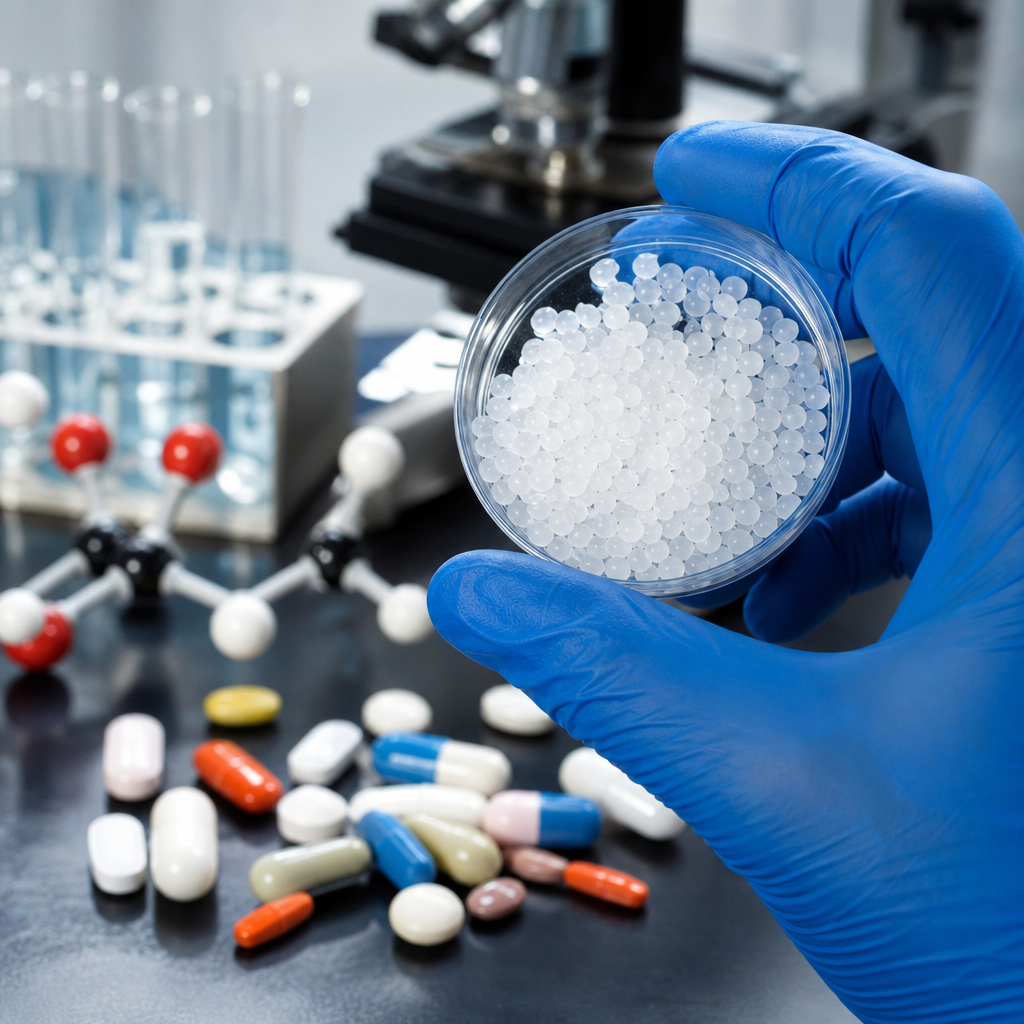
Polymers are central to modern drug delivery systems because they control how a medicine is protected, transported, released, and targeted inside the body. In pharmaceutical science, a polymer is a large molecule made of repeating units, and in drug delivery it functions as more than an inactive carrier. It can improve solubility, stabilize fragile compounds, prolong circulation time, reduce toxicity, and direct a therapeutic payload toward the tissue where it is needed most. I have worked on formulation projects where changing only the polymer grade transformed a drug candidate from unstable and poorly absorbed into a viable dosage form, which is why the subject matters well beyond laboratory theory.
The importance of polymers has grown alongside more complex medicines. Traditional small molecules still dominate prescriptions, but biologics, peptides, nucleic acids, and highly potent oncology agents all present delivery challenges that conventional tablets or injections often cannot solve. Many active pharmaceutical ingredients have low aqueous solubility, rapid metabolism, narrow therapeutic windows, or severe off target effects. Polymer enabled delivery systems address these barriers through microspheres, hydrogels, nanoparticles, implants, coatings, and conjugates. Established materials such as polyethylene glycol, polylactic acid, polyglycolic acid, polycaprolactone, chitosan, alginate, carbomers, and cellulose derivatives each bring distinct mechanical, chemical, and biological properties. As a hub for industry specific case studies, this article explains how polymers enhance drug delivery across therapeutic areas, what mechanisms make them effective, and where the practical limits remain.
How polymers improve drug delivery performance
Polymers enhance drug delivery by solving four recurring formulation problems: instability, poor bioavailability, uncontrolled exposure, and lack of site specificity. A polymer matrix can shield an active ingredient from hydrolysis, oxidation, enzymatic degradation, or premature clearance. For oral formulations, enteric polymers such as hypromellose phthalate and methacrylic acid copolymers resist stomach acid and dissolve at intestinal pH, protecting acid labile drugs and reducing gastric irritation. For injectable systems, biodegradable polymers like PLGA form depots that release a drug over weeks or months as the matrix erodes. This directly reduces dosing frequency and improves adherence.
Controlled release is the most visible polymer contribution, but it is not the only one. Hydrophilic polymers can create amorphous solid dispersions that increase apparent solubility for poorly water soluble compounds. Mucoadhesive polymers such as carbopol or chitosan extend residence time at mucosal surfaces, which is useful in nasal, buccal, ocular, and vaginal delivery. Surface modified polymer nanoparticles can alter biodistribution by reducing opsonization and uptake by the reticuloendothelial system. In practice, formulators select polymer architecture, molecular weight, crystallinity, glass transition temperature, charge, and degradation profile to tune release kinetics and biological interaction. The result is a delivery platform designed around the drug’s liabilities rather than a one size fits all dosage form.
Oncology case studies: targeted delivery and toxicity reduction
Cancer therapy provides some of the clearest examples of polymer value because many anticancer drugs are potent, poorly soluble, and systemically toxic. Polymeric micelles and nanoparticles improve the delivery of hydrophobic chemotherapeutics by encapsulating them in a core shell structure that disperses in aqueous media. Paclitaxel is the classic example. Its original formulation required Cremophor EL, which caused hypersensitivity reactions. Polymer based alternatives have aimed to improve solubility while reducing excipient related toxicity and enabling better tumor accumulation. In development programs I have reviewed, polymer selection was often driven by the need to balance particle stability in circulation with timely drug release once the carrier reached tumor tissue.
Polymer drug conjugates also have a long history in oncology. By attaching a cytotoxic agent to a hydrophilic polymer backbone, formulators can alter pharmacokinetics, reduce peak related toxicity, and sometimes exploit enhanced permeability in tumors. Although the enhanced permeability and retention effect is real in some preclinical settings, its performance in human tumors is variable, so successful oncology delivery depends on more than nanoparticle size alone. Ligand targeting, linker chemistry, tumor microenvironment responsiveness, and manufacturability all matter. Clinical translation has been strongest where the polymer system offers a measurable safety or dosing advantage, not merely elegant design.
Local delivery is another important oncology application. Biodegradable polymer wafers implanted after tumor resection have demonstrated how site specific release can expose residual cancer cells to high drug concentrations while limiting systemic exposure. That principle extends to embolic microspheres, injectable depots, and intraperitoneal systems. Across these examples, polymers improve oncology treatment by making difficult drugs usable, tempering toxic exposure profiles, and supporting localized therapy strategies when anatomy permits.
Long acting injectables in psychiatry and endocrinology
Long acting injectable suspensions and depots are among the most commercially proven polymer enabled systems. In psychiatry, adherence is a major determinant of relapse prevention, yet daily oral antipsychotics are often missed. Biodegradable polymer microspheres made from PLA or PLGA have been used to release antipsychotic drugs over extended periods, turning daily administration into dosing every few weeks or longer. The clinical impact is practical: steadier plasma concentrations, fewer missed doses, and reduced hospitalization risk in appropriately selected patients. Release behavior depends on polymer composition, particle size distribution, residual solvent, drug loading, and water ingress into the matrix. These are not minor processing details; they determine whether the product exhibits an acceptable lag phase, burst release, and maintenance profile.
Endocrinology offers another mature use case. Peptide drugs such as leuprolide have been formulated in polymer depots to support monthly or quarterly treatment. Peptides are highly effective but vulnerable to degradation and typically require injection. A polymer matrix protects the molecule and meters release as the depot hydrates and erodes. Similar strategies are being explored for GLP-1 receptor agonists and other metabolic therapies, where reducing injection frequency can improve persistence. However, long acting systems also introduce tradeoffs. Dose adjustments are slower, injection site reactions can occur, and manufacturing reproducibility is demanding because small changes in polymer molecular weight distribution or microsphere morphology can shift the release curve significantly.
Oral delivery case studies: solubility enhancement and intestinal protection
For oral drug delivery, polymers often determine whether a promising molecule can be absorbed at all. A large share of new chemical entities fall into the low solubility category, especially under the Biopharmaceutics Classification System classes II and IV. Amorphous solid dispersions use polymers such as HPMC-AS, PVP, and copovidone to maintain a drug in a higher energy amorphous state and inhibit recrystallization after dissolution. This can dramatically increase apparent solubility and supersaturation, leading to better absorption. In formulation screening, I have repeatedly seen polymer choice decide whether a dispersion remains stable through accelerated storage or collapses back into a crystalline form.
Enteric coating is another major oral application. Acid sensitive drugs, enzymes, and probiotic related actives benefit when a polymer film prevents release in the stomach and dissolves later in the small intestine. Delayed release aspirin and proton pump inhibitors are familiar examples. Colon targeted systems also rely on polymers, either through pH dependent dissolution, time dependent erosion, or microbial degradation. These approaches matter for inflammatory bowel disease, local antibiotic delivery, and selected peptide programs. The operational value is not abstract: polymers can reduce food effects, improve tolerability, and create the release profile needed to match a disease’s location or circadian pattern.
| Therapeutic area | Polymer approach | Primary benefit | Common limitation |
|---|---|---|---|
| Oncology | Nanoparticles, conjugates, wafers | Lower systemic toxicity and localized delivery | Variable tumor penetration |
| Psychiatry | PLGA microsphere depots | Long acting adherence support | Complex release tuning |
| Endocrinology | Biodegradable injectable depots | Peptide protection and sustained exposure | Limited dose flexibility |
| Oral small molecules | Solid dispersions and enteric coatings | Higher absorption and gastric protection | Physical stability risk |
| Ophthalmology | Hydrogels and inserts | Longer residence time on the eye | Comfort and sterilization challenges |
Ophthalmic and transdermal systems: residence time matters
Drug delivery to the eye is notoriously inefficient because tears, blinking, drainage, and corneal barriers rapidly remove conventional drops. Polymers improve ophthalmic delivery by increasing viscosity, enabling in situ gel formation, and supporting inserts or implants with sustained release. Hyaluronic acid, carbomers, and cellulose derivatives are widely used to prolong residence time on the ocular surface. For posterior segment disease, biodegradable or nonbiodegradable implants can deliver corticosteroids or other agents over months. The clinical rationale is straightforward: less frequent dosing and better maintenance of therapeutic concentrations where repeated topical dosing would fail.
Transdermal systems use polymers differently but with the same goal of controlled exposure. Adhesive matrices, rate controlling membranes, and microneedle coatings rely on polymers to manage skin contact, drug diffusion, and mechanical integrity. Nicotine, fentanyl, buprenorphine, hormone replacement products, and some antiemetics have all benefited from polymer based patches. In newer systems, dissolving microneedles made from biocompatible polymers create microchannels through the stratum corneum and then dissolve, releasing vaccine antigens or small molecules without leaving sharps waste. The biggest lesson from these case studies is that residence time is often the bottleneck. A polymer that keeps the formulation where absorption can occur is frequently more valuable than one that simply carries more drug.
Biologics, nucleic acids, and the next generation of carriers
As the industry shifts toward biologics and genetic medicines, polymer science becomes even more strategic. Proteins and peptides can denature during processing, storage, or injection, so polymers are used as stabilizers, depot materials, and protective excipients. Nucleic acid therapeutics present additional challenges because RNA and DNA are large, negatively charged, and readily degraded by nucleases. Cationic and ionizable polymer systems have been investigated to condense nucleic acids, promote cellular uptake, and facilitate endosomal escape. While lipid nanoparticles currently lead many commercial programs, polymer based carriers remain important in research and niche applications because they offer modular chemistry and tunable degradation.
Stimuli responsive polymers are also moving from concept toward practical relevance. These materials change behavior in response to pH, temperature, enzymes, redox conditions, or specific metabolites. In inflammatory tissues or tumors, a responsive polymer can release a drug faster under local conditions than in healthy tissue. Thermosensitive gels that are liquid during injection and gel at body temperature illustrate the appeal: minimally invasive administration with localized retention. Still, advanced polymers must clear high regulatory and manufacturing hurdles. A clever release mechanism is not enough if sterilization damages the product, scale up changes particle properties, or residual monomer levels raise safety concerns. The winning systems are usually the ones that combine smart design with robust process control.
Manufacturing, regulation, and how to evaluate polymer based systems
Successful polymer drug delivery depends as much on engineering discipline as on chemistry. Critical quality attributes typically include molecular weight distribution, viscosity, residual solvents, degradation products, particle size, drug loading, encapsulation efficiency, burst release, sterility, and container closure compatibility. Analytical methods such as gel permeation chromatography, differential scanning calorimetry, X ray diffraction, dynamic light scattering, scanning electron microscopy, and in vitro dissolution or release testing are standard tools for characterization. Regulators expect a clear link between these attributes and clinical performance under a quality by design framework described in ICH Q8, Q9, and Q10 guidance. For combination products and implants, biocompatibility evaluation under ISO 10993 principles is also essential.
When evaluating a polymer platform, the right question is not simply whether it extends release. Decision makers should ask whether the system improves therapeutic index, patient adherence, manufacturability, shelf life, and total cost of care. They should also examine failure modes early. Does the polymer generate acidic degradation products that destabilize the drug? Is there an initial burst that creates toxicity risk? Can the process be transferred from pilot scale to commercial equipment without changing morphology? Are sterilization and packaging compatible with the material? These practical considerations separate interesting laboratory formulations from durable commercial products. For teams building a broader understanding of case studies and applications, the next step is to compare delivery platforms across specific industries, therapeutic classes, and route specific design constraints, then use those lessons to guide formulation strategy.
Polymers have reshaped drug delivery because they let formulators control exposure with far greater precision than conventional dosage forms. Across oncology, psychiatry, endocrinology, oral delivery, ophthalmology, transdermal therapy, and emerging biologic platforms, the same pattern appears: the right polymer can protect unstable drugs, improve absorption, reduce dosing burden, and lower unwanted toxicity. The details differ by application, but the principle is consistent. Delivery performance is engineered through polymer chemistry, structure, and processing, not left to chance after the active ingredient is chosen.
The strongest industry specific case studies share several traits. They use established materials with well understood degradation and safety profiles. They connect formulation attributes to measurable clinical outcomes such as adherence, local exposure, or adverse event reduction. They acknowledge tradeoffs, including manufacturing complexity, release variability, and dose flexibility limits. Most importantly, they solve a real therapeutic problem rather than adding novelty for its own sake. That is why polymer science remains a core capability in pharmaceutical development, especially as drug molecules become more complex and patient expectations rise.
If you are exploring case studies and applications in this field, use this hub as a starting point for deeper analysis of therapeutic area specific delivery strategies, formulation technologies, and commercial lessons. Map the drug’s main barrier first, then evaluate which polymer system addresses that barrier with the fewest compromises. That approach consistently leads to better development decisions.
Frequently Asked Questions
What role do polymers play in drug delivery systems?
Polymers play a foundational role in drug delivery because they help determine how a therapeutic compound behaves from the moment it is formulated to the moment it reaches its site of action. In modern pharmaceutical systems, polymers are not simply passive ingredients added for bulk or stability. They are carefully selected materials that can protect a drug from premature degradation, improve its solubility in biological fluids, and control how quickly or slowly it is released over time. This is especially important for medicines that would otherwise break down too quickly in the stomach, circulate for too short a time in the bloodstream, or produce unwanted side effects if released too rapidly.
Polymers also influence where a drug travels in the body. By adjusting the polymer’s chemical structure, molecular weight, charge, or responsiveness to environmental triggers such as pH or temperature, formulators can design delivery systems that behave in highly specific ways. Some polymer-based systems are engineered to release medicine gradually over hours or days, while others are designed to remain intact until they reach a particular tissue or cellular environment. This level of control makes polymers essential in applications ranging from oral tablets and injectable depots to nanoparticles, hydrogels, micelles, and implantable devices. In short, polymers enhance drug delivery by improving protection, transport, targeting, release, and overall therapeutic performance.
How do polymers help control the release of a drug in the body?
One of the most valuable functions of polymers in drug delivery is their ability to regulate release kinetics. Instead of allowing a medicine to dissolve and disperse all at once, a polymer matrix, coating, or carrier can be designed to release the active ingredient at a controlled rate. This can happen through several mechanisms, including diffusion of the drug through the polymer network, gradual swelling of the polymer in bodily fluids, erosion or biodegradation of the material, or a combination of these processes. The result is a delivery profile that can be tailored to the needs of the patient and the pharmacology of the drug.
Controlled release offers several major advantages. It can reduce dosing frequency, maintain drug levels within a more consistent therapeutic window, and lower the peaks and troughs that often contribute to side effects or reduced efficacy. For example, a fast-releasing formulation may produce a sharp spike in concentration followed by a rapid decline, whereas a polymer-based sustained-release system can keep the medicine available over an extended period. Polymers can also be engineered to respond to specific biological conditions. A pH-sensitive polymer may resist drug release in the acidic stomach but dissolve in the intestine, while a biodegradable injectable polymer can slowly break down and release medication over weeks or months. This precise release control is one of the main reasons polymers are so important in advanced pharmaceutical design.
Why are polymers important for improving drug stability and solubility?
Many promising drug molecules face practical formulation problems long before they can become effective therapies. Some are poorly soluble in water, which limits absorption and bioavailability. Others are chemically unstable and may degrade when exposed to moisture, oxygen, enzymes, light, or acidic conditions in the gastrointestinal tract. Polymers are widely used to address these challenges because they can create a more favorable microenvironment for the active pharmaceutical ingredient and help preserve its therapeutic integrity during storage and after administration.
In terms of solubility, polymers can enhance the apparent dissolution of poorly water-soluble drugs by forming dispersions, encapsulating hydrophobic compounds in carrier systems, or preventing crystallization so the drug remains in a more bioavailable form. This is particularly important for many modern small-molecule drugs, which often have strong potency but limited aqueous solubility. For stability, polymers can shield sensitive molecules such as peptides, proteins, and nucleic acid therapeutics from degrading conditions and enzymatic attack. They may also reduce aggregation, improve shelf life, and preserve the drug during transit through the body. In practical formulation work, this means polymers often make the difference between a molecule that performs inconsistently and one that can be delivered safely, reproducibly, and effectively to patients.
Can polymers help target drugs to specific tissues or reduce side effects?
Yes, and this is one of the most exciting areas of polymer-based drug delivery. By carefully designing polymer carriers, scientists can influence where a drug accumulates and how selectively it acts. Targeting can be passive, active, or environmentally triggered. Passive targeting often relies on the size, surface properties, and circulation behavior of polymer-based nanoparticles or conjugates, which can favor accumulation in certain tissues. Active targeting adds ligands, antibodies, peptides, or other recognition elements to the polymer system so it can bind more selectively to receptors expressed on specific cells. Triggered targeting takes advantage of biological differences such as pH, enzyme activity, oxidative stress, or temperature to release the drug in a particular local environment.
The ability to direct a therapeutic payload more precisely can significantly reduce off-target exposure and associated toxicity. This is especially valuable in areas such as cancer therapy, inflammatory disease, and biologic delivery, where potent agents can damage healthy tissue if distributed too broadly. Polymers can also prolong circulation time, helping the drug remain in the bloodstream long enough to reach the intended site. In addition, they can mask problematic properties of the drug, such as irritation or rapid clearance, thereby improving tolerability. While no delivery system is perfectly selective, polymer engineering has made it increasingly possible to improve therapeutic index by increasing the amount of medicine delivered where it is needed and decreasing unnecessary exposure elsewhere in the body.
What types of polymers are commonly used in pharmaceutical drug delivery?
Pharmaceutical drug delivery uses both natural and synthetic polymers, and each category offers distinct advantages depending on the formulation goal. Natural polymers such as chitosan, alginate, gelatin, dextran, hyaluronic acid, and starch derivatives are often valued for their biocompatibility, biodegradability, and similarity to biological materials. These properties can make them especially useful in mucoadhesive systems, wound healing applications, injectable gels, and tissue-focused delivery platforms. However, natural polymers can sometimes show more variability from batch to batch, which is an important consideration in pharmaceutical development and scale-up.
Synthetic polymers are widely used because they provide greater control over molecular structure, reproducibility, and performance. Common examples include poly(lactic acid) (PLA), poly(glycolic acid) (PGA), poly(lactic-co-glycolic acid) (PLGA), polyethylene glycol (PEG), polycaprolactone (PCL), and methacrylate-based polymers. These materials are frequently chosen for microspheres, nanoparticles, implants, coatings, and long-acting injectable systems. The best polymer depends on the route of administration, the physicochemical properties of the drug, the desired release profile, and regulatory considerations such as safety and degradation behavior. In real-world formulation strategy, polymer selection is a balancing act among functionality, manufacturability, patient safety, and therapeutic objectives. That is why polymer science remains central to the continued advancement of smarter, more effective drug delivery systems.