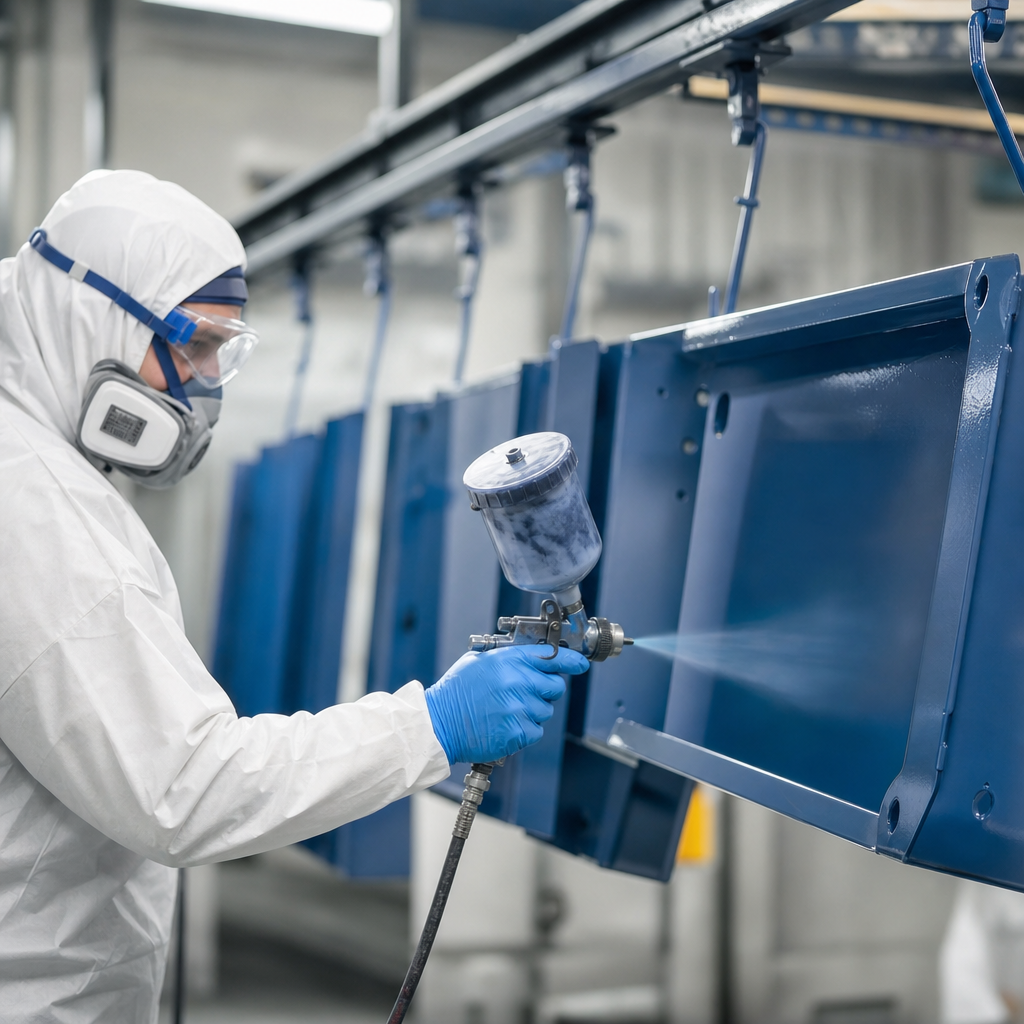
Innovations in polymer coatings for industrial applications are reshaping how manufacturers protect equipment, extend asset life, and meet stricter performance standards across demanding operating environments. Polymer coatings are engineered layers made from synthetic resin systems such as epoxies, polyurethanes, fluoropolymers, silicones, acrylics, and hybrid chemistries that are applied to metal, concrete, composites, or plastics to resist corrosion, abrasion, chemicals, ultraviolet radiation, fouling, or heat. In industrial use, the coating is never just paint. It is a functional barrier, a process control tool, and often a compliance requirement tied to safety, product quality, and maintenance economics.
This industry-specific case studies hub matters because coating selection now affects uptime, energy use, contamination risk, and total cost of ownership as much as appearance. In my work reviewing plant failures and retrofit programs, I have seen the same pattern repeatedly: when a polymer coating is matched to substrate, service temperature, chemical exposure, and application method, it can delay shutdowns for years; when it is chosen by generic category alone, it fails early at edges, welds, immersion zones, or thermal cycling points. The innovation story is therefore not only about new chemistries. It is also about surface preparation, multilayer system design, cure control, low-VOC formulations, digital inspection, and sector-specific validation. This hub explains the major innovations and organizes them through real industrial examples.
What Is Driving Innovation in Industrial Polymer Coatings
Three forces are accelerating change in industrial polymer coatings: harsher service conditions, tighter regulation, and pressure to reduce lifecycle cost. Plants are running hotter, longer, and with leaner maintenance teams. At the same time, owners are expected to cut volatile organic compound emissions, document product safety, and maintain reliability under corrosive, abrasive, and hygienically sensitive conditions. As a result, the best coating programs are moving away from one-size-fits-all specifications and toward engineered systems built around a defined failure mode.
Key technical advances include high-solids epoxies that deliver thick-film protection with lower solvent content, fluoropolymer topcoats that retain gloss and color under severe UV exposure, ceramic-filled polymer linings for slurry abrasion, conductive coatings for electrostatic discharge control, and self-priming or surface-tolerant systems for maintenance work where full abrasive blasting is impractical. Another important shift is the use of smarter testing and verification. ASTM and ISO standards for adhesion, salt spray, immersion, hardness, and cathodic disbondment remain essential, but owners increasingly combine them with field data from holiday detection, dry film thickness mapping, dew-point logs, and digital inspection reports. That combination is producing coatings that are not only more advanced in the lab, but more dependable in real plants.
How Coating Systems Are Evolving by Function
Industrial polymer coatings are evolving into highly specialized systems designed around one primary duty and one or two secondary duties. For corrosion control on steel, epoxy primers with zinc-rich or glass-flake reinforcement are still foundational, but they are now commonly paired with aliphatic polyurethane or polysiloxane topcoats to improve UV resistance and color retention. For immersion service in tanks, novolac epoxies offer stronger resistance to acids, solvents, and elevated temperatures than standard bisphenol-A epoxies. In food and pharmaceutical environments, smooth non-porous polyurethane or epoxy floor systems are formulated for cleanability, chemical washdown, and microbial control. In marine and water applications, low surface energy fluoropolymer and silicone technologies reduce fouling and lower drag.
Application technology is evolving too. Airless spray remains dominant for structural steel and large assets, but plural-component systems are making two-part materials easier to apply within precise mix ratios and short gel windows. Powder coatings continue to expand in fabricated components where factory curing is possible, giving consistent film build and low emissions. UV-curable polymers, though still niche in heavy industry, are gaining traction for rapid turnaround on certain plastics, electronics, and coil applications. Across all of these categories, the innovation is practical: faster return to service, fewer application defects, and better retention of properties over time.
Industry-Specific Case Studies: Where Innovation Delivers Measurable Results
The most useful way to understand polymer coating innovation is by industry-specific case studies, because exposure conditions vary dramatically. In oil and gas, internal tank linings must survive hydrocarbons, sour service, and temperature swings. In water treatment, resistance to continuous immersion and underfilm corrosion is critical. In automotive manufacturing, coatings often need chemical resistance and appearance quality on production equipment at the same time. In mining, abrasion usually dominates. In food processing, cleanability and regulatory acceptance can outweigh extreme mechanical performance.
| Industry | Primary Challenge | Typical Innovative Polymer Coating | Practical Outcome |
|---|---|---|---|
| Oil and gas | Corrosion under insulation, chemical exposure, offshore weathering | High-build epoxy with polysiloxane or fluoropolymer topcoat | Longer maintenance intervals and better external asset protection |
| Water and wastewater | Continuous immersion, microbiologically influenced corrosion | Novolac epoxy or polyurethane lining | Reduced lining failure in tanks, basins, and digesters |
| Food and beverage | Sanitation chemicals, thermal washdown, slip risk | Seamless polyurethane cement flooring | Improved hygiene, durability, and worker safety |
| Mining and minerals | Slurry abrasion, impact, chemical attack | Ceramic-filled epoxy or elastomeric polyurethane | Less wear in chutes, pumps, and process vessels |
| Power generation | High heat, condensate, flue gas byproducts | Heat-resistant silicone and immersion-grade epoxy systems | Better performance on stacks, ducts, and cooling assets |
These examples also show why this hub supports a broader case studies and applications cluster. A refinery turnaround, a dairy floor rehabilitation, and a wastewater clarifier relining may all involve polymer coatings, but the decision logic is different in each case. The right specification begins with failure analysis, substrate condition, and service environment, then narrows to resin family, filler package, cure mechanism, and inspection plan.
Oil, Gas, and Petrochemical Coatings: Balancing Corrosion Resistance and Maintainability
In upstream, midstream, and downstream facilities, polymer coatings are judged by how well they survive combined exposure rather than a single lab metric. External steel on pipe racks and process units sees UV, salt, standing water, thermal cycling, and mechanical damage from maintenance activity. Internal linings in separators, tanks, and secondary containment may face crude oil, produced water, acids, or solvents. One of the most important innovations here is the use of surface-tolerant epoxies for maintenance painting over tightly adherent aged coatings or marginally prepared steel. They do not replace proper blasting in critical service, but they have made planned outages more realistic where access and downtime are constrained.
Another major advance is the broader adoption of polysiloxane topcoats as an alternative to traditional polyurethane in selected atmospheric service. Polysiloxanes combine high gloss retention and UV durability with lower volatile content and often fewer coats. On offshore structures and coastal terminals, fluoropolymer finishes are also used when maximum color retention and weathering resistance justify higher material cost. For internal chemical resistance, novolac epoxies remain a benchmark because their higher crosslink density improves resistance to aggressive cargoes and elevated temperatures. The tradeoff is brittleness compared with more flexible systems, which means edge retention, weld striping, and cure verification matter even more. When specifications account for those realities, coating life improves significantly.
Water, Wastewater, and Marine Assets: Solving Immersion and Fouling Problems
Water and wastewater infrastructure is one of the clearest examples of why polymer coating innovation matters to public service reliability. Clarifiers, digesters, influent channels, tanks, gates, and steel piping operate in constant moisture, often with microbiologically influenced corrosion and hydrogen sulfide exposure. Standard architectural coatings fail quickly in these environments. Modern immersion-grade epoxies, polyurethane linings, and glass-flake reinforced systems provide thicker, less permeable barriers that can withstand continuous contact with water and treatment chemicals. I have seen rehabilitation projects where premature failure was traced not to chemistry, but to condensation during application and insufficient holiday testing after cure. New digital inspection protocols have reduced those preventable errors.
Marine applications add another challenge: fouling. Historically, antifouling coatings relied heavily on biocidal release. Today, more operators are using foul-release silicone and fluoropolymer technologies on vessels, intake structures, and submerged components where reduced organism attachment can improve efficiency and lower cleaning frequency. These systems do not work identically in every duty cycle; vessel speed, idle time, and cleaning method all affect performance. But when matched properly, they can cut drag and fuel consumption while reducing reliance on older chemistries with higher environmental concerns. For potable water assets, compliance with standards such as NSF/ANSI 61 is non-negotiable, which means approved formulations and documented cure conditions are as important as corrosion resistance itself.
Food, Beverage, Pharmaceutical, and Electronics Facilities: Cleanability as Performance
In hygienic manufacturing, a polymer coating succeeds when it stays intact, resists cleaning chemicals, and supports sanitary design. Food and beverage plants routinely expose floors and walls to hot water, organic acids, sugars, fats, and aggressive detergents. Standard epoxies can perform well in dry production areas, but wet processing zones often benefit from polyurethane cement systems because they better tolerate thermal shock, impact, and continuous washdown. Their seamless finish reduces joints where contamination can accumulate, and textured versions help improve slip resistance without making surfaces impossible to clean.
Pharmaceutical and electronics facilities impose different but equally strict demands. In pharmaceutical spaces, coatings may need low outgassing, resistance to repeated sanitation, and compatibility with cleanroom protocols. In electronics manufacturing, conductive or static-dissipative polymer floors help control electrostatic discharge that can damage sensitive components. Here, innovation is often about consistency: controlled resin-to-hardener ratios, moisture-managed installation, and verified electrical properties across the floor. A coating that meets a brochure claim but varies from one room to another is not acceptable. The best projects treat substrate moisture testing, ambient monitoring, and final validation as part of the coating system, not as optional extras.
Mining, Heavy Manufacturing, and Power Generation: Extending Life Under Extreme Wear
Mining and bulk materials handling expose coatings to a brutal mix of abrasion, impact, and chemistry. Chutes, hoppers, pump casings, flotation cells, and slurry pipelines can destroy conventional films in weeks. Innovations here include ceramic-filled epoxies, polyurethane elastomers, and rubber-lined hybrid systems that combine wear resistance with some energy absorption. The selection depends on particle size, velocity, impact angle, and whether the process stream includes acids or alkalis. A hard ceramic-filled coating may excel in sliding abrasion but crack under repeated impact, while a more resilient elastomer may survive impact but wear faster in high-silica slurry. The right answer comes from mapping the dominant wear mechanism, not buying the hardest material available.
Power generation presents another complex environment. Coal, gas, biomass, nuclear, and renewable facilities all have different coating needs, yet many assets share exposure to heat, condensate, corrosion products, and maintenance limitations. Heat-resistant silicone coatings are widely used on stacks, exhausts, and high-temperature piping because conventional organic coatings discolor or degrade when temperatures climb. In flue gas desulfurization systems and cooling water circuits, chemically resistant linings protect steel and concrete against acidic condensates and continuous immersion. Utilities are also adopting condition-based maintenance programs that pair coating inspection data with corrosion monitoring, allowing recoating to be scheduled before substrate loss becomes critical. That shift turns coatings from a reactive expense into a managed reliability asset.
How to Choose the Right Polymer Coating System for an Industrial Application
Choosing the right polymer coating system starts with five questions: What is the substrate? What chemicals, temperatures, and mechanical loads will it face? Is exposure atmospheric, splash, cyclic, or full immersion? How will the surface be prepared? How will the coating be inspected and maintained? These questions sound basic, but they prevent most specification errors. A steel tank in intermittent caustic service needs a different chemistry from a concrete secondary containment wall, even if both sit in the same plant. Likewise, a shop-applied powder coat on fabricated equipment cannot be evaluated by the same repair assumptions as a field-applied high-build epoxy.
Decision makers should ask suppliers for data tied to relevant standards, not just generic claims. Adhesion should be reported by a recognized test method. Chemical resistance should state concentration, temperature, and exposure duration. Temperature limits should distinguish dry heat from immersion service. Cure windows, dew-point requirements, and recoat intervals should be explicit. When possible, review case histories from similar assets rather than broad marketing examples. If you are building an internal knowledge base for future projects, this hub should anchor related articles on corrosion control, tank linings, hygienic floors, marine fouling control, and high-temperature coatings. The benefit is straightforward: better specifications, fewer failures, and longer service life from every coated asset. Use these case study patterns to guide your next coating review and validate choices before the shutdown clock starts.
Frequently Asked Questions
What are polymer coatings, and why are they so important in industrial applications?
Polymer coatings are engineered protective layers formulated from synthetic resin systems such as epoxies, polyurethanes, fluoropolymers, silicones, acrylics, and advanced hybrid chemistries. They are applied to substrates including steel, aluminum, concrete, composites, and plastics to create a barrier against corrosive chemicals, moisture, abrasion, ultraviolet exposure, heat, and other environmental stressors. In industrial settings, this protection is critical because equipment and structures are often exposed to harsh operating conditions that can quickly degrade unprotected surfaces, reduce efficiency, and increase maintenance costs.
The importance of polymer coatings goes far beyond simple surface protection. Modern industrial facilities rely on coatings to extend asset life, improve safety, reduce downtime, and help meet increasingly strict operational and regulatory standards. For example, corrosion-resistant coating systems can protect pipelines, tanks, structural steel, and processing equipment in chemical plants, marine environments, and wastewater facilities. Abrasion-resistant coatings are essential in mining, manufacturing, and material handling operations where surfaces face repeated wear. Specialized formulations can also provide non-stick performance, thermal insulation, electrical insulation, antimicrobial properties, or resistance to aggressive solvents and process chemicals.
What makes today’s polymer coatings especially valuable is the degree of engineering behind them. Innovations in resin chemistry, additives, fillers, crosslinking mechanisms, and application methods have enabled manufacturers to tailor coatings for very specific performance demands. Rather than using one generic protective layer, industrial users can now select systems optimized for substrate compatibility, service temperature, cure speed, environmental compliance, and expected service life. This targeted approach helps improve reliability and lowers total cost of ownership over the long term.
What recent innovations are driving advances in polymer coatings for industrial use?
Recent innovation in polymer coatings has focused on improving durability, application efficiency, sustainability, and multifunctional performance. One major area of advancement is hybrid resin technology, where different polymer systems are combined to deliver a broader set of properties than a single chemistry alone. For instance, hybrid epoxy-polyurethane systems may offer the excellent adhesion and corrosion resistance of epoxy along with the flexibility and weatherability of polyurethane. These blended technologies are helping manufacturers solve more complex protection challenges without relying on bulky multilayer systems in every case.
Another significant innovation is the development of high-performance nanocomposite and reinforced coatings. By incorporating nanoscale fillers, ceramic particles, graphene-related materials, or engineered pigments, formulators can improve barrier performance, scratch resistance, mechanical strength, and chemical durability. These enhancements can slow the ingress of water, oxygen, and corrosive ions, which is especially important in industries where coating failure can lead to severe operational and financial consequences. While not every nanotechnology-based coating is appropriate for every plant environment, the trend clearly reflects a move toward more precisely engineered material performance.
Fast-curing and low-VOC technologies are also reshaping industrial coating practices. Manufacturers increasingly need systems that reduce shutdown time, support faster return to service, and comply with environmental regulations governing emissions and worker exposure. As a result, waterborne polymers, high-solids coatings, UV-curable systems, and low-temperature cure technologies have gained traction. In parallel, smart coatings are emerging with self-healing, fouling-release, anti-icing, conductivity, or condition-monitoring capabilities. These innovations indicate that coatings are no longer viewed only as passive barriers; they are becoming active functional surfaces that support efficiency, performance monitoring, and longer maintenance intervals.
How do manufacturers choose the right polymer coating for a specific industrial environment?
Selecting the right polymer coating begins with understanding the full service environment, not just the substrate type. Manufacturers must evaluate what the coated asset will face on a daily basis, including exposure to moisture, salt, acids, alkalis, solvents, abrasion, impact, ultraviolet radiation, temperature cycling, and immersion conditions. A coating that performs well on an exterior structural beam may not be suitable for a chemical storage tank, food-processing line, offshore platform, or high-heat exhaust component. The expected duty cycle, cleaning procedures, maintenance intervals, and service life targets all influence the selection process.
The substrate itself also matters significantly. Steel, galvanized metal, aluminum, concrete, and composite materials each present different adhesion challenges and preparation requirements. Epoxy coatings are often chosen for excellent adhesion, chemical resistance, and corrosion control, particularly as primers or tank linings. Polyurethanes are commonly used where flexibility, impact resistance, gloss retention, and UV stability are important. Fluoropolymers are valued for exceptional chemical resistance and low surface energy, while silicones are often selected for high-temperature performance. Acrylics and waterborne systems may be preferred where rapid drying, color retention, or lower emissions are priorities. Increasingly, hybrid systems are specified to balance multiple performance goals in one coordinated coating scheme.
Proper selection also requires attention to application conditions and lifecycle economics. Surface preparation standards, film thickness requirements, cure windows, recoat intervals, and environmental conditions during application can all affect performance. An advanced coating with excellent lab data may still fail if it is applied over contamination, cured improperly, or used outside its design limits. That is why many industrial operators work closely with coating manufacturers, specifiers, and inspectors to validate performance through testing, field trials, and standards compliance. In practice, the best coating is not simply the most advanced formulation on paper; it is the one that delivers reliable performance in the real operating environment while aligning with maintenance strategy, budget, and regulatory obligations.
What benefits do advanced polymer coatings offer in terms of maintenance, asset life, and cost savings?
Advanced polymer coatings can generate substantial operational and financial benefits by protecting assets more effectively and for longer periods than traditional surface treatments. One of the clearest advantages is longer service life for equipment, infrastructure, and production systems exposed to corrosion, wear, and chemical attack. When a coating forms a robust, well-adhered barrier, it slows the degradation of the underlying substrate and reduces the frequency of repairs, recoating cycles, and component replacement. This is especially valuable for mission-critical assets such as storage tanks, pumps, valves, piping systems, marine structures, process vessels, and industrial flooring.
Reduced maintenance is another major benefit. Frequent shutdowns for inspection, patching, or recoating can be costly and disruptive, particularly in industries with continuous operations. Higher-performance coatings can extend maintenance intervals, simplify cleaning, and minimize emergency interventions caused by corrosion-related leaks, surface damage, or contamination. In facilities where labor availability is limited or access is difficult, the value of a longer-lasting coating system is even greater. Some modern formulations are also designed for easier application or faster cure, helping reduce installation time and shorten production interruptions during maintenance windows.
From a cost perspective, the savings often come from lifecycle performance rather than initial material price. A premium coating system may cost more upfront, but if it doubles the maintenance interval, reduces energy losses from rough or degraded surfaces, lowers the risk of premature equipment failure, and supports compliance with operational standards, the total return can be significant. In addition, advanced coatings can improve safety and product quality by helping maintain clean, intact surfaces and preventing substrate deterioration that might otherwise lead to contamination, structural weakness, or process inefficiency. For many industrial users, the long-term economic case for innovation in polymer coatings is built on reliability, predictability, and reduced total ownership cost.
Are polymer coatings becoming more sustainable and environmentally compliant?
Yes, sustainability and environmental compliance are now central priorities in the development of industrial polymer coatings. Coating manufacturers are under pressure to reduce volatile organic compound emissions, improve worker safety, limit hazardous ingredients, and support broader corporate sustainability goals. In response, the industry has expanded the use of waterborne systems, high-solids formulations, powder coatings where applicable, and other low-emission technologies that help reduce solvent content without sacrificing performance. These changes are particularly important in regions with strict air quality regulations and in facilities seeking to modernize coating processes while maintaining production efficiency.
Sustainability in polymer coatings also includes durability and resource efficiency. A longer-lasting coating is often the more sustainable option because it reduces the need for frequent recoating, lowers material consumption over time, and minimizes waste associated with maintenance cycles. Innovations that improve adhesion, corrosion resistance, and weatherability can therefore deliver environmental benefits alongside economic ones. In addition, some new formulations are being designed with safer raw material profiles, improved energy efficiency during curing, and compatibility with more controlled application processes that reduce overspray and material loss.
That said, environmental compliance should always be evaluated in the context of the intended application. A coating used in a food plant, pharmaceutical facility, chemical processing unit, or marine environment may need to meet very specific regulatory and performance standards. The most sustainable choice is not automatically the one with the lowest VOC number; it is the one that meets health, safety, and environmental requirements while delivering the required service life and protection level. As the field continues to evolve, the strongest trend is clear: industrial polymer coatings are being developed to do more with less environmental impact, giving manufacturers better tools to balance protection, performance, and compliance.