High-performance polymers are changing how engineers solve heat, wear, corrosion, weight, and reliability problems across modern industry. The term refers to a class of polymer materials engineered to retain mechanical strength, dimensional stability, chemical resistance, and electrical performance under conditions that would quickly degrade commodity plastics such as polyethylene or polypropylene. In practice, that means materials like PEEK, PTFE, PPS, PEI, PAI, LCP, fluoropolymers, and high-temperature nylons can survive continuous service temperatures above 150°C, exposure to aggressive solvents, repeated sterilization, heavy friction, or demanding dielectric environments. I have seen these materials move from niche design choices to core production enablers because they let manufacturers replace metal, reduce part count, cut maintenance intervals, and design equipment that runs longer between failures.
Understanding high-performance polymers matters because industrial systems now operate under tighter efficiency, emissions, and uptime targets than ever before. A pump seal in a chemical plant, a connector in an electric vehicle battery pack, a bearing cage in automated packaging equipment, or an implantable medical component all face extreme combinations of stress, temperature, and contamination risk. Traditional metals can corrode, gall, conduct unwanted heat or electricity, and add weight. Standard plastics may creep, crack, or soften. High-performance polymers sit in the critical middle ground: they are lightweight like plastics but engineered for far harsher service. This makes them valuable not only in aerospace and medical applications, where they are already established, but also in mainstream industrial manufacturing, electronics, energy, food processing, and transportation.
As a hub topic, high-performance polymers covers more than a materials list. It includes polymer selection, additive packages, reinforcement strategies, processing methods, regulatory compliance, lifecycle cost, and failure analysis. The most important idea is simple: the best industrial results come from matching polymer structure and grade to the exact service environment, not from choosing the material with the highest headline temperature rating. A carbon-filled PEEK bearing, a glass-filled PPS pump component, and a virgin PTFE seal can each be the right answer, but only when the chemistry, load profile, surface finish, and manufacturing route are understood. Companies that treat these materials as engineering systems rather than replacement plastics gain measurable improvements in durability, efficiency, and total cost of ownership.
What high-performance polymers are and why they outperform standard plastics
High-performance polymers differ from standard engineering plastics because their molecular architecture is built for stability under severe conditions. Aromatic backbones, strong intermolecular interactions, high crystallinity in some families, and carefully controlled additives allow these materials to hold shape and properties where lower-grade polymers fail. PEEK, for example, combines mechanical strength, fatigue resistance, and chemical resistance with continuous-use capability around 250°C. PPS offers excellent dimensional stability and broad chemical resistance, making it a common choice in pump housings, valve components, and electrical parts. PTFE is softer mechanically but unmatched for low friction and chemical inertness, which is why it remains a staple in seals, linings, and bearing surfaces.
The performance advantage is usually measured across a set of industrial criteria rather than a single number. Engineers look at tensile and compressive strength, modulus retention at temperature, coefficient of friction, wear rate, moisture absorption, dielectric strength, flammability, hydrolysis resistance, and outgassing behavior. In many projects I have supported, the deciding factor was not absolute strength but property retention after months of thermal cycling or exposure to cleaning chemicals. A standard nylon might perform well on day one and drift dimensionally after humidity uptake; a high-performance polymer compound can maintain tolerance and prevent expensive assembly issues. This consistency is often the real source of value.
Another reason these materials outperform standard plastics is formulation flexibility. Unfilled grades maximize purity or ductility, while glass fiber, carbon fiber, graphite, PTFE, and mineral fillers tune stiffness, conductivity, wear, and dimensional control. The tradeoff is that reinforcement can improve one property while reducing another. Carbon-filled grades can lower thermal expansion and improve wear, but may increase brittleness or affect mating surfaces. That is why material selection must consider the whole component system, including shaft hardness, contact pressure, manufacturing tolerances, and exposure media. Industrial improvement comes from this fit-for-purpose approach, not from assuming every premium polymer is universally better.
Key industrial applications benefiting from advanced polymer performance
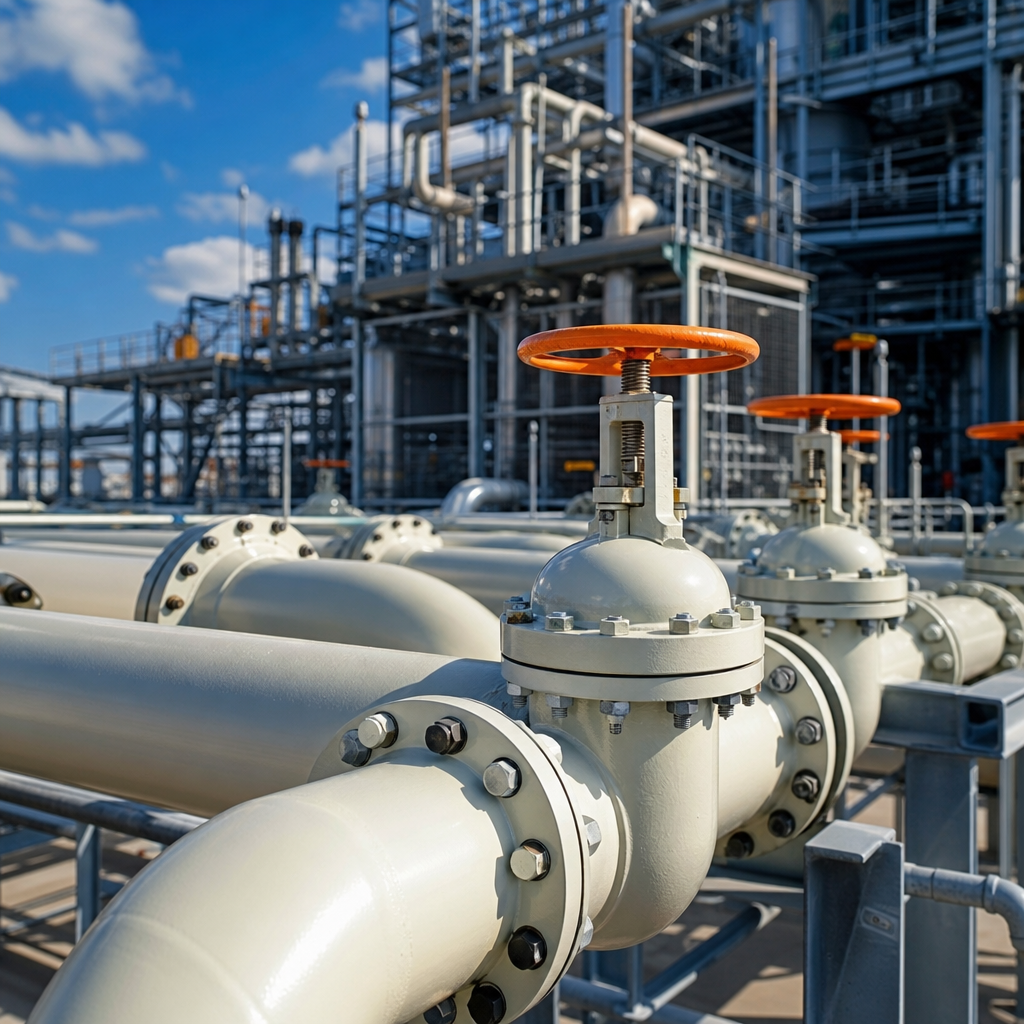
The most visible gains appear in applications where failure is costly and maintenance access is limited. In chemical processing, high-performance polymers are used for valve seats, pump components, compressor parts, gaskets, and insulation elements because they resist acids, bases, solvents, and high temperatures better than many metals and elastomers. PPS and fluoropolymers are common in wet chemical environments, while PEEK is often selected for structurally loaded parts that also need resistance to steam or hydrocarbons. Replacing metal with polymer in these settings can reduce corrosion-driven downtime and eliminate the need for coatings that eventually chip or wear through.
Industrial automation is another major growth area. Bearings, wear strips, chain guides, rollers, and sensor housings benefit from low friction, quiet operation, and reduced lubrication requirements. In packaging lines and food processing equipment, polymer components can lower contamination risk because they do not rust and can be formulated for compliance with food-contact regulations when needed. I have seen line speeds improve simply because a well-chosen wear grade reduced drag and heat buildup at contact points. That kind of incremental gain matters on equipment running around the clock.
Electrical and electronics applications depend on high-performance polymers for connector bodies, coil formers, insulators, semiconductor handling parts, and battery system components. Here, dielectric performance, flame resistance, dimensional stability, and cleanliness are critical. Liquid crystal polymers excel in miniaturized connectors because they flow into thin walls while maintaining precision. PEI and PPS are widely used where soldering temperatures or repeated thermal cycling would distort lower-grade plastics. In electric vehicles and renewable energy systems, these materials help manage heat, insulation, and weight at the same time.
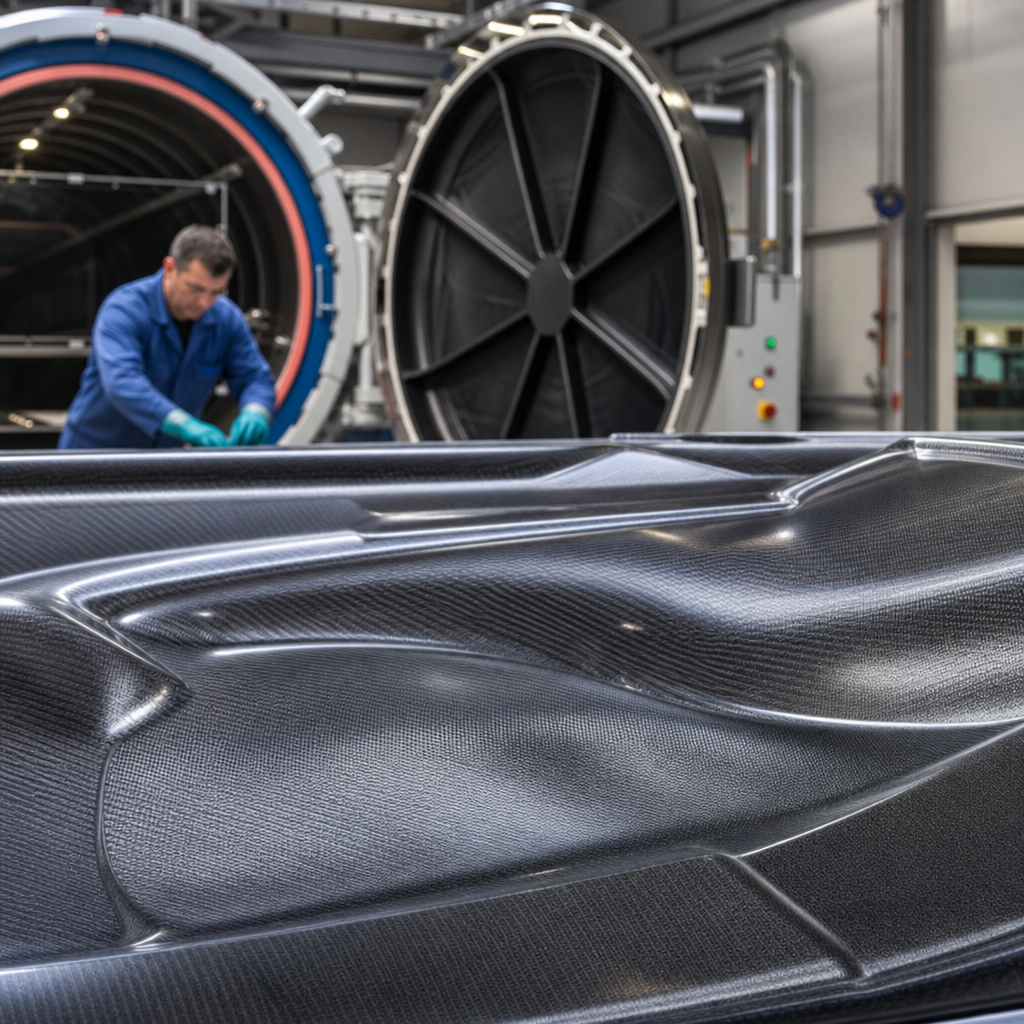
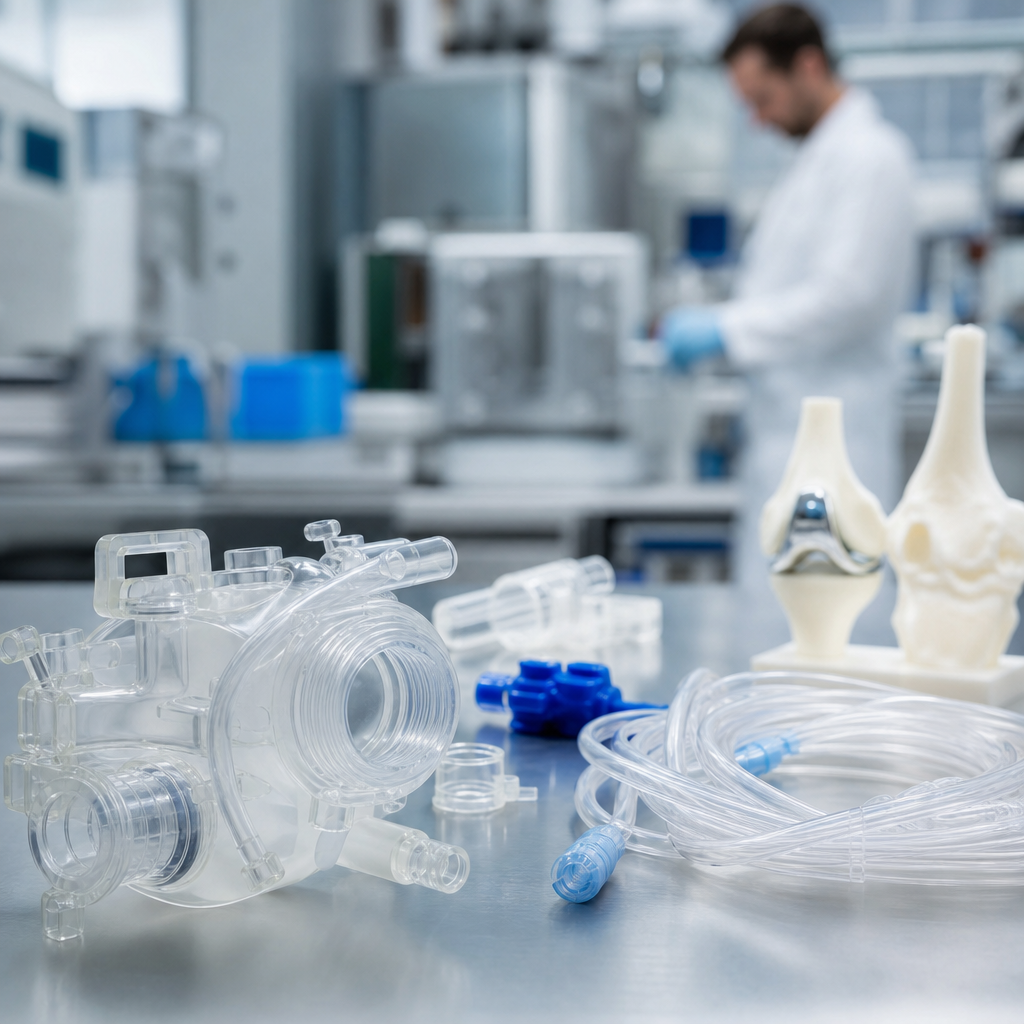
Aerospace, medical, and oil and gas remain important benchmark sectors because they demand verified reliability. PEEK and PEKK composites reduce aircraft weight while meeting strict flame, smoke, and toxicity expectations in certain interiors. Medical-grade PEEK appears in surgical instruments and implantable devices because it tolerates sterilization and offers favorable biocompatibility in specified grades. In downhole energy tools, polymer seals and backup rings must survive pressure, abrasion, and chemically aggressive fluids. These applications demonstrate the range of high-performance polymers, but the same principles increasingly apply to everyday industrial machinery.
Selection criteria: temperature, chemicals, load, compliance, and processing
Material selection should start with the operating environment, not with a brand name or supplier brochure. The first screening questions are direct: What is the continuous-use temperature? Are there short thermal spikes? Which chemicals contact the part, at what concentration, and for how long? Is the load static, cyclic, or impact driven? What tolerances must be held after processing and through service life? Is the part exposed to steam, UV, radiation, vacuum, or cleaning agents? These questions eliminate many unsuitable materials before detailed testing begins.
Once the environment is clear, the next step is to compare candidate polymers against application-specific constraints. A thin electrical connector may prioritize dielectric strength and flow in micro features, while a compressor ring may prioritize tribology and creep resistance. Compliance also matters. Food processing may require FDA-conforming materials; transportation may require UL 94 flammability ratings; aerospace may require traceability and smoke toxicity data; medical components may need ISO 10993 biocompatibility support depending on use. Processing route is equally important because injection molding, extrusion, compression molding, and machining each influence final properties and economics.
| Material family | Core strengths | Typical industrial uses | Main limitation |
|---|---|---|---|
| PEEK | High temperature, strength, wear, chemical resistance | Bearings, compressor parts, medical devices, electrical insulators | High material and processing cost |
| PPS | Chemical resistance, dimensional stability, flame resistance | Pumps, valves, connectors, sensor housings | Lower toughness than some alternatives |
| PTFE | Very low friction, near-universal chemical resistance | Seals, linings, slide elements | Low structural strength and creep under load |
| PEI | Heat resistance, dielectric performance, sterilization tolerance | Medical trays, lighting, electrical parts | Sensitive to some solvents and stress cracking |
| PAI | Excellent wear, strength, and high-temperature capability | Precision bearings, thrust washers, aerospace components | Expensive and more complex to process |
Good selection work also accounts for manufacturability and supply continuity. Some grades mold beautifully but machine poorly; others have long lead times or limited color options. Reinforced grades can wear tooling faster. Tight-tolerance parts may need annealing after machining to stabilize dimensions. In production programs, I always advise teams to include material lot consistency, secondary finishing, joining methods, and inspection capability in the decision. The right polymer on paper can become the wrong choice if it creates scrap, warpage, or procurement risk at scale.
How high-performance polymers improve efficiency, reliability, and total cost
The biggest misconception is that high-performance polymers are only justified when material prices are low. In reality, they are often chosen because they cut system cost even when resin price is high. Weight reduction lowers energy consumption in moving equipment and transportation systems. Corrosion resistance reduces maintenance labor and replacement frequency. Low-friction grades reduce lubrication demand and can improve operating cleanliness. Dimensional stability helps assemblies stay aligned, reducing vibration, leakage, and electrical failure. When downtime costs thousands of dollars per hour, a more expensive part that lasts two or three times longer is usually the economical choice.
Reliability gains are especially clear in wear applications. Replacing bronze or steel with a filled PEEK or PAI component can reduce seizure risk in marginal lubrication conditions. Replacing an elastomer seal that swells in solvent with a PTFE-based solution can prevent leakage and product loss. In electronics, switching from a general-purpose thermoplastic to LCP or PPS can improve connector coplanarity and solder performance, reducing field failures. These are not theoretical improvements. They show up in lower warranty claims, fewer emergency shutdowns, and more stable process capability.
High-performance polymers also support better design freedom. Because they can be molded into complex geometries, engineers can consolidate multiple metal parts into one component with integrated clips, channels, insulation barriers, or flow features. Part consolidation reduces assembly time, lowers inventory complexity, and removes failure points at fasteners or joints. Additive manufacturing is expanding this benefit for low-volume, complex parts, especially in aerospace and medical tooling, though validation remains essential. In each case, the polymer improves the application not just by surviving conditions, but by enabling a more efficient design.
Limitations, testing requirements, and where material decisions go wrong
High-performance polymers are not universal replacements for metal or ceramics. They can creep under sustained load, absorb moisture depending on chemistry, and lose properties if exposed to the wrong oxidizing agents or unsupported temperatures. Thermal conductivity is usually lower than metal, which can be either a benefit or a liability depending on heat dissipation needs. Reinforced grades may become anisotropic, meaning properties vary with fiber orientation. Machined surfaces, molding weld lines, and sharp corners can all create unexpected weak points if not designed properly.
The most common selection mistake is relying on a datasheet value measured under ideal laboratory conditions. Real parts face combined stresses: heat plus chemical exposure plus cyclic load plus assembly constraint. Another frequent error is ignoring the counterface in wear systems. A polymer bearing grade that performs well against hardened stainless steel may fail quickly against a rough or soft shaft. Tolerance stack-up is another issue. Because polymers have higher thermal expansion than metals, mixed-material assemblies need careful gap design to avoid binding or leakage across temperature swings.
That is why testing must reflect service reality. Useful methods include accelerated aging, immersion testing, tribological rigs, thermal cycling, finite element analysis with temperature-dependent properties, and pilot-line trials. Recognized standards such as ASTM, ISO, and UL provide baseline methods, but application validation should go beyond compliance. The best industrial teams run small, instrumented trials before full release and track actual wear, torque, leakage, and dimensional drift in service. This disciplined approach prevents expensive surprises and builds confidence in broader polymer adoption.
The future of high-performance polymers in industrial innovation
High-performance polymers are improving industrial applications because they solve multiple engineering problems at once: weight, wear, corrosion, insulation, processability, and service life. They allow equipment designers to move beyond the old tradeoff between the low cost of standard plastics and the ruggedness of metal. As manufacturing systems become faster, hotter, more electrified, and more automated, this material class will play a larger role in connectors, seals, bearings, structural components, fluid handling, and precision parts. The most successful projects begin with rigorous application mapping, then choose the polymer family and grade that match real operating conditions.
The key takeaway for engineers, buyers, and operations leaders is that material selection should be treated as a strategic decision, not a late-stage substitution. A well-chosen high-performance polymer can increase uptime, lower maintenance, simplify assembly, and improve product consistency across the life of a system. The wrong choice can create hidden failures that erase any savings. If you are building your knowledge base around innovative products and solutions, use this page as your starting point, then evaluate each application by temperature, chemistry, load, compliance, and processing needs. That disciplined process is how high-performance polymers deliver measurable industrial value.
Frequently Asked Questions
1. What are high-performance polymers, and how are they different from standard plastics?
High-performance polymers are advanced engineered materials designed to maintain their properties in environments where standard plastics would soften, crack, wear out, or chemically degrade. Unlike commodity plastics such as polyethylene or polypropylene, these polymers are developed to deliver a much higher level of thermal stability, mechanical strength, dimensional accuracy, chemical resistance, and long-term reliability. In industrial settings, that difference is critical because components are often exposed to elevated temperatures, aggressive fluids, continuous friction, electrical stress, and demanding mechanical loads.
Materials commonly included in this category include PEEK, PTFE, PPS, PEI, PAI, LCP, and other fluoropolymers. Each has its own performance profile, but they are generally selected when engineers need more than just a lightweight plastic part. For example, a standard plastic may work well in basic housings or consumer products, while a high-performance polymer may be required for seals, bearings, insulators, valve seats, pump components, aerospace interiors, semiconductor parts, or medical-grade equipment where failure is not an option. The main advantage is not simply that these materials are “stronger,” but that they continue performing under combinations of heat, wear, pressure, and chemical exposure that would quickly shorten the life of conventional plastics.
2. How do high-performance polymers improve industrial equipment performance?
High-performance polymers improve industrial equipment by solving several major design and maintenance problems at once. One of the most important benefits is their ability to reduce weight without sacrificing strength. Replacing metal with a polymer such as PEEK or PPS can lower the mass of moving assemblies, reduce energy consumption, simplify installation, and improve handling, especially in aerospace, transportation, robotics, and high-speed manufacturing systems. Lower weight can also reduce inertia and mechanical stress on surrounding components, which contributes to better overall system efficiency.
They also improve wear resistance and reduce friction in dynamic applications. Components such as bushings, bearings, guides, seals, and wear pads often benefit from polymers that can operate with minimal lubrication or in dry-running conditions. In harsh industrial environments, that can reduce maintenance intervals and lower the risk of contamination from oils or greases. Many high-performance polymers also offer excellent corrosion resistance, making them ideal for chemical processing, water treatment, semiconductor manufacturing, and marine applications where metals may rust, pit, or react with the process media.
Another major improvement is reliability at elevated temperatures. These materials are often chosen because they retain stiffness, shape, and mechanical performance under heat that would deform standard plastics. In electrical and electronic applications, some high-performance polymers also provide strong dielectric properties, flame resistance, and dimensional stability, which are essential in connectors, insulators, coil formers, and precision housings. Taken together, these advantages help manufacturers extend equipment life, improve uptime, reduce service costs, and design more compact and efficient systems.
3. Which industries benefit most from high-performance polymers?
A wide range of industries benefit from high-performance polymers, particularly those operating in demanding thermal, mechanical, or chemical conditions. Aerospace is one of the clearest examples. Aircraft and spacecraft designers use these materials to reduce weight, improve fuel efficiency, and maintain reliable performance in high-temperature and high-vibration environments. High-performance polymers are found in structural parts, electrical connectors, insulation systems, fluid-handling components, and interior assemblies where flame, smoke, and toxicity performance can also matter.
Automotive and transportation industries also use them extensively, especially as manufacturers pursue lighter vehicles, higher efficiency, electrification, and better durability. Under-the-hood components, sensor housings, transmission parts, pump elements, thrust washers, and EV electrical systems often rely on polymers that can withstand heat, chemicals, and continuous mechanical stress. In industrial manufacturing, these materials are used in conveyor systems, compressors, pumps, valves, seals, gears, and wear components where reduced downtime and longer service life directly affect profitability.
Chemical processing and semiconductor manufacturing are especially strong use cases because many high-performance polymers resist corrosive media and maintain purity in sensitive environments. In medical and life science applications, certain grades are valued for sterilization resistance, biocompatibility, and precision processing. Electronics manufacturers use them for insulation, miniaturized connectors, and components that must remain stable during soldering or prolonged thermal cycling. Oil and gas, food processing, marine, and energy sectors also benefit, particularly where corrosion resistance, load-bearing capability, and resistance to aggressive operating conditions are essential. In short, any industry that needs materials to perform consistently under stress is likely to benefit from high-performance polymers.
4. What properties make materials like PEEK, PTFE, PPS, and PEI so valuable in demanding applications?
The value of materials such as PEEK, PTFE, PPS, and PEI comes from their ability to combine multiple high-level properties in a single material platform. PEEK is well known for its exceptional mechanical strength, dimensional stability, wear resistance, and performance at elevated temperatures. It is often used when engineers need a lightweight alternative to metal that can still handle structural loads, repeated motion, and aggressive service conditions. PTFE, by contrast, is especially valued for its very low coefficient of friction and outstanding chemical resistance, which makes it ideal for seals, liners, valve seats, and non-stick or low-friction surfaces.
PPS is widely used because it offers an attractive balance of heat resistance, chemical resistance, dimensional stability, and processability. It performs well in automotive, electrical, and industrial applications where exposure to hot fluids or demanding environments is common. PEI is valued for high strength, rigidity, and excellent electrical properties, along with strong performance in elevated-temperature environments. Depending on the formulation, some of these materials can also be reinforced with glass or carbon fibers to further improve stiffness, strength, and creep resistance.
What makes them especially valuable is that they help engineers address trade-offs more effectively. Instead of choosing between a material that is lightweight but weak, or strong but corrosion-prone, designers can often select a high-performance polymer that offers a better overall balance. These materials can reduce machining complexity, support miniaturization, improve chemical compatibility, and lower total system weight while still meeting strict performance requirements. Their value is not just in one standout property, but in how consistently they maintain performance across a wide range of operating conditions.
5. Are high-performance polymers worth the higher material cost?
In many industrial applications, the answer is yes, because evaluating these materials based only on initial purchase price can be misleading. High-performance polymers typically cost more than commodity plastics and, in some cases, more than traditional engineering plastics. However, their real value becomes clear when you look at total lifecycle performance. If a polymer component lasts longer, reduces downtime, avoids corrosion, lowers maintenance frequency, eliminates lubrication needs, or improves equipment efficiency, it can produce substantial cost savings over time. In high-value manufacturing environments, preventing even a single failure or unplanned shutdown may justify the material choice.
They can also create indirect cost advantages through better design flexibility. A lighter component may reduce shipping costs, simplify assembly, or allow a smaller motor or support structure. A corrosion-resistant part may remove the need for protective coatings or expensive alloys. A low-friction polymer may reduce wear on mating components and extend the life of an entire assembly, not just the polymer part itself. In regulated industries, consistent material performance can also support quality control, safety, and compliance goals, which have financial value beyond the part price alone.
That said, they are not automatically the best option for every application. The right decision depends on load, temperature, chemical exposure, dimensional tolerances, expected service life, and production volume. Engineers usually get the best results when they match the polymer grade carefully to the actual use case rather than specifying a premium material unnecessarily. When used strategically in the right environments, high-performance polymers often deliver a strong return on investment by improving durability, efficiency, and reliability across the full operating life of industrial equipment.