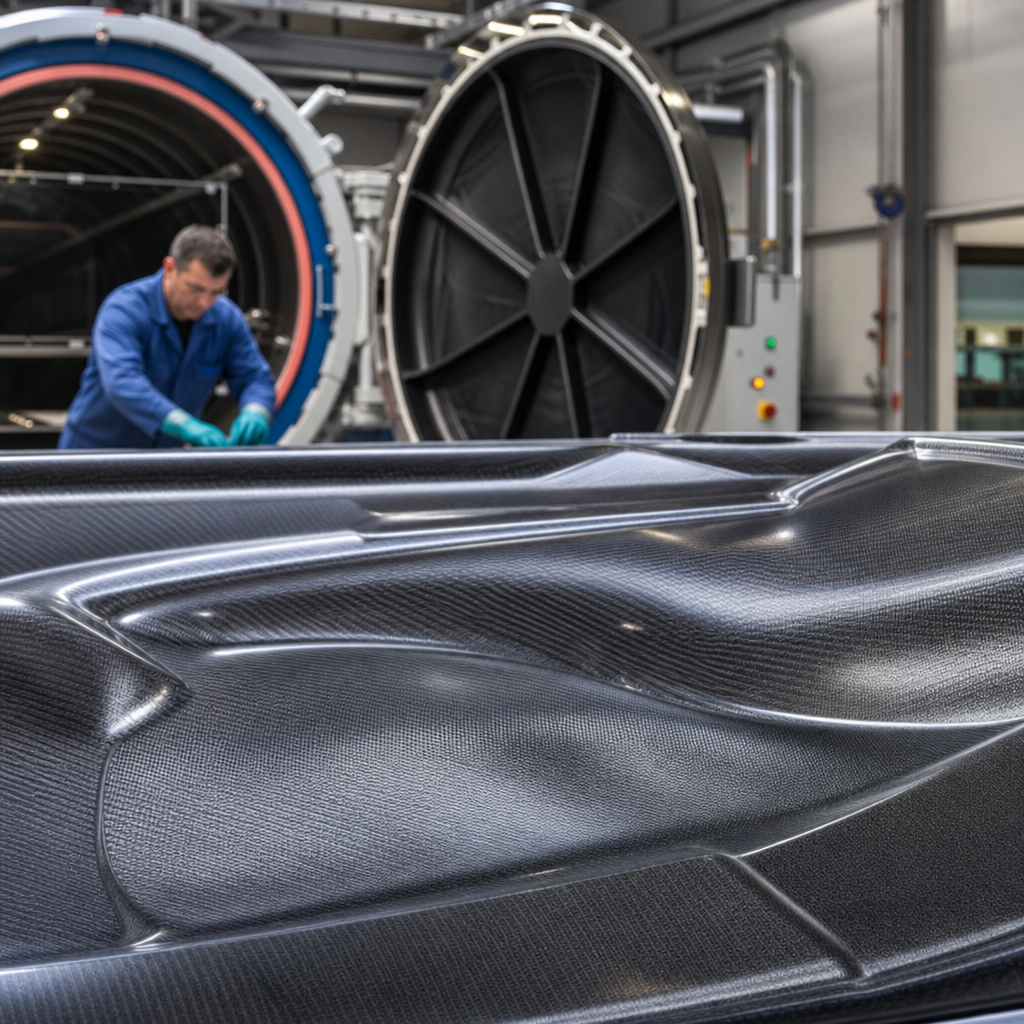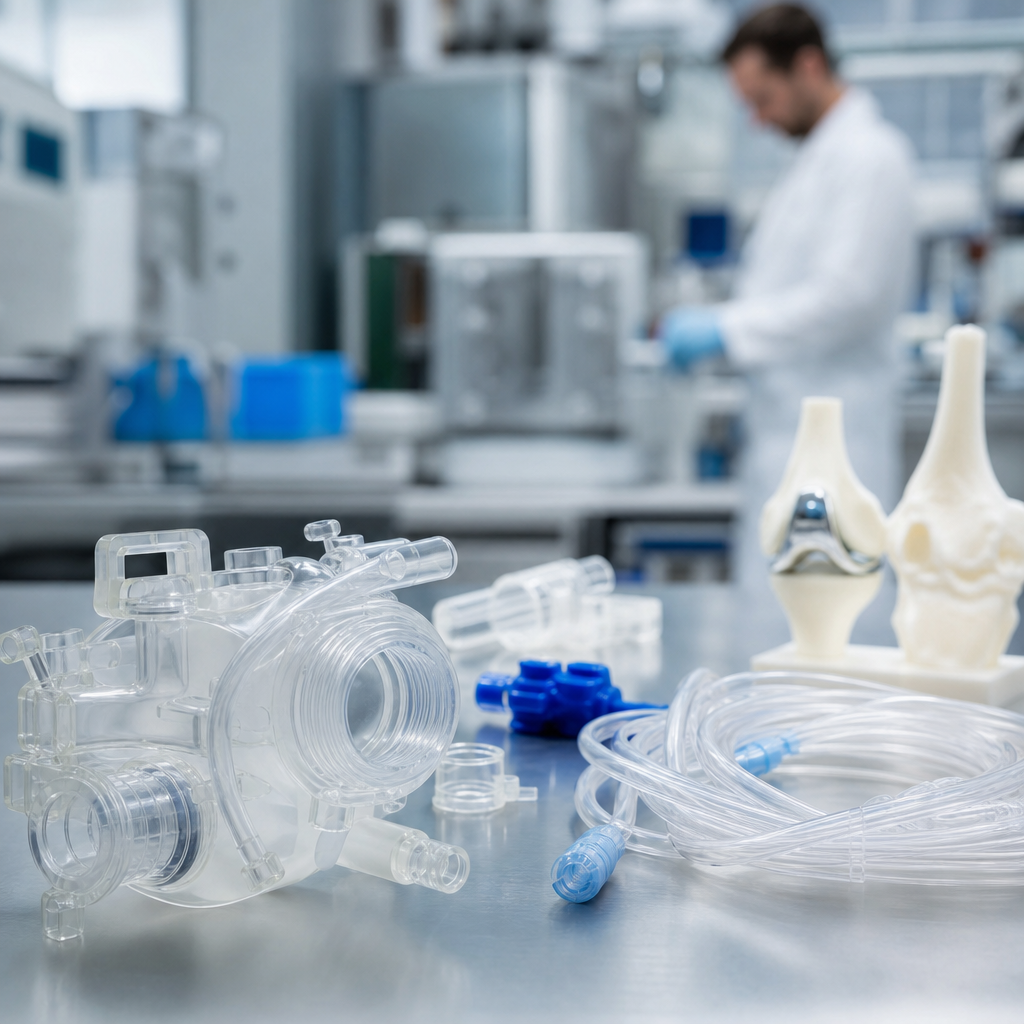
The future of polymer solutions in consumer electronics is being shaped by lighter devices, tighter thermal limits, stricter sustainability targets, and constant pressure to integrate more functions into less space. In practical terms, polymer solutions include engineered plastics, elastomers, adhesives, coatings, films, encapsulants, and composite systems that replace or complement metals, glass, ceramics, and conventional assemblies. In phones, wearables, laptops, earbuds, gaming systems, smart home devices, and emerging extended reality hardware, polymers do far more than form outer housings. They manage heat, shield components, seal against water, enable flexible displays, support antennas, isolate vibration, and improve manufacturability at scale.
Having worked with materials selection teams on electronics programs, I have seen polymer choices determine whether a product passes drop testing, survives repeated charging cycles, or misses a launch because a cosmetic surface fails after ultraviolet exposure. The stakes are high because consumer electronics now combine high energy density batteries, sensitive sensors, radio frequency systems, and premium industrial design in very small packages. A housing resin that warps under reflow conditions, an adhesive that outgasses onto a camera lens, or a seal that hardens after sweat exposure can undermine an otherwise strong product.
This topic matters because polymers increasingly sit at the center of three industry priorities: performance, reliability, and circularity. Performance means low weight, high strength, dielectric control, flame resistance, and compatibility with automated assembly. Reliability means stable properties under heat, humidity, oils, impact, and repeated mechanical stress. Circularity means lower embodied carbon, recycled feedstocks, easier disassembly, and reduced use of halogenated or hard-to-recover material systems. As device architectures evolve toward foldable screens, AI-enabled edge hardware, and higher power charging, the role of advanced polymer solutions becomes more strategic, not less.
This hub article covers the major innovation areas that define polymer solutions in consumer electronics today: high-performance structural materials, thermal management, electrical insulation and electromagnetic compatibility, display and optical materials, sealing and protection, sustainability, manufacturing methods, and the criteria engineering teams use to select materials. It is designed to give product managers, design engineers, procurement teams, and technical marketers a complete foundation for understanding where polymer innovation is creating measurable value across the electronics product lifecycle.
Why engineered polymers are replacing traditional materials
Engineered polymers are replacing metal and commodity plastics in many consumer electronics applications because they deliver a better performance-to-weight ratio, more design freedom, and lower system cost when processed correctly. Polycarbonate, ABS, PC/ABS blends, polyamide, polyphenylene sulfide, liquid crystal polymer, PEEK, TPU, silicone, and specialty acrylics each occupy specific performance niches. A notebook enclosure, for example, may use glass fiber reinforced polycarbonate for stiffness and impact resistance, while a smartwatch band relies on TPU for skin contact durability and flexibility. In miniature connectors and antenna modules, liquid crystal polymer is valued for low moisture uptake and dimensional stability.
The strongest case for polymer substitution appears when a single molded part replaces a multi-piece metal assembly. I have seen internal brackets redesigned from stamped metal plus fasteners into reinforced thermoplastic components that cut part count, assembly time, and shipping weight simultaneously. That kind of redesign also reduces tolerance stack-up, which matters for camera alignment, button feel, hinge function, and speaker placement. When mechanical loads are modest and thermal demands are controlled, polymers often outperform legacy materials on total economics even if the resin price per kilogram is higher.
There are limits. Metals still dominate where sustained heat, very high stiffness, or premium tactile feel are essential. Magnesium and aluminum remain common in premium chassis because they spread heat well and support thin-wall designs. But the trend is not polymer versus metal in absolute terms. The future is hybrid design: overmolded metal inserts, fiber-reinforced housings, laser-direct structured antenna carriers, and chemically bonded polymer-glass interfaces that let each material do what it does best.
Thermal management polymers are becoming mission critical
Thermal management is one of the biggest innovation fronts because consumer devices now pack faster processors, denser batteries, brighter displays, and higher charging rates into sealed enclosures. Standard plastics are thermal insulators, but modern formulations can be loaded with boron nitride, graphite, aluminum oxide, or other fillers to improve thermal conductivity while retaining electrical insulation. These materials appear in battery spacers, LED housings, charging modules, power electronics supports, and interface pads.
A useful distinction is between heat spreading and heat dissipation. Heat spreading moves thermal energy away from a hotspot so local temperatures stay below component limits. Heat dissipation moves that energy out to ambient air or a larger structural sink. Polymer solutions mainly help with spreading, gap filling, insulation, and mechanical compliance. In compact earbuds or smart rings, where metal mass is limited and user comfort matters, a compliant thermally conductive elastomer can improve temperature distribution without creating sharp edges or electrical risk.
Engineers must balance conductivity against moldability, toughness, and radio transparency. High filler loading can raise viscosity, create anisotropy, and increase brittleness. It can also interfere with cosmetic quality on visible surfaces. In qualification, I look closely at thermal aging, compression set, pump-out resistance for interface materials, and dielectric breakdown after humidity exposure. A material that performs well in a datasheet snapshot may drift in real assemblies after hundreds of thermal cycles.
Electrical insulation, signal integrity, and electromagnetic control
As electronics become faster and more interconnected, polymer solutions are increasingly selected for dielectric performance, creepage control, flame behavior, and electromagnetic compatibility. Connectors, flex circuit supports, bobbins, insulators, and microelectronic packaging all rely on materials with predictable dielectric constants, low dissipation factors, and strong dimensional stability. For high-frequency applications such as Wi-Fi 6E, Bluetooth, millimeter-wave modules, and advanced antennas, material variation can directly affect signal loss and tuning.
Liquid crystal polymer and PPS are notable examples because they combine low moisture absorption with stable electrical properties. Moisture matters because absorbed water can alter dielectric behavior, swell dimensions, and reduce long-term reliability. In wearables and smart home products exposed to humidity, steam, or outdoor conditions, low-moisture materials give engineers more margin. Flame resistance is another critical area. Materials used near batteries, charging circuits, or power supplies often need to meet UL 94 flammability ratings, but the path to compliance must avoid compromising mechanical strength or processability.
Polymers also support electromagnetic interference management through shielding coatings, conductive fillers, gaskets, and overmolded structures. A common approach in smartphones and routers is to combine a structural polymer housing with localized shielding elements rather than building the entire enclosure from metal. That preserves antenna performance while still protecting sensitive circuits. The best solutions are rarely single materials; they are coordinated systems designed across mechanical, electrical, and manufacturing requirements.
Flexible, optical, and display-related polymer innovation
Some of the most visible polymer innovation appears in displays, camera systems, and user interfaces. Optical-grade polycarbonate, PMMA, cyclic olefin polymers, silicones, and hard-coated films are used in light guides, lenses, cover windows, diffusers, and sensor interfaces. In foldable and curved devices, polymer films enable geometries that glass alone cannot support. Polyimide films, for example, have become important in flexible printed circuits and display stacks because they tolerate heat and repeated bending better than many alternatives.
Scratch resistance, haze, yellowing, and chemical resistance are the key tradeoffs in these applications. A display cover film must survive fingernails, skin oils, cleaners, and repeated actuation without clouding or cracking. Camera modules impose even tighter constraints because outgassing, birefringence, or contamination can degrade image quality. In development programs, contamination control for optical polymers is often as important as the material itself. Handling methods, cure profiles, and packaging conditions can make the difference between a clear lens stack and a rejected lot.
Haptics and touch interfaces are also influenced by polymer layers. Adhesive optical bonding improves impact performance and readability by reducing internal reflections. Elastomeric interfaces can tune click feel or isolate vibration in trackpads and buttons. In virtual and augmented reality devices, low weight and optical precision must coexist, making advanced polymer optics and foams increasingly attractive.
Sealing, adhesives, and protective materials extend product life
Ingress protection is now a baseline expectation in many categories, and polymer solutions are central to achieving it. Silicone gaskets, liquid-applied seals, acrylic and epoxy adhesives, conformal coatings, foams, and potting compounds protect devices from sweat, rain, dust, detergents, and accidental immersion. The challenge is that seals and adhesives must work across mixed-material interfaces while surviving drop shock, temperature cycling, and long storage conditions. A perfect lab seal can fail in the field if assembly compression varies or if the substrate surface energy changes after cosmetic finishing.
Adhesives are especially important because they both enable and complicate modern electronics design. They allow thinner assemblies than mechanical fastening, distribute stress more evenly, and support waterproof construction. They also affect reparability, rework, and recycling. Pressure-sensitive adhesives are common in displays and batteries, while structural epoxies and UV-curable systems are used in modules requiring precise placement. For battery safety, gap fillers and flame-retardant barriers can slow thermal propagation, buying critical time in an abuse event.
| Application area | Common polymer solution | Main performance goal | Key tradeoff |
|---|---|---|---|
| Smartphone housing | PC/ABS or reinforced polycarbonate | Impact resistance and cosmetic finish | Heat distortion versus thin-wall design |
| Wearable seal | Silicone gasket or liquid silicone rubber | Water and sweat resistance | Compression set over time |
| Battery module | Thermally conductive pad or flame-retardant spacer | Heat control and electrical isolation | Higher filler loading can reduce toughness |
| Antenna carrier | Liquid crystal polymer | Dimensional stability and RF performance | Material cost |
| Display stack | Optically clear adhesive | Transparency and impact performance | Rework difficulty |
Protective coatings add another layer of value. Conformal coatings shield printed circuit boards from corrosion, while hard coats improve abrasion resistance on visible polymer surfaces. Antimicrobial or anti-fingerprint coatings can support user experience, but they must be validated carefully because surface treatments sometimes degrade after repeated cleaning. Durable protection is never just a chemistry decision; it is a full system qualification exercise.
Sustainability and circular design are reshaping material decisions
The next generation of polymer solutions will be judged not only by performance but by environmental profile. Brands are asking for post-consumer recycled content, bio-based feedstocks, reduced volatile organic compounds, halogen-free flame retardants, and designs that simplify material separation at end of life. Regulators and retailers are also increasing scrutiny around chemical compliance and reporting. In practice, that means material selection now includes carbon footprint, supply chain traceability, and recyclability alongside stiffness, gloss, and impact strength.
Recycled polymers are already appearing in consumer device housings and accessories, but successful adoption depends on tight control of contamination, odor, color variation, and lot-to-lot consistency. I have seen teams underestimate the cosmetic implications of recycled content in light-colored parts, only to discover unacceptable swirl or shade variation during pilot runs. The right answer is often to pair recycled content with texture, pigment strategy, and robust incoming inspection rather than forcing a drop-in substitution.
Design for disassembly is equally important. If adhesives, coatings, metal inserts, and mixed resins prevent separation, theoretical recyclability does not translate into actual recovery. Better material passports, part marking, and modular construction will matter more over time. Sustainability in electronics polymers is moving from marketing claim to engineering requirement.
How manufacturing innovation will define the next decade
Material innovation only matters if it can be processed reliably at consumer scale. Injection molding remains the core technology, but future gains will come from micro-molding, insert molding, overmolding, in-mold decoration, laser structuring, additive manufacturing for tooling and low-volume parts, and more precise dispensing of adhesives and thermal compounds. Digital simulation is also improving outcomes. Moldflow analysis, finite element modeling, and thermal simulation now help teams predict warpage, weld lines, sink, stress, and heat paths before cutting steel.
Automation is pushing polymer formulations toward tighter rheological windows and more stable cure behavior. In high-volume assembly, a small shift in viscosity can alter dispense weights, bond line thickness, or flash rates enough to affect yield. Suppliers that provide robust process data, not just material brochures, are becoming more valuable. The most successful programs integrate material suppliers early, especially when the part must meet cosmetic, structural, RF, and environmental targets at once.
Looking ahead, the future of polymer solutions in consumer electronics will be defined by multifunctionality. The winning materials will not simply be lighter or cheaper. They will combine structural performance, thermal control, dielectric reliability, sustainability, and manufacturability in one validated system. For companies building the next wave of connected devices, understanding innovations in polymer solutions is no longer optional. Audit current materials, map failure modes, and engage suppliers early to turn material choice into product advantage.
Frequently Asked Questions
1. What are polymer solutions in consumer electronics, and why are they becoming more important?
Polymer solutions in consumer electronics refer to a broad family of materials and systems used to build, protect, connect, and enhance devices. This includes engineered plastics for structural parts, elastomers for seals and flexible interfaces, adhesives for assembly, coatings for protection, films for displays and insulation, encapsulants for safeguarding sensitive components, and composite systems that combine multiple performance benefits in one material platform. Rather than serving as simple replacements for traditional materials, these polymers often enable entirely new product designs that would be difficult or impossible with metals, glass, or ceramics alone.
Their importance is growing because modern electronics are being asked to do more in less space. Smartphones, wearables, laptops, earbuds, gaming systems, and smart home devices all face the same pressures: become lighter, thinner, more durable, more energy efficient, and more sustainable while integrating more sensors, batteries, antennas, and thermal management features. Polymer solutions help manufacturers meet those demands by offering a highly tunable set of properties. A single polymer system can be engineered for impact resistance, chemical resistance, flame retardancy, dielectric performance, flexibility, or optical clarity depending on the application.
Another major reason polymers matter is manufacturing efficiency. Many polymer materials support high-volume production methods such as injection molding, overmolding, film lamination, automated dispensing, and precision coating. That allows brands to scale rapidly while maintaining tight dimensional control and consistent performance. In short, polymer solutions are becoming central to the future of consumer electronics because they help solve the industry’s biggest design challenges all at once: miniaturization, durability, thermal control, aesthetics, connectivity, and sustainability.
2. How will polymers help make future electronic devices lighter, smaller, and more functional?
Polymers are especially valuable in device miniaturization because they can consolidate multiple functions into fewer components. In a traditional design, engineers might rely on separate metal brackets, screws, gaskets, insulating barriers, and protective housings. Advanced polymer solutions can combine several of those roles into one molded, bonded, or coated part. For example, a structural plastic housing may also provide electrical insulation, impact protection, and cosmetic finish, while an adhesive may also deliver thermal conductivity and vibration resistance. That kind of functional integration reduces part count, assembly complexity, and total device weight.
Weight reduction is one of the clearest advantages. Compared with many metal-based components, engineered polymers and composites can deliver substantial mass savings without compromising targeted mechanical performance. This is particularly important in products consumers wear or carry every day, such as smartwatches, wireless earbuds, tablets, handheld gaming systems, and ultrathin laptops. Lower weight improves comfort and portability, but it can also help internal engineering by freeing up room for larger batteries, better cameras, or additional sensors.
Polymers also support more complex geometry than many conventional materials. Designers can create thin walls, intricate internal channels, integrated clips, living hinges, antenna windows, and soft-touch interfaces with a high degree of precision. This design freedom matters in densely packed electronics where every millimeter counts. Flexible and stretchable polymer systems are also opening the door to new product categories, including foldable devices, conformable wearables, and electronics embedded into textiles or curved surfaces. As products continue evolving toward thinner profiles and more integrated functions, polymer solutions will remain one of the most practical ways to achieve those design goals at scale.
3. Can polymer solutions address heat management challenges in advanced consumer electronics?
Yes, and this is one of the most important areas of development. As processors become more powerful and components are packed more tightly together, heat becomes a major constraint on performance, battery life, reliability, and user comfort. Historically, thermal management relied heavily on metals because of their high thermal conductivity. Today, however, polymer solutions are being engineered to play a much larger role in controlling heat inside compact electronic systems.
Thermally conductive polymers, gap fillers, interface materials, encapsulants, and specialty adhesives can help move heat away from chips, batteries, power modules, LEDs, and charging components. These materials are often formulated with conductive fillers that improve heat transfer while preserving other critical properties such as electrical insulation, lightweight construction, flexibility, or processability. That balance is important because many electronic assemblies need thermal performance without introducing electrical risk or adding bulky metal parts.
Polymers also contribute to thermal management indirectly through smarter packaging and environmental protection. Coatings and encapsulants can shield components from moisture, contaminants, and thermal cycling stress, all of which affect long-term reliability. Structural polymer components can also support airflow paths, isolate hot zones, and enable compact assembly methods that keep performance stable over time. In wearables and handheld devices, polymers can even improve how heat is distributed across surfaces so products feel more comfortable to the touch.
That said, polymer-based thermal solutions are not a universal substitute for metal heat sinks or vapor chambers. In many premium or high-power devices, the future will involve hybrid approaches where polymers complement metals rather than replace them entirely. The real value lies in material integration: using polymer systems where electrical insulation, geometric flexibility, lower weight, sealing, or multifunctional performance are needed alongside heat control. As thermal demands increase, polymer science is becoming an essential part of the electronics cooling conversation.
4. What role will sustainability play in the future of polymer materials for electronics?
Sustainability will play a defining role. Consumer electronics companies are under rising pressure from regulators, investors, retailers, and consumers to reduce environmental impact across the product lifecycle. That includes material sourcing, manufacturing emissions, product durability, repairability, and end-of-life management. Polymer solutions are being reevaluated through that lens, which is pushing innovation beyond performance alone and toward more responsible material choices.
One major trend is the development of recycled and bio-based polymer content for noncritical and increasingly critical applications. Manufacturers are looking for ways to incorporate post-consumer or post-industrial recycled materials without sacrificing mechanical strength, appearance, dimensional stability, or regulatory compliance. At the same time, material suppliers are improving traceability and consistency so recycled-content polymers can meet the tighter standards required in premium electronics. Bio-based feedstocks are also gaining attention where they can provide lower carbon impact while still supporting modern processing and performance needs.
Another important area is design for longevity. Durable polymer housings, coatings, seals, and adhesives can extend product life by improving resistance to drops, sweat, UV exposure, chemicals, and environmental stress. Longer-lasting devices reduce replacement frequency, which is often one of the most meaningful sustainability gains. There is also growing interest in adhesives and assembly methods that support repair or disassembly, making it easier to replace batteries, screens, or modules and recover materials at end of life.
However, sustainability in electronics polymers is complex. A material that appears greener on paper may underperform in the field, leading to failures, returns, or shorter device life. The future therefore is not just about switching to “eco-friendly plastics,” but about optimizing the entire system: selecting materials that reduce waste, improve manufacturability, cut energy use, enable lighter shipping loads, and maintain product reliability. The most successful polymer solutions will be those that align performance, compliance, circularity, and business practicality rather than treating sustainability as a separate requirement.
5. What innovations in polymer solutions are likely to shape the next generation of consumer electronics?
Several innovations are poised to have a major impact. One is the rise of multifunctional materials, where a single polymer system is designed to deliver structural support, thermal conductivity, electrical insulation, flame resistance, and environmental protection at the same time. This is especially valuable in compact devices where engineers can no longer afford to add a separate material layer for every need. Multifunctional polymers reduce assembly steps and open up more efficient product architectures.
Flexible, stretchable, and printable polymer technologies are another major frontier. These materials can support bendable circuits, soft sensors, foldable displays, smart textiles, and conformal electronics that integrate more naturally with the body or with curved product surfaces. In wearables and health-focused devices, soft polymer systems can improve comfort and signal quality while enabling more continuous sensing. In foldables and next-generation accessories, advanced films and elastomers can improve hinge durability, display protection, and repeated flex performance.
Optically advanced polymers will also continue to evolve. High-clarity films, anti-smudge coatings, scratch-resistant layers, light-diffusing materials, and dielectric films for high-speed connectivity all support the user experience in visible and invisible ways. At the same time, polymer chemistry is advancing in areas such as low-loss materials for higher-frequency communication, improved encapsulation for miniaturized sensors, and specialty adhesives that support thinner assemblies without compromising drop resistance or water protection.
Looking ahead, the most important shift may be how early polymer experts are involved in product development. Instead of choosing materials at the end of the design process, leading electronics companies are integrating polymer science from the beginning. That allows materials to shape the architecture of the device rather than simply fit into it. As a result, future breakthroughs are likely to come not just from better individual plastics or coatings, but from smarter material systems engineered in parallel with the electronics, mechanics, manufacturing process, and sustainability strategy of the product itself.