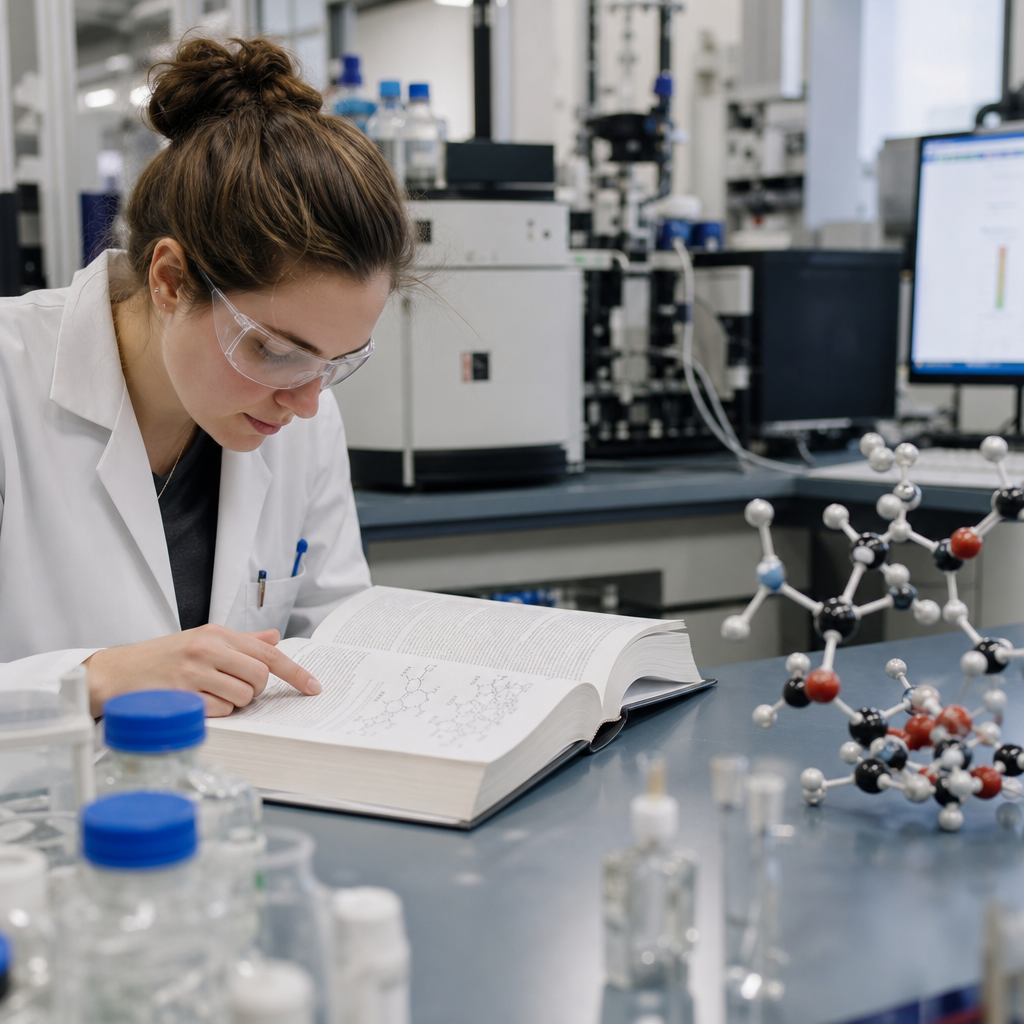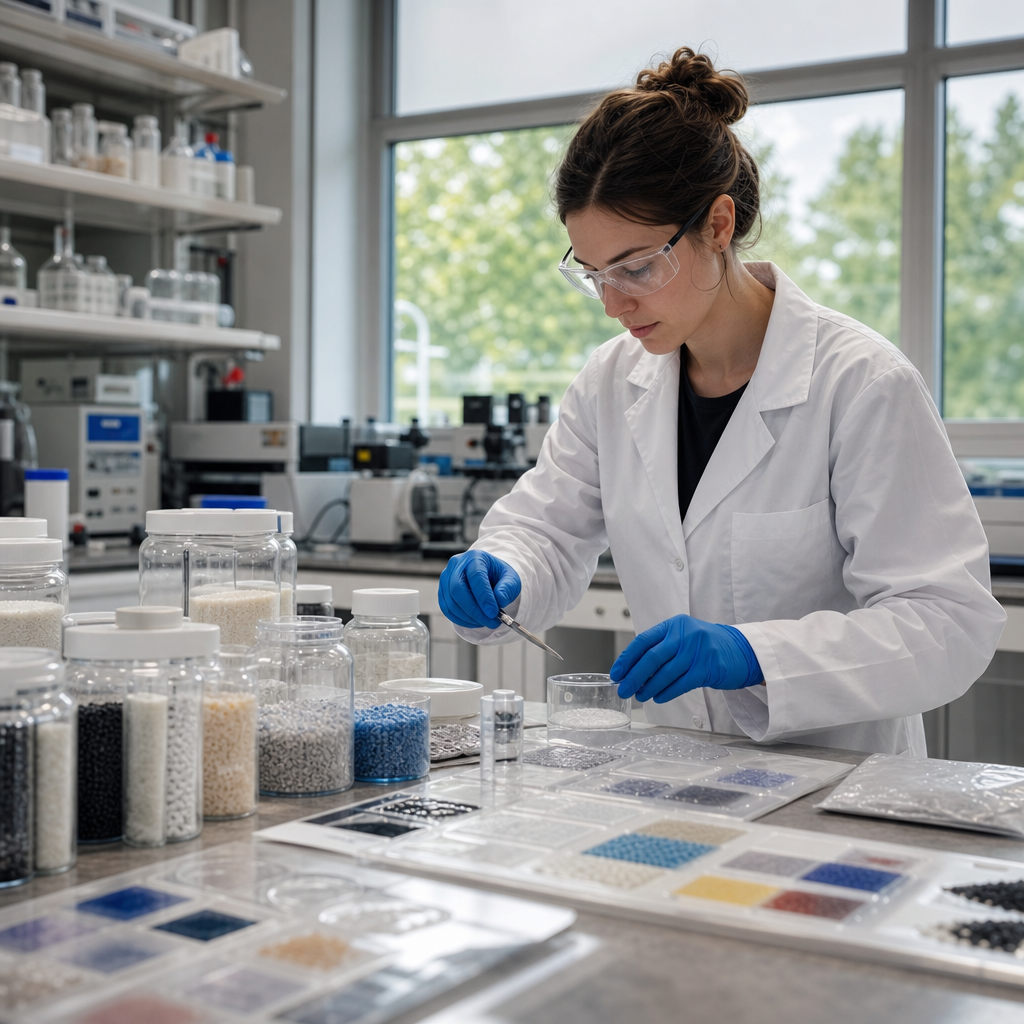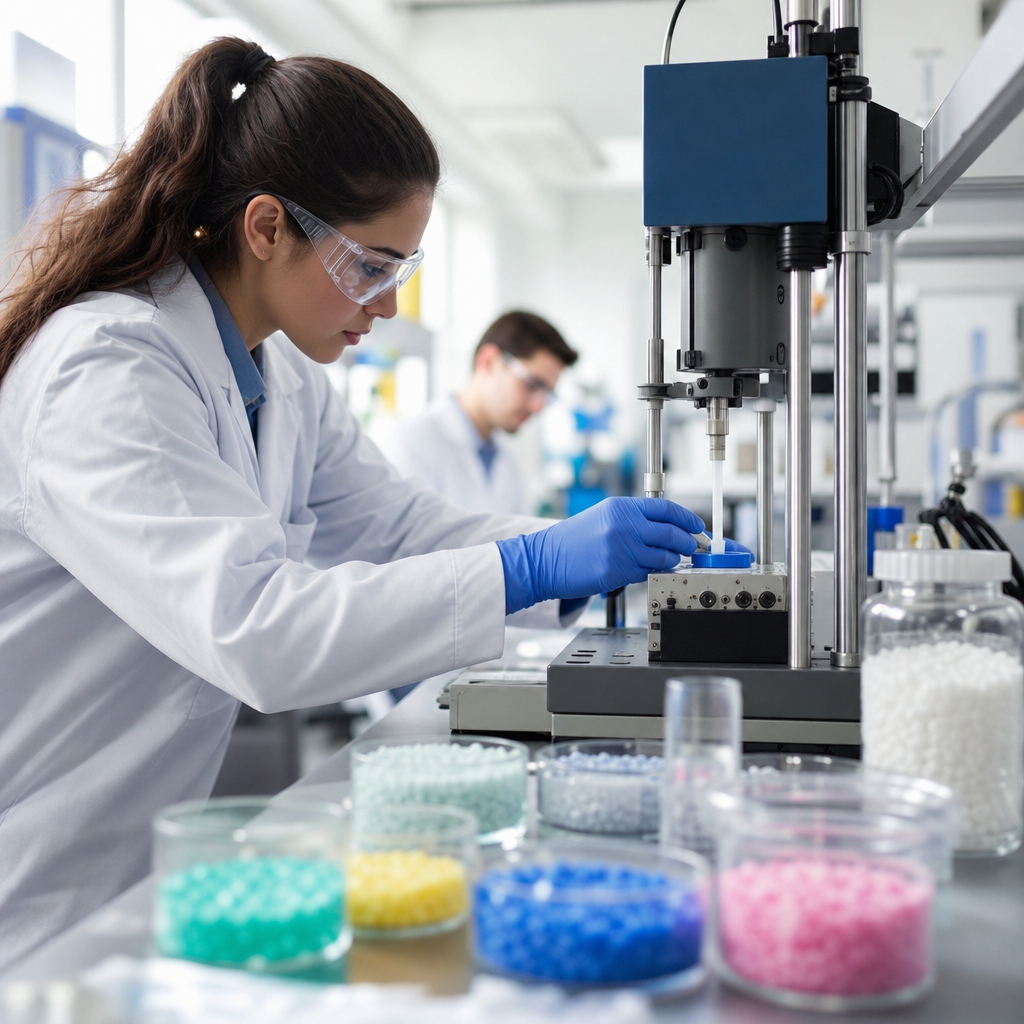
Career paths in polymer research and development span laboratory science, process engineering, product design, technical sales, regulatory work, and leadership, making this field one of the broadest and most adaptable areas in modern materials science. Polymers are large molecules built from repeating units, and they include commodity plastics, elastomers, adhesives, coatings, fibers, biomedical materials, membranes, and advanced composites. Research and development in this context means the full cycle of discovering new materials, characterizing properties, scaling synthesis, validating performance, and guiding products into manufacturing and market use. I have worked with teams that moved polymers from bench synthesis to pilot trials, and the career lesson is consistent: success comes from pairing deep technical skill with an understanding of applications, quality, safety, and business constraints. This matters because polymer R&D sits at the center of major industries, including packaging, automotive, electronics, aerospace, energy, healthcare, and consumer goods. It also sits inside urgent global priorities such as lightweighting, electrification, circular materials, bio-based feedstocks, and recycling. For students, early-career scientists, and professionals considering a pivot, a clear map of polymer career development helps answer practical questions. What jobs exist beyond the title polymer chemist? Which degrees are valued? How do employers distinguish a strong candidate? Where do salaries, advancement, and specialization usually lead? This hub article addresses those questions directly and provides a framework for exploring the full educational resources pathway around career development in polymer research and development.
Core career tracks in polymer research and development
The first decision is not industry versus academia; it is whether you want your daily work centered on discovery, development, scale-up, application, or commercialization. In practice, polymer research and development includes several core tracks. Polymer synthesis scientists design monomers, catalysts, reaction conditions, and molecular architectures such as block copolymers, crosslinked networks, and thermoplastic elastomers. Characterization scientists specialize in methods like gel permeation chromatography, differential scanning calorimetry, thermogravimetric analysis, FTIR, NMR, rheology, DMA, SEM, and tensile testing. Formulation scientists work with additives, stabilizers, pigments, fillers, plasticizers, and processing aids to tune real-world performance. Process development engineers translate lab recipes into robust manufacturing windows using extrusion, compounding, injection molding, blow molding, film casting, coating, and reactive processing. Application development teams test materials inside customer use cases, from medical tubing kink resistance to battery separator porosity or automotive under-hood heat aging. Technical service, product stewardship, and business development roles sit adjacent to R&D but often become long-term career homes for polymer experts.
Each track uses different success metrics. A discovery chemist may be measured on structure-property insight, patentable novelty, and experimental productivity. A development engineer is judged more by reproducibility, cost, throughput, and readiness for plant transfer. An application scientist succeeds by solving customer performance problems quickly and translating field feedback into formulation changes. In one coatings program I supported, the synthesis team optimized polymer backbone chemistry for weatherability, while the applications group focused on sprayability, cure time, VOC constraints, and adhesion on aluminum panels. Both were doing polymer R&D, but the workflows, timelines, and communication styles were distinct. Understanding that distinction helps candidates target jobs more effectively. If you enjoy open-ended hypothesis testing, early-stage research may fit. If you prefer defined deliverables and cross-functional execution, development, scale-up, or applications may be stronger options.
Education, credentials, and technical foundations employers expect
Most entry points begin with chemistry, chemical engineering, materials science, polymer science, or a related degree. A bachelor’s degree can qualify candidates for technician, associate scientist, quality, testing, manufacturing support, and some product development roles, especially when paired with internships or co-op experience. A master’s degree can strengthen readiness for independent project work, particularly in formulation, characterization, or process development. A PhD is often preferred for advanced synthesis, principal scientist tracks, and research-intensive positions in specialty chemicals, biomaterials, electronics materials, and corporate innovation groups. Still, degree level alone does not determine trajectory. I have seen bachelor’s-level process engineers outpace doctoral researchers in promotion because they mastered scale-up economics, troubleshooting, and plant communication.
Employers consistently look for a technical foundation in polymer chemistry and physics. That includes polymerization mechanisms such as free-radical, step-growth, ring-opening, ionic, and coordination processes; thermal and mechanical behavior including glass transition, crystallinity, viscoelasticity, creep, and fracture; and processing-property relationships influenced by molecular weight, dispersity, branching, orientation, and morphology. Familiarity with standards and regulated test methods also matters. ASTM, ISO, USP where relevant, and good laboratory practice expectations signal that a candidate understands industrial rigor. Software skills increasingly matter too. Employers value statistical analysis in JMP or Minitab, instrument software literacy, design of experiments, data visualization, and in some sectors molecular modeling or finite element simulation. The strongest candidates can explain not only what instrument they used, but why the method answered a business-critical materials question.
How polymer R&D careers differ across industries
Industry context shapes both the science and the career path. In packaging, polymer development often emphasizes barrier properties, seal strength, optical clarity, food contact compliance, downgauging, and recyclability. In automotive and aerospace, heat resistance, impact performance, flame behavior, fatigue, and weight reduction dominate. Medical polymers require biocompatibility, sterilization stability, extractables and leachables awareness, and tightly controlled documentation. Electronics materials demand dielectric control, thermal management, dimensional stability, and contamination discipline. Energy applications, including fuel cells, batteries, and solar encapsulants, reward expertise in membranes, ionomers, separators, fluoropolymers, and long-term durability. Consumer goods often move faster and prioritize color, feel, processability, and cost.
This variation affects hiring and progression. A polymer scientist in a medical device company may spend much more time on validation protocols and design controls than a counterpart in consumer packaging. A development chemist in tires will need strong mechanics and filler dispersion knowledge, while someone in pressure-sensitive adhesives must understand tack, peel, shear, and substrate interactions. Career development improves when professionals learn to describe their expertise in transferable terms. For example, “improved PET copolymer IV retention during reactive extrusion” is precise, but adding “which reduced scrap and stabilized processing at pilot scale” makes the impact legible across industries. Hiring managers respond to evidence that you can connect molecular design to manufacturing and customer outcomes.
Skills that accelerate advancement from the lab bench
Technical excellence opens the first door; advancement depends on broader execution skills. The most valuable professionals in polymer research and development write clear experimental plans, keep defensible records, analyze noisy data carefully, and present recommendations that non-specialists can act on. Design of experiments is especially important because polymer systems are multivariable by nature. Changing resin grade, additive package, screw speed, drying conditions, and mold temperature at the same time produces confusion, not insight. Teams that use structured DOE, control charts, and root cause analysis solve problems faster and waste less material. I have watched early-career researchers become indispensable simply by turning scattered test results into decision-ready summaries with confidence intervals, processing notes, and a clear next-step proposal.
Communication and collaboration are not soft extras in this field. Polymer R&D is deeply cross-functional because material performance emerges from interactions among chemistry, processing, quality, sourcing, and end use. A scientist who can discuss catalyst residues with analytical chemistry, then explain lot variability to operations, then translate tradeoffs for a commercial manager, will advance quickly. Project management also matters. Stage-gate development, risk registers, change control, supplier coordination, and timeline discipline are common in industrial settings. Patenting and technical writing can become career accelerators as well. If you can identify patentable claims, support them with comparative data, and work effectively with intellectual property counsel, you become more valuable to innovation-focused organizations. The same is true for conference presentations, internal knowledge sharing, and mentoring junior staff.
Typical roles, responsibilities, and progression stages
Titles vary by employer, but progression follows recognizable patterns. Early roles include laboratory technician, R&D associate, application specialist, analytical chemist, process engineer, or scientist I. Mid-career roles often include senior scientist, senior engineer, project leader, product development manager, or technical service manager. Advanced paths may lead to principal scientist, fellow, group leader, R&D manager, technology director, regulatory strategy lead, or vice president of innovation. Some companies support dual ladders, allowing technical experts to progress without moving into people management. That is important in polymer science because some of the highest-value contributors are deeply specialized experts in rheology, polymerization catalysis, membrane science, or failure analysis.
| Career stage | Typical titles | Main focus | What drives advancement |
|---|---|---|---|
| Entry level | Technician, Associate Scientist, Engineer I | Testing, sample prep, routine synthesis, data collection | Reliability, lab skills, documentation, safety |
| Early professional | Scientist, Development Engineer, Formulation Chemist | Independent experiments, troubleshooting, customer support | Problem solving, cross-functional communication, project ownership |
| Mid career | Senior Scientist, Project Leader, Manager | Program leadership, scale-up, mentoring, patent generation | Business impact, technical judgment, leadership |
| Advanced | Principal Scientist, Fellow, Director | Strategy, platform innovation, external partnerships | Portfolio influence, thought leadership, talent development |
Progression is rarely linear. Many professionals move sideways into adjacent functions to broaden their profile. Someone may start in analytical testing, shift into product development, then move into technical marketing or global application support. Those lateral moves often accelerate long-term career development because they build a wider understanding of how polymer products succeed or fail in the market. When evaluating opportunities, look beyond title and ask practical questions: Will this role increase my exposure to customers, pilot equipment, regulated documentation, or patent strategy? Will I learn a platform technology with durable demand, such as polyurethane dispersions, engineering thermoplastics, silicones, fluoropolymers, or recycling technologies? Those factors often matter more than a small salary difference early on.
Job search strategy, networking, and portfolio building
Breaking into polymer research and development is easier when candidates present tangible evidence of fit. A strong resume highlights materials systems, instruments, processes, and outcomes rather than generic lab statements. “Performed polymer characterization” is weak. “Used DSC, TGA, GPC, and rheometry to compare recycled polypropylene blends, identifying a compatibilizer that improved impact retention by 18 percent” is much stronger. Portfolios can include thesis abstracts, poster summaries, patent disclosures, conference talks, formulation case studies, or concise project one-pagers that show problem, method, data, and result. Candidates from academia should explicitly translate their work into industrial language by emphasizing reproducibility, time-to-result, safety, cost awareness, and customer relevance.
Networking in this field works best when it is technically grounded. Professional societies such as the American Chemical Society, Society of Plastics Engineers, Materials Research Society, and regional polymer groups remain valuable because they connect job seekers to the practitioners who hire. University industry consortia, internship programs, and equipment vendor seminars are also underrated channels. Recruiters can help, but direct relationships with scientists and managers usually produce better matches. Informational interviews should focus on specifics: which materials platforms are growing, what instruments the team uses, how the group defines success, and where new hires struggle. In interviews, be ready to walk through an experiment that failed, how you diagnosed it, what variables you controlled, and how you decided the next step. That level of specificity consistently differentiates serious polymer candidates.
Future opportunities, challenges, and long-term career planning
The strongest long-term opportunities in polymer research and development are tied to sustainability, electrification, healthcare, and digitalization. Recycling and circularity now create roles in mechanical recycling, compatibilization, solvent-based purification, depolymerization, life cycle assessment, and design for recyclability. Bio-based polymers and mass-balance feedstocks are expanding, but they require realistic evaluation of supply, cost, and performance rather than idealistic claims. Electrification is increasing demand for thermal interface materials, wire and cable insulation, encapsulants, lightweight composites, and battery-related polymers. Healthcare continues to need drug delivery materials, wear-resistant implants, sterilizable elastomers, and diagnostic substrates. At the same time, data-rich development is changing daily work. Automated experimentation, machine learning-assisted formulation screening, and integrated lab informatics are becoming more common, though they complement rather than replace sound polymer judgment.
There are also persistent challenges. Polymer projects fail when scale-up introduces mixing limits, moisture sensitivity, residence-time effects, contamination, or cost targets that the lab never modeled. Regulatory requirements can slow exciting materials. Global supply volatility can force reformulation with little notice. Career planning should account for that reality. The most resilient professionals build depth in one technical domain and breadth across adjacent functions. They stay current on evolving regulations, sustainability claims scrutiny, and new processing technologies. They also choose employers carefully. Ask whether the company invests in pilot capability, training, mentoring, conference participation, and internal mobility. A good polymer R&D career is not just a sequence of jobs. It is a deliberate accumulation of technical credibility, application knowledge, and cross-functional trust. Use this guide as your hub, identify the track that matches your strengths, and take the next concrete step: target skills, seek hands-on experience, and start building relationships in the polymer community today.
Frequently Asked Questions
What kinds of career paths are available in polymer research and development?
Polymer research and development offers one of the widest career ranges in materials science because polymers are used in packaging, healthcare, automotive, aerospace, energy, electronics, textiles, construction, and consumer products. A professional might begin in laboratory-based formulation or synthesis work, developing new resins, elastomers, coatings, adhesives, membranes, fibers, or composite systems. Others move into analytical and characterization roles, where the focus is on understanding molecular structure, thermal behavior, rheology, mechanical performance, durability, and failure mechanisms. These positions are essential because polymer performance depends not only on chemistry, but also on processing history, additives, morphology, and end-use environment.
Beyond the laboratory, there are strong career options in process engineering and manufacturing scale-up. In these roles, scientists and engineers translate bench-scale ideas into commercial production by optimizing extrusion, injection molding, compounding, curing, polymerization conditions, quality control, and plant efficiency. Product development is another major path, combining customer requirements, material selection, prototyping, testing, and commercialization. Professionals in technical service or technical sales often use deep polymer expertise to help customers solve application problems, recommend materials, troubleshoot failures, and support new business development. Regulatory and compliance careers are also important, especially in sectors such as medical devices, food contact materials, sustainability, and global chemical registration. Over time, many polymer R&D professionals move into project management, team leadership, portfolio strategy, or executive roles, where they guide innovation pipelines and connect technical work to business goals.
What education and skills are most important for a successful career in polymer R&D?
A strong foundation usually begins with chemistry, chemical engineering, materials science, mechanical engineering, or a specialized polymer science program. For entry-level roles, a bachelor’s degree may be enough in quality, applications, processing, or manufacturing support positions, while research-intensive jobs often prefer a master’s degree or PhD, especially in advanced materials, biomedical polymers, composites, or fundamental synthesis. That said, employers value practical experience just as much as formal education. Internships, co-ops, undergraduate research, pilot plant work, and hands-on familiarity with processing equipment or analytical instruments can make a candidate far more competitive than coursework alone.
Technically, polymer R&D professionals benefit from understanding polymerization methods, structure-property relationships, formulation science, rheology, thermal analysis, spectroscopy, microscopy, mechanical testing, and processing methods such as extrusion, molding, compounding, and coating. Depending on the role, skills in data analysis, design of experiments, statistical quality tools, simulation, and failure analysis are highly useful. Just as important are communication and problem-solving abilities. Much of polymer development involves working across teams that include chemists, engineers, manufacturing staff, marketing teams, suppliers, customers, and regulatory specialists. The people who advance most effectively are often those who can explain technical ideas clearly, manage projects, interpret business needs, and turn experimental results into actionable decisions. In short, polymer R&D rewards both scientific depth and cross-functional versatility.
How does someone move from laboratory research into process engineering, product development, or leadership?
Transitions within polymer R&D are common because the field is highly interconnected. A scientist who begins with synthesis or formulation work often develops a strong understanding of how chemistry affects viscosity, cure behavior, crystallinity, toughness, barrier performance, adhesion, or environmental resistance. That knowledge naturally translates into process engineering, where success depends on making materials behave consistently in real equipment and under commercial production conditions. For example, someone working on a new thermoplastic formulation may later move into scale-up, where they help define compounding conditions, extrusion temperatures, residence times, additive dispersion, and quality specifications. This move is especially common for professionals who enjoy troubleshooting, manufacturing collaboration, and the challenge of turning promising materials into reliable products.
Product development is another natural progression because it sits at the intersection of science, engineering, and market need. Professionals in this path often become experts at converting customer requirements into material solutions, balancing cost, performance, manufacturability, regulatory needs, and durability. Leadership roles usually come after a person demonstrates not only technical competence, but also sound judgment, project coordination, and the ability to align teams around priorities. Managing timelines, mentoring junior staff, presenting to stakeholders, and making decisions with incomplete data are all part of that progression. In polymer organizations, strong leaders are rarely just excellent scientists; they are people who can connect molecular-level details to plant realities, customer outcomes, and long-term innovation strategy.
What industries hire polymer R&D professionals, and how does the work differ between sectors?
Polymer R&D professionals are employed across a remarkably broad set of industries. Commodity and specialty plastics companies hire researchers to develop resins, additives, and formulations for packaging, construction, and consumer goods. Automotive and aerospace companies use polymer scientists and engineers to create lightweight composites, sealants, interior materials, structural adhesives, and thermal management components. In healthcare and biomedical sectors, polymer experts work on implants, drug delivery systems, diagnostic materials, tubing, wound care products, and sterilization-compatible devices. Electronics companies need polymers for insulation, flexible substrates, encapsulants, coatings, and advanced dielectric or conductive systems. Textiles, energy storage, water treatment, coatings, and personal care are also major employers.
The daily work can vary significantly by sector. In packaging, cost efficiency, barrier properties, recyclability, and processability may dominate priorities. In medical applications, biocompatibility, sterilization stability, traceability, and regulatory compliance are often central. Aerospace and defense roles may emphasize high performance under extreme conditions, long qualification cycles, and tight material specifications. Consumer product development can move faster and require close alignment with aesthetics, user experience, and market trends. Meanwhile, industrial manufacturing environments may place a strong focus on process robustness, scale-up, and operational consistency. This variety is one reason polymer R&D is such an adaptable career field: the same core scientific principles apply across industries, but the commercial context changes the pace, constraints, and definition of success.
What are the long-term prospects for careers in polymer research and development?
Long-term prospects in polymer research and development remain strong because polymers continue to play a central role in modern technology and everyday life. Demand is being driven not only by traditional plastics and elastomers, but also by growth in sustainable materials, recyclable and bio-based polymers, battery components, membranes, lightweight composites, smart materials, and biomedical applications. Companies need professionals who can improve performance while also addressing major pressures around cost, supply chain resilience, environmental impact, circularity, and regulatory change. As a result, polymer R&D careers are not limited to creating new materials from scratch; they also include redesigning existing systems to reduce waste, improve processing efficiency, and meet evolving customer and policy expectations.
For individuals, this creates strong opportunities for reinvention over the course of a career. Someone might begin in analytical support, move into formulation development, shift into customer-facing applications, and later take on innovation strategy or global technical leadership. Professionals who stay current with sustainability trends, lifecycle thinking, advanced characterization, automation, data-driven experimentation, and industry-specific regulations will be especially well positioned. The field also rewards adaptability: polymer experts who understand both technical fundamentals and commercial realities tend to remain valuable even as markets shift. In practical terms, polymer R&D offers a durable career path because it combines deep scientific work with broad applicability across industries, making it possible to grow, specialize, or pivot without leaving the field entirely.