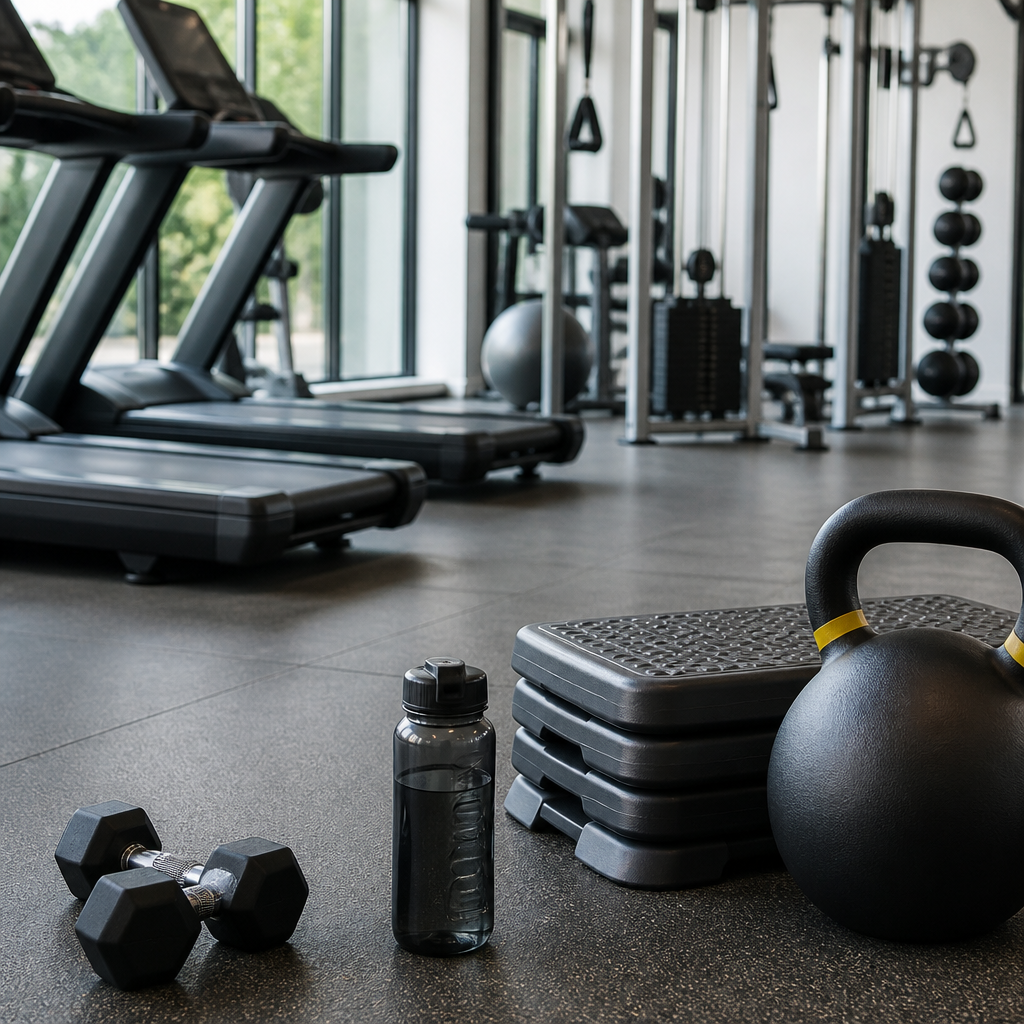
Polymers are transforming fitness equipment by making it lighter, stronger, safer, quieter, and more adaptable to how people actually train at home, in commercial gyms, and in rehabilitation settings. In simple terms, polymers are materials made of long repeating molecular chains, and they include familiar plastics, elastomers, foams, fibers, resins, and advanced composites. When people hear the word plastic, they often think of cheap or disposable products, but in fitness equipment that assumption is outdated. Many of the best-performing components in treadmills, resistance bands, yoga mats, bike saddles, protective housings, cable coatings, and wearable sensors depend on carefully selected polymers engineered for impact resistance, grip, flexibility, fatigue life, and chemical stability.
I have worked with product teams evaluating material choices for consumer equipment, and the shift toward polymers is not cosmetic. It changes product performance, manufacturing efficiency, shipping cost, maintenance requirements, and user experience. A kettlebell with a polymer overmold protects floors and reduces noise. A treadmill deck using polymer composites can improve durability while controlling vibration. Thermoplastic elastomer grips help users maintain form when sweat would make hard surfaces slippery. Expanded foam rollers, polyurethane wheels, nylon pulleys, polyester fabrics, EVA midsoles, silicone seals, and polycarbonate display covers all solve practical problems that older all-metal or natural-material designs handled less effectively.
This matters because fitness equipment sits at the intersection of biomechanics, repeated loading, hygiene, safety, and cost. Materials in this category must survive thousands or millions of movement cycles, resist sweat and cleaning chemicals, and remain comfortable against skin. They also need to support mass production without excessive waste. As a hub for understanding polymers in daily life, fitness equipment is one of the clearest examples of why polymers matter: they are not hidden industrial substances, but everyday enablers of better products. Understanding how polymers are used helps buyers evaluate quality, helps manufacturers design more durable equipment, and helps facility operators choose products with the right balance of performance, maintenance, and lifecycle value.
The modern fitness market would look very different without polymers. Resistance training, cardio machines, recovery tools, protective flooring, smart wearables, and portable home-gym systems all rely on them. The transformation is not just about replacing metal with plastic. It is about matching material behavior to human movement. Good equipment needs rigidity in one area, cushioning in another, controlled elasticity somewhere else, and resistance to abrasion, UV exposure, oils, and disinfectants throughout. Polymers offer that tunability. They can be injection molded, extruded, foamed, laminated, reinforced with glass or carbon fiber, blended for specific properties, and recycled in some applications. That combination of design freedom and performance is why polymers now sit at the center of innovation across the fitness industry.
What polymers do in fitness equipment
Polymers serve three core functions in fitness equipment: structure, interface, and protection. Structural polymers carry load or contribute to stiffness. Examples include glass-filled nylon pedal bodies, polypropylene seat shells, composite treadmill decks, and fiber-reinforced frames in select specialty products. Interface polymers are the materials users touch or compress, such as thermoplastic elastomer grips, EVA foam pads, polyurethane saddle cushioning, and PVC or TPE yoga mat surfaces. Protective polymers shield components from wear, corrosion, moisture, and impact. Powder-coated metal may still provide the main frame, but cable jackets, end caps, housing covers, bushings, seals, and display windows are often polymer based.
The ability to tune hardness, flexibility, friction, transparency, and toughness is what makes polymers especially useful. Shore hardness can be adjusted in elastomers for grip feel. Fillers can improve stiffness or reduce shrinkage. UV stabilizers help outdoor equipment withstand sunlight. Flame-retardant grades are used where electrical safety matters. In commercial gyms, where equipment is cleaned repeatedly, chemical resistance becomes a major specification. Polypropylene, polyethylene, silicone, polyurethane, nylon, ABS, and polycarbonate each bring different strengths, and good product design usually combines several in a single machine rather than relying on one material for everything.
Polymers also help engineers manage vibration and acoustics. Anyone who has compared an old steel-on-steel machine with a newer design has heard the difference. Polymer bushings, dampers, feet, rollers, and coatings absorb energy that would otherwise become noise or harsh feedback. This improves perceived quality and makes equipment more suitable for apartments, boutique studios, rehab clinics, and shared spaces. In practical terms, polymers often determine whether a machine feels refined or crude, even when the underlying mechanical concept is similar.
Key polymer families and where they appear
Different polymer families dominate different parts of the fitness category because the property requirements vary sharply. Thermoplastics such as polypropylene, polyethylene, ABS, polycarbonate, and nylon are common because they can be molded efficiently and offer repeatable performance. Elastomers such as TPE, TPU, silicone, and natural or synthetic rubber provide flexibility, grip, and cushioning. Thermosets like polyurethane foams and epoxy resins appear where dimensional stability, resilient padding, or composite bonding are needed. Advanced composite systems combine polymer matrices with glass or carbon fibers to increase stiffness-to-weight ratio.
Polypropylene is widely used for housings, shrouds, and some seat components because it is lightweight, chemically resistant, and cost effective. ABS is popular for enclosures requiring impact resistance and a good cosmetic finish, including machine covers and console parts. Polycarbonate is used for clear shields and display windows because of its toughness and optical clarity. Nylon, especially glass-filled grades, appears in pulleys, gears, bushings, pedal bodies, and structural brackets because it handles wear and load better than many commodity plastics. TPU and TPE are common in grips, straps, and flexible protective parts. EVA foam remains a staple in mats, pads, and shoe components thanks to its balance of cushioning and low weight.
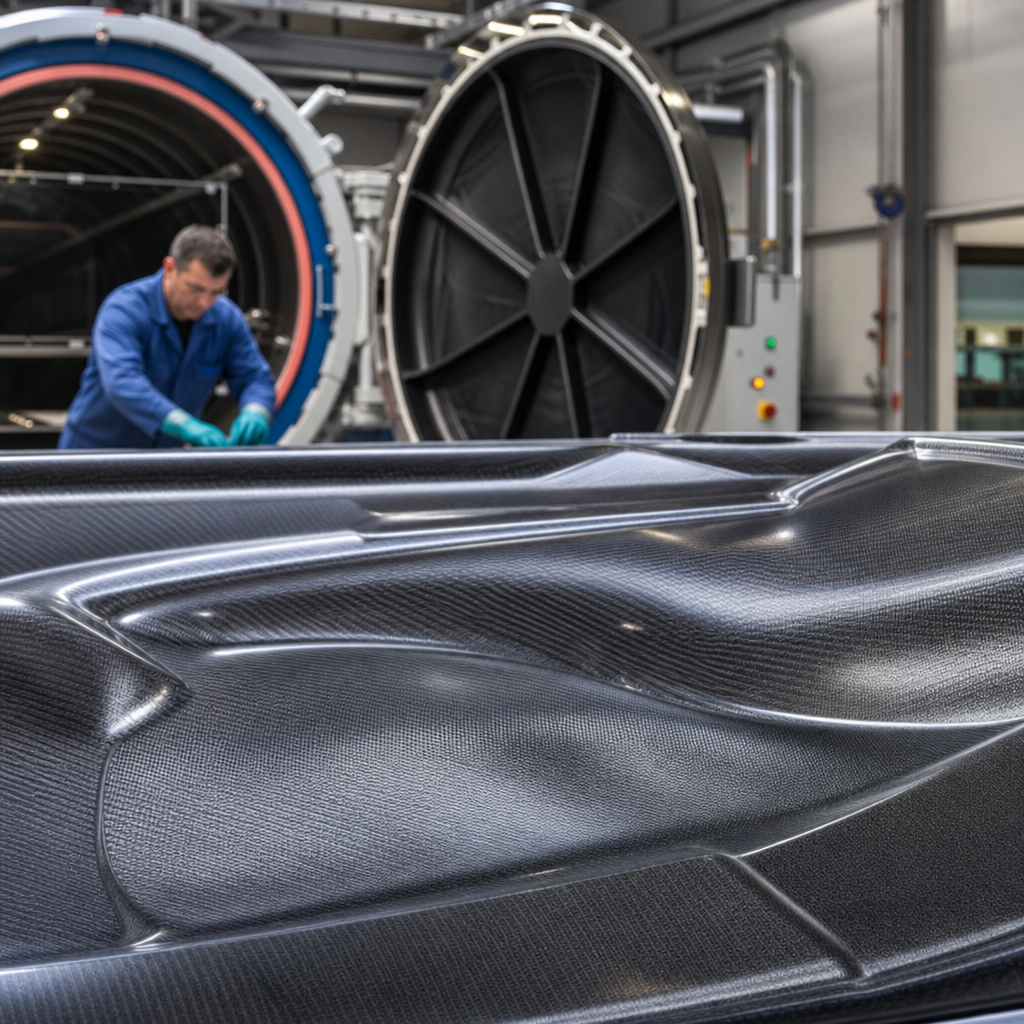
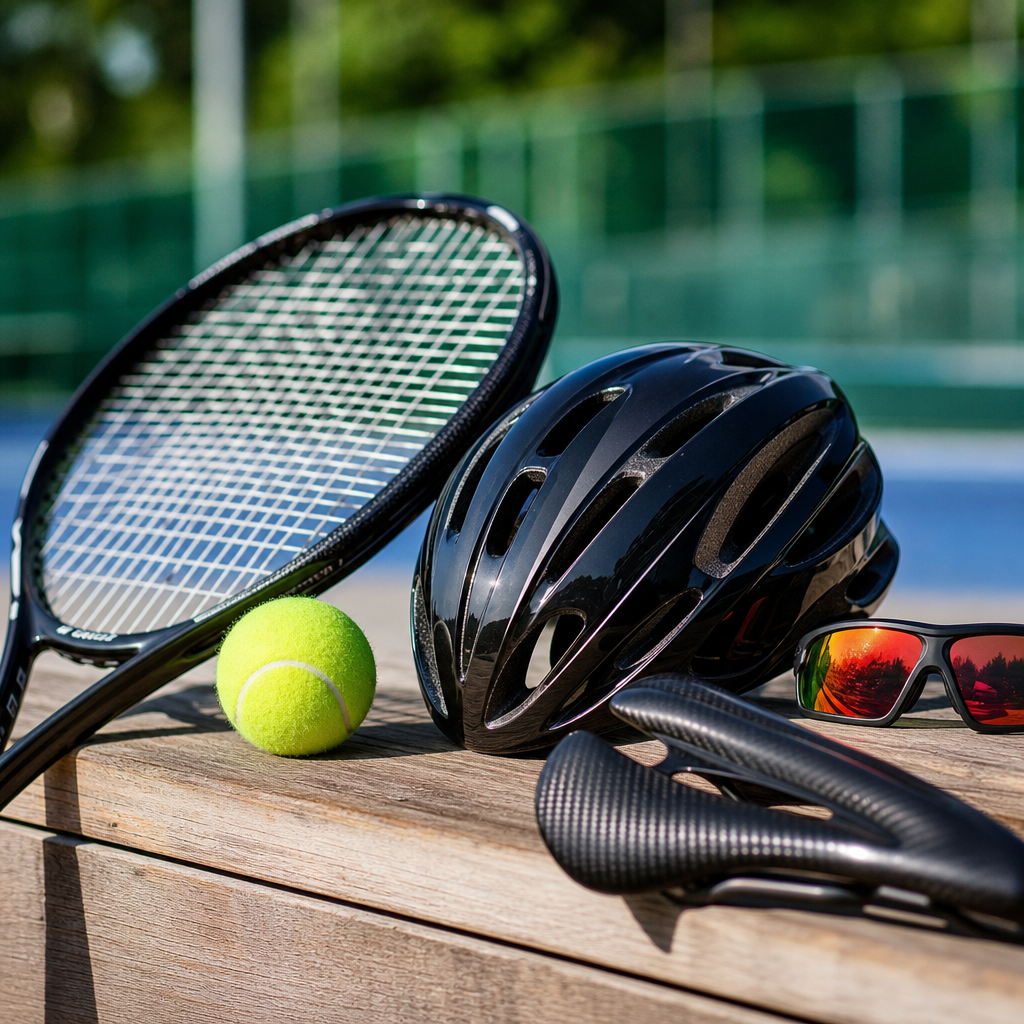
In premium products, material selection gets more specialized. Carbon-fiber-reinforced polymers can reduce mass in bike components and performance accessories. High-rebound polyurethane systems improve shock absorption in flooring tiles and pads. Closed-cell foams limit water absorption in yoga blocks and flotation-based training aids. Silicone is often chosen for seals and skin-contact parts because it remains stable across temperature swings and tolerates repeated cleaning. These choices are not arbitrary. They come from matching polymer chemistry and processing to user needs, expected stress, and product lifespan.
How polymers improve durability, safety, and comfort
Durability in fitness equipment is less about surviving one heavy impact and more about surviving repeated motion, friction, sweat, cleaning cycles, and environmental exposure. Metals can fatigue, corrode, and transmit vibration; wood can crack or absorb moisture; leather can degrade under repeated sanitation. Polymers address many of these problems directly. Nylon pulleys resist wear. Polyurethane wheels roll quietly and tolerate abrasion. TPU coatings protect cables from fraying and moisture ingress. Closed-cell foams reduce sweat absorption. When properly specified, these materials extend service intervals and reduce visible wear in high-use environments.
Safety gains are equally significant. Overmolded grips reduce hand slippage during rows, presses, and carries. Shock-absorbing floor tiles made from recycled rubber or engineered foam reduce force transfer and help protect subfloors. Polymer end caps cover sharp tube edges. Helmet-style impact foams are now influencing protective sports training gear, while softer elastomeric surfaces on handles and adjustment points reduce pinch risk. In cardio machines, polymer shrouds can isolate moving parts, lowering the chance of accidental contact without adding much weight.
Comfort is where users notice polymers most quickly. The difference between a rigid plastic handle and a well-designed TPE grip is immediate. Saddle foams, mat textures, wrist strap flexibility, rebound in plyometric surfaces, and the compliance of resistance bands all influence technique and adherence. If equipment is uncomfortable, people stop using it. That is why polymer selection is tied not just to engineering metrics but to behavioral outcomes. Better touchpoints can improve confidence, especially for beginners and older adults who are sensitive to pressure points, vibration, and instability.
| Equipment type | Common polymers | Main benefit | Typical example |
|---|---|---|---|
| Treadmills | PU, nylon, ABS, TPE | Noise control, wear resistance, protective housings | Deck cushioning systems and roller covers |
| Strength machines | Nylon, TPU, PP, rubber | Low-friction motion, cable protection, impact damping | Pulleys, cable jackets, stack bumpers |
| Free-weight accessories | TPE, PVC, PU, EVA | Grip, floor protection, user comfort | Coated dumbbells and exercise mats |
| Cycling equipment | PA, PC, PU, carbon composite | Low weight, stiffness, cushioning | Pedals, saddle shells, display covers |
Examples across cardio, strength, recovery, and wearables
Cardio equipment showcases polymers in moving, visible, and hidden parts. Treadmill belts typically combine layered polymer systems for traction and endurance. Ellipticals use polymer bushings and covers to reduce noise. Stationary bikes rely on nylon or composite pedal parts, elastomer adjustment knobs, foam saddles, and polymer-coated handlebars. Rowers often use engineering plastics in seat rollers and monorail interfaces to achieve smooth travel without constant lubrication. Even fan bikes depend on polymer blades or housings designed to balance airflow efficiency with impact resistance.
Strength equipment uses polymers where repeated contact and localized stress are highest. Resistance bands are the obvious example, but they are only part of the picture. Selectorized machines include polymer pulleys, guide bushings, cable coatings, stack bumpers, and shrouds. Barbells may use polymer inserts or protective collars. Dumbbells and kettlebells often feature neoprene, vinyl, urethane, or rubber coatings that protect both the equipment and the training surface. In home gyms, injection-molded cable attachments and adjustable bench components reduce weight and simplify assembly while still meeting target loads.
Recovery and mobility products are almost entirely polymer driven. Foam rollers commonly use EVA or expanded polypropylene cores with textured outer layers. Massage balls, stretch straps, mini bands, compression sleeves, and balance pads depend on elastomers and foams tuned for specific densities. These products reveal how polymers in daily life support not just athletic performance but pain management, physical therapy, and active aging. A balance pad used in a rehab clinic and a yoga block used at home may seem simple, yet their effectiveness depends on compression set resistance, surface friction, and cleanability.
Wearables extend the role of polymers beyond large equipment. Smartwatches, heart-rate straps, earbud tips, and activity trackers rely on skin-safe elastomers, polycarbonate housings, adhesive films, and flexible printed electronics encapsulated within polymer layers. Breathable polyester and nylon performance fabrics wick moisture and maintain fit under movement. Without these materials, connected fitness would be bulkier, less durable, and far less comfortable. The rise of hybrid hardware and digital coaching has increased demand for polymers that can combine flexibility, transparency to sensors, and long-term skin compatibility.
Manufacturing, sustainability, and design tradeoffs
Polymers are reshaping not only what fitness equipment does, but how it is made. Injection molding supports complex geometries with integrated ribs, clips, textures, and color. Extrusion enables tubing, profiles, and protective sheathing. Rotational molding can produce large hollow components. Overmolding bonds a soft grip layer onto a rigid core in one integrated design. Additive manufacturing is increasingly used for prototyping grips, clips, and fit-related parts before expensive tooling is committed. These processes shorten development time and reduce part counts compared with multi-piece metal assemblies.
There are real sustainability gains available, but they are not automatic. Lightweight polymer components reduce transport emissions. Recycled rubber and thermoplastic materials are now common in flooring and some accessory products. Several brands use recycled polyester in straps, upholstery backings, and apparel-linked equipment systems. Some thermoplastics can be reprocessed more readily than thermosets. However, mixed-material assemblies can make recycling difficult, especially when foams, adhesives, inserts, and metal fasteners are tightly combined. The best designs consider disassembly, resin identification, and expected service life from the start.
Tradeoffs matter. A low-cost polymer may creep under load, crack in cold conditions, discolor under UV exposure, or fail under repeated disinfectant contact. Premium materials can solve those issues but raise tooling and raw material costs. Engineers therefore validate designs with fatigue testing, chemical exposure testing, impact testing, and dimensional analysis rather than relying on datasheets alone. Standards from organizations such as ASTM and ISO guide testing in relevant categories, while material suppliers like BASF, Covestro, DuPont, SABIC, and Celanese provide detailed property data. In practice, the best equipment uses polymers strategically, not indiscriminately. Material selection succeeds when it aligns with actual use conditions, serviceability, and total lifecycle cost.
What buyers, gyms, and product teams should look for
If you are evaluating fitness equipment, look past marketing language and inspect where polymers are used and why. High-quality polymer parts should feel intentional, not flimsy. Grips should remain secure when wet. Foam should recover after compression rather than flattening permanently. Wheels and rollers should move quietly without visible wobble. Coatings should resist chipping, and shrouds should fit tightly without rattling. In commercial settings, ask whether surfaces tolerate quaternary ammonium cleaners, alcohol-based sprays, and high-frequency wipe-downs. Material compatibility with cleaning protocols is a major predictor of long-term appearance and safety.
For gym owners and facility managers, maintenance records tell the story. Track which parts fail first: cable jackets, grips, pads, rollers, or floor tiles. Often the difference between repeated repairs and stable uptime is a better polymer specification, not a more expensive machine overall. For product teams, the opportunity is broader. The future of polymers in daily life within fitness includes bio-based resins, more recyclable thermoplastic systems, sensor-integrated elastomers, antimicrobial surface strategies, and smarter composite structures that reduce weight without sacrificing strength. The core benefit remains the same: polymers let equipment better match the realities of human use.
Fitness equipment has been transformed because polymers solve real problems with precision. They reduce noise, protect joints and floors, enable portability, improve hygiene, support digital features, and make better training experiences possible across homes, studios, clinics, and elite performance centers. For anyone building, buying, or maintaining equipment, understanding these materials is no longer optional. Use this hub as your starting point, then compare products through the lens of material choice, durability, comfort, and end-of-life design. Better material decisions lead to better equipment, and better equipment keeps people moving.
Frequently Asked Questions
1. What does it mean when we say polymers are transforming fitness equipment?
When we say polymers are transforming fitness equipment, we mean that modern material science is changing how machines, accessories, and training tools are designed, built, and used. Polymers are a broad family of materials made from long repeating molecular chains, and that category includes not just common plastics, but also elastomers, performance foams, synthetic fibers, engineering resins, and fiber-reinforced composites. In fitness equipment, these materials are replacing or complementing traditional metal, wood, and rubber components in ways that improve performance and usability without sacrificing durability.
In practical terms, polymers help make equipment lighter, stronger in the right places, more comfortable to grip, quieter during use, and safer when exposed to repeated impact or heavy wear. You see this in everything from adjustable dumbbells and resistance bands to treadmill decks, indoor bike components, rowing machine seats, yoga mats, cable coatings, foam rollers, protective housings, and rehabilitation devices. Instead of being used as cheap substitutes, advanced polymers are often chosen because they can be precisely engineered for flexibility, rigidity, shock absorption, chemical resistance, or weather resistance depending on the application.
This matters because the way people train has changed. Home users want compact and quiet equipment. Commercial gyms need materials that can survive high traffic and repeated cleaning. Rehabilitation settings require surfaces and structures that are supportive, hygienic, and forgiving on the body. Polymers give manufacturers more control over all of those factors. That is why they are not just a minor material upgrade, but a major driver of innovation across the fitness industry.
2. Are polymer-based fitness products actually durable, or are they just lighter versions of traditional equipment?
High-quality polymer-based fitness products can be extremely durable, and in many cases they are engineered specifically to outperform heavier traditional materials in demanding conditions. The idea that polymers are inherently flimsy comes from everyday exposure to low-cost disposable plastics, but that is not the same as the engineered polymers used in serious equipment design. Many fitness components are made from high-performance thermoplastics, reinforced resins, elastomers, and composites that are selected for repeated load cycles, abrasion resistance, impact resistance, and long-term dimensional stability.
For example, polymer housings can protect internal mechanisms from sweat, dust, and accidental impact. Composite structures can provide excellent strength-to-weight ratios in stationary bikes, performance accessories, and specialty rehab devices. Elastomeric materials can maintain flexibility under repeated stretching or compression, which is essential in grips, bands, pads, and shock-absorbing contact points. Coated cables and polymer bushings can also reduce friction and wear, extending the life of moving equipment while improving the feel of the motion.
Durability, however, depends on design quality, formulation, and manufacturing standards. Not all polymer parts are equal. A well-designed glass-filled nylon component or reinforced composite panel is very different from a low-grade molded plastic part. Reputable manufacturers test their materials for fatigue, impact, environmental exposure, and repeated use. So the better question is not whether a product contains polymers, but whether those polymers are the right ones for the job and whether the product was engineered to professional standards. In many modern fitness products, the answer is yes.
3. How do polymers make fitness equipment safer and more comfortable to use?
Polymers improve safety and comfort because they can be tailored to control grip, cushioning, flexibility, surface texture, and impact absorption more precisely than many traditional materials. In a fitness environment, that matters a great deal. Users interact with equipment through their hands, feet, joints, and body weight, so the feel of the material can directly affect confidence, performance, and injury risk. A polymer grip can be designed to reduce slipping during sweaty workouts. A polymer foam can cushion pressure points during floor exercises or rehabilitation. A polymer guard or housing can cover pinch points or sharp edges on machines.
Elastomers and foams are especially important in this area. They are used in mats, handles, seat pads, joint supports, protective bumpers, barbell coatings, and landing surfaces because they absorb shock and reduce harsh contact. On cardio machines, polymer components can help dampen vibration and lower noise, creating a smoother and less jarring experience. On strength equipment, they can protect users as well as the equipment itself by softening repeated impact where weights are racked, dropped, or repositioned.
Comfort also has a performance dimension. Equipment that feels better tends to be used more consistently and with better technique. A handle diameter can be optimized with polymer overmolding. A seat can combine structural support with compliant cushioning. A rehab tool can be made flexible enough for fragile users while still maintaining control and support. Because polymers can be formulated for very specific physical properties, they allow manufacturers to build equipment around the human body rather than forcing the user to adapt to hard, cold, or overly rigid surfaces.
4. Why are polymers especially important for home gyms, commercial gyms, and rehabilitation settings?
Polymers are valuable in all three environments, but for different reasons. In home gyms, users often need equipment that is lighter, easier to move, quieter, and more space-efficient. Polymer components help manufacturers reduce weight and integrate features such as foldable frames, compact housings, cushioned contact points, and vibration-dampening elements. That makes home equipment more practical in apartments, spare rooms, and shared spaces where noise and storage are major concerns.
In commercial gyms, the priorities shift toward durability, maintenance, safety, and appearance under constant use. Equipment in these settings must withstand thousands of repetitions, impacts, sweat exposure, cleaning chemicals, and frequent user turnover. Polymers contribute by offering corrosion resistance, sealed surfaces, protective coatings, and replaceable wear components. They can also help preserve the facility itself by reducing metal-on-metal noise, preventing floor damage, and making touch surfaces easier to clean and maintain.
In rehabilitation and clinical settings, polymers are especially useful because they can be engineered for gentler contact, hygiene, flexibility, and adjustability. Patients recovering from injury or surgery often need equipment that supports gradual loading, controlled motion, and reduced joint stress. Polymer foams, soft-touch surfaces, and adaptive braces or supports can make rehab tools more accessible and less intimidating. Lightweight polymer-based devices are also easier for clinicians to reposition and for patients to handle. Across all three settings, the underlying advantage is the same: polymers allow equipment to be designed around real-world use cases instead of relying on one-size-fits-all material choices.
5. Does the use of polymers mean fitness equipment is becoming more advanced and customizable?
Yes, absolutely. One of the biggest advantages of polymers is that they give designers far more freedom to create equipment with specific performance characteristics, ergonomic features, and user-friendly forms. Metals are excellent in many structural applications, but polymers offer a level of material tuning that is especially valuable when products need to be lightweight, molded into complex shapes, cushioned in certain areas, rigid in others, or integrated with digital and mechanical systems. This is a major reason fitness equipment has become more specialized and adaptable in recent years.
Customization shows up in several ways. Manufacturers can use different polymer blends, densities, coatings, and reinforcements to create distinct experiences for beginners, athletes, seniors, or rehab patients. A foam roller can be made firmer or softer. A resistance tool can be tuned for different elastic responses. A machine touchpoint can be textured for grip, comfort, or sanitation. Wearable supports and mobility tools can also be designed for a more anatomical fit using advanced polymers and composite structures.
Polymers also support manufacturing methods such as precision molding, layered construction, and composite layups, which make it easier to integrate multiple functions into a single part. That can reduce assembly complexity, improve consistency, and open the door to smarter product design. In the future, this flexibility will likely become even more important as fitness equipment continues to blend physical performance, user comfort, connected technology, and personalized training needs. Far from being a basic material choice, polymers are helping define what modern, adaptable fitness equipment can be.