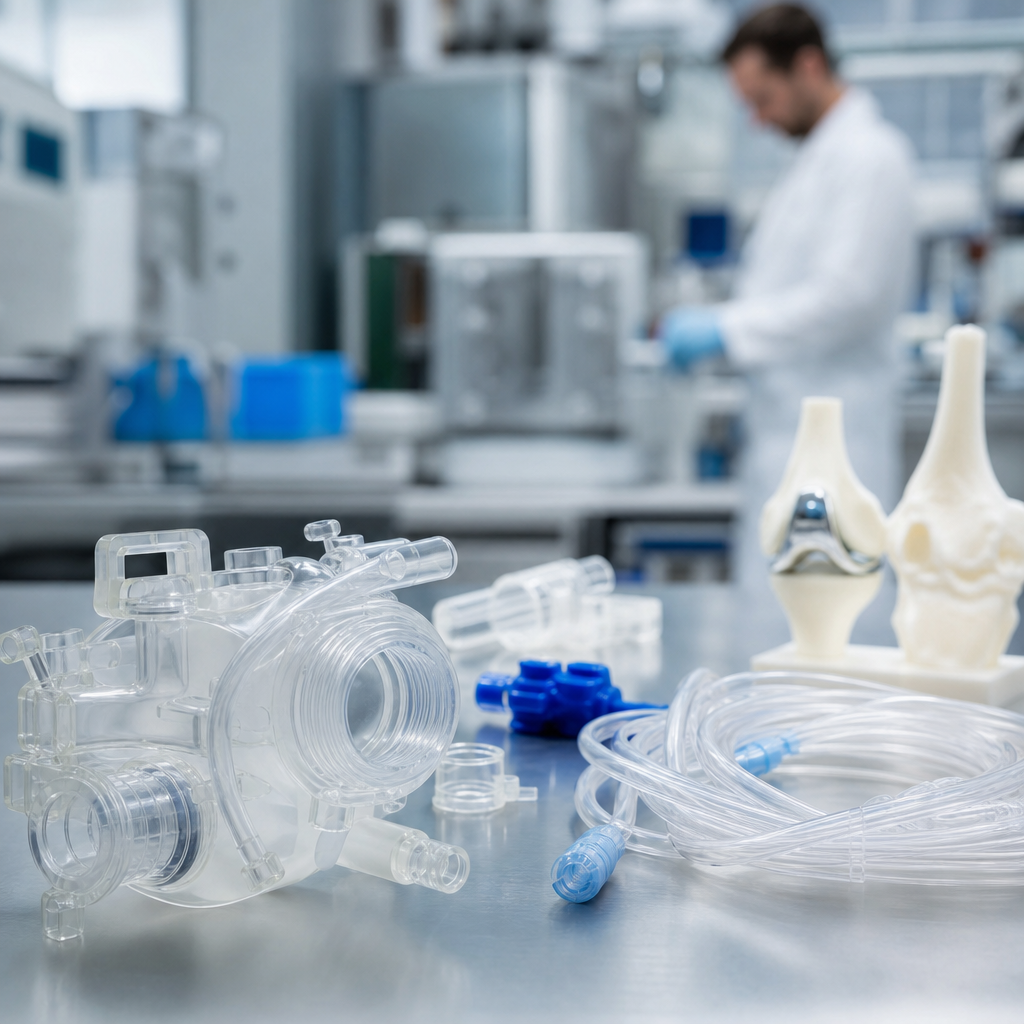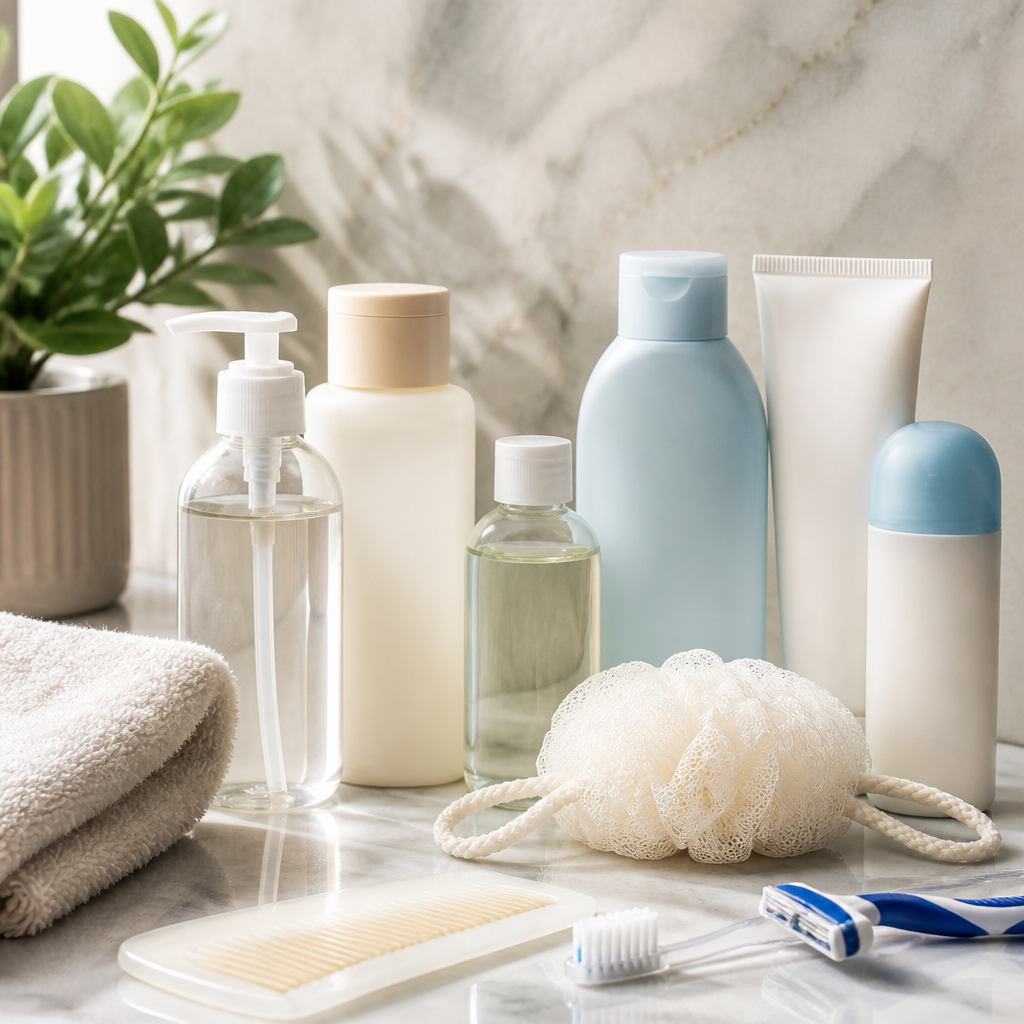
Polymers shape an enormous share of modern health and wellness products, from the soft contact lenses people wear each morning to the controlled-release tablets, wound dressings, sportswear fibers, and water bottles they use throughout the day. In simple terms, a polymer is a material made of many repeating molecular units linked into long chains. Those chains can be natural, such as cellulose, alginate, collagen, and natural rubber, or synthetic, such as polyethylene, polypropylene, polyurethane, silicone, polyethylene glycol, and polyvinyl alcohol. When people ask how polymers fit into daily life, the practical answer is straightforward: they provide strength, flexibility, barrier protection, cleanliness, comfort, and precise performance in products designed to support health.
That role matters because wellness products are expected to do more than exist safely on a shelf. They must survive transport, protect ingredients from oxygen and moisture, feel comfortable on skin, remain stable during repeated use, and, in many cases, interact with the body in highly controlled ways. I have worked on product positioning and technical content around medical-grade and consumer polymers, and the same pattern appears again and again: the best health products succeed because their polymer selection is deliberate, not incidental. A hydrogel bandage that maintains a moist healing environment, a child-resistant bottle that still opens for seniors, or a yoga mat that balances grip with cleanability all depend on specific polymer properties matched to a real-world use case.
As a hub topic, polymers in daily life deserves a broad view. The subject includes personal care packaging, wearable wellness devices, rehabilitation supports, nutrition packaging, home sanitation tools, and pharmaceutical delivery systems. It also includes less visible but equally important functions, such as biocompatibility, sterilization resistance, low extractables, mechanical durability, and end-of-life management. Understanding these materials helps consumers evaluate product quality and helps businesses make better design choices across performance, safety, cost, and sustainability. The sections below explain where polymers appear in health and wellness products, what they do, how experts select them, and what tradeoffs should guide smarter product decisions.
Why Polymers Are Found in So Many Health and Wellness Products
Polymers are common in health and wellness products because few other material classes offer the same combination of tunable properties, scalable manufacturing, and affordability. A single family of polymers can be engineered into rigid pill bottles, flexible IV tubing, breathable athletic textiles, or pressure-sensitive adhesive patches simply by adjusting molecular weight, crystallinity, additives, copolymers, or processing conditions. In practice, that means developers can tailor softness, elasticity, transparency, gas permeability, and chemical resistance instead of forcing the product to fit a material that was never ideal for the application.
Another reason polymers dominate daily wellness products is hygiene. Polypropylene nonwovens, for example, became globally familiar through face masks, gowns, and hygiene disposables because they can be manufactured at high volume with consistent fiber structure and good filtration support. Silicone is valued in scar sheets, menstrual cups, and skin-contact devices because it is flexible, stable, and generally well tolerated. Polyethylene terephthalate, better known as PET, protects beverages and supplements by offering clarity and decent barrier performance while remaining lightweight compared with glass. In each case, the polymer solves a specific user problem: contamination control, comfort, portability, or shelf-life preservation.
Polymers also support modern wellness trends that depend on convenience. Ready-to-drink nutrition, single-dose supplement packets, resealable pouches, foam rollers, resistance bands, and smart wearables all rely on materials that can be formed quickly into complex shapes. Injection molding, extrusion, blow molding, thermoforming, electrospinning, and 3D printing make that possible. The result is a category of products that feels diverse to consumers but is united by polymer science behind the scenes.
Core Polymer Functions in Personal Care, Fitness, and Home Wellness
In personal care, polymers often serve three roles at once: packaging, formulation support, and skin or hair interaction. High-density polyethylene is widely used for shampoo and lotion bottles because it resists cracking and handles surfactant-rich formulas well. Polypropylene caps and dispensers add fatigue resistance for repeated opening and closing. Inside the formula itself, polymers such as carbomers, acrylates copolymers, and cellulose derivatives control thickness, suspension stability, film formation, and sensory feel. A hand sanitizer gel that spreads evenly without dripping is a direct example of polymer-enabled rheology control.
Fitness and recovery products use polymers for energy absorption, elasticity, and moisture management. Ethylene-vinyl acetate in midsoles helps cushion impact. Thermoplastic elastomers provide stretch in resistance bands and ergonomic grips. Polyester and nylon dominate performance apparel because engineered fibers can wick moisture, dry quickly, and maintain shape under repeated washing. Polyurethane foams appear in massage rollers, braces, and protective padding because they can be tuned for density and rebound. These are not interchangeable choices. A brace that is too stiff can reduce compliance, while a foam with poor compression set quickly loses support.
Home wellness products rely on polymers for durability and easy cleaning. Water filter housings often use polypropylene or ABS because these materials can handle moisture exposure and dimensional requirements. Toothbrush bristles commonly use nylon for flex fatigue resistance. Storage containers for meal prep or supplements use polypropylene because it tolerates many food-contact applications and repeated opening cycles. Across these examples, the pattern is the same: a polymer is chosen not just because it is cheap, but because its chemical and mechanical profile fits the actual behavior the product must deliver every day.
Polymers in Medical and Drug-Adjacent Wellness Applications
The clearest demonstration of polymer value appears where wellness overlaps with medicine. Drug delivery systems depend heavily on polymers to control dose timing, protect active ingredients, and improve patient adherence. Extended-release tablets may use hydrophilic matrix polymers such as hypromellose, also known as HPMC, which swell when exposed to gastrointestinal fluids and regulate how the drug diffuses out. Transdermal patches use pressure-sensitive adhesives, backing films, and release liners made from carefully selected polymer systems so the active compound remains stable and the patch stays attached without damaging skin.
Hydrogels are another important example. These water-rich polymer networks are used in wound dressings, electrodes, contact lenses, and topical delivery platforms because they combine softness with high water content. In wound care, hydrogel dressings support moist healing, which is widely recognized as beneficial for many wound types because it can reduce pain during dressing changes and help autolytic debridement. Alginate dressings, derived from seaweed, can absorb exudate and form a gel in contact with wound fluid. That is polymer science translated directly into a better patient experience.
Wellness devices sold outside clinical settings still follow many medical material principles. Reusable braces, hot and cold therapy packs, menstrual health products, sleep apnea accessories, and wearable biosensors all require biocompatibility, chemical stability, and cleaning resilience. Standards and guidance matter here. Depending on the intended use, teams may reference ISO 10993 for biocompatibility evaluation, United States Pharmacopeia material classifications, or food-contact regulations from agencies such as the FDA and EFSA. Responsible polymer selection in these categories is not guesswork; it is a structured process balancing performance, safety, and regulatory fit.
How Material Selection Works in Real Product Development
When teams choose a polymer for a health or wellness product, they usually begin with the use environment rather than the material catalog. The first questions are practical: Will the product touch skin, food, or mucosal tissue? Does it need to survive alcohol exposure, ultraviolet light, steam sterilization, dishwasher heat, body temperature, or freezer storage? Must it flex thousands of times, form a moisture barrier, remain transparent, or avoid leaching odor? Once those conditions are clear, engineers narrow the field to polymers with the right baseline chemistry and then test prototypes under realistic conditions.
In my experience, the most expensive mistakes happen when companies focus on one property in isolation. A supplement pouch may have excellent oxygen barrier but fail at seal integrity after distribution testing. A wearable strap may feel soft in the lab but trigger skin complaints after sweat, sunscreen, and friction are introduced. A plant-based polymer may improve marketing appeal yet struggle with heat distortion in a car trunk. Good selection work therefore combines mechanical testing, chemical compatibility studies, aging data, and user trials. Tools such as differential scanning calorimetry, tensile testing, permeation analysis, extractables screening, and accelerated aging all help build evidence before launch.
| Application | Common Polymers | Why They Are Chosen | Key Limitation |
|---|---|---|---|
| Supplement bottles | HDPE, PP, PET | Light weight, toughness, good processability | Barrier needs may require additives or multilayers |
| Wound dressings | Hydrogels, alginates, PU films | Moist healing, comfort, fluid handling | Not every wound type benefits from the same dressing chemistry |
| Wearable straps | Silicone, TPU, TPE | Flexibility, skin contact comfort, durability | Skin response and cleaning resistance vary by formulation |
| Sports apparel | Polyester, nylon, elastane | Moisture management, stretch, wash durability | Microfiber shedding requires mitigation |
Sustainability, Safety, and Consumer Expectations
No discussion of polymers in daily life is complete without addressing sustainability and safety. Consumers increasingly want health and wellness products that perform well without creating unnecessary waste or exposure concerns. That has pushed brands toward recyclable mono-material packaging, post-consumer recycled content, refill formats, and, where technically suitable, bio-based polymers. However, sustainable polymer choice is more complex than replacing one resin with another. A package that uses less material but shortens product shelf life can increase overall environmental burden if more product is discarded. In life-cycle terms, protecting the contents often matters as much as reducing packaging weight.
Safety expectations are also higher than they were a decade ago. People ask about BPA, phthalates, PFAS, latex proteins, silicone quality, odor, microplastics, and the chemical stability of repeated-use items. Those concerns should be answered specifically, not with vague reassurance. The right approach is to define the chemistry used, confirm the intended-use compliance pathway, and explain testing where relevant, including migration, extractables, or irritation assessments. For reusable wellness products, cleaning instructions are part of safety. A good material can still become a poor user experience if it stains easily, traps odor, or degrades after standard disinfection methods.
For companies building an article cluster around polymers in daily life, this is where internal topic depth becomes valuable. A hub page should connect readers to detailed discussions on packaging polymers, medical-grade silicones, textile fibers, hydrogel technology, recyclable wellness packaging, and polymer safety testing. That structure reflects how buyers and researchers actually think: they start broad, then move into a specific application, property, or concern. Polymers are not background materials anymore. They are part of the product story, and informed readers expect brands to explain that story clearly.
What to Look for When Evaluating Polymer-Based Wellness Products
For professionals and consumers alike, the most useful way to evaluate polymer-based health and wellness products is to match claims against function. Ask what the product must do, what material enables that result, and what evidence supports it. If a bottle claims superior freshness, look for barrier rationale. If a patch promises gentle wear, examine adhesive design and wear-time limits. If a brace claims durability, consider whether the polymer can resist sweat, cleaning agents, and repeated flexing. Named materials, clear use instructions, and realistic performance claims are usually signs of a more credible product.
The main benefit of understanding polymers in daily life is better decision-making. You can compare products more intelligently, design with fewer costly mistakes, and communicate value in language that connects material science to real human outcomes: comfort, hygiene, stability, adherence, and safety. Across health and wellness categories, polymers are the enabling platform that turns ideas into dependable products people use every day. Explore the related articles in this subtopic to go deeper into packaging, wearables, medical applications, sustainability, and the specific polymer families shaping the next generation of innovative solutions today.
Frequently Asked Questions
1. What are polymers, and why are they so important in health and wellness products?
Polymers are materials made from many small repeating molecular units linked together into long chains. That structure gives them a wide range of useful properties, including flexibility, strength, softness, durability, water resistance, breathability, and the ability to form gels, films, fibers, foams, and coatings. In health and wellness products, those characteristics are especially valuable because different applications demand very different performance. A wound dressing may need to absorb moisture while protecting the skin, a contact lens must be soft and transparent, a tablet coating may need to dissolve at a controlled rate, and a reusable water bottle should be lightweight, impact-resistant, and easy to clean.
Polymers matter so much because they can be engineered very precisely. Natural polymers such as cellulose, alginate, collagen, and natural rubber are often valued for their biocompatibility, absorbency, or renewable origins. Synthetic polymers such as polyethylene, polypropylene, polyurethane, and silicone are frequently chosen for their consistency, durability, and ability to be manufactured at scale. In practice, modern health and wellness products often rely on both types, depending on the specific need. The result is that polymers help make products safer, more comfortable, more effective, and more accessible for everyday use.
2. How are polymers used in everyday health and wellness items?
Polymers appear in a remarkably broad range of products people use throughout the day. Soft contact lenses are made from specialized polymer materials that allow them to remain flexible, transparent, and comfortable on the eye while also permitting oxygen transmission. Controlled-release tablets and capsules often use polymer coatings or matrices to regulate how quickly an active ingredient is released, which can improve convenience and support more consistent performance. Wound dressings may contain polymer films, foams, or hydrogels designed to maintain a balanced healing environment, manage moisture, and protect damaged tissue from outside contaminants.
Beyond clearly medical products, polymers are also central to wellness-focused consumer goods. Sportswear fibers rely on polymers to provide stretch, moisture management, compression, and durability. Elastic waistbands, breathable workout fabrics, and cushioned athletic gear all depend on polymer science. Hydration products such as reusable water bottles, shaker bottles, and storage containers frequently use polymers because they are lightweight, shatter-resistant, and easy to mold into practical designs. Even personal care packaging, toothbrush bristles, yoga mats, foam rollers, and fitness accessories often depend on specific polymer formulations chosen for safety, comfort, hygiene, and long-term performance.
3. What is the difference between natural and synthetic polymers in these products?
Natural and synthetic polymers differ mainly in their origin, though their practical uses can overlap. Natural polymers come from biological sources and include materials such as cellulose, alginate, collagen, and natural rubber. These are often attractive in health-related applications because they may offer properties such as biocompatibility, biodegradability, softness, or moisture interaction that work well with the body or the environment. For example, alginate has been widely used in wound care because of its absorbent behavior, while collagen is valued in certain tissue-related applications because it is a naturally occurring structural protein.
Synthetic polymers are human-made materials designed to deliver specific performance characteristics with high consistency. Polyethylene and polypropylene are common in packaging and containers because they are durable and cost-effective. Polyurethanes can be formulated into soft foams, coatings, or elastomers, making them useful in everything from cushioning to wearable materials. Synthetic polymers are often preferred when manufacturers need precise control over strength, flexibility, transparency, sterilization compatibility, or shelf stability. In many cases, the choice is not about one category being universally better than the other, but about selecting the right material for the product’s purpose, safety profile, user comfort, manufacturing needs, and regulatory requirements.
4. How do polymers improve safety, comfort, and performance in health products?
Polymers improve safety by helping create protective barriers, stable packaging, and reliable delivery systems. In pharmaceuticals, polymer coatings can shield active ingredients from moisture or light and can also control where and when a drug dissolves. In wound care, polymer-based materials can act as barriers against contamination while managing fluid levels at the wound site. In wearable products, polymers can reduce irritation by providing softer surfaces, smoother textures, or flexible fits that move with the body instead of against it. These qualities are not just convenience features; they often play a direct role in product effectiveness and user adherence.
Comfort and performance are equally tied to polymer design. A contact lens must remain hydrated and flexible for comfortable wear. A sports fabric should stretch without losing shape and should help move perspiration away from the skin. A foam support or brace needs cushioning along with structural resilience. Because polymer chemistry can be adjusted in highly targeted ways, manufacturers can fine-tune characteristics such as breathability, elasticity, absorbency, clarity, adhesion, and strength. That level of control is one reason polymers are so deeply embedded in modern health and wellness innovation: they make it possible to create products that are not only functional, but practical and pleasant enough for everyday use.
5. Are polymers in health and wellness products safe and sustainable?
Safety depends on the specific polymer, how it is processed, and how it is used in the final product. Materials intended for contact with the body, pharmaceuticals, food, or drinking water are typically selected according to strict performance and regulatory standards. Manufacturers evaluate factors such as purity, chemical stability, biocompatibility, durability, and the possibility of interactions with active ingredients or human tissue. In many health and wellness applications, polymers are chosen precisely because they can provide predictable and well-tested performance. That said, safety should always be considered product by product rather than assumed based on the word “polymer” alone, since polymers are a broad class of materials with very different properties.
Sustainability is also a growing focus. Some natural polymers come from renewable sources and may offer advantages in compostability or biodegradability under certain conditions. At the same time, many synthetic polymers deliver durability and reusability, which can also support sustainability when products are designed for longer life and lower replacement frequency. The industry is increasingly exploring recyclable materials, bio-based polymers, reduced packaging, and improved manufacturing efficiency. For consumers and brands alike, the most meaningful sustainability progress often comes from balancing performance, safety, resource use, product longevity, and end-of-life options. In other words, the future of polymers in health and wellness is not just about functionality, but about making those materials smarter, safer, and more responsible over time.