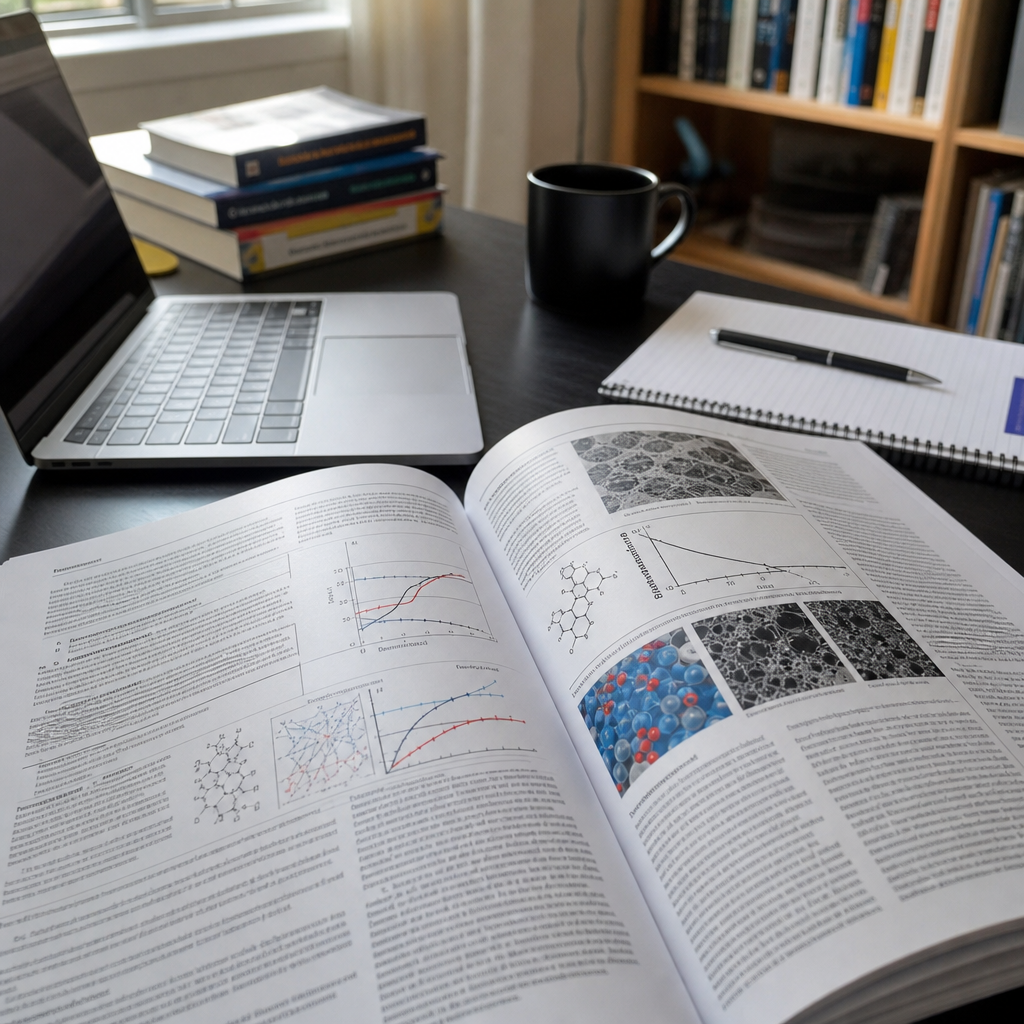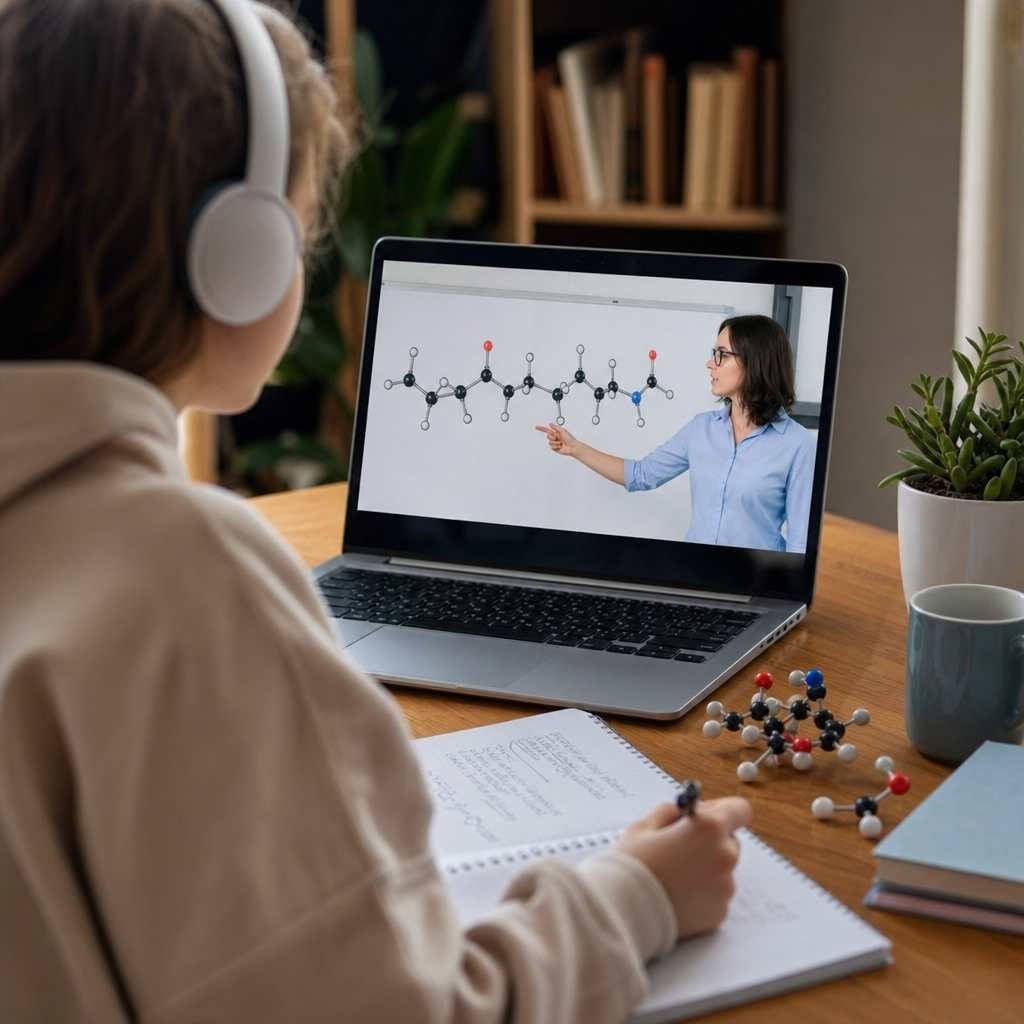
Educational videos can make polymers easier to understand because they turn abstract molecular behavior into visible, memorable sequences. In polymer science, students often struggle with terms such as monomer, chain growth, cross-linking, crystallinity, glass transition, and viscoelasticity because textbooks describe events that happen at scales no one can directly see. Well-made educational videos solve that problem by combining animation, laboratory footage, simulations, and expert narration. Podcasts add another layer by helping learners revisit concepts during commutes, workouts, or review sessions. Used together, educational videos and podcasts form a practical study system for learning polymers, whether you are a high school student meeting plastics for the first time, an engineering undergrad studying materials, or a professional refreshing core concepts.
Learning polymers matters because polymer materials are everywhere: packaging, medical devices, textiles, adhesives, automotive components, electronics, coatings, and 3D printing filaments all rely on polymer behavior. If you understand how polymer structure affects properties, you can explain why polyethylene bags are flexible, why epoxy resins harden permanently, why silicone stays elastic over a wide temperature range, and why recycled plastics can lose performance after repeated processing. I have used video lectures, recorded lab demonstrations, and technical podcasts in both classroom support and self-study, and the pattern is consistent: learners retain more when they can see polymerization, processing, and testing rather than only reading definitions. This hub article explains how to use educational videos for learning polymers, how podcasts support deeper review, what to watch for in a credible resource, and how to build a study workflow that connects this page to the broader Educational Resources library.
Why educational videos work so well for polymer science
Educational videos are effective for polymer learning because polymers are dynamic systems. A static diagram can show a repeating unit, but a video can show how monomers join into long chains, how heat changes chain mobility, and how orientation during stretching improves strength. For beginners, that movement is the difference between memorizing vocabulary and building usable understanding. When students watch a clear animation of thermoplastics softening and flowing during extrusion, then compare it with a thermoset curing irreversibly, they quickly grasp a distinction that often takes several pages to explain in print.
Videos also support layered learning. A short introductory clip can define polymer basics in plain language, while a more advanced lecture can cover free-radical polymerization kinetics, degree of polymerization, tacticity, molecular weight distribution, and differential scanning calorimetry. This matters because polymer education spans multiple levels. A middle school learner may only need to know that plastics are long-chain molecules, while a materials science student must connect chain architecture to tensile modulus, impact resistance, and barrier properties. Good video content meets both needs by letting learners pause, replay, slow playback, and return to difficult sections.
Another advantage is direct observation of real processes. Lab videos showing tensile testing, melt flow index measurement, injection molding, film blowing, or solvent casting help students connect theory to industrial practice. In my experience, learners understand viscoelasticity faster after watching a creep or stress-relaxation demonstration than after reading only equations. The image of a polymer specimen deforming over time stays with them. That memory becomes a reference point when they later study service temperature, product design, or failure analysis.
What topics polymer learners should prioritize in videos and podcasts
A strong educational videos and podcasts plan should cover the full polymer learning path, not just isolated facts. Start with foundational topics: what polymers are, how monomers form repeating chains, and the difference between natural polymers such as cellulose, starch, proteins, and DNA and synthetic polymers such as polyethylene, polypropylene, polystyrene, nylon, PVC, PET, and epoxy. Learners should then move to classification: thermoplastics versus thermosets, amorphous versus semicrystalline materials, elastomers versus rigid plastics, and commodity polymers versus engineering polymers.
Next, focus on structure-property relationships. This is the core of polymer education. Videos should explain how molecular weight, branching, cross-link density, chain alignment, crystallinity, copolymer composition, plasticizers, and fillers affect stiffness, toughness, transparency, chemical resistance, and thermal behavior. A good podcast episode can reinforce these principles with real examples, such as why low-density polyethylene is softer than high-density polyethylene, or why adding glass fiber improves dimensional stability in nylon components.
Processing is another essential category. Look for content on extrusion, injection molding, blow molding, thermoforming, rotational molding, fiber spinning, and additive manufacturing. Students often understand a polymer better when they see how it is processed because flow, cooling rate, orientation, and curing history all shape final performance. Podcasts are useful here for interviews with manufacturing engineers discussing defects like warpage, sink marks, brittleness, weld lines, or moisture sensitivity. Those discussions show how polymer science works outside the classroom.
Finally, include testing, sustainability, and applications. Videos on tensile testing, impact testing, rheology, DSC, TGA, FTIR, DMA, and microscopy teach learners how scientists evaluate materials. Sustainability content should address mechanical recycling, chemical recycling, biodegradability, life-cycle tradeoffs, and resin identification codes without oversimplifying. Application-based episodes on medical polymers, packaging films, aerospace composites, membranes, and smart materials make learning purposeful and memorable.
How to judge whether a polymer video or podcast is credible
Not all educational media on polymers is reliable. The best resources identify the speaker, the institution, and the intended audience. University channels, professional societies, standards organizations, museum science platforms, and established industry educators usually provide stronger content than anonymous clips with dramatic claims. When I evaluate a video for students, I check whether terminology is used precisely. For example, a credible source distinguishes melting from glass transition, biodegradability from recyclability, and polymer degradation from simple physical wear. Those distinctions are not minor; they determine whether a learner builds accurate mental models.
Production quality matters, but scientific accuracy matters more. A simple lecture from a recognized professor can be more valuable than a polished animation with vague explanations. Reliable polymer videos often reference standard methods or familiar tools such as ASTM tensile testing, DSC for thermal transitions, or FTIR for chemical identification. Podcasts should include named guests, relevant credentials, and enough technical detail to support claims. If an episode states that one plastic is always sustainable or that all bioplastics compost at home, treat it cautiously. Polymer sustainability is context dependent and must be explained with system boundaries and disposal conditions.
Cross-checking is a practical habit. If a video explains crystallinity in polyethylene, confirm the point with a textbook, course notes, or another reputable source. If a podcast discusses recycling PET, compare the claims with industry association data or municipal recycling guidance. Educational media is most powerful when paired with verification. That habit prepares learners for advanced study, where different processing routes, additives, and test conditions can change outcomes significantly.
Best ways to study polymers with videos instead of just watching passively
Watching educational videos is not the same as learning from them. Passive viewing creates familiarity, but polymer understanding requires active processing. Before pressing play, write one or two questions you expect the video to answer, such as “How does branching affect density?” or “Why do thermosets not remelt?” During the video, pause at key transitions and restate the concept in your own words. Afterward, sketch a simple diagram of the idea from memory. This method exposes gaps quickly and turns a video into a real lesson.
Use a structured note system. Divide notes into four columns: concept, definition, example, and unanswered question. If a lecture covers glass transition temperature, record the definition, note an example like polystyrene becoming brittle below room conditions, and write any question you still have about chain mobility or test methods. For podcasts, transcript tools can help, but do not rely on transcripts alone. Listening trains conceptual fluency, especially when experts describe tradeoffs and exceptions that are hard to capture in bullet points.
Spacing and retrieval are especially important in polymer science because concepts overlap. Review a short video on polymerization one day, then a processing video the next, then quiz yourself on the connection between molecular structure and processability. If you can explain why higher molecular weight can improve toughness yet raise melt viscosity, you are thinking like a materials learner rather than a memorizer. Pair each major video with a short self-test, flashcards, or a practice explanation delivered aloud as if teaching someone else.
| Learning goal | Best media format | How to use it | Example polymer topic |
|---|---|---|---|
| Build first-time understanding | Short educational video | Watch once for overview, then replay with notes | Monomers and repeating units |
| Visualize processes | Lab demo or animation video | Pause at each stage and label what changes | Injection molding or curing |
| Deepen theory | Recorded lecture | Summarize each segment in one sentence | Crystallinity and thermal transitions |
| Reinforce applications | Podcast interview | List three real-world examples from the episode | Medical polymers or recycling |
| Prepare for exams | Mixed playlist plus notes | Review weak topics and self-quiz afterward | Thermoplastics versus thermosets |
How podcasts strengthen polymer learning outside the screen
Podcasts are valuable because they extend study time without requiring full visual attention. That makes them ideal for review, context building, and professional awareness. In polymer education, podcasts work best after a learner already has some basic visual framework. Once you have seen an animation of polymer chains or a lab demonstration of tensile testing, an audio discussion about design choices, material failures, recycling systems, or additive effects becomes far easier to absorb. The images are already in your head; the podcast fills them with meaning.
The best polymer podcasts often feature chemists, materials engineers, packaging specialists, sustainability researchers, or manufacturing leaders discussing real decisions. For example, an episode on food packaging might compare PET, polyethylene, EVOH, and multilayer structures in terms of barrier performance, sealability, and recyclability. A discussion on footwear might explain why thermoplastic polyurethane is chosen for abrasion resistance and flexibility. These examples show learners that polymer selection is never random. It is a technical response to requirements, constraints, and cost.
To use podcasts well, listen with purpose. Choose one theme per week, such as recycling, biomedical polymers, composites, or rheology. Keep a small capture sheet or voice memo ready. Record definitions, application examples, and any named standards or tools worth exploring later. If a guest mentions DSC, DMA, gel permeation chromatography, or melt flow index, note it and connect it to the videos or articles in your study plan. This hub page should anchor that process by guiding learners from broad educational videos and podcasts into specialized resources across the Educational Resources section.
Building a polymer learning playlist that supports beginner to advanced study
A useful polymer playlist follows a sequence. Start with basic chemistry and vocabulary, move into material classes, then study structure-property relationships, processing, testing, applications, and sustainability. Do not begin with highly specialized conference talks unless you already know the fundamentals. In practice, I recommend creating three playlist levels. Level one covers introductory concepts in short videos of five to ten minutes. Level two uses longer lectures and demonstrations. Level three adds expert panels, industry webinars, and technical podcasts that discuss current challenges.
For beginners, a first playlist might include what polymers are, natural versus synthetic polymers, thermoplastics versus thermosets, and common household examples. Intermediate learners should add polymerization mechanisms, crystallinity, Tg, molecular weight, additives, and common manufacturing routes. Advanced learners should study rheology, degradation pathways, barrier properties, polymer blends, composites, recycling economics, and characterization methods. This staged approach prevents overload and improves retention because each new topic has a clear place in the framework.
It also helps to map each video or podcast to an outcome. Ask whether the resource helps you define a term, explain a mechanism, compare materials, interpret a test, or evaluate an application. If it does none of those things, it may be interesting but not efficient. A hub article should make those paths visible. Educational videos and podcasts are not just content formats; they are tools for building a coherent understanding of polymers from first principles to real-world decisions.
Common mistakes learners make when using educational media for polymers
The most common mistake is collecting resources without a study plan. A long watch list feels productive, but learning happens when concepts are revisited, linked, and applied. Another mistake is treating simplified videos as complete explanations. Introductory media is useful, but polymers are full of important qualifiers. A material may be recyclable in theory yet rarely recycled in practice. A polymer may be strong in tension but fail under UV exposure, moisture, or repeated impact. Oversimplified content can hide those realities.
Learners also confuse terms because creators sometimes rush definitions. Glass transition is not melting. Elasticity is not viscosity. Biobased is not automatically biodegradable. Cross-linking is not the same as crystallization. When those distinctions are unclear, downstream topics become harder. Finally, many students skip application examples. That is a mistake because examples are the bridge from concept to memory. If you can tie nylon to gears, PET to beverage bottles, silicone to sealants, and epoxy to composites and coatings, polymer science becomes easier to retrieve and use.
Educational videos and podcasts can turn polymer science into an accessible, structured subject when they are used with intention. The most effective approach is simple: begin with clear visual explanations, verify credibility, take active notes, reinforce learning through podcasts, and build a playlist that moves from fundamentals to applications. When learners follow that sequence, they understand not only what polymers are, but why polymer structure, processing, testing, and sustainability matter in everyday products and technical industries. Use this hub as your starting point, then explore the related Educational Resources articles on specific video types, podcast formats, study methods, and polymer topics to build a stronger, more connected learning system.
Frequently Asked Questions
1. Why are educational videos especially effective for learning polymers?
Educational videos are highly effective for learning polymers because they translate invisible or abstract molecular processes into clear visual sequences that are much easier to understand and remember. In polymer science, many core ideas involve events that happen at the molecular level, such as monomers joining into long chains, polymer chains entangling, crystals forming within a material, or a plastic softening as it approaches its glass transition temperature. These are difficult concepts to fully grasp through static text or diagrams alone. Videos can show these processes unfolding step by step, often through animation, simulation, or side-by-side comparisons with real materials.
Another major advantage is that videos can connect theory to real-world behavior. For example, a lesson on cross-linking can move from an animated molecular network to laboratory footage of rubber stretching and snapping back. A segment on viscoelasticity can show a polymer sample behaving partly like an elastic solid and partly like a viscous fluid, helping students understand why polymers do not always behave like ideal materials. This visual and contextual approach improves comprehension because learners can link terminology to physical outcomes.
Videos also support different learning styles. Some students understand best by hearing expert narration, while others need motion, diagrams, demonstrations, or repetition. A strong educational video combines all of these. When used well, it can reduce confusion around difficult terms and make polymer science feel more intuitive, concrete, and relevant.
2. What polymer topics are easiest to understand through video compared with textbooks alone?
Videos are especially useful for polymer topics that involve change over time, movement, structure-property relationships, or scale transitions from the molecular level to the visible world. One of the best examples is polymerization. Whether the topic is chain-growth polymerization or step-growth polymerization, a video can show how small monomer units react and connect, making the formation of long molecular chains much more understandable than a written description alone. The same is true for branching and cross-linking, where animations can clearly illustrate how molecular architecture changes material behavior.
Crystallinity is another concept that benefits from video. Students often struggle to understand how a polymer can be partly ordered and partly amorphous, and why that matters. Videos can present chain alignment visually, then connect that structure to properties such as stiffness, clarity, density, and melting behavior. Glass transition is also easier to learn through video because it can be shown as a gradual shift in molecular motion and material flexibility, rather than as an isolated definition. When learners see a polymer becoming less rigid as temperature changes, the concept becomes more memorable.
Viscoelasticity may be one of the most video-friendly topics in the field. It is much easier to understand when students can watch a material stretch, recover, flow slowly, or deform under load. Laboratory demonstrations, slow-motion footage, and simulations help explain why polymers respond differently depending on time, temperature, and stress. In general, any polymer topic that involves dynamic behavior, internal structure, or a direct link between molecules and material performance is usually easier to learn through video than through text alone.
3. How should students use educational videos to study polymer science more effectively?
Students get the best results when they use educational videos actively rather than passively. Instead of simply watching from beginning to end, it helps to pause regularly, write down key terms, and summarize each section in plain language. For example, after a segment explaining monomers and polymer chains, a student should be able to state what each term means and how one becomes the other. After a section on cross-linking, the student should be able to explain how increased cross-link density changes flexibility, elasticity, or thermal resistance. This kind of active recall turns video watching into real learning.
It is also useful to pair videos with a notebook, textbook, or lecture slides. Videos are excellent for building intuition, but students should still connect what they see to proper scientific vocabulary and definitions. A smart method is to watch a short section first for general understanding, then review written material to reinforce the exact terminology. After that, rewatching the same segment often reveals details that were missed the first time. This is especially effective for difficult topics such as crystallinity, glass transition, and viscoelastic behavior.
Another good strategy is to compare multiple videos on the same concept. Different instructors explain the same polymer topic in different ways, and one explanation may make a concept click better than another. Students should also test themselves by answering questions such as: What is the difference between thermoplastics and thermosets? Why does crystallinity affect stiffness? What happens to polymer chain mobility near the glass transition temperature? If a learner can explain these ideas clearly after watching a video, the content is being absorbed effectively. In short, videos work best when they are used as part of an active, repeated, and question-driven study routine.
4. What should learners look for in a high-quality educational video about polymers?
A high-quality educational video on polymers should be scientifically accurate, visually clear, and well structured. Accuracy matters first because polymer science includes many terms that are easy to oversimplify or misuse. A strong video should correctly explain concepts such as monomer structure, polymerization mechanisms, cross-linking, crystalline versus amorphous regions, glass transition, and viscoelastic response without introducing misleading shortcuts. Ideally, the video should be created or reviewed by a qualified educator, scientist, university, research institution, or trusted technical source.
Visual clarity is equally important. Good polymer videos should use animations, models, or lab footage that genuinely help the learner see what is happening. For example, if a video discusses chain entanglement, the visual should make that idea obvious rather than just decorative. If the topic is crystallinity, the learner should be able to distinguish between ordered and disordered regions. The best videos link microscopic structure to macroscopic behavior, showing not only what polymer chains are doing but also how that affects flexibility, strength, transparency, toughness, or processing behavior.
Strong organization is another sign of quality. Effective videos move in a logical sequence, define important terms clearly, and build from basic ideas to more advanced ones. They do not assume too much too early. A good lesson might begin with monomers and polymers, then move into polymer architecture, then discuss how structure affects thermal and mechanical properties. Clear narration, labeled diagrams, and concise examples make it easier to retain information. If a video leaves the learner with both a conceptual picture and the correct terminology, it is doing its job well.
5. Can educational videos replace textbooks and lab work when learning polymers?
Educational videos are powerful learning tools, but they work best as part of a broader learning approach rather than as a complete replacement for textbooks and laboratory experience. Videos are excellent for introducing concepts, building intuition, and making invisible molecular behavior easier to imagine. They are often the fastest way for students to understand difficult topics such as chain growth, cross-linking, glass transition, and viscoelasticity because they show relationships in motion. For many learners, this creates the foundation needed to make textbook reading more meaningful and less intimidating.
That said, textbooks remain important because they provide precision, depth, equations, and formal explanations that videos often condense for clarity. In polymer science, learners eventually need exact definitions, detailed mechanisms, property trends, and sometimes quantitative analysis. A textbook can explain distinctions that a short video may only introduce, such as the difference between molecular weight averages, the thermodynamics of polymer mixing, or the effect of morphology on mechanical behavior. Written materials are also easier to review slowly when preparing for exams or technical work.
Lab work adds another essential dimension because polymers are materials you can observe, process, stretch, heat, cool, and test. Seeing a polymer sample deform, fracture, soften, or recover under real conditions reinforces what videos and textbooks describe. Videos can prepare students for lab work and help them interpret what they see, but hands-on experience builds practical understanding in a way that no single format can fully replace. The most effective way to learn polymers is to combine all three: videos for visualization, textbooks for depth and accuracy, and labs for real-world application.