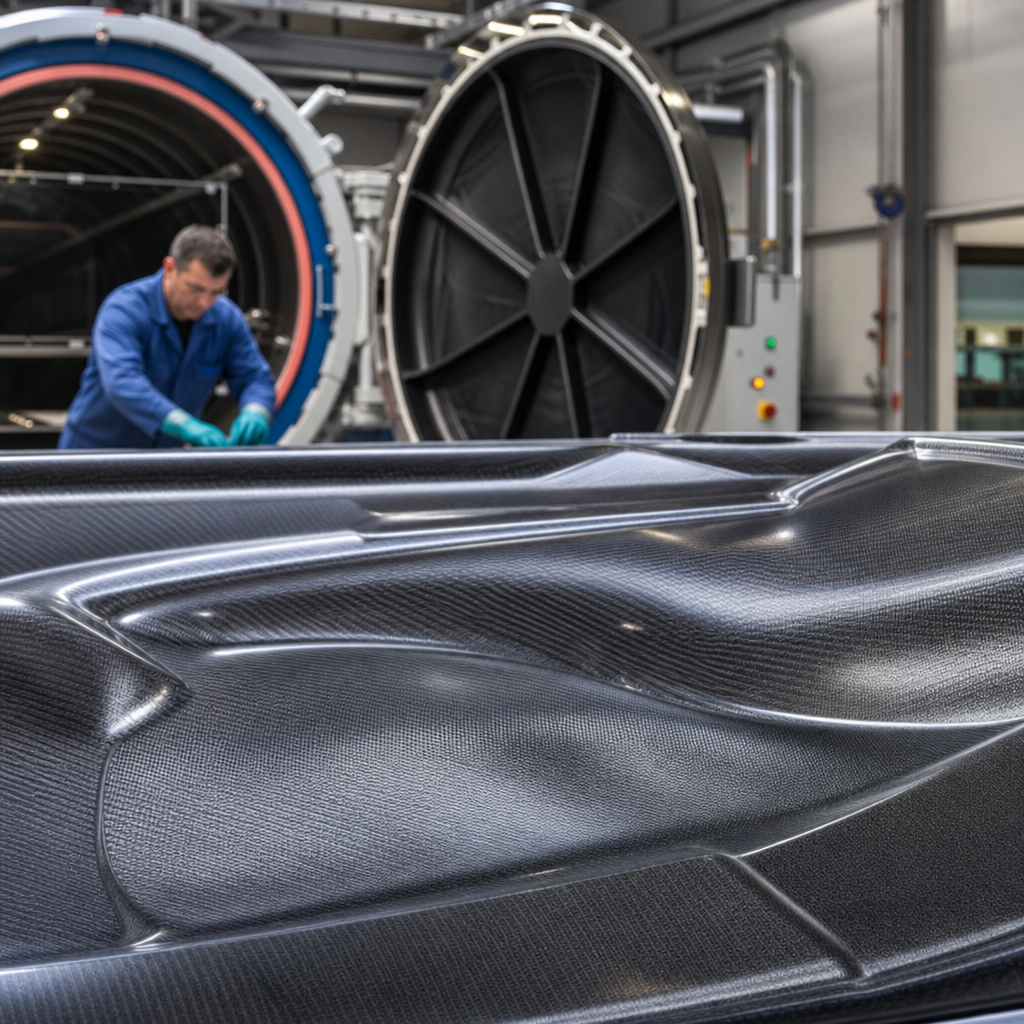
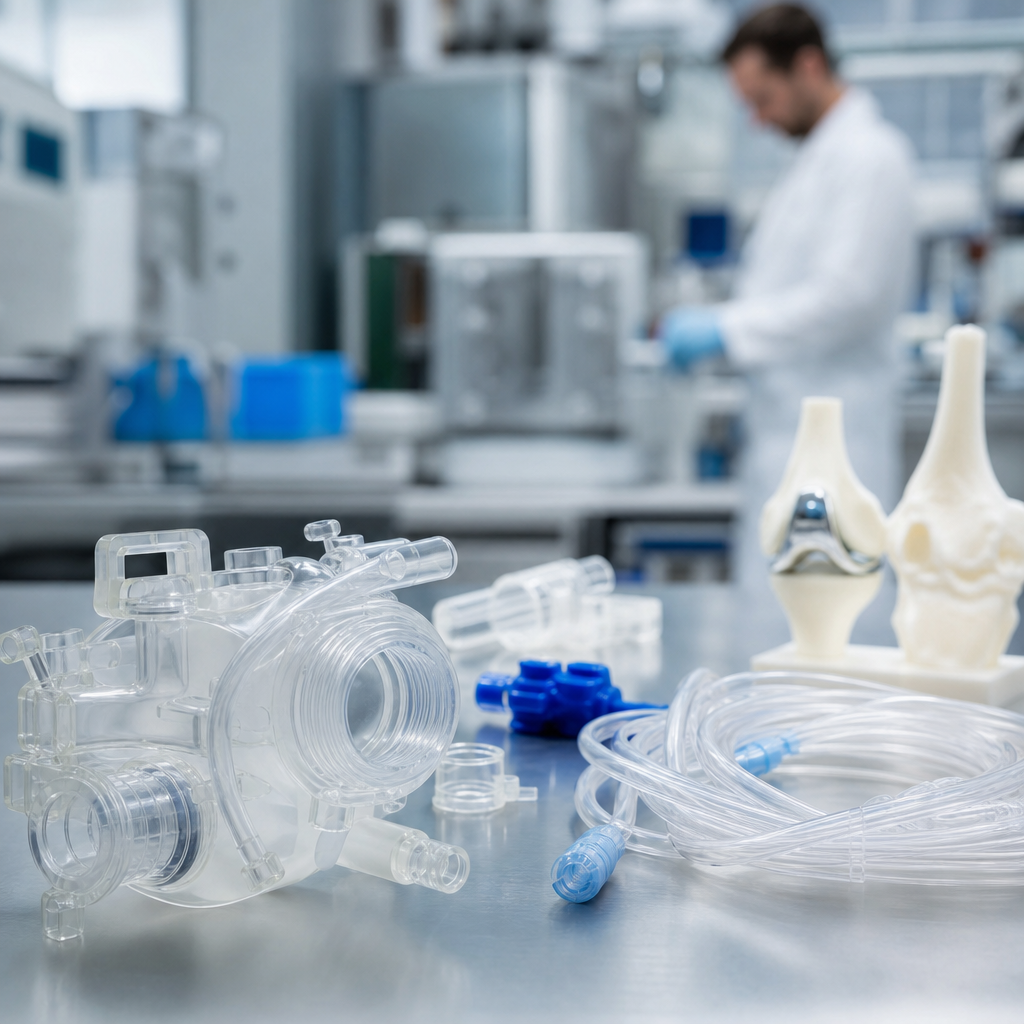
Polymer innovation is reshaping how companies launch products, scale manufacturing, and meet stricter performance and sustainability targets. In materials science, a polymer is a large molecule made of repeating structural units, but in product development it is better understood as a platform technology: the resin, additive package, processing method, and end-use design all interact to determine cost, durability, weight, recyclability, and regulatory fit. I have worked with packaging teams, compounders, and product managers evaluating new materials, and the strongest launches are rarely just “better plastic.” They solve a precise market problem, whether that is heat resistance in electric vehicles, barrier performance in food packaging, sterilization stability in medical devices, or lower embodied carbon in consumer goods.
This matters because polymers sit inside nearly every category of new product launches. They define the shell of electronics, the seal in pharmaceutical packaging, the lightweight structures in mobility, the membranes used in filtration, and the printable materials behind customized devices. A single polymer innovation can unlock several commercial benefits at once: lower mass, fewer assembled parts, faster cycle times, and easier compliance with safety standards such as UL 94, ISO 10993, FDA food-contact rules, or REACH restrictions. At the same time, buyers are asking harder questions about recyclability, chemical resistance, PFAS content, and supply-chain resilience. That shifts polymer selection from a narrow engineering decision to a strategic business decision.
For a sub-pillar hub focused on new product launches, the key is not to list every resin introduced this year. The useful approach is to identify the innovations with the widest impact across industries and explain why they matter in plain terms. The top developments this year cluster around ten themes: bio-based feedstocks, advanced chemical recycling, monomaterial packaging, high-performance thermoplastics for electrification, safer flame-retardant systems, 3D-printable engineering polymers, self-healing materials, smart conductive polymers, medical-grade biopolymers, and lower-carbon elastomers. Together, these innovations show where product development is heading: toward materials that do more, weigh less, waste less, and integrate more cleanly into real manufacturing lines.
1. Bio-based drop-in polymers moved from pilot stories to commercial launches
The most commercially significant shift this year has been the maturity of bio-based drop-in polymers, especially bio-based polyethylene, polypropylene precursors, and polyethylene terephthalate components derived from plant-based feedstocks. A drop-in polymer matches the performance and processing profile of a fossil-based incumbent, so converters can run it on existing extrusion, injection molding, or blow molding equipment. That matters because adoption rises sharply when a packaging line does not need a rebuild. In recent launch reviews, brand owners consistently favored materials that preserved seal strength, clarity, and shelf-life while improving carbon accounting under life-cycle assessment methods.
A practical example is beverage and personal-care packaging that uses bio-derived monoethylene glycol or mass-balanced feedstocks certified under systems such as ISCC PLUS. These products are not automatically biodegradable, and that distinction is important. Their value is that they reduce dependence on virgin fossil inputs while maintaining established recycling pathways for PET or PE. For new product launches, this creates a lower-risk sustainability claim: the package behaves like the incumbent in filling, transport, and recovery. The tradeoff is cost and feedstock availability. Bio-based content still carries a premium, and procurement teams must verify chain-of-custody documentation carefully.
2. Chemical recycling produced polymers suitable for premium applications
Mechanical recycling remains essential, but this year’s innovation wave came from chemically recycled polymers reaching higher-value product categories. Through pyrolysis, depolymerization, or solvent-based purification, difficult waste streams can be converted into feedstocks that support near-virgin quality resin. That matters for applications where odor, color, contamination, or molecular-weight drift make conventional recycled content hard to use. In food packaging, cosmetics, and technical housings, I have seen launch teams accept recycled-content targets only when material consistency is reliable lot after lot.
The strongest new product launches use chemically recycled content through mass-balance certification rather than claiming every pellet came directly from one waste stream. This accounting model can be confusing, but it is now common in commercial practice. The upside is scalability and compatibility with demanding specifications. The limitation is transparency: companies must explain the certification basis clearly to avoid overstating circularity. Even so, for polypropylene caps, flexible films, and durable consumer goods, chemically recycled polymer platforms are becoming viable launch options because they combine recycled claims with performance close to virgin resin.
3. Monomaterial packaging designs improved recyclability without sacrificing function
One of the most important packaging trends is the move away from hard-to-recycle multilayer structures toward monomaterial polyethylene or polypropylene systems. Traditional laminates often combine PET, PE, aluminum, nylon, adhesives, and coatings to achieve barrier performance and toughness, but those combinations are difficult to sort and reprocess. New polymer launches this year addressed that problem with carefully engineered sealant layers, oriented films, and compatibilized structures that keep the package within a more recyclable material family.
For product teams, the advantage is straightforward: a pouch or lidding film can be designed for store-drop-off or emerging film-recycling streams while retaining puncture resistance and machinability. Real progress has come from metallocene PE grades, EVOH minimization strategies, and all-PP retort-capable concepts. None of these is a universal replacement; high-oxygen-barrier or high-temperature applications still require compromise. But for dry foods, household products, and many personal-care items, monomaterial packaging is now a realistic new product launch pathway rather than a concept shown only at trade fairs.
| Innovation | Primary launch benefit | Best-fit sectors | Main limitation |
|---|---|---|---|
| Bio-based drop-in polymers | Lower fossil input with existing processing | Packaging, consumer goods | Premium cost, feedstock supply |
| Chemically recycled polymers | Recycled content with near-virgin quality | Food-contact, cosmetics, durable goods | Complex claims and certification |
| Monomaterial packaging | Improved recyclability | Flexible packaging, labels, closures | Barrier and heat limits |
| High-performance EV thermoplastics | Weight reduction and part integration | Automotive, charging hardware | Qualification time |
| Halogen-free flame retardants | Safer compliance for electrical parts | Electronics, appliances, mobility | Mechanical property balancing |
4. High-performance thermoplastics accelerated electric vehicle and battery product launches
Electrification continues to push polymer technology into applications once dominated by metals and thermosets. New grades of polyamide, polybutylene terephthalate, polyphenylene sulfide, polycarbonate blends, and thermoplastic composites are being launched for battery modules, busbars, connectors, charging systems, and thermal-management components. The reason is not simply weight reduction. These parts must manage creepage and clearance, dielectric strength, hydrolysis resistance, flame performance, dimensional stability, and exposure to coolants or electrolyte-related conditions.
In practice, the best polymer innovations for EV programs enable part consolidation. A stamped metal assembly with several fasteners may be replaced by an injection-molded component with integrated clips, channels, and insulating features. That cuts assembly time and lowers mass. I have seen suppliers win programs because a resin offered better laser-weldability or tracked less under high-voltage conditions. Qualification remains slow, however. Automotive validation cycles are unforgiving, and any new polymer must prove long-term aging performance through testing regimes that can last months.
5. Halogen-free flame-retardant systems became more balanced and more processable
Flame retardancy is a classic example of polymer compromise. Add enough flame-retardant chemistry and a part may pass UL 94 V-0, but mechanical properties, colorability, flow, or tool wear can suffer. This year’s notable launches improved that balance, especially in polyamides, polyesters, and polyolefins used for electrical housings, connectors, appliance interiors, and public-transport components. Halogen-free systems based on phosphorus, mineral, nitrogen, or synergist packages advanced because OEMs want safer formulations with cleaner regulatory positioning.
What changed is processing and toughness. New compounds are delivering thinner-wall performance, more stable molding windows, and lower corrosion risk for equipment than older formulations. That allows product teams to design lighter components without losing compliance. There are still limitations: some systems remain moisture-sensitive, and others reduce impact strength or tracking performance if not tuned carefully. But the direction is clear. New product launches in chargers, home energy storage units, and consumer electronics increasingly specify halogen-free flame-retardant polymers as the default starting point.
6. 3D-printable engineering polymers became viable for end-use parts, not just prototypes
Additive manufacturing has promised production flexibility for years, but the meaningful development this year is the expansion of engineering polymers qualified for end-use applications. Materials such as reinforced nylon, PEKK, PEEK, ULTEM-class polyetherimide, TPU, and ESD-safe formulations are now supporting jigs, fixtures, ducting, orthotics, customized enclosures, and low-volume service parts. The innovation is not only in the resin. It includes tighter process control, better slicer software, more predictable anisotropy management, and post-processing methods that stabilize dimensions and surface finish.
For new product launches, this changes economics. A startup can release a niche industrial product without waiting for expensive tooling, while an established manufacturer can bridge demand before injection molds are complete. The right question is no longer “Can we print it?” but “Does printed polymer meet the mechanical, thermal, and regulatory profile of the application?” In medical and aerospace-adjacent fields, traceability and validation remain demanding. Yet for many commercial launches, additive polymers now reduce time to market in a measurable way.
7. Self-healing polymers advanced from laboratory novelty to targeted commercial use
Self-healing polymers still occupy a narrower market than packaging or automotive materials, but this year delivered credible commercial progress. These materials repair microcracks or surface damage through reversible bonds, embedded healing agents, thermal triggers, or ionic interactions. The most practical launches are not miracle materials that fix catastrophic failure. They are coatings, elastomers, and specialty films designed to extend service life under repeated minor damage.
A clear example is protective coatings for electronics, automotive interiors, or consumer devices where scratches degrade appearance long before structural failure occurs. By restoring surface continuity, self-healing systems help products maintain value and reduce replacement rates. Another promising area is soft robotics and wearable devices, where repetitive flexing can produce tiny defects. Limitations remain significant: healing often depends on heat, time, pressure, or a controlled environment, and performance can decline after repeated cycles. Even so, in premium new product launches, self-healing polymers are now a functional differentiator rather than a purely academic claim.
8. Conductive and smart polymers expanded sensing, antistatic, and flexible electronics applications
Conductive polymers and polymer composites are opening design space in wearables, industrial sensors, packaging for sensitive electronics, and human-machine interfaces. Depending on formulation, these materials can dissipate static, shield electromagnetic interference, change resistance under strain, or support printed circuitry. Carbon nanotubes, graphene, carbon black, intrinsically conductive polymers such as PEDOT derivatives, and hybrid filler systems all play roles, but the real innovation lies in tuning conductivity without destroying flexibility, clarity, or processability.
Recent launches show how this translates into products. Smart insoles and health patches use stretchable conductive polymers to capture movement or pressure data. Antistatic trays and housings protect semiconductors during transport and assembly. Flexible touch surfaces in appliances and automotive interiors replace more rigid component stacks. Engineers must still watch tradeoffs carefully, especially cost, long-term drift, and sensitivity to humidity. But as products demand more embedded intelligence, smart polymers are moving from specialist labs into mainstream development pipelines.
9. Medical-grade biopolymers supported safer, more specialized healthcare product launches
Healthcare remains one of the strictest proving grounds for polymer innovation. This year’s standouts include medical-grade biopolymers and resorbable materials used in sutures, fixation devices, drug-delivery formats, wound care, and tissue-engineering scaffolds. Polylactic acid, polyglycolic acid, polycaprolactone, and copolymer systems are not new in principle, but manufacturers have launched more precise grades with tighter molecular-weight control, better sterilization stability, and cleaner processing for advanced applications.
The reason this matters is clinical fit. A polymer intended to resorb in weeks serves a very different purpose from one designed to persist for months while supporting tissue regeneration. In product launches, that means tailoring degradation profile, mechanical retention, and biocompatibility evidence to the treatment pathway. Standards such as ISO 10993 and validation requirements around extractables, leachables, and sterilization compatibility remain decisive. These materials are powerful, but they are not interchangeable. The best launches succeed because polymer selection begins with clinical use conditions, not marketing claims.
10. Lower-carbon elastomers improved seals, wear parts, and soft-touch components
The final innovation category with broad launch relevance is lower-carbon elastomers, including thermoplastic elastomers, partially bio-based rubbers, and compounds formulated for reduced processing energy or recycled content. Elastomers are easy to overlook, yet they are critical in gaskets, grips, seals, footwear, medical tubing, and vibration-damping parts. A product can fail because a seal swells, hardens, or cracks long before the main housing shows problems.
This year’s better launches focused on practical gains: improved compression set, resistance to oils or disinfectants, cleaner overmolding to rigid substrates, and more stable hardness across temperature ranges. In consumer products, lower-odor TPEs supported premium tactile finishes. In industrial and mobility settings, advanced elastomer compounds improved durability while helping companies report lower product footprints. The caution is that sustainability claims in elastomers vary widely in quality. Buyers should ask for test data, not just broad statements, and confirm performance after aging, chemical exposure, and repeated load cycles.
The top polymer innovations of the year point to a simple reality: new product launches succeed when material science is tied directly to use-case demands. Bio-based drop-in polymers reduce fossil dependence without disrupting processing. Chemically recycled resins make higher-value circular products possible. Monomaterial packaging improves recovery. High-performance thermoplastics help electrification, halogen-free systems strengthen safety compliance, and printable engineering polymers shorten launch timelines. Self-healing, conductive, medical-grade, and lower-carbon elastomer platforms add specialized capabilities that can differentiate products in crowded markets.
As this hub within Innovative Products and Solutions, the goal is to help teams evaluate new product launches through the right lens: performance first, sustainability second, and manufacturability throughout. The best polymer is not the newest one. It is the material that meets specifications, survives validation, fits supply realities, and supports a credible product story. Use this article as your starting map, then review the deeper cluster content on packaging, medical materials, additive manufacturing, electrification, and sustainable compounds to identify which innovations belong in your next launch pipeline.
Frequently Asked Questions
1. What counts as a true polymer innovation today?
A true polymer innovation is not just a new resin name or a minor formulation tweak. In practice, it is any advance that materially improves how a polymer performs, how it is processed, how it fits into a supply chain, or how it supports sustainability and regulatory goals. That can include high-performance bio-based polymers, recyclable barrier materials for packaging, flame-retardant systems without restricted chemistries, lightweight structural composites, self-healing materials, conductive polymers for electronics, or processing breakthroughs that reduce scrap and cycle time. The key point is that polymer innovation is rarely about chemistry alone. It usually comes from the interaction of resin selection, additive package, processing method, tooling, and end-use design.
For companies launching products, the most valuable innovations are the ones that solve multiple business problems at once. A new material may lower weight, improve impact resistance, and simplify compliance with food-contact or medical requirements. Another may enable mono-material packaging that is easier to recycle while still delivering moisture or oxygen protection. In other words, the strongest polymer innovations are platform-level improvements, not isolated lab achievements. They create measurable value in cost, manufacturability, durability, sustainability, or product performance.
2. Why are polymer innovations so important for product development and manufacturing?
Polymer innovations matter because they directly influence speed to market, product quality, production efficiency, and long-term competitiveness. In many industries, including packaging, automotive, medical devices, consumer products, and electronics, material choice is one of the earliest decisions that shapes nearly everything that follows. It affects mold design, cycle times, bonding methods, sterilization compatibility, dimensional stability, cosmetic finish, and whether a product can meet drop, heat, chemical, or environmental exposure requirements. When a better polymer system becomes available, it can unlock entirely new design possibilities or remove chronic production constraints.
From a manufacturing perspective, innovation in polymers can reduce costs in ways that are not always obvious at first glance. A resin with a higher raw material price may still lower total cost if it shortens processing time, improves yield, reduces tool wear, or eliminates secondary operations. Likewise, a redesigned polymer formulation can help teams consolidate parts, thin wall sections, improve flow in complex molds, or switch to less energy-intensive processing conditions. That is why engineers and procurement teams increasingly evaluate polymer innovation in terms of total system value rather than price per pound or kilogram alone. The right material innovation can streamline product launches, support scaling, and make production more resilient under tighter regulatory and sustainability pressures.
3. How do the top polymer innovations of the year support sustainability goals?
Many of the most important polymer innovations today are tied to sustainability, but the strongest solutions go beyond simple marketing claims. They address real environmental challenges such as fossil feedstock dependence, low recycling rates, multilayer packaging waste, and high processing energy use. Examples include mechanically and chemically recycled polymers with improved consistency, bio-based resins derived from renewable inputs, compostable polymers for specific end uses, and compatibilizer technologies that help mixed or difficult waste streams become more usable. There is also major innovation in mono-material design, where products are engineered to deliver the needed performance without relying on complex multi-material structures that are hard to recover.
At the same time, sustainability in polymers must be evaluated carefully. A polymer can be bio-based but still difficult to recycle. A recyclable material may require collection and sorting systems that do not yet exist at scale in every market. A lightweight polymer can reduce transportation emissions, but it still has to meet durability and end-of-life targets. The best innovations recognize these tradeoffs and improve the full picture: sourcing, processing, use-phase efficiency, and recovery pathways. For companies, that means sustainability claims should be supported by life-cycle thinking, application fit, and realistic infrastructure assumptions. The top polymer innovations of the year stand out because they move performance and environmental outcomes forward together rather than forcing a choice between them.
4. What should companies evaluate before adopting a new polymer innovation?
Before adopting any new polymer innovation, companies should evaluate much more than the headline performance claim. The first step is to define the application requirements clearly: mechanical loads, environmental exposure, barrier needs, regulatory constraints, service life, appearance, and manufacturing process. From there, teams should assess whether the material performs consistently under real-world conditions, not just in idealized data-sheet testing. A promising polymer may show excellent lab results but still create processing instability, shrinkage issues, weld-line weakness, adhesion problems, or supply risks when introduced into production.
It is also important to look at total implementation risk. That includes raw material availability, lot-to-lot consistency, tooling compatibility, drying and handling requirements, regrind behavior, joining options, certification needs, and regional regulatory considerations. For sectors like food packaging, healthcare, and transportation, validation timelines can be substantial, so the practical path to qualification matters just as much as technical performance. Cost should also be evaluated on a system basis. A higher-cost polymer may still be the better choice if it reduces part count, improves throughput, lowers warranty risk, or supports recyclability targets. In short, adopting a polymer innovation successfully requires cross-functional review from engineering, operations, quality, regulatory, and procurement. The most successful teams treat new polymers as integrated product and process decisions, not simple material substitutions.
5. Which polymer innovation trends are likely to have the biggest long-term impact?
Several polymer innovation trends are positioned to shape product development for years to come. One is circular-material advancement, especially higher-quality recycled resins, improved sorting compatibility, and additive systems that help maintain performance after reprocessing. Another is the rise of bio-based and lower-carbon polymers that can compete on performance, not just sustainability branding. Advanced barrier solutions for packaging are also highly influential, particularly designs that preserve shelf life while improving recyclability. In engineering applications, lightweight structural polymers and composites continue to gain traction because they help reduce mass without sacrificing strength, which is especially valuable in transportation and portable devices.
Other major long-term trends include smart and functional polymers, such as conductive materials, self-healing systems, responsive surfaces, and antimicrobial or high-durability formulations tailored to demanding environments. Equally important are process-driven innovations: better compounding, improved additive manufacturing materials, faster-curing systems, and digital tools that predict polymer behavior more accurately before tooling is cut. These advances shorten development cycles and reduce trial-and-error. Over the long run, the biggest impact will come from innovations that combine high performance with manufacturability, compliance readiness, and realistic end-of-life solutions. That is the direction the industry is moving in, and it is why polymer innovation is increasingly viewed as a strategic lever for both growth and resilience.