How new polymers are transforming consumer electronics is no longer a niche materials story; it is a product strategy story that shapes design, cost, durability, sustainability, and launch speed across the entire market. In consumer electronics, polymers include traditional engineering plastics such as polycarbonate and ABS, high-performance thermoplastics such as PEEK and liquid crystal polymer, elastomers used for seals and wearables, and newer bio-based or recycled formulations designed for circular manufacturing. When brands announce thinner phones, tougher earbuds, lighter laptops, safer batteries, or more repairable smart home devices, polymer selection is usually one of the hidden reasons those claims become possible.
I have worked on product launch planning where polymer decisions determined whether a device passed drop testing, met radio-frequency performance targets, and stayed within tooling budgets. That practical reality matters because materials choices are not cosmetic. They influence antenna transparency, thermal behavior, scratch resistance, chemical compatibility with adhesives, molded part tolerances, flame ratings under UL standards, and compliance with regulations such as RoHS and REACH. In many categories, the difference between a delayed launch and a successful one comes down to choosing the right resin, filler package, and processing window early enough in development.
This article serves as a hub for new product launches within innovative products and solutions by explaining how polymer innovation is reshaping the devices consumers buy every year. It covers the main classes of advanced polymers, why electronics manufacturers are adopting them, where they appear in current products, and what tradeoffs teams must manage. If you want a clear answer to what new polymers do for consumer electronics, the short version is this: they enable lighter, stronger, smarter, more sustainable products while opening new industrial design and manufacturing options that metals, glass, and older plastics often cannot match alone.
Why polymer innovation matters in new product launches
Every major electronics launch balances six pressures at once: performance, cost, weight, aesthetics, manufacturability, and sustainability. New polymers matter because they touch all six. A magnesium frame may feel premium, but it can interfere with antennas and increase machining cost. Glass may look elegant, but it adds mass and can shatter. Advanced polymer systems offer a middle path. They can be molded into precise shapes, tuned for stiffness or flexibility, colored in the resin, overmolded with soft-touch surfaces, and engineered to survive repeated impacts, sweat exposure, UV light, and heat cycling.
In launch programs for earbuds, wearables, and smart home devices, I have seen polymer selection reduce part count by integrating clips, hinges, seals, and structural features into a single molded component. That directly improves assembly yield and lowers warranty risk. It also speeds industrial design iteration because molds can be adjusted faster than reworking machined metal architectures. For products shipping in the millions, shaving even a few grams of mass or a few seconds of assembly time matters. This is why materials engineers are increasingly included in product planning from the concept stage, not only after cosmetic design is approved.
Another reason polymer innovation matters is compatibility with modern electronics packaging. Devices now contain dense printed circuit boards, miniature sensors, wireless charging coils, 5G antennas, and increasingly aggressive battery designs. Housing materials must not interfere with signal transmission, must tolerate localized heating, and must remain dimensionally stable across temperature swings. Liquid crystal polymer has become especially valuable for high-frequency connectors and antenna modules because of its low dielectric loss and high precision in micro-molded parts. Thermally conductive but electrically insulating polymer compounds are also gaining traction around battery systems and power electronics.
Key polymer families changing electronics design
Not all polymers serve the same purpose. Polycarbonate remains essential for transparent covers, optical components, and impact-resistant housings. ABS is still common in enclosures because it balances toughness, finish quality, and cost. Polycarbonate-ABS blends combine those benefits and remain a workhorse for laptops, monitors, and accessories. Thermoplastic polyurethane appears in cables, protective skins, and wearable straps because it offers flexibility and abrasion resistance. Silicone elastomers are favored where skin contact, sealing, and temperature stability matter, especially in smartwatches and health wearables.
Higher up the performance ladder, engineers use liquid crystal polymer, PPS, PEEK, and PEI when standard plastics cannot hold tight tolerances, survive soldering-adjacent temperatures, or maintain properties in thin-wall designs. LCP is widely used in miniature connectors, camera modules, and RF components. PEEK appears in specialized applications where mechanical performance, chemical resistance, and heat tolerance justify the cost. Polyphenylene sulfide provides excellent dimensional stability and flame performance for internal components. These materials are expensive compared with commodity plastics, but they can unlock compact designs that would otherwise fail reliability testing.
Recycled and bio-based polymers are also moving from pilot programs into mainstream launches. Post-consumer recycled polycarbonate, ocean-bound plastic blends, bio-based polyamides, and cellulose-derived composites are being specified more often in mice, keyboards, phone accessories, and some device housings. The shift is not only about marketing. Large electronics companies now publish lifecycle targets and supplier requirements, so using verified recycled content can support procurement, compliance reporting, and brand goals. The challenge is consistency: recycled streams can vary in color, flow behavior, odor, and mechanical performance, which means qualification work is more demanding than many marketing teams assume.
| Polymer family | Typical electronics use | Main advantage | Key limitation |
|---|---|---|---|
| Polycarbonate | Housings, covers, lenses | High impact resistance and clarity | Scratch resistance often needs coatings |
| PC-ABS | Laptops, monitors, device shells | Good toughness, finish, and processability | Less premium feel than metal or glass |
| TPU | Cables, cases, straps | Flexibility and abrasion resistance | Can attract oils and show wear over time |
| Silicone | Seals, wearables, buttons | Comfort, sealing, temperature stability | Can be harder to bond and recycle |
| LCP | Connectors, RF parts, antenna modules | Excellent precision and low dielectric loss | Higher material and tooling complexity |
| PPS or PEEK | High-heat internal components | Strong thermal and chemical resistance | High cost |
Where consumers see the impact first
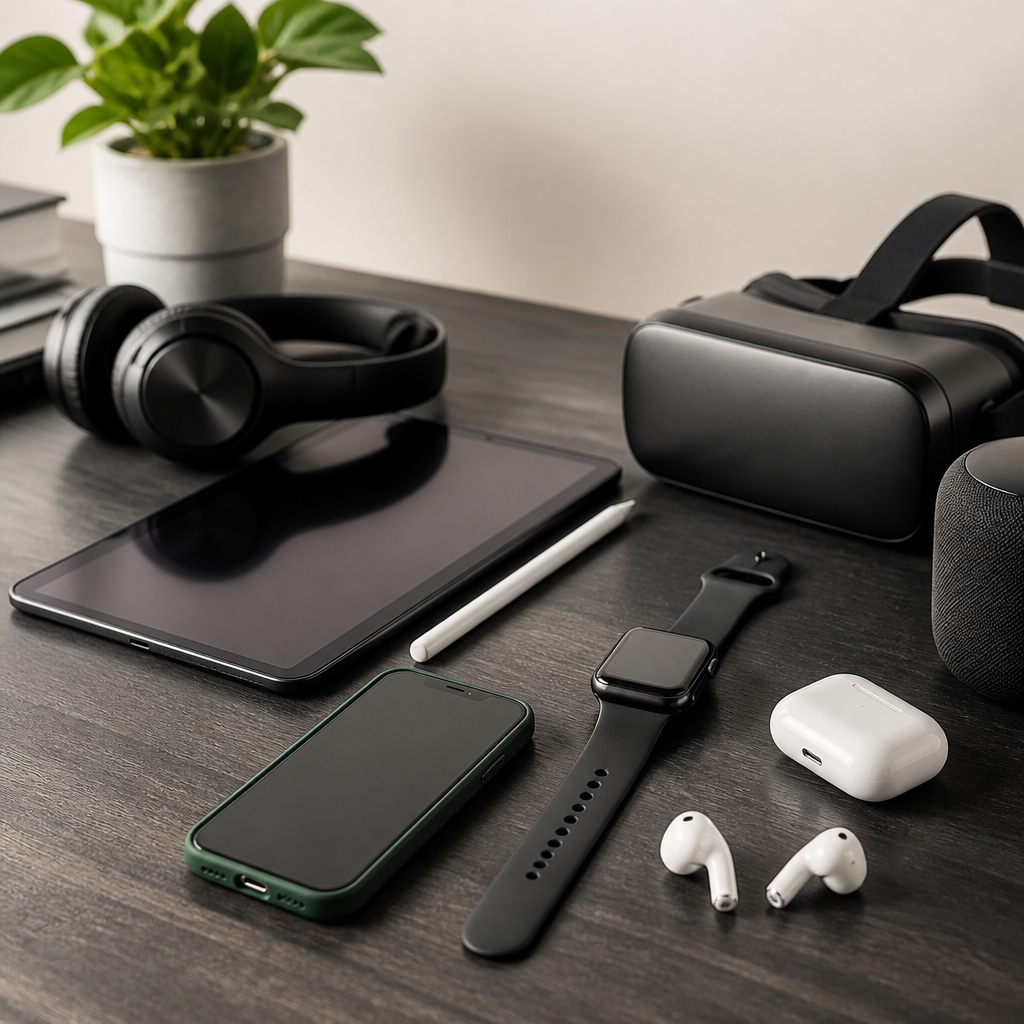
The most visible impact of new polymers appears in smartphones, earbuds, wearables, laptops, gaming accessories, and smart home products. In phones, advanced polymers support antenna windows, internal brackets, camera surrounds, and battery insulation parts. Foldable devices depend heavily on specialized polymer films, adhesives, and hinge-adjacent components that can endure repeated stress cycles. Earbuds and charging cases use polymers for thin-wall molding, glossy cosmetic surfaces, living hinges, and wireless signal transparency. These materials help brands deliver smaller products without sacrificing drop performance.
Wearables show the value of polymers especially clearly because comfort and sensor accuracy both depend on material behavior. A smartwatch case needs stiffness and dimensional stability, but the strap needs softness, sweat resistance, and skin compatibility. Optical heart-rate systems also benefit from polymers that manage light transmission and block stray reflections. In health-focused devices, medical-grade silicones and specialized thermoplastic elastomers are often chosen to withstand daily cleaning and prolonged skin contact. The result is a better product experience that users notice immediately, even if they never hear the material names.
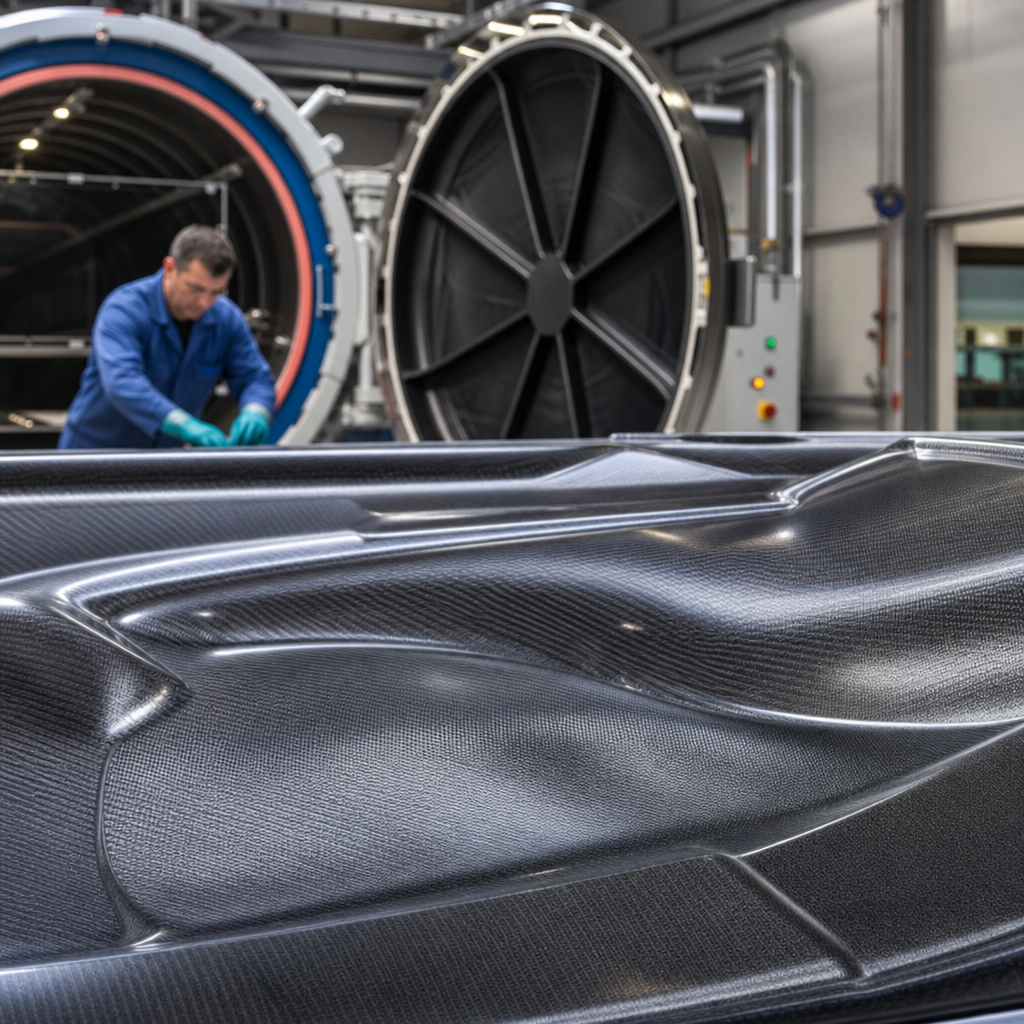
Laptops, tablets, and accessories reveal a different benefit: weight reduction without losing rigidity. Glass-fiber-reinforced polymers, carbon-fiber-filled thermoplastics, and carefully tuned PC-ABS blends allow thin enclosures that survive torsion and everyday handling. In routers, smart speakers, and home security devices, polymers allow complex venting patterns, snap-fit assembly, and acoustic tuning features that would be costly in metal. Gaming mice and keyboards increasingly use recycled or bio-based plastics as brands try to cut embodied carbon while maintaining color consistency and surface quality expected at retail launch.
How advanced polymers improve performance and reliability
Better materials produce better reliability when they are matched to the right failure modes. In drop testing, impact-resistant polymers absorb energy that brittle materials cannot. In thermal cycling, dimensionally stable resins reduce warping and stress around fasteners or glued seams. In high-frequency electronics, low-loss polymers help preserve signal integrity. In battery systems, flame-retardant and electrically insulating compounds create safer barriers between cells and surrounding structures. These are not abstract laboratory benefits; they directly affect returns, reviews, and the total cost of ownership for brands and users.
One underappreciated improvement is chemical resistance. Consumers expose electronics to sunscreen, hand sanitizer, skin oils, cosmetics, detergent residues, and cleaners every day. Weak polymer choices can crack, discolor, or become tacky after months of use. Stronger formulations, often with carefully controlled additives and stabilizers, extend cosmetic life and preserve button feel or strap flexibility. UV stability is equally important for products used outdoors, from fitness trackers to wireless security cameras. Materials that maintain color and toughness under sunlight help protect both brand perception and product performance.
Polymers also enable functional integration. Instead of assembling separate seals, clips, dampers, and insulating barriers, engineers can design them into overmolded or multi-shot parts. I have seen this approach reduce leak paths in wearable housings and simplify waterproofing validation. It can also improve acoustic performance in earbuds by controlling internal air volumes and damping vibration. Advanced polymers are therefore not just replacements for older materials; they are design enablers that let product teams create features impossible or uneconomical with a conventional bill of materials.
Sustainability, compliance, and supply chain reality
Consumers increasingly ask whether new materials are better for the environment, and the honest answer is that it depends on the full lifecycle. Recycled polymers can reduce demand for virgin resin and lower emissions, especially in accessories and external housings. Lightweight polymers can also reduce transportation emissions and improve energy efficiency in manufacturing compared with machined metals. However, sustainability claims need verification. Electronics companies should look for material declarations, third-party certifications where applicable, and traceability through supplier documentation rather than relying on broad marketing language.
Compliance is equally important. Electronics polymers may need UL 94 flame classifications, halogen-free formulations, low outgassing, and documented conformity with RoHS, REACH, and region-specific chemical restrictions. For chargers, battery enclosures, and household devices, failure to meet these requirements can block market entry regardless of industrial design quality. Supply chain resilience is another practical concern. During launch planning, a resin that performs beautifully in prototypes may still be a poor choice if only one supplier can deliver it at scale or if lead times are volatile. Dual sourcing and early qualification matter.
There are tradeoffs. High recycled content can complicate color matching and surface finish. Glass-fiber reinforcement improves stiffness but can affect cosmetics, increase tool wear, and complicate recycling streams. Bio-based polymers may sound attractive yet fail under heat or humidity if selected without enough testing. The most credible launch teams are transparent about these limits. They position advanced polymers where they create real value and avoid forcing a sustainability story onto components that demand maximum thermal or structural performance.
What product teams should evaluate before launch
Before launching a new electronics product built around advanced polymers, teams should validate five things: mechanical performance, environmental resistance, process capability, regulatory compliance, and customer perception. Mechanical validation includes impact, torsion, fatigue, and creep testing. Environmental testing covers humidity, thermal shock, UV exposure, sweat, chemicals, and abrasion. Process capability means understanding molding shrinkage, weld lines, gate placement, cycle time, coating adhesion, and assembly tolerances. These factors determine whether a promising material survives not just in the lab but in mass production.
Customer perception is the final filter. Consumers judge touch, sound, texture, temperature feel, and visible wear quickly. A polymer housing can be technically excellent yet still seem cheap if gloss level, wall stiffness, or seam quality is wrong. That is why leading brands invest in texture development, coatings, insert molding, and hybrid constructions combining polymers with aluminum, stainless steel, or glass. The future of new product launches in consumer electronics will not be polymer versus metal. It will be smart material combinations optimized for use case, cost target, and sustainability objective.
For companies building an innovative products and solutions roadmap, polymers deserve executive attention, not just engineering review. They affect launch timing, product differentiation, reliability, and environmental claims at the same time. The core lesson is simple: new polymers are transforming consumer electronics because they allow brands to build lighter, tougher, safer, more comfortable, and more manufacturable devices than previous material sets allowed. If you are planning upcoming launches, audit your material strategy early, involve suppliers sooner, and treat polymer selection as a strategic decision rather than a last-step specification.
Frequently Asked Questions
1. What types of new polymers are having the biggest impact on consumer electronics?
The biggest impact is coming from a mix of advanced engineering plastics, high-performance thermoplastics, elastomers, and newer sustainable formulations. Traditional materials such as polycarbonate and ABS still matter because they offer a strong balance of toughness, appearance, processability, and cost. However, newer generations of these materials are being modified for better flame resistance, thinner-wall molding, improved scratch performance, and tighter dimensional control, which makes them more useful in compact, premium electronics.
High-performance polymers such as PEEK, PPS, and liquid crystal polymer are especially important in smaller, more complex devices. They perform well under heat, resist chemicals, and maintain their properties in demanding environments, which is critical for connectors, internal structures, antenna components, and precision parts. Liquid crystal polymer, in particular, is valued for miniaturized electronics because it flows well in molding, supports very fine geometries, and can help manufacturers design smaller, lighter components without sacrificing reliability.
Elastomers are also playing a major role. In wearables, earbuds, smartwatches, and rugged mobile devices, they provide sealing, flexibility, comfort, and shock absorption. They help electronics survive sweat, rain, dust, and repeated handling. At the same time, bio-based, recycled, and low-carbon polymers are gaining attention because brands are under pressure to reduce environmental impact without compromising product quality. These materials are not just marketing additions anymore. They are increasingly part of mainstream product design and procurement strategies.
2. How do new polymers improve product design and device performance?
New polymers improve design and performance by giving engineers more freedom to combine strength, low weight, precision, and functionality in a single material system. In consumer electronics, that matters because every millimeter and every gram count. Advanced polymers make it easier to create thinner housings, more intricate internal supports, and smaller components that still hold up under mechanical stress. This is one reason devices can now be lighter, slimmer, and more comfortable to use while also packing in more features.
Performance gains come from several directions. Some polymers offer high heat resistance, which is important in products that contain dense batteries, fast processors, or power management components. Others provide better electrical insulation, dielectric control, or signal transparency, which can be critical for high-speed connectors, antennas, and wireless charging systems. Certain polymer formulations also improve impact resistance, fatigue life, and chemical resistance, helping devices last longer in real-world use where they are exposed to drops, skin oils, cleaning agents, and temperature swings.
Another major advantage is integration. Polymers can often be molded into highly complex shapes, allowing multiple functions to be combined into fewer parts. That can reduce fasteners, simplify assembly, and create cleaner industrial designs. In practice, this means new polymers are not only replacing older materials. They are enabling entirely different design approaches that support better usability, stronger reliability, and faster product innovation.
3. Why are polymers becoming so important for cost, manufacturing speed, and product launches?
Polymers are increasingly central to product strategy because they influence how quickly a device can move from concept to mass production. Compared with many metals or ceramics, polymers are often easier and faster to process at scale, especially through injection molding and related high-volume manufacturing methods. Once tooling is in place, manufacturers can produce large numbers of complex parts with excellent consistency, which helps support tight launch schedules in competitive consumer markets.
Cost advantages come from more than raw material pricing. A well-chosen polymer can lower overall system cost by reducing part count, shortening assembly time, minimizing machining, and cutting device weight for shipping. When a single molded part can replace several assembled components, the savings can be substantial. Polymers can also support cosmetic finishes, snap-fit designs, overmolding, and integrated features that reduce secondary operations. In consumer electronics, where margins and timelines are constantly under pressure, these operational efficiencies are extremely valuable.
Speed matters just as much as cost. Electronics brands often refresh products annually or even faster, so materials that support rapid prototyping, tool iteration, and scalable production are highly attractive. New polymer grades are being developed with manufacturability in mind, offering better flow, lower warpage, and more predictable shrink behavior. That helps reduce delays during design validation and ramp-up. As a result, polymers are no longer viewed only as housing materials. They are seen as launch enablers that affect engineering agility, supply chain performance, and time to market.
4. How are new polymers helping make consumer electronics more durable and sustainable?
Durability and sustainability are often treated as separate goals, but new polymers are helping companies pursue both at the same time. On the durability side, advanced formulations can improve impact resistance, scratch behavior, UV stability, moisture resistance, and sealing performance. These qualities are especially important in smartphones, wearables, audio devices, gaming accessories, and smart home products that face everyday stress. Better durability reduces failure rates, warranty claims, and replacement cycles, which is valuable for both manufacturers and consumers.
On the sustainability side, the industry is seeing more adoption of recycled content, bio-based feedstocks, and formulations designed for lower environmental impact. Recycled polycarbonate blends, recycled ABS compounds, and bio-attributed engineering plastics are becoming more common as brands look to reduce dependence on virgin fossil-based materials. Some companies are also selecting polymers that enable lighter products, more efficient processing, or easier disassembly, all of which can improve a product’s environmental profile across its life cycle.
That said, sustainability in electronics materials is not simple. A polymer must still meet strict requirements for safety, appearance, mechanical performance, thermal behavior, and regulatory compliance. If a “greener” material leads to shorter product life or higher failure rates, the sustainability benefit can disappear quickly. The most meaningful progress comes from balancing circularity with performance. In that sense, the best new polymers are not just environmentally interesting. They are practical materials that can meet premium product expectations while supporting longer lifespans and better resource efficiency.
5. What challenges do electronics companies face when adopting new polymers?
Adopting new polymers can create major opportunities, but it also comes with real technical and commercial challenges. One of the biggest is qualification. Consumer electronics products must meet strict performance targets for heat resistance, dimensional stability, drop performance, chemical exposure, flammability, and long-term reliability. A polymer that looks promising in early testing may behave differently in full-scale production or after months of use in real consumer environments. That means brands need extensive validation before switching materials, especially in high-volume flagship products.
Supply chain stability is another concern. A new polymer may offer strong technical benefits, but if it comes from a limited number of suppliers or requires specialized processing conditions, it can introduce sourcing risk. Electronics companies need confidence that a material will be available consistently across regions and product cycles. They also need manufacturing partners that understand how to mold, assemble, bond, or overmold that material correctly. Even a small change in resin grade can affect appearance, tolerance control, and assembly performance.
There is also the challenge of trade-offs. A polymer may deliver better sustainability but at a higher cost, or better heat resistance but reduced cosmetic quality. Some advanced materials require new tooling strategies or tighter process control, which can raise upfront investment. The most successful companies approach polymer adoption as a cross-functional decision involving engineering, procurement, manufacturing, quality, and sustainability teams. When handled well, the payoff can be significant. But success depends on choosing materials that align with product goals, production realities, and long-term brand strategy.