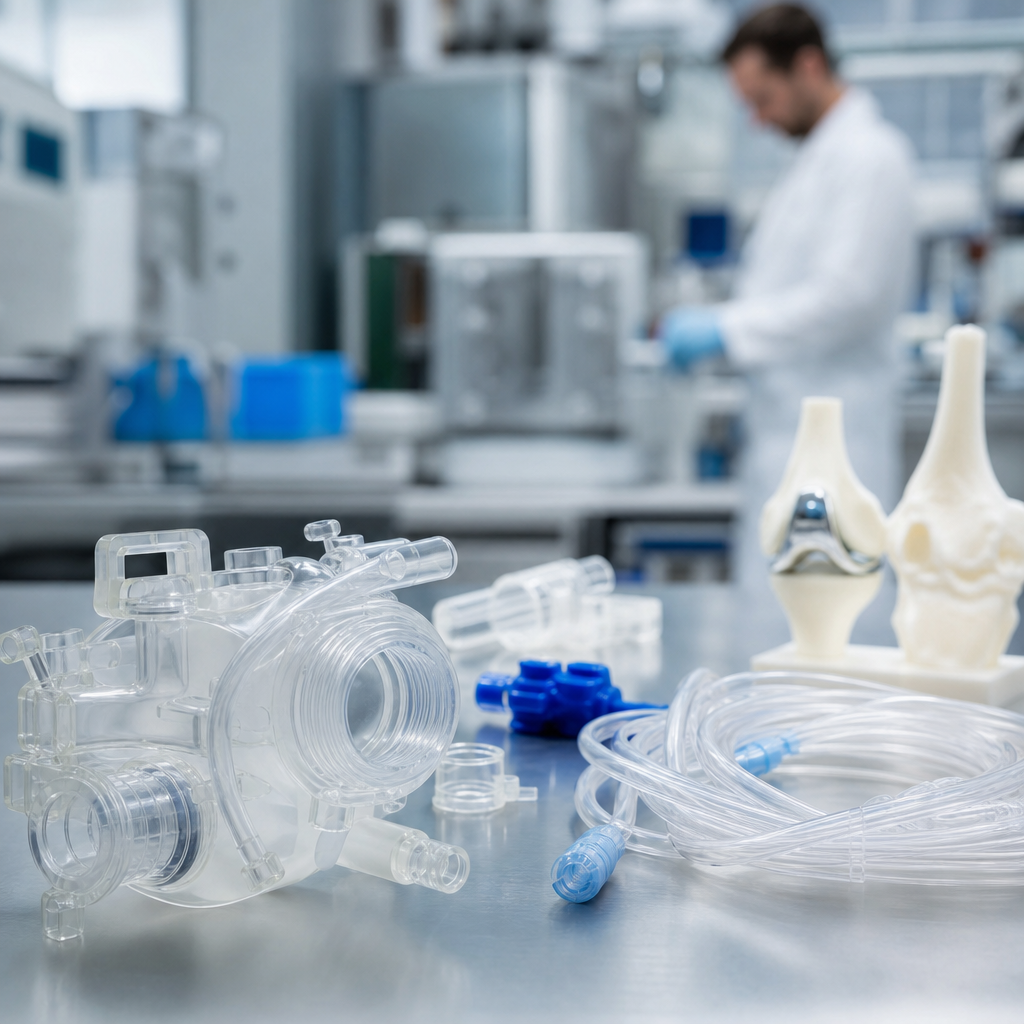
Innovations in polymer-based medical devices are reshaping how clinicians diagnose, treat, monitor, and support patients across nearly every care setting. In this field, polymers are large molecules engineered into plastics, elastomers, hydrogels, fibers, films, foams, and coatings that can be tailored for flexibility, strength, sterility, transparency, drug compatibility, and biocompatibility. Medical devices built from polymers now include catheters, wound dressings, drug delivery systems, implantable meshes, orthopedic components, wearable sensors, surgical tools, and single-use diagnostic cartridges. The recent wave of new product launches matters because material science is no longer a back-end manufacturing detail; it is a direct driver of clinical performance, infection control, patient comfort, and cost efficiency. From my work reviewing device commercialization programs, the most successful launches begin with a clear understanding of how polymer selection affects every downstream decision, from design controls and sterilization validation to shelf life, reimbursement positioning, and hospital adoption. This article serves as a hub for the new product launches shaping polymer-based medical devices, explaining what is changing, why it matters, and how to evaluate the next generation of products entering the market.
Several forces are accelerating innovation at the same time. Healthcare systems want lighter devices, lower procedure times, and better outcomes with fewer complications. Regulators expect robust evidence for material safety, extractables and leachables, particulate control, and performance over intended use conditions. Manufacturers are under pressure to reduce cost without sacrificing consistency, especially for single-use products made at high volume. At the same time, advances in polymer chemistry, additive manufacturing, microfabrication, surface engineering, and digital health integration are creating entirely new device categories. New product launches are increasingly defined not just by a device’s shape or indication, but by what the polymer enables: atraumatic navigation, controlled drug release, antimicrobial surfaces, bioresorbability, flexibility with kink resistance, skin-friendly adhesion, or real-time sensing. For buyers, engineers, and product teams, knowing these patterns helps separate meaningful innovation from routine line extensions.
How new polymer-based medical device launches are changing product strategy
New launches in this market are moving beyond commodity plastic components toward platform technologies. A platform approach means the same polymer science foundation can support multiple products, indications, or delivery formats. For example, a company may develop a proprietary thermoplastic elastomer for catheter shafts, then use variations of durometer, braid reinforcement, and coating chemistry to extend that platform into vascular access, electrophysiology, and urology. This shortens development cycles and gives hospitals confidence that the supplier can support a family of devices with consistent handling characteristics.
In practice, the most important product strategy shift is earlier integration between materials engineering and clinical design. Ten years ago, teams often finalized geometry first and treated the polymer as a late selection. Today, launches succeed when polymer behavior is considered from concept stage onward. A wound care dressing built around a hydrogel matrix, for instance, must account for water vapor transmission rate, exudate absorption, conformability, peel strength, and antimicrobial loading all at once. Those variables are inseparable. The same is true for wearable patches, where adhesive chemistry, breathability, and skin shear tolerance determine real-world wear time more than the embedded electronics do.
Another major change is the rise of evidence-based launch positioning. Product announcements increasingly highlight quantitative improvements such as lower friction coefficients, reduced insertion force, improved burst pressure, longer dwell time, or better skin adhesion after perspiration. This is a positive development. Hospitals and integrated delivery networks do not want abstract claims about advanced materials; they want comparative data, validated test methods, and explanations tied to workflow. The best launches show how a polymer innovation translates into fewer device failures, easier nurse handling, faster setup, or reduced need for replacement.
Key material innovations behind current launches
The most active area in polymer-based medical devices is high-performance material formulation. Thermoplastic polyurethane remains central because it combines toughness, flexibility, abrasion resistance, and processability for tubing, dressings, and wearable components. Silicone continues to dominate where long-term softness, thermal stability, and biocompatibility are critical, especially in drains, seals, and implantable interfaces. Polyether ether ketone, commonly called PEEK, has expanded in orthopedics and spinal applications because it offers high strength, radiolucency, and a modulus closer to bone than many metals. Hydrogels are rapidly advancing in wound care, ophthalmology, and biosensing because they can hold water, mimic soft tissue mechanics, and support controlled molecular transport.
Surface modification is driving another wave of launches. A base polymer can now be transformed by hydrophilic coatings, heparin bonding, antimicrobial additives, plasma treatment, or textured microstructures that improve wetting, lubricity, or tissue response. Catheters are a strong example. A shaft made from nylon or polyurethane may perform adequately, but when paired with a durable hydrophilic coating it can reduce friction during insertion and navigation, helping lower trauma risk. In launch reviews, this type of enhancement often delivers more practical value than changing the underlying resin entirely.
Bioresorbable polymers deserve special attention because they are redefining device lifecycles. Polylactic acid, polyglycolic acid, and copolymers such as PLGA are used in fixation devices, sutures, tissue scaffolds, and local drug delivery systems that gradually break down in the body. New product launches in this category focus on predictable degradation profiles, mechanical retention during healing, and reduced need for removal procedures. The tradeoff is that bioresorbables can be sensitive to processing conditions, moisture, and sterilization methods, so successful products are built on rigorous control of formulation and packaging.
Product launch categories gaining traction across care settings
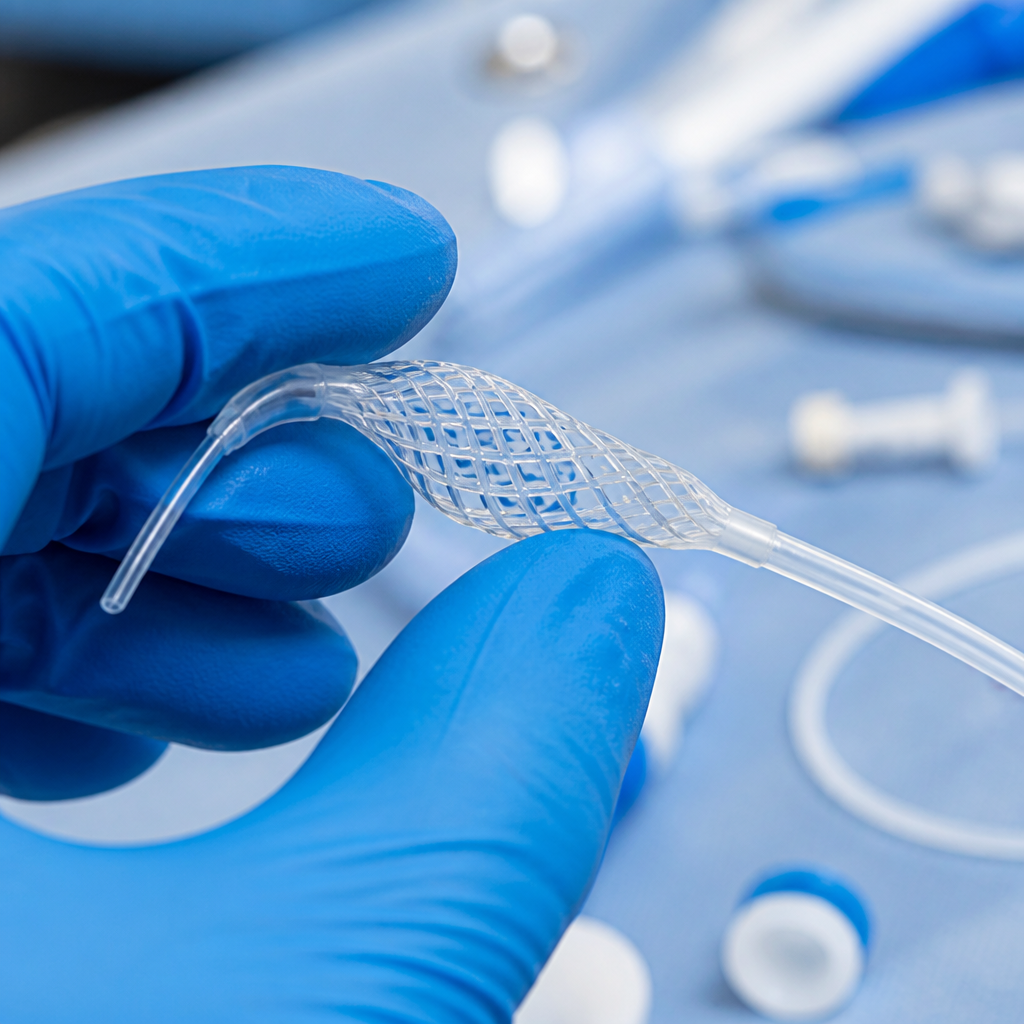
Several launch categories are defining the current market. Vascular access and interventional devices remain especially active because polymers directly affect trackability, torque response, flexibility gradients, and patient comfort. New introducers, microcatheters, balloon systems, and guide-extension devices often rely on multi-layer constructions combining distinct polymers with braids or coils. In plain terms, one section of the device may be soft enough to navigate anatomy safely, while another is stiff enough to transmit push force from the clinician’s hand. That balance is achieved through materials engineering, not cosmetic redesign.
Wound care is another launch-heavy segment. Advanced dressings now use foams, hydrocolloids, alginates, silicones, and hydrogels in layered constructions that manage exudate while preserving a moist healing environment. Companies are launching products with gentler silicone adhesives to reduce medical adhesive-related skin injury, especially in neonatal and geriatric populations. Some dressings combine polymer matrices with silver, polyhexamethylene biguanide, or iodine for antimicrobial action. The key differentiator is not simply adding an active ingredient, but controlling release and maintaining dressing integrity across wear time.
Wearable monitoring devices are also expanding fast. Continuous glucose monitors, cardiac patches, temperature sensors, and connected respiratory wearables all depend on polymer films, encapsulants, adhesives, and flexible substrates. From direct experience with device usability testing, I have seen products fail not because the sensor chemistry was inaccurate, but because edge lift, sweat ingress, or skin irritation caused users to stop wearing them. New launches in this category are therefore emphasizing skin-compatible adhesives, stretchable interconnect protection, and water-resistant polymer housings that survive exercise and daily living.
| Launch category | Common polymers | Primary benefit | Typical challenge |
|---|---|---|---|
| Catheters and interventional devices | Polyurethane, nylon, PTFE, Pebax, silicone | Flexibility, lubricity, pushability | Balancing stiffness with atraumatic navigation |
| Advanced wound dressings | Hydrogels, silicone, polyurethane foam, hydrocolloids | Moist healing and gentle adhesion | Managing exudate without maceration |
| Wearable sensors and patches | Acrylic adhesives, TPU films, silicones, conductive polymers | Comfortable long wear and device protection | Skin irritation, sweat resistance, edge lift |
| Bioresorbable implants | PLA, PGA, PLGA, PCL | No removal procedure in selected uses | Controlling degradation and retained strength |
Manufacturing and regulatory factors that shape launch success
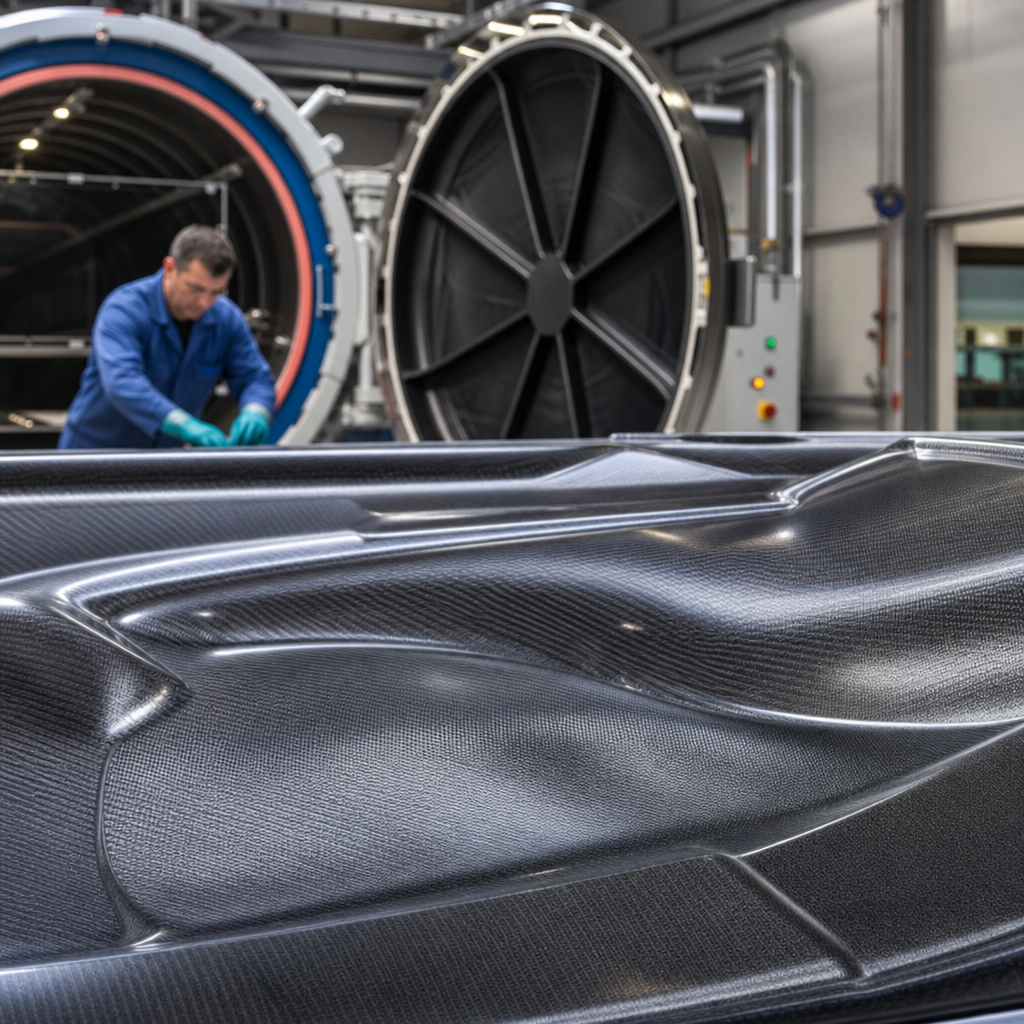
For polymer-based medical devices, launch success depends as much on manufacturing discipline as on material novelty. Injection molding, extrusion, blow molding, dip molding, thermoforming, and additive manufacturing each affect crystallinity, orientation, residual stress, and dimensional stability. Those factors directly influence clinical performance. A tubing extrusion with inconsistent wall thickness may kink under load. A molded connector with sink or flash can compromise assembly integrity. Teams that scale successfully build process windows early and treat material characterization as a release-critical activity, not a procurement checklist.
Sterilization compatibility remains one of the most underestimated launch issues. Ethylene oxide, gamma irradiation, electron beam, and steam can each alter polymer properties differently. Gamma may cause chain scission or discoloration in some materials. Steam can distort components with limited thermal resistance. Ethylene oxide raises questions about aeration, residuals, and package design. During launch planning, smart teams test the full finished device after sterilization and aging rather than assuming a resin’s published data sheet tells the whole story. In my experience, this is where avoidable delays often appear.
Regulatory expectations are also more exacting than many product marketers realize. Material biocompatibility must be evaluated under ISO 10993 frameworks based on the nature and duration of body contact. Chemical characterization, particulate risk, extractables and leachables studies, and packaging validation can become central issues, especially for long-duration contact devices, drug-device combinations, and implants. For products sold in the United States, design controls and risk management documentation must connect material choices to identified hazards and mitigations. A launch claim about antimicrobial performance or extended wear must be backed by suitable testing, not assumed from a supplier brochure.
How to evaluate new product launches as a buyer, engineer, or marketer
When assessing new polymer-based medical devices, start by asking what specific problem the material innovation solves. Does it reduce insertion force, improve seal integrity, extend wear time, lower infection risk, or eliminate a secondary procedure? If the answer is vague, the launch may be more incremental than it appears. Next, review the evidence. Strong launches reference benchtop tests, usability studies, verification data, or clinical outcomes that connect directly to intended use. A low-friction coating claim, for example, should be supported by durability and lubricity data under realistic conditions, not a single dry-lab measurement.
It is also important to examine total system fit. A superior polymer device can still struggle if it requires new training, unfamiliar storage conditions, or workflow changes that busy clinicians resist. Procurement teams should ask about packaging format, compatibility with existing accessories, shelf life, and sterilization status. Engineers should ask about resin supply continuity, lot-to-lot controls, bonding methods, and post-processing limits. Marketers should ask whether the device has a defendable story built around real outcomes instead of broad claims about innovation. The most durable launches succeed because they integrate technical merit with operational practicality.
As a hub for the broader new product launches landscape, this topic points to a simple conclusion: polymers are no longer passive materials in medical devices; they are active enablers of product differentiation. The best new launches combine smart material selection, credible evidence, manufacturable design, and clear clinical value. Across catheters, wound dressings, wearables, and bioresorbable systems, innovation is strongest when teams understand how polymer chemistry, processing, surface engineering, and user needs interact in the real world. That is the lens buyers and product teams should use when tracking this market.
The practical benefit of following innovations in polymer-based medical devices is better decision-making. Healthcare organizations can identify products that improve care and reduce operational friction. Developers can prioritize materials and processes that withstand regulatory scrutiny and scale reliably. Commercial teams can position launches around measurable performance, not generic novelty. If you are building, buying, or benchmarking devices in this category, use this hub as your starting point and continue into the deeper articles on specific launch segments, technologies, and market trends.
Frequently Asked Questions
1. What makes polymer-based medical devices so important in modern healthcare?
Polymer-based medical devices are important because they offer an unusual combination of performance, versatility, and patient-focused design that is difficult to achieve with traditional materials alone. Polymers can be engineered into rigid plastics, soft elastomers, absorbent foams, breathable films, hydrogel matrices, and precision coatings, which means manufacturers can tailor a device to a very specific clinical need. In practical terms, this allows clinicians to use devices that are lightweight, flexible, durable, sterile, and often more comfortable for patients. Catheters, wound dressings, tubing, implantable components, diagnostic cartridges, and drug delivery systems all benefit from these material properties.
Another reason polymers matter is that they support innovation across the full continuum of care. In diagnosis, polymer materials can be used in microfluidic devices and testing platforms that handle very small fluid volumes with accuracy. In treatment, they can enable controlled drug release, advanced wound management, and minimally invasive procedures. In monitoring, wearable sensors often rely on polymer substrates that can bend, stretch, and conform to the body. In patient support, polymer foams, films, and textiles are used in products designed to improve comfort, protection, and healing outcomes. Their design flexibility also helps device developers balance strength, transparency, chemical resistance, and biocompatibility while meeting manufacturing and regulatory requirements.
Just as importantly, polymer-based devices can improve scalability and consistency in production. Many polymers are compatible with high-volume manufacturing processes such as molding, extrusion, coating, and additive manufacturing, which can help deliver reliable devices at a larger scale. This matters in healthcare environments where quality, repeatability, and infection control are non-negotiable. Taken together, the clinical adaptability, material tunability, and manufacturing advantages of polymers make them central to the next generation of safer, more functional, and more patient-friendly medical devices.
2. How are innovations in polymers improving patient comfort and clinical outcomes?
Innovations in polymers are improving patient comfort by making devices softer, lighter, more flexible, and better matched to the body’s natural movements and tissues. Traditional devices could sometimes be effective clinically but uncomfortable during use, especially in long-term applications. Modern polymer engineering allows designers to reduce stiffness, improve surface smoothness, increase breathability, and create conformable shapes that minimize friction and pressure. This is particularly valuable in products such as catheters, dressings, wearable patches, ostomy systems, and compression-related devices, where comfort directly affects patient compliance and overall treatment success.
From a clinical perspective, improved comfort often translates into better outcomes. When a wound dressing maintains the right moisture balance, protects against contamination, and removes cleanly without damaging new tissue, healing can be more efficient and less traumatic. When a catheter coating reduces friction and discourages microbial adhesion, insertion may be easier and complications may be reduced. When a wearable monitoring device remains securely attached without irritating the skin, clinicians can collect more reliable data over longer periods. In each case, material innovation does more than refine the user experience; it can meaningfully support safety, consistency, and therapeutic effectiveness.
Advanced polymers are also enabling smarter interactions between device and patient. Hydrogels can respond to moisture and provide a tissue-friendly interface. Drug-compatible polymers can release medications in a controlled way over time. Elastomeric materials can maintain seal integrity or flexibility in dynamic anatomical environments. Surface-modified polymers can improve lubricity, reduce protein buildup, or enhance compatibility with biological tissues. These advances help devices do more than simply occupy a space or provide structural support. They help devices actively contribute to healing, monitoring, and treatment precision while reducing discomfort and unnecessary disruption to daily life.
3. What types of polymer-based medical devices are seeing the most innovation today?
Some of the most active areas of innovation include catheters and tubing systems, wound care products, wearable and skin-contact devices, drug delivery platforms, and minimally invasive diagnostic components. Catheters are a major example because they depend heavily on material performance. Manufacturers are developing multilayer polymer constructions, advanced coatings, and kink-resistant formulations that improve navigation, reduce friction, and support compatibility with sensitive tissues and fluids. In a clinical setting, those upgrades can help improve ease of use and reduce complications associated with repeated or extended device use.
Wound care is another fast-moving category. Polymer films, foams, and hydrogel dressings are now being designed to manage moisture, protect against outside contaminants, cushion fragile tissue, and sometimes deliver therapeutic agents directly to the wound environment. These products are becoming more sophisticated in how they balance absorption, adhesion, flexibility, and atraumatic removal. Similarly, drug delivery devices are benefiting from polymer innovation through implantable depots, transdermal patches, and controlled-release systems that help regulate dosage timing and improve treatment consistency. In these cases, the polymer is not just a structural material; it becomes part of the therapeutic strategy.
Wearable devices and diagnostic technologies are also advancing rapidly. Stretchable polymer substrates, conductive polymer composites, adhesive skin interfaces, and transparent films are being integrated into sensors that can monitor physiological signals more comfortably and continuously. In laboratory and point-of-care diagnostics, polymers are used in cartridges, channels, membranes, and housings that support fluid handling, sample containment, and optical performance. Additive manufacturing is pushing innovation even further by making it easier to prototype or produce customized polymer components for specialized anatomy or treatment pathways. Across all of these device classes, the common theme is that polymers are enabling more precise, more responsive, and more patient-centered solutions.
4. How do manufacturers ensure polymer-based medical devices are safe, sterile, and biocompatible?
Safety in polymer-based medical devices begins with material selection and extends through design, testing, manufacturing, packaging, and post-market oversight. Engineers do not choose a polymer based only on convenience or cost. They evaluate how the material behaves mechanically, chemically, and biologically in its intended application. A polymer used for short-term external skin contact may be very different from one intended for long-term internal exposure or implantable use. Factors such as extractables and leachables, chemical resistance, fluid compatibility, durability, transparency, and response to sterilization all play a role in determining whether a material is appropriate.
Biocompatibility is a central requirement. Manufacturers assess whether a polymer and any additives, coatings, colorants, or processing residues could trigger irritation, sensitization, toxicity, inflammation, or other unwanted biological responses. The level of evaluation depends on how and where the device will contact the body and for how long. Testing is typically performed within established regulatory and quality frameworks to demonstrate that the finished device, not just the raw material, is suitable for its intended use. This distinction matters because manufacturing conditions, geometry, bonding methods, and sterilization processes can all influence the final performance of the device.
Sterility and cleanliness are equally critical. Many polymer-based devices must be compatible with sterilization methods such as ethylene oxide, gamma irradiation, electron beam, or steam, depending on the material and product design. Not all polymers tolerate each method equally well, so developers must confirm that sterilization does not compromise strength, flexibility, clarity, drug stability, or shelf life. In addition, manufacturers use controlled production environments, validated cleaning processes, packaging integrity testing, and quality management systems to reduce contamination risks and ensure consistency from batch to batch. The result is a rigorous, evidence-based process designed to make sure polymer-based medical devices perform safely and reliably in real clinical environments.
5. What is the future of polymer-based medical devices?
The future of polymer-based medical devices is likely to be defined by smarter materials, greater personalization, and more integrated functionality. Instead of serving only as passive structural components, next-generation polymers are increasingly being designed to respond to their environment, interact with tissue in more sophisticated ways, or support multiple functions in a single device. This may include materials that change properties in response to temperature or moisture, polymers that enable timed or triggered drug release, and surfaces that reduce bacterial attachment or improve cell compatibility. These advances can help clinicians move toward devices that are not only smaller and less invasive, but also more adaptive and therapeutically effective.
Customization is another major trend. As manufacturing technologies such as precision molding and 3D printing continue to mature, polymer components can be designed for patient-specific anatomy, specialized procedural needs, or short-run clinical applications that would have been difficult to produce economically in the past. This opens the door to more individualized care, especially in areas such as surgical planning, prosthetic interfaces, localized drug delivery, and complex minimally invasive tools. At the same time, wearable and home-based healthcare technologies are expected to grow, increasing demand for polymers that are durable, skin-friendly, lightweight, and capable of supporting embedded sensing or flexible electronics.
There is also a strong push toward sustainability and supply-chain resilience. The medical industry must maintain strict safety and performance standards, but there is rising interest in recyclable components, more efficient manufacturing, and bio-based or degradable polymers where clinically appropriate. Future innovation will likely balance environmental considerations with sterility, regulatory compliance, and long-term reliability. Overall, the outlook is very strong: polymer science is giving medical device developers more control over how a device feels, functions, and interacts with the human body, which positions polymers at the center of many of healthcare’s most promising technological advances.