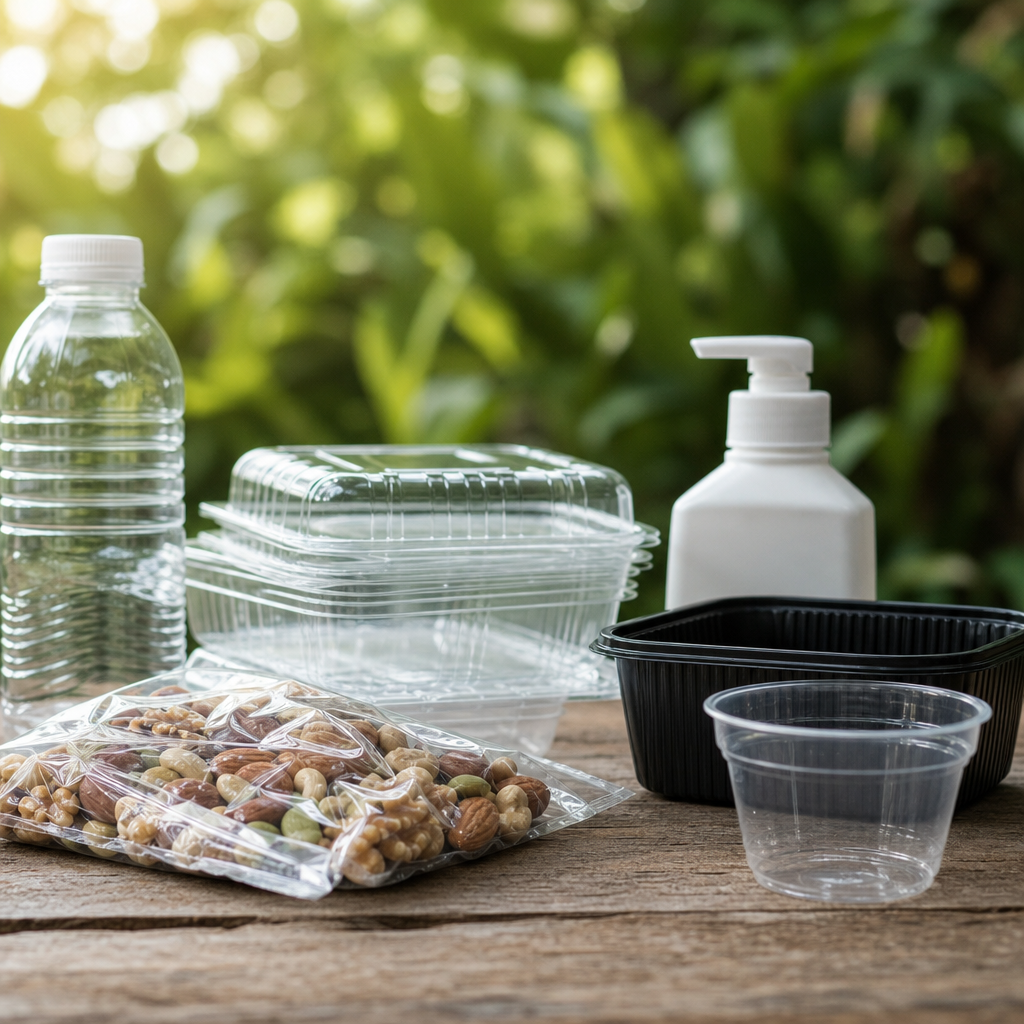
Polymers are central to sustainable packaging solutions because they make it possible to protect products with less material, lower transport weight, longer shelf life, and increasingly circular end-of-life options. In packaging, a polymer is a large molecule made of repeating units, and it can be fossil-based, bio-based, biodegradable, compostable, recyclable, or designed to fit several of those categories at once. After years working with packaging specifications, resin selection, and recyclability reviews, I have seen that sustainability is not about replacing every plastic with a single miracle material. It is about matching polymer chemistry, package design, collection systems, and product protection goals so the total environmental impact drops across the full life cycle.
That distinction matters because packaging sustainability is often misunderstood. Many buyers assume the best package is the one that disappears fastest, but responsible packaging design starts with preventing damage, contamination, and waste. If a lightweight polymer film keeps food fresh for days longer, the emissions avoided from reduced food waste can exceed the impacts of the package itself. If a refill pouch uses a fraction of the material of a rigid container, the resource savings can be substantial even before recycling is considered. Sustainable packaging solutions therefore depend on evidence-based tradeoffs among material efficiency, recycled content, product compatibility, and realistic recovery pathways.
Environmental and sustainable applications of polymers now span food, beverage, healthcare, e-commerce, personal care, industrial transport, and retail distribution. Polyethylene and polypropylene dominate flexible packaging because they are light, processable, and increasingly compatible with mono-material recycling strategies. PET remains essential in bottles and thermoforms because it combines clarity, strength, and mature recycling infrastructure. Fiber-polymer hybrids, compostable biopolymers such as PLA and PHA, and barrier coatings based on EVOH or metallization all add options when performance requirements are more demanding. The result is a packaging landscape where polymers contribute not only by replacing heavier materials, but also by enabling redesign, reuse, and recovery at scale.
As a hub for environmental and sustainable applications, this article explains how polymers contribute to sustainable packaging solutions, where they perform best, where they fall short, and how companies are applying them in the real world. It covers lightweighting, recyclability, recycled content, bio-based and compostable materials, barrier performance, reusable systems, and the standards used to assess progress. If you need a practical foundation before diving into detailed case studies on food packaging, shipping materials, refill models, or circular design, this is the page to start with.
Why polymers remain essential in sustainable packaging
Polymers remain essential because they deliver a rare combination of low mass, high functional performance, and efficient processing. Compared with glass, metal, or paperboard used alone, polymer packaging often requires less energy to form and less fuel to transport due to lower weight. A stand-up pouch can replace a rigid bottle or jar with dramatically less material while still protecting the contents during filling, distribution, and consumer use. In lifecycle work, I repeatedly see this principle hold: reducing package weight is one of the fastest ways to lower greenhouse gas emissions, provided the redesign does not increase product loss or spoilage.
Polymers also allow property tuning that other materials cannot match easily. Density, toughness, seal strength, moisture resistance, oxygen transmission rate, transparency, heat resistance, puncture resistance, and coefficient of friction can all be adjusted through resin selection, orientation, additives, and multilayer construction. That flexibility matters in sustainable packaging solutions because no two applications are identical. Frozen foods need low-temperature toughness, snack foods need moisture barriers, medical devices require sterility support, and e-commerce mailers need tear resistance with minimal excess weight. Polymers let engineers hit those targets with precision rather than overspecifying the entire package.
Another advantage is manufacturing efficiency. Extrusion, blow molding, thermoforming, injection molding, and film orientation processes are high-throughput and relatively material-efficient. Scrap generated during production can often be reprocessed internally for nonfood or controlled applications. When a package can be downgauged by even a few microns across millions of units, the absolute material savings are significant. That is why sustainability teams often start with polymer optimization before considering complete format shifts. It is usually faster, cheaper, and less disruptive to eliminate unnecessary resin than to rebuild the supply chain around a new substrate.
How polymers reduce environmental impact across the package life cycle
Polymers contribute to lower life-cycle impact in four main ways: source reduction, distribution efficiency, product preservation, and circularity. Source reduction means using less material to achieve the same job. A thinner polyethylene collation film or a redesigned PET preform directly cuts resin use. Distribution efficiency comes from lower package mass and compact shapes that increase pallet density and reduce truckloads. Product preservation is especially important in food and healthcare, where a failed package has environmental costs far greater than the package itself. Circularity includes mechanical recycling, chemical recycling for selected streams, incorporation of recycled content, and reuse models that rely on durable polymer containers.
Food packaging illustrates these mechanisms clearly. Modified atmosphere packaging, lidding films, and multilayer pouches can substantially extend shelf life for meat, cheese, produce, coffee, and prepared meals. Even a small reduction in food waste can offset package impacts because agriculture, refrigeration, and transport are emissions-intensive. In practice, the most sustainable packaging solution for a cucumber, salad mix, or sliced deli product may involve a polymer film that uses grams of material but prevents early spoilage. The same logic applies to pharmaceuticals and medical devices, where barrier integrity and sterility protect products with high environmental and social value.
Transport packaging offers another practical example. Stretch wrap made from linear low-density polyethylene secures pallets with very little mass relative to corrugated, straps, or rigid containment alternatives. Advances in metallocene-catalyzed films have improved load retention while allowing downgauging, so warehouses can use less film without sacrificing safety. In e-commerce, polyethylene mailers and bubble structures can reduce dimensional weight compared with box-based shipments for soft goods. These are not perfect systems, but when designed for recyclability and paired with collection programs, they can outperform heavier formats on a carbon basis.
Key polymer types used in sustainable packaging applications
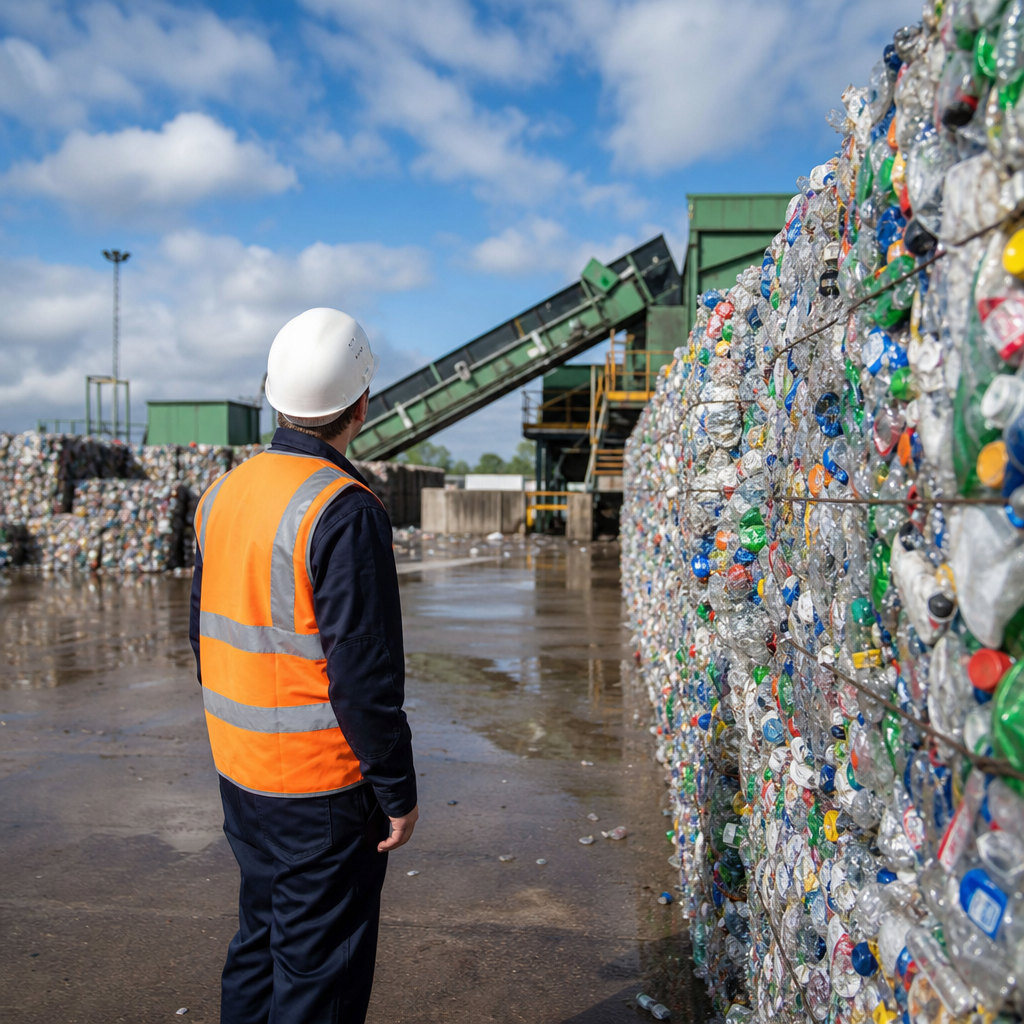
Different polymers serve different sustainability goals. Polyethylene, including HDPE and LDPE, is widely used for bottles, caps, films, pouches, and mailers because it is lightweight, moisture resistant, and broadly recyclable where film or rigid collection exists. Polypropylene is valued for heat resistance, living hinges, microwave suitability, and stiffness in tubs, caps, and mono-material flexible structures. PET is the leading bottle resin for beverages and many personal care products due to its strength, clarity, and strong post-consumer recycling market. Recycled PET, in particular, has become a major route for reducing virgin resin use in closed-loop packaging.
Barrier and specialty polymers expand what sustainable packaging solutions can do. EVOH provides excellent oxygen barrier in food packaging, though it must be used carefully because too much can hinder recyclability in some streams. Polyamide adds puncture resistance and toughness for vacuum pouches. Thermoplastic elastomers improve seal performance in certain closures and dispensing systems. When combined intelligently, these materials can reduce food waste and package failure, but excessive material complexity can create end-of-life problems. This is why current design practice increasingly favors mono-material or compatibilized structures when performance allows.
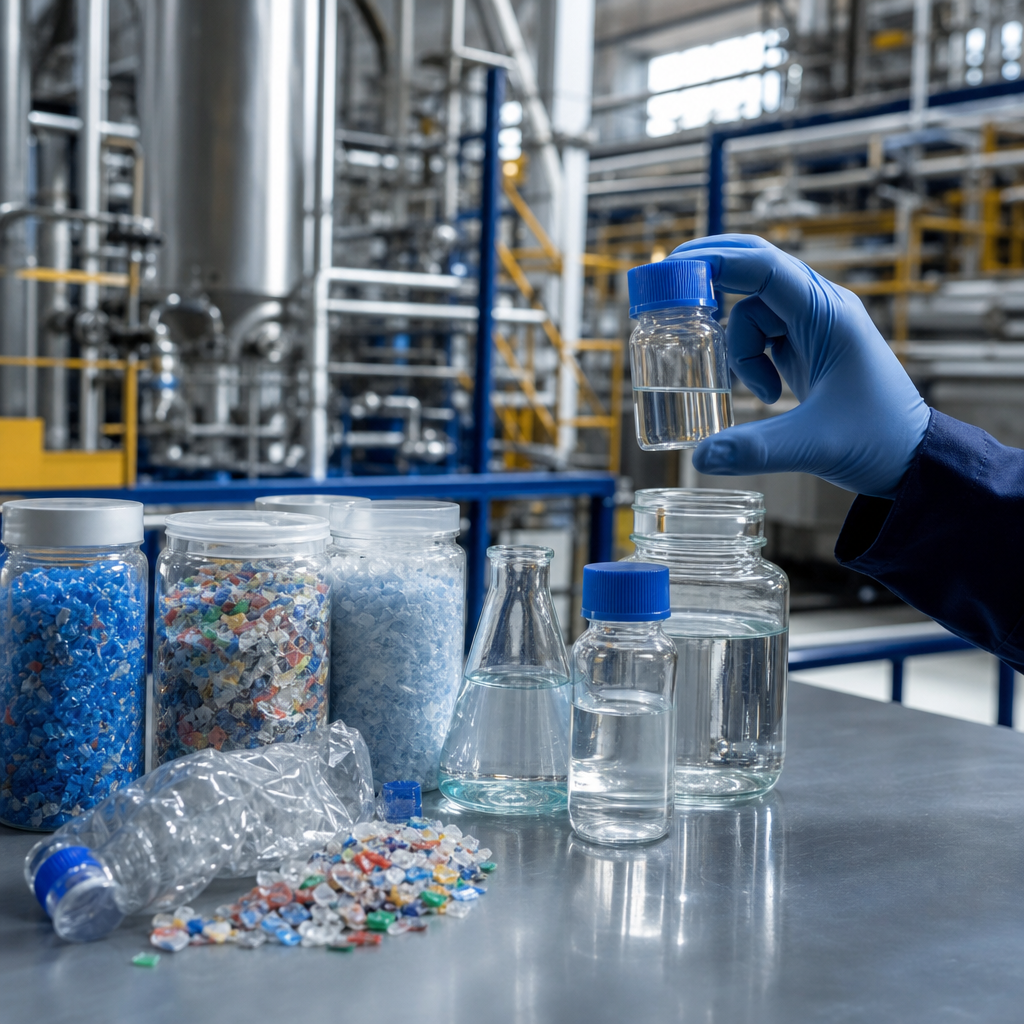
Bio-based and compostable polymers occupy a narrower but important role. PLA, derived primarily from fermented plant sugars, is used in some cups, trays, and films where industrial composting is available and contamination with conventional plastics can be managed. PHA is promising because some grades biodegrade in a broader range of environments, though supply and cost remain constraints. Bio-based polyethylene and bio-PET offer renewable feedstock benefits without changing the recycling pathway, since they are chemically similar to their conventional counterparts. In commercial packaging programs, these materials work best when their collection route, labeling, and contamination risks are defined before launch.
| Polymer | Common packaging uses | Main sustainability advantage | Key limitation |
|---|---|---|---|
| PE | Films, pouches, bottles, mailers | Lightweight, recyclable in many rigid and some film systems | Film collection varies by region |
| PP | Tubs, caps, closures, microwave packs | Heat resistance and mono-material design potential | Recycling access is less consistent than PET or HDPE in some markets |
| PET | Beverage bottles, thermoforms, jars | Strong recycling infrastructure and high recycled-content value | Barrier modifications and colored formats can reduce recyclability |
| PLA | Cups, trays, specialty films | Bio-based feedstock and compostability in specific systems | Needs controlled composting and clear sorting |
Design strategies that make polymer packaging more sustainable
The most effective strategy is lightweighting without performance loss. Engineers achieve this by reducing wall thickness, changing geometry, increasing resin stiffness, improving molecular orientation, or replacing multi-component parts with integrated designs. Beverage bottles are a mature example: PET water bottles today use far less resin than earlier generations because base geometry, neck finish design, and preform optimization were improved over time. Similar progress is visible in detergent bottles with molded handles, downgauged stretch films, and thinner caps designed through finite element analysis and top-load testing.
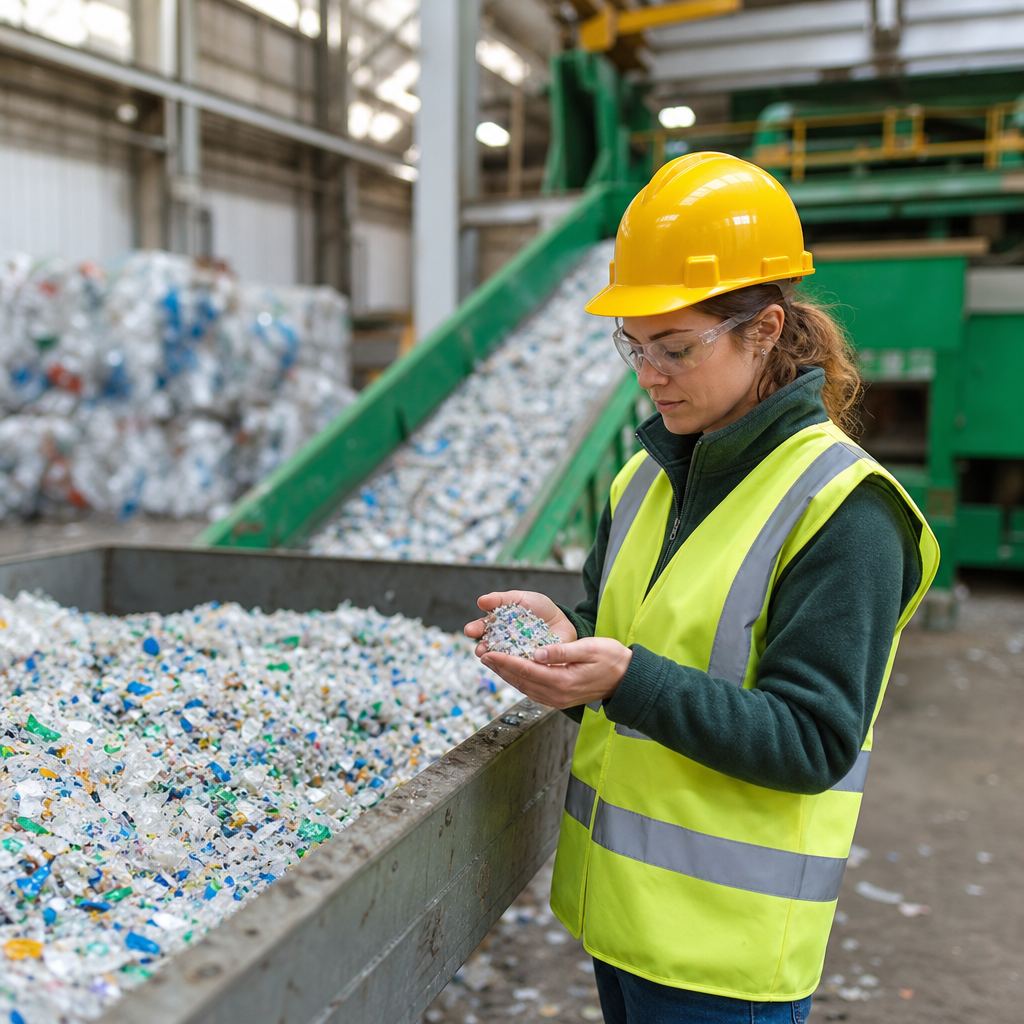
Design for recyclability is the next major lever. In rigid packaging, that usually means favoring natural or lightly tinted PET, HDPE, or PP; avoiding carbon black where optical sorters struggle; using labels and adhesives that wash off cleanly; and minimizing incompatible barrier layers, metal components, and silicone contamination. In flexible packaging, the trend is toward mono-material PE or PP structures that replace mixed laminates of PET, foil, nylon, and polyethylene. These redesigns are technically challenging because they must preserve sealing, machinability, stiffness, print quality, and barrier performance. Still, many brands have moved snack, pet food, and household product packs in this direction.
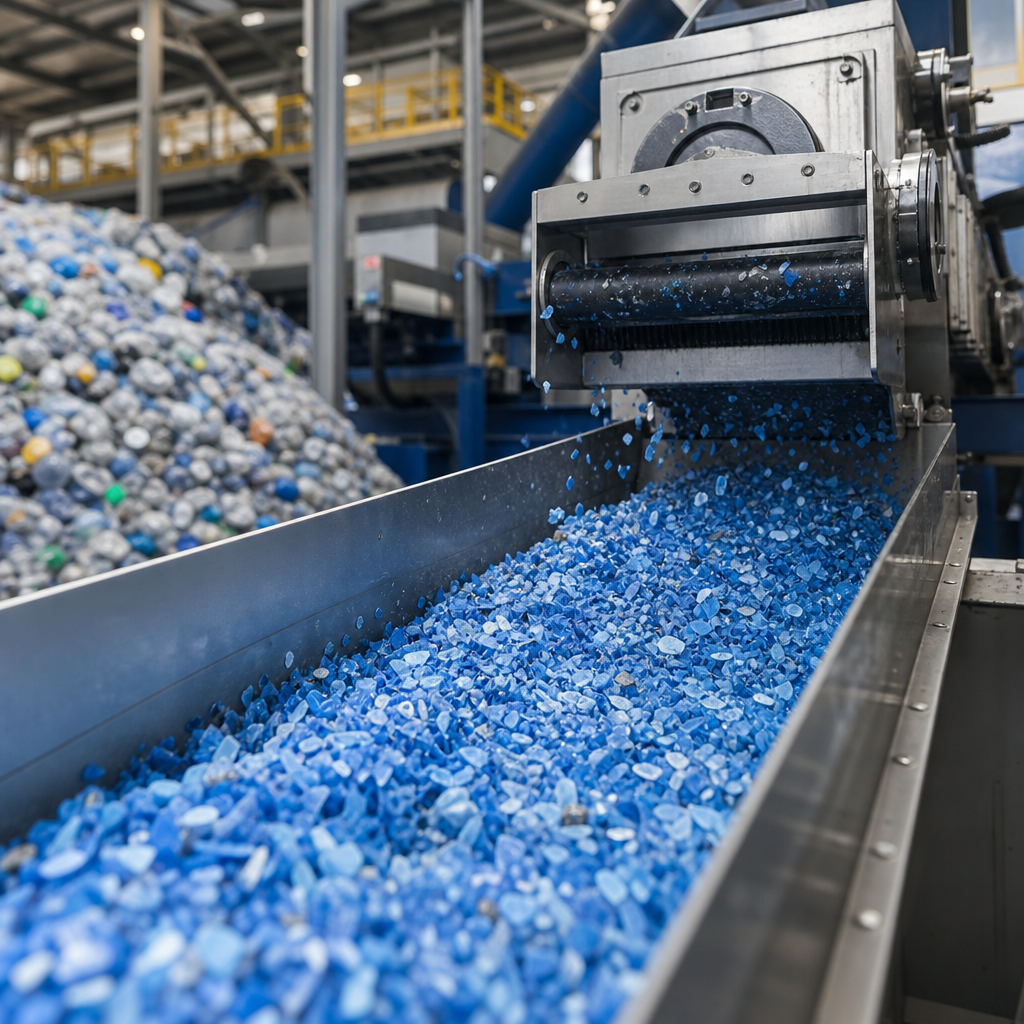
Recycled content integration is another practical pathway. Post-consumer recycled resin lowers demand for virgin material and can reduce carbon footprint, especially in PET and HDPE systems with robust reprocessing markets. Yet recycled content is not plug-and-play. It can affect color, odor, melt flow, mechanical properties, and food-contact compliance. Successful implementation requires supplier qualification, application testing, and realistic tolerances. In my experience, teams that treat recycled resin as a strategic material class rather than a drop-in substitution make faster progress because they redesign the package around the resin rather than forcing the resin into an old specification.
Real-world applications and case study patterns across industries
In food and beverage, the strongest case study pattern is balancing barrier needs with recovery. Dairy brands have lightened HDPE and PET bottles while increasing recycled content. Fresh protein producers have shifted some trays and lidding structures toward designs that use less total plastic per unit sold. Coffee brands continue to rely on high-barrier laminates, but some have introduced recycle-ready polyethylene structures for specific formats where shelf-life demands permit. Produce suppliers use perforated or breathable polymer films to manage respiration and moisture, reducing shrink in retail channels. These examples show that sustainable packaging solutions are highly application-specific rather than universal.
Personal care and home care brands often lead on refill and reuse. Flexible pouches for soaps, shampoos, and cleaners can cut resin use dramatically compared with rigid bottles. Concentrated tablets and liquid refills paired with durable trigger-spray bottles reduce both packaging mass and shipping emissions. Several global brands now use HDPE and PET bottles with significant recycled content while redesigning pumps, sleeves, and labels to improve sorting. The hard part remains small-format components: pumps, dispensers, and mixed-material closures are convenient for consumers but challenging in recycling systems, so innovation is focused heavily on simplification.
Industrial and transit packaging demonstrates another sustainability contribution of polymers: durability over repeated cycles. Reusable polypropylene crates, collapsible bulk containers, intermediate liners, and returnable pallets can replace expendable corrugated and wood in closed-loop systems. Automotive and electronics supply chains have used these formats for years because they lower damage rates and spread manufacturing impact across many trips. E-commerce is now adopting similar logic through reusable mailers in selected reverse-logistics networks. The lesson from these applications is simple: when return rates are reliable and cleaning is manageable, durable polymers can be a strong sustainability asset, not just a disposable material.
Limits, tradeoffs, and how to evaluate polymer packaging responsibly
Polymers are not automatically sustainable, and responsible evaluation requires acknowledging their limits. Poorly designed packaging can become litter, contaminate recycling streams, or rely on additives that complicate recovery. Compostable polymers can confuse consumers if they are marketed where composting infrastructure is absent. Bio-based feedstocks may reduce fossil resource use but still raise concerns about land use, agricultural inputs, and end-of-life handling. Multilayer structures may cut food waste yet remain difficult to recycle. These are real tradeoffs, and ignoring them leads to weak sustainability claims.
The best way to evaluate polymer packaging is through lifecycle assessment supported by practical recyclability testing and supply-chain data. ISO 14040 and ISO 14044 provide the standard framework for lifecycle assessment, while guidance from the Ellen MacArthur Foundation, APR, RecyClass, CEFLEX, and SPC helps teams design packaging that fits actual recovery systems. Good analysis includes resin production, conversion, transport, filling losses, product waste implications, recycled content availability, and end-of-life scenarios that reflect local conditions. It also distinguishes between technical recyclability and actual recycling access, which are not the same thing.
For companies building a sustainable packaging roadmap, the most reliable sequence is to reduce unnecessary material first, improve product-to-package ratio second, design for the most realistic recovery pathway third, and use verified data to compare alternatives. That approach avoids the common mistake of chasing headline-friendly materials while missing larger impact drivers such as transport inefficiency or product spoilage. Polymers contribute most when they are used deliberately: the right resin, the right structure, the right application, and the right end-of-life plan.
Polymers contribute to sustainable packaging solutions by enabling lighter packages, better product protection, lower shipping impacts, growing use of recycled content, and scalable reuse and recycling systems. Their value comes from performance matched to purpose, not from simple labels like plastic, bio-based, or compostable. Across food, consumer goods, healthcare, and industrial logistics, the strongest results come from disciplined design choices such as lightweighting, mono-material construction, compatibility with existing recovery systems, and realistic barrier optimization. When those choices are backed by lifecycle assessment and local infrastructure knowledge, polymer packaging can reduce environmental impact in measurable ways.
As the hub for environmental and sustainable applications within case studies and applications, this page provides the foundation for deeper exploration of specific formats, sectors, and material strategies. The key takeaway is clear: sustainable packaging is a systems problem, and polymers are one of the most versatile tools available for solving it. They can help prevent waste, reduce emissions, and support circularity, but only when selected and engineered with care. Use this article as your starting point, then map each packaging decision against product needs, recovery realities, and verified environmental data before moving to implementation.
Frequently Asked Questions
1. Why are polymers so important in sustainable packaging?
Polymers are important in sustainable packaging because they allow brands to protect products efficiently while using less material than many alternative packaging systems. A well-chosen polymer can deliver strength, flexibility, moisture resistance, sealability, transparency, puncture resistance, and chemical compatibility in a very lightweight format. That combination matters because sustainability is not only about what a package is made from, but also how well it performs across its full life cycle. If a package fails, leaks, spoils food, or causes damage in transit, the environmental impact of the wasted product can be far greater than the impact of the package itself.
In practical packaging design, polymers contribute to source reduction, which is one of the most effective sustainability strategies available. Lightweight polymer packaging can often replace heavier formats while maintaining product protection, reducing transportation emissions, and improving handling efficiency. For food and consumer goods, polymers also help extend shelf life by creating barriers against oxygen, moisture, grease, and contaminants. That can significantly reduce waste throughout the supply chain and in the home.
Another reason polymers are central to sustainability is their design flexibility. Engineers can tailor polymer structures and packaging formats to meet very specific performance goals, whether that means creating a recyclable mono-material pouch, incorporating post-consumer recycled content, using bio-based feedstocks, or designing compostable solutions for specific applications. In other words, polymers are not one single sustainability story. They are a broad material family that can support multiple strategies, including reduction, reuse, recycling, and in some cases biological recovery. When selected carefully and matched to the right end-of-life system, polymers can play a major role in making packaging more resource-efficient and more circular.
2. Are all sustainable packaging polymers biodegradable or compostable?
No. One of the most common misconceptions in packaging is that a sustainable polymer must be biodegradable or compostable. In reality, sustainability depends on the application, the infrastructure available, and the overall environmental trade-offs. Many highly sustainable packaging solutions are made from polymers designed for recyclability, durability, lightweighting, or recycled-content integration rather than biodegradation.
Biodegradable and compostable polymers can be useful in certain situations, but they are not automatically the best environmental choice for every package. These materials are typically designed to break down under specific conditions, often in industrial composting systems that maintain controlled temperature, moisture, and microbial activity. If those systems are not available locally, the intended environmental benefit may not be realized. In some cases, compostable packaging can also create confusion in the waste stream if consumers cannot easily distinguish it from recyclable plastics.
By contrast, many conventional recyclable polymers can support strong sustainability outcomes when they are widely collected, sorted, and reprocessed. A recyclable polyethylene or polypropylene package that is lightweight, uses minimal resin, and fits into an established recycling stream may be a better choice than a compostable alternative with limited recovery options. Likewise, bio-based polymers are not always biodegradable, and fossil-based polymers are not always unsustainable; the better question is how the material performs across sourcing, production, use, and end-of-life.
The most responsible approach is to evaluate each packaging solution through a full systems lens. That means asking whether the polymer protects the product well, uses material efficiently, aligns with existing infrastructure, and supports realistic end-of-life outcomes. Sustainable packaging is less about labels and more about fit-for-purpose design backed by evidence.
3. How do polymers help reduce packaging waste and carbon emissions?
Polymers help reduce packaging waste and carbon emissions in several connected ways. First, they make lightweight packaging possible. Because many polymers provide excellent performance at relatively low mass, manufacturers can often use fewer raw materials to package the same amount of product. Less material generally means lower energy use in production, fewer truckloads during transport, and lower emissions across distribution. This lightweight advantage is especially important in high-volume food, beverage, personal care, and e-commerce applications.
Second, polymers can reduce product waste, which is often one of the largest drivers of environmental impact. For example, packaging films and rigid containers made from carefully selected polymers can provide barrier protection against oxygen, moisture, light, and contamination. That protection extends shelf life, maintains quality, and reduces spoilage. From a sustainability standpoint, preventing the loss of food, pharmaceuticals, and other valuable goods is critical, because the environmental footprint of the product inside the package is often much larger than the footprint of the package itself.
Third, polymers support design optimization. Packaging teams can adjust wall thickness, geometry, seal integrity, resin blends, and processing methods to create packages that meet performance requirements with less material. This is often referred to as downgauging or lightweighting, and it has delivered major sustainability gains over time. Modern polymer packaging can also be engineered for efficient stacking, reduced breakage, and high-speed filling line compatibility, all of which improve overall resource efficiency.
Finally, polymers can contribute to lower emissions by enabling circularity strategies such as mechanical recycling, chemical recycling in some cases, and incorporation of recycled or renewable feedstocks. When packaging is designed to work within an effective recovery system, the demand for virgin material can be reduced over time. The strongest sustainability outcomes usually come from combining several advantages at once: minimal material use, strong product protection, transport efficiency, and realistic recovery pathways.
4. What makes a polymer package recyclable or more circular?
A polymer package becomes more recyclable or more circular when it is designed to work successfully within real-world collection, sorting, and reprocessing systems. In packaging, circularity is not just about whether a material could theoretically be recycled. It is about whether the package is likely to be recovered at scale, identified correctly in sorting facilities, processed efficiently, and turned into useful secondary material. That is why design details matter so much.
One of the biggest factors is material simplicity. Packages made from a single polymer family, often called mono-material structures, are generally easier to recycle than multi-layer combinations made from incompatible materials. For example, if a flexible package uses multiple layers of different resins, adhesives, coatings, and barriers, it may perform very well during use but be difficult to recycle afterward. By contrast, a structure designed primarily around polyethylene or polypropylene may be more compatible with emerging flexible packaging recycling systems, provided the rest of the package components are also aligned.
Other important design choices include label size, ink coverage, color, additives, closures, and barrier layers. Dark colors can be harder for optical sorting systems to detect. Full-body labels can interfere with identification. Certain additives or incompatible components can reduce the quality of recycled resin. Even seemingly small features, such as a cap material or an adhesive, can influence the package’s recyclability. This is why packaging development increasingly relies on design-for-recycling guidelines and testing protocols.
Circularity also includes the use of recycled content and the ability to maintain material value through multiple life cycles. A package that includes post-consumer recycled polymer, while still meeting performance and regulatory requirements, helps strengthen end markets and supports the economics of recycling. In a broader sense, a circular polymer package is one that is intentionally engineered not just for shelf appeal and product protection, but also for recovery, reprocessing, and re-use of material resources after the first use.
5. How should companies choose the right polymer for a sustainable packaging application?
Choosing the right polymer for sustainable packaging starts with a clear understanding of the product, the package’s functional requirements, and the recovery systems available in the target market. There is no universal best polymer for every application. The right choice depends on what the package must do, how much protection the product needs, what regulatory requirements apply, what machinery will be used to produce and fill it, and what end-of-life options consumers can realistically access.
A smart selection process usually begins with performance needs. Does the package need oxygen barrier, moisture barrier, heat resistance, puncture resistance, stiffness, clarity, or resealability? The next question is material efficiency: can the package meet those needs with less resin, a thinner gauge, or a simplified structure? After that, companies should assess circularity factors such as recyclability, recycled-content compatibility, potential reuse models, and whether a bio-based or compostable option makes sense for the intended use case and local infrastructure.
It is also essential to evaluate trade-offs using life cycle thinking rather than assumptions. For example, a package made from a renewable feedstock may sound preferable, but if it requires more material, performs poorly, or lacks a viable recovery route, the environmental result may not be better. Similarly, a recyclable package only delivers its intended value when it can actually be collected and reprocessed. This is why many packaging decisions benefit from life cycle assessments, supply chain review, package testing, and collaboration among resin suppliers, converters, brand owners, and recyclers.
In practice, the most sustainable polymer choice is often the one that balances several objectives at once: minimal material use, reliable product protection, efficient manufacturing, reduced transportation impact, and credible end-of-life performance. Companies that approach polymer selection this way tend to make better long-term decisions, because they are designing packaging systems rather than simply choosing materials based on a single sustainability claim.