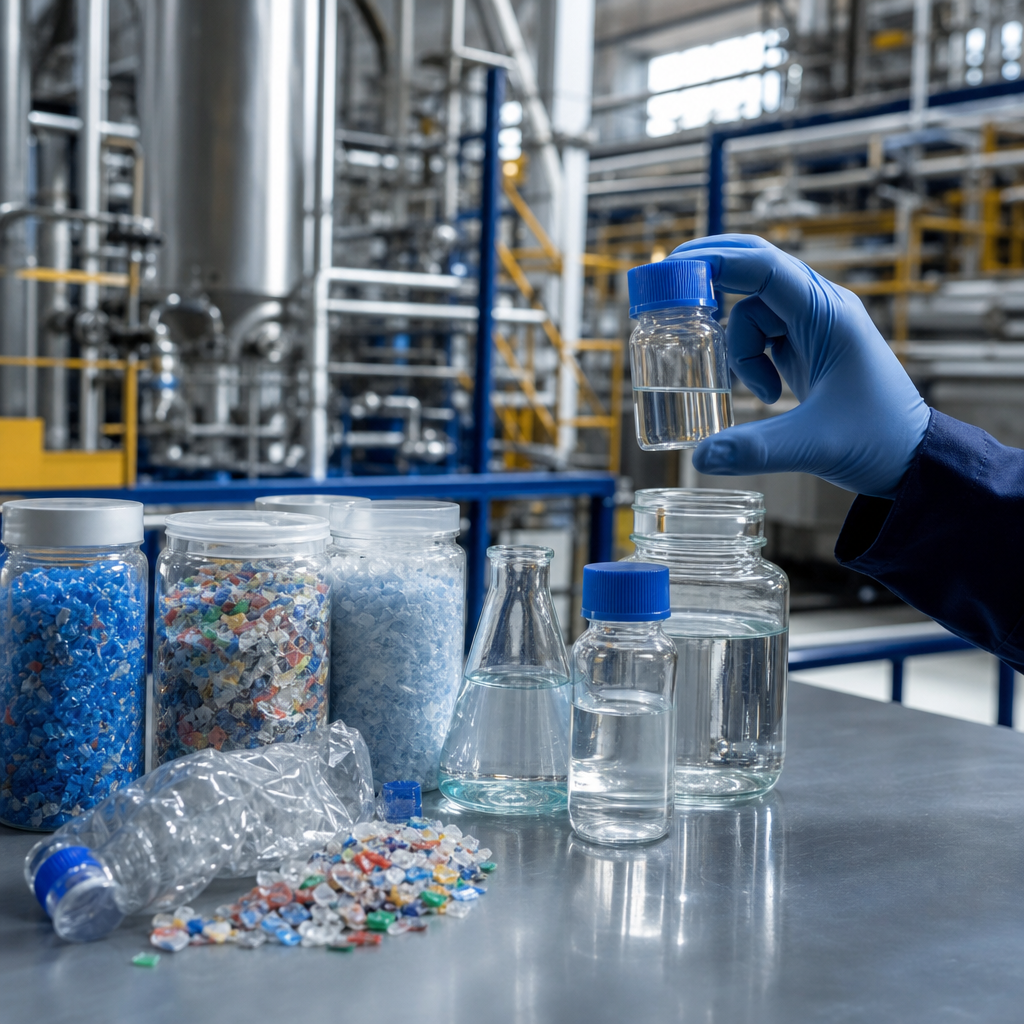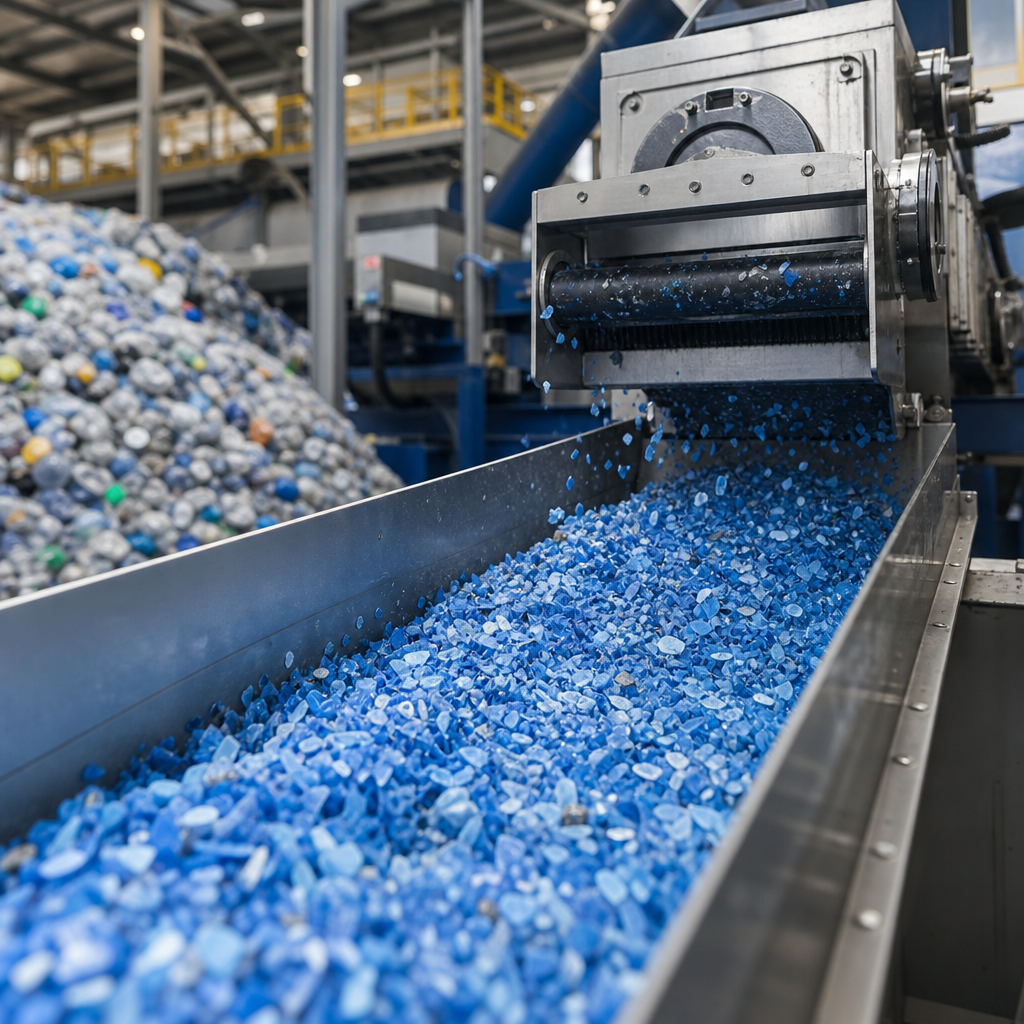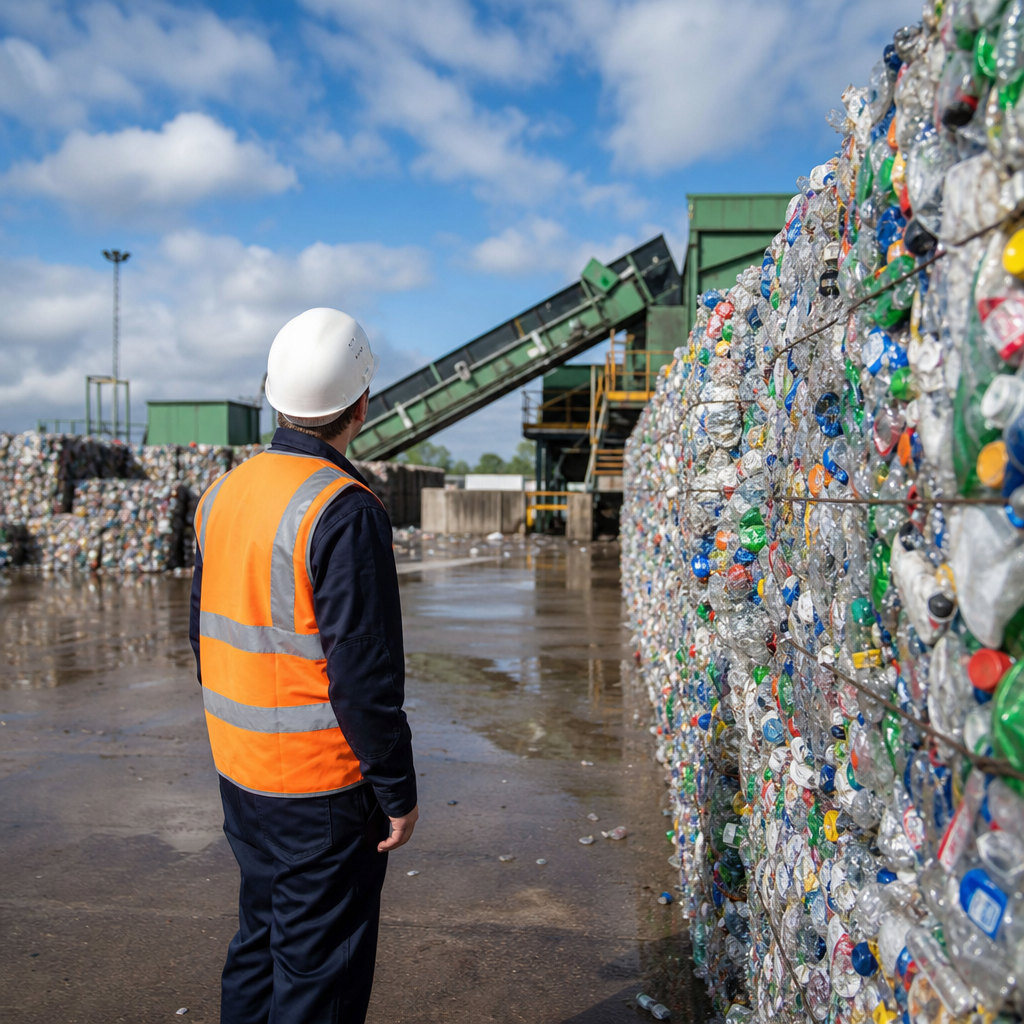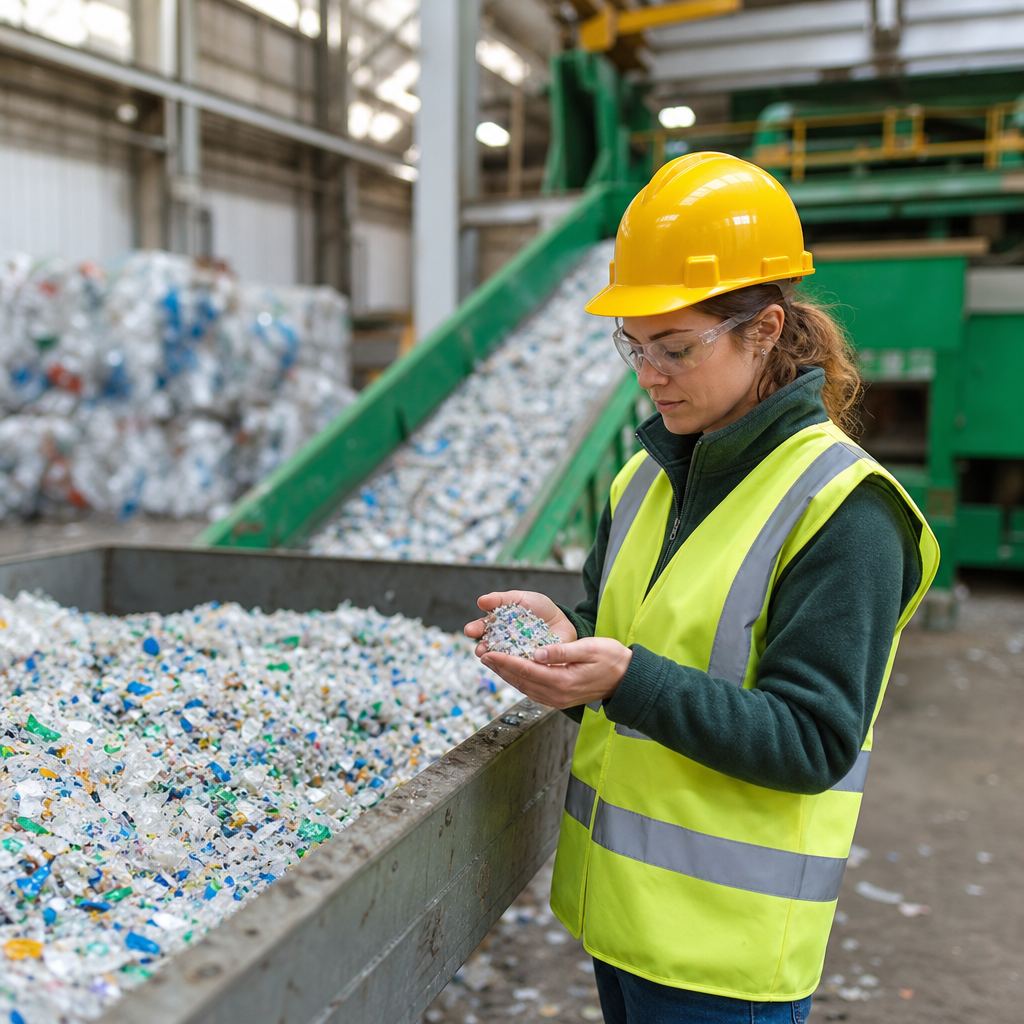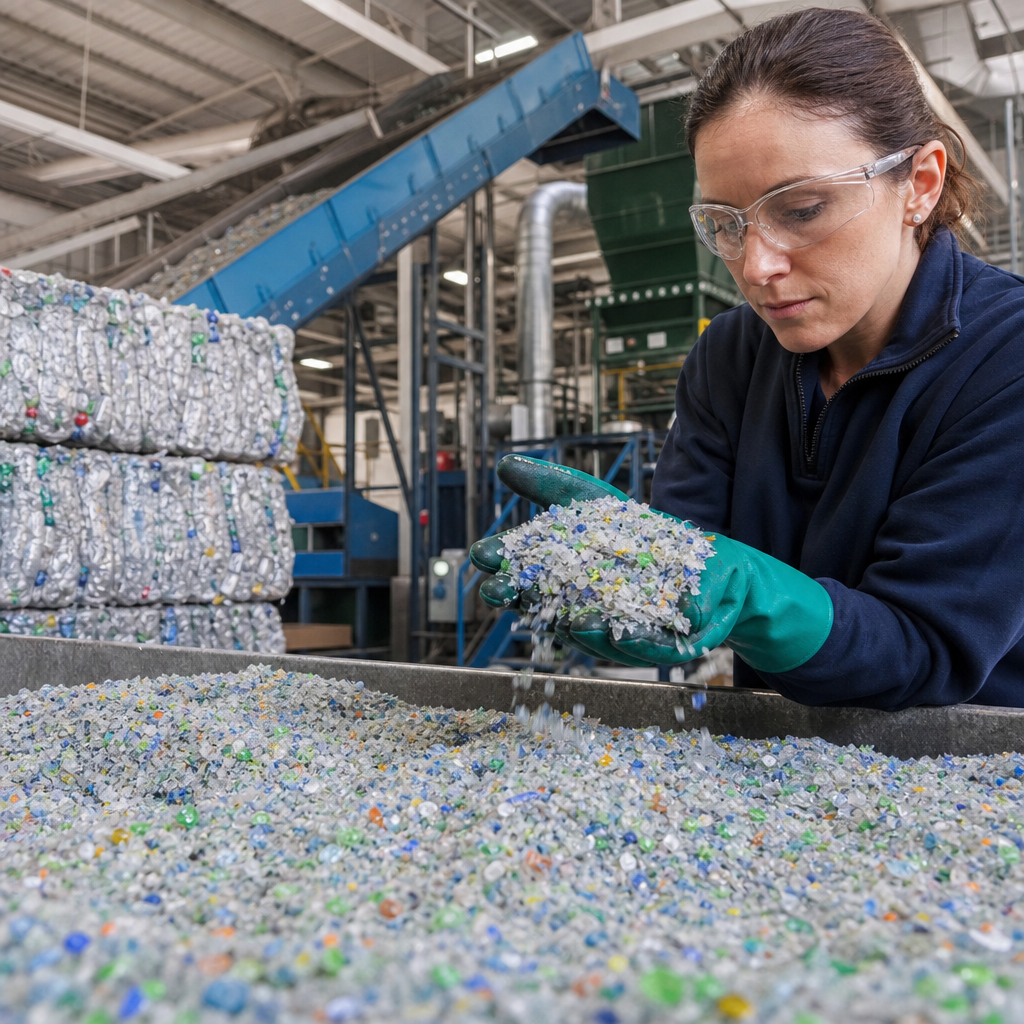
Polymer recycling sits at the center of circular economy practices because it keeps valuable materials in use, reduces dependence on virgin fossil feedstocks, and turns waste streams into inputs for new products. In practical terms, polymer recycling means collecting, sorting, processing, and remanufacturing plastics and other polymer-based materials so they can reenter production instead of being landfilled, incinerated, or leaked into the environment. A circular economy, by contrast, is an economic system designed to minimize waste through reuse, repair, remanufacture, and recycling, with products and materials circulating at their highest possible value for as long as possible. When these two ideas work together, companies can lower material costs, cities can reduce disposal burdens, and manufacturers can improve resilience against volatile raw material markets.
I have worked on content and strategy around recycling systems long enough to see one truth repeated across regions and industries: polymer recycling succeeds when technical design, collection logistics, market demand, and policy support align. It is not a single technology or a single plant that creates circularity. It is a chain of decisions, from packaging design and resin selection to sorting equipment calibration, bale specifications, contamination thresholds, and end-market qualification. That is why case studies in polymer recycling matter. They show what actually works under real operating conditions, where contamination rates, economics, regulation, and product performance all shape outcomes.
For a sub-pillar hub under case studies and applications, this topic deserves a broad view. Different polymers behave differently in recycling systems. PET bottles move through mature mechanical recycling markets in many countries, while flexible multilayer films still challenge most municipal systems. HDPE containers often achieve strong closed-loop performance when color and additive packages are controlled, while polypropylene gains momentum as sorting technology improves. Chemical recycling, including depolymerization, pyrolysis, and solvent-based purification, expands options for difficult streams, but economics, energy use, and output quality vary significantly by feedstock and process design. Understanding these differences is essential for anyone evaluating how polymer recycling supports circular economy practices in measurable, operational ways.
This hub article covers the main case study themes decision-makers usually need: how polymer recycling works, which business models support circular outcomes, where leading applications are emerging, what metrics matter, and what limitations remain. It is designed to help readers navigate the broader case study cluster, whether they work in packaging, consumer goods, manufacturing, sustainability, or public-sector waste management. The goal is simple: explain how polymer recycling creates circular value in the real world, using examples, methods, and lessons that can guide better decisions.
Why Polymer Recycling Is Foundational to Circular Economy Systems
Polymer recycling supports circular economy practices by preserving material utility and reducing the need to extract and process virgin raw materials. In a linear model, polymers are produced, converted into products, used briefly, and discarded. In a circular model, those same materials are recaptured and fed back into production through mechanical or chemical routes. The difference is not only environmental. It affects supply security, compliance, brand commitments, and infrastructure planning. Recycled polymers can lower greenhouse gas emissions compared with virgin resin production, especially when high-yield mechanical recycling is used and transport distances are controlled.
The strongest circular systems prioritize keeping polymers at their highest value. A clear PET bottle turned back into food-grade rPET through bottle-to-bottle recycling is usually a stronger circular outcome than converting that bottle into a lower-grade product with limited next-life options. This concept, often described as material value retention, explains why collection design and product design matter so much. Deposit return systems, for example, tend to produce cleaner PET streams than mixed curbside collection, which improves yield and supports food-contact applications. In Europe, North America, and parts of Asia, that difference has directly shaped investment in washing lines, flake purification, and solid-state polycondensation capacity.
Case studies repeatedly show that recycling alone is not enough without end-market pull. A municipality can collect large volumes of polymer packaging, but if converters and brands do not specify recycled content, the circular loop weakens. The best examples combine infrastructure with procurement commitments. Major beverage companies, personal care brands, and household product manufacturers increasingly specify minimum recycled content in PET and HDPE packaging, creating demand signals that justify processor investment. Circularity improves when material quality targets are explicit, purchase agreements are stable, and design specifications support recyclability from the start.
Core Recycling Pathways and What Real-World Case Studies Reveal
Polymer recycling generally falls into two main pathways: mechanical recycling and chemical recycling. Mechanical recycling includes collection, sorting, shredding, washing, melt filtration, extrusion, and pelletizing. It works best when polymers are relatively clean, well sorted, and not heavily degraded. PET, HDPE, and increasingly PP are the leading candidates in mature systems. Chemical recycling covers multiple technologies with different purposes. Depolymerization breaks certain polymers, such as PET or nylon, back into monomers or oligomers. Pyrolysis converts mixed polyolefin-rich waste into oil-like feedstocks. Solvent-based purification dissolves target polymers and separates additives or contaminants. Each route has specific feedstock requirements and output constraints.
In actual projects, the key lesson is fit-for-purpose processing. A processor handling post-consumer PET bottles focuses obsessively on PVC exclusion, moisture control, hot washing performance, and acetaldehyde-related quality requirements because those factors determine whether the output can reenter food-grade applications. A film recycler handling agricultural LDPE faces a different challenge set: dirt load, odor, weathering, and variable melt flow index. I have seen teams overestimate what generic “advanced recycling” claims can solve. The plants that perform best do not assume one technology can handle everything. They build strict feedstock specifications and align process conditions to known material behavior.
Another common finding from case studies is that preprocessing often determines economics more than the reactor or extruder itself. Near-infrared sorting, sink-float separation, optical color sorting, label removal, and contamination management directly affect yield and final resin quality. Facilities using TOMRA or Pellenc ST sorting systems, paired with robust quality control protocols, often achieve stronger bale purity and better downstream consistency. That consistency matters because converters need stable melt flow, color, odor, and mechanical properties to run recycled resin at scale. Circular economy performance depends not just on collecting more waste, but on producing recycled polymers that manufacturers can trust in repeat production.
Case Studies in Polymer Recycling Across Major Applications
Packaging remains the most visible and commercially advanced application for circular polymer systems. PET beverage bottles provide the classic case study. In regions with deposit return systems, collection rates can exceed those seen in mixed collection systems, and the resulting feedstock is cleaner. That cleanliness supports bottle-to-bottle recycling, where used PET is reprocessed into new beverage containers. The circular benefit is clear: the same polymer family remains in the same high-value application, reducing virgin PET demand while helping brands meet recycled content targets. The technical success depends on wash efficiency, decontamination validation, and compliance with food-contact regulations.
HDPE from milk jugs, detergent bottles, and personal care containers offers another strong example. Natural HDPE, especially when kept separate from pigmented streams, can be recycled into new bottles, pipes, or durable goods. Several packaging supply chains now rely on post-consumer recycled HDPE for non-food bottles, while food-contact applications continue to expand where regulatory approvals and process controls support them. The lesson from these cases is that color discipline and label design matter. Full-body shrink sleeves, carbon black pigments, and incompatible closures can reduce sortability and lower circular value.
Automotive applications show a different model. Carmakers and tier suppliers increasingly recover polypropylene from bumpers, interior trim, battery casings, and production scrap. Here, recycling supports circularity through both post-industrial and post-consumer loops. Production scrap is usually cleaner and easier to reprocess, but vehicle dismantling and material identification systems are improving recovery from end-of-life vehicles as well. Recycled PP compounds can return to underbody shields, wheel liners, and interior components when stiffness, impact strength, and odor performance are properly managed. These case studies demonstrate that closed-loop recycling is possible beyond packaging, but it requires rigorous specifications and traceability.
Construction and agriculture add further evidence. Recycled PVC is used in pipes, window profiles, flooring backings, and cable applications, often through well-controlled take-back schemes or demolition waste processing. Agricultural films remain challenging because contamination levels are high, yet specialized systems in parts of Europe have shown that dedicated collection and washing can recover usable LDPE. In both sectors, the circular economy gains come from long product life, sizable material volumes, and localized recovery systems that reduce transport and contamination.
| Application | Common Polymer | Typical Recycling Route | Main Circular Economy Benefit |
|---|---|---|---|
| Beverage bottles | PET | Mechanical, bottle-to-bottle | High-value closed loop with strong recycled content potential |
| Household bottles | HDPE | Mechanical | Reduced virgin resin use in packaging and durable goods |
| Automotive parts | PP | Mechanical compounding | Recovery of large molded components into repeat applications |
| Films and flexibles | LDPE, LLDPE | Mechanical or feedstock recycling | Diversion of difficult waste streams into usable material |
| Pipes and profiles | PVC | Mechanical | Long-life product loops with stable secondary markets |
Enablers: Design, Policy, Data, and Market Demand
The case studies that deliver the strongest circular outcomes share four enablers: design for recyclability, supportive policy, transparent data, and reliable end-market demand. Design for recyclability starts upstream. Mono-material structures are easier to recycle than multilayer laminates. Detachable labels, compatible inks, and detectable pigments improve sortation. For rigid packaging, the Association of Plastic Recyclers and RecyClass have published design guidance that many brands now use to reduce recycling friction. Following such protocols can raise yields without requiring entirely new collection systems.
Policy is equally important. Extended producer responsibility programs can fund collection and sorting improvements, while recycled content mandates create demand certainty. The European Union’s Single-Use Plastics Directive and packaging policy framework have accelerated investment decisions around PET and polyolefin recycling. In the United States, state-level recycled content laws for beverage containers and other packaging are beginning to shape procurement strategies. Deposit return systems, landfill taxes, and public procurement standards each influence whether recycled polymers can compete consistently with virgin resin.
Data quality is often overlooked but decisive. Companies need verified mass balance, yield tracking, contamination rates, and greenhouse gas accounting to assess whether a recycling program truly supports circular economy goals. Life cycle assessment, when conducted carefully under ISO 14040 and ISO 14044 principles, helps compare scenarios, but assumptions matter. I have seen recycling claims weaken when organizations ignore transport emissions, reject rates, or the difference between theoretical and actual recycled content. Good case studies are transparent about system boundaries, loss factors, and market limitations.
Finally, demand completes the loop. Brands that sign multi-year offtake agreements for rPET, rHDPE, or recycled PP help recyclers finance capacity and improve quality. Without that demand, collected material may be downcycled, exported into uncertain markets, or stockpiled during price swings. Circular economy practices become durable only when recycled polymers are not treated as optional sustainability extras, but as strategic raw materials with defined specifications and purchasing commitments.
Limits, Tradeoffs, and the Questions Decision-Makers Should Ask
Polymer recycling has limits, and strong circular strategies acknowledge them directly. Not every polymer product is economically recyclable in existing systems. Additives, fillers, multilayer structures, food contamination, and small-format packaging can all undermine recovery. Mechanical recycling can degrade polymer properties over repeated cycles, especially when heat history, oxidation, or contamination are poorly managed. Chemical recycling broadens options for mixed or contaminated streams, but capital costs, energy intensity, technology readiness, and accounting rules require careful scrutiny. Circular economy success is not achieved by claiming every plastic item can become new plastic indefinitely.
The right questions are operational. What is the actual collection rate for the target stream? What contaminants dominate the bales? What yield losses occur during washing and extrusion? Can the recycled polymer meet the application’s regulatory and performance requirements? Is there a stable buyer at a known specification and price? If a project relies on mass balance accounting, what certification system governs it, and how transparent is allocation? These are the questions that separate credible circular economy planning from aspirational messaging.
For readers using this page as a hub for deeper case studies in polymer recycling, the practical takeaway is clear. Evaluate each application by polymer type, collection pathway, sorting feasibility, processing technology, and end-market demand. Look for examples with published performance data, not just announcements. Prioritize systems that retain material value, reduce virgin resin dependence, and show repeatable economics. Polymer recycling supports circular economy practices most effectively when it is designed as an integrated system, measured honestly, and improved continuously. Use that standard as you explore the connected case studies across packaging, automotive, construction, films, and advanced recycling pathways.
Frequently Asked Questions
What is the connection between polymer recycling and the circular economy?
Polymer recycling is one of the most practical ways to put circular economy principles into action. In a traditional linear model, materials are extracted, turned into products, used briefly, and then discarded. A circular economy works differently by aiming to keep materials in use for as long as possible, recover their value at end of use, and feed them back into production. Polymer recycling supports this model by converting used plastic and other polymer-based materials into secondary raw materials that can be used again in manufacturing.
This matters because polymers are highly versatile and widely used across packaging, construction, automotive, electronics, textiles, and healthcare. When these materials are collected, sorted, cleaned, and reprocessed instead of thrown away, businesses can reduce waste generation, conserve resources, and lower dependence on virgin fossil-based feedstocks. In other words, recycling helps transform polymer waste from a disposal problem into a production input. That shift is central to circularity because it extends material life, reduces leakage into landfills and the environment, and helps build systems where resources circulate rather than being lost after a single use.
Why is polymer recycling important for reducing waste and conserving resources?
Polymer recycling is important because it addresses two major challenges at the same time: growing waste volumes and continued demand for raw materials. Many polymer products are durable, lightweight, and useful, but if they are not recovered after use, they can accumulate in landfills, be incinerated, or escape into natural environments. Effective recycling systems intercept these materials before they become long-term waste and redirect them into productive use.
From a resource perspective, recycling helps preserve the value already embedded in polymer materials. Producing virgin polymers often requires extracting and processing fossil resources, along with the associated energy use and emissions. By recycling existing materials, manufacturers can reduce demand for new feedstocks and make better use of polymers that are already in circulation. This does not mean recycling solves every sustainability issue on its own, but it is a critical part of a broader strategy that includes better product design, reuse systems, responsible consumption, and improved waste management infrastructure. In a circular economy, conservation is not only about using less; it is also about recovering more of what has already been produced.
How does the polymer recycling process work in practice?
In practice, polymer recycling involves a series of connected steps designed to recover materials and prepare them for reuse in manufacturing. The process usually starts with collection, where post-consumer or post-industrial polymer waste is gathered through municipal systems, take-back programs, commercial recovery channels, or industrial scrap streams. After collection, materials are sorted by polymer type, color, form, and contamination level because accurate sorting is essential for producing quality recycled output.
Once sorted, the materials are cleaned to remove labels, food residue, adhesives, dirt, or mixed contaminants. They are then processed through size reduction methods such as shredding or grinding, followed by melting, extrusion, pelletizing, or other remanufacturing steps depending on the technology being used. Mechanical recycling is common for many plastic streams and focuses on physically reprocessing the material into new feedstock. In some cases, more advanced methods such as chemical recycling may be used to break polymers down into smaller molecular components for reuse. The final recycled material can then be incorporated into new packaging, components, consumer goods, building products, fibers, or industrial applications. The quality and efficiency of this process depend heavily on product design, collection systems, sorting technology, and market demand for recycled content.
What are the biggest challenges to making polymer recycling more effective?
Although polymer recycling plays a vital role in circular economy systems, there are real barriers that can limit its effectiveness. One of the biggest challenges is material complexity. Many products are made from mixed polymers, additives, multilayer structures, dyes, or bonded components that are difficult to separate and recycle efficiently. Contamination is another major issue, especially in post-consumer waste streams where food residue, non-recyclable materials, or improper disposal can reduce the quality of recovered polymers and increase processing costs.
Infrastructure and economics also matter. Recycling systems need reliable collection programs, advanced sorting technology, processing capacity, and end markets that are willing to buy recycled material. If those pieces are weak or disconnected, valuable polymers may still be lost. In addition, recycled polymers must often compete with virgin materials on price, consistency, and performance, which can be difficult when oil prices are low or when standards for recycled content are unclear. To improve outcomes, companies and policymakers are increasingly focusing on design for recyclability, standardized packaging formats, extended producer responsibility, investment in recovery infrastructure, and procurement policies that support recycled materials. Stronger alignment across the value chain is essential if polymer recycling is going to deliver its full circular economy potential.
How can businesses use polymer recycling to strengthen their sustainability strategy?
Businesses can use polymer recycling as a practical lever for improving both environmental performance and long-term resource resilience. One of the most effective starting points is designing products and packaging with end-of-life recovery in mind. That means selecting polymers that are widely recyclable, reducing unnecessary material combinations, avoiding problematic additives, and making components easier to identify and sort. When products are designed for recyclability from the beginning, businesses improve the chances that those materials can successfully reenter the production cycle.
Companies can also build circularity into operations by increasing recycled content in products, partnering with recyclers and waste management providers, and establishing take-back or closed-loop recovery programs for specific material streams. Tracking polymer use, waste generation, and recovery rates helps identify opportunities for improvement and supports more credible sustainability reporting. Beyond compliance and public commitments, there are strategic advantages as well. Using recycled polymers can reduce exposure to raw material volatility, respond to customer demand for lower-impact products, and support brand credibility in markets where circular practices are becoming a competitive expectation. The strongest business strategies treat polymer recycling not as a standalone initiative, but as part of a broader circular model that values material efficiency, product longevity, reuse, and continuous resource recovery.