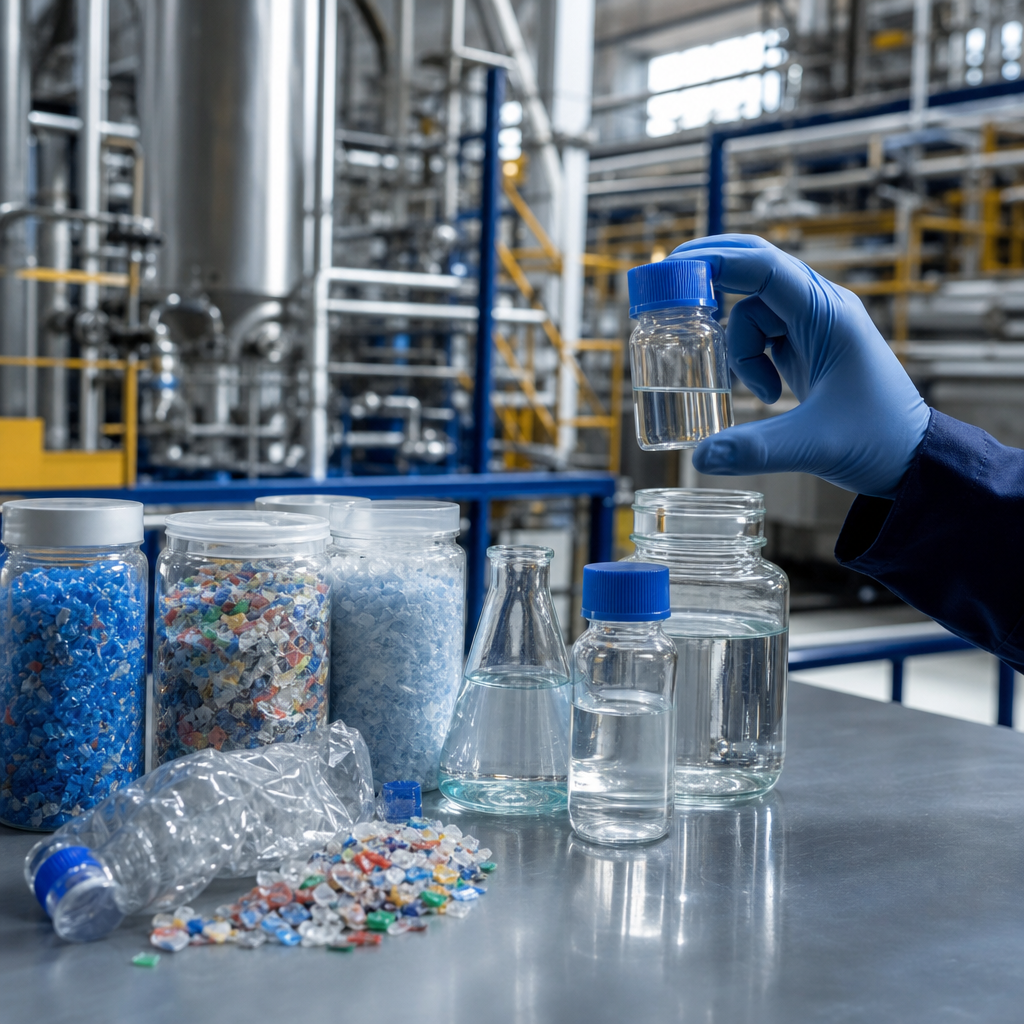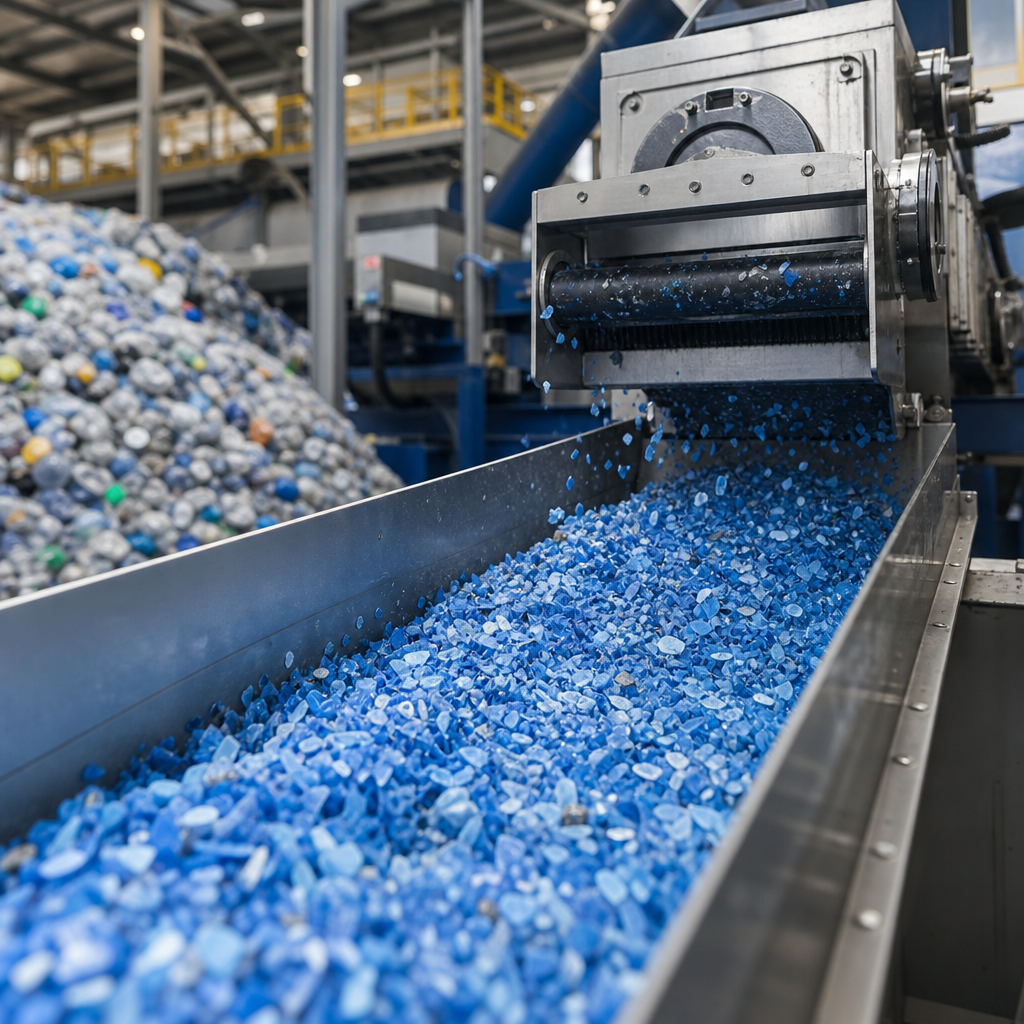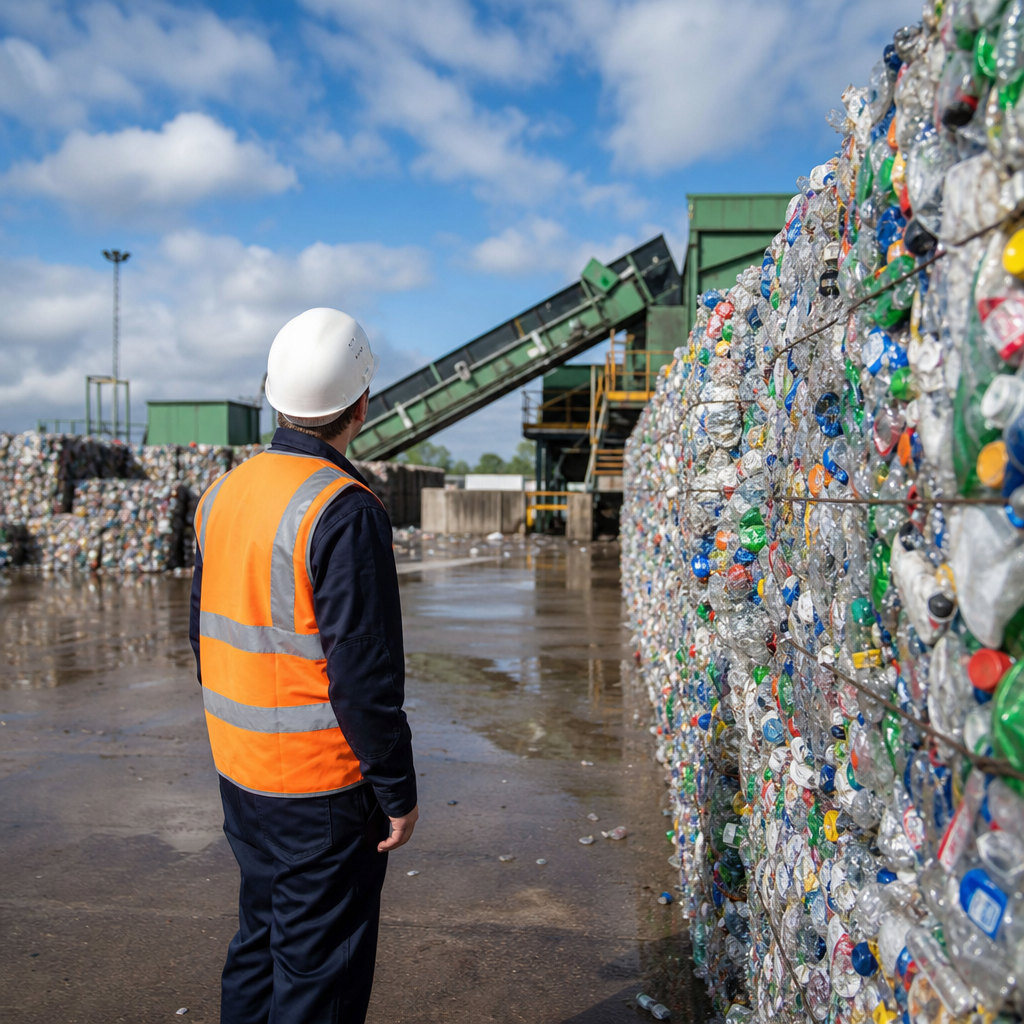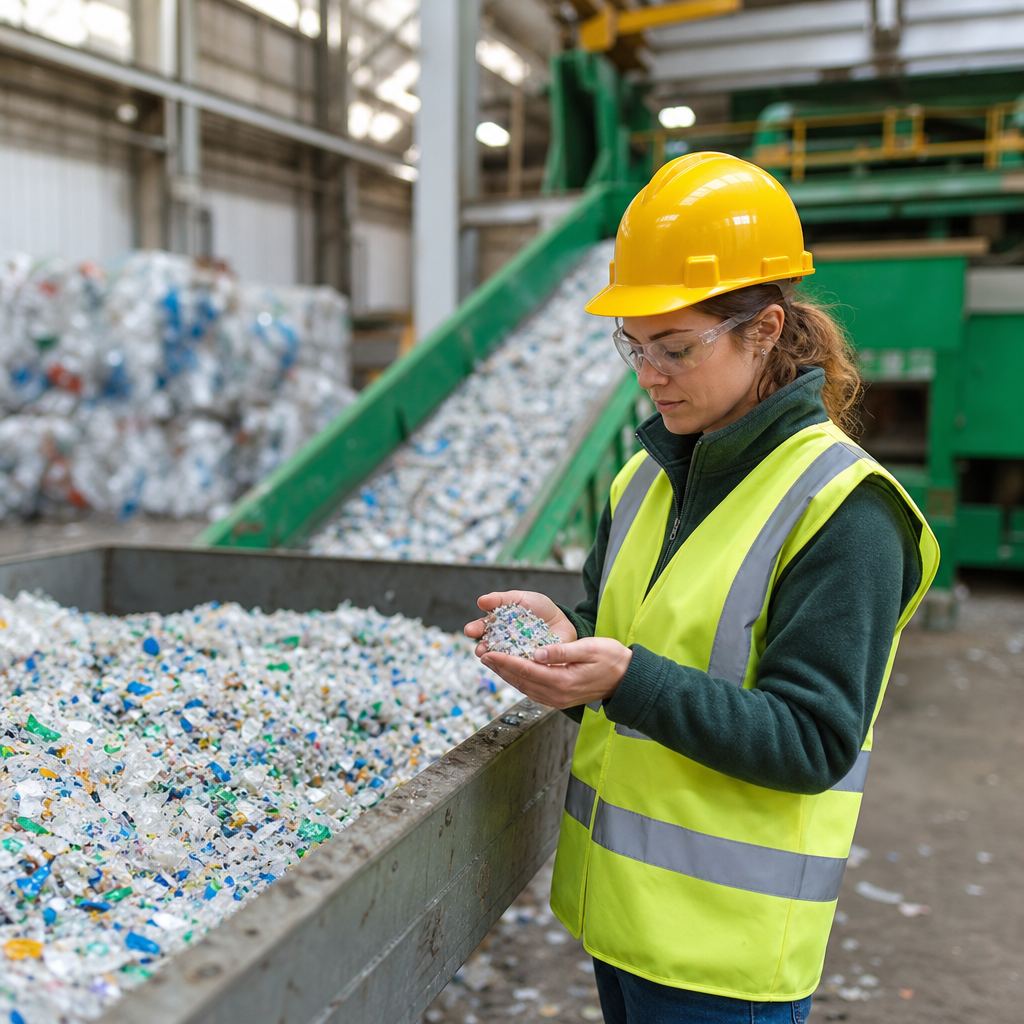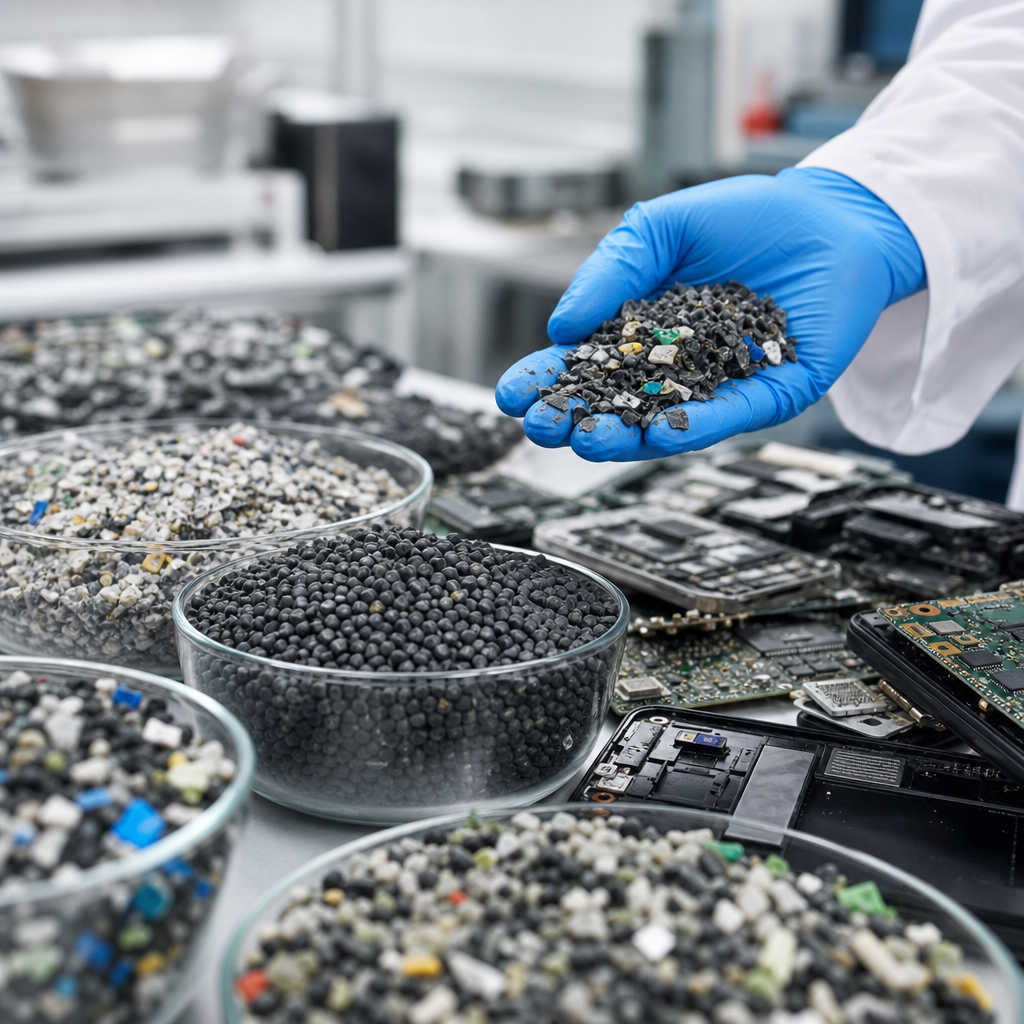
Innovations in polymer recycling for electronics waste are reshaping how manufacturers, recyclers, and policymakers recover value from discarded devices while reducing the environmental burden of complex plastic streams. In this field, electronics waste means end-of-life phones, laptops, cables, servers, appliances, and industrial electronics that contain polymers alongside metals, glass, flame retardants, adhesives, and coatings. Polymer recycling refers to the collection, identification, separation, purification, and reprocessing of these plastics into secondary raw materials or chemical feedstocks. I have worked on recycling-content programs where the plastics were often harder to recover than the metals, because electronics housings rarely contain a single clean resin. Acrylonitrile butadiene styrene, high-impact polystyrene, polycarbonate blends, polypropylene, and engineering plastics are mixed with brominated additives, pigments, and fillers that complicate reuse. This matters because plastics account for a meaningful share of electronic product mass, and poor handling can waste embedded carbon, trigger hazardous emissions, and undermine circular economy targets. The most important innovations now combine design for disassembly, advanced sorting, solvent purification, selective depolymerization, and traceable quality control. As a hub for case studies in polymer recycling, this article explains the technologies, the business models, and the practical lessons that determine whether electronics plastics become compliant recycled resin or remain difficult waste.
Why electronics polymers are uniquely difficult to recycle
Electronics waste plastics are not comparable to bottles or rigid packaging. In packaging, resin families are relatively standardized, labels are visible, and contamination is predictable. In electronics, housings can include multilayer structures, painted surfaces, metal inserts, elastomer overmolds, and tight performance specifications for impact strength, heat resistance, dimensional stability, color, and electrical insulation. Legacy devices may also contain brominated flame retardants that create regulatory risk under RoHS, REACH, POPs rules, and related national standards. In practice, this means a recycler cannot simply shred and remelt mixed fractions without testing. I have seen batches with acceptable melt flow but unacceptable bromine levels, which made them unusable for new electronic housings. The challenge is not only technical; it is commercial. OEMs demand consistency by grade, while waste streams arrive inconsistent by product generation and geography. Any viable recycling process therefore needs accurate feedstock characterization, separation that can distinguish similar polymers, contaminant control, and documented quality assurance. The best case studies show that success depends on treating electronics plastics as engineered materials, not generic scrap.
Mechanical recycling improvements that made real progress
Mechanical recycling remains the fastest route to scale when feedstock quality is manageable. The innovation is not in basic extrusion alone but in the upstream and downstream controls that make recycled resin reliable. Modern plants use staged dismantling to remove batteries, circuit boards, screens, and large metal components before polymer fractions are shredded. Near-infrared sorting works for many visible polymer signatures, but black plastics absorb light, so recyclers increasingly add X-ray transmission, X-ray fluorescence, hyperspectral imaging, triboelectric separation, and density-based float-sink systems. These methods help distinguish ABS from HIPS, identify brominated fractions, and isolate polyolefins from denser engineering resins. Once separated, processors use hot washing, friction washing, melt filtration, vacuum degassing, and controlled compounding with stabilizers or impact modifiers. The result is a recycled pellet tailored to a target specification rather than a low-grade mixed blend. Dell, HP, Lenovo, and other electronics brands have publicly discussed closed-loop and post-consumer resin programs that rely on these incremental but critical improvements. The lesson from these case studies is clear: mechanical recycling works best when dismantling, sorting, additive packages, and incoming quality protocols are engineered as one system.
Solvent-based purification and dissolution processes
Solvent-based recycling has emerged as one of the most promising innovations for electronics plastics because it can separate target polymers from additives, pigments, and nonpolymer contaminants without fully breaking the polymer chains. In a dissolution process, a selected solvent dissolves a specific resin such as ABS or polystyrene while leaving unwanted materials behind. The purified polymer is then precipitated, recovered, and reprocessed. This approach is especially useful for e-waste because electronics housings often contain blends that are difficult to sort perfectly by optical methods alone. Companies including CreaSolv have demonstrated processes for recovering high-quality plastics from complex waste streams, including those containing flame-retardant challenges. The technical advantage is that dissolution can remove odors, inks, and some additive residues while preserving much of the polymer’s original performance. The limitation is economics and solvent management. Systems must control solvent loss, energy demand, worker safety, and residual contamination to be viable. In real projects, the most successful applications target narrow fractions with high enough volume and value to justify the process. When those conditions are met, solvent purification can bridge the gap between dirty mixed scrap and premium recycled engineering resin.
Chemical recycling for mixed or degraded engineering plastics
Chemical recycling is often presented as a universal answer, but in electronics waste it is best understood as a targeted tool for streams that mechanical methods cannot upgrade. Processes include depolymerization, pyrolysis, gasification, and chemolysis, though not all are equally suitable for engineering plastics used in electronics. Depolymerization is strongest where the chemistry supports recovery of useful monomers or oligomers, such as certain polyesters or polyamides. Pyrolysis can convert mixed plastics into oil or gas fractions, but halogens, fillers, and flame retardants require robust gas cleaning and residue management. That adds cost and complexity. In my experience, chemical recycling becomes attractive when the feedstock is too contaminated, too blended, or too degraded for repeat mechanical loops, yet still contains enough recoverable carbon value. The strongest case studies do not claim that every polymer should be depolymerized. Instead, they place chemical routes after dismantling and sorting, using them for the residual fractions that would otherwise be landfilled or incinerated. This hierarchy matters. It protects economics, improves carbon efficiency, and aligns with the fact that preserving polymer molecules usually retains more value than reducing them to fuels or broad hydrocarbon intermediates.
Case studies in polymer recycling for electronics waste
Across the market, the most instructive case studies combine technology choices with operational discipline. Closed-loop laptop and monitor programs showed that post-consumer ABS and PC-ABS from returned devices could be compounded into new housings when bromine screening, color control, and impact testing were built into procurement and manufacturing. Appliance recycling programs in Europe demonstrated the value of automated sorting lines that isolate styrenics and remove restricted substances before pelletization. WEEE-focused projects funded through European collaborations highlighted how black plastics, once considered nearly unrecoverable, could be sorted using advanced sensor fusion and then directed either to mechanical recycling or solvent purification. In Asia, high-volume dismantling networks created an advantage through manual pre-sorting, which improved downstream polymer purity before automated separation. Telecom infrastructure and server decommissioning projects provided another lesson: business-to-business streams are often cleaner, better documented, and more uniform than household e-waste, making them ideal starting points for high-quality recycled resin. These examples matter because they show there is no single winning process. The feedstock profile, regulations, labor model, customer specification, and end-market determine the right recycling pathway. The hub takeaway is that successful electronics polymer recycling is built on feedstock-specific process design, not on generic claims about circularity.
| Case study type | Typical polymer stream | Key innovation | Main lesson |
|---|---|---|---|
| Closed-loop laptops and monitors | ABS, PC-ABS | Bromine screening plus tailored compounding | Quality control determines OEM adoption |
| Appliance recycling in Europe | HIPS, PP, styrenics | Automated density and sensor sorting | Compliance and purity must be designed together |
| WEEE black plastics projects | Mixed engineering plastics | Hyperspectral and XRF sensor fusion | Previously lost fractions can become recoverable |
| Server and telecom decommissioning | Uniform housings and components | Traceable business-to-business collection | Consistent feedstock lowers recycling cost |
Design for recycling and material passport strategies
The next wave of innovation starts upstream with product design. Recyclers can only recover what designers make accessible and identifiable. For electronics polymers, design for recycling means reducing incompatible resin combinations, limiting coatings that interfere with identification, selecting flame-retardant systems with end-of-life compatibility, and using markings that remain readable after use. It also means designing housings and assemblies for disassembly, so plastic-rich components can be removed before commingling with hazardous fractions. Several OEMs now use digital material declarations and supply-chain databases to track resin grades, additive packages, and recycled content. A material passport does not solve contamination by itself, but it sharply improves decision-making at end of life. If a recycler knows a device family uses nonhalogenated PC-ABS with specified fillers, the sorting and testing plan becomes much more efficient. I have seen teams reduce qualification time dramatically when product engineering and recycling partners shared bill-of-material intelligence early. The broader significance is strategic: better product data lowers recovery cost, expands the range of plastics that can be reused in electronics, and supports procurement claims around recycled content with auditable evidence.
Quality, compliance, and economics: what determines scale
Recycling technology only scales when quality, compliance, and economics align. For electronics polymers, quality means more than tensile strength. Buyers want melt flow index consistency, impact performance, color stability, odor control, low volatile content, and predictable shrinkage during molding. Compliance means screening for restricted brominated flame retardants, heavy metals, and persistent organic pollutants, then documenting the results through recognized test methods and supplier declarations. Economics depend on collection costs, disassembly labor, yield loss during sorting, energy demand, and the price spread between virgin and recycled engineering resin. ISO 15270 provides general guidance on plastics recovery, while IEC and OEM-specific standards shape performance requirements for parts entering electronic products. In sourcing discussions, I have found that the decisive factor is often not headline recycling efficiency but lot-to-lot reliability. A recycler that delivers consistent PC-ABS with full documentation can win long-term contracts even if the process is more expensive than a lower-spec alternative. This is why traceability systems, statistical process control, and end-market alignment matter so much. The commercial future belongs to operators who can prove what is in the pellet, what is excluded, and how the material will perform in actual molded parts.
Innovations in polymer recycling for electronics waste are moving the sector from pilot narratives to practical industrial systems. The evidence from case studies in polymer recycling is consistent: high-value recovery happens when companies match technology to feedstock, build compliance into the process, and collaborate across design, collection, sorting, and manufacturing. Mechanical recycling remains the primary route for cleaner fractions, especially ABS, HIPS, and PC blends that can be sorted and compounded to spec. Solvent purification adds a powerful option for contaminated or difficult streams where preserving polymer performance matters. Chemical recycling has a role, but mainly for residual fractions that cannot be upgraded mechanically. Upstream design choices, digital material data, and disciplined testing increasingly determine downstream success. For organizations building a circular electronics strategy, the main benefit is not only waste reduction. It is access to lower-carbon raw materials, stronger supply resilience, and credible recycled-content integration in demanding products. Use this hub as the starting point for deeper exploration of closed-loop programs, solvent recovery methods, flame-retardant management, and design-for-recycling case studies, then apply the lessons to your own electronics plastics roadmap today.
Frequently Asked Questions
What makes polymer recycling in electronics waste more difficult than recycling conventional plastic packaging?
Electronics waste contains some of the most complex plastic streams in the recycling economy. Unlike bottles, trays, or films that are often made from a narrow range of polymers, discarded electronics typically include acrylonitrile butadiene styrene (ABS), high-impact polystyrene (HIPS), polycarbonate (PC), polypropylene (PP), polyamides, thermoplastic elastomers, and engineered blends such as PC/ABS. These materials are frequently combined in a single device and are often attached to metals, glass, circuit boards, foams, labels, adhesives, coatings, and fasteners. That complexity makes sorting, cleaning, and reprocessing far more demanding.
Another major challenge is the presence of legacy additives, especially brominated flame retardants and other substances used to meet fire safety, durability, or performance requirements. These additives can affect melt behavior, emissions, regulatory compliance, and the suitability of recycled resin for future applications. In many cases, the plastic itself may still have value, but only if recyclers can identify exactly what it is, separate it from incompatible polymers, and confirm that hazardous substances are below applicable thresholds.
Electronics plastics also tend to experience harsher in-use conditions than packaging materials. Heat cycling, ultraviolet exposure, electrical stress, and long product lifetimes can degrade polymer chains and alter impact resistance, color, and mechanical performance. As a result, innovation in this sector goes well beyond simple grinding and remolding. It increasingly depends on advanced disassembly systems, sensor-based sorting, additive screening, selective separation, purification, compatibilization, and quality-control protocols designed specifically for high-value engineering plastics recovered from end-of-life devices.
What are the most important innovations improving the recycling of polymers from e-waste?
Several innovations are transforming e-waste polymer recovery from a low-yield waste management activity into a more precise materials recovery process. One of the most important advances is better material identification. Recyclers now use a combination of near-infrared spectroscopy, X-ray fluorescence, hyperspectral imaging, density separation, and digital tracking tools to distinguish between polymer types and to flag plastics that may contain brominated flame retardants or other restricted substances. This allows facilities to create cleaner output streams and direct each fraction into the most appropriate recycling route.
Another key innovation is the move toward more selective mechanical recycling. Instead of treating mixed shredder plastics as a low-grade residual stream, modern plants are investing in staged dismantling, targeted shredding, electrostatic separation, flotation systems, and intelligent sorting lines that preserve polymer quality. Some processors also use compatibilizers and stabilizers during compounding to improve the performance of recycled blends, helping recovered plastics meet the specifications required for housings, internal components, and industrial products.
Chemical and feedstock recycling technologies are also gaining attention, particularly for plastic fractions that are too contaminated, blended, or degraded for conventional mechanical recycling. Processes such as dissolution-based purification, depolymerization for suitable polymers, pyrolysis, and solvent-assisted separation can remove additives, isolate valuable resin fractions, or convert mixed polymers into usable chemical feedstocks. While these technologies are not a universal solution, they expand the toolkit for handling difficult e-waste streams that previously had limited recovery options.
Equally important are design-for-recycling innovations upstream. Manufacturers are increasingly experimenting with simplified resin portfolios, easier-to-remove fasteners, digital product passports, and clearer material labeling. These changes help recyclers identify, dismantle, and recover polymers more efficiently at end of life. The most meaningful progress is coming from linking product design, collection systems, recycling technology, and regulatory compliance into one integrated circular strategy.
How do recyclers safely handle flame retardants, additives, and other hazardous substances in electronics plastics?
Safe handling begins with identification. Many electronics plastics contain additives that are essential for product performance but problematic during recycling if not properly managed. Brominated flame retardants are the most widely discussed example, especially in older devices. To address this, recyclers use screening technologies such as X-ray fluorescence to rapidly detect bromine and separate suspect fractions before they enter standard processing lines. This reduces the risk of contaminating otherwise recyclable material streams and helps facilities comply with environmental and product regulations.
Once identified, plastic fractions containing restricted or uncertain additives are typically managed through controlled pathways. Depending on the material, region, and regulatory framework, that may mean specialized treatment, feedstock recycling, high-temperature thermal recovery with emissions controls, or disposal in approved facilities. The objective is not just to remove hazardous material from the recycling stream, but to prevent its re-entry into new products where it could create legal, environmental, or health liabilities.
For recyclable fractions that are suitable for recovery, additional process controls are critical. Recyclers may apply washing, separation, filtration, melt purification, and compounding steps to improve resin quality. They also rely on laboratory testing for regulated substances, ash content, mechanical performance, and thermal stability. Strong traceability systems are increasingly important as well, especially for manufacturers that want recycled content with documented compliance. In practice, safe recycling of e-waste polymers depends on a combination of screening, segregation, controlled processing, verification, and transparent chain-of-custody documentation.
What role do manufacturers and product designers play in making electronics polymers more recyclable?
Manufacturers have an enormous influence on whether electronics plastics can be economically recycled at scale. Many recycling problems originate at the design stage, when products are built with multiple incompatible polymers, permanent adhesives, dark pigments that are difficult for optical sorters to detect, complex coatings, or assemblies that are hard to dismantle without damaging components. When designers reduce unnecessary material complexity, use fewer resin types, and make parts easier to remove and identify, they directly improve recovery yields and recycled resin quality.
Material selection is especially important. Choosing recyclable engineering plastics, avoiding problematic additive packages where possible, and labeling parts clearly can make downstream sorting far more efficient. Design teams can also help by replacing glued assemblies with reversible fastening methods, reducing multilayer plastic structures, and standardizing polymer choices across product lines. These decisions save time during dismantling and lower contamination in the recycling process.
Beyond physical design, manufacturers are increasingly expected to support circular systems through data sharing and procurement practices. Digital product passports, bills of materials, and secure material declarations can help authorized recyclers understand what polymers and additives are present before processing begins. At the same time, manufacturers that specify recycled-content plastics in new products create stable demand for recovered polymers, which strengthens the business case for better collection and recycling infrastructure. In short, product designers do not just influence recyclability in theory; they shape the technical and economic reality of polymer recovery from e-waste.
Why does advanced polymer recycling for electronics waste matter for sustainability, regulation, and supply chains?
Advanced polymer recycling matters because electronics waste is growing rapidly, and plastics make up a substantial share of the volume in many devices. If these polymers are landfilled, incinerated without material recovery, or downcycled into low-value applications, the industry loses embedded resources and increases pressure on virgin petrochemical production. Recovering engineering plastics from e-waste can reduce greenhouse gas emissions, conserve raw materials, and decrease the environmental burden associated with extracting and producing new polymers.
There is also a strong regulatory dimension. Governments and markets are tightening expectations around hazardous substance control, extended producer responsibility, recycled content, eco-design, and traceability. Companies that invest in better polymer recovery systems are often better positioned to comply with these evolving rules. They can demonstrate more responsible end-of-life management, improve reporting, and reduce the risk of restricted substances circulating back into products.
From a supply chain perspective, polymer recycling creates resilience. Electronics manufacturers rely on specialty plastics with consistent performance requirements, and supply disruptions or raw material price swings can affect production costs. High-quality recycled polymers, when properly processed and validated, can become a strategic secondary feedstock for housings, accessories, internal parts, and non-cosmetic applications. That helps diversify sourcing and supports circular manufacturing models.
Ultimately, innovations in this field matter because they connect environmental performance with industrial value creation. The goal is not merely to divert waste, but to build a system in which end-of-life electronics are treated as a recoverable reservoir of engineered materials. When collection, identification, safe processing, and design-for-recycling all improve together, polymer recycling becomes a practical lever for cleaner manufacturing, stronger compliance, and more circular electronics supply chains.