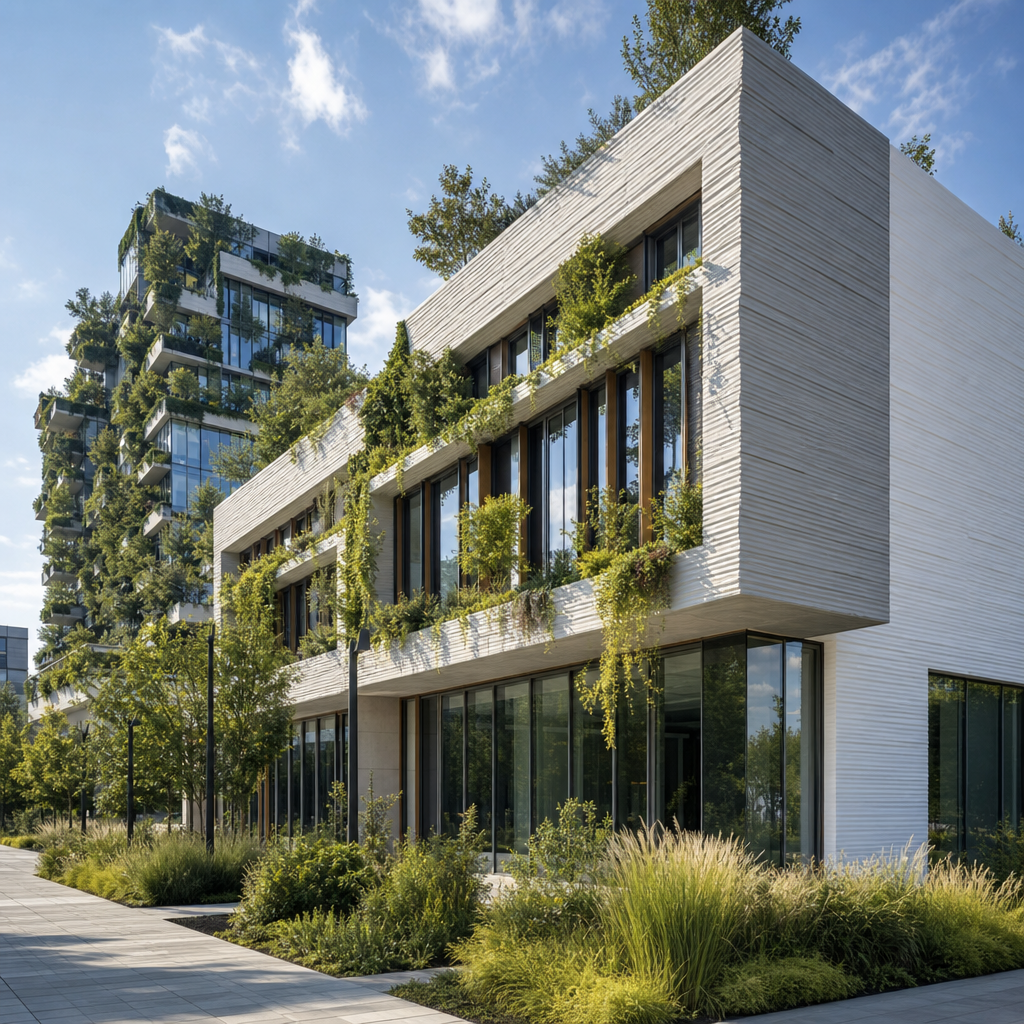
Innovations in polymers for sustainable construction are reshaping how buildings are designed, insulated, repaired, and eventually reused, making this topic central to modern environmental and sustainable applications. In construction, polymers include plastics, resins, elastomers, foams, membranes, sealants, and fiber-reinforced composites used in everything from insulation boards and waterproofing layers to pipes, window frames, and structural strengthening systems. Sustainable construction means reducing embodied carbon, operational energy use, waste generation, water consumption, and toxic impacts across the full life cycle of a built asset. I have worked with project teams evaluating cladding systems, insulation packages, polymer-modified concrete repairs, and composite retrofits, and the same pattern appears repeatedly: polymers are no longer judged only by cost and durability, but by whether they improve whole-building environmental performance. That matters because buildings account for a large share of global energy use and carbon emissions, while material extraction and demolition waste continue to strain budgets and landfills. The most important question is no longer whether polymers belong in green buildings, but which polymer innovations genuinely deliver lower impacts without creating downstream disposal problems. This hub article explains the main material categories, where they are performing well, what tradeoffs remain, and which application areas deserve closer study.
Why polymers matter in low-impact building systems
Polymers matter in sustainable construction because they can do three things at once: cut operational energy demand, extend service life, and reduce maintenance frequency. High-performance insulation foams such as polyisocyanurate, expanded polystyrene, extruded polystyrene, and polyurethane reduce heat loss through roofs, walls, and floors, often delivering more thermal resistance per inch than mineral-based alternatives. Air barriers, sealants, tapes, and vapor-control membranes, many of them polymer-based, improve envelope tightness and moisture management, which directly affects heating and cooling loads. On rehabilitation projects, epoxy and polyurethane crack injection, polymer-modified mortars, and fiber-reinforced polymer wraps can restore or strengthen concrete without full replacement, preserving existing structures and avoiding the emissions associated with new cement and steel.
The environmental case becomes stronger when polymers prevent premature failure. A durable thermoplastic polyolefin roofing membrane that lasts decades and supports high solar reflectance can lower cooling energy and defer replacement waste. High-density polyethylene and polypropylene piping can resist corrosion better than metal in many water and drainage systems, reducing leaks and replacement cycles. In façade applications, silicone sealants and polymer gaskets maintain water and air tightness under movement and weathering. These gains are practical, measurable, and already reflected in building assessment methods such as LEED, BREEAM, and Envision, as well as life-cycle assessment workflows using environmental product declarations. Sustainable use, however, depends on selecting formulations with low global warming potential blowing agents, verified recycled content, chemical transparency, and realistic end-of-life pathways.
Bio-based and recycled polymers are changing material sourcing
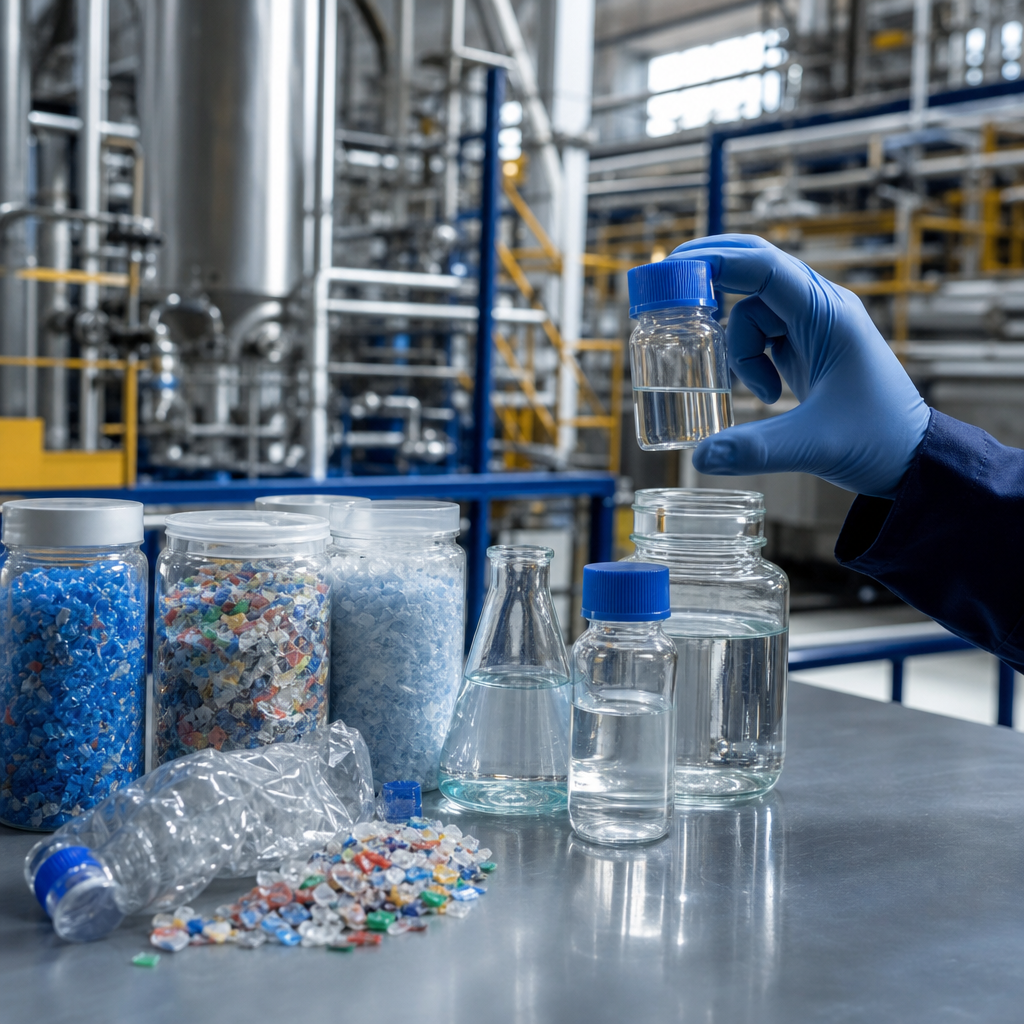
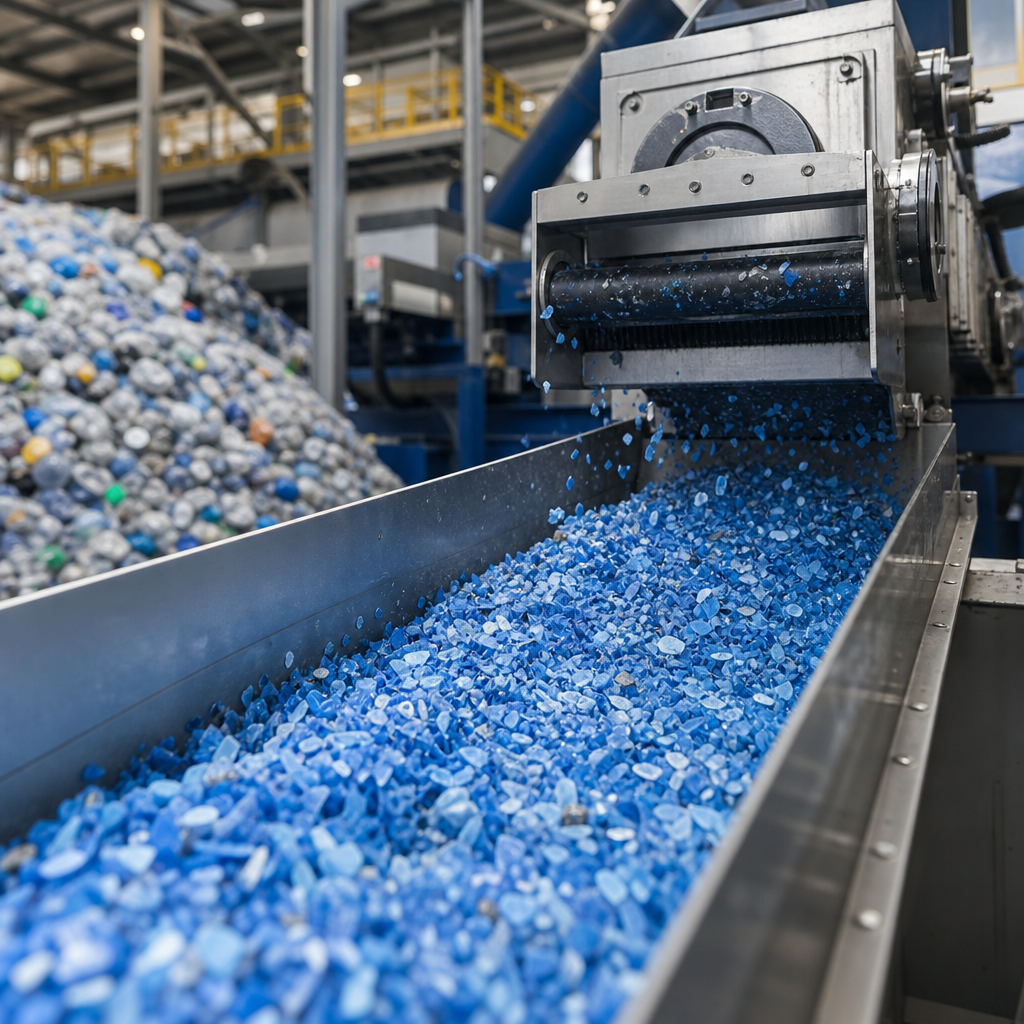
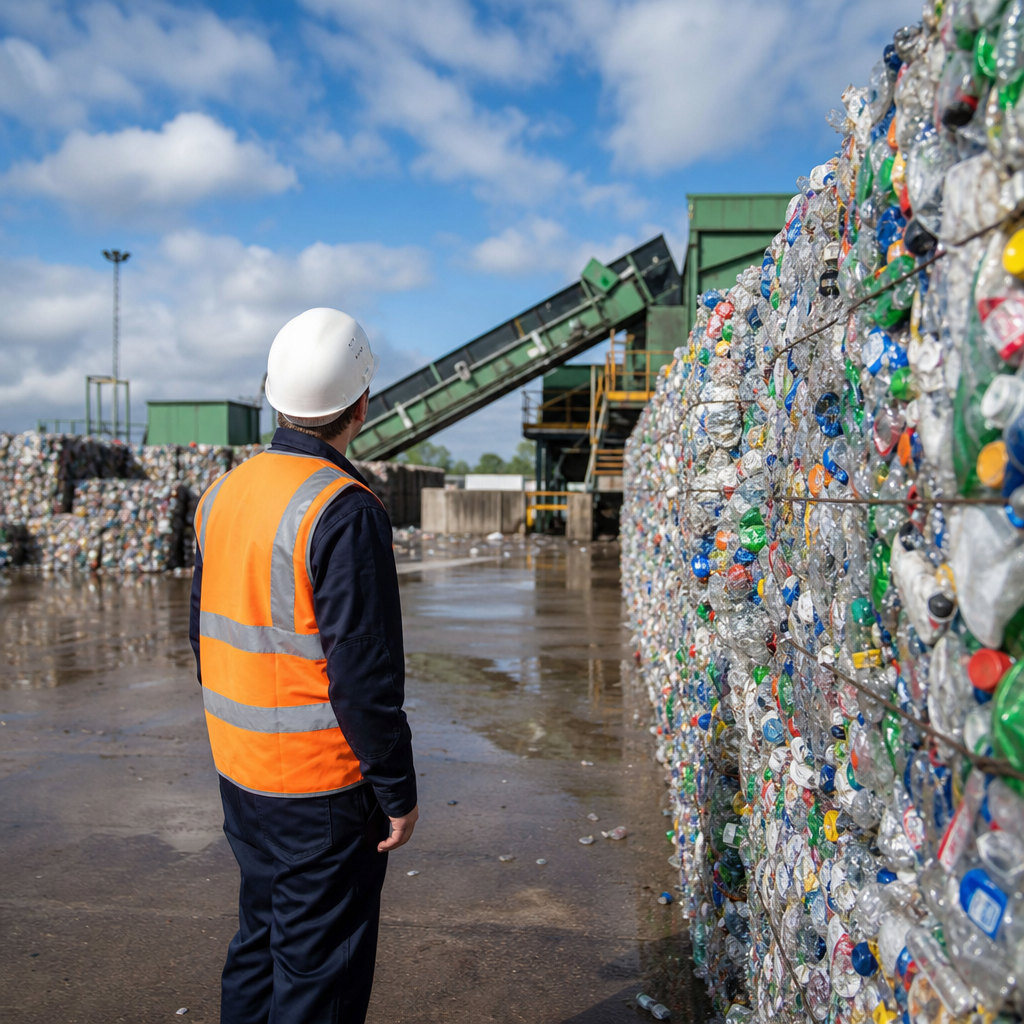
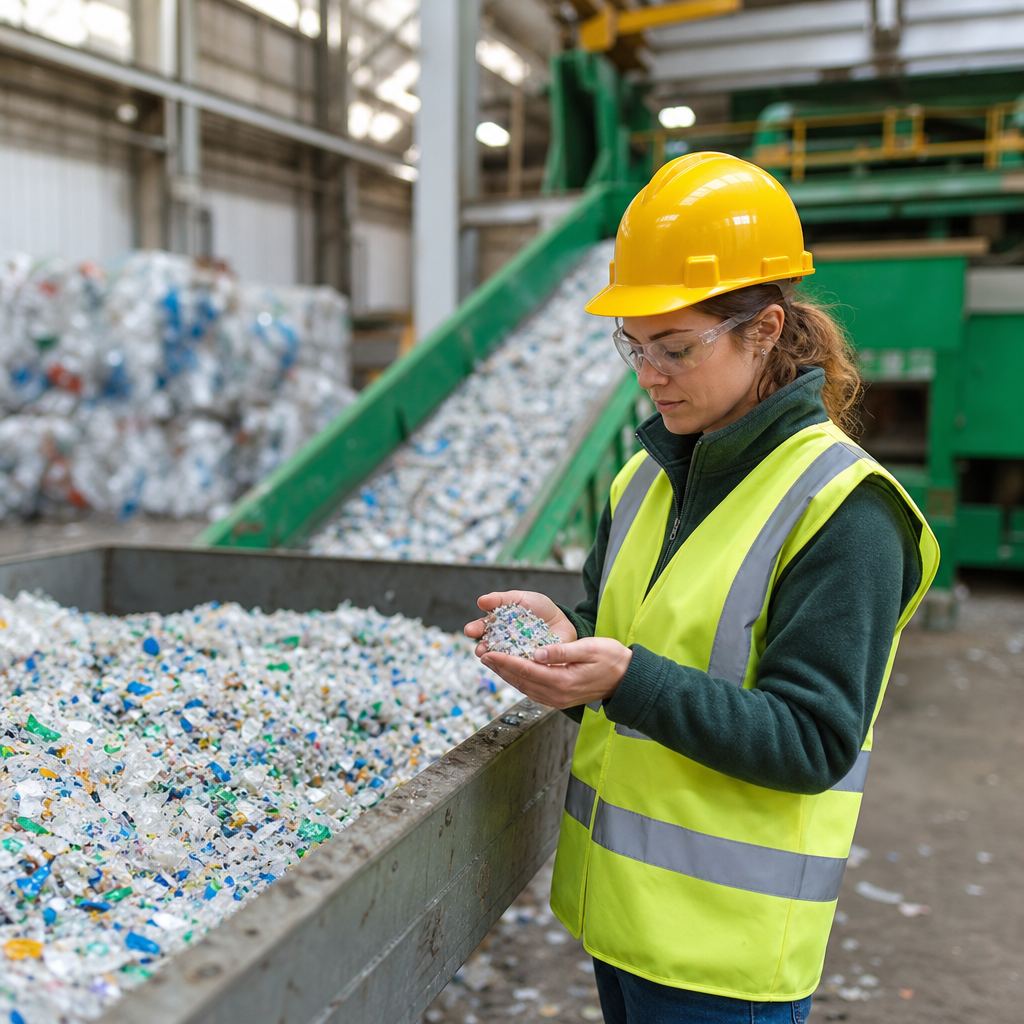
One of the most significant innovations is the shift from fossil-only feedstocks toward recycled and bio-based polymer content. Recycled polyethylene terephthalate is now used in insulation, acoustic panels, geotextiles, and composite products, diverting plastic from waste streams while reducing reliance on virgin resin. Recycled high-density polyethylene and polypropylene appear in drainage boards, spacers, decking, formwork, and modular site products. In practice, the sustainability value depends on traceability and processing quality. I have seen recycled-content products perform very well when manufacturers control contamination, stabilize additives, and publish third-party verified product data; I have also seen poor-quality recycled polymers become brittle, inconsistent, or difficult to certify.
Bio-based polymers are advancing more carefully but meaningfully. Polylactic acid, bio-based polyethylene, polyamides derived partly from castor oil, lignin-enhanced resins, and natural fiber biocomposites are gaining traction in interior panels, temporary components, furnishings, and non-structural applications. The appeal is lower fossil feedstock demand and, in some cases, reduced embodied carbon. Yet bio-based does not automatically mean low impact. Agricultural inputs, land-use change, durability limits, fire performance, and end-of-life contamination can offset benefits. The best products are those designed for specific uses, backed by ISO-compliant testing, and integrated into circular material systems. For a hub on environmental and sustainable applications, the key takeaway is clear: sourcing innovations matter most when paired with durability, verified environmental data, and realistic recovery routes after service life.
High-performance envelope applications deliver the fastest sustainability gains
Among all polymer applications, building envelopes often provide the quickest environmental return because they directly lower operational energy use. Advanced insulation boards, aerogel-enhanced blankets with polymer binders, vacuum insulated panel casings, cool-roof membranes, airtightness tapes, and liquid-applied waterproofing systems improve thermal and moisture performance at scale. In deep retrofit work, insulated façade systems using expanded polystyrene, mineral-polymer hybrids, or polyurethane cores can transform poorly performing buildings into code-compliant, lower-energy assets. Window technology also depends heavily on polymers: thermally broken frames use polyamide strips, glazing assemblies rely on polymer interlayers and sealants, and low-conductivity spacers reduce condensation risk.
The sustainability value here is quantifiable. Better insulation lowers heating and cooling demand; tighter envelopes reduce infiltration; reflective membranes decrease surface temperatures and cooling loads in warm climates. Real-world outcomes depend on installation quality more than product brochures suggest. I have inspected projects where premium membrane systems failed because laps were contaminated or transitions were unresolved, and projects where modest materials delivered excellent performance because installers followed detailing standards meticulously. That is why environmental and sustainable applications must include workmanship, commissioning, and maintenance. Polymer innovation is not just a chemistry story. It is also about systems integration across substrates, fasteners, air barriers, drainage planes, and thermal bridges. When these details are right, polymer-enabled envelopes deliver energy savings, occupant comfort, and long service life with a strong sustainability case.
Polymers in repair, retrofit, and structural life extension
Sustainable construction is not only about new materials in new buildings; it is equally about preserving what already exists. Polymer technologies are crucial in this area. Fiber-reinforced polymer systems, commonly made with carbon, glass, or basalt fibers embedded in epoxy or vinyl ester matrices, can strengthen beams, slabs, columns, and bridge elements without the weight and disruption associated with steel plate bonding or section enlargement. Polymer-modified concrete, corrosion-resistant coatings, cathodic protection components, and resin injection systems help restore deteriorated infrastructure and buildings. Extending a structure’s service life by twenty or thirty years often yields a better environmental outcome than demolition and replacement.
These methods are governed by established design guidance, including ACI 440 for FRP reinforcement and strengthening. The advantages are specific: high strength-to-weight ratio, corrosion resistance, rapid installation, and reduced downtime. On occupied sites, that matters because shorter interventions mean less waste, less equipment time, and lower indirect emissions. Tradeoffs remain. Thermoset matrices can be difficult to separate at end of life, fire protection may be required, ultraviolet exposure can degrade some systems, and substrate preparation is unforgiving. Still, in environmental and sustainable applications, repair polymers deserve more attention than they usually receive. They support adaptive reuse, preserve cultural and economic value, and align with the most effective sustainability strategy in construction: keep assets in service safely for as long as possible.
Key polymer innovations and where they fit best
The current innovation landscape is easiest to understand by matching material types to building functions, environmental benefits, and limitations. The table below summarizes where the most relevant polymer developments fit within sustainable construction practice.
| Innovation | Typical application | Main sustainability benefit | Key limitation |
|---|---|---|---|
| Recycled-content thermoplastics | Pipes, boards, geotextiles, panels | Lower virgin resin demand and waste diversion | Quality consistency and contamination control |
| Bio-based polymers and biocomposites | Interior panels, non-structural products | Reduced fossil feedstock use | Durability, fire, and end-of-life constraints |
| High-efficiency insulation foams | Roofs, walls, floors | Major operational energy reduction | Blowing agent impacts and recycling difficulty |
| FRP strengthening systems | Retrofit of concrete and masonry | Service-life extension with low added weight | Thermoset disposal and fire detailing |
| Cool-roof and waterproofing membranes | Roofing and below-grade protection | Lower heat gain and longer asset durability | Installation sensitivity and puncture risk |
What this comparison shows is that no polymer innovation is universally sustainable. A product becomes environmentally strong when the application fits the material’s strengths, the manufacturer provides transparent documentation, and the design team considers the whole life cycle rather than a single attribute. That principle connects every article that should sit beneath this hub, from recycled polymer case studies to retrofit composites and low-impact waterproofing systems.
Circularity, health, and end-of-life realities
The hardest sustainability questions around polymers appear at the end of service life. Many construction polymers are durable, bonded into assemblies, contaminated with adhesives, coatings, or mineral layers, and removed during demolition in mixed waste streams. That makes high-value recycling difficult, especially for thermosets such as epoxies and polyurethanes. Thermoplastics generally offer better recycling potential, but only when products are designed for disassembly, labeled clearly, and collected through viable take-back systems. Mechanical recycling works for some streams; chemical recycling is expanding, though its energy demand, economics, and environmental profile vary widely by process and feedstock.
Health and chemistry transparency are equally important. Sustainable construction cannot ignore volatile organic compounds, flame retardants, plasticizers, isocyanates, or persistent additives. Leading projects increasingly ask for product-specific declarations, Health Product Declarations, Declare labels, REACH alignment, and low-emission certifications such as GREENGUARD Gold. From experience, this is where many promising polymer products face the toughest scrutiny. A membrane with excellent durability may still be rejected if its chemistry disclosure is weak. A recycled-content product may lose its environmental advantage if hazardous additives complicate reuse. The practical lesson for environmental and sustainable applications is to prioritize safe chemistry, design for separation, and treat circularity as a design requirement rather than a marketing claim.
How project teams should evaluate sustainable polymer solutions
Choosing better polymer systems requires a disciplined evaluation framework. Start with function: insulation, waterproofing, structural repair, piping, flooring, façade support, or interior finish. Then compare options using life-cycle assessment, not just upfront cost. Review environmental product declarations, service-life data, maintenance requirements, fire classification, thermal performance, moisture behavior, recycled or bio-based content, and end-of-life scenarios. For envelope products, request installed performance evidence such as blower door results, adhesion testing, and field quality-control records. For repair and strengthening systems, confirm compatibility with the substrate, design loads, and relevant standards. For interior products, include emissions testing and cleaning durability.
Procurement should also consider supply-chain resilience and installer capability. A lower-carbon membrane specified without trained installers can create defects that erase any environmental benefit. A recycled polymer drainage product is only as good as its dimensional stability under actual site conditions. This hub topic is broad because the applications are broad, but the decision rule is simple: choose polymer innovations that solve a specific building problem, reduce measurable life-cycle impacts, and perform reliably in the real environment where the asset operates. That approach leads naturally to deeper case studies on schools, housing, commercial retrofits, infrastructure rehabilitation, and climate-specific design strategies.
Innovations in polymers for sustainable construction are most valuable when they help buildings use less energy, last longer, need fewer replacements, and generate less waste over time. The strongest opportunities today are clear: high-performance envelope systems, recycled-content thermoplastics, carefully selected bio-based materials, and polymer-based repair technologies that extend the life of existing assets. The equally important cautions are also clear: not every bio-based resin is low impact, not every recycled polymer is high quality, and not every durable material is recyclable in practice. Sustainable results depend on fit-for-purpose design, verified product data, safe chemistry, and realistic end-of-life planning.
As the hub for environmental and sustainable applications, this page should guide readers toward more detailed articles on insulation systems, waterproofing membranes, FRP retrofits, recycled polymer products, circular design strategies, and health-focused material selection. The main benefit of understanding this field is practical: better polymer choices can reduce carbon, improve resilience, and cut operating costs without compromising performance. Use this overview as your starting point, then explore the linked case studies and application pages to identify the polymer solutions that match your project goals, climate conditions, and service-life expectations.
Frequently Asked Questions
1. How are polymers making construction more sustainable?
Polymers are making construction more sustainable by improving energy efficiency, extending service life, reducing maintenance needs, and enabling lighter, more resource-efficient building systems. In practical terms, polymer-based insulation foams, air barriers, sealants, and high-performance window components help buildings retain heat in winter and stay cooler in summer, which directly lowers operational energy use over decades. Waterproofing membranes and corrosion-resistant polymer coatings also protect structures from moisture intrusion, chemical attack, and weathering, helping prevent premature deterioration and expensive repairs. Because many polymer products are lightweight compared with traditional materials, they can reduce transportation impacts and simplify installation, sometimes lowering the amount of structural support a building requires.
Another major sustainability benefit is durability. Materials such as HDPE pipes, polymer-modified concrete additives, elastomeric roofing systems, and fiber-reinforced polymer composites can perform reliably for long periods in demanding environments. That longer lifespan means fewer replacements, less demolition waste, and lower lifecycle environmental impact. Increasingly, innovation is also focused on circularity, including recycled-content plastics, bio-based resins, design for disassembly, and polymer systems that can be reused or reprocessed more effectively at end of life. While polymers are not automatically sustainable in every application, the newest innovations are helping the industry use them more intelligently, with greater emphasis on lifecycle performance rather than just upfront cost.
2. What types of polymer materials are most commonly used in sustainable construction?
A wide range of polymer materials are used in sustainable construction, each serving a specific performance role. Common examples include rigid insulation boards made from expanded or extruded polystyrene, polyurethane, and polyisocyanurate; waterproofing and roofing membranes made from PVC, TPO, EPDM, and other polymer blends; sealants and adhesives based on silicone, polyurethane, acrylic, or hybrid chemistries; plastic piping such as PVC, PEX, PP, and HDPE; and window and door components made with vinyl or composite frames. Fiber-reinforced polymers, which combine polymer resins with glass, carbon, or basalt fibers, are also increasingly important for structural retrofits, façade elements, bridge reinforcement, and corrosion-resistant components.
In sustainable applications, the most valuable polymer systems are typically those that solve multiple problems at once. For example, insulated panels may provide thermal performance, moisture resistance, and low weight in one integrated product. Polymer-modified coatings can protect concrete and steel while reducing maintenance intervals. Elastomeric sealants improve air tightness and water resistance, which contributes to better indoor comfort and lower energy bills. There is also growing interest in bio-based polymers and recycled-content formulations, especially in cladding, decking, insulation, and interior products. The key is not just the material category, but how well the selected polymer supports durability, repairability, energy efficiency, and responsible end-of-life management within the overall building system.
3. Are polymer-based building materials environmentally friendly if they are made from plastics?
They can be, but the answer depends on the full lifecycle of the material rather than the word “plastic” alone. Some polymer-based products have legitimate environmental advantages because they reduce energy consumption, prevent water damage, last a long time, and require fewer replacements than conventional alternatives. For instance, high-performance insulation and airtight sealing systems can dramatically cut heating and cooling demand over the life of a building, often outweighing the impacts associated with manufacturing. Likewise, durable polymer pipes and corrosion-resistant composite systems may avoid frequent maintenance, material loss, and early failure. In sustainability assessments, these long-term operational and durability benefits are extremely important.
At the same time, responsible evaluation requires acknowledging challenges. Many polymers are derived from petrochemicals, and some can be difficult to recycle if they are bonded into multi-layer systems or contaminated at demolition. Additives, flame retardants, and manufacturing processes also matter from a health and environmental perspective. That is why the most credible sustainable construction strategies prioritize polymers with recycled content, lower-emission manufacturing, verified certifications, minimal hazardous additives, and clear end-of-life pathways. Environmental product declarations, lifecycle assessments, and building certification frameworks can help specifiers compare options more accurately. In short, polymer materials are not environmentally friendly by default, but when selected and managed carefully, they can play a very strong role in lower-impact construction.
4. What are the latest innovations in polymers for insulation, repair, and structural performance?
Recent innovation in polymer construction materials is especially strong in three areas: insulation, repair, and structural enhancement. In insulation, manufacturers are developing higher-performing foam systems and composite insulation products that deliver better thermal resistance with less material thickness. Advanced blowing agents with lower global warming potential, improved fire performance, and enhanced moisture resistance are helping insulation products meet stricter environmental and building code requirements. Polymer-based aerogel composites, reflective membranes, and smart vapor-control layers are also attracting attention because they can improve building envelope efficiency in applications where space is limited or climate conditions are demanding.
For repair and structural performance, fiber-reinforced polymer systems are among the most significant innovations. These materials are being used to strengthen aging concrete, masonry, timber, and steel structures without adding excessive weight or causing major disruption. Carbon- and glass-fiber polymer wraps, laminates, and rods can restore load capacity, improve seismic resilience, and extend the useful life of infrastructure and buildings. Polymer-modified mortars, crack injection resins, and self-healing material technologies are also advancing, allowing more targeted and durable repairs. In addition, researchers are developing recyclable thermoplastic composites, bio-based resin systems, and digitally manufactured polymer components that support prefabrication and material efficiency. Together, these innovations are shifting polymers from being viewed as simple substitutes to being seen as performance-driven tools for resilient, low-impact construction.
5. How can builders and designers choose polymer products responsibly for sustainable projects?
Choosing polymer products responsibly starts with focusing on whole-building performance and lifecycle value rather than selecting materials based only on initial price or a single sustainability claim. Builders and designers should ask practical questions: Will this product reduce energy use? How long will it last in the specific climate and exposure conditions? Can it be repaired, replaced, or separated at end of life? Does it contain recycled or bio-based content? Are there third-party certifications, environmental product declarations, or lifecycle assessment data available? It is also important to confirm compatibility with adjacent materials, since poor integration can cause failures that undermine any environmental benefit. For example, a high-quality membrane or sealant still needs proper detailing and installation to deliver durable performance.
Responsible specification also involves looking beyond the product itself to the supply chain and installation process. Local sourcing, manufacturing transparency, low-VOC formulations, and contractor training all contribute to better outcomes. In many cases, the most sustainable polymer solution is the one that prevents premature failure and avoids future replacement cycles. Designers should also consider deconstruction and circularity, favoring systems that can be disassembled more easily or recycled through established channels. Collaboration between architects, engineers, contractors, and material suppliers is essential, because polymer performance often depends on system design, not just the standalone material. When selected with care and backed by credible data, polymer products can help create buildings that are more efficient, durable, adaptable, and environmentally responsible over the long term.