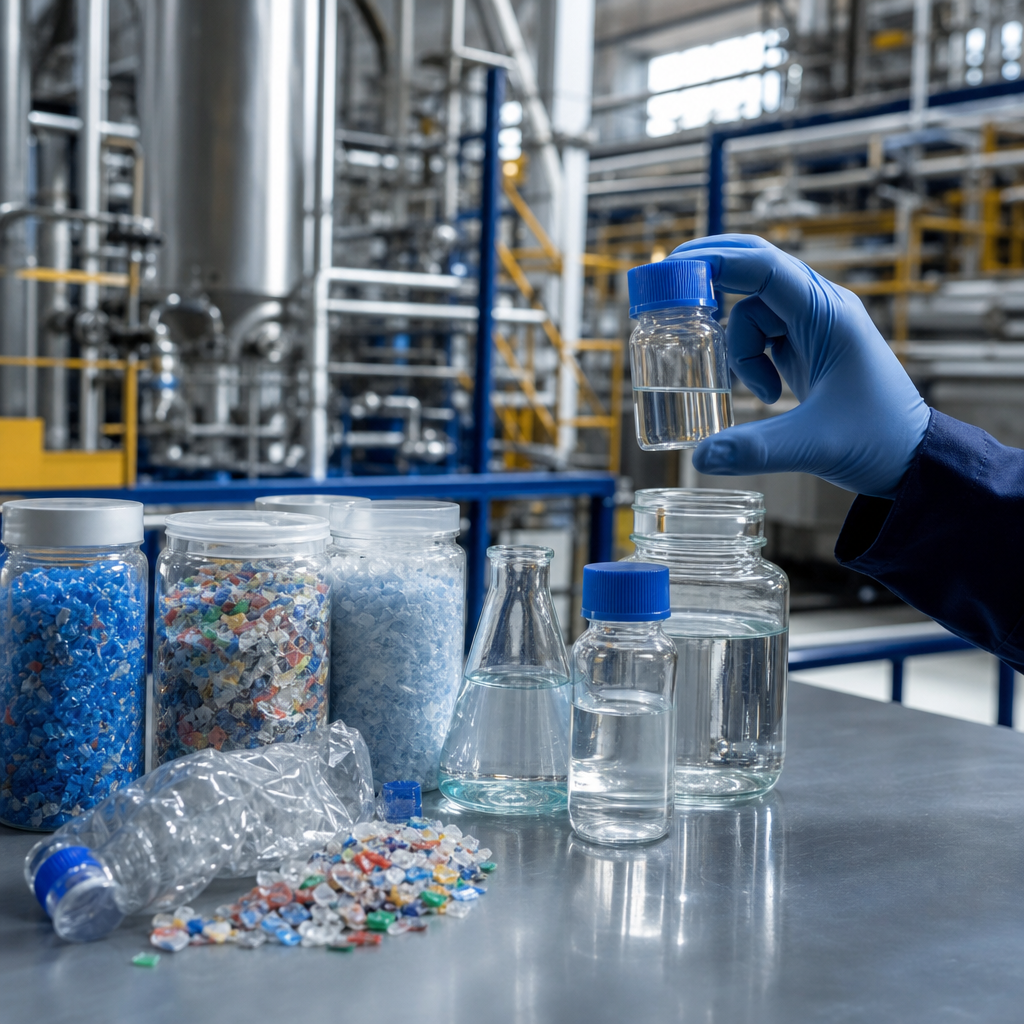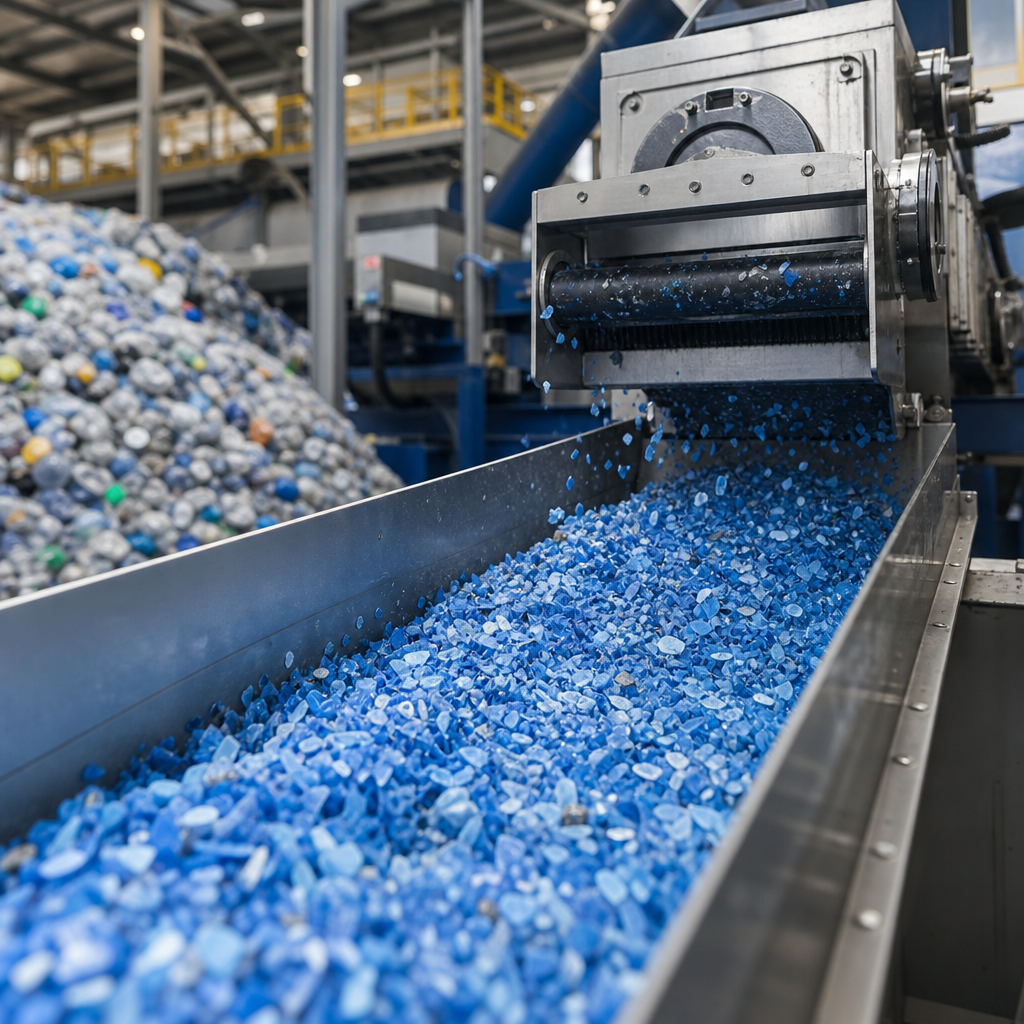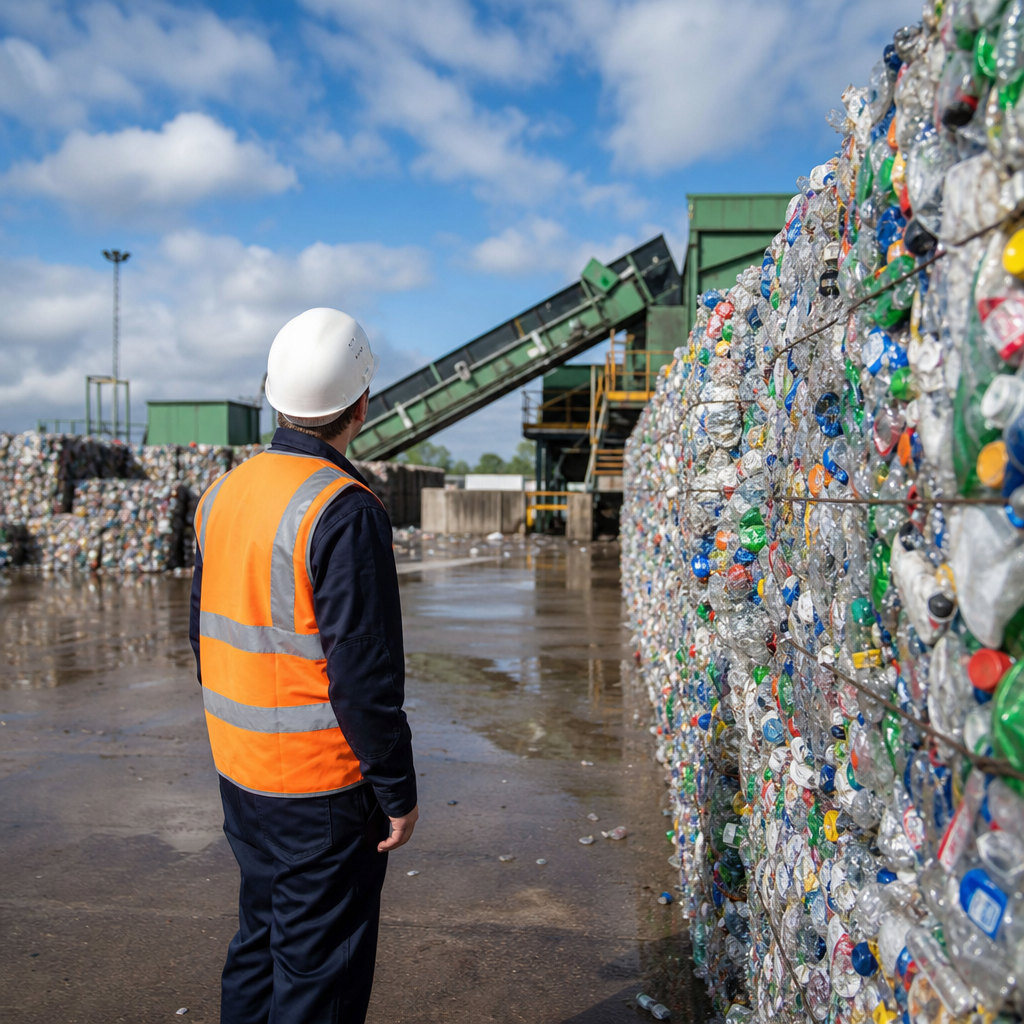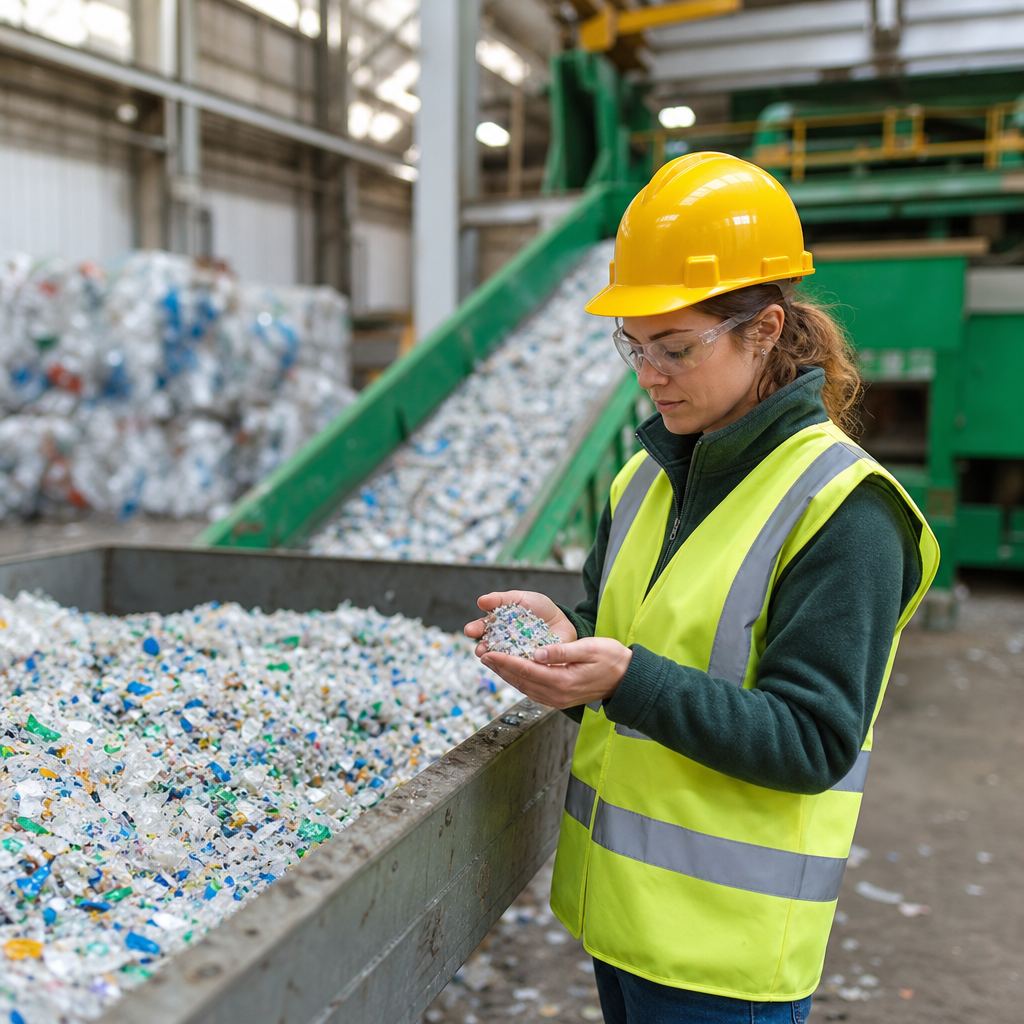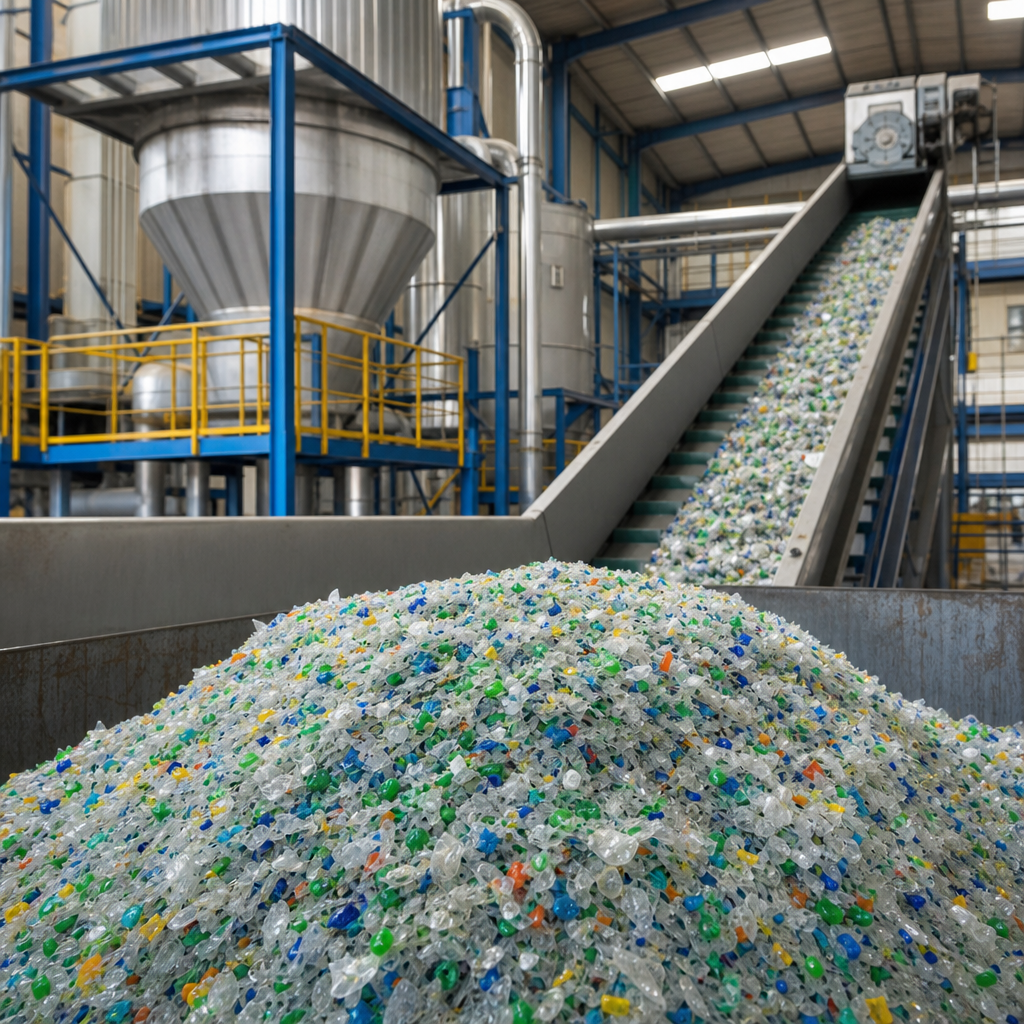
Polymers sit at the center of modern recycling because they can be engineered to sort more cleanly, survive repeated processing, replace heavier materials, and even enable entirely new circular systems across packaging, construction, automotive manufacturing, textiles, and consumer goods. In practical terms, a polymer is a large molecule made of repeating units, while recycling is the recovery and reprocessing of materials so they can return to use instead of becoming waste. When people hear the phrase polymer recycling, they often think only of plastic bottles and bins, but the real story is broader: polymers can improve collection, identification, separation, remanufacturing, product durability, and end-of-life recovery. That matters because waste systems are under pressure from rising material consumption, tighter regulations, carbon reduction goals, and consumer demand for sustainable products that perform as well as conventional alternatives.
In projects I have worked on involving packaging redesign and recycled-content qualification, the biggest lesson was simple: recycling succeeds or fails long before a product reaches a sorting line. Material choice, colorants, barrier layers, labels, adhesives, and product geometry all influence whether an item will be recognized by near-infrared scanners, separated by density, washed effectively, pelletized reliably, and accepted by end markets. The best polymer solutions therefore do more than use recycled content. They make recycling easier, safer, and economically viable. This hub article explains how polymers enhance recycling processes across environmental and sustainable applications, which technologies matter most, where tradeoffs appear, and how organizations can choose materials that fit real circular-economy goals rather than marketing claims.
Why polymers matter in modern recycling systems
Polymers enhance recycling processes because they are tunable materials. Chemists can adjust molecular weight, crystallinity, copolymer composition, additives, fillers, and compatibilizers to achieve specific mechanical, thermal, optical, and processing properties. That tunability lets engineers design packaging that can be collected and remanufactured more efficiently, automotive components that contain post-consumer resin without failing safety requirements, and construction materials that use recycled polymers to extend service life while reducing virgin resource demand. High-density polyethylene, polypropylene, polyethylene terephthalate, and low-density polyethylene dominate many recycling streams because they combine large market volume with processing routes that are already established at scale.
Recycling performance depends on compatibility between polymer families. PET bottles recycle well in dedicated streams, but PVC contamination can degrade PET during melt processing because PVC releases hydrogen chloride at processing temperatures. Polyolefins such as PE and PP can often be mechanically recycled together only in limited applications because immiscibility reduces strength and appearance. This is where polymer science improves outcomes. Compatibilizers, impact modifiers, chain extenders, and stabilizer packages can restore viscosity, improve dispersion, and reduce property loss after multiple heat histories. In clear terms, these additives help mixed or degraded recycled plastics behave more like useful raw materials again, which expands the number of products manufacturers can make from recovered feedstock.
Design for recycling starts with polymer selection
The most effective environmental and sustainable applications begin with design for recycling. A recyclable product is not simply one made from plastic; it is one made from materials that current collection, sorting, and reprocessing systems can handle at commercial scale. Mono-material packaging has grown because replacing complex multilayer laminates with recyclable PE or PP structures often improves recovery rates. In flexible packaging, this can mean shifting from PET/PE laminates to all-PE films engineered with specialized barrier coatings, metallocene resins, or EVOH levels low enough to remain compatible with the target stream. Those decisions affect seal strength, puncture resistance, shelf life, and sorting behavior all at once.
Labels, inks, and closures also matter. Full-body shrink sleeves can block optical recognition. Carbon black pigments are difficult for many near-infrared systems to detect, though newer black masterbatches are improving sortability. Pressure-sensitive adhesives can contaminate wash water or create stickies that lower pellet quality. Bottle caps made from incompatible polymers can be acceptable if they float off in sink-float systems, but attached components must still be assessed under standards used by organizations such as the Association of Plastic Recyclers and RecyClass. In my experience, small specification changes, like selecting a washable adhesive or avoiding metallized decoration, often have a larger real recycling impact than adding a modest percentage of recycled content to a fundamentally unrecyclable format.
How polymers improve sorting, separation, and reprocessing
Sorting technology works best when polymers are chosen with the recycling plant in mind. Material recovery facilities and plastics reclaimers use screens, ballistic separators, air classifiers, magnets, eddy current systems, optical sorters, and density separation tanks to isolate target fractions. Polymer formulations can support these steps. Clear PET is easier to valorize than opaque PET in bottle-to-bottle applications. Natural HDPE commands stronger end markets than heavily pigmented grades. Polyolefin films with controlled additive loads wash and pelletize more consistently than films loaded with incompatible fillers or paper residues. Better input quality leads directly to lower yield loss, less downtime, and more stable recycled resin specifications.
Reprocessing introduces thermal and oxidative stress, which can cause chain scission, crosslinking, discoloration, odor, and property drift. Polymer additives are central to controlling these effects. Antioxidants slow degradation during extrusion. Chain extenders rebuild molecular weight in PET and polyamides. Deodorizers and vacuum degassing help remove volatile contaminants. Melt filtration screens capture paper, aluminum, gels, and unmelted particles before pelletizing. In food-contact applications, super-clean recycling processes may include intensive hot washing, solid-state polycondensation for PET, and validated decontamination steps aligned with regulatory expectations from authorities such as the U.S. Food and Drug Administration or the European Food Safety Authority. Recycling quality is not accidental; it is engineered through polymer chemistry and process control.
Mechanical, chemical, and biological recycling pathways
Not all polymer recycling follows the same route, and understanding the differences is essential for sustainable decision-making. Mechanical recycling is the dominant pathway for many rigid plastics because it generally uses less energy and preserves more material value than feedstock conversion. The process usually involves collection, sorting, washing, grinding, melt processing, and pelletizing. It works best when streams are clean and relatively uniform. Chemical recycling, often called advanced recycling, breaks polymers down into monomers, oligomers, or hydrocarbons through processes such as depolymerization, pyrolysis, solvolysis, or gasification. This route can handle some difficult waste streams, but economics, infrastructure, product yields, and emissions profiles vary widely by technology and feedstock.
Biological pathways apply mainly to compostable polymers and bio-based materials designed for controlled environments rather than conventional recycling lines. Industrial composting can be appropriate for specific food-soiled applications, yet compostable packaging often creates confusion when it enters established plastic recycling streams. That is why claims must match available infrastructure. The right question is not which route sounds most innovative, but which route delivers measurable recovery and useful output in a given region. For many environmental and sustainable applications, mechanical recycling remains the first priority, while chemical recycling may complement it for contaminated, multi-material, or hard-to-recycle fractions that otherwise would be landfilled or incinerated.
| Recycling pathway | Best suited materials | Main advantage | Main limitation |
|---|---|---|---|
| Mechanical recycling | Clean PET, HDPE, PP, LDPE streams | Lower energy use and high material retention | Sensitive to contamination and polymer mixing |
| Chemical recycling | Mixed, contaminated, multilayer, or degraded plastics | Can recover feedstock from difficult waste | Higher cost and variable commercial maturity |
| Biological processing | Selected compostable polymers in controlled systems | Useful for some food-soiled applications | Limited infrastructure and stream confusion |
Environmental and sustainable applications across industries
Packaging is the most visible case study, but it is not the only one. In beverage bottles, recycled PET can be converted back into food-grade packaging when feedstock quality and decontamination are tightly controlled. In household chemicals, recycled HDPE is widely used in detergent and personal care bottles, sometimes with multilayer constructions that place recycled resin in the middle layer while maintaining performance at the inner and outer surfaces. In transport packaging, recycled PP and HDPE are used in pallets, crates, dunnage, and reusable totes because these products tolerate color variation and can often be recycled repeatedly within closed loops.
Automotive manufacturers use recycled polymers in wheel liners, underbody shields, battery covers, interior trim, and acoustic components. Here the sustainability benefit comes from both waste diversion and lightweighting, since polymer parts often reduce vehicle mass compared with metal alternatives. Building products offer another strong application area. Recycled PVC, PE, and PP appear in pipes, decking, fencing, membranes, insulation facings, and geosynthetics. These products can deliver long service life in demanding environments, spreading the environmental benefit over many years. Textile and nonwoven applications are also expanding, especially with recycled PET in carpets, apparel, and industrial fibers, though fiber-to-fiber recycling remains more challenging than bottle-to-bottle systems due to dyes, blends, and finish chemistries.
The role of additives, compatibilizers, and smart formulations
Additives often determine whether recycled polymers can move into higher-value uses. Compatibilizers are especially important when mixed plastic waste cannot be perfectly separated. For example, maleic-anhydride-grafted polyolefins can improve adhesion between otherwise immiscible polymer phases, increasing toughness and reducing brittleness. Impact modifiers help recycled plastics perform in cold conditions. UV stabilizers protect outdoor products such as decking and agricultural films. Processing aids improve melt flow and surface finish. These formulations are not cosmetic fixes; they are the reason recycled material can meet application-specific requirements for tensile strength, impact resistance, environmental stress cracking resistance, and long-term durability.
There are, however, limits. Excessive additive packages can complicate future recycling, and some legacy additives raise health or compliance concerns. Brominated flame retardants, certain phthalates, heavy-metal pigments, and persistent organic pollutants require careful management. This is why sustainable polymer design increasingly favors additive systems that are effective yet compatible with future recovery. Digital product passports, tracer-based sorting, and improved material disclosure may soon make it easier to track formulation details through the value chain. The practical objective is straightforward: use enough chemistry to maintain function and recycled value, but not so much that the product becomes difficult to recover in its next life.
Challenges, metrics, and what good circular strategy looks like
Companies evaluating how polymers enhance recycling processes should measure more than recyclability statements. The meaningful metrics include collection rate, sortation yield, wash loss, recycled-content retention, contamination levels, mechanical property retention after reprocessing, greenhouse gas impact, and end-market demand for the recovered resin. Life cycle assessment helps compare alternatives, but it must be based on realistic regional assumptions. A lightweight multilayer pouch may reduce transport emissions and food waste, yet still perform poorly in existing recycling systems. A heavier mono-material pack may increase material use slightly but achieve far better circularity if it is actually collected and remanufactured. Context matters more than slogans.
Good circular strategy usually follows a clear hierarchy. First, eliminate unnecessary material. Second, design products for reuse where reuse is feasible. Third, choose polymer systems that fit established recycling streams. Fourth, incorporate recycled content where quality and safety allow. Fifth, validate performance through recognized testing methods such as melt flow index, differential scanning calorimetry, tensile testing, impact testing, and migration or contamination assessments when relevant. Finally, align procurement, branding, operations, and compliance teams so sustainability claims reflect operational reality. The organizations making the strongest progress are not treating recycling as a packaging label exercise. They are redesigning products, supplier specifications, and recovery partnerships from the ground up.
Polymers enhance recycling processes by making circular design technically possible and commercially scalable when they are selected, formulated, and processed with the full recovery system in mind. They can improve sortability, enable mono-material formats, restore properties in recycled resin, and extend the use of recovered feedstock into packaging, vehicles, buildings, textiles, and durable goods. Just as important, polymer science helps identify what does not work, such as incompatible multilayers, problematic pigments, or additives that undermine future recovery. Sustainable applications succeed when environmental goals are connected to actual plant operations, recognized design guidance, and verified end markets for recycled output.
For leaders building an environmental and sustainable applications strategy, the core lesson is clear: better recycling starts at the design stage, not at the bin. Review your material portfolio, compare each product against real collection and reprocessing infrastructure, and prioritize polymers that deliver both performance in use and value after use. Then connect this hub topic to deeper case studies on packaging, automotive, construction, textiles, and advanced recycling technologies so every decision is grounded in evidence. When polymer choices support the entire loop, recycling becomes more efficient, more credible, and far more impactful.
Frequently Asked Questions
1. How do polymers make recycling processes more efficient?
Polymers improve recycling efficiency in several important ways, starting with how materials are designed in the first place. Because polymers can be engineered with very specific properties, manufacturers can create packaging, components, and products that are easier to identify, separate, clean, and reprocess after use. In a modern recycling facility, one of the biggest challenges is contamination and material mixing. When polymers are selected and formulated carefully, they can support better sorting through optical recognition, density separation, color control, and compatibility with established recycling streams.
They also help during reprocessing. Many polymer-based materials can be melted, reshaped, pelletized, and remanufactured with less energy than metals, glass, or complex multi-material products. That makes collection and remanufacturing more practical at scale. In addition, some advanced polymers are designed to maintain useful performance through multiple recycling cycles, which supports higher-value reuse instead of simple downcycling. In industries such as packaging, automotive manufacturing, construction, and consumer goods, this means polymers can reduce waste, lower transportation emissions through lightweighting, and create more economically viable circular systems. In short, polymers enhance recycling not only because they can be recycled, but because they can be designed to work better within the entire recovery process.
2. What is the difference between a polymer and a plastic in recycling?
A polymer is the core chemical structure: a large molecule made of repeating units linked together into long chains. Plastics are manufactured materials that typically use one or more polymers as their main ingredient, along with additives such as stabilizers, pigments, fillers, plasticizers, or flame retardants. In everyday conversation, people often use the terms interchangeably, but in recycling, the distinction matters because the polymer determines much of the material’s behavior during sorting and reprocessing, while the full plastic formulation determines how easily that material can actually be recovered and reused.
For example, two products may both be called “plastic,” but if one is made from PET and the other from PVC, they behave very differently in a recycling system. They melt at different temperatures, have different densities, and can contaminate one another if mixed. Even within the same base polymer family, additives, multilayer structures, labels, adhesives, and colorants can affect recyclability. That is why recycling experts often focus on polymer type, resin identification, and product design rather than using the word plastic alone. Understanding polymers at this more precise level helps improve sorting accuracy, maintain material quality, and build better end markets for recycled content.
3. Can polymers be recycled repeatedly without losing quality?
Some polymers can be recycled several times with useful performance retained, but the answer depends on the specific polymer, the recycling method, and how clean the waste stream is. In mechanical recycling, polymers are typically collected, sorted, washed, shredded, melted, and remanufactured. During this process, heat, oxygen, moisture, and mechanical stress can shorten polymer chains or alter the material’s structure. Over time, that may reduce strength, flexibility, clarity, or impact resistance. So while repeated recycling is possible, quality does not remain identical in every case.
That said, polymer science has made major progress in addressing this challenge. Stabilizers, compatibilizers, chain extenders, and improved processing controls can help preserve performance across multiple cycles. Better product design also makes a difference. A single-polymer package, for instance, is generally easier to recycle cleanly than a multilayer package made from several incompatible materials. In addition, chemical recycling and depolymerization technologies are being developed for certain polymers to break materials down into monomers or other feedstocks that can be used to make new material with near-virgin properties. The most accurate way to think about it is this: polymers do not all recycle the same way, but many can remain highly valuable when systems are designed to minimize contamination and material degradation.
4. How do polymers support circular economy goals across different industries?
Polymers support the circular economy by helping products stay in productive use longer, return to manufacturing more effectively, and reduce dependence on virgin raw materials. In packaging, polymers can be designed for mono-material construction, improved barrier performance, lightweight transport, and easier post-consumer recovery. In construction, durable polymer-based materials can extend service life, reduce corrosion, improve insulation, and in some cases incorporate recycled content into pipes, panels, membranes, and flooring. In automotive manufacturing, polymers help lower vehicle weight, which can improve fuel efficiency or electric vehicle range, while also enabling component designs that are easier to dismantle and recycle.
Textiles and consumer goods are also seeing major innovation. Polyester fibers can be recovered and remade into new fabrics, and polymer chemistry is being used to develop recyclable textiles with fewer mixed-material obstacles. In electronics and household products, engineered polymers can enable repairability, modular design, and resin recovery where systems are in place. The larger circular benefit comes from viewing polymers not as disposable materials, but as reusable resources. When products are designed for collection, sorting, disassembly, and remanufacture, polymers become a powerful tool for reducing landfill use, lowering lifecycle emissions, and creating more resilient supply chains. Their versatility is exactly what makes them so important to circular systems across multiple sectors.
5. What are the biggest challenges to polymer recycling today, and how are they being addressed?
The biggest challenges include contamination, mixed-material products, inconsistent collection systems, limited recycling infrastructure, and uneven demand for recycled material. Many polymer products are technically recyclable but practically difficult to recover because they contain food residue, labels, adhesives, dyes, fillers, or layers of incompatible materials. Flexible films, composite packaging, blended textiles, and small-format items are especially difficult for many municipal systems to handle. Another major issue is economics: virgin polymer can sometimes be cheaper or easier to source than recycled resin, especially when oil prices are low or recovered feedstock quality varies.
These challenges are being addressed from several directions at once. Designers are simplifying products to use fewer material combinations and more recyclable formats. Recycling facilities are adopting better optical sorters, digital tracking, robotics, and AI-assisted separation systems to improve purity. Chemical recycling and solvent-based purification technologies are expanding options for materials that are hard to process mechanically. At the policy level, extended producer responsibility programs, recycled content targets, and clearer labeling standards are helping align product design with end-of-life recovery. Brands and manufacturers are also investing in closed-loop systems that treat used polymers as feedstock rather than waste. The direction of travel is clear: polymer recycling improves when chemistry, product design, infrastructure, and market demand are developed together rather than in isolation.