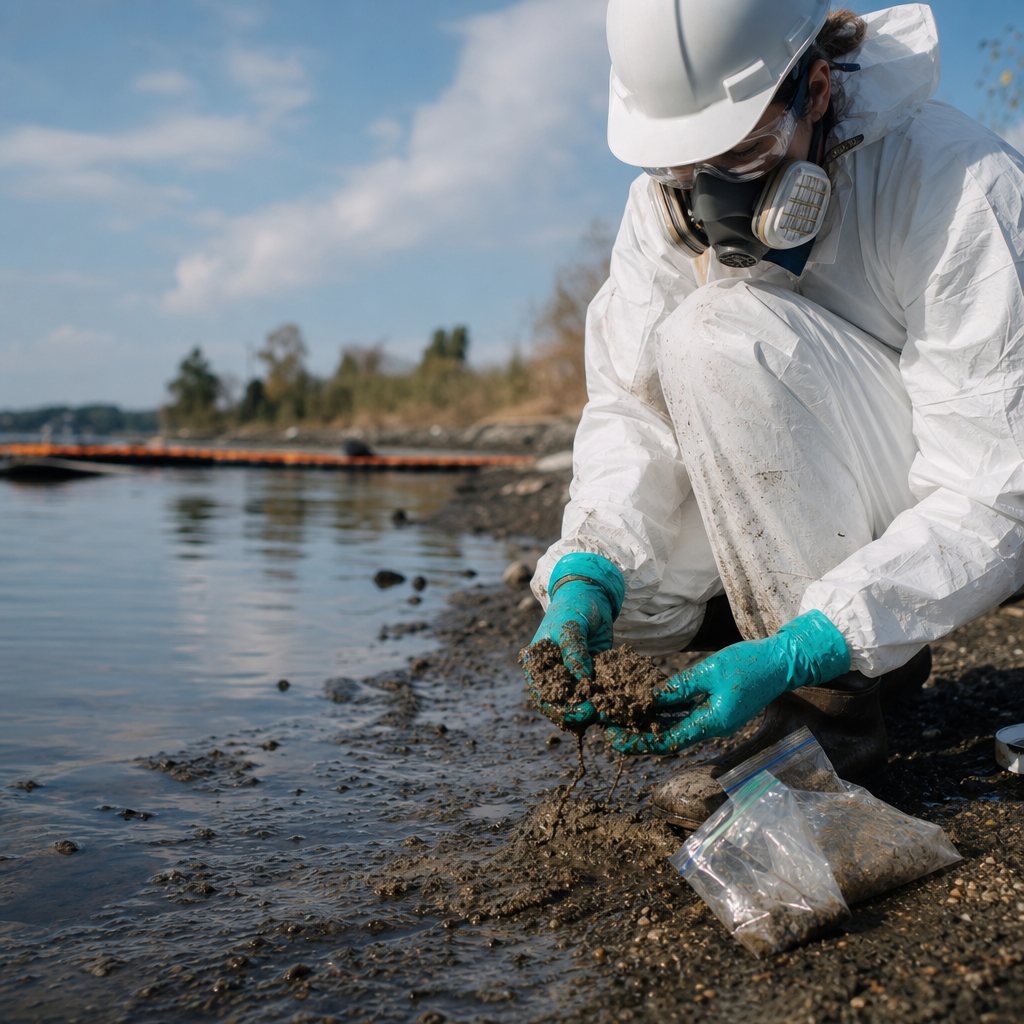
Polymers have become indispensable in environmental remediation because they can be engineered to capture contaminants selectively, survive harsh field conditions, and scale from laboratory sorbents to full treatment systems. In practice, polymers are long-chain molecules made from repeating units, but in remediation the useful distinction is functional design: adsorbent polymers bind metals or organics, membrane polymers separate pollutants from water or gas, flocculant polymers aggregate suspended solids, and reactive polymer matrices deliver treatment agents where contamination sits. I have worked with project teams that screened these materials for groundwater, landfill leachate, industrial wastewater, and oil-contaminated soils, and the pattern is consistent: polymer choice shapes performance, operating cost, and regulatory acceptance. Environmental remediation refers to the removal, containment, or neutralization of pollutants in water, soil, sediment, and air. The topic matters now because treatment targets are becoming tougher, especially for PFAS, dissolved metals, dyes, hydrocarbons, and nutrient-rich effluents, while site owners face stricter discharge permits and pressure to reduce energy and sludge generation. A well-designed polymer system can increase selectivity, lower chemical use, and make difficult contaminant streams treatable. This hub article examines industry-specific case studies and applications, showing where polymers succeed, where they fail, and how decision-makers should evaluate them.
Municipal Water and Wastewater: From Clarification to Micropollutant Control
Municipal systems were early adopters of remediation polymers, first through coagulant aids such as anionic and cationic polyacrylamides and later through membrane materials like polysulfone, polyethersulfone, and polyamide thin-film composites. In conventional wastewater treatment, polymer flocculants improve settling by bridging fine particles into larger flocs, which reduces turbidity and improves sludge dewatering. Operators typically judge performance by capillary suction time, specific resistance to filtration, supernatant clarity, and polymer dose window. In one upgrade project I reviewed, a medium-sized treatment plant reduced centrifuge cake moisture and cut hauling costs after replacing a broad-spectrum flocculant with a charge-tailored emulsion polymer matched to the sludge’s cation demand. The gain did not come from simply adding more product; it came from jar testing, shear control, and aging time management.
For advanced treatment, polymer membranes are now central to reclaiming municipal water. Polyamide reverse osmosis membranes reject dissolved salts and many trace organics, while ultrafiltration modules made from PVDF or PES remove suspended solids and pathogens upstream. These systems matter where utilities need indirect potable reuse, industrial reuse, or nutrient polishing. However, polymer membranes are not magic barriers. Fouling from organic matter, scaling, and oxidant damage can collapse performance if pretreatment is weak. The practical lesson from municipal case studies is straightforward: polymers perform best when paired with process discipline, including source-water monitoring, clean-in-place protocols, and upstream solids control.
Mining and Metals: Selective Capture of Heavy Metals and Acid Drainage Management
Mining sites create some of the most chemically demanding remediation problems: low pH drainage, elevated sulfate, and dissolved metals such as copper, zinc, nickel, arsenic, cadmium, and lead. Polymer technologies help in two main ways. First, ion-exchange and chelating resins capture target metals through functional groups such as iminodiacetate, aminophosphonic, or thiol chemistry. Second, polymer-supported treatment media stabilize reactive minerals or alkaline agents so they can be deployed in permeable barriers, cartridges, or packed columns.
A representative case is copper recovery from acidic rinse water in metals finishing and hydrometallurgical operations. Chelating resin beds can remove copper to low residual levels while producing a regenerable stream for metal recovery. Compared with precipitation, the resin route often generates less sludge and preserves resource value. Yet the tradeoff is sensitivity to suspended solids, iron fouling, and competing ions. I have seen pilot units underperform simply because oxidation state control was ignored and ferric iron blinded active sites. Good design therefore includes prefiltration, pH adjustment, and breakthrough testing using actual plant water rather than synthetic lab solutions.
For acid mine drainage, superabsorbent and hydrogel-type polymers have also been investigated to retain neutralizing agents or support controlled release in passive systems. Their role is usually supportive rather than standalone, because acidity loading and flow variability are extreme. The strongest case studies combine polymers with limestone drains, sulfate-reducing bioreactors, or high-density sludge systems, using the polymer component to improve contact efficiency, residence time, or metal selectivity.
Oil and Gas: Spill Response, Produced Water, and Soil Treatment
In oil and gas operations, polymers appear across the remediation chain, from emergency response to produced-water polishing. Superabsorbent and oleophilic polymer sorbents are used in spill cleanup because they preferentially take up hydrocarbons while limiting water uptake. Polypropylene sorbents have long been common, but newer functionalized materials and reusable polymer foams can improve uptake capacity and recovery. In shoreline or tank-farm incidents, the best-performing sorbents are usually selected not only by grams of oil per gram of material, but by buoyancy, mechanical durability, recovery logistics, and incineration or regeneration options.
Produced water presents a different challenge: emulsified oil, dissolved organics, high salinity, scale-forming ions, and sometimes naturally occurring radioactive materials. Here polymer membranes, demulsifiers, and flocculants work together. For example, polyacrylamide-based flocculants can aggregate suspended solids and oil droplets, while specialized membrane trains separate residual contaminants for reuse or discharge compliance. A recurring lesson from field deployments is that polymer chemistry must match the emulsion stability mechanism. A formulation that works on a light crude stream can fail on weathered condensate or surfactant-rich produced water. Temperature, shear history, and salinity all change the outcome.
Contaminated soils at refineries and well pads also benefit from polymer-assisted stabilization. Acrylic or biopolymer binders can reduce dust, immobilize fines, and improve amendment distribution during land treatment or excavation management. These are not substitutes for mass removal when free product remains, but they can lower exposure risk and improve handling efficiency.
Textiles, Dyes, and Chemical Manufacturing Effluents
Textile dyehouses and specialty chemical plants discharge some of the most visually obvious and chemically persistent wastewaters. Synthetic dyes, surfactants, salts, and auxiliary chemicals create streams that are difficult to treat biologically. Polymer-based adsorbents and flocculants have shown strong results here because color removal often depends on charge interactions, pore structure, and hydrophobic affinity. Cationic polymers can destabilize anionic dye molecules, while porous crosslinked resins adsorb aromatic compounds that survive biological treatment.
I have repeatedly seen value in combining polymer treatment with oxidation or biological polishing. A resin column may remove most color and reduce COD, but if the effluent still contains low-molecular-weight auxiliaries, the plant can miss discharge targets unless a secondary step follows. In textile case studies, the most successful designs usually sequence equalization, pH control, polymer coagulation-flocculation, solids separation, and final polishing through activated carbon or membranes. Chemical manufacturers take a similar approach but often require custom polymer formulations because solvent content and contaminant variability are higher.
| Industry | Main contaminants | Common polymer solution | Primary benefit | Key limitation |
|---|---|---|---|---|
| Municipal water | Turbidity, pathogens, trace organics | Flocculants, UF membranes, RO membranes | Reliable solids removal and water reuse | Membrane fouling and chemical cleaning demand |
| Mining and metals | Cu, Zn, Pb, As, acidity | Chelating resins, polymer-supported media | Selective metal capture and lower sludge | Fouling from iron, solids, competing ions |
| Oil and gas | Oil, emulsions, salinity, hydrocarbons | Oleophilic sorbents, flocculants, membranes | Fast spill response and produced-water polishing | Variable emulsion chemistry reduces consistency |
| Textiles and chemicals | Dyes, COD, surfactants | Cationic polymers, adsorbent resins | Strong color removal and polishing support | Often needs oxidation or biological follow-up |
| Agriculture | Nutrients, pesticides, sediment | Hydrogels, controlled-release matrices, PAM | Runoff reduction and amendment efficiency | Performance depends on soil and rainfall patterns |
Agriculture and Nutrient Remediation: Runoff, Pesticides, and Soil Protection
Agriculture is sometimes overlooked in discussions of remediation polymers, yet it is one of the largest opportunities. Runoff carries nitrogen, phosphorus, sediment, and pesticide residues into streams, reservoirs, and estuaries. Anionic polyacrylamide has been used to reduce irrigation-induced erosion by stabilizing soil aggregates and improving infiltration, which lowers sediment transport. That matters because phosphorus often travels attached to sediment particles. Hydrogels and polymer-coated amendments also help retain water and nutrients in root zones, reducing losses that would otherwise migrate offsite.
Case studies from irrigated farming regions show that polymer applications are most effective when they are part of a broader field management plan. If furrow design, application timing, and drainage control are poor, a polymer alone will not solve nutrient loading. Likewise, pesticide remediation using polymer sorbents or controlled-release formulations requires careful attention to degradation products and local hydrology. The advantage of polymers in this sector is not dramatic end-of-pipe treatment; it is prevention, source control, and targeted capture before contaminants disperse.
How to Evaluate Polymer Remediation Technologies Across Industries
Decision-makers should evaluate polymer remediation technologies using five practical criteria: selectivity, capacity, stability, regenerability, and life-cycle cost. Selectivity asks whether the polymer captures the target contaminant in the presence of competing ions or organics. Capacity measures how much contaminant can be held before breakthrough or replacement. Stability covers pH tolerance, oxidation resistance, thermal limits, and mechanical durability. Regenerability determines whether the material can be reused without severe performance loss. Life-cycle cost includes energy, pretreatment, sludge handling, replacement frequency, and disposal obligations.
These criteria are more reliable than marketing claims. For example, an adsorbent resin with excellent bench-scale capacity may be a poor field choice if suspended solids foul its pores or if regeneration chemicals create hazardous secondary waste. Similarly, a membrane with high rejection may become uneconomic if flux declines quickly under real feed conditions. The strongest case studies always report not just removal efficiency but operating envelope, failure modes, and monitoring strategy. Buyers should insist on pilot data generated with representative water or soil, clear mass balances, and disposal pathways that comply with local regulations.
Where the Field Is Going Next
The next wave of polymer remediation is moving toward smarter functionality rather than bulk chemistry alone. Molecularly imprinted polymers are being designed to recognize specific contaminants. Functionalized adsorbents are being tuned for PFAS, a class of persistent fluorinated compounds that challenge conventional treatment. Conductive and stimulus-responsive polymers are also being explored for electrochemical remediation, selective uptake, and easier regeneration. At the same time, bio-based polymers such as chitosan, cellulose derivatives, alginate, and lignin composites are gaining attention because they can reduce dependence on petrochemical feedstocks and improve end-of-life options.
Still, innovation must survive field reality. New polymer materials often show excellent laboratory data but limited durability, difficult scale-up, or inconsistent manufacturing quality. In my experience, the technologies that win are rarely the most exotic; they are the ones that maintain performance under variable loading, integrate with existing equipment, and meet permit requirements without adding hidden waste streams. That is why case-study evidence matters so much in this subtopic. Industry-specific applications reveal the practical boundary between a promising material and a bankable remediation system.
Polymers in environmental remediation are best understood through application, not abstraction. Across municipal water, mining, oil and gas, textiles, chemicals, and agriculture, the same conclusion appears: polymers deliver value when their chemistry is matched to contaminant behavior, site conditions, and operational constraints. They can clarify wastewater, capture dissolved metals, separate oils, remove dyes, reduce runoff losses, and support advanced water reuse. They can also fail through fouling, poor pretreatment, weak pilot design, or unrealistic assumptions about regeneration and disposal. For anyone exploring industry-specific case studies, this hub provides the framework: identify the contaminant class, define the treatment objective, test the polymer under real conditions, and compare full life-cycle performance rather than headline removal rates. That approach leads to better technical decisions and more defensible investment cases. Use this page as your starting point, then move deeper into each industry application to build a remediation strategy grounded in evidence.
Frequently Asked Questions
What makes polymers so effective in environmental remediation compared with more conventional materials?
Polymers are highly effective in environmental remediation because they can be designed around a specific treatment goal rather than used as a one-size-fits-all material. In broad terms, polymers are long-chain molecules made from repeating units, but their real advantage in remediation comes from functional customization. Chemists can introduce surface groups that selectively bind heavy metals, attract hydrophobic organic pollutants, repel fouling agents, or respond to changes in pH, temperature, or ionic strength. That means a polymer can be tailored to capture arsenic in groundwater, separate oil from wastewater, or improve the settling of suspended solids in a treatment basin.
Another major benefit is durability under field conditions. Many remediation sites involve variable temperatures, complex water chemistry, abrasive solids, and fluctuating contaminant loads. Polymers can be engineered to maintain performance in these harsh environments while remaining lightweight, processable, and scalable. They can appear as beads, membranes, gels, coatings, fibers, or flocculants, which gives engineers flexibility in how they deploy them. In practice, this versatility allows the same general class of material to move from lab-scale sorbent testing to pilot filtration units and then into full-scale treatment systems. Compared with many traditional media, polymers often offer a better balance of selectivity, throughput, regeneration potential, and manufacturing control, which is why they have become central to modern remediation strategies.
What types of polymer technologies are commonly used in environmental remediation?
Environmental remediation uses several major polymer categories, each serving a different function in contaminant control. Adsorbent polymers are among the most widely used. These materials are designed with chemical groups that bind target contaminants such as lead, mercury, PFAS-related compounds, dyes, pesticides, or dissolved organics. They are often used in packed beds, cartridges, permeable reactive barriers, or batch treatment systems where contaminated water passes across the polymer surface and pollutants are captured.
Membrane polymers are another key class. These materials separate contaminants from water or gases based on size, charge, solubility, or diffusivity. Polymeric membranes are common in nanofiltration, ultrafiltration, reverse osmosis, and gas separation applications. Their value lies in their ability to deliver high-throughput, continuous treatment while being manufactured in controlled forms such as hollow fibers or flat sheets. In remediation projects, membrane polymers are often chosen for desalination, industrial wastewater cleanup, solvent recovery, or removal of fine particulates and dissolved contaminants.
Flocculant polymers are also essential, especially in water and wastewater treatment. These polymers destabilize suspended particles and help them aggregate into larger flocs that settle or filter more easily. This is especially useful for treating mine water, stormwater, sludge, and industrial process streams with high solids content. In addition, hydrogel polymers, ion-exchange resins, responsive polymers, and polymer composites play important roles in specialized settings. Some swell and trap contaminants, some exchange ions with dissolved metals, and some combine polymer flexibility with inorganic nanoparticles or activated phases for enhanced capture. Together, these technologies show how polymers function not as a single remediation tool, but as an entire design platform for contaminant removal, separation, and stabilization.
How do engineers choose the right polymer for a specific remediation project?
Selecting the right polymer begins with a detailed understanding of the contaminant profile and the site conditions. Engineers first look at what must be removed: dissolved metals, chlorinated organics, oils, suspended solids, nutrients, or emerging contaminants such as PFAS. They then assess the concentration range, competing species in the water or soil matrix, pH, temperature, salinity, and required treatment endpoint. A polymer that performs very well in a controlled laboratory solution may behave quite differently in field water containing natural organic matter, scale-forming ions, or fluctuating redox conditions. For that reason, polymer selection is always tied to the chemistry of the actual remediation environment.
The next step is matching the polymer format and mechanism to the treatment objective. If the goal is selective capture of dissolved ions, an adsorbent polymer with targeted binding groups may be ideal. If the challenge is high-volume separation, a membrane polymer may offer better operational efficiency. If the issue is poor settling of suspended solids, a flocculant polymer may deliver the best performance at the lowest cost. Engineers also consider mechanical strength, fouling resistance, regeneration potential, service life, compatibility with existing equipment, and disposal or reuse options after the polymer is spent.
Economic and operational factors are equally important. A technically impressive polymer is not necessarily the best choice if it is too expensive to deploy at scale, too difficult to regenerate, or too sensitive to field variability. That is why remediation teams typically move from bench testing to pilot trials before full implementation. They evaluate removal efficiency, throughput, maintenance demands, and lifecycle cost under realistic conditions. In the strongest case studies, polymer selection is not based on theoretical performance alone; it is based on how reliably the material solves the problem over time in a complex, real-world treatment system.
What are the main advantages and limitations of using polymers in real remediation case studies?
The biggest advantages of polymers in real remediation projects are selectivity, adaptability, and scalability. Many polymers can be tuned to target specific contaminants while maintaining good performance in challenging matrices. This is especially valuable when a site contains a mixture of pollutants and treatment goals are strict. Polymers can also be manufactured in a wide range of forms, from sorbent beads and membranes to injectable gels and flocculant solutions, which allows them to fit different process designs. In many case studies, this flexibility leads to practical benefits such as lower energy consumption, faster treatment, reduced footprint, and better integration with existing infrastructure.
Polymers also support scale-up more readily than some niche remediation materials. Once a promising chemistry is identified, it can often be produced with repeatable quality and incorporated into modular systems. That makes polymers attractive for translating laboratory innovation into field deployment. In addition, certain polymer systems can be regenerated and reused, improving operating economics and reducing waste generation. Others are engineered for resistance to chemical attack, mechanical stress, or biofouling, which can extend service intervals and improve overall reliability.
At the same time, polymers are not without limitations. Selective polymers may lose effectiveness when competing contaminants occupy binding sites. Membrane polymers can foul, reducing permeability and increasing cleaning requirements. Some flocculants require careful dosing because underdosing or overdosing can impair separation performance. Long-term stability is another concern, especially in harsh oxidative or solvent-rich conditions. There are also important environmental considerations related to polymer degradation, disposal, and the potential release of additives or micro-scale fragments if materials are not properly managed. A strong remediation case study therefore does more than report contaminant removal percentages. It also addresses regeneration, lifespan, maintenance, byproduct risks, and total lifecycle impact. The most successful applications are those where polymer performance is evaluated as part of a complete treatment strategy rather than in isolation.
What should readers look for in a case study about polymers in environmental remediation?
A high-quality case study should clearly explain the problem, the polymer solution selected, and the evidence showing why that solution worked. Start by looking for a well-defined contamination scenario. The study should identify the pollutants present, their concentrations, the treatment targets, and the conditions of the site or process stream. Without that context, it is difficult to judge whether the polymer’s performance is truly impressive or simply measured under favorable conditions. Good case studies also describe the form of the polymer used, such as an adsorbent resin, membrane module, hydrogel, or flocculant, along with the mechanism by which it removes or controls contaminants.
Readers should also pay close attention to operational data. Strong case studies report more than just one-time removal efficiency. They include information on flow rate, contact time, loading capacity, regeneration cycles, fouling behavior, selectivity in the presence of competing species, and performance stability over time. If the case study involves scale-up, it should discuss how lab findings translated into pilot or full-scale operation. This is where many technologies succeed or fail, so details about maintenance, throughput, energy use, and cost are essential.
Finally, the best case studies place polymer performance in a broader remediation framework. They compare the polymer-based approach with alternative materials or methods, discuss environmental trade-offs, and acknowledge limitations honestly. Readers should look for evidence that the authors considered not just immediate contaminant removal, but also residual handling, reuse potential, durability, and lifecycle implications. In other words, a compelling case study does not present polymers as a miracle material. It shows, with data and practical context, how engineered polymers can solve a specific remediation challenge more effectively, efficiently, or economically than conventional options.