Innovations in polymers for durable kitchenware are reshaping how consumer goods are designed, manufactured, and used in modern homes. In practical terms, a polymer is a large molecule built from repeating units, and in kitchenware that usually means engineered plastics, elastomers, thermoplastic composites, or high-performance bio-based materials selected for strength, heat resistance, chemical stability, and food-contact safety. Durable kitchenware includes food storage containers, utensil handles, cutting boards, blender jars, reusable drinkware, bakeware components, appliance housings, and dishwasher-safe parts expected to survive years of thermal cycling, impact, detergents, fats, acids, and repeated cleaning. This topic matters because consumer expectations have changed sharply: buyers now want products that are lighter than metal or glass, safer than brittle alternatives, easier to clean, less prone to staining and odor retention, and better aligned with sustainability goals. I have worked with materials teams evaluating kitchen products after dishwasher failures, hinge cracks, warpage complaints, and surface degradation, and the lesson is consistent: polymer choice is no longer a secondary detail. It determines product lifespan, user safety, manufacturing cost, aesthetics, regulatory compliance, and brand reputation. As a hub within polymer innovations in consumer goods, this article explains the material advances, design strategies, testing methods, and application case studies that define durable kitchenware today.
Why Durable Kitchenware Demands Advanced Polymer Engineering
Kitchenware looks simple, but it creates a severe materials environment. A food container can move from freezer storage at about -18 degrees Celsius to microwave reheating above 100 degrees, then into a dishwasher cycle with alkaline detergent, water jets, and drying heat. A spatula handle may contact hot oil, while a blender lid sees repeated flexing, impact, and exposure to pigments, acids, and fats. Commodity plastics such as standard polystyrene or low-grade polypropylene can meet short-term cost targets, but they often fail under long-term creep, stress whitening, odor absorption, hinge fatigue, or dimensional instability. That is why durable kitchenware increasingly depends on engineered polymers with tailored molecular architecture, fillers, reinforcing fibers, stabilizers, and barrier packages.
Manufacturers evaluate several core performance categories. Mechanical durability includes tensile strength, impact resistance, fatigue life, and resistance to crack initiation around weld lines or sharp corners. Thermal durability includes heat deflection temperature, continuous use temperature, and resistance to thermal shock. Chemical durability covers oils, dishwashing agents, acidic foods, and oxidation. Hygienic durability means low porosity, low extractables, stain resistance, and surfaces that can be cleaned without abrasive damage. Consumer durability extends further: products must retain gloss, color, and fit after years of use. In this category, the best innovations combine resin selection with processing control. A well-designed polypropylene copolymer with nucleation control, for example, can outperform a theoretically stronger resin that is processed poorly or molded with residual stress.
Material Innovations Driving the Current Generation of Kitchen Products
Several polymer families now dominate high-durability kitchenware because they solve specific pain points. Clarified polypropylene remains central for food storage because it balances low density, hinge performance, chemical resistance, and cost. Recent grades use sorbitol-based clarifiers and nucleating agents to improve transparency, stiffness, and cycle time while maintaining dishwasher resilience. For reusable bottles, Tritan copolyester became a major replacement for older polycarbonate in applications where clear appearance, impact toughness, and freedom from bisphenol concerns influence purchasing decisions. Polyphenylene sulfide and polysulfone appear in higher-temperature appliance and coffee-contact components because they retain dimensions and mechanical properties under repeated heat exposure.
Silicone elastomers also remain essential, especially in seals, collapsible bakeware, grips, and air-fryer accessories. Their durability comes from thermal stability and elasticity over a wide temperature range, not simple softness. Thermoplastic elastomers are gaining share where overmolding onto rigid substrates is needed for ergonomic handles and non-slip bases. In cutting boards and utensils, glass-fiber-reinforced nylons and mineral-filled polypropylenes improve stiffness and reduce warpage, though they must be designed carefully to avoid abrasive wear on cookware or excessive moisture sensitivity. Bio-based options are advancing too. Polylactic acid on its own is often too brittle and temperature-limited for demanding kitchen duty, but blends, chain extension, impact modifiers, and heat-resistant crystallization strategies are expanding the range of acceptable applications, especially in dry-food accessories and short-heat-use items.
One of the most important shifts is not a single resin but the move toward formulation engineering. Additives such as antioxidants, UV stabilizers, anti-block agents, scratch-resistant fillers, and odor scavengers are now chosen for kitchen-specific abuse patterns. In development programs I have seen, simply improving dishwasher durability required changing both antioxidant package and mold-gate position because detergent attack and residual stress amplified each other. That kind of systems thinking defines the current generation of polymer innovations in consumer goods.
How Design, Processing, and Testing Turn Good Materials into Durable Kitchenware
Material selection alone does not create durable kitchenware. Product design and processing determine whether a polymer reaches its potential. Wall thickness must be balanced to avoid sink marks, uneven cooling, and local stress concentrations. Living hinges in lunchbox lids work best with polypropylene grades designed for hinge endurance, thin hinge geometry, and molecular orientation created by correct flow direction. Snap fits need enough flexibility to avoid brittle fracture after dishwashing exposure. Ribbing increases stiffness, but poorly placed ribs can create weld lines that become crack origins when a container is dropped cold from the refrigerator.
Injection molding parameters are equally important. Melt temperature, mold temperature, packing pressure, and cooling time affect crystallinity, shrinkage, transparency, and toughness. Annealing can improve dimensional stability in semi-crystalline parts. Overmolding requires attention to substrate cleanliness, thermal compatibility, and bond mechanics. Tool design influences not just cosmetics but service life; gate vestiges, ejector stress, and flow imbalance all show up later as field failures. In root-cause reviews, I often find that consumers blame “bad plastic” when the real issue is anisotropic shrinkage from a rushed molding cycle.
Testing standards give structure to these decisions. Food-contact compliance may involve U.S. FDA regulations, EU Framework Regulation 1935/2004, and migration testing under expected use conditions. Mechanical tests include ASTM D638 for tensile properties, ASTM D256 or ISO 180 for impact, and dishwasher simulation protocols developed internally by brands or labs. Thermal analysis using DSC, TGA, and HDT testing helps confirm whether a resin can survive intended service conditions. Stain testing with tomato sauce, turmeric, coffee, and oil is common because real kitchen durability is highly visible. The strongest consumer goods programs combine laboratory tests with ethnographic use studies, because people microwave with lids partly closed, stack hot containers while wet, and scrub surfaces with abrasive pads despite instructions.
Case Studies Across Consumer Kitchenware Applications
Food storage is the clearest example of polymer innovation in consumer goods. Earlier containers often turned cloudy, warped in dishwashers, or retained odors after storing onions or tomato-based meals. Modern clarified polypropylene containers with improved seal geometries, TPE gaskets, and stain-resistant surface formulations last longer while remaining lightweight. Premium brands now tune container base stiffness so stacked products resist buckling in refrigerators, while lids preserve enough flex for repeated opening cycles. Microwave vent features, once prone to cracking, now use hinge-optimized geometries and fatigue-resistant resin grades.
Reusable drinkware shows another pattern. Copolyester and stainless-steel hybrids compete with glass by reducing breakage risk. In sports bottles and shaker cups, impact performance matters as much as clarity. Designers increasingly specify resins with low flavor carryover and low stress cracking when exposed to citrus drinks, protein mixtures, and dishwashing chemicals. Transparent blender jars once favored polycarbonate, but current designs often use copolyesters or reinforced engineering polymers depending on speed, heat, and detergent exposure. Material choice affects more than break resistance; it also determines whether measurement markings remain legible and whether surfaces craze after repeated cleaning.
Kitchen utensils and small appliance components reveal the value of polymer combinations. A single spatula may include a glass-filled nylon core for stiffness, a silicone working edge for heat resistance, and a TPE grip for comfort. Coffee maker water paths may rely on polysulfone or polypropylene grades selected for hydrolytic stability and low extractables. Air-fryer baskets often pair nonstick-coated metal with polymer handles and release buttons that must survive skin oils, heat, and cleaning agents. These products succeed when each polymer is matched to a distinct functional zone rather than forced into one compromise material.
| Application | Common Advanced Polymer | Primary Durability Benefit | Main Design Tradeoff |
|---|---|---|---|
| Food storage containers | Clarified polypropylene | Hinge life, chemical resistance, low weight | Moderate heat limits versus engineering resins |
| Reusable bottles | Copolyester | Clarity and impact toughness | Higher material cost |
| Utensil heads and seals | Silicone elastomer | Thermal stability and flexibility | Can attract lint and needs good mold finishing |
| Appliance housings and structural parts | Glass-filled nylon or PPS | Stiffness, heat resistance, dimensional control | Potential moisture effects or higher tooling wear |
Sustainability, Safety, and the Future of Polymer Kitchenware
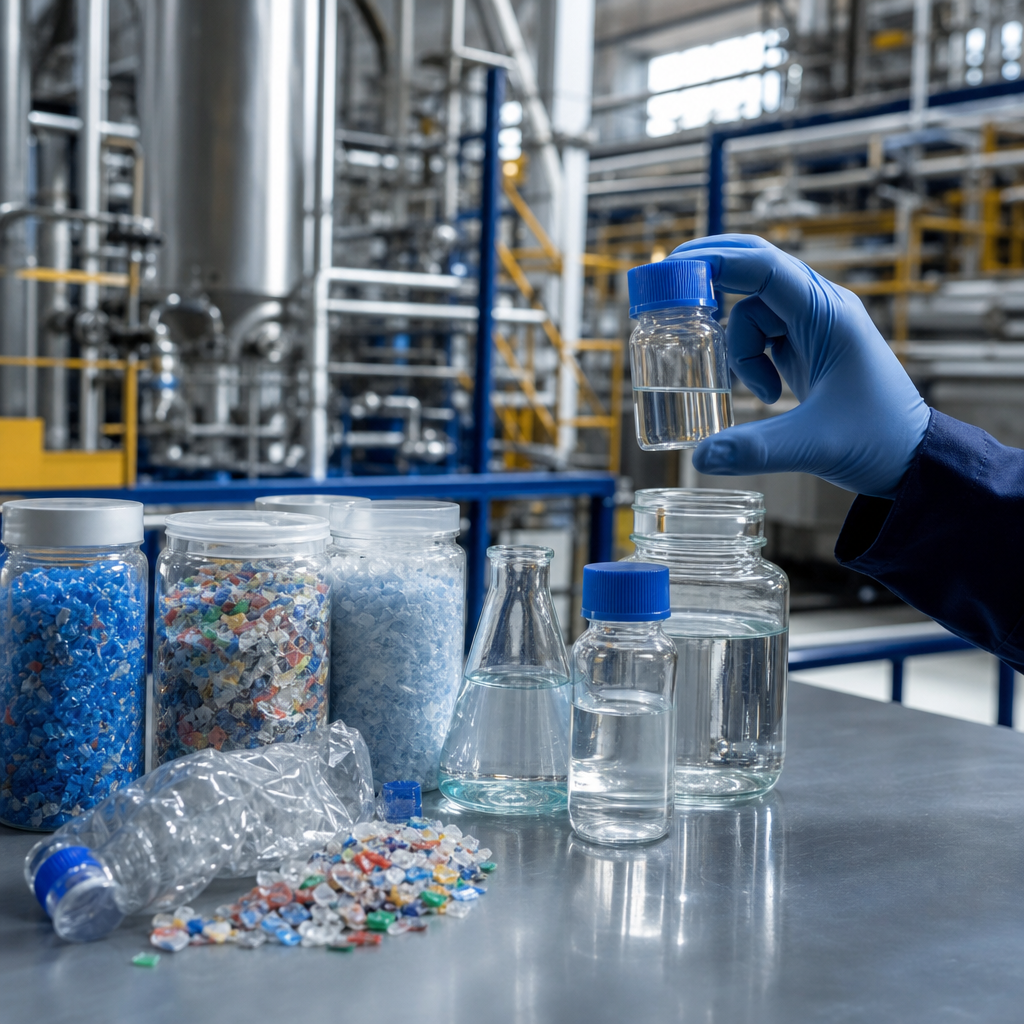
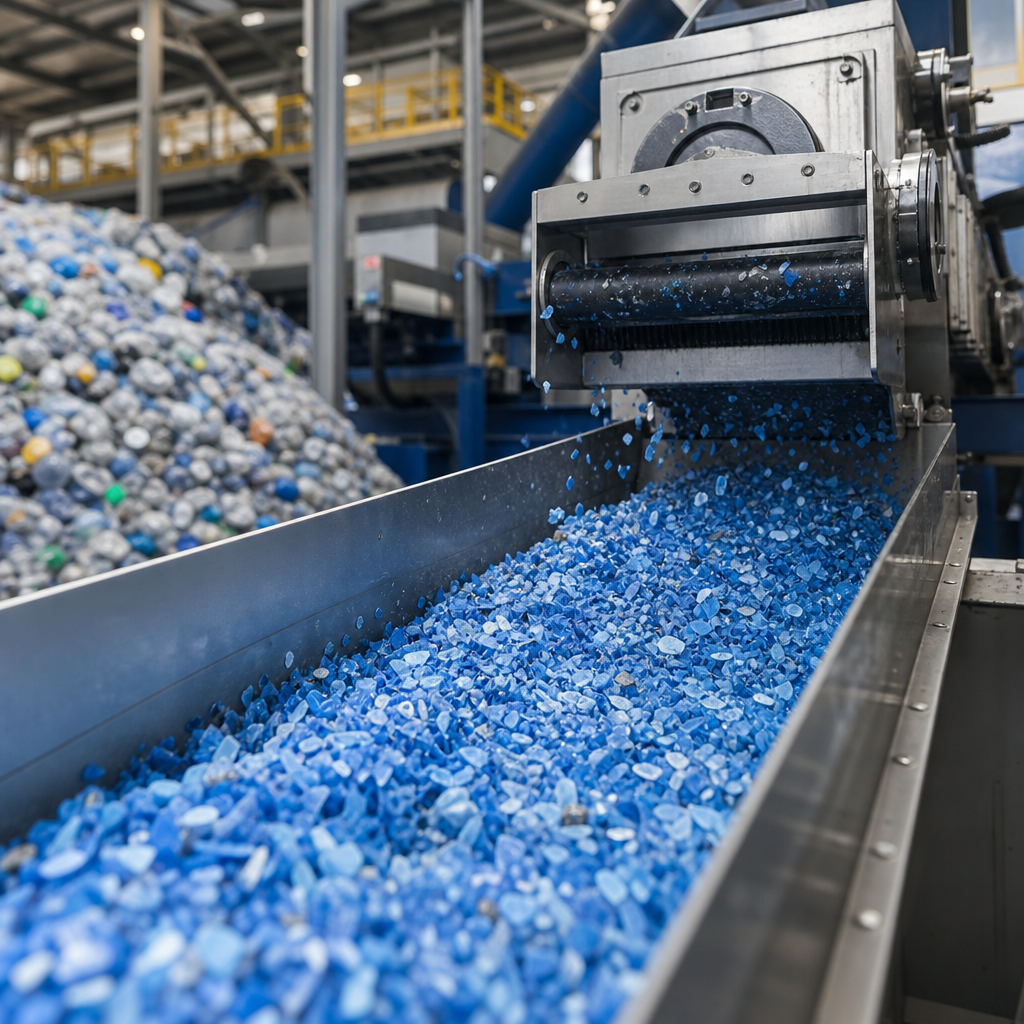
Durability is now inseparable from sustainability. A kitchen product that lasts five years instead of one usually lowers material throughput, packaging waste, replacement frequency, and transport emissions, even when its resin system is more sophisticated. That said, sustainability claims need precision. Recycled content can be valuable in non-food-contact housings, trays, caddies, and some external components, but food-contact applications remain tightly regulated and technically challenging because odor, contamination, and migration risks must be managed carefully. Mechanical recycling can shorten polymer chains and alter impact performance, so stabilizers and compatibilizers are often needed. Chemical recycling offers promise for recovering cleaner feedstocks, but economics and scale remain uneven across regions.
Bio-based polymers are improving, yet durability remains the deciding filter. Consumers do not benefit from a compostable utensil that deforms in hot soup or a container that cracks after several dishwasher cycles. The most credible path combines renewable feedstocks, long service life, repairable design, and mono-material strategies that simplify end-of-life processing. Digital tools are helping. Finite element analysis predicts stress hotspots before tooling, while accelerated aging models shorten development cycles. Material databases and lifecycle tools now let product teams compare stiffness, embodied carbon, dishwasher retention, and regulatory status in one workflow.
Looking ahead, expect more antimicrobial surface strategies that avoid exaggerated health claims, more PFAS-free formulations in adjacent cookware components, more dishwasher-resistant recycled blends, and more modular products with replaceable seals and closures. The core lesson is straightforward: the best durable kitchenware does not come from chasing novelty. It comes from matching polymer science to real household use, validating performance with rigorous testing, and designing products for years of safe service. If you are building a broader understanding of polymer innovations in consumer goods, use this hub as your starting point, then map each application by heat exposure, mechanical load, cleaning chemistry, and expected lifespan before choosing a material strategy.
Frequently Asked Questions
1. What kinds of polymer innovations are making modern kitchenware more durable?
Recent innovation in kitchenware polymers goes far beyond basic plastic. Manufacturers now use engineered materials such as high-performance thermoplastics, reinforced polymer blends, elastomers, and thermoplastic composites to improve everyday durability. These materials are designed to resist cracking, chipping, staining, warping, and chemical degradation, which are all common reasons kitchen tools fail over time. For example, advanced polypropylene formulations can offer better impact resistance and hinge life in food storage containers, while high-heat polymers such as PPSU and certain nylon blends can perform well in repeated dishwasher or hot-food applications.
Another important advance is the use of fillers and reinforcements, including glass fibers, mineral additives, and specialty stabilizers, to strengthen kitchenware without making it too heavy. Polymer scientists also improve performance through molecular design, adjusting the structure of the material to enhance flexibility, rigidity, transparency, or heat tolerance depending on the product. In practical terms, this means spatulas that keep their shape, cutting tools with stronger handles, containers with longer-lasting seals, and mixing bowls that stand up better to repeated daily use. The result is kitchenware that feels more reliable, performs consistently, and has a longer service life in real household conditions.
2. Why are polymers so widely used in durable kitchenware instead of metal, glass, or ceramic?
Polymers are widely used because they offer a combination of performance, design flexibility, and cost efficiency that is difficult for other materials to match. Unlike glass or ceramic, many engineered polymers are highly impact resistant, which makes them less likely to shatter when dropped. Compared with metal, polymers can be lighter, easier to mold into ergonomic shapes, and less prone to denting or reacting with certain foods. They also allow manufacturers to integrate features such as snap-fit lids, flexible seals, textured grips, living hinges, and transparent walls into a single product design.
From a manufacturing standpoint, polymers support precision molding and scalable production, which helps create kitchenware with consistent dimensions and reliable performance. This is especially valuable for products like reusable storage containers, measuring tools, colanders, utensil handles, and specialty organizers. In addition, modern polymers can be customized for specific needs such as microwave compatibility, freezer durability, stain resistance, dishwasher safety, and food-contact compliance. While metal, glass, and ceramic still play important roles in the kitchen, advanced polymers have earned their place because they can be engineered to solve practical everyday problems while delivering durability, convenience, and user comfort.
3. Are these new polymer kitchenware materials safe for food contact and high-temperature use?
Food-contact safety is one of the most important considerations in polymer kitchenware, and reputable manufacturers develop products to meet strict regulatory requirements. Materials intended for contact with food are typically selected and tested for compliance with applicable standards, such as FDA requirements in the United States or comparable regulations in other markets. These evaluations address issues such as chemical migration, material stability, and suitability for intended conditions of use. In other words, not every polymer is appropriate for every kitchen task, but properly selected and certified materials can be very safe when used as directed.
High-temperature performance depends on the specific polymer. Some materials are designed mainly for cold storage or room-temperature applications, while others are formulated for microwave reheating, boiling-water exposure, steam sterilization, or dishwasher cycles. For instance, a polymer used in a pantry container may not be suitable for direct contact with hot cookware, while a high-performance polymer used in utensils or baby-feeding products may be engineered for repeated heat exposure. The key is to follow the product’s intended-use guidance, including temperature limits, dishwasher recommendations, and microwave instructions. When a kitchenware item is made from the right polymer for the right application, it can provide a strong balance of safety, durability, and convenience over many cycles of use.
4. How do bio-based and sustainable polymers fit into the future of durable kitchenware?
Bio-based and more sustainable polymers are becoming increasingly important as manufacturers try to reduce environmental impact without sacrificing performance. A bio-based polymer is made partly or fully from renewable feedstocks rather than fossil-based sources, but that does not automatically mean it is less durable. In fact, current research is focused on improving the mechanical strength, thermal stability, and long-term usability of these materials so they can perform in demanding kitchen environments. Some innovations involve blending bio-based polymers with performance additives or combining them with natural or engineered reinforcements to create stronger, more practical products.
The sustainability conversation also includes durability itself. A kitchen item that lasts for years, resists wear, and avoids frequent replacement can reduce overall material consumption. That is why many companies are prioritizing reusable containers, long-life utensils, modular components, and recyclable polymer systems. In the future, the most successful sustainable kitchenware will likely combine several advantages at once: renewable content, safe food-contact performance, resistance to heat and chemicals, and compatibility with existing recycling or recovery systems where possible. For consumers, this means the market is moving toward products that are not only greener in concept, but also genuinely built to withstand regular everyday use.
5. What should consumers look for when choosing polymer kitchenware that will truly last?
Consumers should start by looking beyond appearance and focusing on intended use, material quality, and product construction. Durable polymer kitchenware should clearly state whether it is suitable for dishwashers, microwaves, freezers, or high-heat cooking environments. It is also helpful to look for information about the type of polymer used, especially when shopping for products that need to handle temperature changes, repeated flexing, or frequent washing. Features such as reinforced rims, thick hinge designs, well-fitted lids, high-quality seals, and stable handle attachments often signal better long-term performance.
Brand reputation and testing claims also matter. Reliable manufacturers typically provide care instructions, food-contact compliance information, and realistic guidance about the product’s limitations. A durable storage container, for example, should open and close smoothly without whitening or cracking at the hinge, while a utensil should maintain shape and surface integrity after repeated exposure to hot foods and detergents. Surface finish can be another clue: materials engineered to resist staining, odor absorption, and scratching tend to look better and perform longer. Ultimately, the best polymer kitchenware is not simply the cheapest or the heaviest option. It is the product whose material, design, and manufacturing quality are aligned with how it will actually be used in a busy kitchen.