Polymers sit at the center of modern sporting equipment, shaping how athletes run, ride, swing, glide, and recover. In high-performance sporting goods, the term polymer refers to long-chain materials engineered to deliver specific combinations of strength, elasticity, impact resistance, low weight, chemical stability, and processability. That broad family includes commodity plastics, high-performance thermoplastics, elastomers, foams, thermoset resins, and advanced fiber-forming polymers such as aramids and ultra-high-molecular-weight polyethylene. When manufacturers combine these materials with carbon fiber, glass fiber, additives, and precise molding methods, they create products that perform better, last longer, and fit athletes more accurately.
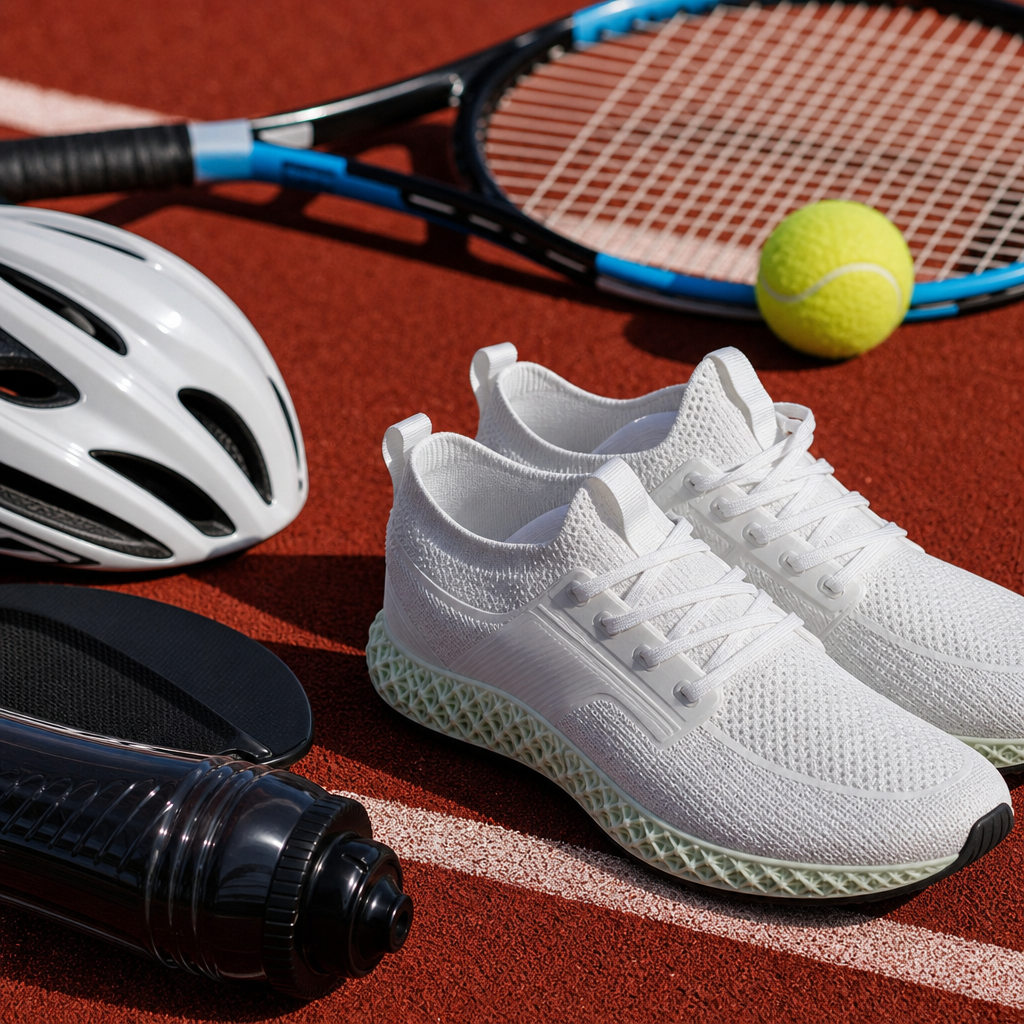
This topic matters because sporting goods have become a practical showcase for polymer innovations in consumer goods. I have worked with product teams evaluating material choices for protective gear, footwear components, and composite sporting parts, and the same pattern appears repeatedly: a small change in polymer chemistry or processing can reshape comfort, safety, durability, and retail value. A running shoe midsole can gain measurable energy return through expanded thermoplastic elastomers. A bicycle helmet can reduce rotational injury risk through low-friction polymer layers. A tennis racquet can improve vibration damping by pairing a stiff composite frame with carefully tuned thermoplastic inserts. These are not cosmetic adjustments. They affect athlete confidence, equipment lifespan, and sometimes injury outcomes.
As a hub article under Case Studies and Applications, this page explains how polymers are used across high-performance sporting goods, which material classes dominate specific categories, what design tradeoffs matter, and where innovation is moving next. It also provides the context needed to explore deeper articles on footwear, protective equipment, composites, recycling, and smart products. For brands, engineers, buyers, and technically curious consumers, understanding polymer selection clarifies why one product feels responsive, another feels harsh, and a third commands a premium price. The best sporting goods now depend as much on materials science as on industrial design, and polymers are the foundation of that shift.
Why polymers dominate high-performance sporting goods
Polymers dominate because they offer an unusual design range that metals, wood, leather, and ceramics cannot match alone. Density is the first advantage. Many polymers weigh far less than aluminum or steel, allowing equipment makers to cut mass without sacrificing the geometry needed for fit or aerodynamics. In cycling, ski boots, racquet sports, and water sports, lower mass reduces athlete fatigue and improves control. The second advantage is tunability. By adjusting molecular weight, crystallinity, copolymer composition, filler loading, and foaming conditions, engineers can tune stiffness, rebound, friction, transparency, and impact behavior across a wide spectrum.
Processing flexibility is equally important. Injection molding, blow molding, rotational molding, compression molding, thermoforming, resin transfer molding, and additive manufacturing allow brands to produce complex shapes repeatedly at consumer scale. That matters in products such as helmet shells, goggle lenses, shin guards, mouthguards, fin blades, and bicycle saddles, where geometry drives performance. Polymers also pair well with composites. Epoxy, polyurethane, and thermoplastic matrices bond reinforcing fibers into structures that are extremely light yet stiff. Carbon-fiber bicycle frames, hockey sticks, paddles, and racquets all depend on polymer matrices to transfer load between fibers.
Another reason polymers lead this category is comfort. Elastomers and foams manage pressure, moisture, vibration, and fit better than hard traditional materials. Thermoplastic polyurethane in cleat uppers, ethylene-vinyl acetate in pads, silicone in swim gear, and nitrile or styrene block copolymers in grips all improve user experience. That comfort is commercially significant because consumer adoption often depends on feel during the first few minutes of use. High-performance sporting goods succeed when measurable performance and perceived comfort reinforce each other, and polymers are unusually capable of delivering both at once.
Core polymer families and where they are used
Different sporting goods rely on different polymer families because no single material optimizes every requirement. Polyurethane appears in wheels, coatings, midsoles, protective foams, synthetic leather, and adhesives because it can be formulated from flexible to rigid. Thermoplastic polyurethane, often abbreviated TPU, is especially common where abrasion resistance and elastic recovery are needed, such as soccer boot uppers, ski boot components, and smartphone-linked wearables integrated into apparel. Polyamide, including nylon 6 and nylon 6,6, is used in strings, textiles, gears, and structural parts because it offers toughness and fatigue resistance, although moisture uptake must be managed.
Polycarbonate is a standard choice for impact-resistant transparent parts including protective eyewear and helmet shells. Expanded polystyrene remains widely used in helmets because it crushes in a controlled way during impact, dissipating energy effectively and economically. Expanded polypropylene has gained share in some helmets and pads because it can recover after lower-energy impacts better than EPS. Polyethylene ranges from low-density films to ultra-high-molecular-weight polyethylene fibers used in cut-resistant gloves, sailcloth laminates, and ballistic-style sports protection. UHMWPE is notable for very high specific strength and low friction.
High-end composites depend heavily on epoxy resins as thermoset matrices, particularly in bicycles, golf shafts, paddles, and racquets. Epoxy provides strong adhesion to carbon fiber and good dimensional stability, though impact brittleness and repair complexity remain concerns. Thermoplastic composites based on polyether ether ketone, polyetherimide, or polyamide matrices are drawing interest because they can offer faster processing and better toughness, but cost and manufacturing scale still limit use in most consumer products. In footwear, expanded thermoplastic elastomers, PEBA-based foams, and supercritical foaming systems have become key innovation areas because they improve resilience at low weight. These material families are the backbone of polymer innovations in consumer goods, and sport often commercializes them before they spread to wider lifestyle categories.
How polymers improve footwear, apparel, and athlete contact points
Footwear is one of the clearest examples of polymer engineering translating directly into athletic performance. The modern performance shoe combines multiple polymer systems in one product: an upper made from polyester or TPU-reinforced knit, a midsole made from EVA, expanded TPU, or PEBA foam, an outsole from carbon-black-filled rubber, and plates or shanks from nylon, Pebax, or carbon composite. I have seen product benchmarks where simply replacing a conventional compression-molded EVA midsole with an expanded bead TPU or PEBA-based foam changed not just rebound measurements but also temperature sensitivity and long-run comfort. That is why marathon racing shoes now command premium pricing.
Apparel uses polymers more subtly but just as effectively. Polyester and nylon dominate technical fabrics because they wick moisture, dry quickly, and maintain strength under repeated movement. Elastane provides stretch and shape retention in compression garments and swimwear. Membranes based on expanded PTFE or polyurethane deliver weather resistance in outerwear used for skiing, cycling, and trail running. Surface treatments can improve hydrophobicity, odor control, or abrasion resistance, though brands increasingly face scrutiny over fluorinated chemistries and microplastic shedding.
Grip zones, handles, straps, saddles, and wearable interfaces are also polymer-rich. A tennis overgrip, bicycle bar tape, kayak handle, or smartwatch strap must balance tack, sweat resistance, skin comfort, and durability. Silicone, TPU, EVA, nitrile blends, and styrenic block copolymers all appear here. Consumer acceptance often hinges on these contact points because they shape perceived quality immediately. A premium bicycle saddle, for example, may combine a nylon-reinforced shell, polyurethane foam, elastomer inserts, and a microfiber polymer cover to tune pressure distribution over long rides. Performance begins where the athlete touches the product, and polymers control that interface more precisely than almost any other material class.
Protective equipment, impact management, and safety design
Protective sporting goods show the most direct safety value of polymers. Helmets, guards, pads, mouthguards, and protective eyewear rely on polymers not because they are cheap substitutes, but because their deformation mechanisms are effective at absorbing and redirecting impact energy. Expanded polystyrene in bicycle and skate helmets remains common because it crushes predictably in a severe impact. Expanded polypropylene, vinyl nitrile foams, and segmented polyurethane systems appear where repeated lower-energy impacts are expected, such as in certain football, hockey, and multisport pads. Polycarbonate shells add puncture resistance and distribute load over a larger area.
Modern safety design now includes rotational impact management, where low-friction polymer layers allow limited movement between the head and helmet during angled impacts. Systems inspired by this approach have become standard talking points across cycling, snow sports, and equestrian markets. Mouthguards made from ethylene-vinyl acetate are another practical example. EVA softens during fitting, conforms to dentition, and then provides resilient cushioning during use. In goggles and visors, polycarbonate offers optical clarity with high impact strength, while anti-fog and scratch-resistant coatings improve long-term usability.
| Sporting good | Common polymers | Performance benefit | Main tradeoff |
|---|---|---|---|
| Bicycle helmet | EPS, polycarbonate, EPP | Impact absorption, low weight, shell toughness | Single-use crush behavior in EPS designs |
| Running shoe midsole | EVA, TPU, PEBA | Cushioning, rebound, reduced mass | Cost and durability vary by foam chemistry |
| Tennis racquet | Epoxy composites, nylon grommets, TPU dampers | Stiffness, vibration tuning, weight control | Composite damage can be hard to inspect |
| Protective eyewear | Polycarbonate, TPU | Impact resistance, comfort, secure fit | Scratch resistance depends on coatings |
Standards matter in this category. Helmet products are commonly certified to protocols from organizations such as CPSC, ASTM, EN, NOCSAE, or Snell, depending on sport and region. Those standards do not make every helmet equivalent, but they establish baseline performance against defined test methods. In practice, the best products balance impact attenuation, ventilation, fit retention, and durability. Material selection is only one piece of that equation, yet polymer choice strongly influences all of them. This is where polymer innovations in consumer goods become tangible: the right foam density, shell resin, or friction-management layer can materially improve user safety while preserving comfort and wearability.
Composite structures in racquets, bicycles, boards, and sticks
When consumers think of elite sporting goods, they often think of carbon fiber. In real engineering terms, carbon fiber performance depends on polymers. The matrix resin binds fibers together, transfers shear loads, protects against environmental damage, and determines much of the final part’s toughness and damping behavior. In bicycles, epoxy-carbon laminates allow frame designers to place stiffness where pedaling loads are highest while maintaining compliance elsewhere for ride comfort. Layup orientation, resin content, and curing conditions all affect bottom-bracket stiffness, steering precision, and impact tolerance.
The same principle appears in tennis racquets, golf clubs, hockey sticks, fishing rods, and paddles. A racquet frame may include carbon fiber for stiffness, fiberglass for toughness, and elastomeric inserts for vibration control. A hockey stick can be tuned for kick point and torsional response through selective fiber placement and resin architecture. In surfboards and snowboards, polymer cores and laminates work together to manage flex, damping, and weight. Thermoplastic sidewalls and base materials also influence wear, reparability, and glide characteristics.
Composite sporting goods illustrate both the promise and the limitation of advanced polymers. They deliver exceptional stiffness-to-weight ratios, but they are sensitive to manufacturing quality. Voids, poor fiber wet-out, resin-rich areas, and impact-induced delamination can compromise performance. Repair is possible, yet not always economical at consumer level. For that reason, brands that perform well in this space invest heavily in process control, non-destructive inspection, and repeatable molding practices. The consumer sees a lighter frame or faster swing speed; the real story is a carefully engineered polymer composite system.
Sustainability, recycling, and the next wave of polymer innovation
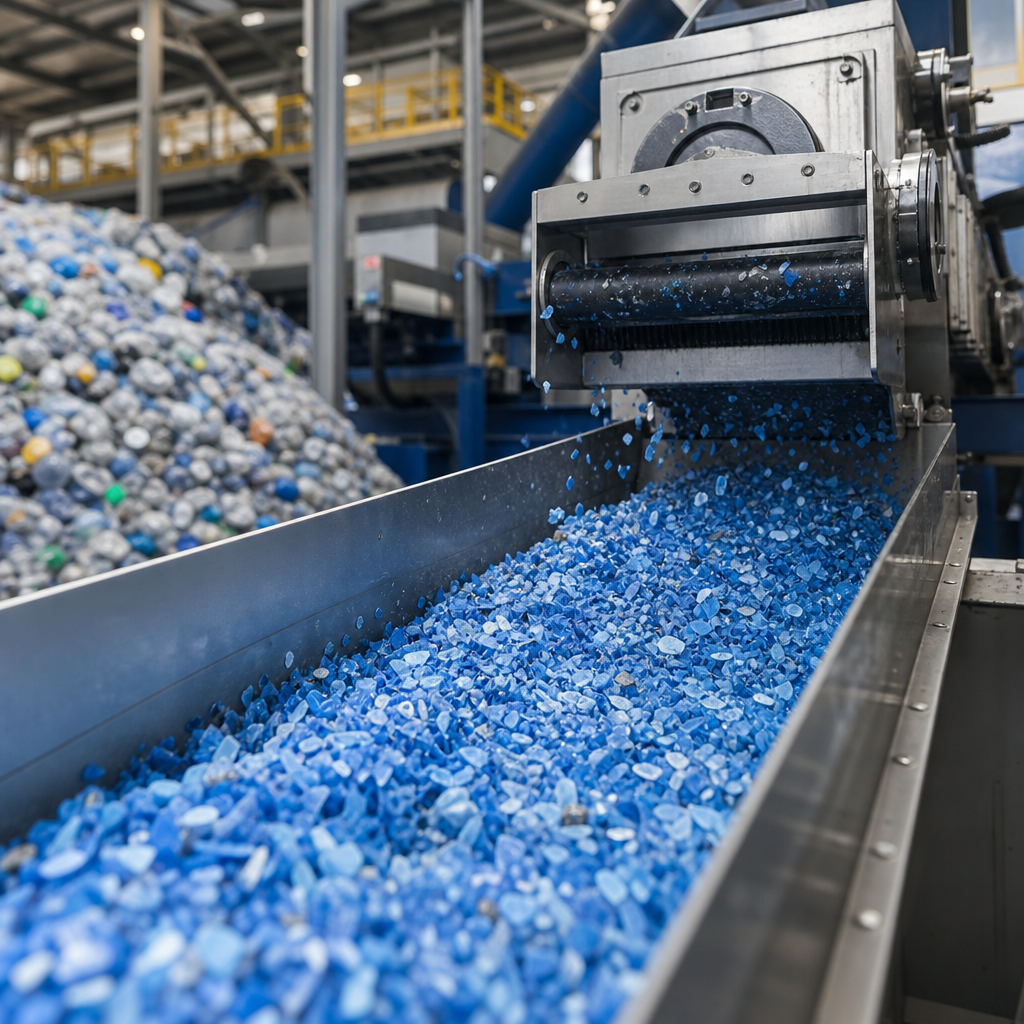
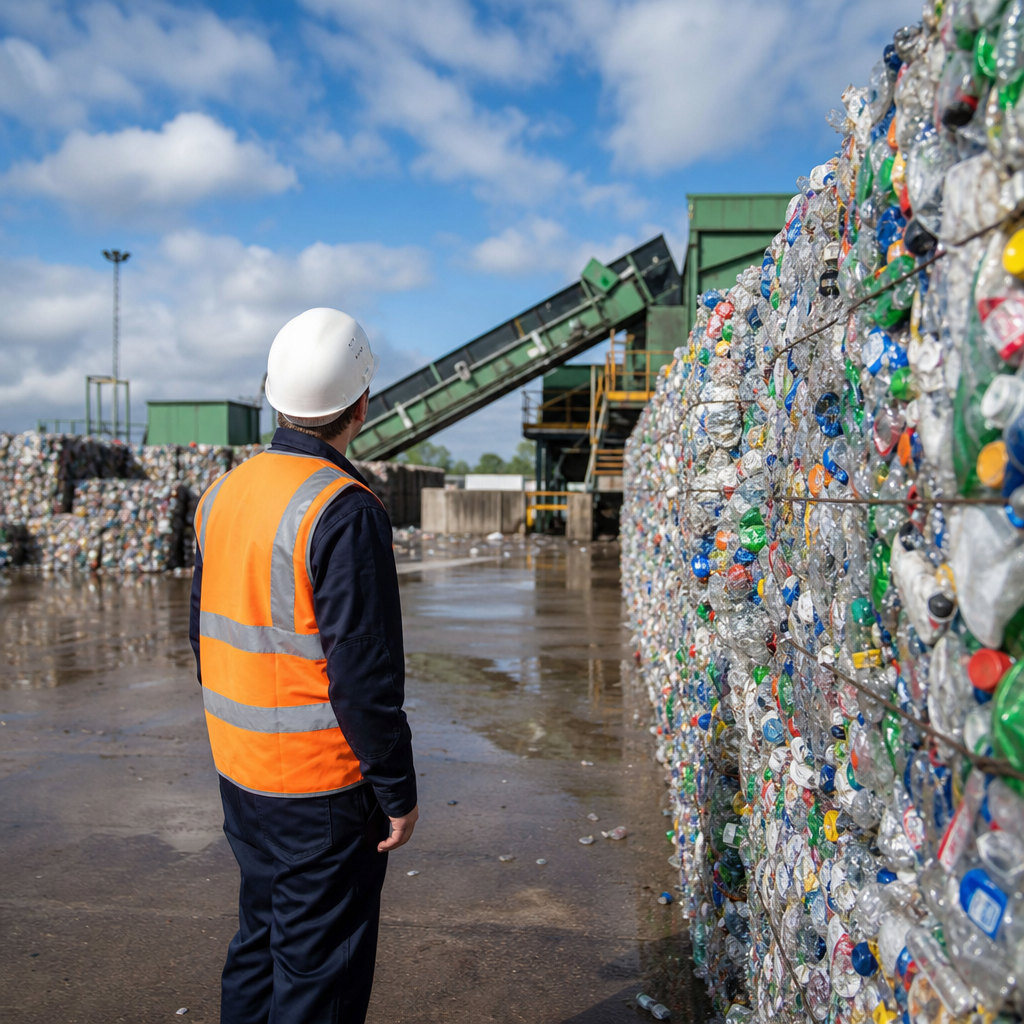
Sustainability is now a central design constraint for sporting goods, and polymers are under pressure from regulators, retailers, and consumers. The challenge is that high performance often depends on multi-material construction, adhesive bonding, and fiber-reinforced composites that are difficult to recycle mechanically. Footwear is a well-known example: an upper, foam midsole, rubber outsole, adhesives, coatings, and embedded plates create strong performance but poor end-of-life separation. Helmets and racquets face similar obstacles. Still, progress is real. Brands are increasing recycled polyester and nylon in apparel, using bio-based polyamides and polyurethanes in selected components, and exploring mono-material designs where practical.
Manufacturing innovation is also shifting the landscape. Supercritical foaming reduces material use while improving cushioning efficiency. Digital knitting lowers cut-and-sew waste in uppers. Thermoplastic composites offer the possibility of faster cycle times and more recoverable scrap than thermosets. Additive manufacturing is enabling custom lattice midsoles, shin guards, saddle shells, and protective inserts tailored to athlete geometry or pressure maps. Smart sporting goods increasingly embed flexible sensors, conductive inks, and polymer-encapsulated electronics into equipment and apparel to track force, motion, or fatigue.
For companies building a content hub around polymer innovations in consumer goods, sport is one of the strongest application areas because the benefits are visible and testable. It links materials chemistry to real user outcomes: faster split times, lower carried weight, improved protection, better fit, and longer service life. It also exposes tradeoffs clearly. The future will not be defined by one miracle polymer, but by better system design, smarter processing, responsible material sourcing, and clearer communication about performance and end-of-life options. If you are mapping this subtopic, use this page as the starting point, then explore deeper case studies in footwear, helmets, composites, smart wearables, and sustainable design.
Frequently Asked Questions
What role do polymers play in high-performance sporting goods?
Polymers are fundamental to the design and performance of modern sporting equipment because they allow engineers to fine-tune weight, strength, flexibility, damping, durability, and surface feel in ways that traditional materials often cannot. In high-performance sporting goods, polymers are used in everything from running shoe midsoles and helmet liners to bicycle components, racket strings, skis, surfboards, protective padding, and performance apparel. Their value comes from their versatility: some polymers are rigid and load-bearing, some are elastic and energy-returning, some absorb impact, and others resist moisture, chemicals, UV exposure, or repeated mechanical stress.
What makes polymers especially important is that they can be engineered at both the molecular and structural level. Manufacturers can select thermoplastics for lightweight molded parts, elastomers for grip and flexibility, foams for cushioning, thermoset resins for composite structures, and fiber-forming polymers for high-strength reinforcements. This means sporting goods can be optimized for a specific use case rather than built around the limitations of one material class. A sprinting spike, a racing bike, and a ski boot all demand different performance priorities, and polymers make that level of specialization possible.
In practical terms, polymers help athletes move faster, feel more comfortable, and stay better protected. They reduce unnecessary mass, improve energy transfer, manage vibration, and support repeatable manufacturing at precise tolerances. As a result, polymers are not just secondary materials in sporting goods; they are often the main reason a product can deliver elite-level performance while remaining lightweight, durable, and manufacturable at scale.
Why are polymers often preferred over metals, wood, or other traditional materials in sports equipment?
Polymers are often preferred because they offer a rare combination of low density and highly tunable performance. Compared with metals, many polymers are significantly lighter, which is critical in sports where every gram matters. A lighter bicycle frame component, tennis racket element, or protective shell can improve speed, reduce fatigue, and enhance control. Compared with wood or other natural materials, polymers also deliver greater consistency from one product to the next, which is essential in high-performance equipment where uniform response and reliability are expected.
Another major advantage is design flexibility. Polymers can be injection molded, thermoformed, extruded, foamed, cast, or used as matrix materials in advanced composites. This allows manufacturers to create complex geometries, internal reinforcement features, aerodynamic surfaces, and integrated cushioning zones that would be difficult or costly to achieve with traditional materials. In footwear, for example, polymers can be layered to create a precise mix of softness, rebound, and support. In helmets, they can be combined into systems that include a rigid shell, an energy-absorbing liner, and comfort-focused internal pads.
Polymers also perform well in demanding environments. Many resist sweat, water, corrosion, repeated impacts, and a wide range of chemicals better than metals or natural materials. They can be formulated for flexibility in cold conditions, stability in heat, or durability under repeated loading. That said, polymers are not always a direct replacement for traditional materials; instead, they are often used in hybrid systems. A carbon-fiber composite bicycle frame, for instance, depends on polymer resin just as much as on the reinforcing fiber. This ability to complement and enhance other materials is one of the reasons polymers dominate so many categories of performance sporting goods.
Which types of polymers are most commonly used in high-performance sporting goods?
High-performance sporting goods use a wide spectrum of polymers, with each category serving a distinct mechanical or functional purpose. Thermoplastics such as polycarbonate, nylon, polyethylene, polypropylene, TPU, and PEEK are valued for moldability, toughness, abrasion resistance, and dimensional stability. Polycarbonate is widely used where impact resistance and transparency matter, such as visors and protective components. Nylon appears in gears, housings, strings, textile structures, and reinforced parts because of its strength and wear resistance. TPU is especially common in footwear, protective overlays, flexible structural elements, and grippy surfaces due to its elasticity and toughness.
Elastomers and foams are equally important. EVA, polyurethane foams, expanded thermoplastic foams, and various rubber-like materials are used in midsoles, insoles, grips, pads, and impact-management systems. These polymers help absorb shock, return energy, and improve comfort without adding excessive weight. In sports where repetitive loading is central, such as running, basketball, and skiing, the performance of these polymer systems can strongly influence athlete feel and fatigue management. Their cellular structure, hardness, resilience, and compression set can all be tailored for specific performance outcomes.
Thermoset polymers and fiber-forming polymers play a critical role in advanced composite equipment. Epoxy and polyester resins are used as matrix materials in structures reinforced with carbon fiber, aramid fiber, glass fiber, and other high-performance fibers derived from polymer chemistry or integrated with polymer matrices. These systems are central to racing bicycles, tennis rackets, hockey sticks, paddles, helmets, and water sports equipment because they provide high stiffness-to-weight and strength-to-weight ratios. The key point is that there is no single “best” polymer for all sporting goods. Material selection depends on the specific combination of impact resistance, flexibility, stiffness, weight, environmental durability, manufacturing method, and athlete expectations required for the product.
How do polymers improve athlete performance, comfort, and safety?
Polymers improve performance by helping equipment respond more efficiently to force. In shoes, advanced polymer foams can compress and rebound in ways that enhance cushioning and energy return, helping athletes maintain comfort and efficiency over long distances or repeated explosive movements. In rackets, clubs, bats, and sticks, polymer-based composites can be designed to control stiffness and flex profiles so that energy transfer feels more precise. In cycling and winter sports, polymer structures help reduce weight while maintaining strength, allowing athletes to accelerate faster, climb more efficiently, or maneuver with greater control.
Comfort is another area where polymers excel because they can be engineered to manage pressure, vibration, moisture, and fit. Soft elastomeric components improve grip and reduce slipping. Foam-based liners conform to the body and distribute load more evenly, which helps reduce discomfort during long training sessions or competition. Polymer textiles and membranes in performance apparel can support breathability, stretch, weather resistance, and low-friction movement. This matters because comfort is not separate from performance; if equipment causes hot spots, instability, or excessive vibration, athlete output and consistency often suffer.
Safety benefits are especially significant in protective gear. Helmets, guards, pads, and impact vests rely heavily on polymers because they can absorb and dissipate energy during collisions or falls. A tough outer shell may prevent penetration and spreading damage, while a foam liner compresses to manage impact forces. Flexible polymer systems can also allow safer movement by balancing protection with mobility. In many products, the safety advantage comes not from a single polymer but from a layered system in which rigid, semi-rigid, and soft materials work together. This systems-based approach has made polymers indispensable in reducing injury risk while preserving the light weight and comfort athletes demand.
Are polymers in sporting goods becoming more sustainable without sacrificing performance?
Sustainability is becoming a major focus in sporting goods, and polymer innovation is central to that shift. Manufacturers are exploring recycled thermoplastics, bio-based feedstocks, lower-emission foaming technologies, solvent-free processing, and designs that use less material without reducing performance. In footwear, for example, brands increasingly experiment with recycled polymer content in uppers, midsoles, and outsoles. In protective equipment and hard goods, there is growing interest in recyclable thermoplastic composites as alternatives to harder-to-recover thermoset systems. These developments are important because sporting goods often combine demanding performance requirements with high production volumes, making material choices especially consequential.
That said, sustainability in this category is technically complex. High-performance equipment must withstand repeated stress, impact, environmental exposure, and precise mechanical demands, so not every recycled or bio-based polymer is automatically suitable. Engineers must verify whether an alternative material maintains fatigue resistance, dimensional stability, rebound, toughness, and long-term durability. In elite or competition-level equipment, even small changes in density, stiffness, or damping can alter product behavior in meaningful ways. For that reason, progress tends to come through careful reformulation, hybrid material strategies, and improved product design rather than simple one-for-one substitution.
The most promising path is often a combination of material innovation and lifecycle thinking. That includes designing products for longer service life, easier repair, fewer bonded material combinations, and improved end-of-life recovery. It also includes reducing waste during manufacturing and choosing polymer systems that balance performance with environmental impact. While there is still work to do, the industry is moving toward more sustainable polymer solutions that do not automatically require athletes to compromise on speed, protection, comfort, or consistency. In other words, sustainability and high performance are increasingly being treated as parallel engineering goals rather than opposing priorities.