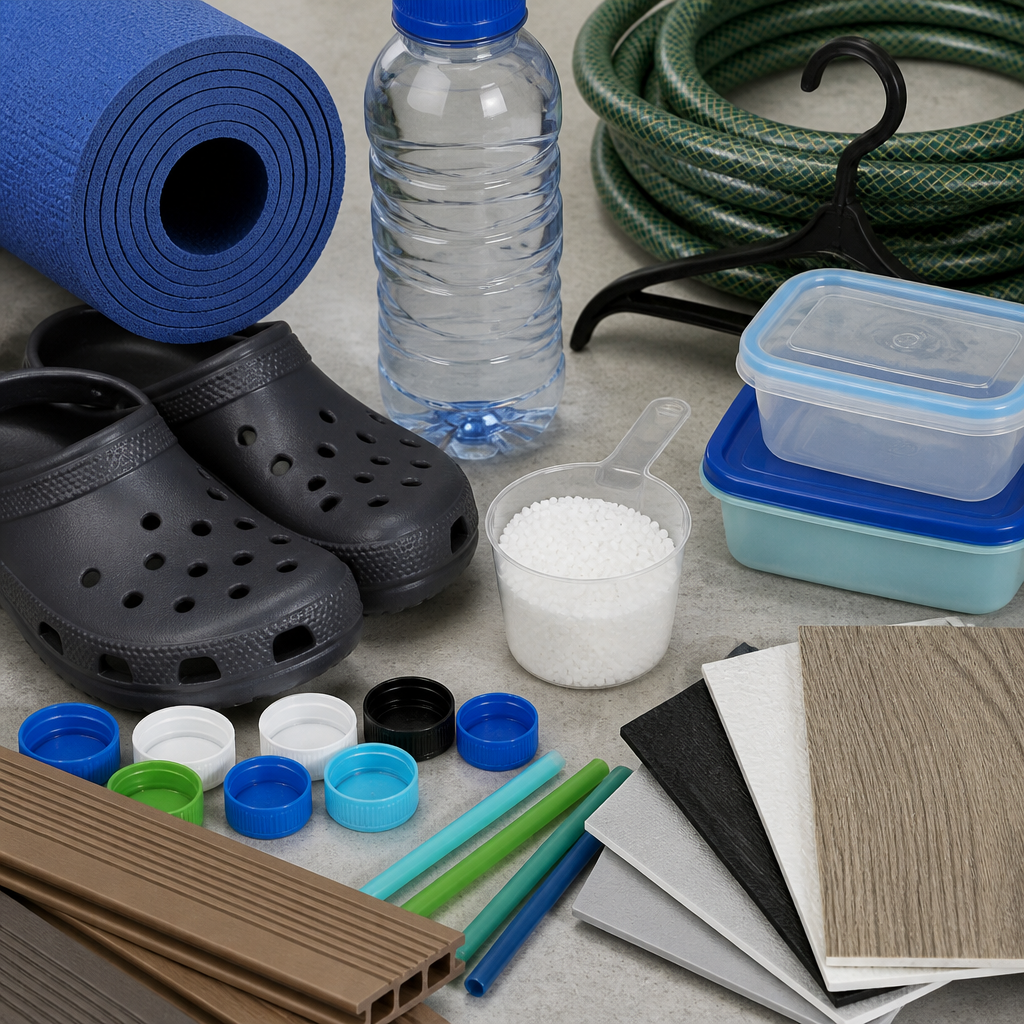
Polymers shape modern life so completely that most people use dozens of them before breakfast. The term polymer refers to a material made of long chains of repeating molecular units, engineered or naturally formed to deliver properties such as flexibility, strength, insulation, transparency, chemical resistance, or elasticity. In everyday products, polymers appear as plastics, rubbers, fibers, coatings, adhesives, foams, and films. They are in toothbrush bristles, food packaging, phone cases, running shoes, paint, diapers, eyeglass lenses, kitchen tools, water pipes, and medical masks. When people ask how polymers are enhancing everyday products, the practical answer is simple: they let manufacturers tune performance with unusual precision while controlling cost, weight, durability, and safety.
I have worked with product teams evaluating materials for packaging, consumer goods, and household components, and polymers consistently win where metals, glass, paper, or ceramics alone fall short. A polypropylene food container survives repeated opening and closing because its living hinge can flex thousands of times. A polyurethane foam cushion returns comfort at low weight. A polyethylene detergent bottle resists moisture and impact during shipping. These are not minor conveniences. They affect product lifespan, transportation efficiency, hygiene, usability, and environmental impact. Understanding polymers in daily life matters because consumers increasingly want products that perform better, waste less, and fit a circular economy. The most useful way to look at the subject is by function: how polymers improve packaging, clothing, health, electronics, homes, and sustainable design.
Why polymers work so well in consumer products
Polymers are valuable because their molecular architecture can be adjusted to match a job. Chain length, branching, crystallinity, additives, fillers, and processing methods all influence final behavior. High-density polyethylene, for example, has a more linear structure than low-density polyethylene, so it packs more tightly and delivers greater stiffness and chemical resistance. That is why HDPE is common in milk jugs, detergent bottles, and cutting boards, while LDPE is favored for squeeze bottles and films. The same family of chemistry can therefore serve very different applications.
Manufacturing flexibility is another major advantage. Injection molding, extrusion, blow molding, thermoforming, rotational molding, calendaring, and fiber spinning allow companies to make intricate parts quickly and consistently. A toothbrush handle can combine rigid polypropylene with a soft thermoplastic elastomer grip in a single assembly. Automotive interior panels can integrate clips, textures, and airflow channels without secondary machining. Compared with metal fabrication, many polymer processes reduce part count, weight, and assembly labor. That translates into lower energy use in transport and lower cost per unit at scale.
Polymers also help designers solve conflicting requirements. A product may need to be light yet tough, soft yet tear resistant, transparent yet impact resistant, or disposable yet hygienic. Polycarbonate face shields are a good example. Glass offers clarity but shatters and weighs more. Polycarbonate provides transparency with far higher impact strength, making it practical for safety equipment, appliance covers, and reusable drinkware. In my experience, the material decision often comes down to tradeoffs, and polymers give the widest menu of performance options when those tradeoffs are evaluated systematically.
Packaging, food safety, and shelf life
Packaging is one of the clearest examples of polymers enhancing everyday products. Without polymer films, bottles, trays, caps, and seals, modern food distribution would be far less efficient. Polyethylene terephthalate, or PET, is widely used for beverage bottles because it is clear, lightweight, and has good gas barrier performance for many drinks. Polypropylene works well for yogurt cups and microwaveable containers because it withstands heat better than many alternatives. Multilayer films can combine polyethylene for sealability, nylon for puncture resistance, and ethylene vinyl alcohol for oxygen barrier properties. Each layer contributes a specific function that extends freshness and reduces spoilage.
That shelf-life improvement has direct social value. The Food and Agriculture Organization has long noted that significant portions of food are lost between production and consumption. Better packaging lowers that loss by managing moisture transfer, oxygen exposure, contamination, and mechanical damage. A bag of salad leaves lasts longer when the film balance supports the right gas exchange. Meat trays rely on absorbent layers and barrier films to keep presentation acceptable and bacterial risk controlled. Child-resistant closures on pharmaceuticals and tamper-evident bands on beverages are also polymer-enabled safety features that consumers now take for granted.
| Product area | Common polymer | Main enhancement | Everyday example |
|---|---|---|---|
| Beverage packaging | PET | Clarity, low weight, impact resistance | Water and soft drink bottles |
| Food containers | Polypropylene | Heat resistance, hinge durability | Microwave meal trays, lunch boxes |
| Flexible films | LDPE | Sealability, flexibility, moisture barrier | Bread bags, frozen food liners |
| Cushioning | Expanded polystyrene | Shock absorption, insulation | Protective shipping inserts |
| Health packaging | PVC or multilayer laminates | Visibility, barrier control, sterility support | Blister packs for tablets |
Packaging is also where criticism of polymers is most justified, because short-use items can create waste quickly. The answer is not to ignore performance benefits but to improve design choices. Mono-material packs are easier to recycle than complex laminates. Refill pouches can cut plastic use when paired with durable primary containers. Recycled PET in bottles, where collection systems support it, reduces demand for virgin resin. The most responsible packaging programs focus on fit-for-purpose design, collection infrastructure, and clear labeling rather than assuming every polymer application is inherently good or bad.
Textiles, comfort, and personal care
Polymers have transformed clothing and personal care by improving comfort, fit, wash durability, and moisture management. Polyester remains one of the most important fibers in daily life because it resists wrinkling, dries quickly, and holds shape well. Nylon adds abrasion resistance in hosiery, outerwear, backpacks, and carpets. Elastane, often sold under brand names such as Lycra, gives stretch and recovery to sportswear, underwear, and denim. When blended correctly, these fibers outperform many single-material natural fabrics in demanding use conditions.
Consumers feel these benefits directly. A running shirt made with polyester microfibers wicks sweat and dries faster than cotton, reducing chafing during exercise. A rain jacket with a polyurethane or fluoropolymer-based membrane can block liquid water while allowing some water vapor to escape, improving weather protection and comfort. Shoe midsoles based on EVA or thermoplastic polyurethane provide energy return and cushioning that older rubber constructions struggled to match. In product testing, these differences show up in measurable properties such as air permeability, hydrostatic head, compression set, and abrasion cycles, not just marketing claims.
Personal care products also rely heavily on polymers. Disposable diapers use superabsorbent polymers, commonly crosslinked sodium polyacrylate, to lock in many times their weight in liquid and keep skin drier. Toothbrushes use nylon bristles because they are resilient and hygienic. Hair styling products often depend on film-forming polymers to hold shape under humidity. Contact lenses made from hydrogel or silicone hydrogel materials balance oxygen transmission, flexibility, and comfort. These products improve hygiene and quality of life in ways that are easy to overlook precisely because they work so reliably.
Home, electronics, and safer daily use
In homes and offices, polymers improve safety, convenience, and energy efficiency. Wire insulation made from PVC, cross-linked polyethylene, or other specialized compounds prevents electrical shorts and protects users from shock. Refrigerator liners, appliance housings, and vacuum cleaner bodies often use ABS or polypropylene because these materials combine impact strength with moldability and an attractive surface finish. Silicone sealants around kitchens and bathrooms resist moisture and temperature swings better than many rigid materials, helping prevent leaks and mold-prone gaps.
Consumer electronics are another strong case. Smartphone housings, connectors, cable jackets, display layers, and battery pack components all depend on engineered polymers. Polycarbonate blends can survive drops better than brittle materials. Liquid crystal polymer is used in some high-performance connectors because it offers dimensional stability and heat resistance in tight spaces. Epoxy resins protect printed circuit boards and support adhesion in layered assemblies. The average user may see only a sleek device, but underneath is a carefully selected set of polymers managing impact, heat, dielectric behavior, and tactile feel.
Medical and hygiene uses bring an additional dimension: cleanability and controlled disposability. Syringes, tubing, IV bags, specimen containers, and many forms of PPE rely on polymers because they can be sterilized, mass produced, and designed for single-patient safety where appropriate. During the pandemic, polypropylene nonwoven fabrics became widely recognized as the filtration backbone of many masks. In household cleaning, melamine foam, microfiber cloths, and trigger sprayers all show how polymers can make routine tasks more effective with less water or chemical use. Better daily products often come from small material decisions repeated millions of times.
Sustainability, recycling, and the next generation of polymers
The future of polymers in daily life depends on using them more intelligently, not less thoughtfully. Durable polymers can lower environmental burdens when they reduce transport weight, food waste, breakage, and energy consumption over a product’s life cycle. Lightweight polymer components in appliances and vehicles can improve efficiency. High-performance insulation foams can reduce heating and cooling demand in buildings. Reusable storage containers can displace many short-life alternatives. These gains are real, but they must be weighed against feedstock sourcing, end-of-life recovery, additive toxicity, and litter risks.
Recycling remains uneven across regions and resin types. PET and HDPE typically have the strongest household recycling pathways, while flexible films and multilayer structures are more challenging. Chemical recycling technologies such as depolymerization and pyrolysis are advancing, but they are not universal solutions and must be judged by yield, contamination tolerance, and energy balance. Bio-based polymers such as polylactic acid can help in selected applications, yet compostability claims only matter where industrial composting systems exist. In other words, material innovation works best when matched to realistic infrastructure.
For businesses developing innovative products and solutions, the practical path is clear. Choose polymers based on verified performance requirements, simplify material combinations where possible, design for repair or recyclability, and document compliance with standards such as FDA food-contact rules, REACH, or relevant ASTM and ISO methods. Consumers can help by learning basic resin categories, prioritizing durable well-designed goods, and following local disposal guidance. Polymers in daily life are not a passing trend. They are foundational materials that keep products lighter, safer, cleaner, and more functional. The opportunity now is to demand better polymer choices from brands and better systems from the markets that serve them. Start by reviewing the products you use most often and noticing which material decisions genuinely improve everyday life.
Frequently Asked Questions
1. What are polymers, and why are they so common in everyday products?
Polymers are materials made from long chains of repeating molecular building blocks, and that structure is what gives them such a wide range of useful properties. Depending on how those chains are designed, a polymer can be lightweight, rigid, flexible, transparent, impact-resistant, heat-resistant, waterproof, elastic, or electrically insulating. That versatility is the main reason polymers are found in so many everyday items. They can be engineered to perform very specific jobs while also being cost-effective to manufacture at scale.
In daily life, polymers appear in many forms, including plastics, synthetic rubbers, fibers, foams, films, coatings, and adhesives. They are used in products such as food packaging, toothbrush bristles, shoe soles, phone cases, furniture finishes, kitchen utensils, medical supplies, and clothing. Many products rely on polymers not just for convenience, but for performance and safety. For example, packaging polymers help preserve freshness, polymer insulation improves electrical safety, and polymer coatings protect surfaces from wear and corrosion. In short, polymers are common because they solve practical problems in efficient, durable, and adaptable ways.
2. How do polymers improve the performance of common household items?
Polymers enhance household products by giving manufacturers precise control over how a product feels, functions, and lasts over time. A polymer can be formulated to resist cracking, absorb impact, repel water, stay flexible in changing temperatures, or maintain a smooth and hygienic surface. That means everyday items can be made lighter, stronger, safer, and more comfortable to use. A phone case, for instance, may use a shock-absorbing polymer to help protect the device from drops, while a storage container may use a food-safe polymer chosen for clarity, toughness, and chemical resistance.
They also help improve convenience in less obvious ways. Toothbrush bristles made from polymer fibers can be soft yet durable. Nonstick and protective coatings on appliances and cookware often rely on polymer chemistry to resist stains and simplify cleaning. Foamed polymers in cushions and mattresses provide support while reducing weight. Adhesive polymers make labels, tapes, and assembled products more reliable. Even products that seem simple often depend on multiple polymers working together, each selected for a specific role. This ability to tailor performance is what makes polymers such an important part of product design.
3. Why are polymers especially important in packaging and food storage?
Polymers play a major role in packaging because they combine protection, flexibility, and efficiency in ways that few other materials can match. Packaging polymers can create barriers against moisture, oxygen, grease, and contaminants, helping food stay fresher for longer and reducing spoilage. Some are chosen for transparency so consumers can see the product, while others are selected for toughness to prevent tearing or punctures during transport. Lightweight polymer packaging also lowers shipping weight, which can improve handling and reduce transportation costs.
In food storage, polymers are valuable because many are durable, resealable, and resistant to staining or cracking. They can be molded into rigid containers, flexible wraps, bottle liners, pouches, and protective films. Different packaging needs call for different polymer properties, so manufacturers often select materials based on how well they preserve flavor, protect texture, or withstand refrigeration and handling. In many cases, polymer packaging improves food safety by limiting exposure to air and contaminants. While packaging is often discussed in terms of convenience, its bigger contribution is preserving product quality and helping reduce waste throughout the supply chain and at home.
4. Are polymers only synthetic plastics, or do they include other materials too?
No, polymers are not limited to synthetic plastics. The term polymer describes a broad class of materials defined by molecular structure, not by whether they are natural or man-made. Natural polymers include substances such as cellulose in plants, natural rubber, silk, wool, and proteins. Synthetic polymers include many familiar materials used in consumer goods, such as polyethylene, nylon, polyester, polyurethane, and silicone. This broader definition is important because it shows just how fundamental polymer science is to both nature and modern manufacturing.
In everyday products, people often use the word “plastic” as a catch-all term, but many polymer-based materials behave very differently from one another. A stretchy rubber seal, a breathable performance fabric, a durable paint coating, and a soft foam cushion may all be polymer-based, yet they serve completely different functions. What connects them is the ability of polymer chemistry to tune properties at the molecular level. By adjusting chain length, structure, additives, or processing methods, manufacturers can create materials that feel soft or hard, remain clear or opaque, resist chemicals, or handle repeated stress. That is why polymers should be understood as a highly diverse family of materials rather than a single category.
5. How are polymers helping make modern products more durable, efficient, and sustainable?
Polymers contribute to durability by resisting wear, moisture, corrosion, and repeated mechanical stress. Compared with heavier traditional materials in some applications, polymer-based components can reduce product weight without sacrificing performance. That matters in everything from household tools to electronics and transportation-related goods, where lighter materials can improve efficiency and ease of use. Polymers also extend product life by protecting surfaces and internal components. Coatings, sealants, and engineered housings help products withstand impact, weather, and chemical exposure, which reduces the need for frequent replacement.
From a sustainability perspective, polymers can support better outcomes when they are designed, selected, and managed responsibly. Their light weight can reduce shipping emissions, and their protective role in packaging can help cut product loss and food waste. Advances in polymer technology are also leading to improved recyclability, increased use of recycled content, and the development of bio-based or specialized materials for targeted applications. The key point is that polymers are increasingly being engineered not just for performance, but for lifecycle considerations as well. When used thoughtfully, they can help create products that are longer-lasting, more resource-efficient, and better aligned with modern environmental goals.