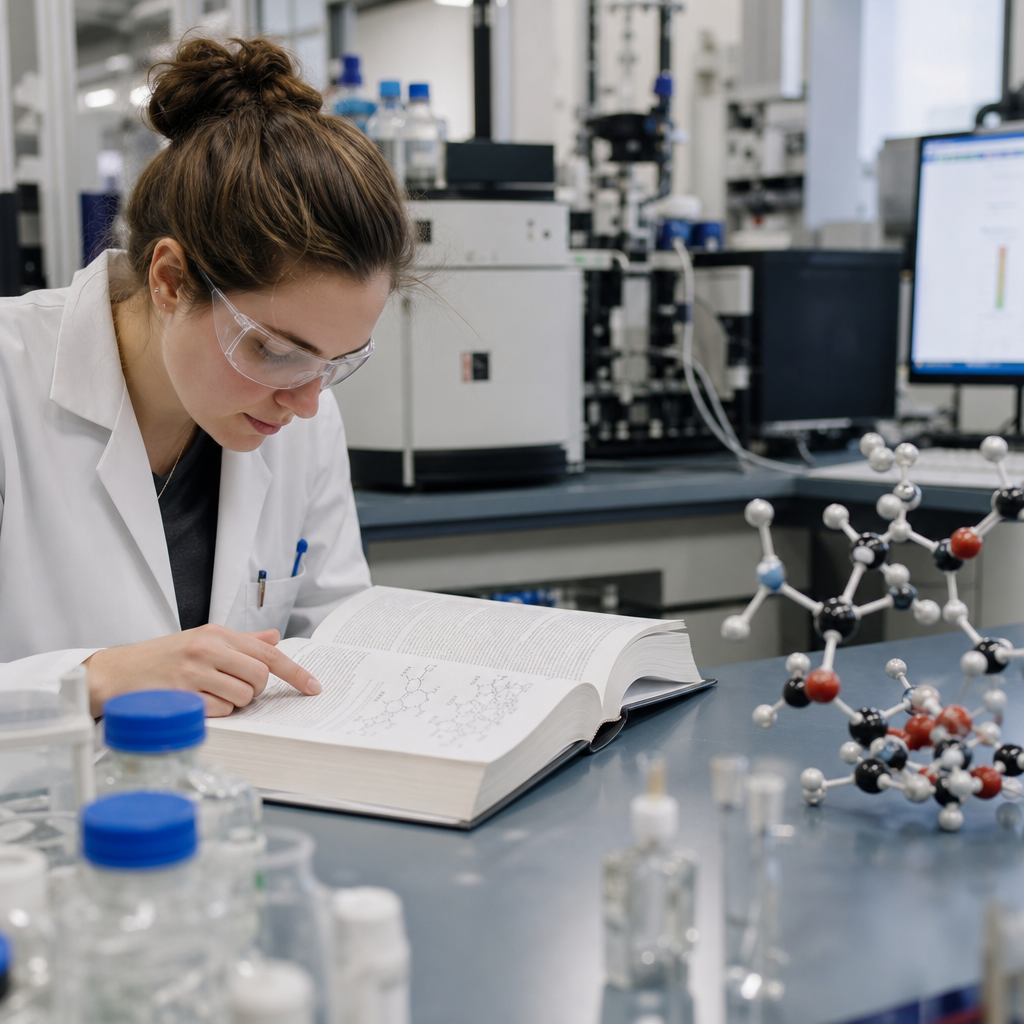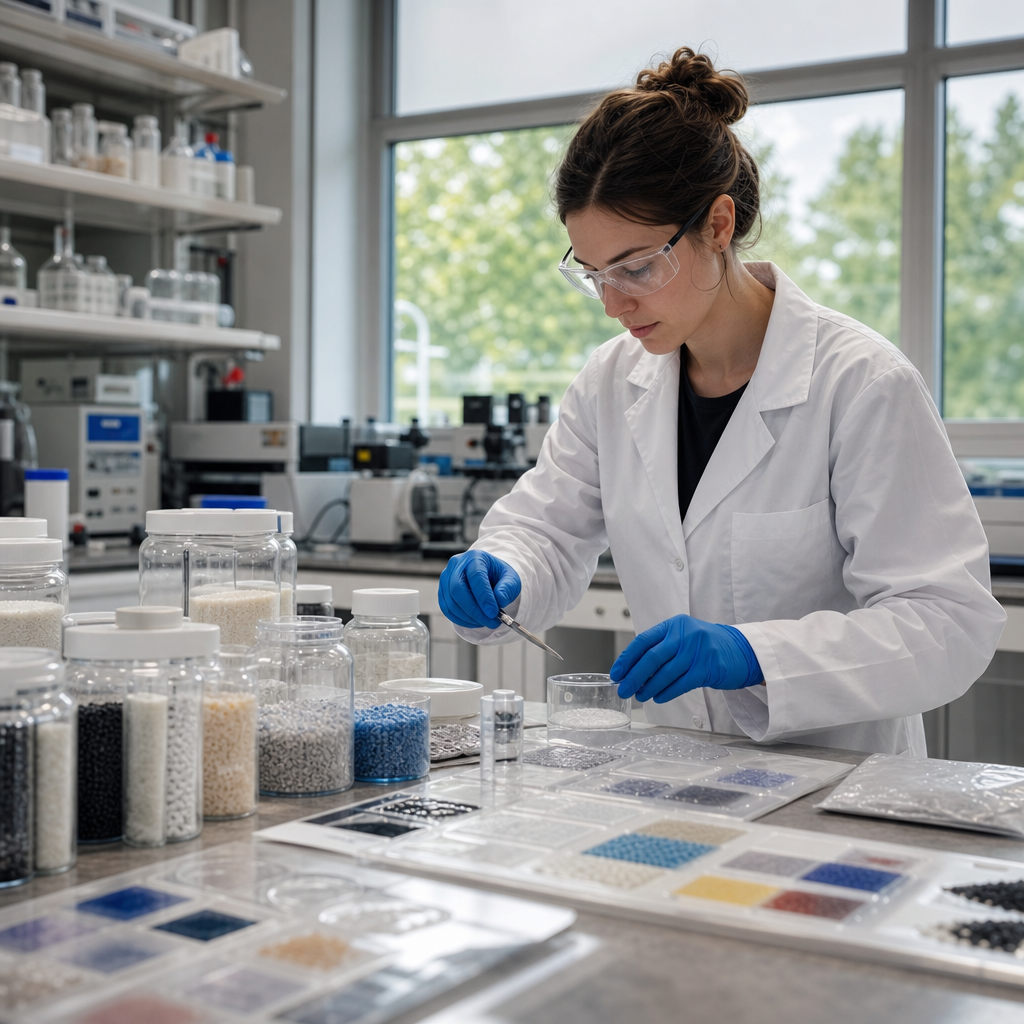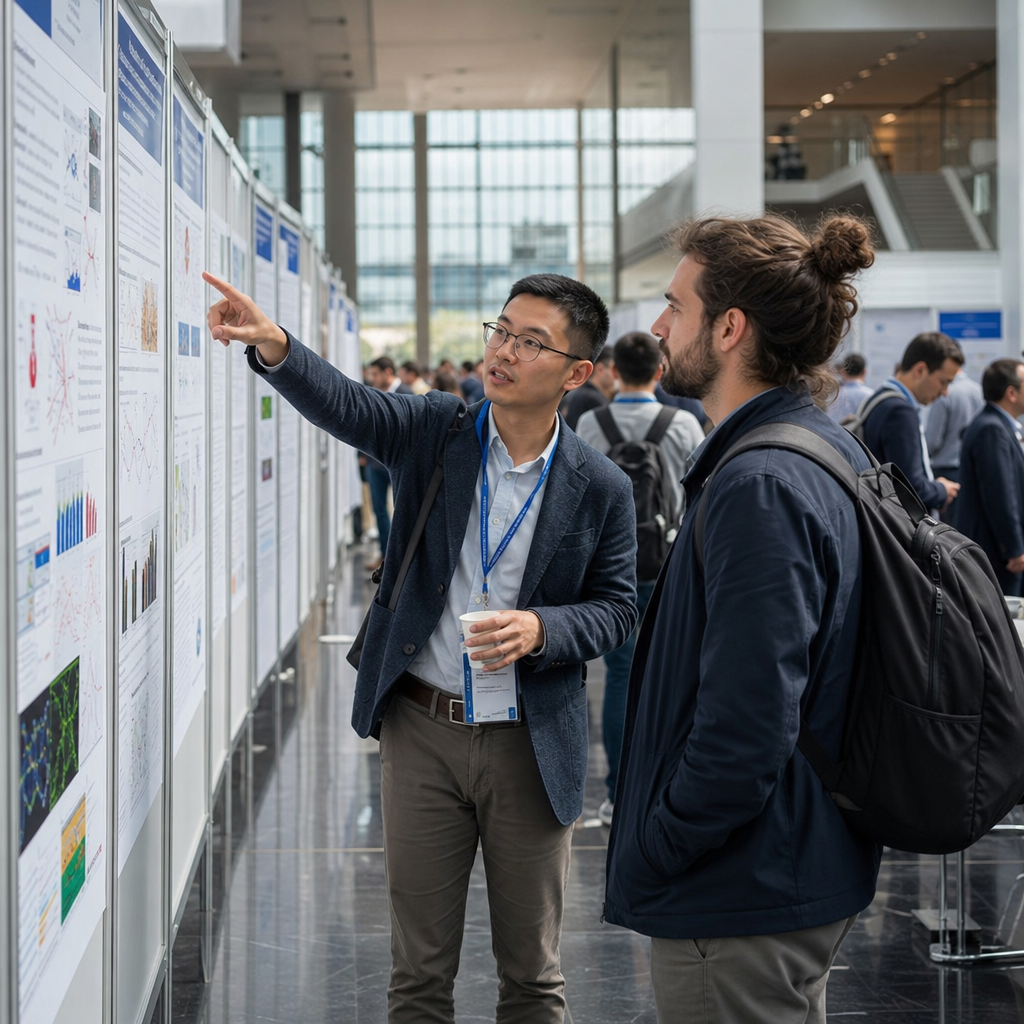
International polymer science conferences connect researchers, engineers, students, suppliers, and manufacturers around the shared goal of understanding and applying macromolecular materials. In practice, these events are where new polymer chemistry is debated, analytical methods are compared, processing challenges are solved, and professional networks are built. A conference may focus on basic research such as controlled radical polymerization, biomaterials, rheology, or sustainable plastics, while a workshop usually concentrates on practical training, instrumentation, or a narrow technical skill. Together, conferences and workshops form the most useful educational pathway for anyone who wants to stay current in polymer science.
Polymer science itself covers the synthesis, structure, properties, processing, and end use of materials made from repeating molecular units. That broad scope means no single event can cover every topic well. Over the years, I have seen attendees waste time and budget by registering for a large general meeting when they really needed a short course on thermal analysis, extrusion troubleshooting, or spectroscopy. The best conference strategy starts with understanding the event format, audience, technical depth, and expected outcomes before spending money on registration, travel, and exhibition time.
This guide explains how international polymer science conferences work, which formats deliver the most value, how to evaluate major meetings, and how to choose workshops that support real learning. It also serves as a hub for the wider conferences and workshops topic within educational resources, so it is designed to answer foundational questions clearly. If you are deciding whether to attend, present, sponsor, or organize participation for a team, the sections below will help you match conference choices to research goals, career stage, and business needs.
What international polymer science conferences include
International polymer science conferences usually combine several layers of activity. The core is the technical program: plenary lectures, keynote talks, parallel sessions, poster presentations, and panel discussions. Around that core are short courses, exhibitor halls, networking receptions, student competitions, and site visits. In polymer-focused events, the program often spans polymerization methods, structure-property relationships, characterization, formulation, compounding, processing, recycling, and regulatory issues. Major organizations such as the American Chemical Society, IUPAC-linked groups, the Society of Plastics Engineers, the European Polymer Federation, and the Materials Research Society frequently shape agendas or host related meetings.
A useful distinction is conference versus workshop. A conference is optimized for exposure to a broad set of current findings. You hear what multiple laboratories or companies are doing, compare trends, and identify collaborators. A workshop is optimized for skill transfer. For example, a workshop on differential scanning calorimetry, gel permeation chromatography, atomic force microscopy, or design of experiments can change how a lab operates the following week. Conferences answer, “What is changing in the field?” Workshops answer, “How do I do this correctly and efficiently?” The best educational plans combine both.
International meetings matter because polymer science is global by necessity. Feedstocks, additive packages, processing equipment, regulations, and market demand all vary across regions. A researcher working on biodegradable polyesters in Europe may face different certification pressures than a packaging engineer in North America or a recycling startup in Asia. Conferences bring those regional realities into the same room. That creates faster learning than reading isolated papers because presenters explain why a method worked, where it failed, and what constraints shaped the result.
Major conference formats and who benefits most
The first format is the large multidisciplinary annual meeting. These events can attract thousands of delegates and hundreds of talks. They are ideal for scanning the landscape, recruiting talent, meeting instrument vendors, and understanding where funding attention is moving. Students and early-career researchers benefit from the breadth, but they need a schedule because parallel sessions can dilute focus. If your goal is one precise technical answer, a giant meeting may be less efficient than a specialist workshop.
The second format is the specialized symposium. Examples include meetings centered on polymer nanocomposites, membrane materials, additive manufacturing, biomedical polymers, elastomers, coatings, or recycling technologies. These symposia usually deliver denser conversations and better question periods because attendees share vocabulary and methods. When I have needed practical insight on crystallization behavior, compatibilization, or viscoelastic processing windows, smaller specialist meetings produced more actionable takeaways than broad events.
The third format is the training workshop or short course. These may run half a day to several days and often sit alongside a larger conference. Good workshops include method validation, sample preparation, data interpretation, troubleshooting, and safety. In polymer science, that can mean learning rheometry protocols, DMA best practice, failure analysis, finite element support for polymer components, or statistical process control in extrusion. Engineers, technicians, and industrial scientists often get the fastest return from these formats because they leave with procedures they can apply immediately.
The fourth format is the industry exhibition conference. Here, technical content is combined with machinery demonstrations, resins, additives, software, and analytical instruments. These events are valuable for processors, compounders, and procurement teams because they compress supplier discovery into a few days. If a team is comparing twin-screw extruders, torque rheometers, filtration systems, spectrometers, or simulation software, the exhibition floor can be as important as the lecture hall.
How to evaluate a polymer conference before registering
The easiest way to judge a conference is to start with the program archive from previous years. Look at the ratio of academic to industrial speakers, the presence of poster sessions, the balance between fundamentals and applications, and the names of sponsoring societies. Strong events publish detailed abstracts, session themes, and speaker affiliations early. If the agenda is vague, the event may be more promotional than educational. I also check whether organizers include standard topics such as rheology, thermal analysis, spectroscopy, processing, sustainability, and structure-property characterization, because those indicate a serious polymer audience.
Next, evaluate learning outcomes against your role. A doctoral student often needs presentation experience, feedback on methods, and exposure to hiring labs. A principal investigator may prioritize collaborations and funding visibility. An industrial R&D manager may care more about scale-up, intellectual property positioning, additives, processing economics, and regulatory direction. The same conference can be excellent for one attendee and a poor fit for another. Clarity on objectives prevents disappointment.
Budget matters more than many teams admit. Registration fees, flights, hotels, poster printing, visa costs, and time away from the lab add up quickly. The right question is not whether a conference is prestigious, but whether it will create measurable value. That value can include a publishable collaboration, validated test method, supplier shortlist, job lead, or improved process capability. For team planning, use a simple scoring model.
| Criterion | What to check | Why it matters |
|---|---|---|
| Technical fit | Session topics, abstract depth, speaker expertise | Prevents paying for content outside your needs |
| Audience quality | Academic, industrial, student, vendor balance | Shapes networking and discussion value |
| Practical relevance | Workshops, case studies, instrumentation access | Improves immediate application after the event |
| Cost efficiency | Total travel and time costs versus outcomes | Supports realistic budgeting and approvals |
| Global reach | International speakers, regional diversity, visa access | Expands perspective beyond local practices |
Core topics commonly covered in conferences and workshops
Most international polymer science conferences organize content around a predictable set of technical pillars. Polymer synthesis remains central, including step-growth polymerization, chain-growth polymerization, ring-opening methods, living and controlled polymerization, and catalyst design. Characterization is another pillar, typically involving NMR, FTIR, Raman spectroscopy, DSC, TGA, DMA, GPC or SEC, X-ray scattering, electron microscopy, and rheology. Processing sessions often focus on extrusion, injection molding, blow molding, fiber spinning, film formation, and additive manufacturing.
Sustainability now appears across nearly every serious event. That includes mechanical recycling, chemical recycling, bio-based monomers, compostability standards, life cycle assessment, and design for circularity. The strongest conferences avoid treating sustainability as a marketing theme and instead examine contamination, molecular weight loss, compatibilization, collection limits, and real infrastructure constraints. Sessions on PFAS restrictions, food-contact compliance, REACH, and evolving packaging rules also matter because polymer innovation increasingly succeeds or fails on regulatory practicality.
Application-driven tracks are equally important. Biomedical polymer meetings cover drug delivery, hydrogels, tissue engineering scaffolds, and sterilization stability. Electronics tracks explore dielectric materials, flexible substrates, encapsulants, and thermal management. Energy sessions often address membranes for fuel cells, battery binders, separators, and lightweight composite structures. For industry attendees, application tracks are often more useful than pure synthesis talks because they connect formulations and processing choices directly to performance targets.
How students, researchers, and industry teams should prepare
Preparation begins weeks before departure. Read abstracts, identify ten priority sessions, and contact people you want to meet. If you are presenting a poster, prepare a two-minute explanation, a five-minute technical version, and one clear statement of why the work matters. For oral presentations, show methods transparently. In polymer science, audiences quickly notice missing molecular weight data, incomplete thermal history, poor control experiments, or unsupported claims about recyclability and biodegradability. Strong preparation builds credibility fast.
Students should treat conferences as training environments, not just résumé lines. Ask specific questions after talks, attend career sessions, and spend time at posters because that is where detailed method discussions happen. Researchers should use conferences to pressure-test hypotheses before journal submission. Industry teams should divide coverage deliberately: one person for technical sessions, one for workshops, one for supplier meetings, and one for competitor intelligence visible through public presentations and product launches.
After the conference, capture value within one week. I recommend a short internal debrief listing useful contacts, techniques worth testing, papers to read, and supplier follow-ups. Without that step, even excellent events become expensive memory. Workshops especially need post-event action: update standard operating procedures, compare new methods with existing ones, and document whether the training improved repeatability, throughput, or failure diagnosis.
Choosing the right event for your goals
The best international polymer science conference depends on your goal, not on brand recognition alone. If you need broad exposure and networking, choose a major annual meeting with diverse tracks. If you need a deep answer on a niche topic such as self-healing polymers or barrier coatings, choose a specialist symposium. If your lab struggles with inconsistent data from rheology or thermal analysis, a hands-on workshop will outperform a lecture-heavy conference. For processors evaluating materials and equipment together, an exhibition-centered event may provide the fastest commercial insight.
As the hub page for conferences and workshops, this guide should help you make better decisions across the full educational resources category. Start with your objective, verify program quality, and match the event format to the outcome you need. International conferences reward preparation, active participation, and disciplined follow-up. Choose carefully, attend with purpose, and turn each meeting into better science, better process decisions, and a stronger professional network.
Frequently Asked Questions
What are international polymer science conferences, and why are they important?
International polymer science conferences are professional meetings where specialists from across the global polymer community come together to share research, discuss technical problems, and explore practical applications of macromolecular materials. These events typically bring together academic researchers, industrial scientists, engineers, graduate students, equipment suppliers, manufacturers, and policy or sustainability experts. Depending on the scope of the event, the program may cover foundational polymer chemistry, materials design, rheology, characterization methods, processing technology, biomaterials, composites, recycling, sustainable plastics, and emerging manufacturing techniques.
They are important because they serve as one of the fastest ways for new ideas to move from the laboratory to broader scientific and industrial use. At a strong conference, attendees do more than listen to presentations. They compare analytical methods, debate mechanisms in polymerization, assess competing processing strategies, learn about new instrumentation, and identify opportunities for collaboration. In polymer science especially, where progress often depends on connecting chemistry, structure, performance, and scale-up, these conferences create a space where different specialties can inform one another in real time. For students and early-career professionals, they also provide direct access to mentors, hiring managers, and leading research groups that may be difficult to reach otherwise.
Who should attend an international polymer science conference?
These conferences are valuable for a wide range of attendees, not just senior researchers. Faculty members and principal investigators attend to present findings, build collaborations, and stay current on rapidly developing areas such as controlled radical polymerization, self-assembled systems, high-performance elastomers, bio-based polymers, and circular materials strategies. Industrial scientists and process engineers often attend to identify research with commercial relevance, evaluate testing methods, troubleshoot manufacturing challenges, and connect with suppliers of resins, additives, compounding systems, analytical tools, and processing equipment.
Graduate students, postdoctoral researchers, and even advanced undergraduates can gain an enormous advantage from attending. A conference helps them understand where their work fits within the broader field, sharpen how they communicate technical results, and discover what topics are drawing the most attention internationally. It is also one of the best places to learn the unwritten expectations of the profession, from how researchers frame scientific questions to how companies evaluate innovation. In addition, professionals working adjacent to polymer science, including those in medical devices, packaging, coatings, adhesives, energy storage, textiles, and sustainability policy, can benefit because polymers influence so many industries. If your work touches materials design, characterization, processing, durability, or end-of-life performance, a polymer conference is likely relevant.
What topics are usually covered at international polymer science conferences?
The subject matter can be extremely broad, but most international polymer science conferences are organized around a mix of core scientific themes and application-driven sessions. On the fundamental side, programs often include polymer synthesis, reaction mechanisms, controlled and living polymerization, copolymer architecture, polymer physics, crystallization, rheology, viscoelasticity, and structure-property relationships. Characterization is also a major area, with sessions devoted to spectroscopy, chromatography, thermal analysis, microscopy, scattering techniques, mechanical testing, and surface analysis. These topics help attendees understand how molecular design translates into measurable material behavior.
Application-oriented sessions commonly focus on biomaterials, drug delivery polymers, membranes, coatings, adhesives, fibers, composites, electronic and photonic polymers, packaging materials, 3D printing feedstocks, and high-performance engineering plastics. Increasingly, sustainability is a central track rather than a side topic. That means attendees can expect discussions on recycling technologies, degradable polymers, bio-based feedstocks, life-cycle thinking, regulatory pressures, and strategies for designing materials for circularity. Many conferences also include supplier exhibitions, poster sessions, workshops, and panel discussions that bridge research with manufacturing realities. As a result, attendees can see not only what is scientifically exciting, but also what is feasible, scalable, and commercially meaningful.
How can attendees prepare to get the most value from a polymer science conference?
Preparation makes a major difference. Before the event, it is wise to study the conference program carefully and identify the sessions, keynote lectures, posters, and exhibitors most relevant to your interests. Because large conferences often run parallel tracks, planning ahead prevents you from missing important talks in areas such as rheology, polymer processing, sustainable materials, or advanced characterization. If you are presenting, prepare a concise explanation of your work that can be understood by specialists in nearby disciplines as well as experts in your exact subfield. Polymer science is highly interdisciplinary, so the ability to explain why your chemistry, method, or processing approach matters is extremely valuable.
It also helps to set clear goals. You might want to meet potential collaborators, learn a particular analytical technique, understand industry needs, or explore graduate and postdoctoral opportunities. During the conference, take notes not only on data and methods, but also on recurring questions, unresolved technical debates, and names of people whose work overlaps with yours. Visit poster sessions and exhibitor booths with the same seriousness you bring to formal talks, because many of the most useful conversations happen in those less structured settings. After the conference, follow up promptly with new contacts, save relevant presentations or abstracts if available, and turn what you learned into action, whether that means refining an experiment, contacting a supplier, or initiating a collaboration. The real value of attending often appears in the weeks and months afterward.
How do international polymer science conferences help with career development and collaboration?
These conferences are powerful career accelerators because they combine scientific visibility with direct professional access. Presenting a talk or poster allows researchers to demonstrate not only the quality of their data, but also their ability to think critically, answer questions, and communicate across disciplines. In a field as collaborative as polymer science, that visibility matters. A well-delivered presentation can lead to invitations for joint research, discussions with industry partners, manuscript feedback, or even job opportunities. For students and early-career professionals, conferences often make the field feel more accessible by turning familiar names from journal articles into real contacts who can offer guidance, perspective, or introductions.
Collaboration grows naturally at these events because polymer problems rarely fit into a single specialty. A synthetic chemist may need input from a rheologist, a processing expert may need better characterization tools, and a manufacturer may be looking for academic partners to solve a formulation or scale-up challenge. International meetings create an environment where those connections can form quickly. They also expose attendees to global research priorities, funding trends, and regional differences in industrial needs, which can shape future project directions. Over time, repeated attendance helps professionals build a durable network of colleagues they can rely on for technical advice, benchmarking, referrals, and partnership opportunities. For anyone serious about advancing in polymer science, conferences are not just educational events; they are part of how long-term careers and influential research communities are built.