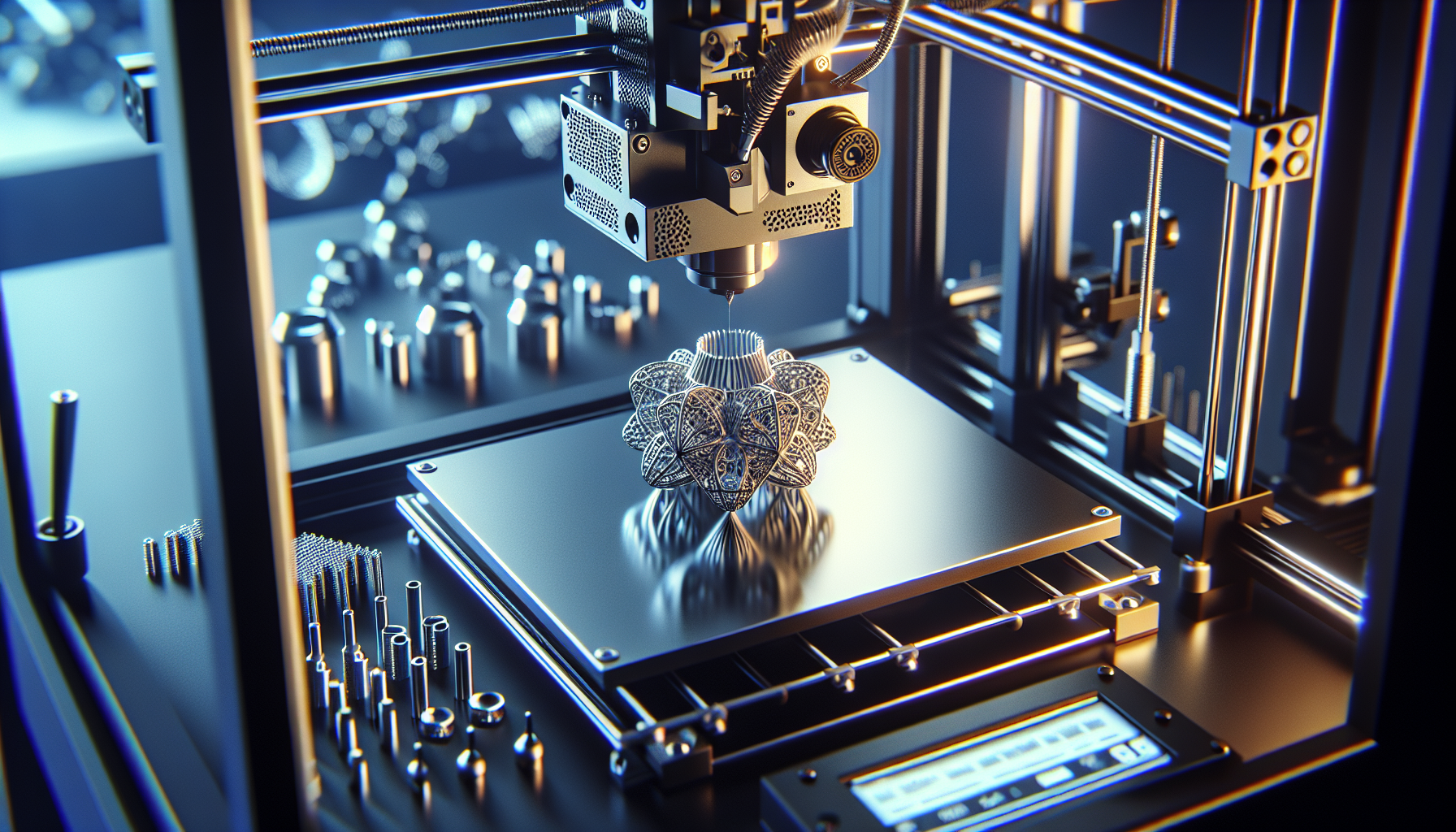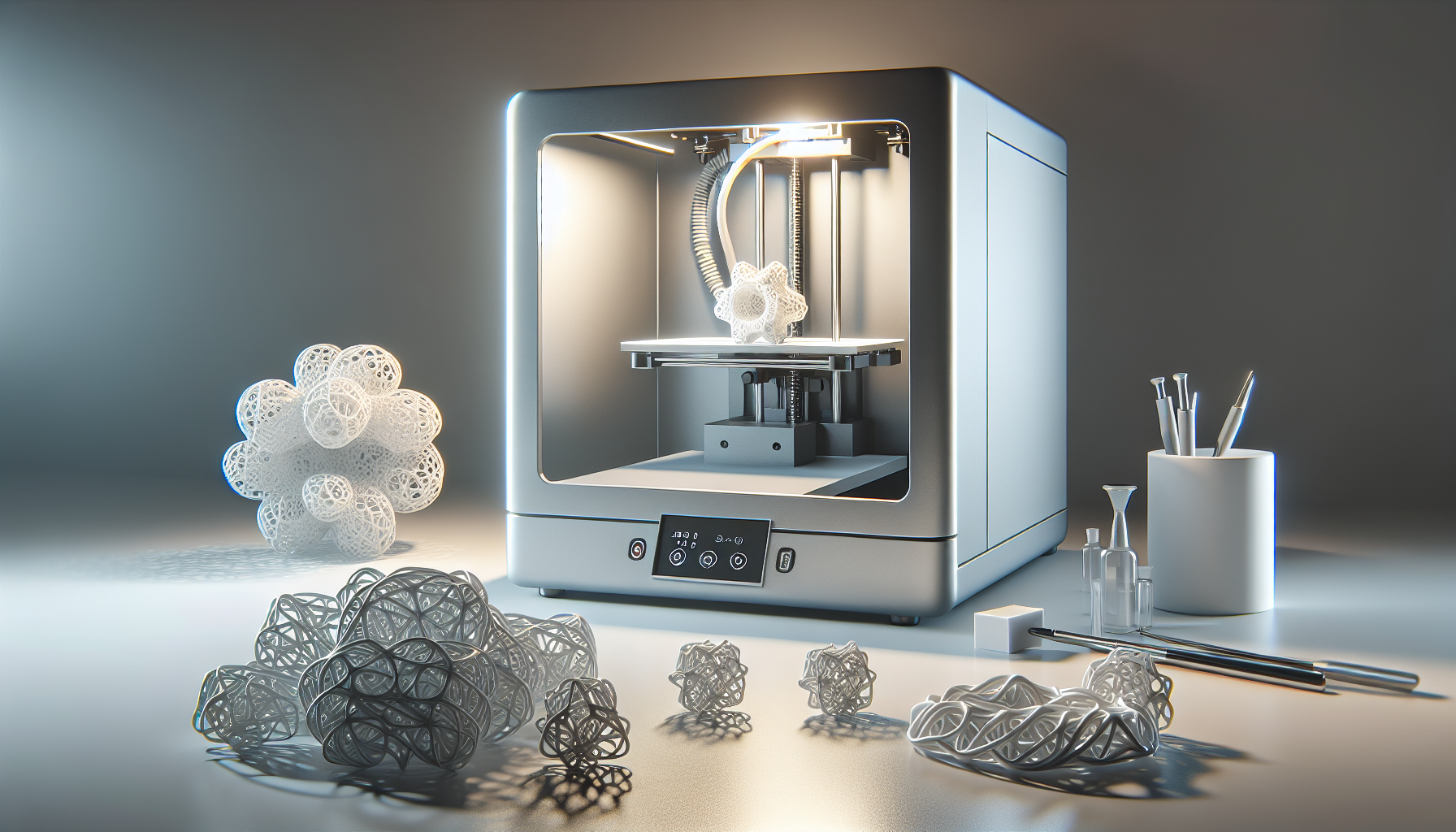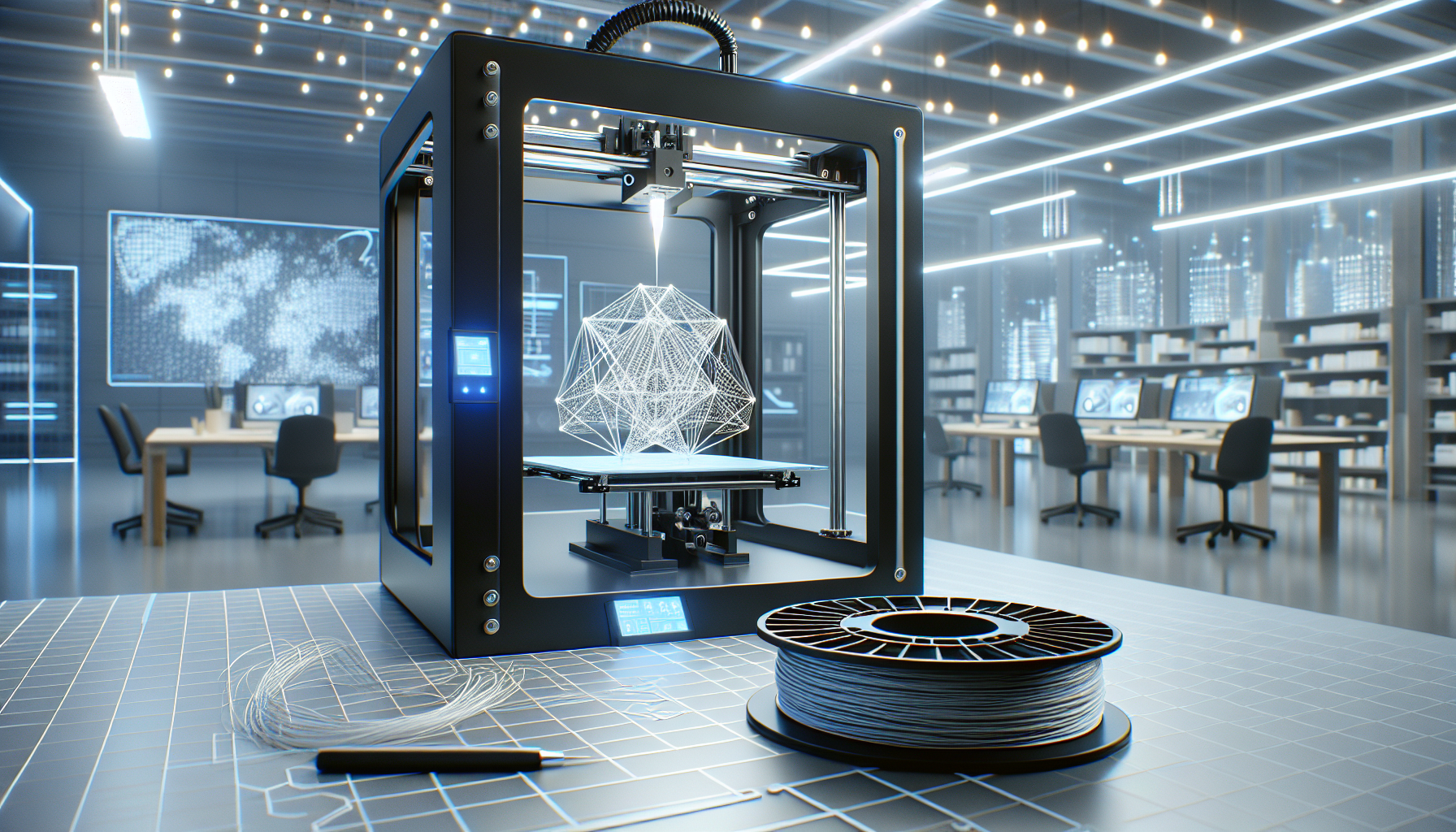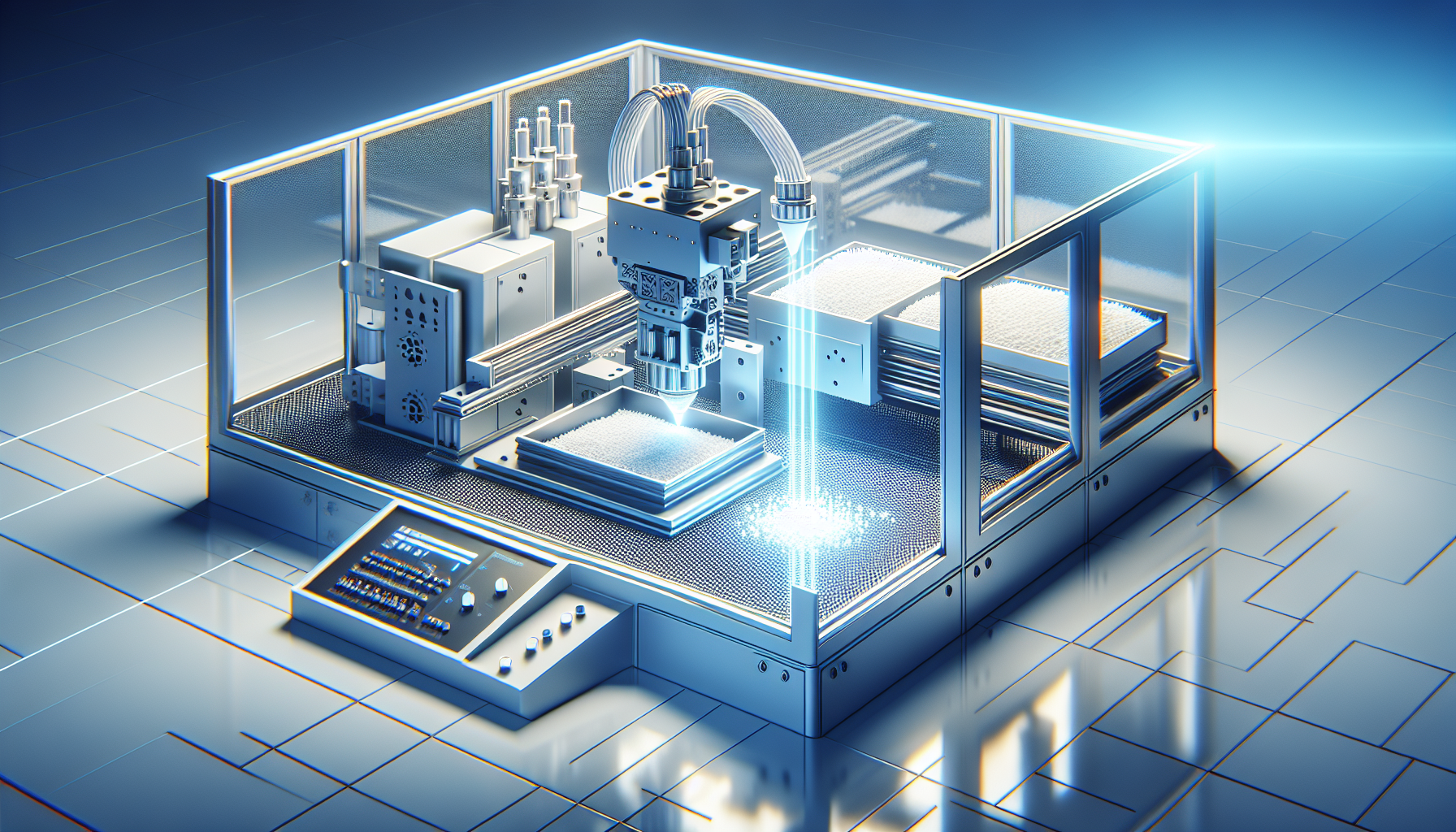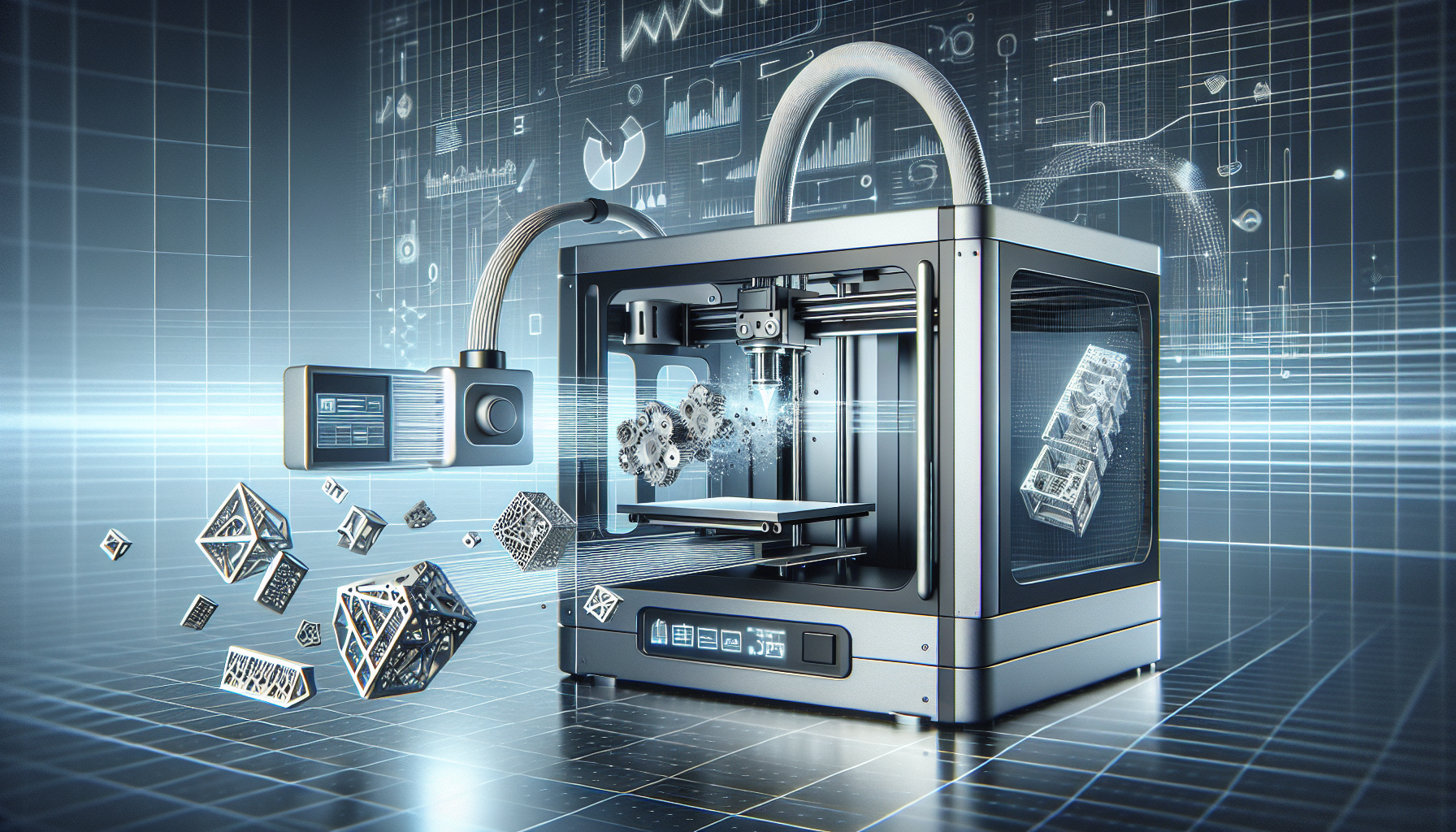
How 3D printing enhances material properties is one of the most important questions in modern manufacturing because additive manufacturing changes not only how parts are made, but also how materials perform in service. Additive manufacturing, often called 3D printing, builds components layer by layer from digital models using polymers, metals, ceramics, composites, and even bio-based feedstocks. Unlike subtractive machining, which removes material from a billet, or formative methods such as casting and forging, additive processes place material only where needed. That difference affects density, grain structure, porosity, thermal history, fiber orientation, and internal geometry, all of which influence strength, stiffness, durability, weight, and functional behavior.
In production environments I have seen 3D printing solve material problems that conventional methods could not address economically. Engineers use it to lighten aerospace brackets, tailor lattice structures for impact absorption, consolidate assemblies to reduce fasteners, and produce patient-specific implants with surfaces that encourage osseointegration. The phrase material properties refers to measurable characteristics such as tensile strength, elongation, hardness, fatigue resistance, thermal conductivity, corrosion resistance, wear behavior, and biocompatibility. The reason this topic matters is simple: a printed part is not automatically weaker or stronger than a machined or molded part. Performance depends on process selection, parameter control, post-processing, and design intent.
As a hub for additive manufacturing, this article explains the major processes, the mechanisms that change properties, the materials commonly used, the design rules that matter, and the practical tradeoffs manufacturers evaluate before adoption. It also clarifies where 3D printing clearly improves properties and where conventional routes still win. If you need a grounded understanding of how additive manufacturing affects material performance across prototyping, tooling, and end-use production, the sections below provide the framework.
What Additive Manufacturing Includes and Why Process Choice Determines Performance
Additive manufacturing is not one technology. It is a family of processes defined by how material is deposited or fused. The main industrial categories are vat photopolymerization, material extrusion, powder bed fusion, binder jetting, material jetting, directed energy deposition, and sheet lamination. Each creates a distinct microstructure and therefore distinct material properties. Process choice is the first and most important decision because it sets the baseline for accuracy, anisotropy, porosity, surface roughness, and achievable density.
For example, fused deposition modeling, more accurately called material extrusion, pushes thermoplastic filament through a heated nozzle. The resulting part properties depend heavily on interlayer adhesion, raster angle, build orientation, chamber temperature, and cooling rate. Selective laser sintering fuses polymer powder, often nylon 12, and typically produces more isotropic parts than entry-level filament printing because unfused powder supports the build and thermal gradients are different. In metal manufacturing, laser powder bed fusion can achieve densities above 99 percent when parameters are tuned, while directed energy deposition is better for large repairs and near-net-shape builds but usually delivers rougher surfaces and different residual stress profiles.
That is why asking whether 3D printing enhances material properties requires a more precise question: which process, which material, and for what load case? A lattice printed in Ti-6Al-4V for energy absorption should not be judged by the same criteria as a smooth injection-molded consumer housing. The process is inseparable from the property outcome.
How Layer-by-Layer Manufacturing Changes Microstructure and Mechanical Behavior
3D printing enhances material properties by giving engineers control over geometry and, in many cases, local microstructure. In metals, rapid melting and solidification during laser or electron beam processing can create very fine microstructures compared with cast parts. Fine grains often increase strength according to the Hall-Petch relationship, though excessive residual stress or lack-of-fusion porosity can reduce fatigue life. Heat treatment is therefore common. For printed aluminum, titanium, stainless steel, Inconel, and cobalt chrome, stress relief, hot isostatic pressing, and aging treatments are used to stabilize structure and improve consistency.
In polymers, the most significant issue is anisotropy. A tensile bar printed flat may perform very differently from one printed upright because the bond between layers is usually weaker than the material within each extruded road. However, the same layer-based nature can be used strategically. By changing infill density, shell thickness, raster orientation, and reinforcement placement, engineers can tune stiffness, impact response, and weight. Carbon-fiber-filled nylon, for instance, can deliver higher specific stiffness than standard ABS while keeping mass low, making it useful for robotic end-effectors and jigs.
Another advantage is internal architecture. Traditional manufacturing often limits designers to solid sections, drilled channels, or simple cavities. Additive manufacturing enables gyroid structures, triply periodic minimal surfaces, honeycombs, and graded infill. These structures can absorb energy, dissipate heat, or reduce weight while maintaining required rigidity. In practice, I have seen metal lattices cut bracket weight by more than 40 percent while preserving load paths defined through topology optimization. That is a property enhancement achieved through geometry-material interaction rather than chemistry alone.
Key Material Property Improvements Achieved with 3D Printing
Several material property improvements are repeatedly achieved with additive manufacturing when the process is matched to the application. Weight reduction is the most visible. Aerospace and motorsport teams use topology optimization and lattice filling to remove non-load-bearing mass. A lighter part lowers inertia, fuel use, and system stress, creating compound performance gains. Strength-to-weight ratio often improves even when absolute strength remains similar.
Thermal performance can also improve. Conformal cooling channels in injection molds are a classic example. Because metal 3D printing can create channels that follow the geometry of the molded surface, heat is removed more evenly and cycle time drops. Mold manufacturers regularly report double-digit reductions in cooling time, and more uniform thermal control also reduces warpage in plastic parts. In heat exchangers, printed geometries increase surface area and enable compact designs impossible to braze conventionally.
Corrosion and wear behavior may improve through material selection and post-processing. Printed stainless steels and nickel alloys can be tailored for aggressive environments, and dense ceramic-filled systems can outperform standard polymers in abrasion-heavy applications. Medical implants demonstrate another important enhancement: porous titanium surfaces can be printed directly onto implant structures, creating rough, interconnected topographies that support bone ingrowth better than smooth machined surfaces. In these cases, additive manufacturing enhances biological and mechanical integration simultaneously.
| Property Goal | How 3D Printing Helps | Typical Example |
|---|---|---|
| Higher strength-to-weight ratio | Topology optimization and lattice structures remove excess mass | Aerospace brackets in titanium or aluminum |
| Better thermal control | Conformal channels and complex internal passages improve heat transfer | Injection molds and compact heat exchangers |
| Improved impact absorption | Engineered cellular structures distribute and dissipate energy | Protective gear, automotive energy absorbers |
| Enhanced biocompatibility | Porous, patient-specific surfaces support tissue integration | Titanium orthopedic implants |
| Functional consolidation | Assemblies become single parts, reducing joints and failure points | Fluid manifolds and tooling fixtures |
Materials Used in 3D Printing and What They Are Best For
The material landscape in additive manufacturing is broad, but not all feedstocks are equal. Common thermoplastics include PLA, ABS, PETG, nylon, polycarbonate, PEI, and PEEK. PLA prints easily but is limited by heat resistance and long-term durability. Nylon offers toughness and chemical resistance, especially in powder bed systems. High-performance polymers such as PEI and PEEK are valued in aerospace and medical sectors because they combine strength, flame resistance, and thermal stability, but they require tightly controlled processing environments.
Metal additive manufacturing commonly uses stainless steel 316L, maraging steel, aluminum alloys such as AlSi10Mg, titanium alloy Ti-6Al-4V, cobalt chrome, and nickel superalloys such as Inconel 718. These are chosen because they weld and solidify in predictable ways under concentrated heat sources. Titanium is especially important because 3D printing can preserve its corrosion resistance while enabling lightweight structures and porous implants. Aluminum is attractive for heat exchangers and lightweight housings, though cracking sensitivity in some grades remains a process challenge.
Composites and advanced materials are expanding quickly. Short carbon-fiber-filled polymers improve stiffness and dimensional stability. Continuous fiber reinforcement systems can place carbon, glass, or Kevlar along load paths, creating strong lightweight tools and fixtures. Ceramics are used where high temperature capability, electrical insulation, or wear resistance matters. Binder jetted sand is widely used for casting molds and cores. The best material is therefore not the strongest on paper, but the one whose printed and post-processed condition matches the environment, load, tolerances, and cost target.
Design for Additive Manufacturing: The Real Driver of Better Properties
When manufacturers fail with 3D printing, the problem is usually not the machine. It is design. Design for additive manufacturing means using the freedoms of the process while respecting its limits. The major rules include minimizing unsupported overhangs, controlling wall thickness, orienting critical surfaces appropriately, accounting for shrinkage and residual stress, and designing escape paths for powder or support removal. These decisions directly influence material properties because they affect surface integrity, internal defects, and local stress concentrations.
Part orientation is one of the clearest examples. In polymer printing, orienting layers perpendicular to a tensile load can reduce strength substantially because crack propagation follows weak interlayer boundaries. In metal powder bed fusion, orientation affects support requirements, heat flow, grain growth, and distortion. I have seen redesigns that changed build orientation and fillet geometry produce better fatigue performance than expensive changes to alloy selection. Good additive design also encourages part consolidation. A manifold assembled from multiple machined parts, seals, and brazed joints can often be printed as a single leak-resistant structure with smoother internal flow paths.
Simulation tools help validate these decisions before production. Finite element analysis predicts stress distribution, while process simulation estimates distortion and residual stress. Topology optimization software such as Altair OptiStruct, nTopology, and Autodesk Fusion can generate forms that place material only where it carries load. Those tools do not replace engineering judgment, but they make it possible to intentionally create property enhancements rather than hoping they emerge from printing alone.
Post-Processing, Quality Control, and the Limits Manufacturers Must Respect
Printed material properties are rarely final when the build ends. Post-processing is often essential. Polymer parts may need annealing, vapor smoothing, infiltration, machining, or sealing. Metal parts commonly require support removal, stress relief, hot isostatic pressing, CNC finishing, shot peening, and surface polishing. Each step can improve a specific property. Hot isostatic pressing reduces internal porosity and improves fatigue resistance. Machining critical interfaces improves fit and surface finish. Shot peening can induce beneficial compressive stresses that delay crack initiation.
Quality control is equally important because additive manufacturing introduces defect modes unfamiliar to some traditional shops. Lack of fusion, keyholing, balling, warpage, delamination, and powder contamination all affect performance. Reputable operations monitor oxygen content, laser parameters, recoater behavior, powder reuse, and build chamber conditions. Inspection methods include CT scanning, metallography, tensile testing, hardness testing, dye penetrant, and coordinate measurement. Standards from ASTM and ISO, including the ISO/ASTM 52900 series, give manufacturers common terminology and process guidance.
There are also clear limits. Additive manufacturing is not always the best route for ultra-high-volume simple parts, mirror-finish surfaces straight off the machine, or materials not yet qualified for critical applications. Build rates can be slow, equipment is capital intensive, and certification in aerospace or medical sectors requires rigorous validation. The benefit is not universal superiority. The benefit is targeted performance improvement where complexity, customization, lightweighting, or functional integration matter enough to justify the process.
Where 3D Printing Delivers the Most Value Across Industries
The industries gaining the most from additive manufacturing are those where performance, customization, and lead time matter more than sheer piece-volume economics. Aerospace uses printed fuel nozzles, brackets, ducts, and heat management components because every gram saved has downstream value. GE Aviation’s fuel nozzle program is a well-known example of part consolidation improving durability and reducing assembly complexity. Medical manufacturers print spinal cages, cranial plates, dental aligner molds, and patient-matched surgical guides because fit and biological response matter as much as strength.
Automotive companies use 3D printing for tooling, prototype validation, motorsport parts, and increasingly for low-volume production components. Tooling may seem less glamorous than end-use parts, but it is one of the clearest property wins. Lightweight ergonomic fixtures reduce worker strain, and conformal-cooled molds shorten cycle time while improving part consistency. In energy and industrial equipment, additive processes support spare parts, turbine repairs, burner tips, and fluid handling components with optimized flow channels. Consumer products benefit from customization and rapid design iteration, while foundries rely on printed sand molds and cores to create geometries that would otherwise require expensive tooling.
For manufacturers building a roadmap under the broader manufacturing processes category, additive manufacturing should be treated as a strategic capability, not just a prototyping tool. Start with applications where geometry is complex, assemblies can be consolidated, inventory can be digitized, or material usage is expensive. Then qualify the process with testing tied to the actual service environment. That approach consistently reveals where 3D printing enhances material properties in measurable, commercially valuable ways.
3D printing enhances material properties by combining process control, material science, and design freedom in ways traditional manufacturing cannot always match. The biggest gains come from better strength-to-weight performance, engineered thermal behavior, customized porosity, improved functional integration, and faster iteration toward a validated design. Those gains are real, but they depend on selecting the right printing process, the right feedstock, the right orientation, and the right post-processing route. Additive manufacturing is most powerful when engineers design specifically for it instead of forcing old geometries into a new process.
As the hub for additive manufacturing within manufacturing processes, this article establishes the key ideas that support deeper topics such as powder bed fusion, material extrusion, binder jetting, design rules, post-processing, and qualification. If you are evaluating whether 3D printing can improve a part, begin with the property you need to enhance, then work backward through process, material, geometry, and inspection. That disciplined method is how manufacturers turn additive manufacturing from a promising technology into a repeatable production advantage. Review your current parts portfolio and identify one candidate where complexity, weight, heat transfer, or customization creates a clear opportunity.
Frequently Asked Questions
How does 3D printing improve material properties compared with traditional manufacturing?
3D printing improves material properties by giving engineers much tighter control over how a part is built, layer by layer, rather than forcing the material into a final shape through cutting, casting, or forming alone. In traditional manufacturing, the starting stock often dictates much of the material behavior, and performance can be reduced by machining waste, tooling limits, internal defects from casting, or inconsistent grain structures created during processing. Additive manufacturing changes that equation because the material is deposited or fused exactly where it is needed, allowing the internal architecture of the part to be engineered alongside the external geometry.
That control can translate into meaningful property improvements. For example, manufacturers can tailor density, wall thickness, internal channels, and lattice structures to increase stiffness-to-weight ratio, improve impact absorption, or reduce thermal mass. In metal additive processes, local thermal cycles can influence grain structure and microstructure in ways that affect hardness, fatigue behavior, and strength. In polymer printing, process settings such as layer height, raster orientation, build direction, and cooling rate can change tensile strength, flexibility, and interlayer adhesion. Rather than thinking of the material as a fixed commodity, 3D printing allows it to become a tunable system.
It is also important to note that 3D printing does not automatically make every material better in every application. The enhancement comes from design freedom, process optimization, and post-processing working together. When those factors are properly managed, additive manufacturing can produce parts with highly competitive mechanical, thermal, and functional properties that are difficult or impossible to achieve with conventional methods.
What types of material properties can be enhanced through additive manufacturing?
Additive manufacturing can enhance a wide range of material properties, depending on the process, feedstock, and intended use of the component. One of the most commonly improved characteristics is the strength-to-weight ratio. Because 3D printing allows hollow sections, internal lattices, and topology-optimized shapes, parts can often maintain structural performance while using less material. This is especially valuable in aerospace, automotive, robotics, and medical applications where reducing mass improves efficiency and performance.
Mechanical properties such as stiffness, tensile strength, toughness, fatigue resistance, and wear behavior can also be improved when print orientation, energy input, and post-processing are carefully controlled. In some cases, thermal properties are enhanced as well. Additive manufacturing can create internal cooling channels, heat-dissipating geometries, or graded material distributions that help manage heat flow more effectively than conventional solid designs. Electrical and functional properties may also be tuned in advanced systems by printing conductive traces, embedding reinforcement, or combining multiple materials in a single build.
Another major area of enhancement is anisotropic or directional performance. While anisotropy is sometimes viewed as a limitation in 3D printing, it can also be used strategically. Engineers can align toolpaths, fibers, or build orientation so the part performs better in the directions that matter most in service. Surface behavior, porosity, energy absorption, corrosion resistance, and even biocompatibility may also be optimized depending on the material system and post-treatment methods. In practical terms, additive manufacturing expands the number of properties that can be engineered simultaneously instead of forcing designers to accept the tradeoffs of standard stock materials and fixed manufacturing routes.
Why does part geometry matter so much when discussing how 3D printing enhances material performance?
Part geometry matters because in 3D printing, performance is not determined only by the base material itself. It is strongly influenced by the shape, internal structure, and material distribution designed into the component. Traditional manufacturing often limits geometry because tools need access, molds need draft angles, and machining operations prefer simple forms. Additive manufacturing removes many of those restrictions, which means engineers can design geometry that actively improves how a material behaves under load, heat, vibration, or fluid flow.
For example, lattice structures can dramatically reduce weight while preserving stiffness and controlled deformation. This can make a printed part better at absorbing energy during impact or maintaining rigidity with less mass. Internal channels can improve cooling, lubrication, or fluid transport, which in turn enhances thermal management and operational efficiency. Gradient structures can distribute stress more evenly across a part, reducing weak points that might otherwise cause cracking or early failure. In biomedical devices, geometry can even be tuned to match bone stiffness and promote tissue integration.
This is one of the most important reasons additive manufacturing is often described as a design-driven materials technology rather than just a new fabrication method. The material and the geometry are developed together. A polymer, metal, ceramic, or composite may have a certain baseline property set, but its in-service behavior can be significantly improved when the geometry is optimized for the application. In other words, 3D printing enhances material performance not just by changing what the material is, but by changing how intelligently it is arranged.
Can 3D printing create stronger or more durable parts, or are there still limitations?
Yes, 3D printing can create stronger and more durable parts, but the answer depends heavily on the material system, printing technology, and quality control used during production. In many cases, additively manufactured parts are already proving themselves in demanding real-world environments, including aerospace brackets, orthopedic implants, tooling inserts, and high-performance automotive components. Metals produced through processes such as selective laser melting or electron beam melting can achieve excellent strength, and with proper heat treatment and finishing, they can deliver impressive fatigue and corrosion performance. Reinforced polymers and continuous-fiber printing can also produce lightweight parts with notable structural capability.
However, limitations still exist and should be discussed honestly. Layer-by-layer construction can introduce anisotropy, meaning the part may be stronger in one direction than another. Voids, incomplete fusion, residual stress, and surface roughness can affect durability if process parameters are not well optimized. In polymer printing, interlayer bonding remains a common challenge, especially in lower-cost extrusion systems. In metal printing, the thermal history of the build can create microstructural variations that must be managed through process control and post-processing. These factors do not make additive manufacturing unreliable, but they do mean that performance must be validated carefully for critical applications.
The most accurate way to view 3D printing is not as universally superior or inferior to conventional manufacturing, but as a powerful engineering approach with distinct strengths. When design, material selection, printing parameters, and post-processing are aligned, additive manufacturing can absolutely produce components with enhanced strength, durability, and service life. The key is to treat it as a mature manufacturing strategy that requires material science, process discipline, and application-specific testing.
What role do post-processing and process optimization play in enhancing material properties in 3D printing?
Post-processing and process optimization play a central role in material performance, and in many cases they are the difference between an acceptable printed part and a truly high-performance one. The printing step establishes the part’s basic geometry and initial microstructure, but the final properties are often determined by what happens before, during, and after the build. Process optimization includes decisions such as print orientation, layer thickness, energy density, scan strategy, extrusion temperature, cooling conditions, and feedstock quality. Each of these variables affects bonding, porosity, residual stress, dimensional accuracy, and surface integrity.
Post-processing then refines those results. For metals, heat treatment can relieve residual stress, homogenize microstructure, improve ductility, or increase hardness. Hot isostatic pressing can reduce internal porosity and improve fatigue resistance. Surface finishing can lower roughness, which is especially important when cyclic loading, sealing performance, or corrosion resistance matters. For polymers, annealing may improve crystallinity and thermal stability, while infiltration, coating, or machining can improve wear behavior, appearance, and dimensional precision. Composite and ceramic systems may require debinding, sintering, curing, or additional densification steps to reach target properties.
In short, additive manufacturing is best understood as a full process chain rather than a single machine operation. Engineers do not simply print a part and hope for better performance. They design the geometry, choose the right material, tune the process, and apply post-processing methods that unlock the desired mechanical, thermal, and functional characteristics. That integrated workflow is exactly why 3D printing has become such an important tool for enhancing material properties in modern manufacturing.