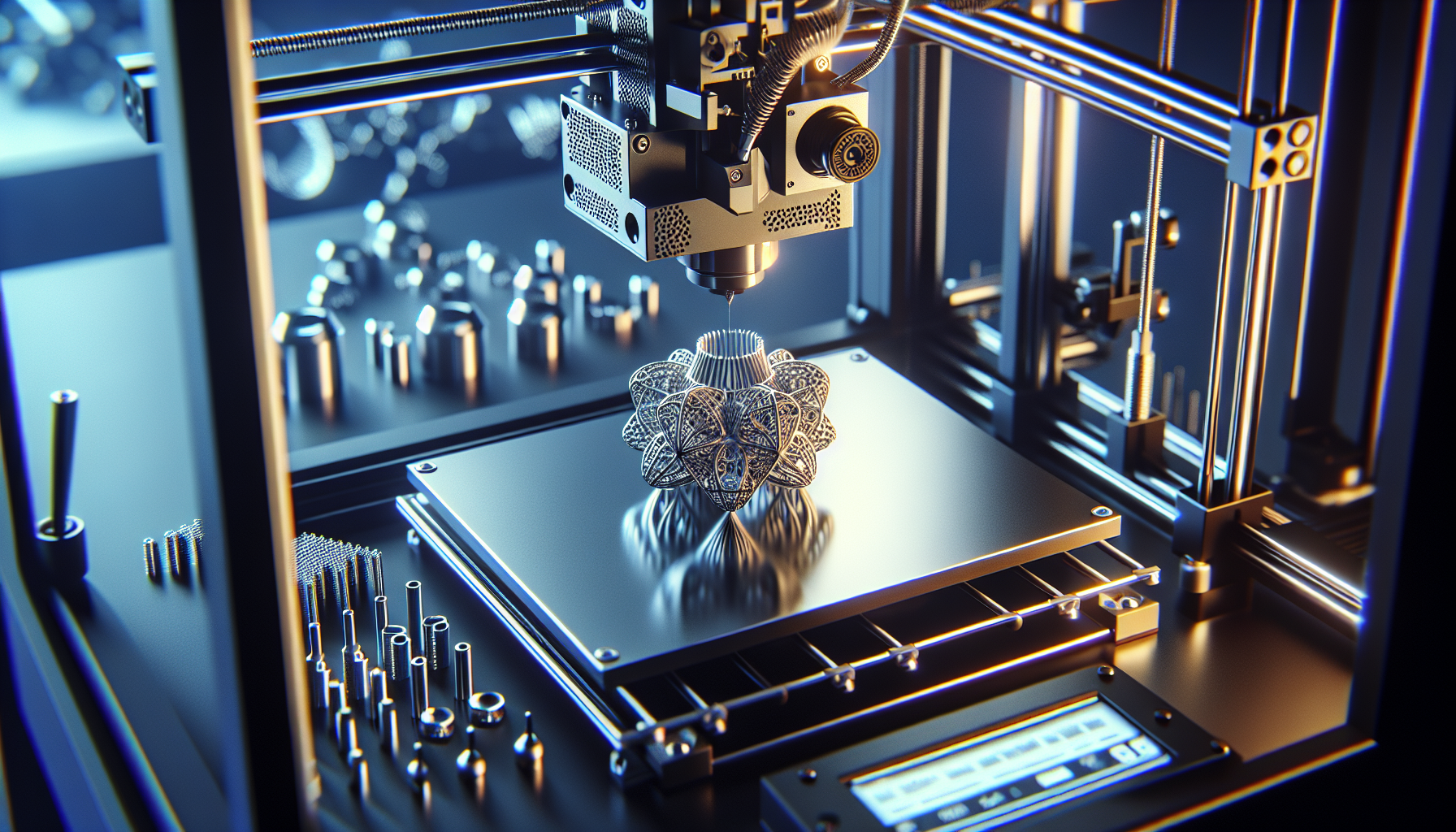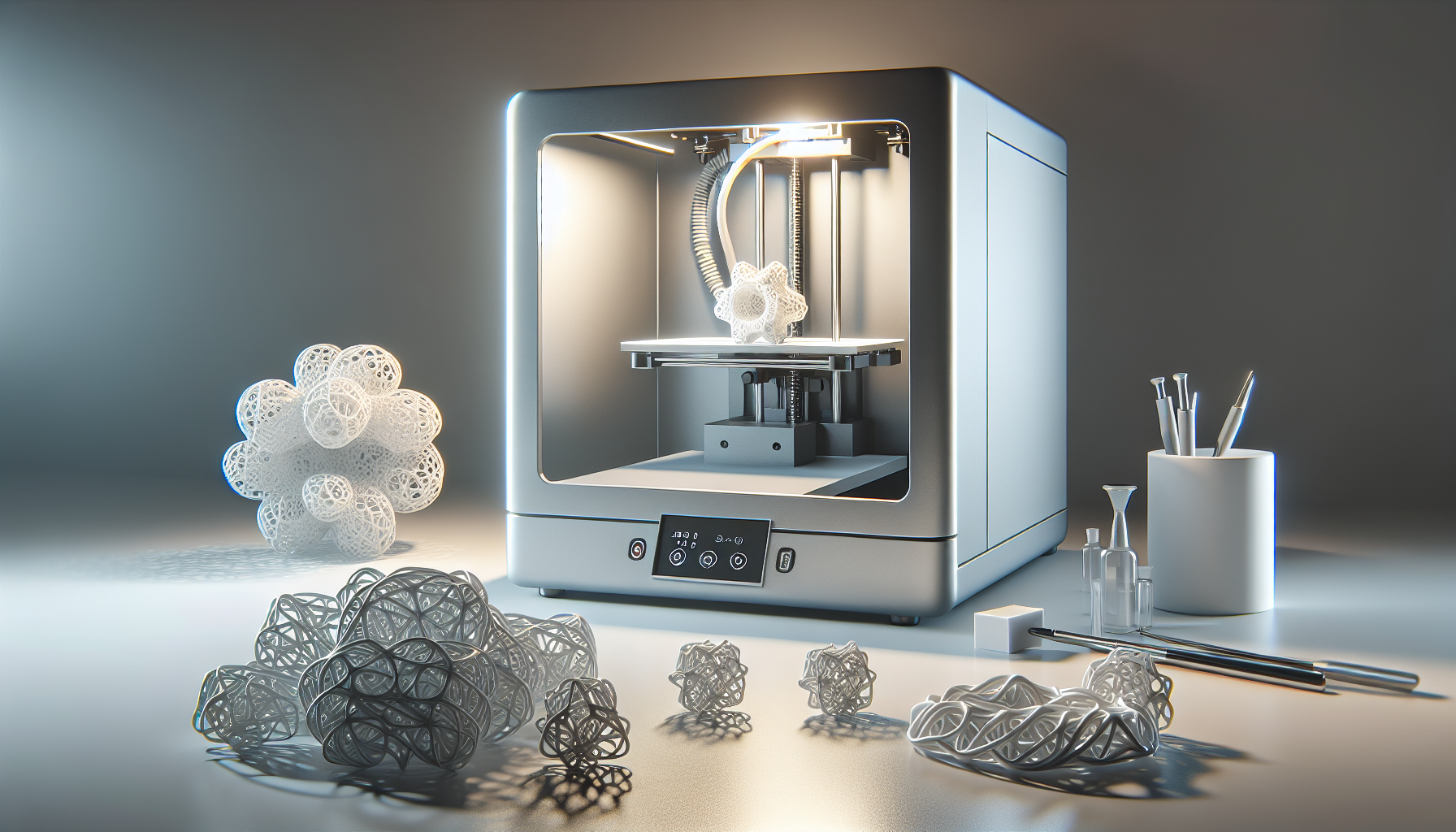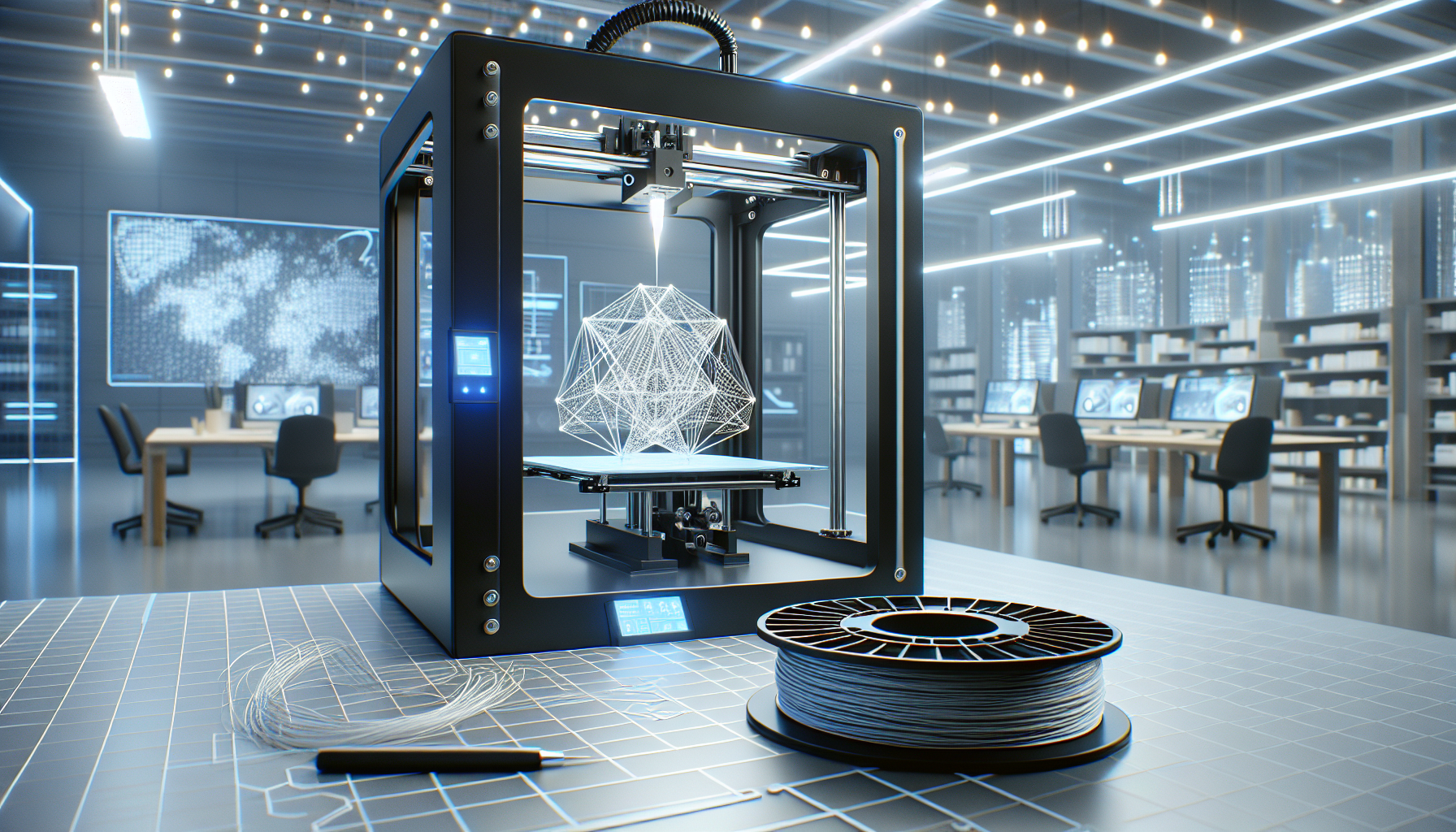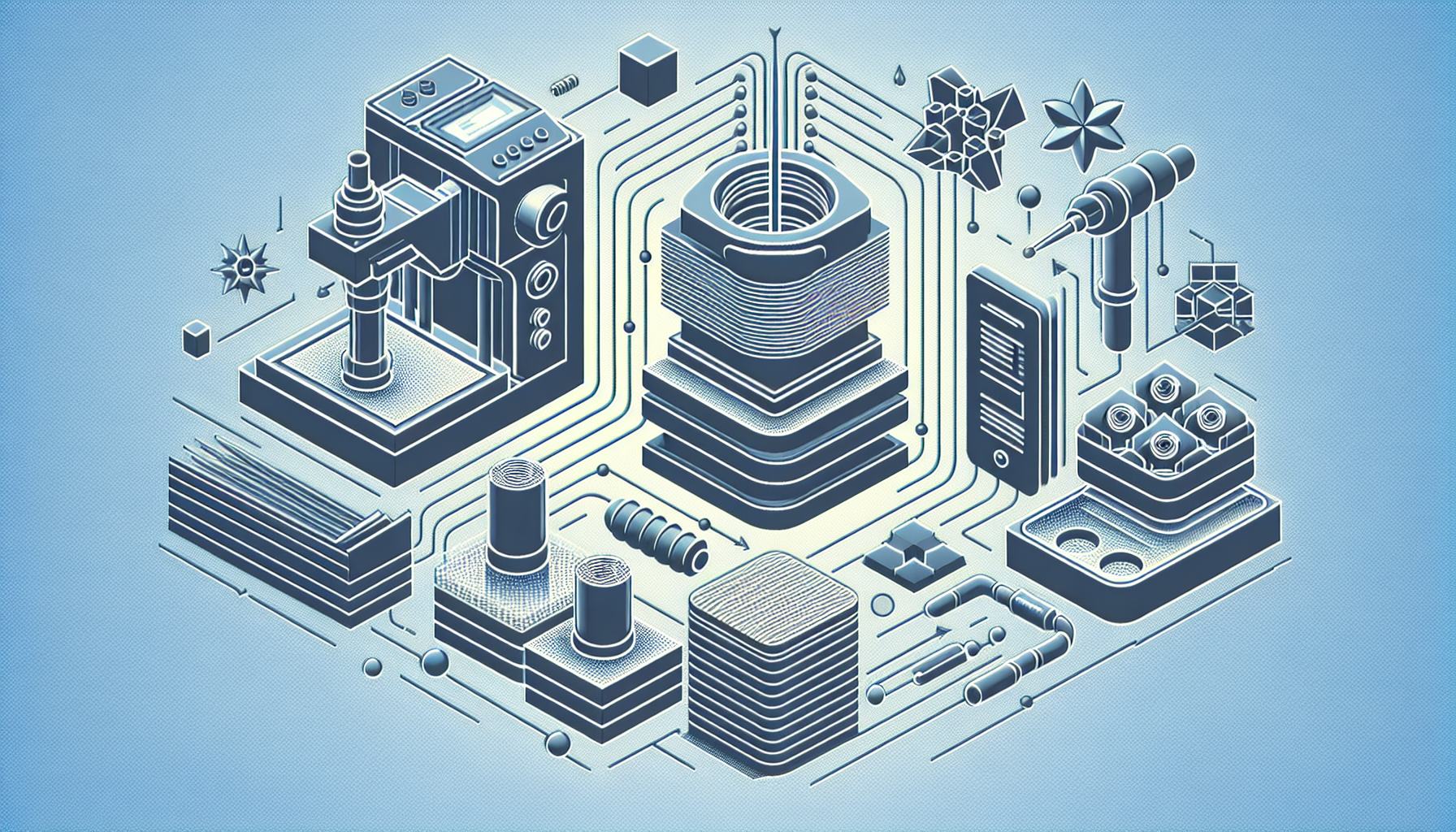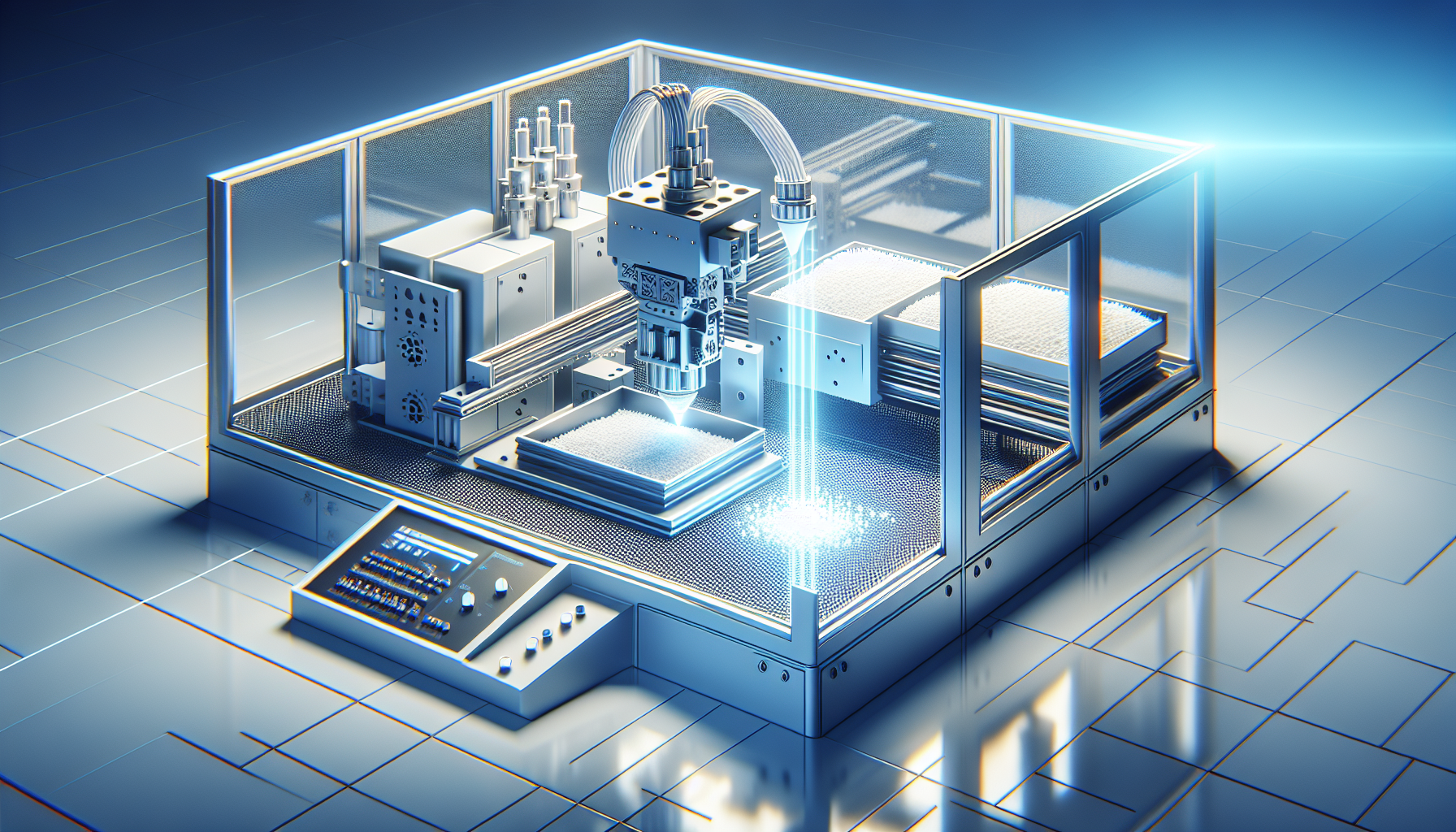
Advances in multi-material 3D printing are reshaping additive manufacturing by allowing a single build to combine polymers, metals, ceramics, elastomers, conductive inks, and bio-compatible materials in one coordinated process. In practical terms, multi-material 3D printing means depositing two or more distinct materials, or one material with varying properties, within the same part to create structures that would be difficult or impossible with conventional subtractive methods. As the hub page for additive manufacturing within manufacturing processes, this article explains the core technologies, the engineering logic behind them, and the use cases driving investment. It also clarifies why the field matters now: manufacturers want part consolidation, shorter supply chains, lightweight designs, functional integration, and faster iteration. I have seen teams move from printing simple prototypes to producing end-use components with embedded seals, lattices, sensors, and wear surfaces. That shift changes how products are designed, qualified, and serviced. Understanding the latest advances in additive manufacturing is essential for engineers, procurement leaders, and operations teams deciding where 3D printing fits in production, tooling, spare parts, and research.
What Multi-Material Additive Manufacturing Includes
Multi-material additive manufacturing covers several distinct capabilities. The most obvious is printing separate materials in defined regions of one part, such as a rigid nylon housing with a soft thermoplastic polyurethane gasket printed directly in place. A second capability is graded composition, where the machine transitions from one material to another across a boundary to reduce stress concentrations or tune thermal expansion. A third is functional integration, including conductive pathways, magnetic zones, transparent windows, porous scaffolds, or sacrificial support materials that enable complex internal channels. In day-to-day engineering work, these distinctions matter because each one drives different decisions on machine selection, process qualification, and cost.
The major technology families each approach the challenge differently. Material extrusion systems use multiple nozzles, tool changers, mixing hot ends, or pellet-fed extruders to switch among thermoplastics, fiber-filled compounds, and soluble supports. Material jetting precisely deposits photopolymers and can blend droplets to achieve digital materials with variable hardness, color, or opacity. Powder bed fusion is expanding through multi-powder delivery, selective powder deposition, and research into compositional gradients in metals. Directed energy deposition can feed multiple metal wires or powders into a melt pool, making it one of the strongest platforms for functionally graded alloys and repair applications. Vat photopolymerization is also evolving through resin switching and localized chemistry control, though contamination and washout remain challenges.
These methods belong within the broader additive manufacturing landscape because they all build parts layer by layer from digital models. However, the design rules differ significantly from single-material printing. Interfaces must be engineered for adhesion, shrinkage mismatch, curing behavior, and post-processing compatibility. File preparation is more complex as well. Traditional STL files only describe geometry, so advanced workflows increasingly rely on 3MF, AMF, native CAD assemblies, voxel-based definitions, and slicers that preserve material assignments. This is one reason the topic deserves hub-level coverage: multi-material printing is not a niche side note, but a central development in how additive manufacturing matures from prototyping to production.
Key Process Advances Driving Adoption
Recent progress is coming from hardware, software, and materials science at the same time. On the hardware side, independent dual-extrusion systems have become more reliable due to better nozzle alignment routines, filament drying, enclosed thermal control, and active purge management. Tool-changing platforms reduce oozing and cross-contamination because each material has its own printhead. In industrial polymer systems, closed-loop calibration now monitors nozzle offsets and chamber temperatures so the bond between rigid and flexible sections is more predictable. I have seen this make a measurable difference in fixture programs, where early mixed-material prints failed at the interface but newer calibrated systems delivered consistent fit and compression.
Material jetting has advanced through finer droplet control and larger certified material libraries. Systems from Stratasys and 3D Systems, for example, have enabled combinations of rigid and elastomeric photopolymers that approximate overmolded assemblies. The value is not just aesthetic prototyping. Medical device developers use these printers to evaluate grip, flexibility, anatomy-specific fit, and user interaction before investing in tooling. Automotive interior teams use them to simulate textures, labels, and soft-touch zones within a single print. While printed photopolymers may not match molded thermoplastics in long-term durability, they dramatically improve design validation speed.
Metal additive manufacturing is also seeing notable advances. Directed energy deposition with multiple hoppers allows the feed ratio to change during the build, producing functionally graded materials. Researchers and aerospace firms have explored transitions such as Inconel to stainless steel where thermal or corrosion requirements vary by location. Laser-based systems are being paired with process monitoring, including melt pool imaging and pyrometry, to detect chemistry drift and geometry defects. Wire arc additive manufacturing can also switch wires during deposition, which is useful for large structures and repair. The practical benefit is localized performance: wear-resistant surfaces can be placed only where needed instead of machining and brazing separate inserts.
Software has become a major enabler. Modern build preparation tools can assign materials by body, region, lattice, or voxel, then simulate thermal distortion, support interaction, and toolpath sequencing. Topology optimization increasingly includes multi-material constraints, helping engineers decide where stiffness, damping, conductivity, or biocompatibility belongs. Machine learning is beginning to assist with parameter tuning, especially in research settings where many combinations of temperature, exposure, and feed rate must be evaluated. Better software does not eliminate process development, but it cuts trial-and-error and makes repeatability far more realistic.
Materials, Interfaces, and Property Control
The hardest problem in multi-material 3D printing is not placing two materials next to each other. It is creating a stable interface that survives manufacturing, service loads, and environmental exposure. Adhesion depends on wetting, diffusion, chemical compatibility, surface energy, and process temperature. In polymers, a rigid PLA section and a soft TPU section may print in one job, but bond quality varies widely by brand, moisture level, nozzle temperature, and interface geometry. In metals, coefficient of thermal expansion mismatch can create residual stresses that cause cracking or distortion. Ceramics add another layer of complexity because binder burnout and sintering shrinkage must be controlled across dissimilar compositions.
Engineers address these issues through design and materials selection. Instead of a sharp butt joint, they may use mechanical interlocks, dovetails, perforated transition zones, gyroid lattices, or graded infill where one material progressively replaces another. In high-value applications, interface coupons are printed and tested separately for peel, shear, fatigue, and environmental aging before full parts are approved. ASTM and ISO standards for additive manufacturing qualification, along with established test methods such as ASTM D638 for tensile testing and ASTM E8 for metals, provide the baseline language for validation. The exact standard depends on the process and end-use requirement, but formal testing is not optional when mixed materials affect safety or regulatory compliance.
Another major advance is property control through digital materials and voxel-level design. Instead of selecting only “hard” or “soft,” engineers can tune Shore hardness, translucency, dielectric behavior, porosity, or thermal response across a part. This matters in products like wearables, soft robotics, and customized medical models, where local flexibility improves comfort and function. It also matters in industrial tooling. A gripper jaw can be stiff at the mounting point, compliant at the contact surface, and textured only at high-friction zones. That level of control reduces assembly steps and broadens what additive manufacturing can do beyond shape-making.
| Technology | Typical Material Combinations | Main Strength | Key Limitation |
|---|---|---|---|
| Material Extrusion | Rigid thermoplastics, flexible polymers, soluble supports, fiber-filled compounds | Accessible, versatile, good for fixtures and prototypes | Visible interfaces, anisotropy, limited surface finish |
| Material Jetting | Rigid and elastomeric photopolymers, color materials | Fine detail, smooth surfaces, variable hardness | Photopolymer aging, higher material cost |
| Directed Energy Deposition | Multiple metal powders or wires | Graded alloys, repair, large parts | Lower resolution, substantial finishing |
| Powder Bed Fusion | Emerging multi-metal and segmented powder approaches | Strong metal parts, complex geometry | Difficult powder segregation and qualification |
Applications Across Manufacturing, Healthcare, and Electronics
Real-world adoption is strongest where multi-material printing replaces assemblies, compresses development cycles, or enables geometry conventional tooling cannot. In manufacturing operations, the fastest wins are custom fixtures, robot end effectors, jigs, and gauges. A fixture can include a rigid body, compliant clamp faces, color-coded instructions, and soluble support for internal vacuum channels. That reduces machining, adhesive bonding, and manual assembly. Service parts are another practical application. Instead of stocking low-volume molded parts with separate seals and inserts, companies can print consolidated replacements closer to the point of use.
Healthcare is one of the most compelling sectors because anatomy and function vary from patient to patient. Surgical planning models often combine hard and soft tissues so clinicians can rehearse cuts, implant placement, or catheter paths. Dental workflows use additive manufacturing for models, guides, and increasingly for restorations and appliances requiring region-specific flexibility. Bioprinting remains an emerging field rather than a mature production method, but progress in hydrogel deposition, cell-laden bioinks, and scaffold design shows why multi-material control matters. Living tissue is inherently heterogeneous, so any serious regenerative manufacturing strategy must handle multiple materials and gradients.
Electronics and electromechanical devices are also benefiting. Printed conductive traces, dielectric layers, and structural polymers can be combined for antennas, sensors, customized housings, and low-volume embedded devices. The conductivity of printed inks still trails bulk copper by a wide margin, which limits high-power applications, but for sensing, RF structures, and rapid prototyping the approach is valuable. Aerospace and defense programs are exploring multifunctional parts with integrated thermal management, wear surfaces, and weight-saving lattices. Consumer products use mixed materials to improve ergonomics and appearance, especially where customization matters. The common thread is not novelty. It is functional integration that simplifies supply chains and accelerates iteration.
Design Rules, Economics, and Implementation Challenges
Successful adoption depends on design for additive manufacturing, not simply replacing one fabrication method with another. Engineers must ask where multi-material capability creates measurable value. If a printed gasket never sees production because standard O-rings are cheaper and easier to qualify, the extra complexity is not justified. If consolidating six parts into one printed assembly removes fasteners, leak paths, inventory, and labor, the business case can be strong even when print time is longer. I usually advise teams to quantify value in four buckets: part count reduction, performance gain, lead-time reduction, and logistics simplification. Without that framework, companies overestimate novelty and underestimate qualification effort.
Cost drivers include machine depreciation, material price, build speed, yield loss from contamination or interface failure, post-processing labor, and inspection. Multi-material systems often require more purge waste, more support removal, and more tuning than single-material machines. Throughput can suffer when the machine switches tools or cleans nozzles. In regulated sectors, documentation, traceability, and lot control add further expense. This does not mean the economics are poor. It means the best applications are selective: high-value customization, low-volume production, repair, and geometries where assembly elimination offsets higher unit cost.
Implementation also requires process control. Material storage is critical because moisture ruins many polymers and powders must be handled safely to avoid contamination. Calibration routines need to be documented. Mechanical testing must reflect build orientation and interface location. Metrology may involve CT scanning, optical inspection, microscopy, and hardness mapping depending on the application. Post-processing can complicate things further. Heat treatment that benefits one metal may harm another; sterilization methods suitable for one polymer may embrittle a neighboring material. Teams that succeed treat additive manufacturing as a full production process with quality systems, not as a print-and-hope service.
The Future of Additive Manufacturing as a Manufacturing Process
The next phase of multi-material additive manufacturing will be defined by better materials data, tighter in-situ monitoring, and more seamless digital workflows from CAD to qualification. Expect stronger use of voxel-based design, where geometry and local material behavior are specified together rather than as separate decisions. Expect broader deployment of hybrid systems that combine deposition, machining, curing, and inspection in one cell. Expect more certified materials, especially in aerospace, medical, and energy sectors where adoption depends on traceable performance data. Just as important, expect design education to catch up. Many organizations still think of 3D printing as a prototyping tool, when the real opportunity is redesigning products around additive capabilities.
For anyone building knowledge around manufacturing processes, this hub topic matters because additive manufacturing connects materials engineering, design optimization, digital production, and supply chain strategy. Multi-material 3D printing is the clearest sign that the field is moving beyond making shapes toward making integrated functions. The key takeaway is straightforward: the technology delivers the most value when it solves a specific engineering or operations problem, not when it is used for its own sake. Start with an application where assembly reduction, customization, or localized performance truly matters. Then validate materials, interfaces, and economics with the same discipline you would apply to any critical manufacturing process. That is how additive manufacturing moves from interesting capability to dependable industrial advantage.
Frequently Asked Questions
1. What is multi-material 3D printing, and how is it different from traditional 3D printing?
Multi-material 3D printing is an advanced form of additive manufacturing in which a single part is fabricated using two or more different materials, or one material programmed to behave with different properties in different regions of the same build. Unlike traditional 3D printing, which usually relies on a single polymer, metal, or resin for an entire component, multi-material systems can combine rigid and flexible sections, conductive and insulating paths, or structural and bio-compatible zones in one coordinated process. This allows engineers and designers to create components with graded functionality, embedded features, and optimized performance without requiring multiple manufacturing steps or extensive post-assembly.
In practical terms, the difference is significant. A conventional printer may produce a plastic housing and require separate fabrication of seals, wiring channels, hinges, or soft-touch surfaces. A multi-material printer can potentially build those characteristics directly into the part. That capability reduces assembly complexity, shortens production cycles, and opens up new design possibilities that are difficult or impossible with subtractive manufacturing. It also supports more advanced applications such as smart devices, medical models, soft robotics, and functional prototypes that more closely match real-world end-use conditions.
2. What materials can be combined in multi-material 3D printing?
The range of materials used in multi-material 3D printing has expanded rapidly and now includes polymers, elastomers, metals, ceramics, conductive inks, composite feedstocks, and selected bio-compatible materials. In polymer-based systems, it is common to combine rigid thermoplastics with flexible materials to produce living hinges, seals, grips, and ergonomic surfaces. In photopolymer processes, manufacturers can blend or switch among resins to create different colors, transparencies, hardness levels, or surface finishes within the same part. In more advanced industrial systems, combinations may include metal alloys with support materials, ceramic-loaded formulations for high-temperature applications, or conductive traces embedded in structural substrates.
The exact combinations depend on the printing technology, material compatibility, thermal behavior, curing method, and bonding characteristics between materials. Not every material can be paired successfully, because differences in melting point, shrinkage, viscosity, or chemical interaction can lead to weak interfaces or print instability. Even so, ongoing research is making more combinations commercially viable, especially in areas such as printed electronics, biomedical scaffolds, tooling, and aerospace components. As material science continues to evolve, the industry is moving beyond simple dual-material parts toward highly engineered systems in which each region of a component is tailored for a specific mechanical, electrical, thermal, or biological function.
3. What are the biggest advantages of advances in multi-material 3D printing?
The biggest advantage is functional integration. Instead of producing separate parts and assembling them later, manufacturers can build multiple functions directly into one geometry. That can mean combining stiffness and flexibility, insulation and conductivity, strength and lightweight design, or wear resistance and impact absorption in a single component. This reduces part count, simplifies supply chains, lowers assembly labor, and often improves reliability by eliminating joints, fasteners, adhesives, and other common failure points. For prototyping, it also gives teams a much more realistic way to test final-product behavior before investing in tooling or large-scale production.
Another major benefit is design freedom. Engineers are no longer limited to creating parts that are uniform throughout. They can now design localized performance characteristics, internal channels, gradient transitions, embedded sensors, customized interfaces, and structures optimized for both function and manufacturability. This is especially valuable in medical, automotive, aerospace, and consumer product development, where performance often depends on how different materials interact. The latest advances also support mass customization, enabling parts to be tuned for individual users or use cases without the cost penalty traditionally associated with complex manufacturing. Taken together, these advantages make multi-material printing not just a faster prototyping tool, but a strategic production technology.
4. What industries are benefiting most from multi-material 3D printing?
Several industries are seeing major gains, particularly those that depend on complex parts, rapid iteration, and high-value customization. In healthcare, multi-material 3D printing is used for anatomical models, surgical planning tools, dental devices, prosthetics, and emerging tissue engineering research. The ability to replicate differences in softness, density, and structure makes printed models much more realistic and clinically useful. In aerospace and automotive sectors, the technology supports lightweighting, part consolidation, thermal management, and functional prototyping where materials with different performance profiles must work together in demanding environments.
Electronics is another important area, especially as manufacturers explore printed circuits, embedded conductive pathways, customized housings, and wearable devices. Consumer products also benefit through more advanced prototypes and end-use parts that combine visual appeal with tactile and mechanical variation, such as rigid shells with soft-touch features. In industrial manufacturing, multi-material systems are being evaluated for tooling, jigs, fixtures, and spare parts with integrated functionality. Research institutions and biotech companies are also pushing the frontier with bio-compatible and cell-supporting materials for regenerative medicine and lab applications. As machines become more precise and materials more compatible, the number of industries adopting this technology continues to grow.
5. What challenges still limit multi-material 3D printing, and what does the future look like?
Despite impressive progress, multi-material 3D printing still faces several technical and commercial challenges. Material compatibility remains one of the biggest issues, because different materials often respond differently to heat, curing, shrinkage, and stress. Ensuring strong interfacial bonding between materials is essential, especially for parts used in structural or mission-critical applications. Process control is another challenge, since depositing multiple materials accurately requires sophisticated hardware, software, calibration, and monitoring. In addition, qualification standards, repeatability, throughput, and cost can be barriers to broader adoption in regulated or high-volume manufacturing environments.
That said, the long-term outlook is extremely strong. The future of multi-material 3D printing will likely be shaped by better material libraries, smarter slicing and design software, improved printhead architectures, in-situ quality monitoring, and stronger integration with simulation and AI-driven optimization tools. We are also likely to see more functional printed systems that combine mechanical structures with electronics, sensing, fluid handling, and bio-active features. As these advances mature, multi-material printing will move beyond being a specialized capability and become a foundational manufacturing approach for producing high-performance, highly integrated, and application-specific components. In that sense, the technology is not simply adding more materials to a print; it is redefining what a printed object can be.