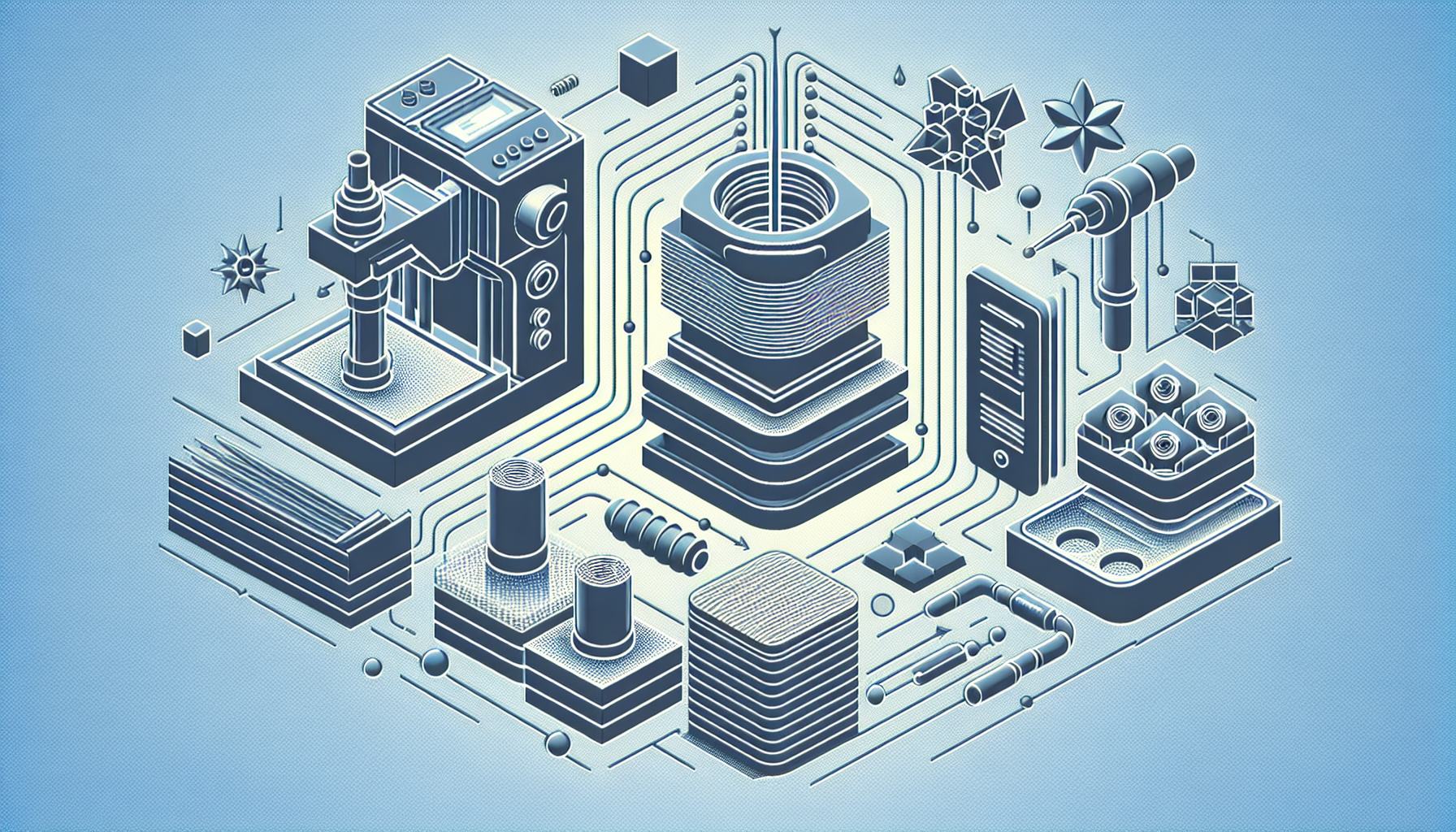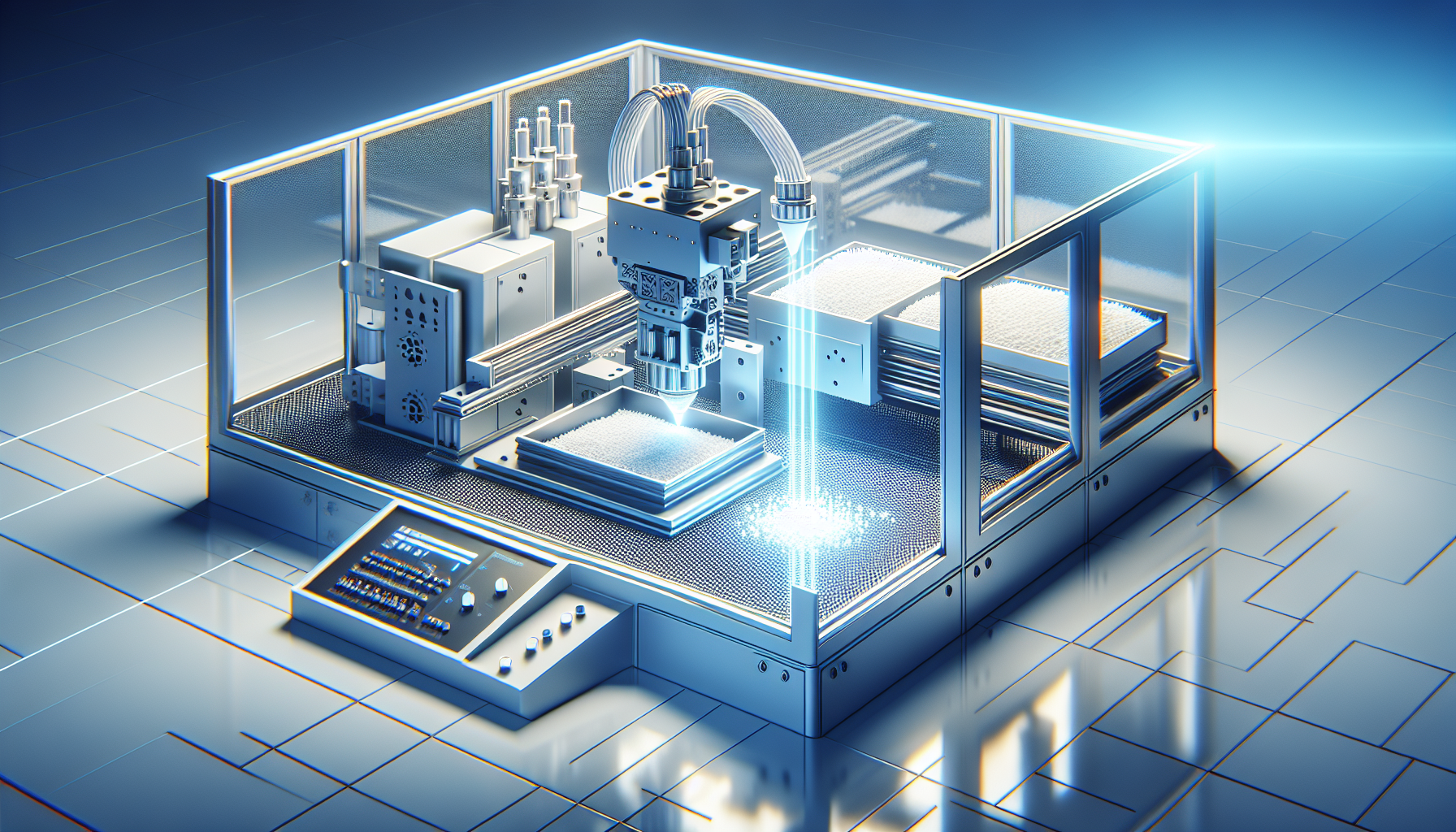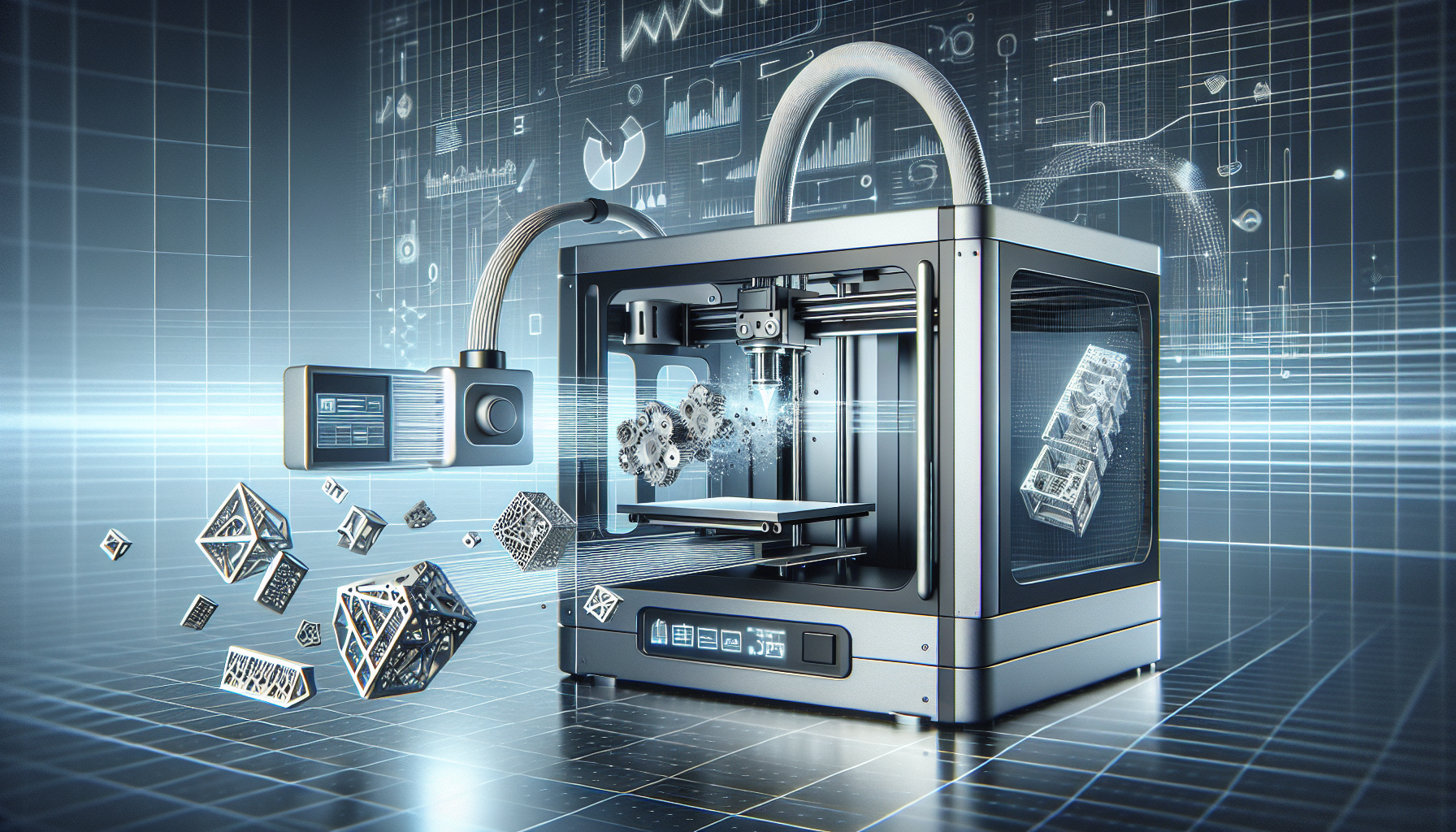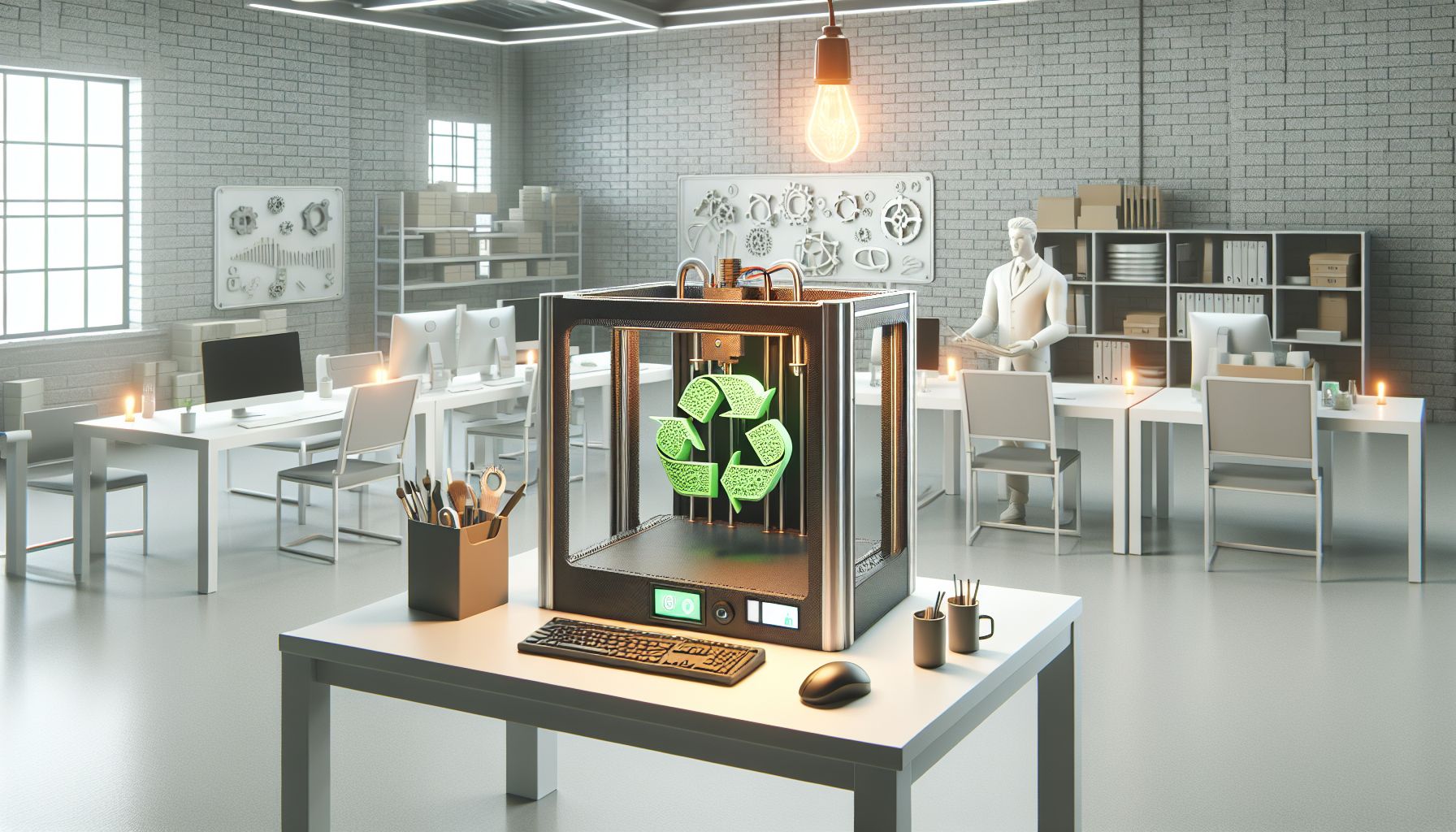
3D printing is reshaping sustainable manufacturing by changing how products are designed, produced, repaired, and recycled across the full industrial lifecycle. In manufacturing, sustainability means reducing waste, energy use, emissions, and resource depletion while maintaining quality, safety, and profitability. Additive manufacturing, commonly called 3D printing, builds parts layer by layer from digital models rather than removing material from a larger block, as conventional subtractive methods do. That distinction matters because the process changes the economics of material use, tooling, logistics, customization, and inventory. I have seen this firsthand in production environments where a machined prototype generated bins of aluminum chips, while the printed equivalent used only the material required for the geometry and arrived ready for testing within hours. For companies evaluating manufacturing processes, additive manufacturing is no longer a niche prototyping tool. It is a practical method for producing jigs, fixtures, end-use components, lightweight structures, spare parts, medical devices, and low-volume industrial products. As this hub page for additive manufacturing, this article explains the technologies, sustainability benefits, tradeoffs, material considerations, and implementation decisions that determine whether 3D printing truly supports greener manufacturing outcomes.
The sustainability case for 3D printing is strongest when manufacturers evaluate the whole system instead of focusing on a single machine or material. A printed part may consume more electricity during production than an injection molded equivalent, yet still deliver a lower overall footprint if it eliminates tooling, shortens transport distances, reduces material scrap, extends product life through repair, or enables a lighter design that cuts energy consumption during use. Key terms help frame the discussion. Powder bed fusion uses lasers or electron beams to fuse powdered metal or polymer. Material extrusion pushes thermoplastic filament through a heated nozzle. Binder jetting joins powder with a liquid binder before post-processing. Directed energy deposition adds metal using wire or powder feedstock. Design for additive manufacturing refers to engineering parts specifically for layer-based production, often combining multiple components into one optimized structure. Lifecycle assessment, or LCA, measures environmental impacts from raw material extraction through manufacturing, use, and end of life. These concepts are central because sustainable manufacturing decisions depend on measurable tradeoffs, not assumptions. When used strategically, additive manufacturing can reduce waste, localize production, support circularity, and improve resilience. When used poorly, it can increase energy demand, create difficult-to-recycle material streams, and produce parts with inconsistent quality.
How additive manufacturing works and why it changes sustainability metrics
Additive manufacturing improves sustainability by altering the physical logic of production. Traditional machining removes material, stamping relies on dies, and molding requires tooling that must be manufactured before a single finished part exists. By contrast, 3D printing starts with a digital file, slices the model into layers, and deposits or fuses material only where needed. That workflow reduces setup barriers and makes it economical to produce one part or one thousand parts without separate tooling in many applications. In my experience, the most immediate environmental gain appears in development programs. Engineering teams can iterate prototypes without cutting hard tools for each revision, avoiding both the material used in tooling and the wasted parts produced during setup and tuning. A company refining an airflow duct, for example, can print ten variations in nylon within days, test them, and proceed with a better geometry before committing to mass production methods.
This digital workflow also changes inventory and logistics. Instead of storing thousands of slow-moving spare parts, a manufacturer can maintain qualified digital inventories and print replacement components on demand. Aerospace operators, rail maintenance teams, and industrial equipment OEMs increasingly use this model for legacy parts with irregular demand. The sustainability benefit comes from lower warehouse requirements, less obsolete stock, and fewer expedited shipments across long supply chains. However, these gains depend on process qualification and part criticality. A cosmetic cover can often be printed locally with limited validation; a pressure-bearing metal component requires strict material traceability, machine calibration, and post-build inspection. Sustainable manufacturing is not simply about making less waste. It is about making the right part, in the right place, with the right process controls, so environmental gains are not offset by rework, failures, or premature replacement.
Material efficiency, lightweighting, and waste reduction
The most cited sustainability advantage of 3D printing is material efficiency, and that claim is generally valid when properly scoped. Machining a metal aerospace bracket from billet can convert a large share of the starting stock into chips. Metal additive manufacturing can reduce this buy-to-fly ratio significantly by placing material only where structural loads require it. In polymer applications, additive methods can also lower waste by avoiding gates, runners, and setup scrap associated with molding. Material efficiency improves further when engineers embrace design for additive manufacturing rather than printing a conventionally designed part unchanged. Lattice structures, topology optimization, internal channels, and part consolidation allow the same function with less mass and fewer assemblies. General Electric’s well-known fuel nozzle program is often cited because additive manufacturing consolidated multiple components into a single part and reduced weight while meeting demanding performance targets. The broader lesson is not that every part should be printed, but that additive manufacturing opens geometries impossible or expensive to produce otherwise.
Lightweighting has sustainability value beyond the factory gate. In transportation, every kilogram removed from an aircraft interior bracket, automotive fixture, or drone frame can reduce fuel or battery demand during use. In medical devices, patient-specific implants can match anatomy while minimizing unnecessary material. In industrial systems, optimized heat exchangers and fluid manifolds can improve energy efficiency through more effective flow paths. These are real operational benefits, not abstract design exercises. Still, manufacturers should avoid oversimplification. Powder support structures, failed builds, sieving losses, purge waste, and post-processing can erode material savings. Reuse rates for metal powders vary by alloy and process control requirements. Some photopolymers remain difficult to recycle. For sustainability claims to hold, teams must track actual scrap, refresh rates, and yield, then compare them against baseline processes using consistent functional units such as one qualified part with specified mechanical properties.
Energy use, emissions, and lifecycle assessment
Energy consumption is where additive manufacturing requires the most careful analysis. Some 3D printing systems, especially metal laser powder bed fusion, are energy intensive on a per-part basis because they use high-powered lasers, inert gas handling, heated chambers, and extended build times. A simplistic comparison can therefore make additive manufacturing look less sustainable than casting, molding, or machining. In practice, the result depends on batch size, part complexity, machine utilization, feedstock production, post-processing needs, and use-phase benefits. Lifecycle assessment is the right method because it captures upstream material extraction, manufacturing energy, transportation, product use, maintenance, and end-of-life treatment. Standards such as ISO 14040 and ISO 14044 provide the accepted framework for this analysis. When I review sustainability claims for additive projects, the strongest ones are backed by LCA boundaries that are clearly defined and tied to a real baseline process.
A useful way to evaluate additive manufacturing is to separate direct machine energy from system-wide emissions. Direct machine energy covers printing, auxiliary systems, powder handling, and finishing operations like heat treatment or hot isostatic pressing. System-wide emissions include tooling production, warehousing, transport, overproduction, and product use. A lightweight aerospace component may consume substantial energy during printing, yet still deliver a net carbon advantage because fuel savings during service far exceed manufacturing emissions. A custom orthopedic device printed near the hospital may avoid international shipping and reduce surgical time. A maintenance team that prints a replacement gripper jaw locally may prevent an urgent air freight shipment and keep an existing machine in service rather than scrapping it. None of these benefits are automatic. They require disciplined process selection, localized energy sourcing where possible, and realistic assumptions about machine uptime and yield. The lowest-carbon part is often the one that combines a suitable process, efficient design, stable production planning, and a long useful life.
Where 3D printing delivers the strongest sustainability gains
The environmental case for additive manufacturing is strongest in specific scenarios rather than across all manufacturing. High-value, low-volume parts with complex geometry are ideal because they benefit from tool-free production, material savings, and localized supply. Aerospace is a leading example, where lightweight brackets, cabin components, ducts, and fuel system parts can justify qualification costs through performance and inventory advantages. Medical manufacturing is another strong fit because patient-specific devices, surgical guides, and dental aligner models gain value from customization without excess stock. Industrial operations use additive manufacturing effectively for jigs, fixtures, end-effectors, and replacement parts. In these cases, the printed item may not be sold to customers directly, but it can reduce downtime, improve ergonomics, and extend equipment life, all of which support sustainable manufacturing objectives. Consumer goods also benefit when brands print small batches or customized products close to demand, lowering unsold inventory and markdown waste.
| Application | Why additive manufacturing fits | Sustainability benefit |
|---|---|---|
| Aerospace brackets and ducts | Complex geometry, low volume, high value | Lower weight, less assembly, reduced fuel use in service |
| Medical implants and guides | Patient-specific designs, rapid iteration | Less inventory, better fit, reduced procedural waste |
| Tooling, jigs, and fixtures | Fast production, design flexibility | Longer equipment life, less downtime, less machining scrap |
| Spare parts on demand | Irregular demand, digital inventory | Lower warehousing, less obsolete stock, reduced transport |
| Heat exchangers and manifolds | Internal channels impossible with conventional methods | Higher operating efficiency, part consolidation |
These use cases work because additive manufacturing solves a clear production problem while also reducing environmental burden. The weakest cases are commodity parts produced at very high volumes where molding, casting, or stamping already operate efficiently with low per-unit energy and mature recycling systems. A toothbrush cap or simple bottle closure rarely becomes more sustainable just because it can be printed. The hub perspective matters here: additive manufacturing should be treated as one process within a broader manufacturing process selection framework. Engineers must compare it against CNC machining, injection molding, die casting, sheet metal fabrication, and hybrid methods based on throughput, tolerances, certification requirements, and lifecycle impact. Sustainable manufacturing improves when the process matches the product, not when a company forces every product into the newest technology.
Materials, circularity, and implementation challenges
Material selection determines whether 3D printing supports circular manufacturing or creates new waste streams. Common additive materials include PLA, ABS, PETG, nylon, TPU, photopolymer resins, stainless steel, aluminum alloys, titanium, Inconel, and tool steels. Some thermoplastics can be recycled mechanically, and recycled-content filaments are increasingly available, though consistency varies by supplier and application. Metal powders can often be reclaimed and blended, but contamination, particle morphology changes, and oxygen pickup must be monitored carefully. Powder handling standards, sieving protocols, and material traceability are not optional in regulated industries. Resins remain the biggest challenge because many require specialized handling and have limited end-of-life pathways. Support materials, failed prints, contaminated powder, and post-processing media also contribute to waste that is often ignored in marketing claims.
Implementation barriers are equally important. Print success depends on machine calibration, environmental control, orientation strategy, support design, thermal distortion management, and post-processing expertise. Surface finish and tolerances may require machining after printing, especially for sealing faces, threads, or bearing fits. Mechanical properties can vary by build direction, making anisotropy a design consideration. Qualification for aerospace, medical, and energy applications can be time consuming, but it is essential for reliability. Workforce capability matters too. Sustainable additive manufacturing requires skilled design engineers, technicians, quality specialists, and procurement teams that understand feedstock specifications and supplier risk. The most successful manufacturers I have worked with treat additive manufacturing as a disciplined production system, not a standalone machine purchase. They establish material databases, inspection plans, maintenance schedules, and clear decision rules for when to print, machine, cast, or combine processes. That operational maturity is what turns 3D printing from an experimental capability into a credible sustainable manufacturing strategy.
3D printing plays an important role in sustainable manufacturing because it can reduce waste, enable lightweight design, shorten supply chains, support repair, and align production more closely with actual demand. Its value is greatest when companies use additive manufacturing where it has structural advantages: complex low-volume parts, customized products, tooling, spare parts, and performance-driven components. The technology is not inherently sustainable in every case. Energy intensity, post-processing, material reuse limits, and qualification demands can weaken the environmental case if teams evaluate only the printer and ignore the full lifecycle. The right question is not whether additive manufacturing is greener by default, but under what conditions it delivers measurable environmental and business gains.
For manufacturers building a smarter process portfolio, additive manufacturing should be assessed alongside conventional methods using lifecycle assessment, design for additive manufacturing principles, and rigorous quality control. Start with one high-impact application such as a lightweight assembly, a frequently replaced tool, or a low-demand spare part. Measure scrap, energy use, lead time, logistics changes, and product performance against the current baseline. Then scale based on evidence. That approach delivers the real benefit of 3D printing in sustainable manufacturing: better products made with fewer wasted resources and greater supply chain resilience. If you are expanding your manufacturing processes strategy, use this additive manufacturing hub as the starting point for deeper evaluation, supplier selection, and process-by-process comparison.
Frequently Asked Questions
How does 3D printing support sustainable manufacturing compared with traditional production methods?
3D printing supports sustainable manufacturing by changing the way parts are made from the very beginning. Instead of cutting, drilling, or machining a product from a larger block of material, additive manufacturing builds an item layer by layer using only the material needed for the design. That difference can significantly reduce production scrap, especially for complex components that would otherwise generate large amounts of offcuts and waste in subtractive manufacturing. In many industrial settings, that material efficiency directly lowers raw material consumption, disposal costs, and the environmental burden associated with extracting and processing virgin resources.
It also improves sustainability through smarter design. Engineers can use 3D printing to create lightweight structures, internal lattices, and optimized geometries that would be difficult or impossible to manufacture conventionally. Lighter parts can reduce fuel use in transportation, aerospace, and logistics applications, while still meeting strength and performance requirements. In addition, additive manufacturing can make it easier to produce parts on demand and closer to where they are needed, which can reduce warehousing, overproduction, and emissions tied to long-distance shipping. While sustainability outcomes depend on the specific material, machine, and energy source used, 3D printing often gives manufacturers more control over waste reduction, product efficiency, and lifecycle impact.
Does 3D printing always reduce waste and energy use in manufacturing?
Not always. 3D printing has strong sustainability potential, but it is not automatically the greenest option in every case. Its biggest advantage is usually material efficiency, because additive processes place material only where it is needed. That can dramatically reduce waste when producing customized parts, prototypes, complex geometries, or low-volume components. However, the total environmental impact depends on many variables, including print speed, machine efficiency, post-processing requirements, material type, failure rates, and whether the electricity powering the equipment comes from renewable or fossil-fuel-based sources.
For example, some 3D printing technologies can be energy-intensive, particularly when producing large metal parts or when long build times are required. Support structures, failed prints, and surface finishing steps can also add waste or energy consumption. In high-volume manufacturing, a conventional process such as injection molding may sometimes have a lower per-part footprint once the tooling is in place, especially for simple designs made at very large scale. The most accurate way to evaluate sustainability is through lifecycle assessment, which considers raw materials, production energy, transportation, product use, repairability, and end-of-life options. In other words, 3D printing is a powerful sustainability tool, but its benefits are strongest when the technology is matched to the right application.
How does 3D printing help with repair, spare parts, and extending product life?
One of the most important sustainability benefits of 3D printing is its ability to extend the useful life of products. In traditional manufacturing, spare parts may become unavailable when tooling is retired, supply chains change, or older models are discontinued. That often forces companies or consumers to replace an entire product when only one component has failed. With 3D printing, manufacturers can store part designs digitally and produce replacement components on demand, even years after the original product launch. This reduces unnecessary disposal and helps keep equipment, appliances, industrial systems, and vehicles in service longer.
That repair-focused model can also reduce inventory waste and logistics emissions. Instead of maintaining large physical stocks of rarely used spare parts, companies can manufacture them as needed near the point of use. This is especially valuable in sectors such as aerospace, healthcare, automotive, and heavy industry, where downtime is costly and legacy parts are difficult to source. Beyond simple replacement, additive manufacturing can enable redesigns that improve durability, reduce weight, or combine multiple weak points into a more robust single part. When integrated into a circular manufacturing strategy, 3D printing supports maintenance, refurbishment, and remanufacturing rather than disposal, which is a major step toward more resource-efficient industrial systems.
What role does 3D printing play in recycling and circular economy strategies?
3D printing can play a meaningful role in circular economy strategies by making it easier to reuse materials, redesign products for longevity, and produce items in a way that supports repair and recovery. In some applications, recycled plastics can be processed into filament or feedstock for additive manufacturing, creating opportunities to turn waste streams into new products or components. This is particularly promising for industries and research programs working on closed-loop systems, where material from used products, packaging, or manufacturing scrap is reprocessed and returned to production rather than sent to landfill.
Just as important, 3D printing encourages a different design mindset. Because additive manufacturing is highly flexible, designers can create products with modular parts, easier disassembly, and optimized material use from the start. That supports circular principles such as maintaining products longer, replacing only damaged sections, and reducing reliance on excess material. There are still challenges, including material purity, inconsistent recycled feedstock quality, and limits on how many times some polymers can be reprocessed without losing performance. Even so, the technology is becoming an increasingly useful platform for localized recycling, distributed manufacturing, and more circular product lifecycles. Its real value is not only in printing with recycled materials, but in enabling a manufacturing system that wastes less and keeps materials in use longer.
What are the main sustainability challenges or limitations of 3D printing in industrial manufacturing?
Although 3D printing offers major sustainability advantages, it also comes with practical limitations that manufacturers need to manage carefully. One of the biggest challenges is energy consumption. Some additive manufacturing systems, especially industrial metal printers, require high temperatures, lasers, controlled atmospheres, and long operating times. If the electricity used comes from carbon-intensive grids, the environmental benefits of reduced material waste can be partly offset by emissions from energy use. Material selection is another issue, because not all printing materials are recyclable, biodegradable, or responsibly sourced, and some specialty feedstocks may have a high environmental footprint before they ever reach the printer.
There are also operational concerns. Failed prints, support materials, powder handling losses, and post-processing steps such as curing, machining, or heat treatment can reduce overall efficiency. In some cases, 3D printing is less economical or less sustainable for mass production than established conventional methods. Quality assurance, certification requirements, and part consistency can further limit where additive manufacturing is the best fit. The most sustainable approach is usually not to replace all traditional manufacturing with 3D printing, but to use additive manufacturing where it creates clear lifecycle advantages, such as reducing waste in complex parts, enabling local production, improving repairability, or lowering transportation needs. When applied strategically and measured carefully, 3D printing can be a strong driver of sustainable manufacturing, but it works best as part of a broader sustainability plan rather than as a stand-alone solution.