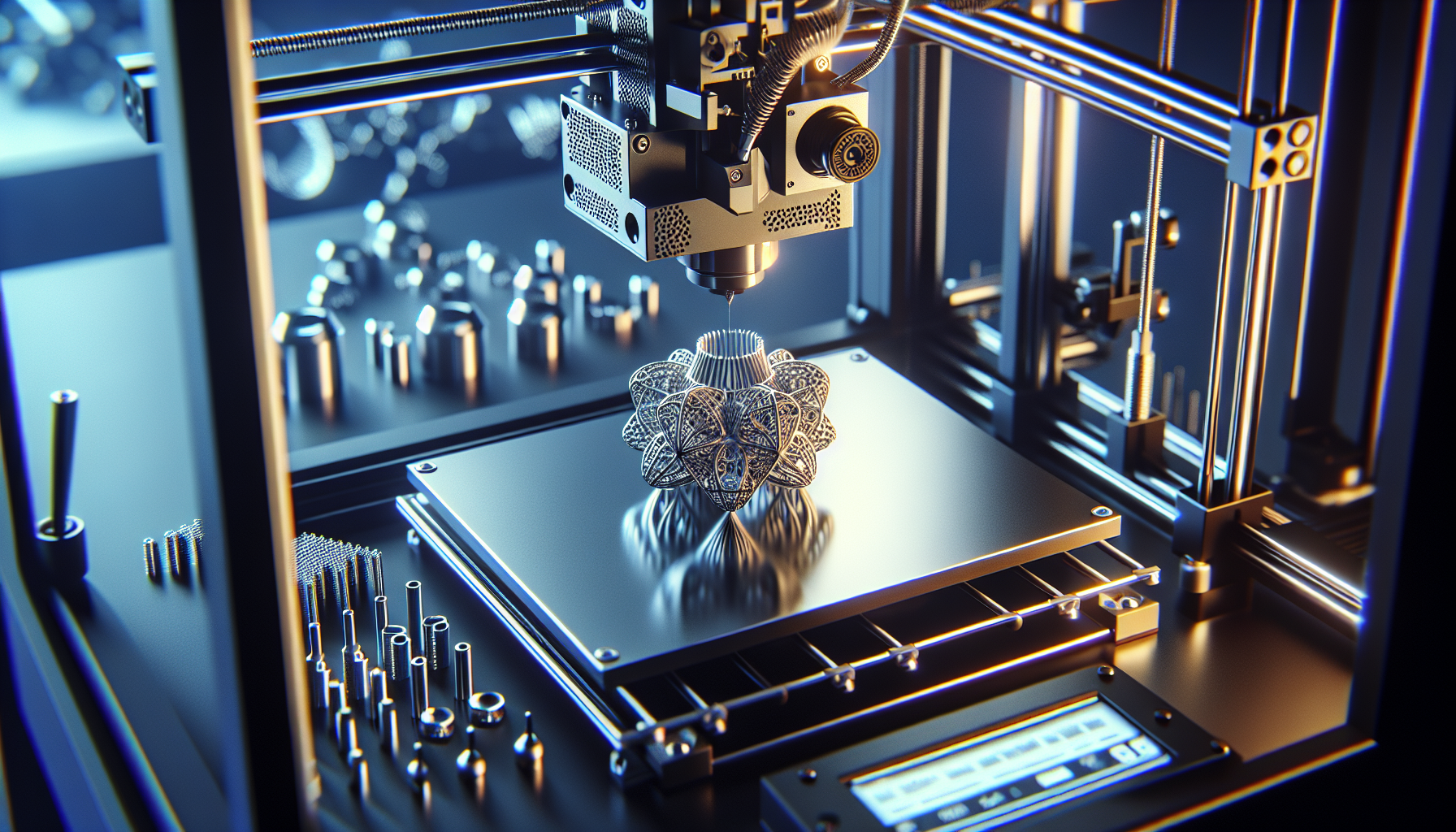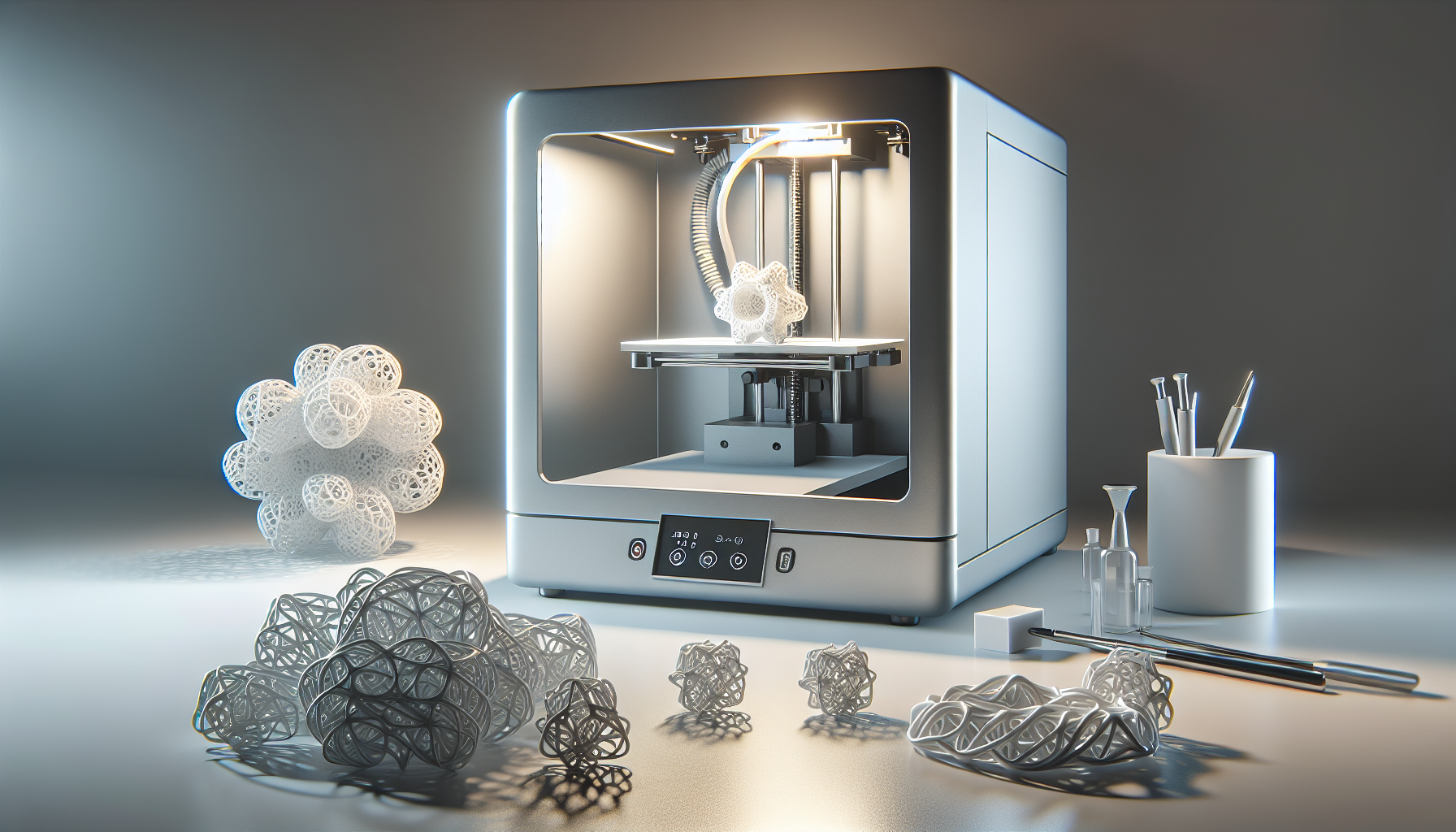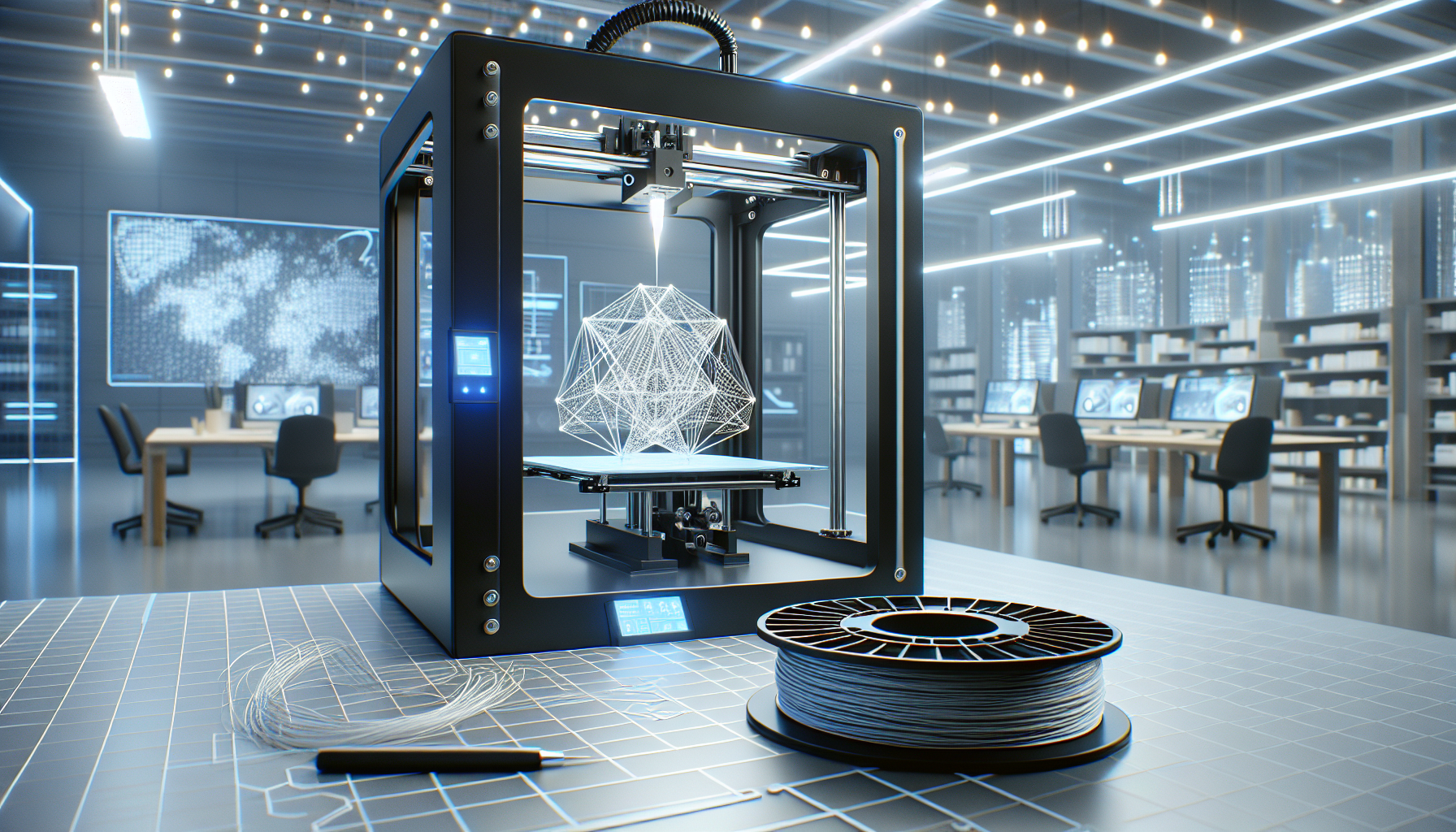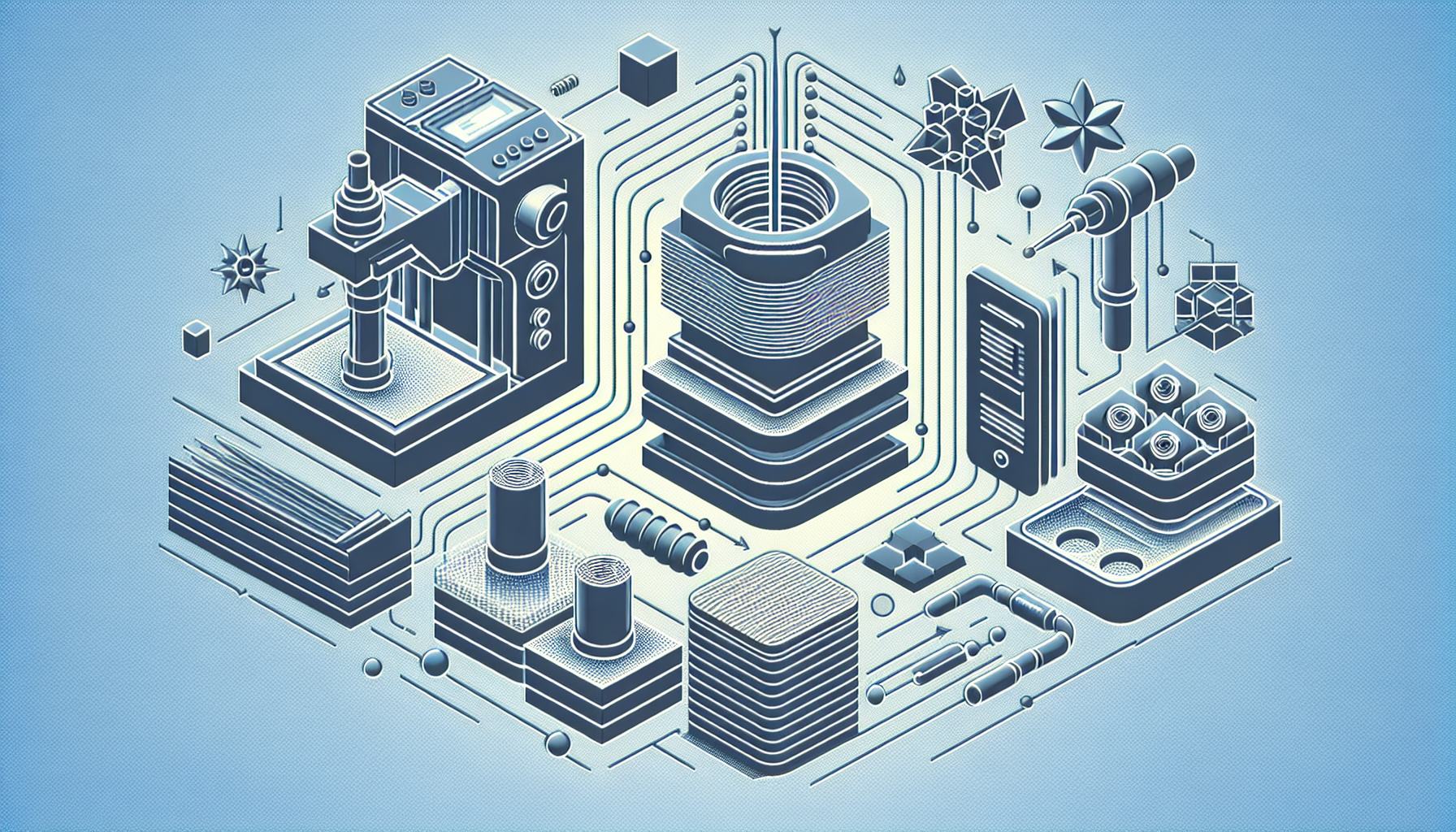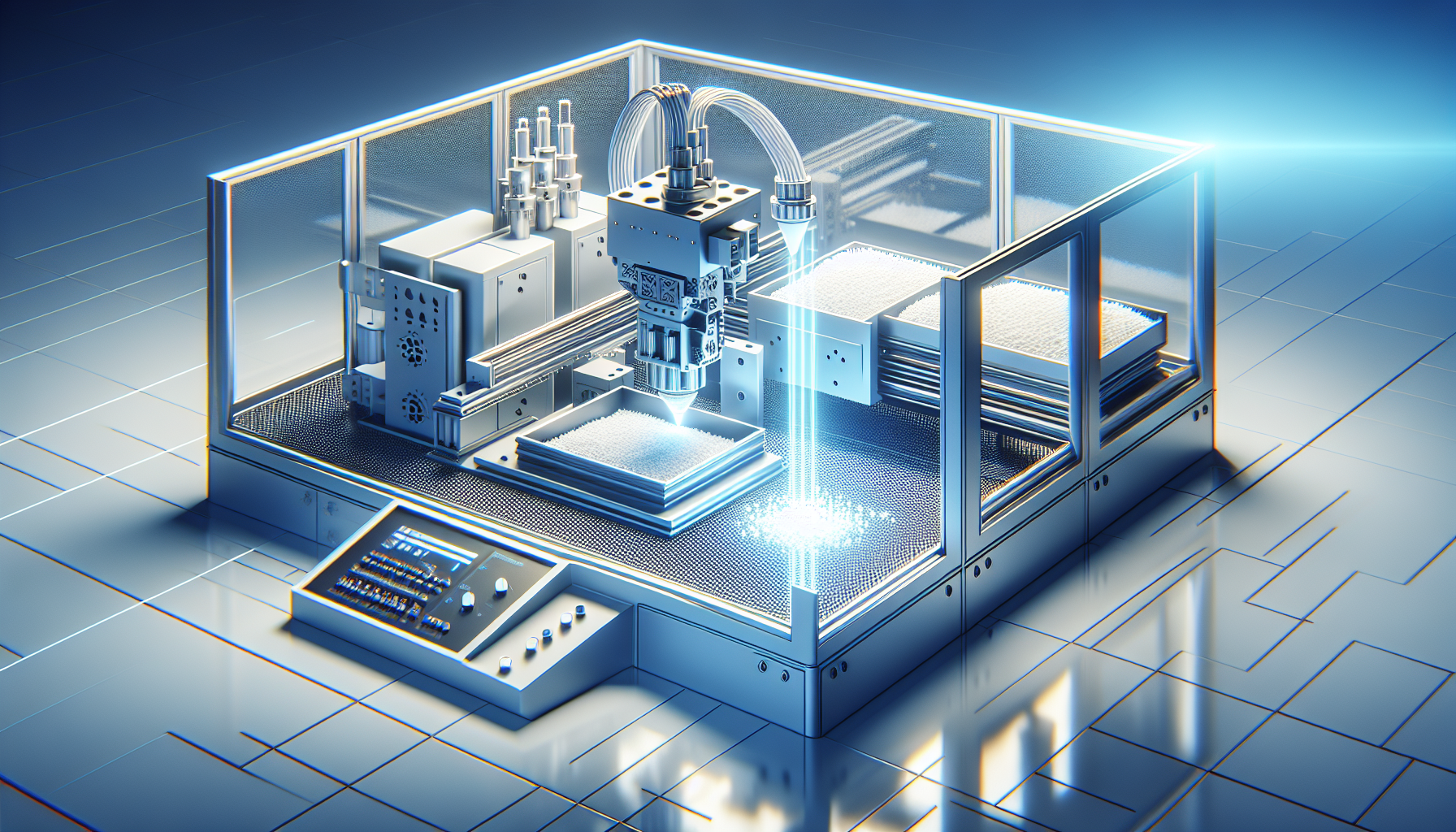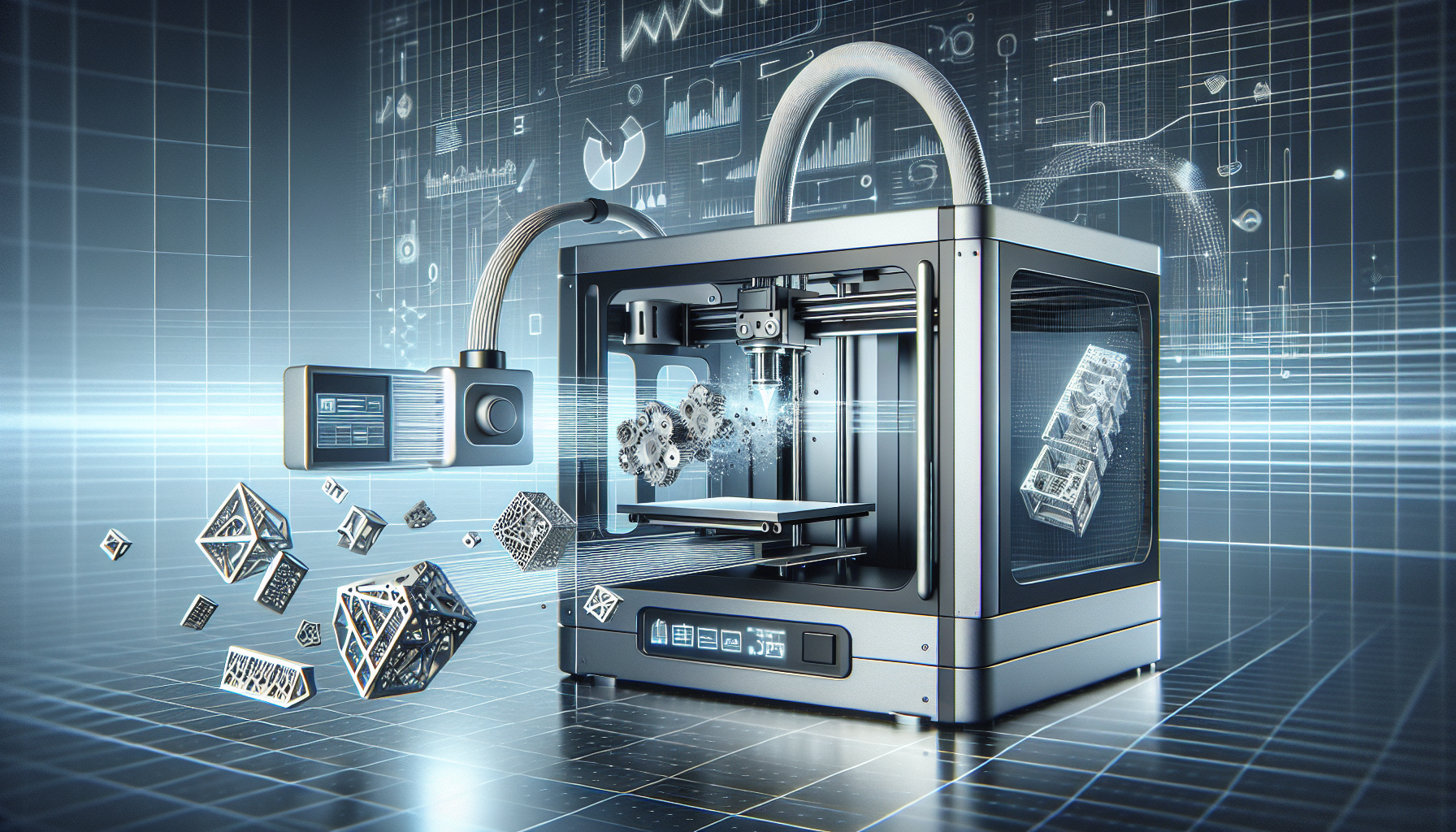
The impact of 3D printing on production efficiency is no longer a niche manufacturing discussion; it is a core operational question for factories trying to reduce lead times, lower inventory risk, and increase design flexibility. In industrial settings, 3D printing is more accurately called additive manufacturing, a process that builds parts layer by layer from digital models instead of removing material through machining or shaping it with tooling. That distinction matters because additive manufacturing changes the economics of production at several points at once: prototyping, tooling, spare parts, low-volume end-use production, and even supply chain planning. I have seen teams cut development cycles from months to days simply by moving fixture design, prototype validation, and short-run part production onto additive platforms that sit a few meters from the engineering office.
Production efficiency refers to how effectively a manufacturer converts labor, materials, machine time, and energy into sellable output with minimal waste and delay. Traditional processes such as injection molding, casting, stamping, and CNC machining remain essential because they deliver speed and low unit cost at scale. However, they often require expensive tooling, setup time, and design compromises. Additive manufacturing addresses different bottlenecks. It reduces setup complexity, supports rapid iteration, and allows complex geometries that would be impractical or impossible with subtractive or formative methods. When manufacturers ask how 3D printing improves production efficiency, the short answer is this: it compresses time, lowers indirect cost, and expands what can be produced economically in small to medium volumes.
That does not mean every part should be printed. The practical value of additive manufacturing comes from matching the process to the right application. A printed polymer bracket may outperform a machined version on lead time and weight, while a high-volume consumer cap still belongs in injection molding. Understanding that tradeoff is critical for anyone evaluating manufacturing processes. As a hub topic, additive manufacturing includes several technologies, materials, workflows, and business cases. Fused deposition modeling, stereolithography, selective laser sintering, direct metal laser sintering, binder jetting, and material jetting all serve different production needs. The most efficient manufacturers treat 3D printing as part of a broader manufacturing system, not as a replacement for every established process.
What additive manufacturing includes and why it changes factory performance
Additive manufacturing begins with a digital CAD model, converts that geometry into printable layers using slicing software, and produces the part directly from material feedstock such as filament, powder, or resin. This digital-to-physical workflow removes many intermediate steps that slow traditional production. Tool design, mold cutting, and lengthy setup can be reduced or eliminated. In practice, that means engineers can test more versions of a part before release, maintenance teams can create custom jigs on demand, and procurement teams can avoid long waits for low-volume components. Efficiency improves not only because the machine prints the part, but because the organization spends less time coordinating external suppliers, approving tooling budgets, and managing engineering changes.
The biggest operational shift is that additive manufacturing decouples complexity from cost more effectively than many conventional methods. In machining, more complex geometry often means more toolpaths, setups, fixtures, and scrap risk. In molding, complexity can increase tooling cost, cooling challenges, and draft constraints. With 3D printing, internal channels, lattice structures, organic forms, and part consolidation are often achievable with only modest additional build complexity. I have worked on assemblies where six or seven components were redesigned into one printed part. That reduced fasteners, assembly labor, quality inspection points, and inventory line items. The printed part itself was not always cheaper per unit, but the total production system became more efficient.
How 3D printing reduces lead time across prototyping, tooling, and production
Lead time reduction is the most immediate and measurable efficiency gain from 3D printing. In product development, a prototype that once required a machine shop quote, fixture planning, and a week of queue time can often be printed the same day. Faster iteration means errors are found earlier, when they are cheapest to fix. A consumer electronics team validating enclosure fit, for example, can print multiple versions overnight and review them the next morning. In conventional workflows, each revision could add days. Across a development program, that speed compounds into earlier design freeze and faster launch.
Tooling is another high-impact area. Manufacturers routinely print assembly fixtures, drill guides, soft jaws, gauges, and ergonomic aids. Instead of waiting two to four weeks for machined tooling, operations teams can produce these items internally in hours or days. One automotive supplier publicly reported major savings by printing line-side tools through distributed additive systems, reducing both delivery time and operator strain. The efficiency gain comes from getting the right tool into production faster, improving repeatability, and minimizing downtime. For maintenance, repair, and operations teams, a printed replacement handle, bracket, or sensor mount can restore equipment function long before a conventional spare arrives.
For end-use parts, lead time advantages are strongest in low-volume or highly customized production. Aerospace cabin components, dental aligner models, hearing aid shells, and medical guides are established examples. These products benefit from digital workflows where each build can be different without retooling. A manufacturer serving replacement-parts demand also gains flexibility because a digital file can be printed when needed instead of stocking every SKU physically. That shortens response time and reduces obsolete inventory exposure.
Material efficiency, waste reduction, and smarter resource use
Material efficiency is often misunderstood. Additive manufacturing does not always use less material than every conventional process, and support structures, failed builds, and post-processing can add waste. Still, compared with subtractive machining, many additive processes reduce buy-to-fly ratios significantly, especially in aerospace metals. Machining a titanium component from billet can remove a very large share of the starting material. Printing near-net-shape geometry cuts that waste dramatically, which matters because titanium and nickel alloys are expensive and energy intensive to process. This is one reason aerospace firms have invested heavily in metal additive manufacturing for brackets, fuel nozzles, and heat exchanger components.
Polymer printing improves resource use differently. It enables right-first-time design refinement and lowers the cost of experimentation. Instead of scrapping expensive machined test parts, teams can validate geometry with lower-cost printed versions. Additive methods also support lightweighting through lattice structures, topology optimization, and hollow sections. A lighter part may reduce shipping cost, improve energy performance in use, or decrease operator fatigue on an assembly line. In production efficiency terms, waste reduction is not only about raw material. It includes avoided rework, fewer tooling errors, lower overproduction, and less idle time caused by waiting for physical samples.
| Application area | Efficiency gain from 3D printing | Plain-language example |
|---|---|---|
| Rapid prototyping | Shorter design cycle | An engineer prints three housing versions overnight instead of ordering one machined sample next week. |
| Production tooling | Faster line setup | A custom assembly jig is printed in-house and installed the same shift. |
| Part consolidation | Less assembly labor | Seven brackets and fasteners become one printed component. |
| Spare parts | Lower inventory burden | A low-demand replacement part is printed when ordered rather than stored for years. |
| Mass customization | No retooling between variants | Each dental model in a batch is unique but produced in one workflow. |
Design freedom, part consolidation, and workflow simplification
One of the strongest answers to what additive manufacturing improves is design freedom. Traditional design rules are shaped by tools: cutter access, mold parting lines, draft angles, minimum radii, and weldments. Additive design rules are different. They focus on layer orientation, support strategy, thermal behavior, and feature resolution. When engineers learn design for additive manufacturing, they can simplify entire workflows. A fluid manifold that previously required multiple drilled passages, plugs, seals, and inspection steps can be printed as a single optimized part with internal channels. Fewer interfaces mean fewer leak paths, fewer assembly instructions, and fewer failure points.
Part consolidation directly improves production efficiency because every eliminated component removes purchasing transactions, receiving checks, storage locations, pick lists, and assembly operations. In regulated industries, it can also reduce documentation load because fewer serialized items require traceability. GE Aerospace’s well-known fuel nozzle example is frequently cited because additive manufacturing consolidated multiple pieces into one component while improving durability. The broader lesson is not that every assembly should be merged into one part, but that additive manufacturing changes where the cost sits. Instead of paying for complexity through labor and supply chain overhead, manufacturers can embed complexity in the build itself.
Where 3D printing performs best and where conventional manufacturing still wins
3D printing performs best when volume is low to medium, geometry is complex, customization is high, and speed matters more than the absolute lowest piece price. It is ideal for prototypes, fixtures, service parts, medical devices, aerospace components, and bridge production before tooling is ready. It also excels when downtime cost is high. If a printed replacement part keeps a line running, the economic value can be far greater than the direct manufacturing cost.
Conventional manufacturing still wins in many high-volume applications. Injection molding can produce thousands or millions of identical plastic parts at very low unit cost once tooling is amortized. Stamping dominates for sheet metal at scale. CNC machining remains superior for certain tolerances, surface finishes, and materials, especially when geometry is straightforward. Casting can be more economical for larger metal parts in established volumes. In my experience, the most effective decision framework compares total landed cost, lead time, quality requirement, and demand variability rather than asking whether additive manufacturing is universally better. Often the right answer is hybrid production: print prototypes and fixtures, machine critical interfaces, and mold high-volume final parts.
Implementation challenges, quality control, and realistic adoption strategy
Adopting additive manufacturing requires more than buying a printer. Process selection, material qualification, operator training, and post-processing capability determine whether the technology improves efficiency or creates new bottlenecks. Surface finish, anisotropic mechanical properties, build orientation, residual stress, porosity, and dimensional repeatability all need attention. Industrial users rely on established quality methods, including process validation, machine calibration, tensile testing, CT scanning for internal features, and standards from organizations such as ASTM International and ISO, including the ISO/ASTM 52900 terminology framework. Software matters too. Build preparation tools, MES integration, and traceable digital revision control are essential if printed parts are going into regulated or production-critical use.
Cost control depends on disciplined application selection. A desktop printer producing ad hoc samples is useful, but true production efficiency comes from targeting repeatable pain points: long tooling lead times, recurring fixture needs, expensive spare-part stocking, or assemblies suited to consolidation. Start with parts that have clear economic logic and manageable quality requirements. Measure cycle time saved, inventory reduced, engineering changes accelerated, and downtime avoided. Then expand into higher-value use cases such as end-use components or distributed production. The manufacturers getting the best results from additive manufacturing are not chasing novelty. They are using digital production strategically to remove friction from the factory.
3D printing improves production efficiency by shrinking lead times, simplifying tooling, reducing unnecessary inventory, and enabling designs that conventional methods handle poorly. Its greatest strength is not that it replaces every manufacturing process, but that it solves specific operational problems better than the alternatives. For manufacturers evaluating additive manufacturing, the key questions are straightforward: where are delays occurring, which parts are overcomplicated, which tools take too long to source, and which inventories exist only because supply is slow? Those are the points where 3D printing delivers measurable value.
As a hub within manufacturing processes, additive manufacturing connects directly to prototyping, tooling design, CNC machining, injection molding, casting, digital inventory, and supply chain resilience. The technology is mature enough to be practical, yet specialized enough to require informed process selection. Companies that treat it as a disciplined production capability gain faster iteration, more responsive operations, and better use of engineering time. The next step is simple: identify one high-friction workflow in your operation, map its current delay and cost, and test whether additive manufacturing can remove both.
Frequently Asked Questions
How does 3D printing improve production efficiency compared with traditional manufacturing?
3D printing improves production efficiency by removing several of the slowest and most expensive steps found in conventional manufacturing. In traditional processes such as machining, molding, or casting, companies often need custom tooling, fixtures, molds, or multiple setup stages before a part can be produced at scale. Additive manufacturing builds parts directly from digital files, which dramatically shortens setup time and allows production to begin much faster. That reduction in preparation time is especially valuable for prototypes, custom components, low-volume production runs, and replacement parts where speed matters more than maximum throughput.
Another major efficiency gain comes from design freedom. Because 3D printing creates parts layer by layer, manufacturers can produce complex geometries, internal channels, lightweight structures, and consolidated assemblies that would be difficult or impossible to make with subtractive methods. This often reduces the total number of components in a product, which simplifies assembly, lowers the chance of part failure, and shortens production workflows. In practical terms, a component that once required several suppliers, multiple machine operations, and manual assembly may be redesigned into a single printed part.
3D printing also supports faster iteration and better responsiveness. If a design needs to be modified, manufacturers can update the digital model and print a revised version without reworking expensive tooling. That agility helps engineering and production teams respond quickly to quality issues, customer requirements, or market changes. While additive manufacturing is not always the fastest option for very high-volume output, it can significantly improve efficiency where flexibility, reduced lead times, lower setup costs, and streamlined part design are the primary operational goals.
Can additive manufacturing help reduce inventory and supply chain risk?
Yes, one of the most important operational advantages of additive manufacturing is its ability to reduce dependence on large physical inventories and long, fragile supply chains. Traditional manufacturing often requires companies to forecast demand, place bulk orders, store parts in warehouses, and manage the risk of obsolescence if designs change or demand shifts. With 3D printing, many parts can be produced on demand from digital files, which allows businesses to move from stocking physical items to maintaining a digital inventory. That change can reduce warehousing costs, improve cash flow, and limit waste tied to overproduction.
Supply chain resilience is another area where 3D printing can make a measurable difference. When manufacturers rely on distant suppliers, specialized tooling, or hard-to-source components, delays in shipping, labor availability, or raw material sourcing can interrupt production. Additive manufacturing gives companies the option to localize production, produce certain components in-house, or qualify backup suppliers with compatible printing capabilities. This is especially useful for spare parts, maintenance components, and low-volume legacy products that are expensive to source conventionally but critical to operations.
That said, the benefit depends on the type of part and the maturity of the organization’s additive workflow. Companies still need robust quality control, validated materials, and secure file management to make digital inventory reliable. But when implemented strategically, 3D printing can reduce the operational risk associated with overstocking, supplier bottlenecks, and long replenishment cycles, making production systems more responsive and more efficient overall.
Is 3D printing cost-effective for manufacturing, or is it mainly useful for prototyping?
3D printing began as a prototyping tool, but it has evolved into a practical production method for many industrial applications. Whether it is cost-effective depends on the production volume, part complexity, material requirements, and the total cost structure of the existing manufacturing process. For prototypes and one-off parts, additive manufacturing is often clearly more economical because it eliminates tooling expenses and accelerates design validation. For end-use production, the economics become strongest when parts are complex, customized, lightweight, or needed in relatively low to medium volumes.
One reason 3D printing can be cost-effective is that it changes how manufacturers evaluate cost. Traditional manufacturing may deliver a lower unit cost at very high volumes, but it can involve significant upfront investment in molds, dies, fixtures, and setup labor. Additive manufacturing shifts more of the cost into the production stage and reduces fixed startup expenses. That makes it attractive when product life cycles are short, demand is uncertain, or frequent design changes would make tooling-based production inefficient. It can also reduce hidden costs such as assembly labor, procurement complexity, and inventory carrying expenses if multiple parts are consolidated into one printed component.
However, it is important to be realistic. 3D printing is not automatically cheaper for every application, particularly for simple parts produced in very high quantities. Print speed, material pricing, post-processing requirements, machine utilization, and certification demands all affect the final economics. The strongest business case usually comes from targeted use cases where additive manufacturing improves the full production system, not just the cost of one individual part. In other words, the value is often found in shorter lead times, lower inventory, less waste, and more agile production, not only in direct per-unit savings.
What types of products or industries benefit most from 3D printing in production?
Industries that benefit most from 3D printing are typically those that value customization, rapid iteration, complex geometry, or supply chain flexibility. Aerospace is a leading example because manufacturers can use additive manufacturing to create lightweight parts with intricate internal structures that reduce mass while maintaining strength. Fewer components and lighter assemblies can improve fuel efficiency and simplify maintenance. Medical manufacturing is another strong fit, particularly for patient-specific implants, surgical guides, dental products, and customized devices where tailored design is essential.
Automotive companies also benefit, especially in prototyping, tooling, jigs, fixtures, and specialized low-volume components. Instead of waiting weeks for machined tools or outsourced development parts, teams can print what they need quickly and adjust designs as production needs evolve. Industrial equipment manufacturers often use 3D printing for replacement parts, custom enclosures, fluid-handling components, and legacy items that no longer justify traditional tooling investment. Consumer goods companies use additive manufacturing to accelerate product development, create limited-run designs, and test new concepts with less financial risk.
In general, the best candidates are products with high complexity, low to medium volumes, customization requirements, or expensive supply chains. Parts that require lightweighting, internal channels, geometric optimization, or rapid engineering changes are especially well suited. On the other hand, very simple, high-volume items are often still better served by traditional mass-production methods. The greatest efficiency gains happen when companies identify specific production bottlenecks and apply 3D printing where it solves a real operational problem rather than treating it as a universal replacement for every manufacturing process.
What are the main limitations of 3D printing when it comes to production efficiency?
Although 3D printing offers major advantages, it also has limitations that manufacturers need to understand before relying on it for production. One of the most common constraints is throughput. For large-scale, high-volume manufacturing of simple parts, traditional processes such as injection molding, stamping, or CNC machining can still be faster and more cost-efficient once tooling is in place. Additive manufacturing often excels in flexibility and setup speed, but that does not always translate into the highest output rate per machine for mass production environments.
Material and quality considerations are also important. Not every industrial material is suitable for every additive process, and printed parts may require careful validation to ensure they meet mechanical, thermal, chemical, or regulatory requirements. In many cases, post-processing such as support removal, heat treatment, machining, surface finishing, or inspection is necessary before a part is ready for use. These extra steps can affect total cycle time and labor requirements, so manufacturers need to evaluate the complete workflow rather than just the printing stage itself.
There are also organizational and technical challenges. Successful additive manufacturing requires expertise in design for additive manufacturing, machine calibration, process control, and digital file management. Teams may need new software, training, revised quality systems, and stronger cybersecurity practices to protect design files and maintain traceability. The most efficient adoption happens when companies treat 3D printing as part of a broader production strategy, using it where its strengths clearly outweigh its limitations. When applied to the right use cases, it can transform lead times and operational agility, but it delivers the best results when expectations are aligned with the realities of process capability, quality assurance, and production scale.