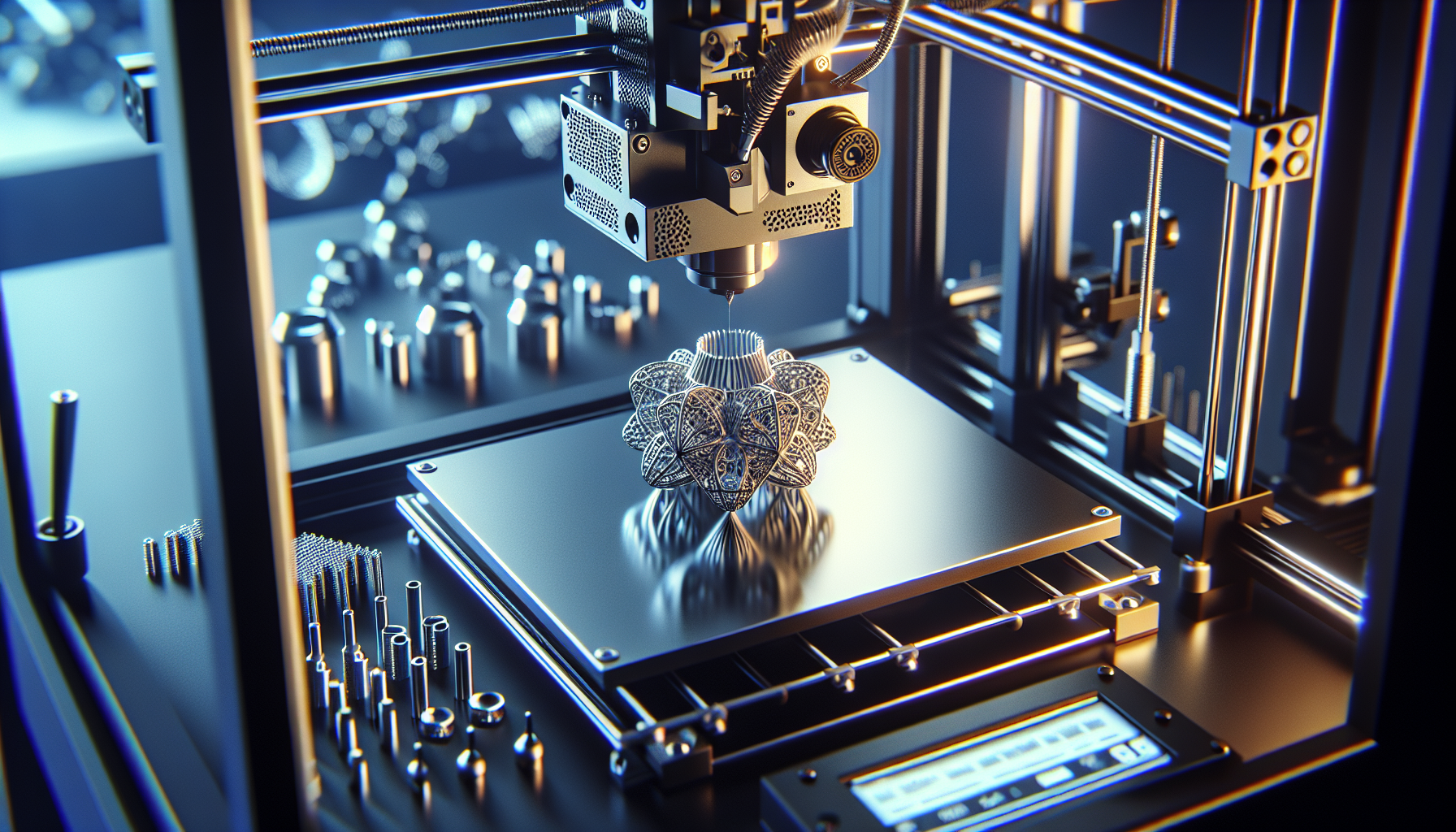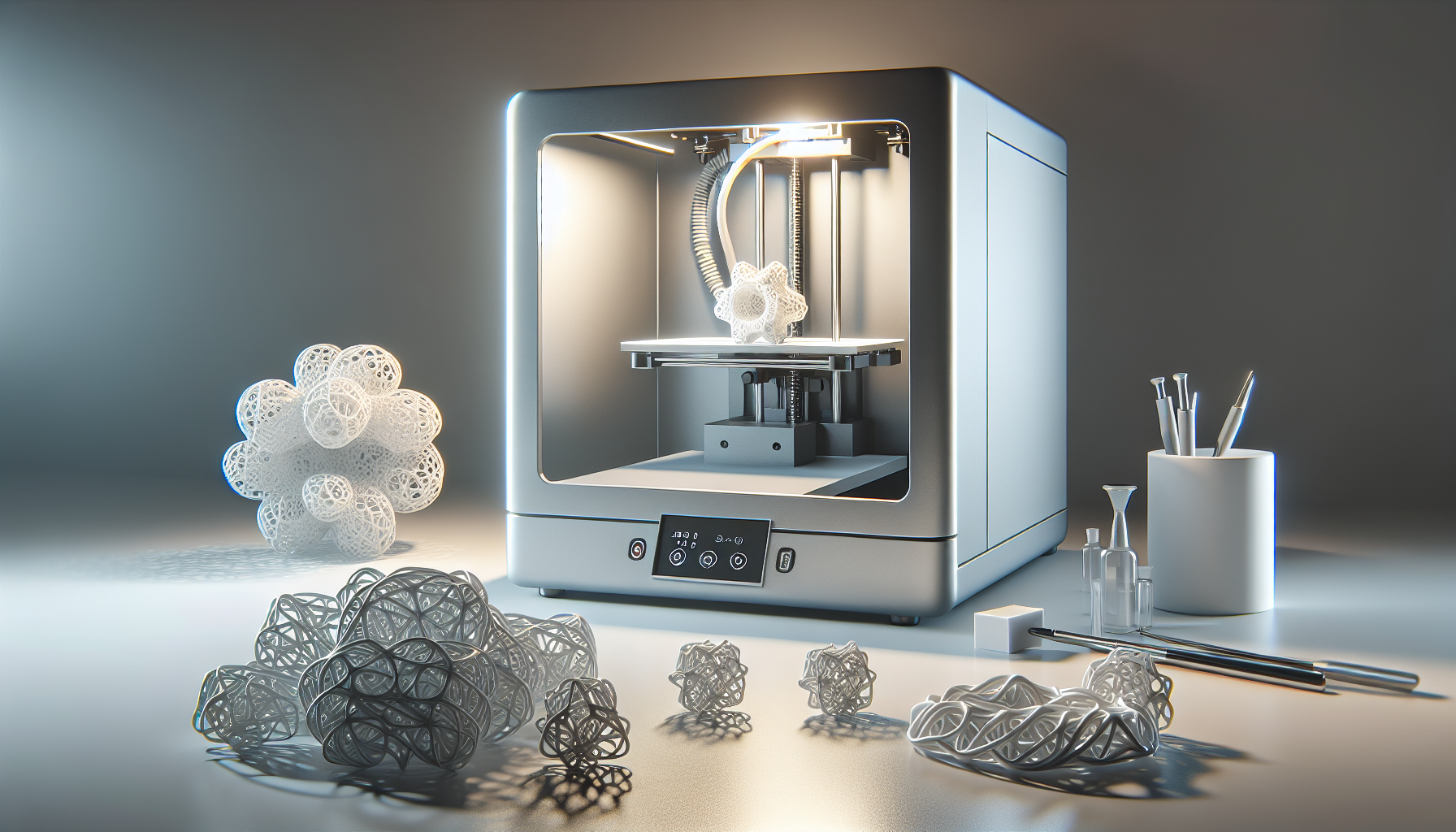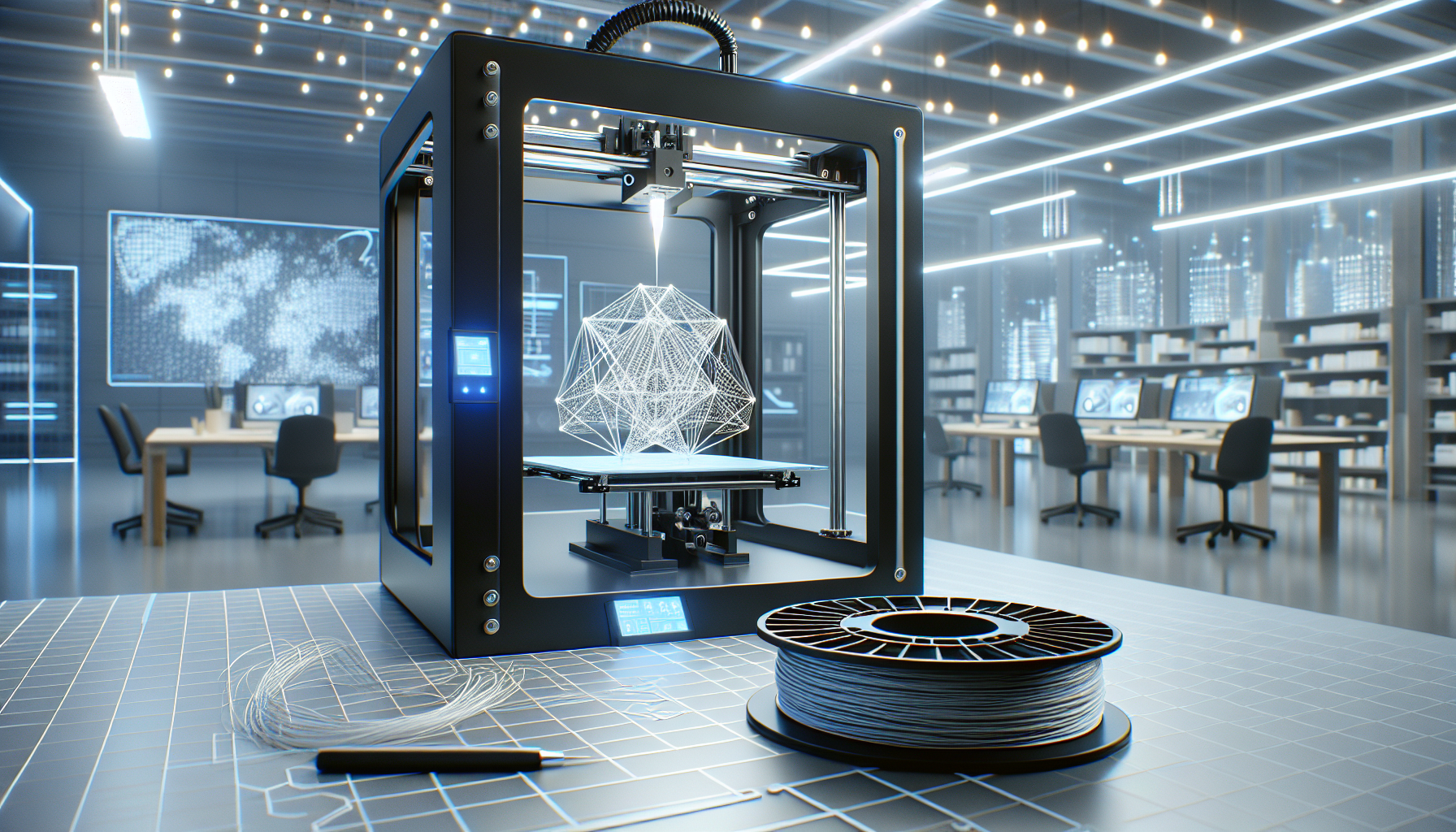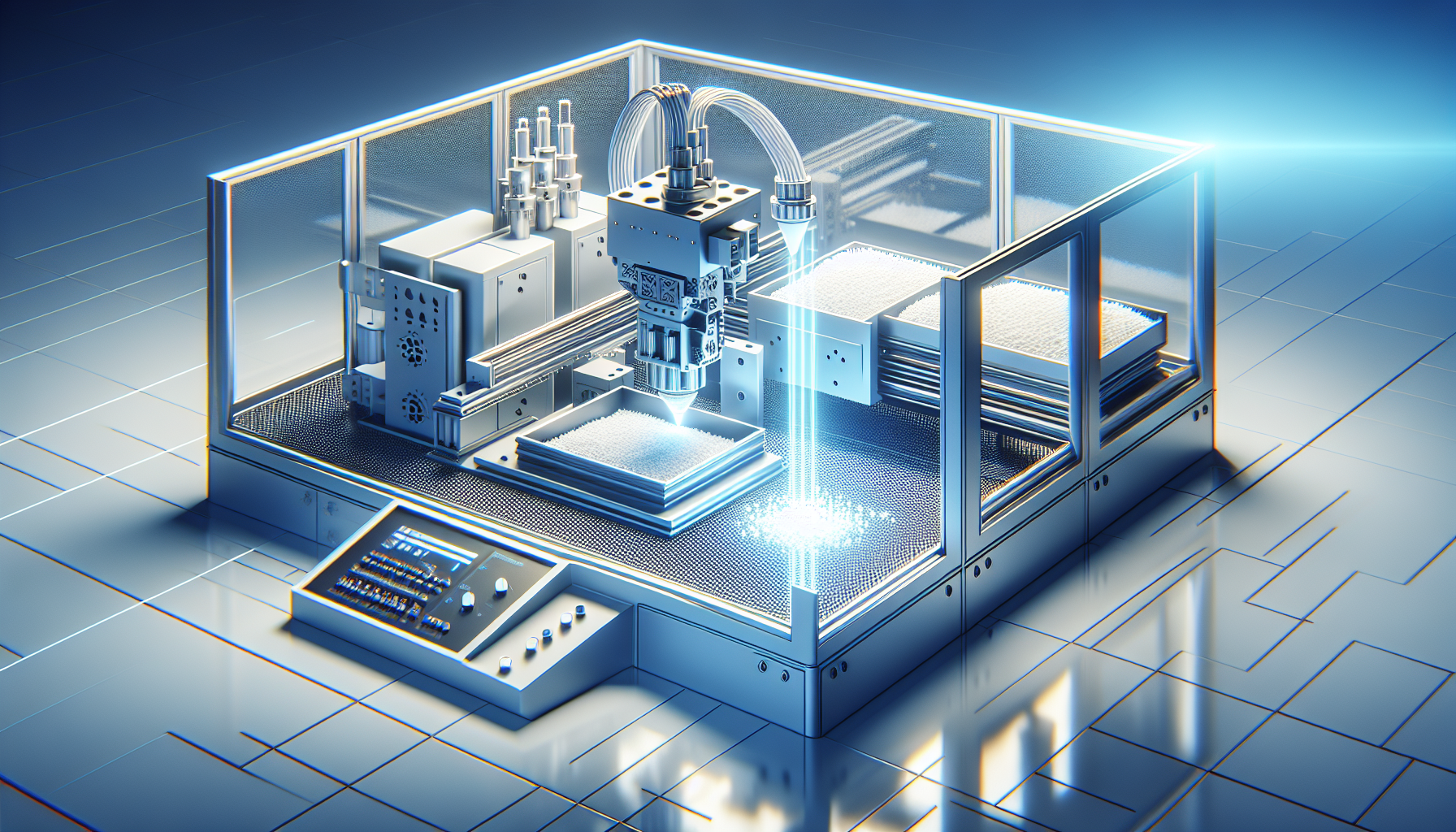
Stereolithography, usually shortened to SLA, is one of the foundational technologies in additive manufacturing, and it has become a decisive process in modern polymer manufacturing because it combines high accuracy, fine surface finish, and rapid iteration in ways few conventional methods can match. In practical terms, SLA uses a light source to selectively cure liquid photopolymer resin layer by layer until a three-dimensional part is formed. That simple definition matters because many people still use “3D printing” as a catchall term, even though the manufacturing implications of SLA differ sharply from fused deposition modeling, selective laser sintering, material jetting, and other additive processes. When teams understand those differences, they make better decisions about prototyping, tooling, validation, and end-use production.
As a hub page within the broader Manufacturing Processes topic, this article explains how stereolithography fits into additive manufacturing as a whole, where it excels in polymer manufacturing, and how engineers, buyers, and product teams should evaluate it against other 3D printing options. I have worked with SLA parts in prototype programs, low-volume production launches, and inspection workflows, and the same pattern repeats: companies often adopt the process for visual models, then discover it is also useful for functional testing, casting patterns, dental applications, microfeatures, and even bridge manufacturing. The core reason is process capability. SLA can reproduce thin walls, smooth curves, intricate channels, and tight feature detail that would be expensive or slow to machine in plastics.
The rise of additive manufacturing has made this especially important. Additive manufacturing refers to building a component by adding material in successive layers from digital design data, typically a CAD model. In polymer manufacturing, the main additive categories include vat photopolymerization, material extrusion, powder bed fusion, material jetting, binder jetting, and sheet lamination. SLA sits within vat photopolymerization and remains the most recognized process in that family. For manufacturers, that classification is not just academic. It signals likely material properties, dimensional behavior, support strategy, post-processing needs, production rate, and regulatory considerations.
Why does SLA matter now? Because polymer manufacturing is under pressure from every direction: shorter product cycles, higher customization, stricter quality expectations, and more fragmented demand. Traditional processes such as injection molding remain dominant at scale, but they require tooling investment and longer lead times. SLA changes the economics upstream and, in selected applications, downstream as well. It allows manufacturers to test design intent quickly, produce complex geometries without dedicated tooling, and create parts economically at low volumes. It also plays a key role in digital manufacturing workflows by linking CAD, simulation, print preparation, inspection, and process documentation in a traceable chain that supports both engineering speed and production control.
What SLA is and how it fits within additive manufacturing
SLA is a vat photopolymerization process in which a UV laser or projected light selectively solidifies a liquid resin. The build platform moves incrementally, and each cured layer bonds to the previous one until the full geometry is complete. After printing, the part is washed to remove uncured resin, post-cured under controlled light, and finished by removing supports. This sequence distinguishes SLA from fused deposition modeling, where thermoplastic filament is melted and deposited, and from selective laser sintering, where powdered polymer is fused in a heated powder bed. If someone asks, “What is stereolithography in manufacturing?” the direct answer is: a high-resolution additive process for producing polymer parts from photosensitive resins with exceptional detail and surface quality.
Historically, SLA matters because it was the first commercially significant 3D printing technology. Chuck Hull’s work in the 1980s established the basis for practical photopolymer printing and shaped the CAD-to-part workflow still used today. That legacy persists in industrial equipment from companies such as 3D Systems and in desktop and mid-scale resin systems from Formlabs, Nexa3D, and others. Across the industry, SLA has evolved from a rapid prototyping tool into a process used for dental models, hearing aids, investment casting patterns, transparent components, microfluidic devices, and manufacturing aids such as drill guides and soft tooling masters.
Within a sub-pillar on Additive Manufacturing (3D Printing), SLA should be understood as one branch of a larger process tree. Material extrusion is valued for low equipment cost and simple operation. Powder bed fusion offers stronger functional thermoplastic parts without support structures in many cases. Material jetting excels in multi-material and full-color output. SLA occupies the precision-and-finish end of the polymer spectrum. That positioning makes it a frequent choice when the product team needs accurate fit checks, presentation-quality surfaces, or complex geometries that rely on smooth walls and small details. It is not universally better, but in those use cases it is often the benchmark.
How the SLA process shapes polymer manufacturing workflows
In real manufacturing environments, the biggest impact of SLA is not just print quality; it is workflow compression. A conventional polymer product development cycle may require separate stages for concept models, machined prototypes, tooling samples, and production qualification. SLA can compress those stages by supplying accurate physical parts early enough to influence design decisions before expensive commitments are made. Engineers can print housings to verify snap fits, jigs to support assembly tests, and ergonomic mockups for user review in days rather than weeks. That time compression directly reduces engineering churn and shortens new product introduction schedules.
The digital workflow usually follows a clear path: CAD design, file export, orientation and support generation, print parameter selection, build execution, washing, UV post-cure, support removal, finishing, and inspection. Each step affects quality. Orientation influences support marks, peel forces, and anisotropy. Resin choice determines stiffness, temperature resistance, toughness, biocompatibility, or optical clarity. Post-cure settings affect final mechanical performance because photopolymers continue crosslinking after printing. In my experience, teams get the best results when SLA is treated like a controlled manufacturing process rather than a push-button office device. Resin age, room temperature, wash time, and cure exposure all matter.
SLA also changes communication between engineering and manufacturing. Because parts can be generated quickly from the master CAD model, design reviews become more concrete. Quality teams can inspect actual geometries instead of abstract drawings. Purchasing can assess whether a low-volume run is better suited to printing or whether the printed part should serve as a bridge while injection mold tooling is built. This is one reason additive manufacturing hubs usually interlink topics such as design for additive manufacturing, post-processing, production planning, and quality assurance. SLA sits at the center of those discussions because it reveals both the power and the discipline required for polymer AM.
Key benefits of SLA for polymer parts
The most widely recognized benefit of SLA is surface finish. Compared with many other 3D printing methods, SLA produces smoother surfaces and finer feature reproduction because the resin is cured with high spatial control. That matters for cosmetic prototypes, fluid-contact components, optical covers, and parts used to communicate design intent to customers or executives. Smooth surfaces also reduce the amount of sanding, coating, or vapor polishing needed before evaluation. If a searcher asks, “Why use SLA instead of another 3D printing process?” the short answer is: choose SLA when detail, accuracy, and finish matter more than raw speed or low-cost material.
Accuracy is the second major advantage. Well-tuned industrial and professional SLA systems can hold tight tolerances suitable for fit and assembly checks, though actual results depend on geometry, orientation, and post-processing discipline. Thin walls, embossed text, living-detail features, and intricate channels are easier to realize than with many extrusion-based processes. Clear resin options add another capability for transparent prototypes, light pipes, and flow visualization models. Specialized resins extend the range further, including high-temperature grades, castable materials, dental biocompatible formulations, and engineering resins designed to mimic ABS-like or polypropylene-like behavior.
These benefits translate into concrete manufacturing value. Consumer electronics teams use SLA to validate enclosure details before tooling release. Medical device developers use it for ergonomic evaluation, surgical planning models, and regulated workflow prototypes, while observing material and validation limits. Jewelry manufacturers use castable SLA patterns for investment casting with intricate detail. Automotive suppliers use SLA master patterns for silicone molding and low-volume urethane casting. In each case, the advantage is not just that the part can be printed. The advantage is that the printed part meaningfully advances a manufacturing objective, whether that objective is design verification, process development, customer approval, or temporary production support.
Where SLA fits among additive manufacturing processes
Because this page serves as a hub for Additive Manufacturing (3D Printing), comparison matters. No single process dominates every polymer application, and the most costly mistake is choosing a technology based on popularity rather than requirements. SLA competes most often with fused deposition modeling for prototypes, with selective laser sintering for functional polymer parts, and with PolyJet or other material jetting systems for high-detail visual output. The deciding factors usually include feature size, surface finish, isotropy, cost per part, lead time, and environmental resistance.
| Process | Primary strengths | Typical limits | Best-fit polymer applications |
|---|---|---|---|
| SLA | High detail, smooth finish, clear parts, tight features | Photopolymer aging, support removal, resin handling | Appearance models, precision prototypes, dental, casting patterns |
| FDM/material extrusion | Low cost, broad thermoplastic access, simple operation | Visible layer lines, lower feature fidelity | Concept models, fixtures, basic functional prototypes |
| SLS/powder bed fusion | Good functional strength, no support structures, batch efficiency | Rougher surface, porous feel, higher machine cost | Functional housings, ducts, clips, low-volume end-use parts |
| Material jetting | Excellent detail, multi-material, color capability | Higher material cost, property limitations | Medical models, presentation prototypes, tactile evaluation |
In plain terms, SLA is usually the right answer when appearance and precision are central. SLS is often better when the part must perform mechanically in a thermoplastic-like way. FDM is often enough for quick internal checks at minimal cost. Material jetting is compelling when color and multiple durometers matter. A strong additive manufacturing strategy uses these technologies as complements, not substitutes. That is why a robust manufacturing processes hub should guide readers from SLA to related topics such as design rules, process selection, post-curing, and polymer property validation.
Limitations, material realities, and quality control
SLA is powerful, but it is not a universal replacement for molded or machined plastics. The central limitation is material behavior. Photopolymers can be engineered to resemble common plastics, yet they are chemically and structurally different from thermoplastics such as ABS, nylon, polypropylene, or polycarbonate. Over time, some SLA materials can become more brittle, discolor under UV exposure, or show reduced performance under heat, moisture, or sustained load. This does not make them inferior across the board; it means application fit must be judged carefully. End-use success depends on matching resin data, environment, and expected service life.
Quality control is equally important. Good SLA parts come from process control, not hope. Reputable workflows use calibrated equipment, validated resin storage, documented wash and cure cycles, and dimensional inspection against CAD or drawing requirements. In regulated sectors, manufacturers may rely on ISO 13485 quality systems, traceable lot control, and biocompatibility documentation where applicable. In aerospace and automotive development, teams often pair printed parts with CT scanning, CMM inspection, or optical metrology to verify wall thickness, shrink behavior, and assembly fit. The strongest organizations treat additive manufacturing with the same discipline applied to machining or molding.
There are also economic limits. SLA is efficient for prototypes, custom parts, and low-volume production, but it usually cannot compete with injection molding at high volumes because resin cost, build rate, and labor-intensive post-processing raise unit cost. Supports leave witness marks. Large parts may require segmentation. Resin handling demands safety procedures, including gloves, ventilation, and waste management according to supplier guidance and local regulations. These tradeoffs are manageable, but they should be acknowledged directly. Trustworthy process selection depends on understanding both capability and constraint.
Future trends and how manufacturers should use this hub
SLA continues to shape polymer manufacturing because the technology is improving on three fronts at once: materials, throughput, and software integration. New resin chemistries are extending toughness, heat resistance, elastomeric behavior, flame performance, and long-term stability. Faster exposure systems and improved peel mechanics are reducing cycle times. Workflow software increasingly links build preparation, nesting, machine monitoring, and inspection records into a single digital thread. These advances make SLA more viable not only for prototypes but also for validated low-volume production, spare parts, and distributed manufacturing models where digital inventories replace physical stock.
Manufacturers should use this Additive Manufacturing hub as a decision framework. Start with the application requirement: visual model, functional test, tooling aid, regulated device, or end-use part. Then compare candidate processes, materials, surface needs, tolerance demands, and economics. From there, move into linked topics such as design for additive manufacturing, resin selection, post-processing methods, and additive quality assurance. SLA should be considered early whenever precision polymer geometry matters. It frequently unlocks faster learning, fewer tooling mistakes, and better stakeholder alignment. The companies that use it best do not ask whether 3D printing is trendy. They ask where stereolithography creates measurable manufacturing value, then build disciplined workflows around that answer. Explore the related additive manufacturing articles and map the right process to your next polymer project.
Frequently Asked Questions
What is stereolithography (SLA), and how does it work in polymer manufacturing?
Stereolithography, or SLA, is a 3D printing process that builds polymer parts by curing a liquid photopolymer resin with a controlled light source, typically a laser or a projected light pattern. The process works layer by layer. A build platform is positioned within a vat of resin, and the machine selectively hardens specific cross-sections of the part based on a digital CAD model. Once one layer is cured, the platform moves slightly, and the next layer is exposed until the entire geometry is complete. This method gives manufacturers exceptional control over detail, dimensional accuracy, and surface quality, which is why SLA remains one of the most influential additive manufacturing technologies in polymer production.
In polymer manufacturing, that layer-by-layer curing approach matters because it allows complex features to be produced without the tooling requirements associated with machining, molding, or casting. Internal channels, intricate contours, fine walls, and highly customized shapes can often be created directly from digital files. After printing, the part is typically cleaned to remove uncured resin and then post-cured under UV light to improve final mechanical performance and material stability. The result is a process that is especially valuable for prototypes, functional testing parts, medical models, design validation components, and low-volume production pieces where precision and speed are critical.
Why is SLA considered such an important technology in modern polymer manufacturing?
SLA is considered foundational because it demonstrated early on that additive manufacturing could produce highly accurate polymer components with excellent detail and repeatability. While many 3D printing methods now exist, SLA continues to stand out for applications where surface finish, tight tolerances, and fine feature resolution are priorities. In modern polymer manufacturing, that combination is extremely important because product development cycles are shorter, customization is more common, and companies need faster ways to move from concept to physical part without waiting for hard tooling.
Its importance also comes from how effectively it supports iteration. Engineers can design a part in CAD, print it quickly, evaluate its fit and function, revise the design, and produce another version in a fraction of the time required by conventional manufacturing workflows. This short feedback loop reduces development risk and helps teams identify performance issues earlier. In sectors such as medical devices, consumer products, electronics housings, dental applications, and automotive development, SLA often becomes a strategic tool because it bridges the gap between idea and manufacturable polymer component. Even when final mass production may ultimately rely on injection molding or another process, SLA frequently shapes the design path, testing process, and product readiness in meaningful ways.
What are the main advantages of SLA compared with other polymer manufacturing methods?
The biggest advantages of SLA are precision, surface quality, and design freedom. Compared with many other additive and conventional polymer processes, SLA can produce very smooth surfaces and highly detailed features directly from the printer. That makes it ideal for parts that need sharp edges, fine text, delicate geometries, accurate mating features, or a presentation-ready appearance. For prototypes and visual models, that finish can reduce the amount of sanding, machining, or cosmetic post-processing required. For engineering applications, the accuracy can make the difference between a rough concept model and a useful test part.
Another major advantage is speed in low-volume and iterative manufacturing. Since SLA does not require molds, dies, or specialized cutting tools, companies can move from design to part production quickly. This is especially beneficial for early-stage product development, custom parts, and short production runs where tooling costs would otherwise be difficult to justify. SLA also supports complex geometry that may be expensive or impossible to create through subtractive machining or traditional molding. In practical terms, that means manufacturers can test more ideas, customize parts more easily, and make design improvements with far less delay. While it is not always the best choice for every production environment, its ability to deliver high-quality polymer parts rapidly gives it a distinct and enduring role.
What are the limitations or challenges of SLA in polymer manufacturing?
Although SLA offers impressive performance, it does come with limitations that manufacturers need to understand clearly. One of the main constraints is material behavior. SLA relies on photopolymer resins, and while these materials have improved significantly, they do not always match the durability, heat resistance, long-term toughness, or chemical resistance of thermoplastics used in processes such as injection molding. Depending on the resin, printed parts may be more brittle, more sensitive to UV exposure, or less suitable for demanding end-use environments. That is why material selection and application-specific validation are so important when using SLA for functional polymer components.
There are also workflow and cost considerations. SLA parts generally require post-processing, including washing, support removal, and UV post-curing. Those steps add time and labor, especially for parts with complex support structures or strict cosmetic requirements. Resin handling also requires care, as uncured photopolymers must be managed safely and cleanly. In production terms, SLA may be less economical than molding for high-volume output, since each part is still built layer by layer and resin costs can be relatively high. Build size can also be a limiting factor depending on the machine. For these reasons, SLA is most powerful when used in the right context: high-detail prototypes, precision components, custom parts, and low-volume manufacturing where its strengths outweigh its tradeoffs.
Where is SLA used today, and how does it influence the future of polymer manufacturing?
SLA is used across a wide range of industries because it solves real manufacturing problems with a high degree of precision and flexibility. In healthcare and dentistry, it is widely used for surgical guides, dental models, aligner molds, hearing aid components, and anatomical visualization tools. In product development, companies use SLA to create enclosures, ergonomic mockups, fit-check assemblies, and presentation models that closely resemble final products. In engineering and industrial settings, SLA supports fluid-flow testing models, master patterns for molding and casting, and limited-run components where detail and speed are more important than large-scale throughput.
Its influence on the future of polymer manufacturing is significant because it reinforces a broader shift toward digital production, mass customization, and faster innovation cycles. As resin chemistry continues to advance, SLA materials are becoming more application-specific, with improved toughness, thermal performance, flexibility, biocompatibility, and transparency. At the same time, machine improvements are expanding speed, reliability, and automation. This means SLA is moving beyond its traditional role as a prototyping method and becoming increasingly relevant for specialized end-use production. More importantly, it is shaping how manufacturers think about polymers altogether: not only as materials to be molded in large quantities, but also as materials that can be digitally formed with extraordinary precision on demand. That shift is helping redefine efficiency, customization, and product development strategy across the manufacturing landscape.