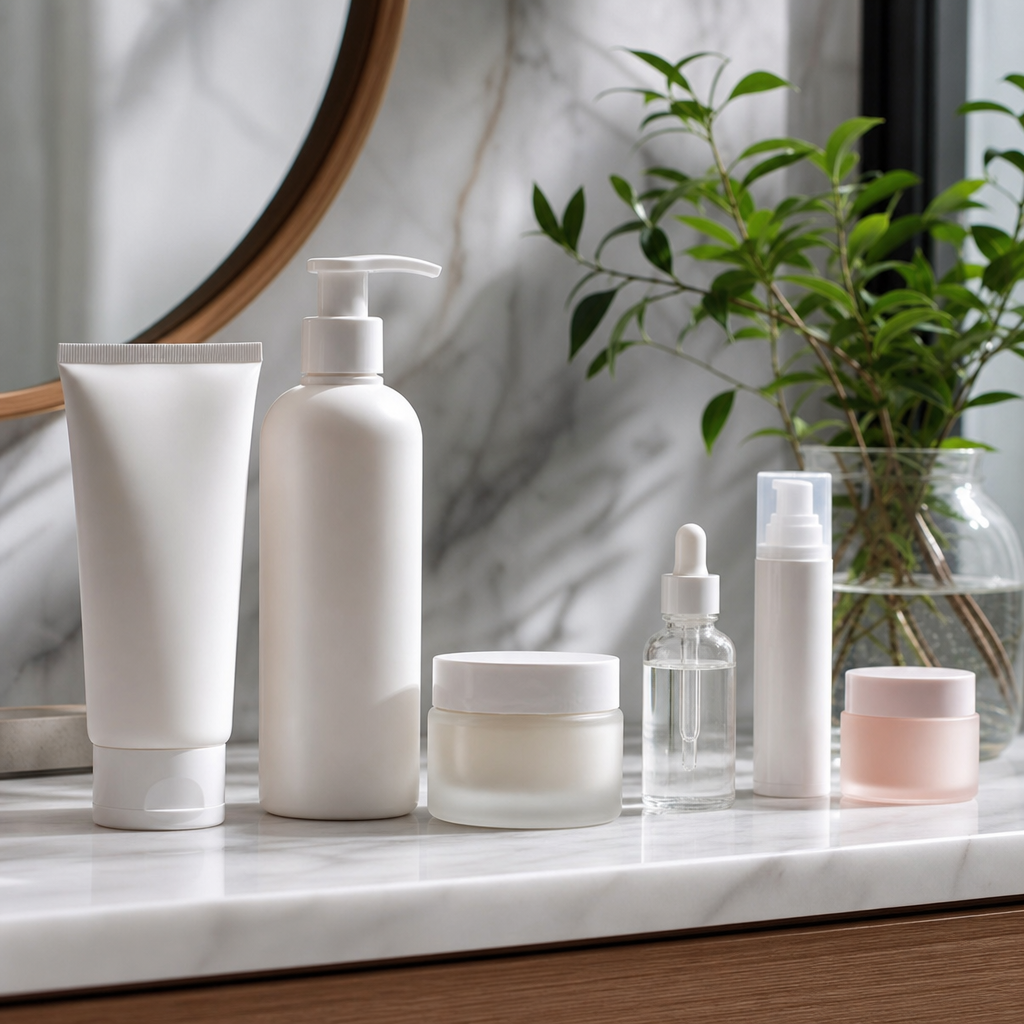
Cosmetic packaging has changed dramatically over the past two decades, and polymers sit at the center of that transformation. In this context, polymers are long-chain materials, usually plastics or engineered resins, designed to deliver precise combinations of strength, flexibility, barrier protection, clarity, chemical resistance, and processability. When people ask how polymers are revolutionizing cosmetic packaging, the short answer is simple: they let brands make lighter, safer, more attractive, more functional packs at scale while meeting rising expectations around sustainability, hygiene, and user experience. I have worked with packaging teams evaluating jars, pumps, tubes, sachets, compacts, and airless systems, and the pattern is consistent. The winning package is rarely just the prettiest one. It is the package whose polymer selection matches the formula, filling line, shelf-life target, transport conditions, and end-of-life strategy.
Packaging matters in beauty because the pack does far more than hold product. It protects active ingredients from oxygen, moisture, ultraviolet light, and contamination. It controls dispensing so a serum does not oxidize, a cream does not pick up bacteria from repeated finger contact, and a sunscreen remains stable through shipping and use. It also communicates brand position through tactile feel, gloss, transparency, decoration, and closure performance. For mass-market products, cost and line efficiency are critical. For prestige products, finish quality, refillability, and compatibility with decorated components often matter more. Across both segments, polymers enable a level of design freedom that glass and metal alone cannot deliver.
Several core terms help define this space. Barrier properties describe how well a package resists the passage of oxygen, water vapor, fragrances, oils, or solvents. Compatibility refers to whether the formula and packaging remain stable together over time without stress cracking, discoloration, paneling, leaching, or loss of product efficacy. Mono-material packaging uses a single polymer family to simplify recycling. Post-consumer recycled content, commonly called PCR, means resin sourced from previously used packaging or products rather than virgin fossil feedstock. Bio-based polymers are made partly or fully from renewable feedstocks, while biodegradable polymers are designed to break down under specific conditions, often industrial composting rather than ordinary landfill. These distinctions matter because cosmetic packaging decisions are increasingly judged not just on appearance and cost, but on technical performance and environmental credibility.
The reason this subject deserves a dedicated packaging hub is that polymers now influence every major packaging decision in cosmetics: primary pack format, closure engineering, decoration method, supply-chain resilience, regulatory compliance, refill strategy, and recyclability pathway. A moisturizer jar, a lip balm stick, and a shampoo bottle may all look straightforward to a shopper, yet each depends on carefully selected resins and additives. Understanding those choices helps brand owners reduce waste, improve product protection, and build packs that consumers will actually use correctly. This article maps the full packaging landscape, explains the major polymer types, and shows where the material is taking cosmetic packaging next.
Why polymers dominate modern cosmetic packaging
Polymers dominate cosmetic packaging because they solve several engineering problems at once. They are lightweight, which cuts transport emissions and breakage risk compared with glass. They can be molded into thin walls, complex threads, snap fits, dispensing valves, and integrated hinges that would be difficult or expensive in other materials. They also support a wide range of decoration options, including in-mold labeling, silk screening, hot stamping, metallization, soft-touch finishes, and digital printing. For product developers, that means one material platform can deliver both performance and shelf appeal.
The most commonly used polymers in cosmetics include polyethylene terephthalate, high-density polyethylene, low-density polyethylene, polypropylene, styrene-acrylonitrile, acrylonitrile butadiene styrene, and specialty layers such as ethylene vinyl alcohol for added barrier performance. PET is valued for clarity and stiffness, making it common in transparent bottles for shampoos, micellar waters, and body mists. HDPE offers toughness and strong chemical resistance, which suits cleansers, lotions, and many household-adjacent beauty products. LDPE is flexible and squeezable, so it is widely used in tubes. PP handles heat better than polyethylene in many applications and is favored for caps, jars, compact components, and airless systems. No single polymer is best; selection depends on the formula and format.
Real-world examples show why brands continue to rely on polymers even as sustainability pressure rises. A vitamin C serum in a clear dropper bottle may look premium, but if the formula is oxygen sensitive, an opaque or airless polymer package can preserve potency better than decorative glass with repeated air exposure. A travel-size cleanser in a coextruded tube can survive drops, temperature swings, and squeezing far better than a rigid alternative. A refill pod made from lightweight polypropylene can reduce shipping weight and material use versus replacing the full outer pack each time. In practice, the polymer is not just a container material. It is an active part of product performance.
How specific polymer properties protect beauty formulas
The most important job of cosmetic packaging is protection, and polymer science gives packaging engineers a detailed toolkit. Oxygen barrier matters for retinol, antioxidants, essential oils, and natural formulations that degrade when exposed to air. Moisture barrier affects powders, pressed products, and water-sensitive ingredients. Light protection matters for formulas containing pigments, botanical extracts, or unstable actives. Chemical resistance is essential when packs hold alcohol-based sprays, oil-rich emulsions, surfactants, or fragrances that can soften or crack less suitable plastics.
Compatibility testing is where theory meets reality. In development, teams typically run accelerated aging, freeze-thaw cycles, hot-room testing, transportation simulation, and repeated-use dispensing tests. I have seen elegant components fail because fragrance oils caused stress cracking in the shoulder area, or because a closure liner swelled and compromised seal integrity. The package must survive not just filling day, but months of warehousing, shipping, store display, and daily consumer use. That is why resin grade selection, wall thickness, additive package, and closure torque all matter.
Barrier enhancement often comes from multilayer structures or specialized systems. Tubes may use EVOH as a middle layer to reduce oxygen transmission. Airless pumps use pistons, collapsing pouches, or bag-on-valve designs to limit air ingress and help evacuate product more completely. Opaque pigments, UV absorbers, and metallized layers can shield light-sensitive formulas. These are not cosmetic extras. They directly affect shelf life, formula stability, and consumer satisfaction. If a cream darkens, separates, or loses fragrance before its intended use period, packaging has failed regardless of how luxurious it looked at launch.
| Polymer | Typical cosmetic uses | Main strengths | Key limitations |
|---|---|---|---|
| PET | Clear bottles, jars | High clarity, stiffness, good appearance | Limited heat resistance, not ideal for some aggressive formulas |
| HDPE | Bottles for lotions, cleansers | Tough, chemical resistant, good moisture barrier | Opaque or translucent rather than glass-clear |
| LDPE | Squeeze tubes | Flexible, easy dispensing, lightweight | Lower stiffness, weaker oxygen barrier |
| PP | Caps, jars, airless parts, refill packs | Good fatigue resistance, versatile, widely recyclable in growing streams | Can need additives or design tweaks for premium aesthetics |
| EVOH | Barrier layer in tubes and bottles | Excellent oxygen barrier | Usually used in multilayer packs that complicate recycling |
Packaging formats reshaped by polymer innovation
Polymer innovation has expanded what cosmetic packaging formats can do. Bottles remain the largest category by volume, especially in hair care and skin cleansing, but the technology inside them has advanced. Lightweighting through finite element analysis allows thinner walls without unacceptable paneling or drop failure. Precision neck finishes improve closure consistency on high-speed lines. Recycled PET and recycled HDPE are now common in many regional markets, though consistency in color and odor still requires careful specification and supplier qualification.
Tubes are one of the clearest examples of polymer-driven change. Traditional laminated tubes delivered strong barrier performance but could be difficult to recycle depending on structure. Newer all-polyethylene and all-polypropylene tube designs aim to maintain squeezability and appearance while improving compatibility with recycling streams. That shift matters for hand creams, facial cleansers, sunscreens, and color cosmetics, where tubes combine controlled dispensing, low contamination risk, and good portability.
Airless packaging is another area where polymers have raised performance standards. Airless packs use mechanical dispensing systems to minimize product exposure to air and external contaminants. They are especially valuable for preservative-light formulations, anti-aging serums, and products with unstable actives. Polypropylene frequently appears in these systems because it offers a strong balance of chemical resistance, moldability, and hinge or snap-fit performance. When designed well, airless systems improve dosage consistency and product evacuation, reducing waste left in the package.
Compacts, sticks, sachets, ampoules, droppers, and refill cartridges also rely heavily on polymer engineering. A lipstick mechanism must combine smooth torque, dimensional precision, impact resistance, and decoration compatibility. A cushion compact needs airtight sealing to protect a wet formula from drying out. A refill cartridge must lock securely into the outer shell but remain easy for a consumer to replace without breakage. Those details are where polymers are genuinely revolutionizing cosmetic packaging: not through a vague promise of innovation, but through specific mechanical solutions that improve function at every touchpoint.
Sustainability, circular design, and the hard tradeoffs
Sustainability is now inseparable from cosmetic packaging, but the discussion needs precision. Polymers can reduce environmental impact through lightweighting, lower transport emissions, refill systems, and improved product protection that cuts spoilage and waste. At the same time, poorly designed plastic packaging contributes to waste leakage, low recycling rates, and consumer confusion. The central question is no longer whether polymers should be used, but which polymers should be used, in what formats, and with what end-of-life pathway.
In most projects, the highest-impact improvements come from circular design basics rather than experimental materials. Reduce unnecessary components. Eliminate incompatible materials where possible. Favor mono-material structures for bottles, caps, labels, and pumps when functionality allows. Use clear or naturally tinted resin instead of carbon black or hard-to-sort dark colors where optical sorting is important. Increase PCR content where odor, color, and regulatory constraints permit. Design refill systems only when consumers are likely to adopt them and the logistics support repeat purchase. A refill that is hard to find or awkward to use often fails in market, even if the life-cycle model looks good on paper.
Bio-based and compostable polymers attract attention, but they are not universal solutions. Bio-PE can reduce fossil feedstock dependence while behaving similarly to conventional PE in use and recycling. Compostable polymers such as PLA may fit niche applications, but they can create contamination issues in conventional recycling streams and often require industrial composting infrastructure that many regions lack. For most mainstream cosmetic packaging, recyclable polyolefins and PET with increasing recycled content remain more practical than switching blindly to unfamiliar materials.
Brands also need to distinguish between recyclability in theory and recyclability in practice. A package may be technically recyclable, yet local collection systems may not accept the size, shape, or dispensing assembly. Pumps and multi-material closures remain persistent challenges. Some companies now address this through take-back programs, store collection partnerships, or redesigned dispensing systems that reduce material diversity. The credible sustainability strategy is the one grounded in actual waste-system realities, not just marketing language.
Manufacturing, compliance, and what brands must evaluate next
Choosing polymer packaging for cosmetics requires coordination across procurement, package development, operations, quality, and regulatory teams. The manufacturing process shapes both performance and cost. Injection molding is common for caps, jars, and complex components with tight tolerances. Blow molding produces many bottles efficiently. Extrusion and coextrusion drive tube production and some multilayer structures. Each process influences wall distribution, cycle time, tooling cost, decoration options, and defect risks such as sink marks, flash, warpage, or gate blemishes.
Compliance is equally important. Packaging must meet regulations related to material safety, heavy metals, migration, and product-contact suitability in target markets. For prestige claims, consistency in gloss, color, and seam quality may matter as much as mechanical performance. For e-commerce, drop resistance and leak prevention become critical because parcel shipping is harsher than palletized retail distribution. I routinely advise teams to test packs in the exact route-to-market conditions they expect, including elevated temperatures in containers, repeated opening cycles, and compatibility with induction sealing or tamper evidence where needed.
Looking ahead, the next wave of polymer-driven packaging will combine material science with digital and operational intelligence. Expect wider use of design for recyclability guidelines from groups such as the Association of Plastic Recyclers and RecyClass. Expect more refillable architectures with durable outer shells and lightweight inner cartridges. Expect growth in deodorant, skin care, and hair care sticks using polypropylene and polyethylene systems engineered for smooth product payoff and lower water formats. Expect better traceability of PCR through chain-of-custody programs, and more data-driven package development using finite element modeling, permeation analysis, and life-cycle assessment software.
The biggest takeaway is practical. Polymers are revolutionizing cosmetic packaging because they give brands control: control over protection, dispensing, aesthetics, logistics, and increasingly end-of-life outcomes. The best results come from matching resin, format, and sustainability strategy to the formula and market, not from chasing a single miracle material. If you are building or updating a packaging portfolio, start with a full compatibility and circular-design review, then map each product to the polymer system that delivers performance with the fewest tradeoffs. That is how modern beauty packaging becomes smarter, safer, and more durable.
Frequently Asked Questions
1. How are polymers changing the way cosmetic packaging is designed and manufactured?
Polymers are transforming cosmetic packaging because they give manufacturers far more control over performance, appearance, and production efficiency than many traditional materials. In simple terms, polymers can be engineered to deliver specific properties such as impact resistance, squeeze flexibility, transparency, gloss, chemical compatibility, and barrier protection. That means a face serum bottle, an airless pump, a lipstick case, and a shampoo closure can all be designed with highly tailored material characteristics instead of relying on one-size-fits-all packaging solutions.
From a design perspective, polymers allow brands to create packaging in complex shapes, thinner wall sections, ergonomic forms, and decorative finishes that are difficult or costly to achieve with glass or metal. They also support a wide range of manufacturing processes, including injection molding, blow molding, thermoforming, and multilayer extrusion. These methods help companies produce large volumes consistently while maintaining tight tolerances, which is especially important for closures, pumps, and dispensing systems.
Polymers also help reduce packaging weight substantially. Lighter packs are easier to transport, less prone to breakage, and often more convenient for consumers to use at home or on the go. For cosmetic brands, this can mean lower shipping costs, fewer damages in distribution, and more flexibility in e-commerce packaging strategies. In short, polymers are not just replacing older materials; they are expanding what cosmetic packaging can do in terms of function, aesthetics, scalability, and user experience.
2. Why are polymers considered such a good fit for cosmetic and personal care products?
Polymers are especially well suited for cosmetic packaging because the products inside often have demanding formulation requirements. Creams, oils, gels, serums, fragrances, and active skincare products may contain ingredients that are sensitive to oxygen, light, moisture, or contamination. Different polymers can be selected or combined to protect those formulations while also ensuring the package remains stable, attractive, and easy to use throughout its shelf life.
One major advantage is chemical resistance. Many cosmetic formulas include alcohols, essential oils, surfactants, acids, silicones, or active ingredients that can interact poorly with unsuitable packaging materials. Engineered polymer grades can be chosen specifically to withstand these ingredients, helping prevent cracking, warping, discoloration, stress failure, or product-package incompatibility. This is critical not only for preserving product quality but also for maintaining brand trust and consumer safety.
Another key reason polymers are a strong fit is dispensing performance. Consumers expect cosmetic packaging to work smoothly, whether that means a pump that dispenses the right amount of lotion, a squeeze tube that empties cleanly, or a compact case that opens and closes securely. Polymers make it possible to build these interactive packaging systems with precision. At the same time, they offer aesthetic versatility through color matching, matte or glossy finishes, translucency, metallized effects, soft-touch textures, and decorative molding. That combination of technical performance and visual branding is one of the main reasons polymers have become central to modern cosmetic packaging.
3. Do polymers make cosmetic packaging safer and more protective?
Yes, when properly selected and engineered, polymers can significantly improve both package safety and product protection. Safety starts with durability. Compared with fragile materials like glass, many polymer packages are far less likely to shatter if dropped. This matters in bathrooms, travel environments, retail settings, and online shipping, where breakage can create safety hazards and lead to product loss. For consumers, especially families and frequent travelers, lightweight and impact-resistant packaging is a major practical advantage.
Protection is another critical area where polymers excel. Many cosmetic products need packaging that limits exposure to air, moisture, contaminants, and ultraviolet light. Certain polymers naturally provide strong barriers, while multilayer structures or specialty coatings can be used to further enhance protection. For example, airless pump systems made with polymer components can help reduce oxidation and contamination by minimizing repeated air exposure during use. That is particularly valuable for premium skincare formulas with sensitive active ingredients.
Polymers also support tamper-evident features, secure closures, and hygienic dispensing formats. These attributes help protect the product from leakage, evaporation, and external contamination while giving consumers more confidence in the integrity of what they are buying. In regulated cosmetic markets, packaging compatibility and migration performance must also be carefully evaluated, and polymers can be selected to meet those standards. The result is packaging that is not only convenient and attractive, but also better equipped to preserve formula stability, extend usable shelf life, and reduce the risks associated with breakage or poor containment.
4. How do polymers support sustainability in cosmetic packaging?
Polymers can support sustainability in several important ways, although the full picture depends on material choice, package design, recycling infrastructure, and end-of-life systems. One of the most immediate sustainability benefits is lightweighting. Polymer packaging often uses less mass than glass or metal for comparable applications, which can reduce transportation emissions across the supply chain. Lower breakage rates can also reduce waste, replacement shipments, and product spoilage.
Another major development is the growing use of recyclable polymer formats, post-consumer recycled content, mono-material designs, and refill-friendly systems. Cosmetic brands are increasingly moving away from complicated multi-material packs when possible and toward packaging structures that are easier to sort and recycle. Advances in resin technology are also making it easier to incorporate recycled polymers while preserving appearance and performance. In addition, bio-based and specialty polymers are being explored for certain applications, especially where brands want to reduce dependence on fossil-based virgin materials.
That said, sustainability is not automatic simply because a package is made from polymer. Effective sustainable packaging requires thoughtful engineering. Designers need to consider whether the package can be emptied fully, whether it uses compatible materials, whether pigments or decorations interfere with recycling, and whether refill or reuse models are realistic for the product category. The most meaningful shift is that polymers now allow brands to balance performance, aesthetics, and circularity more effectively than before. When paired with smart design and responsible sourcing, polymers can play a major role in making cosmetic packaging more resource-efficient and more aligned with modern sustainability goals.
5. What should brands consider when choosing polymers for cosmetic packaging?
Choosing the right polymer for cosmetic packaging requires a careful evaluation of product formula, packaging function, brand goals, manufacturing method, and regulatory requirements. The first consideration is compatibility with the cosmetic formulation itself. A package may look excellent on the shelf, but if the resin is not compatible with the ingredients inside, the result can be product degradation, package deformation, odor transfer, permeability issues, or shortened shelf life. Compatibility testing is essential, especially for formulas containing active ingredients, fragrances, solvents, or oils.
Brands also need to consider the intended user experience. A luxury cream jar, a mass-market shampoo bottle, and a precision skincare pump all have very different performance expectations. The polymer must support the desired feel, appearance, dispensing behavior, and durability. For example, some applications need rigidity and high clarity, while others need flexibility, toughness, or a premium surface finish. Decoration method matters too, since labeling, hot stamping, screen printing, metallization, and direct printing may perform differently depending on the polymer used.
Finally, brands should evaluate supply chain and sustainability factors alongside cost. That includes resin availability, manufacturability at scale, compatibility with recycled content, recyclability of the final pack, and the ability to simplify the overall package structure. The best packaging decisions usually come from balancing technical performance with commercial practicality and environmental strategy. In today’s cosmetic market, polymers offer a broad toolkit, but successful results depend on selecting the right material for the right application, then validating that choice through testing, prototyping, and long-term performance review.