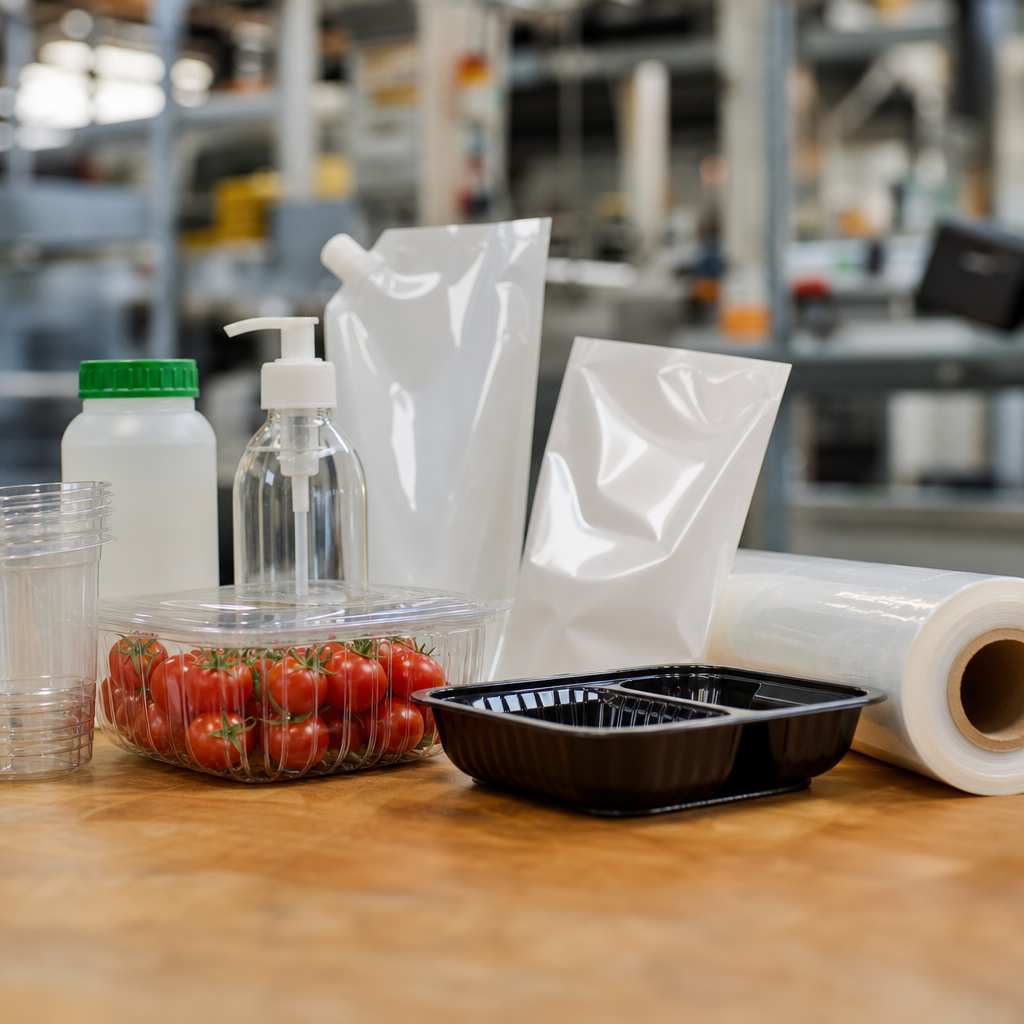
Packaging has changed more in the past three decades than in the previous century, and polymers are the main reason. In manufacturing plants, distribution centers, and retail audits, I have seen packaging move from heavy, rigid, single-material formats to engineered systems designed around product protection, shelf life, transport efficiency, and recovery pathways. When people ask how polymers are transforming the packaging industry, the short answer is this: they allow brands to fine-tune barrier performance, weight, strength, sealability, transparency, cost, and increasingly recyclability in ways paper, glass, and metal cannot achieve alone.
A polymer is a material made of long chains of repeating molecular units. In packaging, the most common families include polyethylene, polypropylene, polyethylene terephthalate, polystyrene, polyamide, ethylene vinyl alcohol, and newer bio-based or compostable options such as polylactic acid and polyhydroxyalkanoates. These materials can be processed into films, bottles, trays, pouches, caps, labels, coatings, foams, and multilayer laminates. Their performance comes from chemistry as much as shape. A flexible pouch made from polyethylene behaves differently from a PET bottle because crystallinity, molecular orientation, additives, and layer structure change oxygen transmission, puncture resistance, and heat tolerance.
This matters because packaging is no longer just a container. It is a logistics tool, a product-preservation system, a branding surface, a food safety control point, and a sustainability target under growing regulatory pressure. The global packaging sector serves food, beverage, pharmaceuticals, personal care, industrial chemicals, e-commerce, and medical devices, each with different requirements for migration compliance, moisture barrier, drop performance, tamper evidence, and end-of-life handling. Polymers sit at the center of those decisions because they can be tailored with exceptional precision. The most important shift is not simply that packaging uses more polymers; it is that polymer science now determines what packaging can do.
As a hub for innovative polymer applications, this article explains where polymers create value, which packaging formats are changing fastest, how advanced structures improve performance, and what tradeoffs manufacturers must manage. It also connects the practical questions decision-makers ask every day: Which polymer fits a frozen food pouch? Why are mono-material structures gaining market share? How do recycled resins affect quality? Where do compostables make sense, and where do they fail? Answering those questions clearly is essential for procurement teams, product developers, sustainability managers, and operations leaders planning the next generation of packaging.
Why polymers dominate modern packaging design
Polymers dominate packaging because they offer the broadest performance range at commercial scale. A single family like polyethylene can serve as a stretch wrap, a squeeze bottle, a heavy-duty industrial liner, or a peelable sealant layer depending on density, branching, and processing conditions. Polypropylene adds heat resistance and stiffness, making it useful for caps, microwaveable tubs, and oriented films. PET delivers clarity, toughness, and carbon dioxide barrier suitable for beverage bottles and thermoformed trays. When designers need more than one property, they build structures that combine materials strategically rather than relying on one substrate to do everything.
That design freedom has real operational impact. Lightweight polymer packaging lowers transport costs and reduces fuel use compared with glass or metal in many applications. Flexible formats often require less material per unit of product. In one beverage conversion project I reviewed, moving from glass to PET reduced breakage losses, improved line speed, and expanded distribution because secondary packaging could be optimized for pallet density. In snack foods, oriented polypropylene films have become standard because they seal reliably at high speed, run efficiently on form-fill-seal equipment, and protect crispness through controlled moisture barrier. These are not marginal gains; they change manufacturing economics.
Polymers also support package functionality that consumers now expect. Resealable closures, easy-tear films, stand-up pouches, anti-fog produce packs, unit-dose medical blisters, retort pouches, and dispensing valves all depend on carefully selected polymer grades. The rise of e-commerce has strengthened this advantage. Packages now face parcel networks, drop risks, vibration, and long fulfillment cycles, so impact resistance and dimensional stability matter more than shelf aesthetics alone. Polymer packaging can be engineered around those stresses while keeping overall pack weight low, which is why it remains central to omnichannel distribution strategies.
Innovative polymer applications across key packaging segments
Different industries use polymers in different ways, and the most innovative applications solve a specific performance problem. In food packaging, high-barrier multilayer films combine polyethylene for sealability, polyamide for toughness, and EVOH for oxygen protection to extend shelf life for meat, cheese, and coffee. Modified atmosphere packaging relies on these structures to slow oxidation and microbial growth. In frozen foods, low-temperature toughness matters more than shelf gloss, so resin choice focuses on crack resistance and dependable seals after exposure to cold-chain conditions.
In beverage packaging, PET transformed the market by enabling lightweight, shatter-resistant bottles with strong clarity and good gas barrier. Carbonated soft drinks pushed PET engineering forward through stretch blow molding and barrier enhancements that preserve carbonation. Hot-fill juice bottles use heat-set PET or tailored geometries to tolerate elevated filling temperatures without paneling. For dairy and protein beverages, multilayer bottles or oxygen scavenger technologies can protect flavor-sensitive products. These are direct examples of innovative polymer applications translating chemistry into shelf-life gains and lower logistics costs.
Pharmaceutical and healthcare packaging uses polymers where precision and compliance are critical. Blister packs often pair PVC, PVDC-coated films, or cyclic olefin materials with foil lidding to balance visibility, moisture protection, and push-through performance. Medical device packs use Tyvek with polymer films for sterile barriers. Child-resistant and tamper-evident closures frequently rely on polypropylene and polyethylene components designed to meet regulatory protocols. Personal care packaging adds another layer of complexity because brands want premium appearance and differentiated dispensing. Multilayer tubes, airless pumps, and soft-touch finishes all come from polymer selection, additive systems, and advanced molding.
| Packaging segment | Common polymers | Primary benefit | Typical application |
|---|---|---|---|
| Fresh food | PE, PA, EVOH, PET | Barrier plus sealability | Meat trays, cheese packs, produce films |
| Beverages | PET, PP, HDPE | Light weight and toughness | Water bottles, dairy bottles, caps |
| Pharmaceuticals | PVC, COC, PP, PE | Moisture control and compliance | Blisters, closures, sterile pouches |
| E-commerce | PE, foamed polymers, mailer films | Impact protection with low mass | Mailers, air pillows, protective wraps |
Barrier technology, multilayer structures, and smart performance
The most important technical reason polymers are transforming packaging is that they can be engineered into barrier systems. Oxygen, moisture, aroma, grease, and light are the main threats to packaged goods, and no single low-cost polymer blocks all of them perfectly. That is why multilayer construction became such a powerful tool. A snack package may use oriented polypropylene outside for printability and stiffness, a metallized layer for barrier, and a polyethylene sealant inside. A vacuum pouch for meat may include polyamide for puncture strength and EVOH for oxygen control. The package works because each layer performs a distinct job.
Converters use extrusion coating, coextrusion, lamination, metallization, and plasma or oxide coatings to build these structures. Coextrusion lets multiple molten polymer layers form a single film in one pass, reducing handling and improving layer consistency. Metallized films deposit a thin aluminum layer that dramatically improves barrier while preserving flexibility. Silicon oxide and aluminum oxide coatings can provide transparent barrier for applications where product visibility matters. In practice, the best structure is application-specific. Coffee demands aroma retention and degassing options. Dry foods often prioritize moisture barrier. Ready meals need heat resistance and seal integrity after processing.
Smart performance is expanding beyond passive protection. Active packaging uses oxygen scavengers, moisture absorbers, antimicrobial additives, or ethylene-control systems to influence conditions inside the pack. While adoption varies by category and regulation, these technologies are valuable for sensitive foods and long supply chains. Digital features are also being integrated through polymer labels, in-mold technologies, and printed electronics that support authentication or traceability. I have seen brand teams initially treat these features as marketing extras, then adopt them more seriously after shrink reduction, serialization, and supply-chain visibility became board-level priorities.
Sustainability, recycling, and the shift toward circular packaging
Polymers have transformed packaging, but they are also at the center of sustainability scrutiny. The industry response is not a single material switch; it is a redesign of systems around circularity, carbon impact, and waste management realities. The first lever is source reduction. Downgauging films, lightweighting bottles, and replacing rigid packs with flexible alternatives can cut material consumption significantly while preserving product protection. The second lever is design for recyclability. That means simplifying structures, limiting incompatible layers, using wash-off labels where needed, and favoring formats that match established recycling streams such as PET bottles or polyethylene films where collection exists.
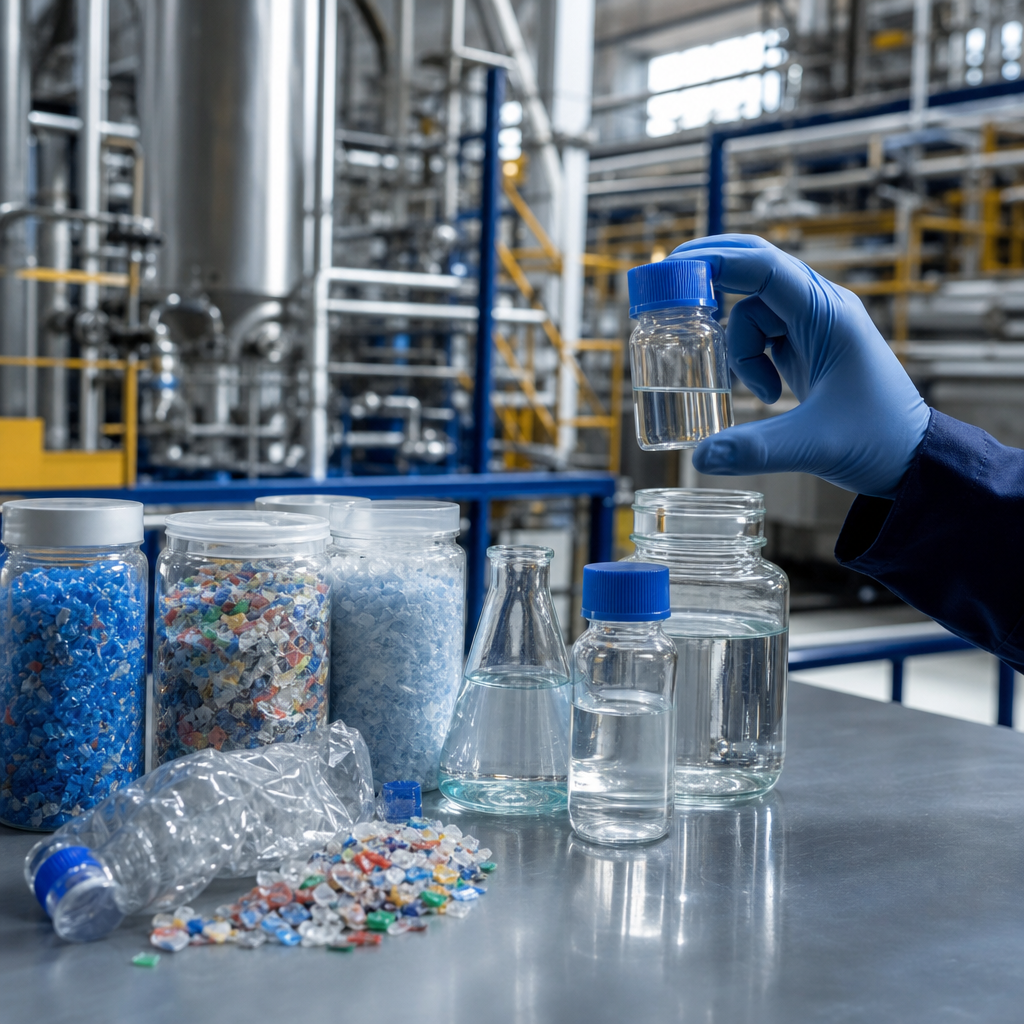
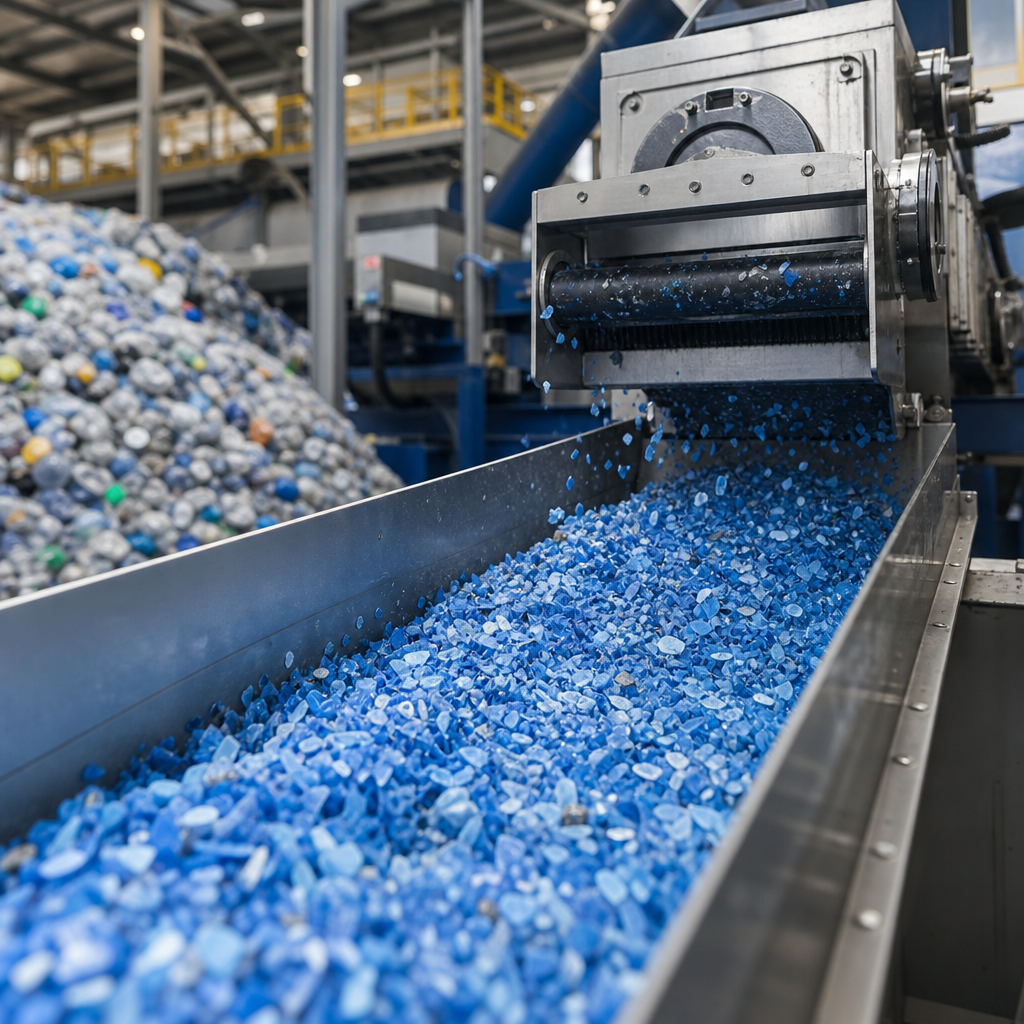
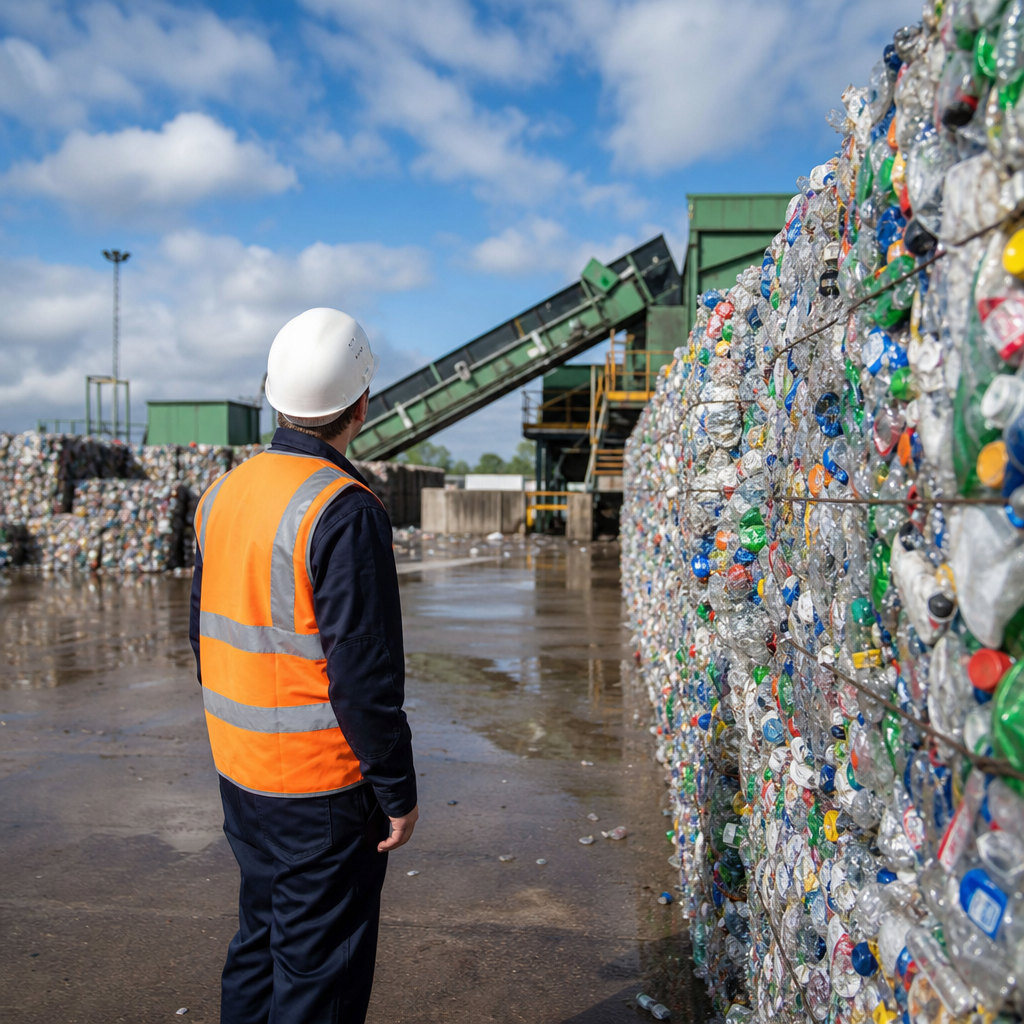
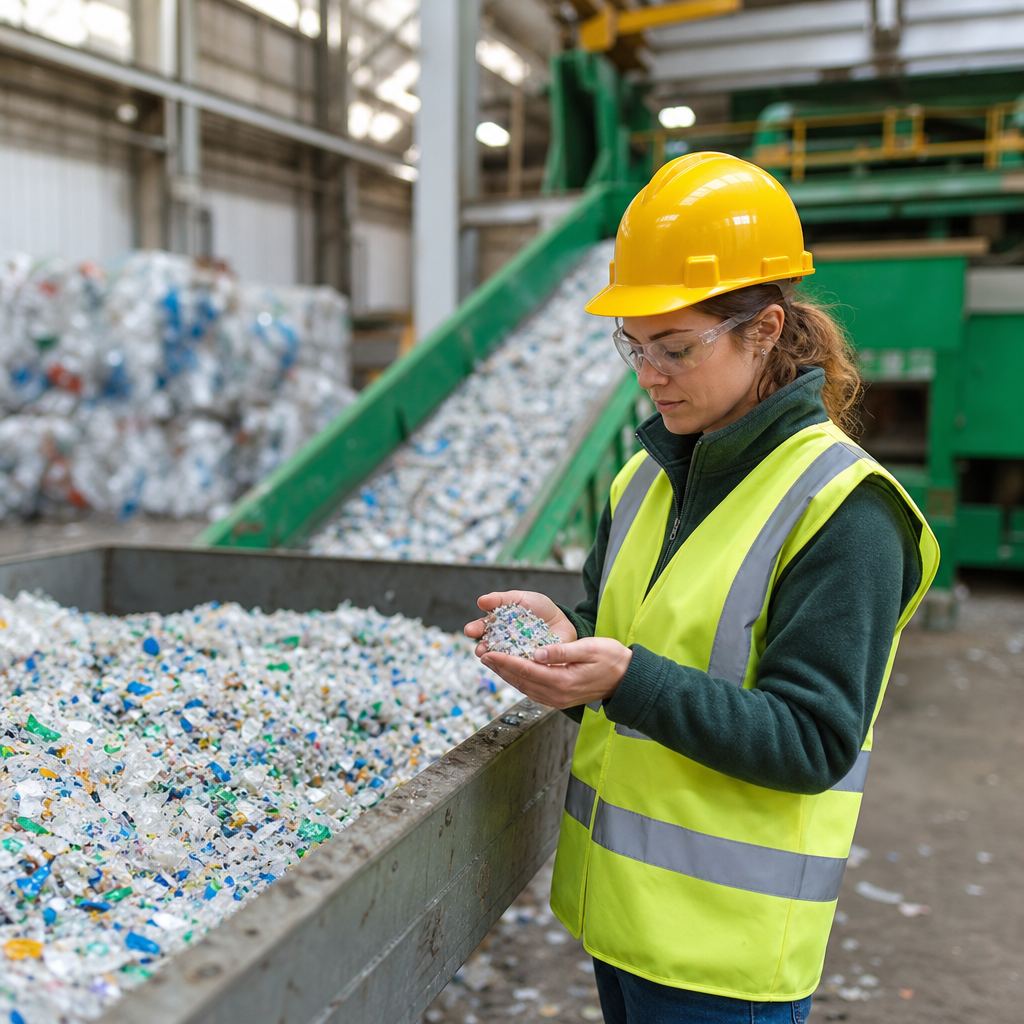
Recycled content is now a commercial requirement in many markets. Recycled PET is the clearest example because food-grade rPET has scaled through mechanical recycling supported by deposit systems and bottle collection infrastructure. Brands use increasing percentages of rPET in beverage bottles to meet voluntary commitments and legal targets. Polyethylene and polypropylene recycling are also advancing, though color, odor, contamination, and property variation still affect high-value reuse. Chemical recycling, including pyrolysis and depolymerization, is being developed to handle harder-to-recycle streams, but economics, mass-balance accounting, and energy intensity remain under close examination.
Compostable and bio-based polymers add nuance. PLA works in some cold-food service items and clear packaging applications, but it is not a universal replacement for PET or PP because heat resistance, infrastructure compatibility, and actual collection routes vary. PHA shows promise in specialized uses, especially where biodegradation in specific environments is relevant, but supply and cost are constraints. The practical lesson is straightforward: sustainable polymer packaging succeeds when material choice matches local recovery systems, product protection needs, and total environmental impact. A recyclable package that fails product preservation can increase food waste, which often carries a larger climate burden than the packaging itself.
Manufacturing trends, regulations, and what businesses should do next
Packaging decisions increasingly sit at the intersection of material science, machinery capability, compliance, and economics. On the manufacturing side, resin selection must align with converting processes such as blown film, cast film, injection molding, thermoforming, and stretch blow molding. A theoretically better material is not better if it causes seal contamination, poor coefficient of friction, or line instability at commercial speeds. That is why serious packaging development includes migration testing, drop testing, compression analysis, shelf-life studies, and pilot trials on production equipment. Polymer innovation only creates value when it survives the realities of plant operations.
Regulation is tightening worldwide. Food-contact compliance frameworks, extended producer responsibility rules, minimum recycled-content mandates, and labeling requirements are forcing companies to document material choices more carefully. The European Union Packaging and Packaging Waste Regulation is accelerating design changes around recyclability and reduction. In the United States, state-level EPR laws and recycled-content requirements are reshaping procurement strategy. Retailers are setting their own packaging scorecards as well. Companies that treat polymer selection as a one-time sourcing decision are falling behind those building cross-functional packaging roadmaps with procurement, R&D, sustainability, quality, and operations at the same table.
For businesses evaluating innovative polymer applications, the next step is disciplined prioritization. Start with the product risk: oxygen exposure, moisture gain, breakage, tampering, or shipping damage. Then map the current package structure, machinery limits, compliance requirements, and target recovery pathway. Benchmark candidate materials using data from suppliers, converters, and recognized testing methods such as ASTM and ISO standards. Finally, validate total cost, not resin price alone. Freight, line speed, damage rates, shelf life, and brand perception all affect the real business case. The companies gaining advantage from polymer packaging are the ones making evidence-based decisions, not chasing simple material narratives.
Polymers are transforming the packaging industry because they give manufacturers precise control over protection, performance, cost, and sustainability strategy. They enable lightweight beverage bottles, high-barrier food pouches, compliant pharmaceutical packs, durable e-commerce mailers, and premium personal care formats that would be difficult or uneconomical with other materials alone. Just as important, polymer technology is evolving. Mono-material structures are improving recycling compatibility, recycled resins are scaling into mainstream use, and active or smart features are expanding what packaging can accomplish across the supply chain.
The central takeaway from this hub article is that innovative polymer applications should be judged by fit, not fashion. The best packaging solution is the one that protects the product, runs efficiently on available equipment, meets regulatory requirements, supports realistic recovery systems, and delivers measurable value. There are tradeoffs in every direction. Multilayer barriers can preserve food exceptionally well but complicate recycling. Compostable polymers may suit a narrow service model yet underperform in conventional waste systems. Recycled content reduces virgin resin demand but requires strong quality control. Good packaging strategy acknowledges those realities and designs around them.
If you are building a packaging roadmap, use this page as your starting point for deeper case studies and application-specific guidance across films, bottles, pouches, trays, medical packs, and sustainable material systems. Review your highest-volume formats first, identify where polymer redesign can reduce damage or extend shelf life, and test alternatives under real operating conditions. The transformation is already underway. Companies that understand polymer performance at a practical level will make better packaging decisions, faster.
Frequently Asked Questions
1. How are polymers changing the way packaging is designed and used?
Polymers are transforming packaging by giving manufacturers far more control over performance than traditional materials typically allow. Instead of relying on heavy, rigid, one-size-fits-all formats, companies can now design packaging systems around the exact needs of the product, supply chain, and customer experience. That includes adjusting flexibility, strength, puncture resistance, seal integrity, transparency, moisture protection, oxygen barrier, heat resistance, and weight. In practical terms, this means a package can be engineered to keep food fresher longer, protect medical products from contamination, survive transport with less damage, and still use less material overall than older packaging formats.
Another major shift is that polymers support a systems-based approach to packaging. A package is no longer judged only by what it looks like on the shelf. It is evaluated by how it performs in filling lines, warehouses, shipping networks, e-commerce channels, retail environments, and end-of-life recovery programs. Polymers make it possible to create films, trays, pouches, bottles, caps, wraps, and multilayer structures tailored to each of those demands. That flexibility is one of the main reasons packaging has evolved so rapidly in the last few decades. Brands can improve product protection, reduce transportation costs, extend shelf life, and often lower total environmental impact by cutting waste and improving material efficiency.
2. Why are polymers so effective for improving shelf life and product protection?
One of the biggest reasons polymers matter in packaging is their ability to create barriers against the things that damage products: oxygen, moisture, light, aroma loss, contamination, and physical impact. Different polymers have different strengths, so packaging engineers can select a specific resin or combine several materials to achieve the protection a product needs. For example, some polymer structures are excellent at keeping moisture out, while others are better at limiting oxygen transmission. That matters enormously in food, pharmaceuticals, personal care, and industrial products, where even small changes in exposure can reduce quality, safety, or usable life.
This performance has real commercial and operational value. Longer shelf life means less spoilage, fewer returns, more efficient distribution, and greater reach into new markets. Better impact and puncture resistance means fewer damaged units during transport and handling. Reliable seals help prevent leaks and contamination. In many cases, polymer packaging does more than simply contain a product; it actively preserves it. That is especially important in modern supply chains, where products may travel long distances, face varying temperatures and humidity levels, and spend more time in storage or transit than they did in the past. When people ask why polymers have become so central to packaging innovation, product protection is one of the clearest answers.
3. Are polymers making packaging more sustainable, or are they creating more waste?
The honest answer is that polymers can do both, depending on how they are selected, designed, used, and recovered. On one hand, polymers have enabled substantial source reduction. They often allow packages to be made lighter than alternatives while still delivering equal or better protection. Lighter packaging usually means lower transportation emissions, reduced material use, and improved logistics efficiency. If a polymer package prevents food spoilage, breakage, or product loss, that benefit can be significant, because the environmental cost of wasted product is often higher than the cost of the package itself. In that sense, polymers can support sustainability by improving overall system efficiency rather than focusing only on package weight or appearance.
On the other hand, sustainability depends heavily on end-of-life performance and local recycling realities. Not all polymer packaging is equally recyclable, and some complex multilayer formats can be difficult to recover in existing waste management systems. That is why the industry is increasingly focused on design for recyclability, mono-material structures, recycled content, reuse models, and clearer labeling. The conversation has shifted from simply asking whether polymers are good or bad to asking which polymer solutions deliver the best balance of protection, efficiency, and recovery. Used thoughtfully, polymers can be part of a more sustainable packaging system. Used poorly, they can contribute to waste and inefficiency. The transformation happening now is about smarter material choices, better package design, and stronger recovery infrastructure.
4. What advantages do polymers offer in transportation, storage, and retail performance?
Polymers offer major operational advantages across the full packaging journey, from the production line to the retail shelf and ultimately to the consumer. Their light weight reduces shipping mass, which lowers freight costs and can improve pallet efficiency. Their toughness and flexibility help packages withstand drops, compression, vibration, and handling stress during transport. In storage and distribution environments, polymer packaging can be optimized to stack better, seal consistently, and reduce product damage rates. These are not minor improvements. In high-volume manufacturing and logistics operations, even small gains in cube efficiency, line speed, or damage reduction can translate into substantial cost savings and measurable performance improvements.
At the retail level, polymers also support merchandising and convenience. They can be clear for product visibility, printable for branding, resealable for repeat use, or shaped for easier dispensing and shelf impact. In e-commerce, where packaging must tolerate more touchpoints and less controlled handling than traditional retail channels, polymer-based formats can provide critical durability without excessive weight. This combination of protection and efficiency is one of the reasons polymers have become so deeply embedded in modern packaging strategies. They help companies move products more safely and economically while still meeting consumer expectations for usability, appearance, and freshness.
5. What is the future of polymers in the packaging industry?
The future of polymers in packaging is likely to be defined by precision, circularity, and performance optimization. The industry is moving toward materials and structures that do more with less: thinner films, stronger packages, improved barrier performance, and simplified formats that are easier to recover after use. We are also seeing greater emphasis on mono-material packaging, advanced recycling compatibility, post-consumer recycled content, and polymer systems designed specifically to work within emerging circular economy models. In addition, smarter processing technologies are making it easier to produce packages with tighter tolerances, better consistency, and more targeted functionality for specific product categories.
At the same time, innovation is not just about the polymer itself. It is about how the whole packaging system is engineered. Brands are increasingly evaluating packaging in terms of life-cycle impact, supply chain resilience, automation compatibility, consumer convenience, and recovery pathways. That means the most successful polymer packaging solutions will be the ones that balance technical performance with real-world sustainability and infrastructure constraints. In other words, the future is not simply more plastic. It is better-designed polymer packaging that protects products effectively, uses resources more efficiently, and aligns more closely with how materials are collected, sorted, and reused. That is where the biggest transformation is happening now, and it is likely to shape the next era of packaging innovation.