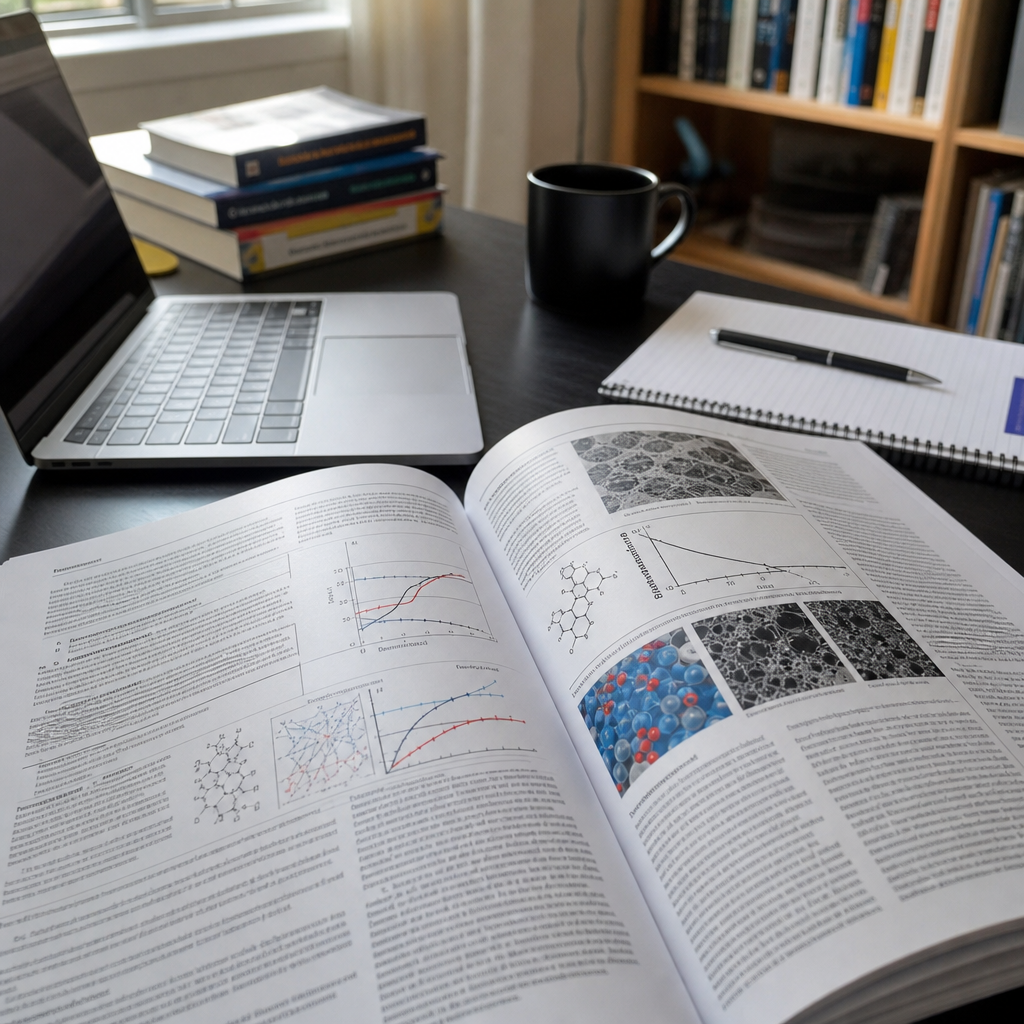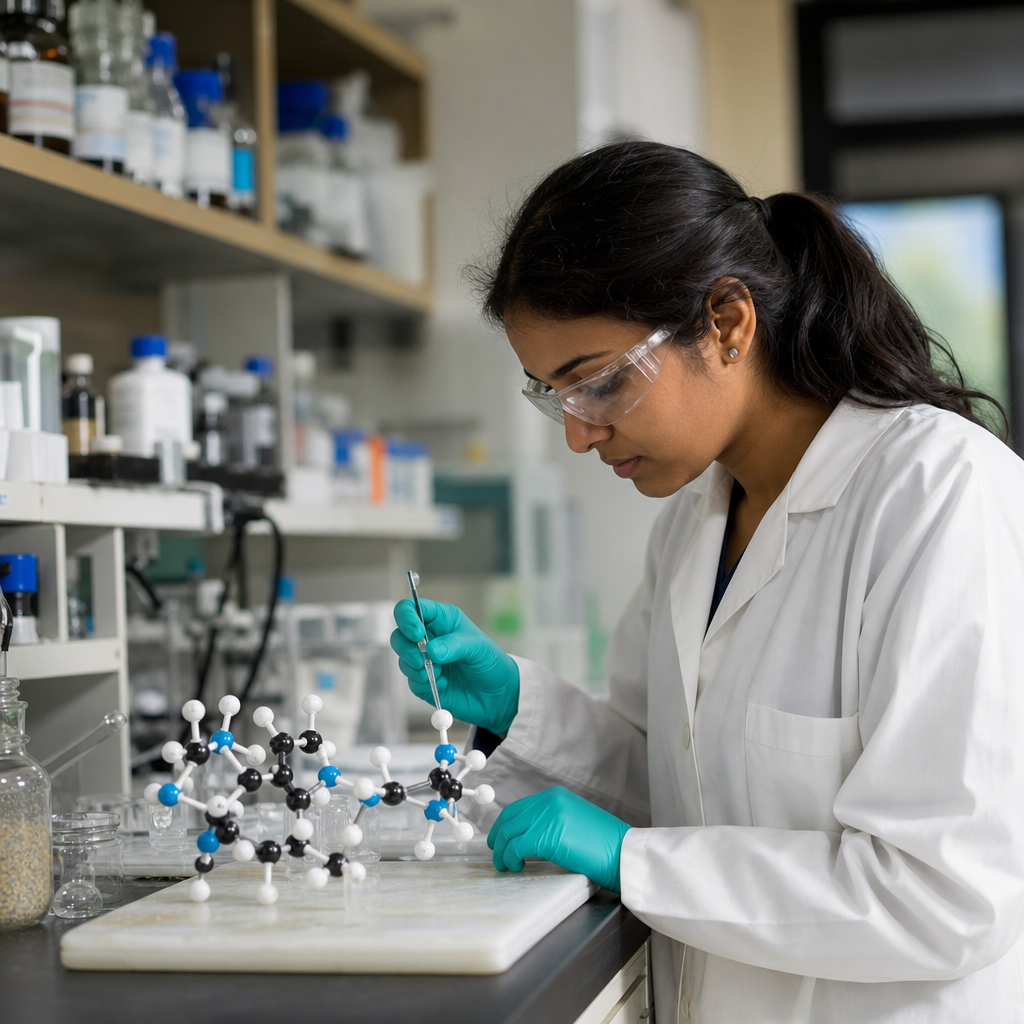
Developing skills in polymer research requires a deliberate mix of scientific fundamentals, laboratory practice, data analysis, and industry awareness. Polymer research sits at the intersection of chemistry, materials science, physics, and engineering, which means successful researchers must learn not only how macromolecules are made, but also how they behave during processing, testing, and end use. In practical terms, polymer research includes designing new plastics, elastomers, fibers, coatings, membranes, adhesives, hydrogels, and composites, then evaluating whether those materials meet performance, safety, cost, and sustainability targets.
For students, early-career scientists, and working professionals, courses and training programs are the fastest structured route into this field. A good learning path explains core ideas such as polymerization mechanisms, molecular weight distribution, crystallinity, glass transition temperature, rheology, thermal stability, and structure-property relationships. A stronger path goes further by teaching how to use common polymer characterization tools, how to interpret spectra and thermal curves, how to plan experiments, and how to communicate findings in technical reports and publications. I have seen many learners progress quickly once they stop treating polymer science as a collection of isolated topics and start viewing it as an applied research workflow.
This hub article covers courses and training programs comprehensively so readers can build a practical roadmap. It explains what to study first, which program formats offer the most value, what laboratory and software skills matter most, how academic and industry training differ, and how to choose specialized modules in areas like sustainable polymers, biomedical materials, and advanced manufacturing. It also serves as the central guide for deeper resources within the broader Educational Resources topic, helping readers identify the right next step whether they are entering graduate school, moving from chemistry into materials research, or reskilling for polymer product development.
Start with the scientific foundation that polymer research depends on
The first skill-building priority is a strong foundation in the science behind polymers. Most effective training programs begin with organic chemistry, physical chemistry, analytical chemistry, and basic materials science. Those subjects support nearly every research activity in the field. For example, understanding step-growth and chain-growth polymerization is impossible without reaction kinetics and mechanism analysis. Predicting crystallization behavior, phase separation, or viscoelastic response depends on thermodynamics, intermolecular interactions, and solid-state structure.
Core polymer science courses should cover monomer design, free-radical polymerization, ionic polymerization, ring-opening polymerization, condensation reactions, copolymer architecture, crosslinking, and degradation. Students should also learn why number-average molecular weight and weight-average molecular weight matter, how polydispersity influences processability, and why tacticity, branching, and crosslink density can change mechanical performance dramatically. In my experience, learners who can connect chemical structure to final performance become useful in research groups much faster than those who memorize definitions without context.
Foundational training should include thermal transitions and morphology. Glass transition temperature affects flexibility and service temperature; melting temperature and crystallinity influence stiffness, barrier properties, and dimensional stability. A researcher studying packaging films, for instance, must understand why semicrystalline polyethylene behaves differently from amorphous polystyrene under heat and stress. Similarly, anyone working on biomedical hydrogels needs to understand swelling, diffusion, and network formation rather than only synthesis.
Choose course formats that match your stage and learning goal
Not every learner needs the same type of training program. University degree programs provide the deepest preparation, especially bachelor’s, master’s, and doctoral tracks in polymer science, chemical engineering, materials science, or chemistry. These programs usually include lectures, laboratories, seminars, and research projects, making them ideal for people aiming for R&D careers, doctoral study, or highly technical industrial roles. Well-known institutions offer formal polymer curricula, but a broader materials or chemical engineering degree can be equally effective if it includes targeted polymer electives and lab access.
Certificate programs and continuing education courses work well for professionals who need focused upskilling. These are common through universities, professional societies, and technical training providers. A process engineer moving into plastics formulation may need short modules in rheology, extrusion, and differential scanning calorimetry rather than a full degree. Online courses can be useful for theory, especially when they include assignments on spectroscopy interpretation, polymer nomenclature, or design of experiments. However, online-only training rarely substitutes for hands-on lab work when the goal is research competence.
Workshops, boot camps, and vendor-led instrument training fill important gaps. I have found that many researchers first become truly effective after short, intensive sessions on specific techniques such as gel permeation chromatography, dynamic mechanical analysis, or scanning electron microscopy sample preparation. These programs are especially valuable because they teach error sources, calibration routines, maintenance checks, and data quality standards that are often underemphasized in general academic coursework.
| Training format | Best for | Main strengths | Common limitations |
|---|---|---|---|
| Degree programs | Students and future researchers | Deep theory, labs, research projects, mentoring | High time and cost commitment |
| Certificates | Working professionals | Focused skills, flexible scheduling, targeted topics | Less research depth, limited lab exposure |
| Online courses | Self-directed learners | Accessible, affordable, strong for fundamentals | Weak hands-on practice |
| Workshops and instrument training | Lab users and applied teams | Practical methods, troubleshooting, real data interpretation | Narrow scope, requires prior background |
Build laboratory skills through characterization and synthesis training
Polymer research is a laboratory discipline, so skill development must include hands-on work. The essential starting point is safe and reproducible synthesis. Researchers should know how to handle monomers, initiators, catalysts, solvents, and inert atmosphere setups; maintain accurate lab notebooks; and control variables such as temperature, time, mixing, and purification. Training in standard operating procedures, hazard communication, and waste disposal is not optional. Monomers and additives can be volatile, toxic, or reactive, and safe practice directly affects data quality.
Characterization training matters just as much as synthesis. The most useful core techniques are Fourier transform infrared spectroscopy for functional group identification, nuclear magnetic resonance spectroscopy for structural confirmation, gel permeation chromatography for molecular weight analysis, differential scanning calorimetry for transitions and crystallinity, thermogravimetric analysis for decomposition behavior, rheometry for flow and viscoelastic properties, tensile testing for mechanical response, and microscopy methods for morphology. A good course does not stop at instrument buttons. It explains sample preparation, baseline artifacts, calibration standards, repeatability, and how to connect measurements to material decisions.
Consider a simple real-world example. A new pressure-sensitive adhesive may show acceptable peel strength one day and poor performance the next. Without proper training, a student may blame synthesis alone. A better-trained researcher checks molecular weight distribution, residual solvent content, dynamic mechanical response, and substrate preparation before drawing conclusions. That habit of linking characterization to root-cause analysis is one of the clearest signs that training is translating into research skill.
Learn data analysis, experimental design, and scientific communication
Strong polymer researchers do more than run experiments; they design them efficiently and interpret them correctly. Courses in statistics, design of experiments, and data visualization are therefore essential. Researchers should understand replication, randomization, controls, confidence intervals, and analysis of variance. In polymer formulation work, where multiple additives and process settings interact, a structured design can save weeks of trial-and-error experimentation. A factorial study on filler loading, curing temperature, and mixing speed often reveals interactions that one-variable-at-a-time testing misses.
Software skills also matter. Many labs rely on Origin, Excel, MATLAB, Python, Minitab, or JMP for plotting, curve fitting, and statistical analysis. Researchers in computational or simulation-heavy environments may also encounter molecular dynamics tools, finite element packages, or rheology modeling platforms. Even at a basic level, trainees should know how to clean data, label axes properly, compare duplicate runs, and document assumptions. Poor data handling can undermine otherwise careful experimental work.
Communication training is equally important because polymer research is collaborative and evidence driven. Courses and workshops should teach how to write abstracts, methods sections, technical memos, and research posters. A useful standard is to present enough detail that another trained person could reproduce the work. In industrial settings, communication also means translating findings for non-specialists. If a formulation scientist cannot explain why a lower-molecular-weight resin improved processability but reduced impact strength, decision-making slows across the team.
Use specialized training paths to match research sectors and emerging needs
After mastering the basics, learners should choose specialized courses and training programs based on their target sector. Polymer research is broad, and specialization makes training more relevant. Someone entering packaging and consumer plastics should study extrusion, barrier materials, recycling streams, additive packages, and regulatory topics related to food contact. A researcher interested in biomedical polymers needs modules on biocompatibility, sterilization effects, drug delivery systems, hydrogel mechanics, and relevant standards such as ISO 10993 for biological evaluation.
Sustainability has become a major specialization area. Courses in biodegradable polymers, mechanical recycling, chemical recycling, life cycle assessment, and circular materials design are increasingly valuable. This is not a trend topic; it is now central to product strategy in many companies. Teams working on polyethylene terephthalate depolymerization, bio-based polyesters, or recycled-content compounds need researchers who understand both polymer chemistry and end-of-life constraints. Training should therefore include tradeoffs: recycled material may lower carbon impact, but contamination, chain scission, odor, and color stability can complicate adoption.
Advanced manufacturing is another important path. Programs covering extrusion, injection molding, blow molding, fiber spinning, electrospinning, resin transfer molding, and additive manufacturing help researchers understand how processing changes microstructure and performance. I have seen excellent chemists struggle until they learn that a polymer’s lab-scale properties do not automatically survive scale-up. Shear history, cooling rate, moisture control, residence time, and die design can all alter morphology, defects, and final behavior.
Gain experience through projects, mentorship, and professional networks
Courses provide structure, but research skills mature through guided practice. The best training programs include capstone projects, undergraduate research, thesis work, internships, or co-op placements. These experiences teach how to troubleshoot contamination, repeat failed syntheses, manage timelines, and defend interpretations when data conflict. In polymer research, unexpected results are common. A blend that should have improved toughness may phase separate; a stabilizer package may interfere with curing; a sample may absorb moisture and skew thermal data. Working through those issues with an experienced mentor is one of the fastest ways to develop judgment.
Mentorship should be an explicit part of any serious learning plan. A good mentor helps trainees choose techniques, critique experimental logic, and understand the literature. Reading papers is a skill in itself. Students should learn how to evaluate whether a publication reports sufficient molecular characterization, appropriate controls, and realistic performance claims. Professional societies such as the American Chemical Society, Society of Plastics Engineers, and Materials Research Society also support skill development through webinars, conferences, short courses, and technical divisions. These communities expose learners to current methods, hiring expectations, and application areas that classroom courses often miss.
To turn training into long-term progress, build a portfolio. Keep concise records of projects, methods used, instruments operated, software competencies, presentations delivered, and problems solved. Employers and graduate supervisors value evidence of applied skill more than broad claims of interest. Start with one clear roadmap: strengthen fundamentals, add hands-on characterization, practice experimental design, choose a specialization, and seek mentored project work. That sequence consistently produces capable polymer researchers. Use this hub as your starting point, then explore related Educational Resources on lab methods, software tools, career paths, and advanced topic guides to keep building expertise.
Frequently Asked Questions
1. What foundational knowledge is most important for developing skills in polymer research?
A strong foundation in polymer research starts with core chemistry, materials science, and physics. At minimum, it helps to understand organic chemistry, physical chemistry, thermodynamics, reaction kinetics, and the basic principles of mechanics and transport phenomena. Polymer systems behave differently from small molecules, so researchers also need to learn polymer-specific concepts such as molecular weight and molecular weight distribution, chain architecture, crystallinity, glass transition temperature, viscoelasticity, phase behavior, and structure-property relationships. These ideas explain why a polymer may be flexible, brittle, transparent, chemically resistant, or easy to process.
Beyond theory, it is important to understand how polymers are synthesized and modified. That includes step-growth and chain-growth polymerization, copolymer design, crosslinking, curing, blending, compounding, and additive selection. A skilled polymer researcher can connect synthesis choices to final performance outcomes, whether the goal is to improve toughness, thermal stability, barrier properties, adhesion, or recyclability. Knowledge of common characterization methods such as DSC, TGA, FTIR, NMR, GPC, DMA, rheology, tensile testing, and microscopy is equally important, because polymer research depends on verifying how molecular and microstructural changes affect performance.
Just as important is the ability to think across disciplines. Polymer research often sits between chemistry, engineering, and product design, so the best researchers learn to translate molecular-level observations into processing decisions and real-world application performance. If you are building your skills, focus on mastering the fundamentals first, then practice applying them to actual polymer systems such as plastics, elastomers, fibers, coatings, adhesives, and composites. That combination of conceptual understanding and practical context is what turns academic knowledge into research ability.
2. How can I gain practical laboratory skills in polymer research?
Practical skill development in polymer research comes from repeated, structured exposure to synthesis, processing, characterization, and testing workflows. It is not enough to read about polymerization methods or material properties; you need hands-on experience preparing samples, operating instruments, documenting procedures, and troubleshooting experiments. Start by learning the fundamentals of laboratory safety, sample handling, contamination control, solvent use, thermal hazards, and waste disposal, because polymer work often involves reactive chemicals, high temperatures, and specialized equipment.
From there, build competence in common laboratory tasks. These may include preparing polymer solutions, casting films, blending materials, compounding additives, molding test specimens, and running controlled curing or thermal treatment procedures. If your work involves synthesis, learn how to monitor reaction conditions, control stoichiometry, handle initiators or catalysts, and purify the final material. If your work is more application-focused, concentrate on processing variables such as temperature, shear, cooling rate, humidity, and residence time, all of which can dramatically influence polymer morphology and performance.
Instrument familiarity is another major part of practical growth. Try to gain direct experience with thermal analysis, spectroscopy, chromatography, microscopy, rheology, and mechanical testing. Do not just learn which buttons to press. Learn what each technique actually measures, how sample preparation affects the output, what common artifacts look like, and how to interpret results in the context of your research question. Researchers become valuable when they can tell whether a change in data reflects a real materials effect, a processing issue, or a measurement problem.
One of the fastest ways to improve is to keep a disciplined lab notebook and review your own experiments critically. Record exact formulations, equipment settings, environmental conditions, observations, and deviations from the original plan. Polymer systems are often sensitive to small changes, so detailed records are essential for reproducibility. Over time, this habit helps you recognize patterns, refine methods, and build the judgment required for independent research.
3. Which data analysis and characterization skills are most useful in polymer research?
Data analysis is central to polymer research because polymer behavior is rarely explained by a single measurement. The most useful skill is learning how to connect multiple types of data into one coherent materials story. For example, molecular weight data may help explain viscosity changes, thermal analysis may reveal transitions that influence processability, microscopy may show morphology differences, and mechanical testing may confirm whether those differences matter in application performance. Strong researchers do not look at these results in isolation; they ask how each result supports or challenges a hypothesis.
It is especially valuable to become comfortable with statistical thinking. Polymer experiments can show variability due to synthesis conditions, processing history, operator differences, environmental factors, and instrument limitations. Knowing how to evaluate repeatability, compare data sets, identify outliers, and assess confidence in conclusions will make your work far more reliable. Even basic statistical practices such as using replicates, reporting standard deviations, and understanding experimental uncertainty can significantly improve research quality.
You should also develop the ability to interpret characterization methods deeply rather than superficially. In polymer research, techniques like DSC, TGA, DMA, GPC, NMR, FTIR, XRD, rheometry, tensile testing, and SEM each provide different pieces of information. A skilled researcher knows, for instance, that a shift in glass transition temperature may indicate plasticization, crosslink density changes, miscibility effects, or aging. They also know when additional testing is needed before making a strong claim. That level of interpretation is what separates routine testing from real scientific analysis.
Software literacy matters as well. Being able to organize data, generate clear plots, fit models, perform basic statistical analysis, and present conclusions clearly is essential. Spreadsheet tools are useful, but many researchers also benefit from learning programming environments or specialized analysis software for automation and deeper interpretation. In the long run, your value as a polymer researcher grows when you can move confidently from raw instrument output to evidence-based conclusions that guide the next experiment or design decision.
4. How do I stay current with new developments and industry trends in polymer research?
Staying current in polymer research requires a deliberate habit of following both academic literature and industrial developments. Start with peer-reviewed journals in polymer chemistry, polymer physics, materials science, and applied engineering. Reading regularly helps you understand emerging synthesis methods, new characterization approaches, sustainability strategies, processing innovations, and application-driven performance targets. Do not just read abstracts. Focus on how researchers define problems, design experiments, justify conclusions, and identify limitations. That practice sharpens your scientific judgment while keeping you updated on the field.
Industry awareness is equally important because many important developments in polymers are driven by manufacturing constraints, regulatory changes, environmental pressures, and customer performance requirements. Pay attention to trends in recycling, bio-based feedstocks, circular materials design, lightweighting, high-performance composites, barrier packaging, electronic materials, medical polymers, and coatings technologies. Trade publications, conference proceedings, webinars, technical seminars, and professional societies are all useful sources. These channels often reveal which problems industry is prioritizing long before they become obvious in textbooks.
Networking also plays a major role in staying informed. Conversations with professors, lab colleagues, process engineers, application scientists, and product developers often provide insights that formal publications do not. Polymer research is highly applied, so hearing how materials behave in real production environments can broaden your perspective beyond controlled laboratory conditions. Conferences and poster sessions are especially valuable because they expose you to current challenges, practical compromises, and future directions across many subfields at once.
To make this sustainable, create a system. Follow a manageable number of journals, set aside time each week for technical reading, keep notes on relevant papers, and track recurring themes such as sustainability, performance optimization, cost reduction, or processing compatibility. The goal is not simply to consume information, but to build the habit of connecting new developments to your own research questions and skill growth.
5. What is the best way to build a long-term career in polymer research?
Building a long-term career in polymer research involves more than becoming technically competent. You need a combination of scientific depth, experimental reliability, communication ability, and strategic awareness of where the field is going. Start by identifying whether your interests lean more toward fundamental research, product development, processing, sustainability, analytical science, or application engineering. Polymer research is broad, and career growth is easier when you understand how your strengths align with a particular part of the field.
Technical depth remains essential. Over time, aim to become known for solving a class of problems, whether that involves polymer synthesis, rheology, mechanical performance, failure analysis, formulation science, surface behavior, or recycling challenges. At the same time, maintain enough breadth to collaborate across disciplines. Many successful polymer researchers can speak comfortably with chemists, materials scientists, manufacturing teams, quality specialists, and business stakeholders. That cross-functional fluency is especially valuable because polymer innovation often depends on balancing performance, cost, manufacturability, compliance, and environmental impact.
Communication skills are another major differentiator. You should be able to write clear reports, explain technical results to mixed audiences, present findings logically, and defend conclusions with evidence. In research environments, strong communication speeds decision-making and builds trust. It also helps when applying for grants, publishing papers, presenting at conferences, or moving into technical leadership roles. If two researchers have similar technical ability, the one who communicates more clearly often has the greater influence.
Finally, invest in professional habits that support long-term growth: document your work carefully, seek mentorship, ask thoughtful questions, learn from failed experiments, and stay adaptable as