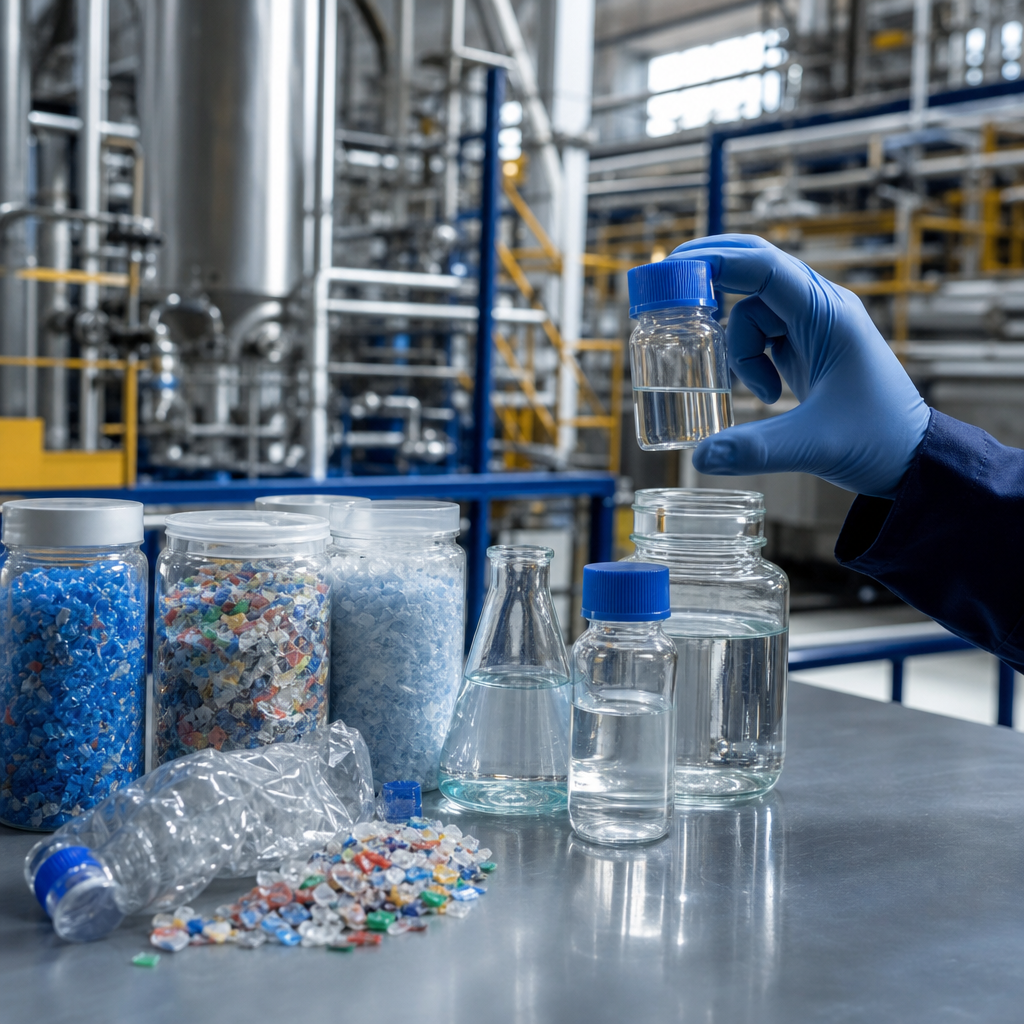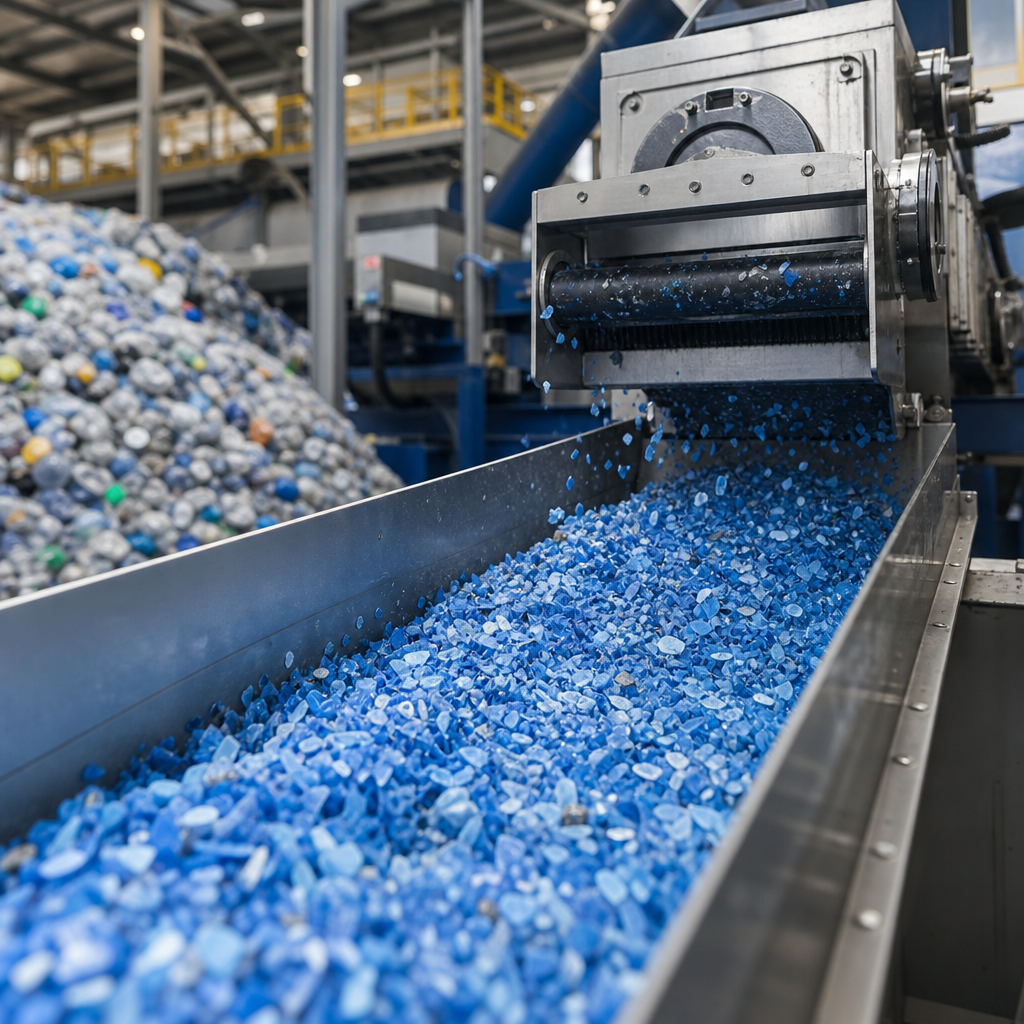
Innovations in polymer solutions for medical challenges are reshaping how clinicians prevent infection, deliver drugs, repair tissue, and improve patient comfort across nearly every care setting. In medical manufacturing, a polymer is a large molecule made of repeating units that can be engineered for flexibility, strength, permeability, biocompatibility, chemical resistance, or controlled degradation. Polymer solutions include commodity plastics such as polyethylene and polypropylene, high performance materials such as PEEK and fluoropolymers, elastomers such as silicone and thermoplastic polyurethane, hydrogels, absorbable polymers, and polymer based coatings, fibers, and composites. I have worked with device teams choosing materials under tight regulatory, sterilization, and performance constraints, and the core lesson is consistent: polymers solve medical problems when their chemistry is matched precisely to the clinical need. This matters because healthcare products fail for practical reasons, not abstract ones. A catheter kinks, a wound dressing dries out, an implant triggers inflammation, a package loses sterility, or a drug degrades before reaching the target site. Thoughtful polymer selection addresses those exact failure modes while supporting manufacturability, cost control, and compliance with standards such as ISO 10993 for biocompatibility and ISO 11607 for sterile barrier packaging.
As a hub for problem solving with polymers, this article maps the major medical challenges polymers now address and explains why certain material classes work better than others. Readers typically ask the same direct questions: which polymers are safest in contact with blood or tissue, how do absorbable materials behave in the body, what makes a medical coating durable, and where are the biggest innovations happening now. The answers depend on factors such as modulus, surface energy, gas and moisture transmission, extractables and leachables, sterilization stability, and whether the application is short term, long term, or implantable. In practice, no single polymer is best. Silicone may excel in flexibility and biostability, while cyclic olefin copolymers can offer excellent drug compatibility and clarity, and polycaprolactone may be preferred when slow biodegradation is useful. The most important shift over the last decade is that polymer engineering has become application led. Instead of asking what materials are available, medical teams increasingly begin with the clinical problem, define the environment of use, then tailor a resin, blend, coating, or multilayer structure to meet it.
Preventing infection through surface design and barrier performance
Infection control remains one of the clearest examples of polymers solving a medical challenge at scale. Hospital acquired infections increase length of stay, treatment cost, and patient risk, so device surfaces and sterile barriers must do more than simply exist. They must resist microbial ingress, support cleaning or sterilization, and avoid surface damage that creates contamination sites. Polyolefins, PET, and nonwoven polymer structures dominate medical packaging because they can provide consistent seal strength, puncture resistance, and controlled permeability. Tyvek, made from high density polyethylene fibers, is widely used because it combines microbial barrier performance with compatibility for ethylene oxide and radiation sterilization. In devices, antimicrobial polymer coatings based on silver additives, quaternary ammonium chemistries, or hydrophilic layers can reduce biofilm formation, though claims must be substantiated carefully because laboratory reductions do not always translate into clinical outcome improvements.
Catheters show how nuanced infection prevention has become. A central venous catheter may use polyurethane for strength and insertion performance, then receive a hydrophilic coating to lower friction and tissue trauma, reducing one pathway for bacterial colonization. Some systems add chlorhexidine or silver sulfadiazine technologies, while others rely on smoother surface morphology and improved dressing interfaces. In wound care, semi permeable polyurethane films allow oxygen and water vapor transmission while blocking external liquids and microbes, creating a protected healing environment. Adhesive chemistry matters just as much as the film itself. Acrylic adhesives often balance skin compatibility and secure wear time, while silicone adhesives offer gentler removal for fragile skin in neonatal or geriatric care. These are not minor formulation choices. They directly affect skin stripping, dressing changes, and adherence to infection prevention protocols.
Enabling safer drug delivery and combination products
Many of the most important medical polymer innovations are tied to drug delivery, where the material is part of the therapeutic mechanism rather than just a container. Prefilled syringes, autoinjectors, inhalers, transdermal patches, IV bags, and implantable depots all depend on polymers with predictable interaction profiles. Cyclic olefin polymer and cyclic olefin copolymer have gained attention in high value biologics because they offer glass like transparency, low extractables, and strong break resistance. Elastomer closures still require careful formulation to minimize adsorption and leachable risk. For oral and injectable controlled release systems, polymers such as PLGA, PEG, and ethylcellulose are essential because they can modulate diffusion, erosion, and residence time. PLGA microspheres, for example, degrade by hydrolysis into lactic and glycolic acids, enabling sustained drug release over weeks or months. That principle is established, but the innovation now lies in tuning molecular weight, end groups, and particle architecture to reduce burst release and improve reproducibility.
Combination products also reveal a practical truth I have seen repeatedly in development programs: the polymer that processes easily is not always the polymer that protects the drug. Silicone is valuable in seals and tubing, yet certain drugs can adsorb to siliconeized surfaces or be affected by silicone oil particulates in syringe systems. PVC remains common in fluid delivery, but concerns around plasticizers pushed much of the industry toward alternative formulations or non PVC systems for sensitive applications. Ethylene vinyl acetate remains useful in some bags and films, while multilayer constructions can separate functional demands, pairing strength, sealability, and compatibility in one structure. For transdermal delivery, acrylic, silicone, and polyisobutylene adhesives each behave differently in tack, wear, and drug solubility. Choosing among them requires diffusion modeling, stability data, and patient use testing, not guesswork.
Supporting implants, prosthetics, and long-term biocompatibility
Long term implants present a harder challenge because the body is not a passive environment. It applies cyclic loads, changes pH locally, deposits proteins, and mounts foreign body responses. That is why implantable polymers must be evaluated for biostability, wear, oxidation resistance, and mechanical retention over years, not just initial performance. Ultra high molecular weight polyethylene transformed joint replacement by providing low friction bearing surfaces, and highly crosslinked grades improved wear resistance substantially, reducing osteolysis from wear debris in many cases. PEEK has become important in spinal and trauma applications because it combines strength, radiolucency, and an elastic modulus closer to bone than metals in some designs. Silicone remains central in soft tissue and long term flexible implants because of its stability and softness, though mechanical tear resistance and shell integrity remain design priorities.
Prosthetics and patient specific devices increasingly use thermoplastic polyurethanes, polyamides, and advanced composites to balance comfort, durability, and lightweight structure. In additive manufacturing, materials such as medical grade nylon and photopolymers have expanded prototyping and custom guides, although not every printed polymer is suitable for implantation. The distinction between a surgical planning model and an implantable component is critical. Surface modification is another major area of innovation. Plasma treatment, grafted hydrophilic layers, and bioactive coatings can alter protein adsorption and cell response without changing the bulk material. However, every added layer introduces a new interface and potential failure mechanism. In my experience, successful implant programs treat the coating, substrate, sterilization cycle, and package as one integrated system rather than separate decisions made by different teams.
Advancing wound care, tissue engineering, and regenerative medicine
Some of the most promising polymer solutions address healing itself. Modern wound care uses hydrocolloids, alginates, foams, films, and hydrogels to control moisture, manage exudate, reduce pain, and support autolytic debridement. Hydrogels are especially valuable because their high water content can cool tissue, maintain a moist environment, and serve as carriers for antimicrobials or growth factors. Polyvinyl alcohol, polyethylene glycol, hyaluronic acid derivatives, and crosslinked polysaccharides appear frequently in these systems. The innovation is not simply that they absorb fluid, but that they can be engineered for swelling ratio, mechanical integrity, oxygen transport, and release kinetics. In chronic wounds, those properties influence whether tissue macerates, dries out, or progresses toward closure.
In tissue engineering, polymer scaffolds provide temporary architecture that guides cell attachment and tissue formation. Absorbable polyesters such as polylactic acid, polyglycolic acid, and polycaprolactone are common because their degradation profiles can be aligned with healing timelines. Electrospun nanofiber mats mimic aspects of extracellular matrix, offering high surface area and tunable porosity. Three dimensional printed scaffolds can be designed with controlled pore geometry for bone, cartilage, or soft tissue applications. Natural synthetic hybrids are increasingly important because they combine the reproducibility of synthetic polymers with the biological signaling of collagen, gelatin, or chitosan. The challenge is balancing bioactivity with manufacturability and shelf life. A scaffold that performs beautifully in a lab may still fail commercially if sterilization alters structure or if batch variability changes cell response.
| Medical challenge | Polymer approach | Why it works |
|---|---|---|
| Catheter friction and trauma | Hydrophilic coatings on polyurethane or nylon | Lower coefficient of friction improves insertion and may reduce tissue irritation |
| Sustained injectable therapy | PLGA microspheres | Hydrolytic degradation enables controlled release over extended periods |
| Moist wound healing | Hydrogel and polyurethane film dressings | Maintain hydration while protecting against outside contamination |
| Implant wear reduction | Highly crosslinked UHMWPE | Improved wear resistance lowers particle generation in joint systems |
| Sterile barrier packaging | HDPE fiber structures and multilayer films | Provide microbial barrier, seal integrity, and sterilization compatibility |
Improving diagnostics, wearables, and patient-centered device design
Diagnostics and connected care have created a different set of polymer requirements: optical clarity, sensor integration, skin wear, flexibility, and high volume manufacturability. Microfluidic diagnostic cartridges often use cyclic olefin materials, PMMA, or polycarbonate because channel precision, transparency, and reagent compatibility are central to performance. During the pandemic era, demand for rapid tests and disposable cartridges highlighted how injection moldable polymers could support mass production of complex analytical devices at low unit cost. Wearable sensors add another layer of complexity because they must conform to the body, survive sweat and motion, and maintain adhesive contact without causing dermatitis. Thermoplastic polyurethanes, silicones, conductive polymer composites, and breathable adhesive backings are common choices in glucose monitors, cardiac patches, and temperature sensing platforms.
Patient centered design is where polymer innovation becomes visible to nonengineers. A softer mask seal improves adherence to therapy. A quieter pump housing reduces anxiety. A transparent drug reservoir helps users confirm dose delivery. A lower force autoinjector spring paired with optimized polymer components makes home treatment possible for patients with limited dexterity. These gains are achieved through geometry, rheology, and surface engineering as much as through electronics. Human factors testing repeatedly shows that comfort and intuitive handling affect outcomes. If a wearable peels off early or a device feels painful, clinical effectiveness drops regardless of the underlying therapy. That is why polymer selection for skin contact, flex fatigue, adhesive residue, and color stability now sits closer to clinical strategy than many companies once assumed.
What determines successful polymer selection in healthcare
Successful polymer selection in healthcare comes down to fit for use across the full product lifecycle. Teams must define contact duration, sterilization method, storage conditions, regulatory classification, joining method, and anticipated failure modes before ranking materials. Biocompatibility screening under ISO 10993 is necessary, but it is not sufficient by itself. A resin can pass initial tests and still fail because gamma sterilization causes embrittlement, lipids trigger stress cracking, or a molded part warps outside tolerance. Material data sheets are a starting point, not proof of suitability. Smart teams also review extractables and leachables, particulate risk, processing windows, colorant compliance, supply continuity, and secondary operations such as bonding, overmolding, or printing.
There are real tradeoffs. Fluoropolymers offer exceptional chemical resistance but can be harder to bond. Silicone is biostable and flexible but may tear more easily than some thermoplastics. Biodegradable polymers open exciting treatment options but introduce complex questions around degradation byproducts and local tissue response. Cost matters as well. The best technical polymer can still be the wrong commercial choice if it requires an unstable supply chain or an impractical tooling strategy. The strongest programs use cross functional reviews that include design engineering, quality, regulatory, manufacturing, sterilization specialists, and clinical stakeholders early. For companies building a deeper library of case studies and applications, that disciplined approach is the real lesson of problem solving with polymers: medical success comes from matching material science to the exact patient and process challenge, then validating every assumption with data. Review your current devices, packaging, or therapy platforms, identify the failure mode limiting performance, and use polymer innovation to solve that problem at its source.
Frequently Asked Questions
What are polymer solutions in healthcare, and why are they so important in modern medicine?
Polymer solutions in healthcare refer to the wide range of plastic and elastomeric materials engineered to solve specific medical challenges. A polymer is a large molecule made of repeating chemical units, and in medical applications those structures can be tailored to achieve highly specific properties such as flexibility, strength, clarity, barrier performance, chemical resistance, biocompatibility, sterilization stability, and even controlled degradation inside the body. This makes polymers far more than simple substitutes for traditional materials. They are foundational enablers of modern care delivery.
These materials are important because medicine demands precision across very different environments, from operating rooms and intensive care units to long-term wearables, implantable devices, and drug packaging. A single class of materials must often support infection control, maintain dimensional accuracy, protect sensitive therapeutics, withstand repeated sterilization, and remain comfortable for patients. Commodity polymers such as polyethylene and polypropylene are valued for affordability, chemical resistance, and broad usability, while high-performance polymers and specialty elastomers are selected when applications require greater thermal stability, mechanical integrity, or long-term biocompatibility.
In practical terms, polymer innovation has changed how clinicians deliver care. Polymers are used in catheters, syringes, tubing, wound dressings, diagnostic cartridges, implantable components, filtration systems, packaging, and drug delivery platforms. Their versatility allows manufacturers to build devices that are lighter, safer, more durable, and more patient-friendly than many older alternatives. As medical challenges become more complex, especially in areas such as infection prevention, minimally invasive treatment, tissue support, and personalized medicine, advanced polymer solutions continue to play a central role in improving outcomes and expanding what is clinically possible.
How do advanced polymers help prevent infection in medical settings?
Advanced polymers support infection prevention in several critical ways, both directly and indirectly. At the most basic level, many medical polymers can be manufactured into smooth, nonporous surfaces that are easier to clean, disinfect, and sterilize than more absorbent materials. This matters because reducing surface contamination lowers the risk that pathogens will be transferred through devices, packaging, or caregiver contact. In disposable medical products, polymers also help minimize cross-contamination by enabling cost-effective single-use designs for items such as syringes, connectors, tubing sets, drapes, and specimen collection systems.
Beyond basic hygiene, polymer engineering can actively reduce infection risk through coatings, additives, and surface modifications. Some materials are designed to resist bacterial adhesion, which is especially valuable in devices that remain in contact with the body for extended periods, such as catheters or wound-contact layers. Others may incorporate antimicrobial technologies or specialized chemistries that disrupt biofilm formation. Biofilms are particularly dangerous in healthcare because they can protect microbes from antibiotics and the immune system, making infections more persistent and difficult to treat.
Polymers also improve barrier protection. In wound care, breathable yet protective polymer films can shield injured tissue from external contaminants while still allowing moisture vapor exchange that supports healing. In medical packaging, high-barrier polymers help preserve sterility until the moment of use. In personal protective equipment and filtration applications, polymer fibers and membranes can be engineered to capture microorganisms or fluids effectively while maintaining comfort and usability. Altogether, these infection-control benefits are not tied to one single product category. They reflect the broader ability of polymer science to create cleaner interfaces between patients, devices, caregivers, and the clinical environment.
What role do polymers play in drug delivery and controlled-release therapies?
Polymers are central to modern drug delivery because they help determine how, where, and how quickly a therapeutic agent reaches the body. Traditional drug administration methods do not always provide ideal dosing profiles. Some drugs degrade too quickly, some need to be targeted to specific tissues, and others can cause side effects if released too rapidly. Polymer-based systems address these issues by acting as carriers, coatings, matrices, membranes, or encapsulating materials that control the release profile of active ingredients over time.
One of the most important innovations is controlled-release delivery. In these systems, the polymer is designed so that a drug diffuses gradually, is released in response to environmental triggers, or becomes available as the material slowly degrades. This can maintain more stable therapeutic levels, reduce the need for frequent dosing, and improve patient adherence. For example, polymer-based implants, microspheres, transdermal patches, and coated oral dosage forms can all be engineered to extend release over hours, days, or even longer periods depending on the clinical need.
Polymers also enable targeted and localized therapy. Instead of exposing the entire body to a high drug concentration, a polymer platform can deliver medication directly to a wound site, tumor region, implant surface, or inflamed tissue area. This is especially valuable in oncology, postoperative care, and chronic disease management, where precise delivery can improve effectiveness while lowering systemic side effects. In addition, biocompatible and biodegradable polymers are making advanced therapies more practical by safely breaking down after completing their function, eliminating the need for removal in some applications. As pharmaceutical and device technologies continue to converge, polymer-based drug delivery remains one of the most powerful tools for creating safer, smarter, and more personalized treatment strategies.
How are polymer innovations improving tissue repair, wound care, and patient comfort?
Polymer innovations are significantly improving tissue repair and wound care by giving clinicians access to materials that can protect damaged tissue, manage moisture, support regeneration, and increase overall comfort for the patient. In wound management, polymers are used in films, foams, hydrogels, hydrocolloids, fibers, and scaffold structures. Each format can be optimized for a different healing environment. Some polymer dressings are designed to maintain a moist wound bed, which is often beneficial for tissue regeneration, while others absorb excess exudate, reduce friction, or provide gentle adhesion that minimizes trauma during dressing changes.
In tissue repair and regenerative medicine, polymers are especially valuable because they can mimic selected aspects of the body’s natural environment. Engineers can design porous polymer scaffolds that support cell attachment, nutrient exchange, and tissue in-growth. Biodegradable polymers are often used when temporary structural support is needed during healing, after which the material gradually resorbs. This approach can be useful in soft tissue repair, orthopedic applications, and advanced wound-healing technologies. The ability to fine-tune degradation rate, mechanical performance, and biological interaction is one of the reasons polymers are so important in this field.
Patient comfort is another major advantage. Compared with rigid or heavier traditional materials, many medical polymers are softer, lighter, and more conformable. That makes them ideal for wearables, skin-contact devices, prosthetic interfaces, compression products, and long-duration dressings. Improved flexibility can reduce pressure points and irritation, while breathable structures may help manage heat and moisture buildup. For patients who rely on ongoing therapy or monitoring, these comfort improvements are not a minor detail. They can directly influence compliance, mobility, and quality of life. In that sense, polymer innovation is not only about technical performance. It is also about designing medical solutions people can realistically tolerate and use consistently.
What should manufacturers and healthcare organizations consider when selecting polymers for medical applications?
Selecting the right polymer for a medical application requires balancing performance, safety, manufacturability, regulatory expectations, and long-term reliability. The first consideration is the clinical function of the device or component. A material intended for short-term fluid transfer has very different requirements than one used in an implant, a surgical instrument handle, or a drug-contact package. Properties such as tensile strength, flexibility, impact resistance, transparency, barrier performance, thermal tolerance, and dimensional stability all need to be matched to real-world use conditions.
Biocompatibility is equally critical. Medical polymers must be evaluated based on the type and duration of patient contact, as well as the risk of extractables, leachables, irritation, sensitization, or other adverse biological responses. If the application involves pharmaceuticals, combination products, or implantable use, the scrutiny becomes even greater. Sterilization compatibility is another major factor. A polymer may perform well during production but degrade, discolor, embrittle, or change dimensions when exposed to gamma radiation, ethylene oxide, steam, or other sterilization methods. Manufacturers must verify that the material remains stable throughout its intended lifecycle.
Processing and supply chain considerations also matter. The ideal polymer must be compatible with manufacturing methods such as injection molding, extrusion, thermoforming, overmolding, or additive manufacturing. It should support consistent quality at scale and be available through a reliable supply network with appropriate documentation and change-control practices. Finally, healthcare organizations and manufacturers are placing greater emphasis on sustainability, cost efficiency, and design for end use, including whether a material supports disposable, reusable, or recyclable strategies. In the medical sector, material selection is never just a chemistry decision. It is a system-level decision that affects product safety, patient experience, compliance, and commercial success.