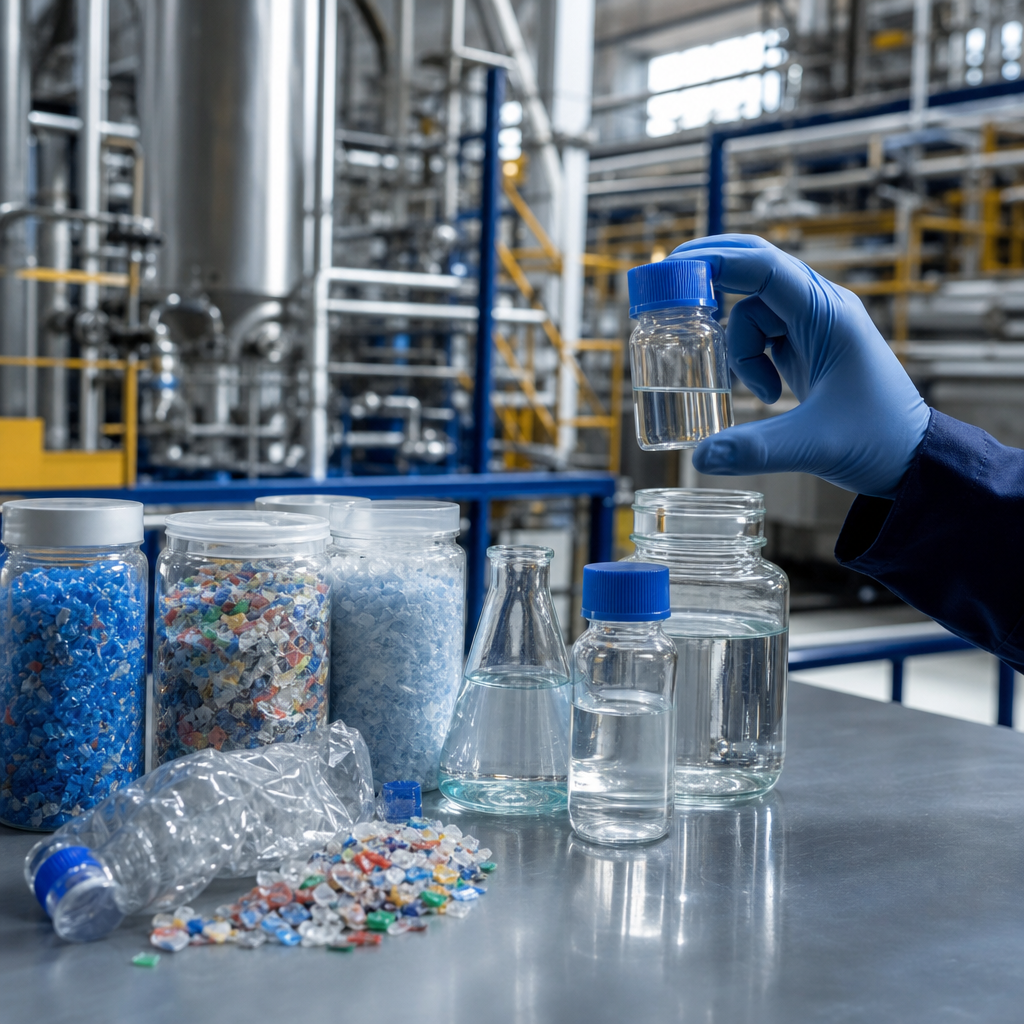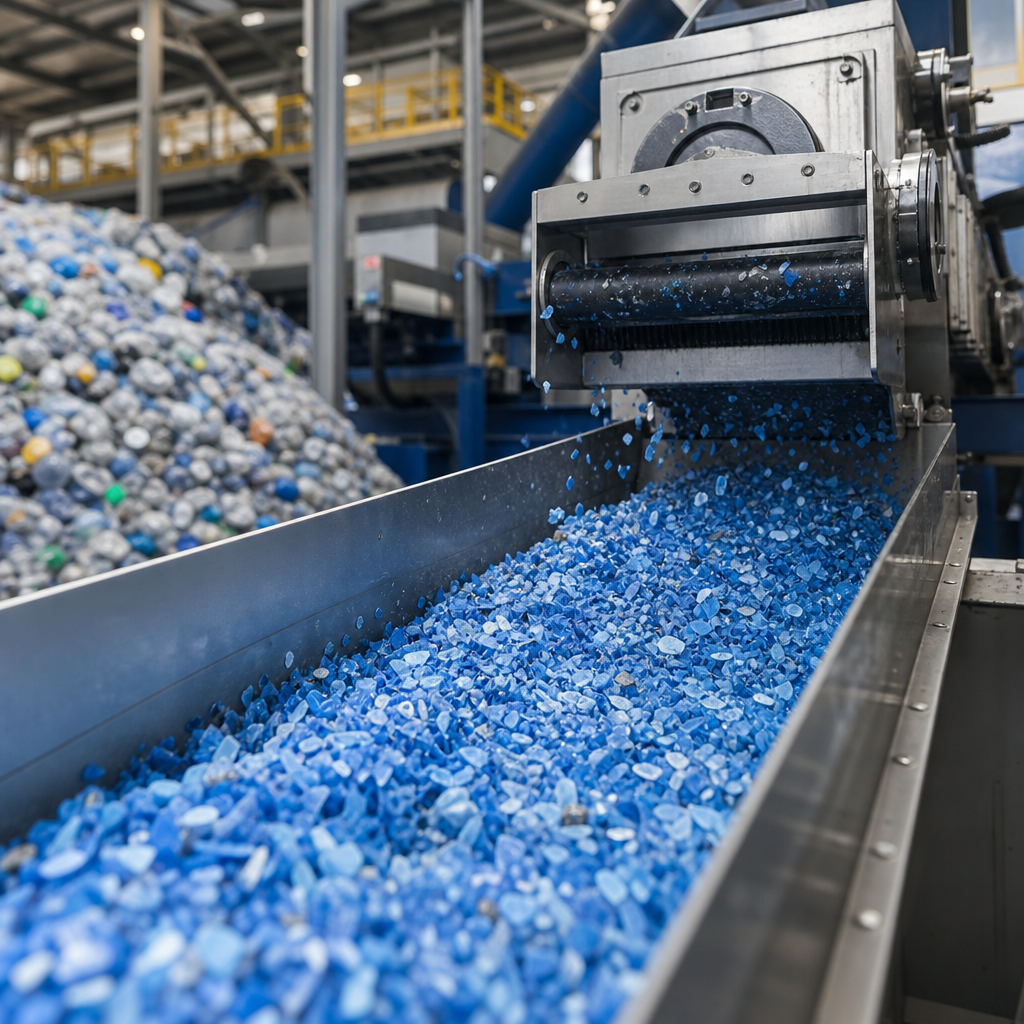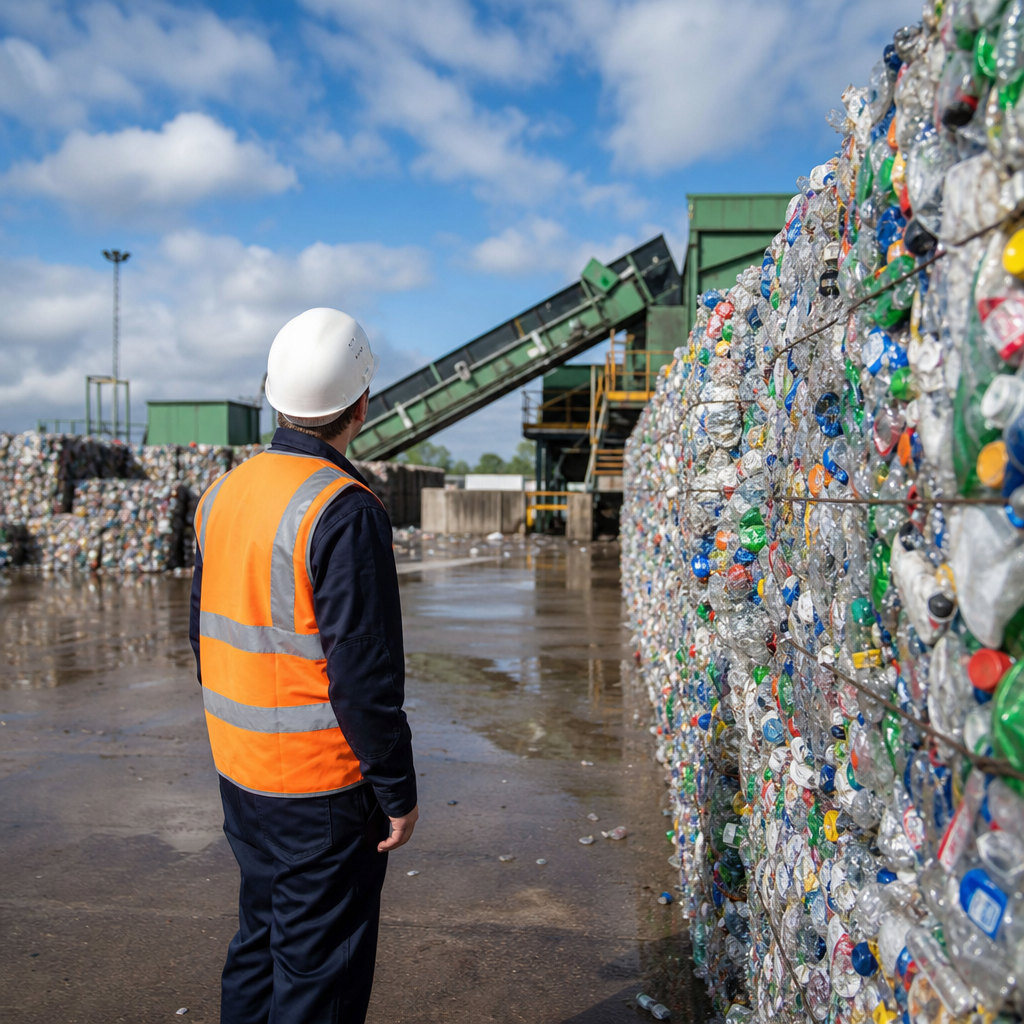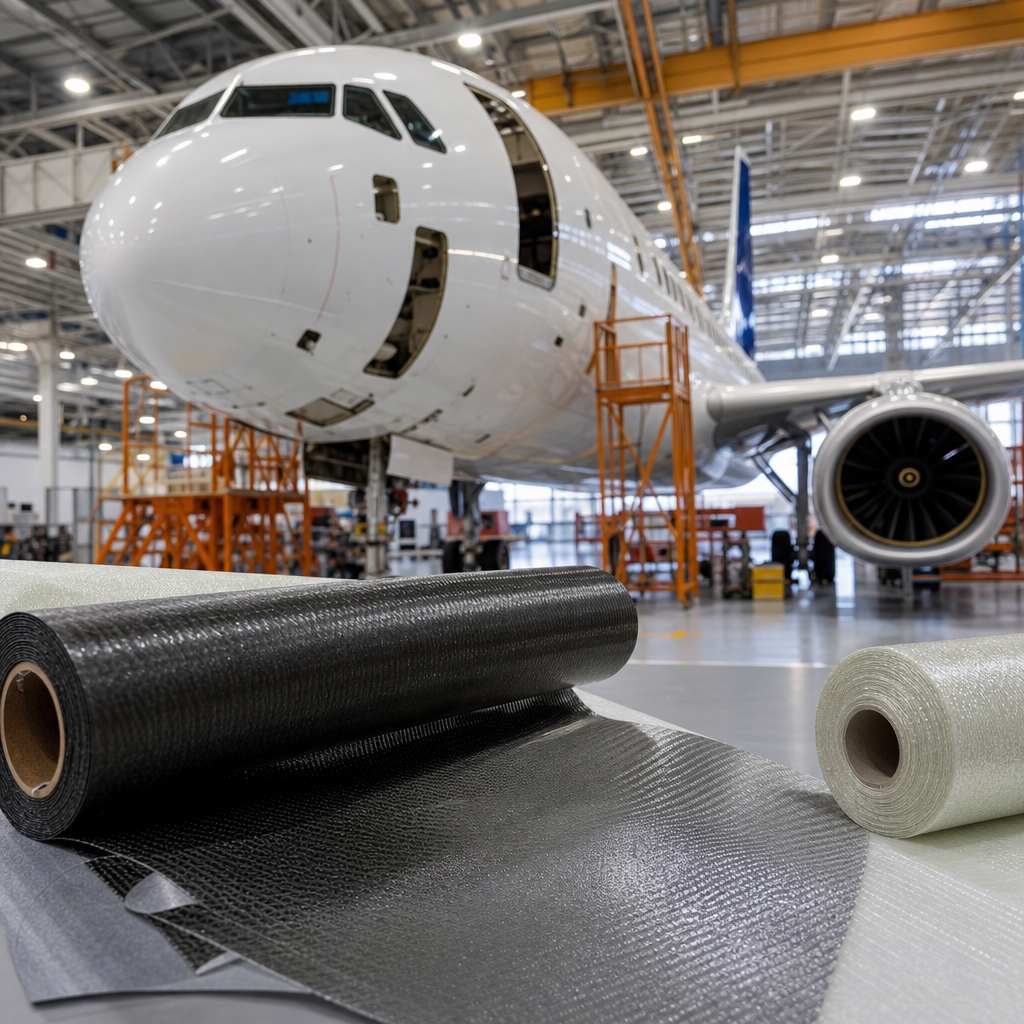
Polymers have become central to solving aerospace material issues because they address the sector’s hardest engineering demands at the same time: lower weight, higher fuel efficiency, corrosion resistance, thermal stability, electrical performance, and manufacturability at scale. In aerospace, “polymers” includes commodity plastics, high-performance thermoplastics such as PEEK and PEKK, thermosets such as epoxy and bismaleimide, elastomers, foams, films, adhesives, sealants, and the polymer matrices used in fiber-reinforced composites. “Material issues” refers to the recurring problems aircraft, spacecraft, satellites, engines, cabins, and support systems face in service, including fatigue, moisture ingress, fire risk, ultraviolet exposure, extreme temperature swings, chemical attack, erosion, and the constant pressure to reduce lifecycle cost.
I have worked on materials selection projects where the first design review focused less on whether a polymer could replace metal and more on which failure mode it could eliminate. That distinction matters. Aerospace does not adopt polymers simply because they are lighter; it adopts them when they solve a defined problem better than aluminum, titanium, steel, or ceramics within a regulated environment. In practice, the winning material is often a polymer system matched to load path, temperature envelope, processing route, inspection method, and certification target. A carbon fiber laminate with an epoxy matrix solves a different problem than a fluoropolymer wire coating, and both are different again from a silicone seal in a fuel system.
This article serves as a hub for problem-solving with polymers in aerospace by mapping the major issues, the polymer classes used to solve them, the tradeoffs engineers must manage, and the applications where these materials now define performance. The key takeaway is simple: polymers are no longer peripheral materials in aerospace. They are engineered solutions that improve structural efficiency, durability, safety, and maintainability across commercial aviation, defense platforms, rotorcraft, urban air mobility, launch systems, and space hardware.
Why aerospace material problems are uniquely difficult
Aerospace materials must survive combinations of stress that rarely occur together elsewhere. A fuselage panel sees cyclic loading, humidity, deicing fluid, runway debris, and strict flammability rules. A jet engine nacelle or thrust reverser combines heat, vibration, acoustic loads, and impact risk. A satellite structure may experience launch shock, vacuum outgassing limits, radiation exposure, and thermal cycling from sunlight to deep cold. These are not isolated design checks; they interact. Lowering weight can raise stiffness concerns. Improving heat resistance can complicate processing. Increasing toughness can reduce modulus or increase cost.
Traditional metallic solutions remain essential, but they create known constraints. Aluminum alloys can corrode, especially in galvanic couples and marine atmospheres. Steel is strong but often too dense for weight-sensitive structures. Titanium provides high specific strength and temperature capability, yet it is expensive to machine and difficult to process in large volumes. Polymers enter where they can reduce mass, tailor properties directionally, damp vibration, resist chemicals, simplify parts consolidation, or create barrier functions metals do poorly. The result is not a universal replacement of metals, but a more precise material architecture.
Regulation also shapes the problem. Commercial aircraft interiors must meet stringent heat release, smoke density, and toxicity requirements under standards aligned with FAR and EASA certification regimes. Structural composites require substantiation through allowables, process control, damage tolerance analysis, and repair procedures. Space applications impose low-outgassing requirements commonly screened against NASA databases and ASTM methods. This means a polymer is only useful when its processing, quality assurance, traceability, and long-term behavior are understood as well as its headline properties.
How polymers solve the weight versus performance challenge
The most visible aerospace benefit of polymers is weight reduction, but the engineering value lies in specific properties rather than mass alone. A carbon fiber reinforced polymer can deliver high specific stiffness and specific strength, allowing thinner sections or fewer fasteners than metallic assemblies. Glass fiber composites, aramid laminates, and structural foams add options where impact performance, dielectric behavior, or cost control matters more than maximum modulus. In many aircraft programs, composite substitution has enabled parts consolidation, turning assemblies of machined metal brackets and riveted skins into fewer molded or laid-up components with lower recurring assembly time.
The Boeing 787 and Airbus A350 are well-known examples because both rely heavily on polymer matrix composites for primary structures, including fuselage sections and wings. The point is not simply that they use composites; it is why. Reduced structural weight lowers fuel burn and can extend range or payload capability. Composite fuselages also resist fatigue cracking and corrosion differently from aluminum, changing inspection and maintenance strategies. In secondary structures, thermoplastics such as PEEK clips, cable supports, and brackets are adopted because they combine flame performance, chemical resistance, and repeatable processing.
Weight reduction matters even more in spacecraft and launch vehicles. Every kilogram sent to orbit carries a cost penalty, so polymer composites are used in fairings, antenna structures, instrument housings, and interior support panels. Honeycomb sandwich panels with polymer composite skins are common because they provide high bending stiffness with low areal density. The engineering calculation is straightforward: when a polymer-based system can meet stiffness, thermal, and dimensional stability requirements at lower mass, it improves mission economics immediately.
Thermal, fire, and environmental resistance in harsh service
One of the most persistent questions in aerospace is whether polymers can survive heat. The answer is yes, but only within the right material family and operating window. Standard engineering plastics may not tolerate aerospace environments, while high-performance polymers are designed for them. PEEK, PEKK, PPS, polyimides, fluoropolymers, and thermosets such as bismaleimide and cyanate ester are selected because they retain useful properties at elevated temperature, resist aviation fluids, and can be formulated to satisfy fire performance requirements. These are not interchangeable materials; each occupies a different niche based on glass transition temperature, continuous-use temperature, toughness, moisture sensitivity, and processability.
Cabin interiors illustrate this well. Panels, seat parts, ducting, and cable insulation must control flame spread, smoke, and toxic gas generation during fire events. This is why aerospace interiors use specialized thermoplastics and phenolic or epoxy-based composite systems rather than standard consumer plastics. In engine-adjacent zones, polymer matrix systems must also tolerate thermal cycling and hot-wet conditions without unacceptable loss of compression strength or bond integrity. I have seen otherwise promising materials fail screening because they met room-temperature data sheets but lost too much stiffness after humidity conditioning and elevated-temperature exposure.
Space adds another environmental filter: vacuum compatibility. Outgassing from poorly chosen polymers can deposit contaminants on optics, sensors, and solar arrays. Materials for satellites are often screened for total mass loss and collected volatile condensable materials using established test protocols. Radiation can embrittle some polymers or change dielectric behavior over time, so selection must consider orbit profile and mission duration. In short, polymers solve aerospace environmental issues only when thermal, fire, moisture, chemical, and vacuum behavior are evaluated as a system, not as isolated properties.
Structural composites, bonding, and multifunctional design
Structural polymer composites solve more than one problem at once. A laminate can be designed for directional stiffness, fatigue resistance, and corrosion immunity while also allowing integrated shapes that reduce part count. The matrix resin binds fibers, transfers shear load, protects against the environment, and influences toughness, damage tolerance, and repairability. Epoxy dominates many airframe applications because it offers a strong balance of adhesion, process maturity, and mechanical performance. Toughened epoxies, bismaleimides, cyanate esters, and thermoplastic matrices extend the design space where impact resistance or temperature capability must improve.
Adhesive bonding is equally important. Aerospace polymers are not only structural members; they are also joining technologies. Film adhesives and paste adhesives distribute loads more uniformly than mechanical fasteners, reduce stress concentrations, and preserve smoother aerodynamic surfaces. They also enable metal-to-composite and composite-to-composite assemblies that would be difficult to execute efficiently with bolts alone. However, bonded joints require disciplined surface preparation, contamination control, cure verification, and non-destructive inspection. When those controls are weak, bondline defects can become the hidden failure mode.
Polymers also support multifunctional design. Radomes must be structurally sound while remaining transparent to radar frequencies, which rules out many metals and favors polymer composites with controlled dielectric properties. Wire insulation must combine flexibility, arc-track resistance, and thermal endurance. Sealants must remain compliant through pressure cycles while resisting fuel and hydraulic fluids. Vibration damping layers, lightning strike protection interfaces, and ablative materials for reentry or propulsion components all rely on polymer science tuned to a specific mission function.
| Aerospace issue | Polymer solution | Typical application | Main tradeoff |
|---|---|---|---|
| Excess structural weight | Carbon fiber epoxy or thermoplastic composite | Fuselage panels, wing structures, fairings | Higher material and qualification cost |
| Corrosion and fatigue | Composite skins, coatings, sealants | Exterior panels, fuel tanks, joints | Different inspection methods required |
| Cabin fire performance | FST-rated thermoplastics and phenolic composites | Interior panels, seat parts, ducting | Narrower processing window |
| High-temperature exposure | PEEK, PEKK, polyimide, BMI systems | Clamps, brackets, engine-adjacent parts | Premium resin price |
| Vacuum outgassing | Low-outgassing films, adhesives, composite matrices | Satellite panels, optical instrument housings | Limited material set |
Limits, certification realities, and what engineers must get right
Polymers are powerful aerospace materials, but they are not forgiving of poor engineering discipline. The first limitation is anisotropy in many composites. A laminate can be extremely stiff in-plane and comparatively weak through-thickness, making delamination, bearing damage, and impact sensitivity critical design concerns. Barely visible impact damage is a real maintenance issue, especially in service environments where tools, hail, or runway debris can strike structures. Unlike yielding metals, composites may conceal internal damage that requires ultrasound, thermography, shearography, or other inspection methods.
Processing control is the second major issue. Cure cycle, crystallinity, void content, fiber volume fraction, cooling rate, moisture conditioning, and layup quality all influence final properties. Two parts made from the same nominal polymer system can perform differently if manufacturing discipline changes. That is why aerospace programs rely on tightly qualified processes, material allowables, and standards organizations such as ASTM, SAE, and CMH-17 guidance for composite data development and design practice. Engineers who ignore process-property relationships usually discover the problem late, during certification or durability testing.
Repair and end-of-life strategy also matter. Metallic repairs are familiar across fleets; composite repairs require trained technicians, approved scarf or doubler procedures, environmental controls, and careful cure management. Recycling remains a weakness for many thermoset composites, although thermoplastic composites are improving the outlook through remelting and reprocessing pathways. Cost is another practical constraint. High-performance polymers and aerospace-grade prepregs are expensive, and the business case must include fuel savings, maintenance reduction, corrosion avoidance, and production rate effects rather than material price alone.
For engineers evaluating polymer solutions, the right approach is to begin with the failure mode, then match resin family, reinforcement, processing route, inspection plan, and certification pathway. Ask direct questions. What temperature will the part actually see after a hot-wet knockdown? What fluids contact it over ten years? Is electrical conductivity needed for lightning or EMI management? Can the chosen process hold tolerances at production rate? Those questions determine whether a polymer is a breakthrough or an avoidable risk.
Where this hub leads next in problem-solving with polymers
As a hub for case studies and applications, this page connects the main problem categories aerospace teams face when using polymers. The deeper articles under this topic should examine composite fuselage design, high-temperature thermoplastics near engines, interior fire-safe materials, adhesive bonding best practices, space-qualified low-outgassing polymers, polymer coatings for corrosion protection, and inspection methods for composite damage. Each of those areas deserves its own technical treatment because the polymer answer is always tied to a defined operational problem and validation method.
The larger lesson is that polymers solve aerospace material issues best when treated as engineered systems rather than substitute substances. They reduce weight, manage heat, resist corrosion, improve fatigue performance, enable radar transparency, simplify assemblies, and expand design freedom. They also introduce real demands around qualification, processing control, damage tolerance, and repair. Teams that succeed with aerospace polymers are the ones that respect both sides of that equation. If you are building your materials strategy for aircraft or space hardware, start with the problem to be solved, then use this hub to explore the polymer solutions most relevant to your application.
Frequently Asked Questions
Why are polymers so important in modern aerospace materials?
Polymers are important in aerospace because they solve several material challenges at once instead of addressing only one property in isolation. Aircraft and spacecraft designers need materials that are lightweight, strong enough for demanding service conditions, resistant to corrosion, stable across wide temperature ranges, electrically functional where needed, and practical to manufacture in high volumes with repeatable quality. Polymers fit into that picture in many forms, including high-performance thermoplastics like PEEK and PEKK, thermoset resins such as epoxy and bismaleimide, elastomers, sealants, films, foams, adhesives, and the polymer matrices used in fiber-reinforced composites.
The biggest immediate benefit is weight reduction. Lower weight improves fuel efficiency, increases payload capacity, and can reduce emissions over the service life of an aircraft. But the value of polymers goes well beyond mass savings. Unlike many metals, polymers can offer excellent corrosion resistance, which is critical in aerospace environments where exposure to moisture, hydraulic fluids, fuels, de-icing chemicals, and salt can degrade conventional materials over time. They also support design flexibility, allowing engineers to mold complex geometries, integrate multiple functions into a single part, and reduce assembly steps.
Polymers also contribute to better system-level performance. In interiors, they help meet flammability, smoke, and toxicity requirements while reducing weight. In structures, polymer-based composites provide high specific strength and stiffness. In electrical systems, specialized polymers act as insulators, dielectric layers, wire coatings, and connector materials. In sealing and bonding applications, they help distribute loads, prevent leaks, and protect against vibration and thermal cycling. This ability to serve structural, thermal, electrical, chemical, and manufacturing roles simultaneously is exactly why polymers have become indispensable in aerospace engineering.
How do polymers help reduce aircraft weight and improve fuel efficiency?
Weight reduction is one of the clearest ways polymers improve aerospace performance. Every kilogram removed from an aircraft can contribute to lower fuel consumption, longer range, increased payload flexibility, and potentially lower operating costs over time. Polymers, especially when used as the matrix in carbon-fiber or glass-fiber composites, deliver a strong advantage because they can provide high performance at a fraction of the weight of traditional metal solutions. This is why polymer-based composites are now widely used in fuselage sections, interior panels, fairings, ducts, brackets, radomes, and many secondary and increasingly primary structural components.
The benefit comes from specific properties rather than absolute properties alone. Metals may still outperform polymers in some areas of raw stiffness or temperature capability, but polymers and polymer composites often provide a much better strength-to-weight or stiffness-to-weight ratio. That means engineers can meet structural requirements with less mass. In addition, polymer parts can often be consolidated into fewer pieces. A component that might require multiple metal parts, fasteners, and joining operations can sometimes be redesigned as a single molded or composite structure. Fewer parts means less weight from hardware, fewer potential failure points, and faster assembly.
Fuel efficiency improves because lighter aircraft require less energy to operate. Over thousands of flight hours, these savings become substantial. On top of that, lighter materials can support broader aircraft optimization strategies, such as improved aerodynamics, more efficient cabin systems, and better load management. Even in spacecraft, where launch mass is a dominant cost driver, polymer-based materials are highly valuable because reducing mass can directly affect mission economics and design feasibility. In short, polymers help aerospace manufacturers cut weight not only by replacing heavier materials, but by enabling smarter, more integrated designs.
What types of polymers are used in aerospace applications?
Aerospace uses a much wider range of polymers than many people realize. The category includes not only familiar plastics, but also highly engineered materials designed for extreme performance. High-performance thermoplastics such as PEEK, PEKK, PPS, and PEI are widely used because they combine good mechanical properties with chemical resistance, dimensional stability, and, in many cases, strong flame-smoke-toxicity performance. These materials appear in clips, brackets, electrical housings, ducting, interior components, and increasingly in structural applications where toughness and processing flexibility are valuable.
Thermosets are another major class. Epoxy resins are among the most common polymer matrices in aerospace composites because they bond well to reinforcing fibers and can deliver excellent structural performance. Bismaleimide and polyimide systems are used in higher-temperature environments where conventional epoxies may not be sufficient. Thermosets are also common in adhesives, coatings, encapsulants, and laminates. Their value lies in the crosslinked network formed during curing, which can provide strong mechanical integrity and thermal resistance.
Elastomers, foams, films, adhesives, and sealants are equally important even though they are sometimes less visible than structural composites. Elastomers are used in vibration isolation, gasketing, and sealing. Foams support insulation, impact absorption, and lightweight core structures in sandwich panels. Films can serve as dielectric barriers, protective layers, or release materials in processing. Adhesives and sealants are essential for joining dissimilar materials, improving fatigue performance, sealing fuel tanks and cabins, and managing stresses across bonded interfaces. In composite structures, the polymer matrix itself is critical because it transfers loads between reinforcing fibers, protects them from environmental damage, and influences toughness, fatigue behavior, and processability. Together, these diverse polymer families enable aerospace systems to meet performance, durability, and certification requirements across the airframe, interior, propulsion-adjacent systems, and electronics.
How do polymers perform in harsh aerospace environments such as heat, chemicals, and vibration?
Polymers used in aerospace are selected specifically because standard consumer-grade plastics would not survive these environments. Aerospace materials face rapid temperature changes, ultraviolet exposure, humidity, hydraulic fluids, fuels, lubricants, pressure cycling, vibration, and long service intervals. To perform reliably, aerospace-grade polymers are formulated and qualified for the exact environment they will experience. For example, high-temperature thermoplastics and thermosets are chosen for areas that experience sustained thermal loads, while fluoropolymers and other chemically resistant materials are used where fuel or aggressive fluid exposure is expected.
Heat resistance varies by polymer family, which is why material selection is highly application-specific. Materials like PEEK, PEKK, polyimides, and bismaleimide systems are valued because they can maintain useful properties at temperatures that would cause ordinary plastics to soften, creep, or degrade. In aircraft interiors, polymers must also meet strict fire safety requirements, including flammability, smoke generation, and toxicity standards. In structural applications, engineers also consider heat distortion, glass transition temperature, thermal cycling resistance, and long-term aging behavior.
Chemical and corrosion resistance are major strengths of many polymers. Metals can corrode, oxidize, or suffer galvanic interactions when paired with carbon fiber composites, while many polymers remain stable in chemically aggressive settings. This helps improve durability and reduce maintenance. Vibration and fatigue performance are also important. Certain polymers and polymer composites can damp vibration better than metals, and adhesives or elastomeric components can help absorb movement and distribute stresses more evenly across assemblies. That said, polymers are not universally superior in every harsh environment. Engineers must account for moisture absorption, creep, outgassing in space applications, impact sensitivity, and possible degradation from radiation or extreme heat. The key point is that modern aerospace polymers are not generic substitutes; they are engineered materials tailored to survive very demanding operating conditions.
What are the main challenges of using polymers in aerospace, and how are they being addressed?
The main challenges are not whether polymers are useful, but how to optimize and qualify them for the most demanding aerospace applications. One challenge is temperature capability. While many high-performance polymers are excellent, some applications still exceed the safe operating range of polymer systems, especially near engines or in extreme hypersonic conditions. Another challenge is long-term durability under combined loads, heat, moisture, chemicals, and cyclic stress. Aerospace programs require materials to perform consistently over many years, so engineers need extensive data on aging, fatigue, creep, impact resistance, and environmental exposure.
Certification and inspection are also major issues. Aerospace materials must meet rigorous regulatory and customer requirements, and new polymer systems often need significant testing before adoption. Composite parts, adhesive bonds, and multilayer polymer structures can be more complex to inspect than traditional metal parts, so manufacturers rely on advanced nondestructive testing methods, process monitoring, and strict quality assurance protocols. Repairability can also be a concern, especially for large composite structures, which is why maintenance procedures, bonded repair methods, and field-service guidelines are developed alongside the materials themselves.
Manufacturing scale is another important factor. Aerospace companies need materials that are not just high performing, but also manufacturable with repeatability, cost control, and supply-chain reliability. This is where progress in automated fiber placement, out-of-autoclave curing, additive manufacturing, thermoforming of high-performance thermoplastics, and improved adhesive processing is making a difference. Material scientists are also enhancing polymers with tougher resin chemistries, better fire performance, nanoparticles, improved fiber-matrix interfaces, and more predictable processing windows. The result is that many traditional limitations of polymers are being steadily reduced through better formulation, better design tools, better manufacturing technology, and more robust certification pathways. That ongoing improvement is a major reason polymers continue to expand their role in solving aerospace material issues.